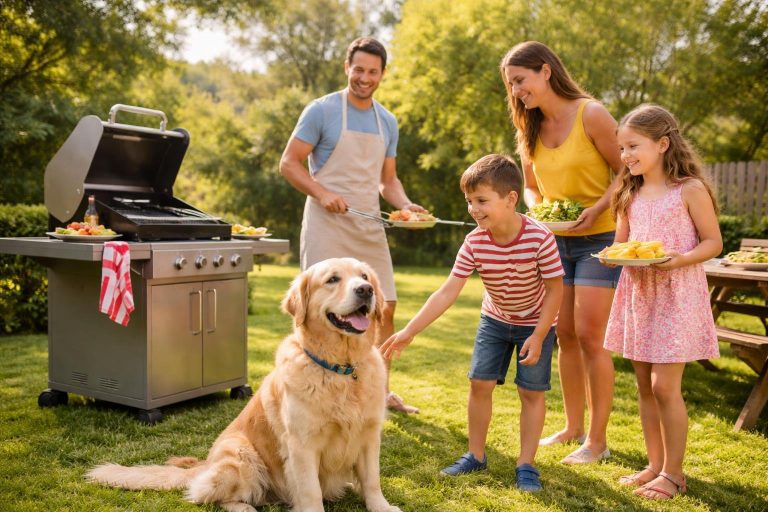
How To Stop Your Dog From Jumping: Effective Training Techniques for Calmer Greetings
When a small puppy jumps up, it seems harmless and even cute. But when that puppy grows into a 50-pound dog, the same behavior becomes a real problem. Jumping dogs can knock people over, scratch legs, and damage clothing.
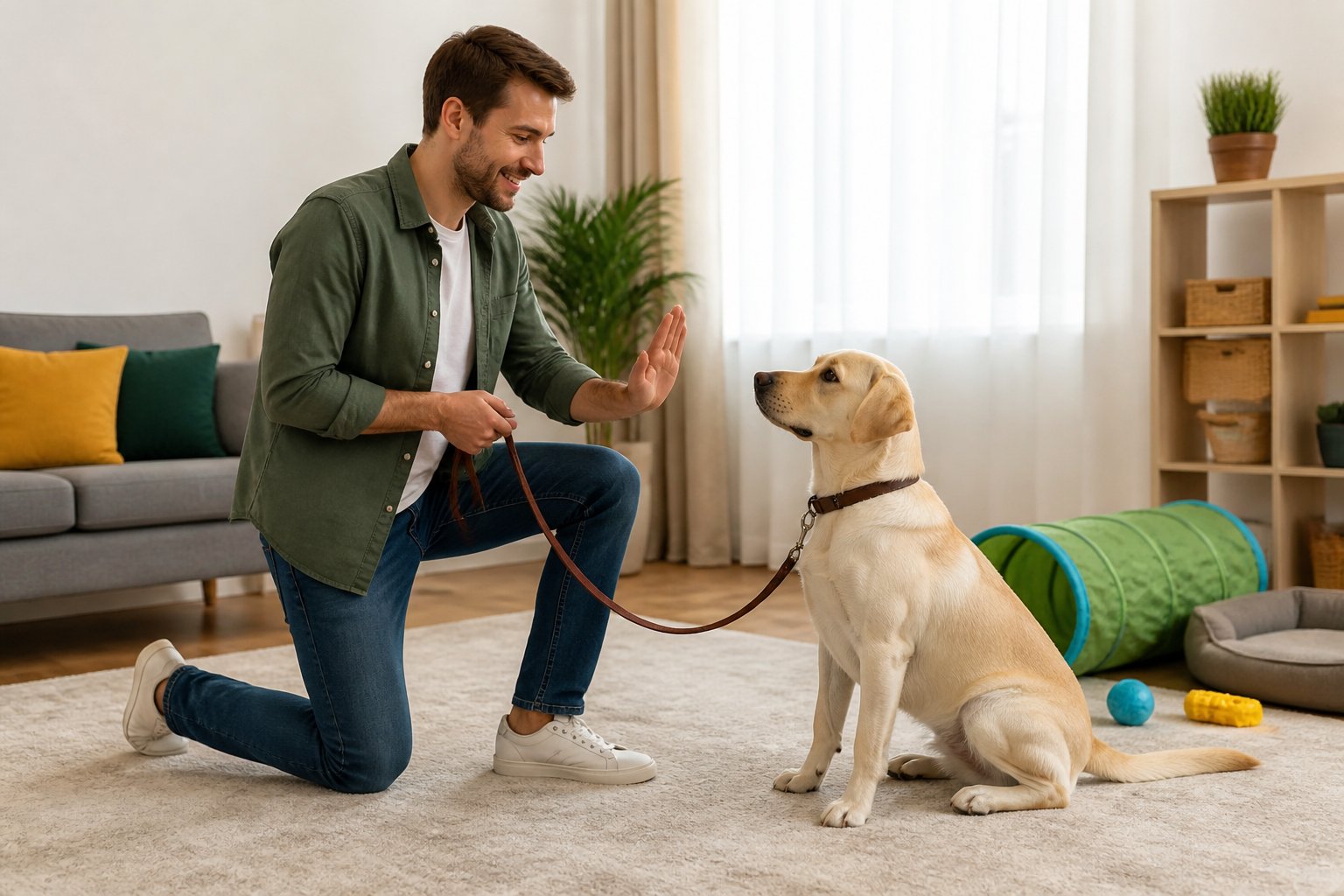
Training a dog to stop jumping requires consistent commands, positive reinforcement, and teaching alternative behaviors that reward the dog for keeping all four paws on the ground. The good news is that this common behavior problem can be fixed with the right approach. Dogs jump for specific reasons, and understanding those reasons makes training much more effective.
This guide covers everything a dog owner needs to know about stopping jumping behavior. It explains why dogs jump, how to train them properly, and what mistakes to avoid. It also addresses how to handle real situations with guests and strangers, plus when it might be time to work with a professional trainer.
Understanding Why Dogs Jump
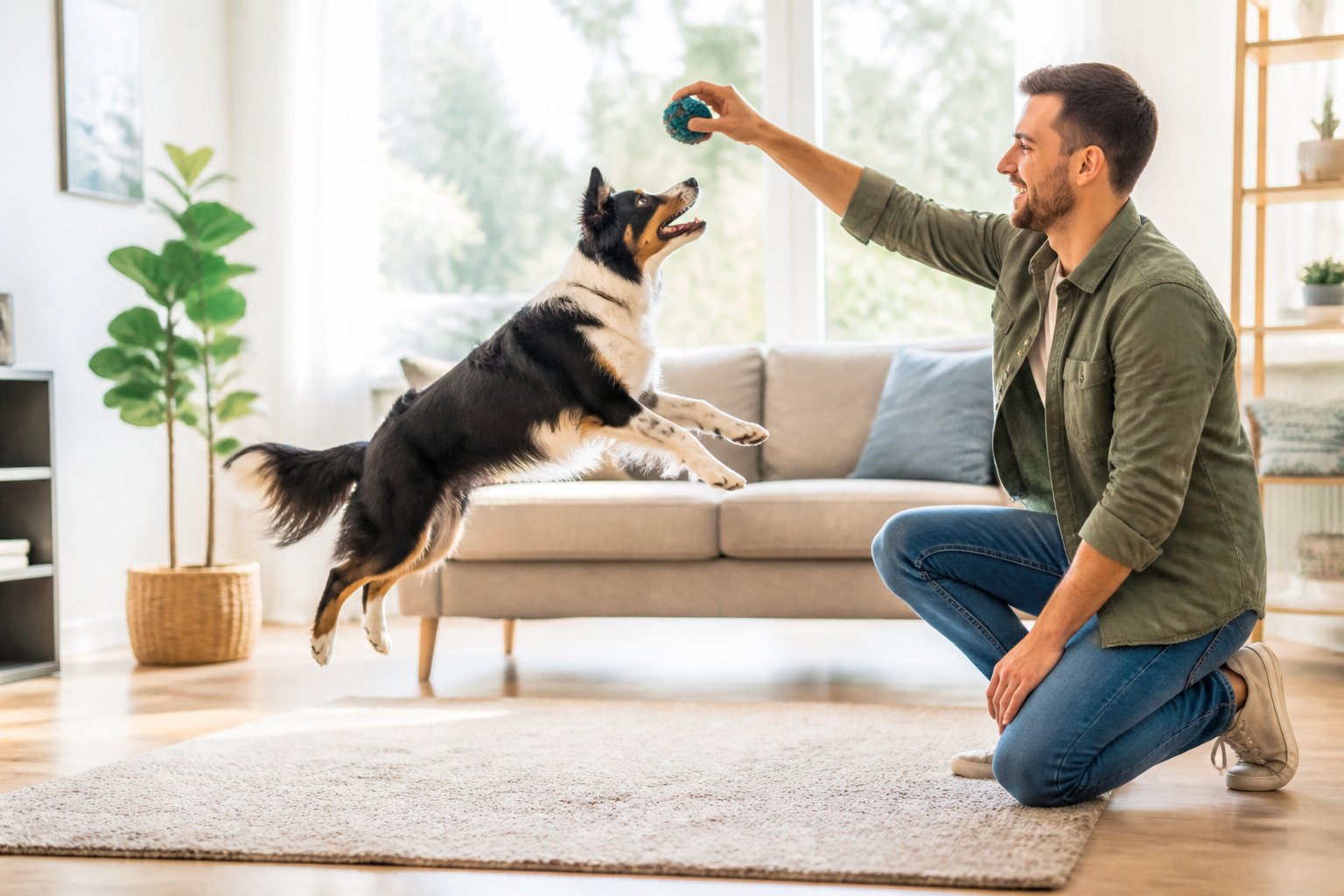
Dogs jump for specific reasons rooted in their natural behavior and social needs. This behavior stems from instinct, learned patterns, and environmental factors that trigger excitement or anxiety.
Natural Greetings and Instincts
Dog jumping is a natural greeting behavior that starts in puppyhood. Puppies jump up to lick their mother’s face and receive food or attention. This instinct carries over into adulthood when dogs greet humans.
Dogs are social animals that live in packs. In the wild, younger or lower-ranking dogs approach the faces of other pack members as a sign of respect and affection. When dogs jump on people, they try to get closer to human faces to greet them in their natural way.
The behavior feels rewarding to dogs because it often brings them closer to their favorite people. A dog’s excitement during greetings makes jumping an automatic response. Their bodies react before their minds can process alternative behaviors.
Attention-Seeking Behaviors
Dogs learn quickly that jumping gets results. When a dog jumps and receives any response, even a negative one like being pushed away or scolded, they still get attention. This reinforces the behavior.
Attention-seeking jumping happens when dogs feel ignored or want interaction. A dog might jump when an owner is on the phone, cooking, or talking to guests. The jumping serves as a way to say “look at me” or “pay attention to me now.”
Some dogs jump to test boundaries and see what they can get away with. Young dogs and strong-willed personalities often push limits through jumping. If the behavior sometimes works to get what they want, dogs will keep trying it.
Common Triggers for Jumping
Several specific situations cause dogs to jump on people:
- Arrivals and departures: When owners come home or guests arrive at the door
- Excitement during play: When dogs get worked up during games or outdoor activities
- Feeding times: When dogs anticipate meals or treats
- New people or dogs: When encountering unfamiliar faces that spark curiosity
Dogs may also jump when they feel anxious or insecure. The behavior can be a stress response rather than pure excitement. Some dogs jump more when their routine changes or when they’re in unfamiliar places.
The level of jumping often matches the dog’s energy and age. Puppies jump more frequently as they explore social interactions and boundaries. Adult dogs who never learned better manners continue the pattern they established early in life.
The Importance of Consistency for Training
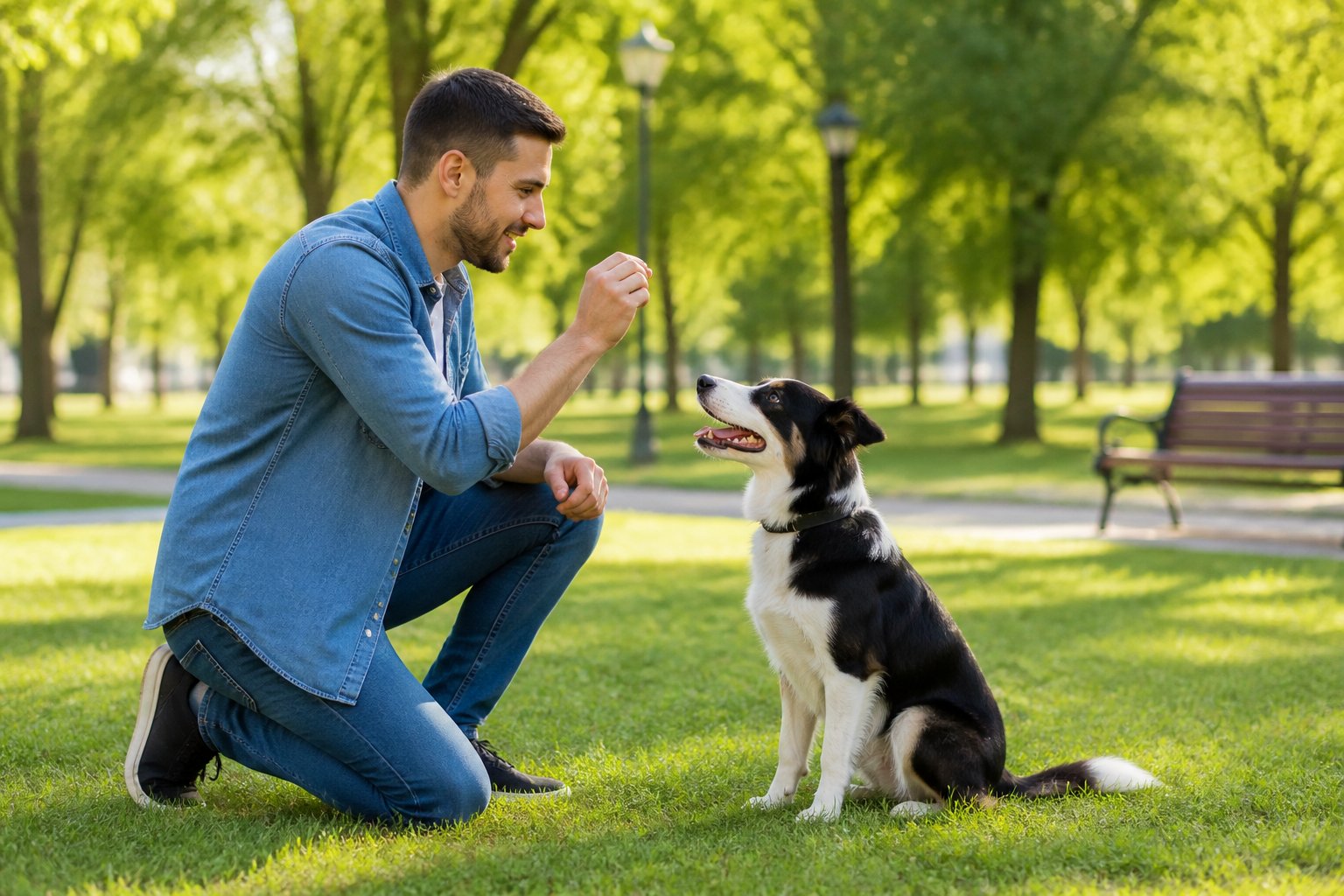
Dogs learn best when they receive the same response to their actions every single time. Training a dog to keep four on the floor requires everyone to follow the same rules and never reward jumping behavior, even accidentally.
Establishing Clear Rules
Dog owners must decide on specific rules and follow them without exception. If jumping gets attention sometimes but not others, the dog becomes confused about what behavior is acceptable. The training breaks down when a dog receives pets and affection while jumping one day, then gets ignored for the same action the next day.
Clear boundaries mean choosing one response to jumping and sticking with it. When a dog jumps, the person should turn away, cross their arms, and avoid eye contact until all four paws touch the ground. Once the dog stands or sits calmly, they get praise and attention immediately. This creates a clear pattern the dog can understand and repeat.
The same rules apply during different situations. A dog shouldn’t be allowed to jump during playtime if jumping isn’t allowed during greetings. Mixed messages slow down progress and make the training process take much longer than necessary.
Getting the Household Involved
Every person who interacts with the dog must use the same training methods. When one family member allows jumping while another doesn’t, the dog never fully learns to stop the behavior. All household members need to agree on the rules before training starts.
Visitors and guests also need brief instructions on how to greet the dog. Many people naturally encourage jumping by giving attention when a dog’s paws leave the ground. Owners should ask guests to ignore the dog until it calms down, then reward the calm behavior with attention. This prevents outsiders from accidentally undoing weeks of training work.
Training consistency extends beyond the home too. Dog walkers, pet sitters, and anyone else who spends time with the dog should know the rules. A single person rewarding jumps can set back the entire training process.
Positive Reinforcement and Alternative Behaviors
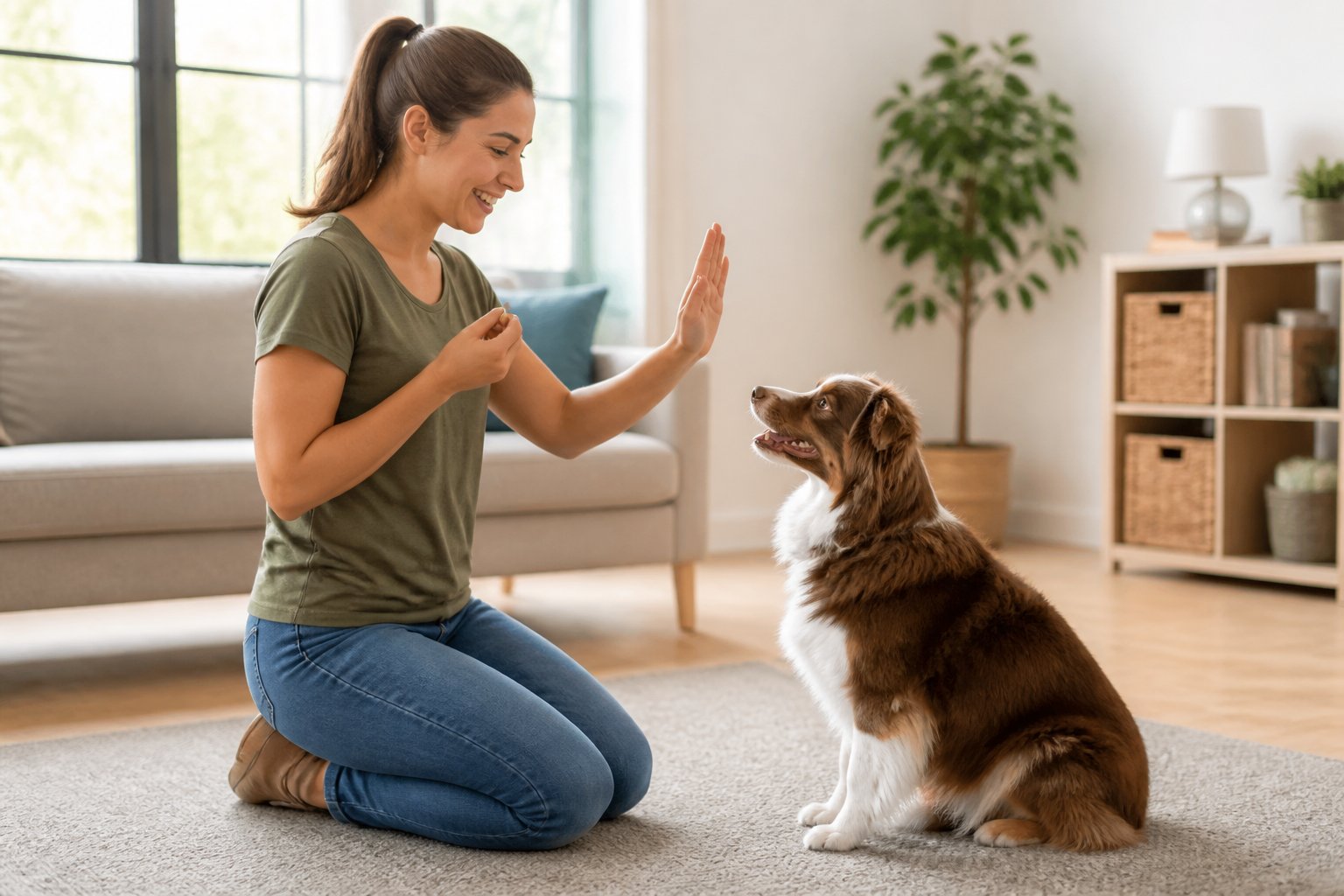
Training a dog to stop jumping works best when owners reward calm behavior and teach specific actions to replace the jumping. This approach gives the dog clear instructions about what to do instead of leaping up at people.
Reinforcing Four on the Floor
Four on the floor means all four paws stay on the ground. This technique works by rewarding the dog every time they keep their feet down when greeting people.
Owners should prepare treats before interactions begin. When someone approaches and the dog stays down, they immediately give a treat and praise. The timing matters because dogs connect rewards with actions that happen right before.
If the dog starts to jump, the person should turn away and ignore them completely. No eye contact, talking, or touching. Once the dog puts all four paws back down, attention and treats resume.
Key steps for success:
- Keep treats ready at all times
- Reward within 2 seconds of paws touching ground
- Practice with different people in different locations
- Stay consistent with every greeting
This method teaches puppy jumping is unrewarding while staying down brings good things.
Teaching the Sit Command
The sit command gives dogs a specific job during greetings. When a dog sits, they physically cannot jump at the same time.
Training starts in a quiet space with few distractions. The owner holds a treat close to the dog’s nose, then slowly moves it back over their head. Most dogs will naturally sit as they follow the treat. The moment their bottom touches the ground, they get the treat and praise.
Once the dog sits reliably at home, owners practice near the front door. They have the dog sit before opening the door, before petting, and when guests arrive. Each successful sit earns a reward.
Redirecting Excitement with Treats
Excited dogs often jump because they don’t know how else to express their energy. Treats create a focal point that channels this excitement into calm behavior.
When someone enters the home, the owner tosses treats on the floor away from the door. The dog focuses on finding treats instead of jumping on the person. As the dog eats, the person can approach calmly.
Another method involves asking guests to toss treats to the dog only when all paws are down. The dog learns that staying grounded makes treats appear, while jumping makes them stop. This works especially well for how to stop a dog from jumping on visitors who may not know proper training techniques.
Managing Jumping in Real-Life Scenarios
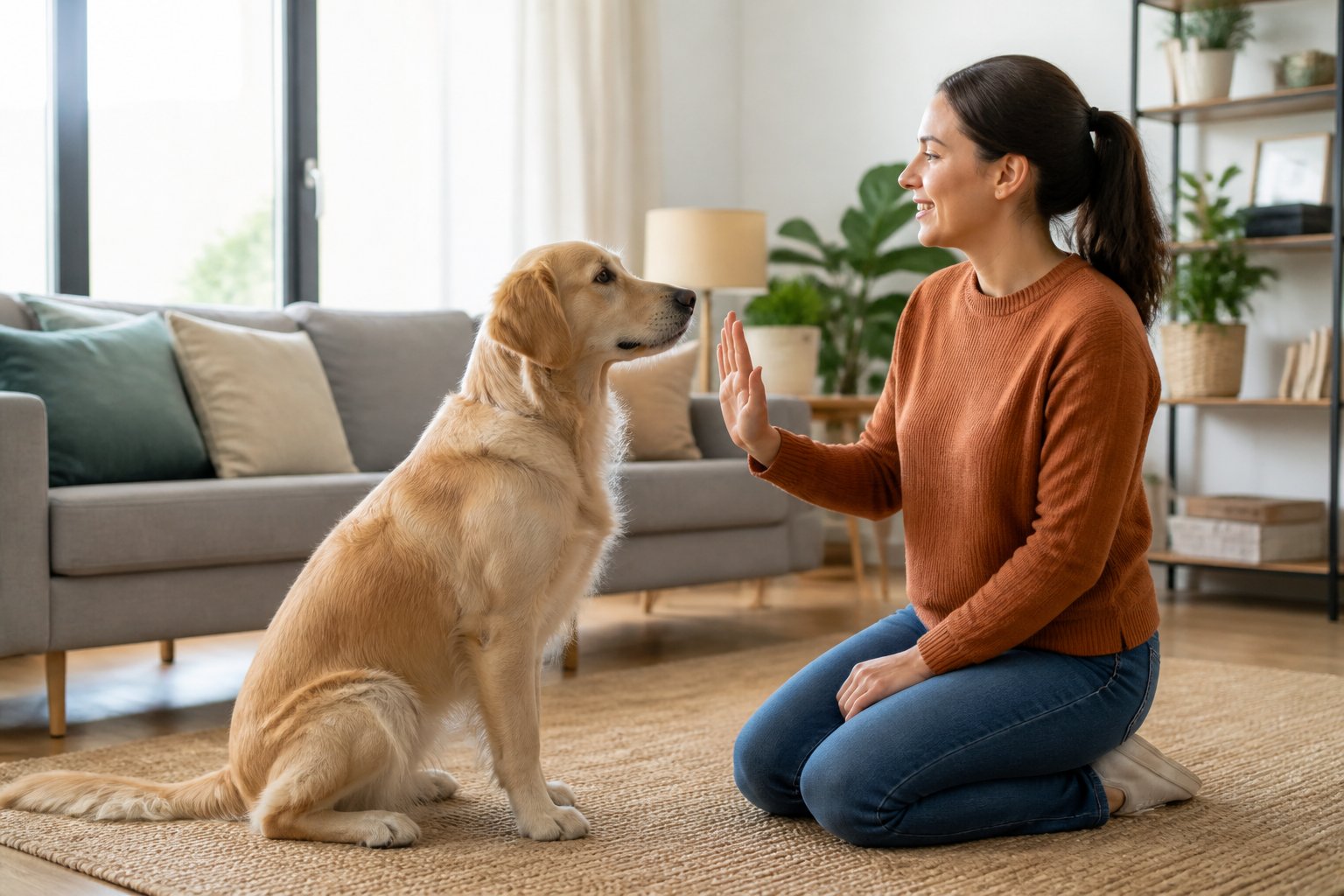
Practice sessions at home mean nothing if the dog can’t apply the training when guests arrive at the door or during walks through the neighborhood. Real-world situations require specific strategies that account for distractions, excitement, and unpredictable triggers.
Greeting Visitors Calmly
The front door creates one of the biggest challenges for dog jumping. When visitors arrive, the dog should be on a leash before anyone enters. This gives the owner control and prevents the dog from rehearsing the jumping behavior.
Owners should ask guests to ignore the dog completely until all four paws stay on the floor. No eye contact, no talking, and no touching until the dog settles. This takes cooperation from visitors, but it works.
A simple greeting protocol looks like this:
- Put the dog on a leash before opening the door
- Ask the visitor to stand still and ignore the dog
- Wait for the dog to sit or stand calmly
- Release calm energy before allowing interaction
- Reward the dog with attention only when calm
Some dogs need distance from the door initially. The owner can practice greetings with the dog further back in the room, gradually moving closer to the entry as the dog improves.
Handling Leashed Walks and Public Interactions
Leashed walks bring many jumping triggers. Other people, dogs, and exciting smells can make a puppy jumping behavior return quickly. The owner needs to recognize signs of building excitement before the jump happens.
When someone approaches on a walk, the owner should shorten the leash and position themselves between the dog and the person. If the dog starts to jump, the owner turns and walks away immediately. This teaches the dog that jumping ends all social interaction.
Practicing the “sit” command before greetings helps. The dog learns that sitting gets attention while jumping makes people leave. The owner can ask strangers if they’re willing to help train by only petting the dog when sitting.
Using Baby Gates and Environmental Control
Baby gates give owners control over space and access. When guests visit, a baby gate can keep the dog in a separate area until the initial excitement passes. This prevents the dog from practicing unwanted behavior during high-energy moments.
Gates also help during meals or when people come and go frequently. The dog stays in view but can’t reach people to jump on them. After the dog calms down, the owner can bring them out on a leash for controlled greetings.
Environmental management isn’t a permanent solution, but it prevents rehearsal of dog jumping while training progresses. Owners can set up gates near entryways, in hallways, or anywhere jumping typically occurs.
Common Mistakes and What to Avoid
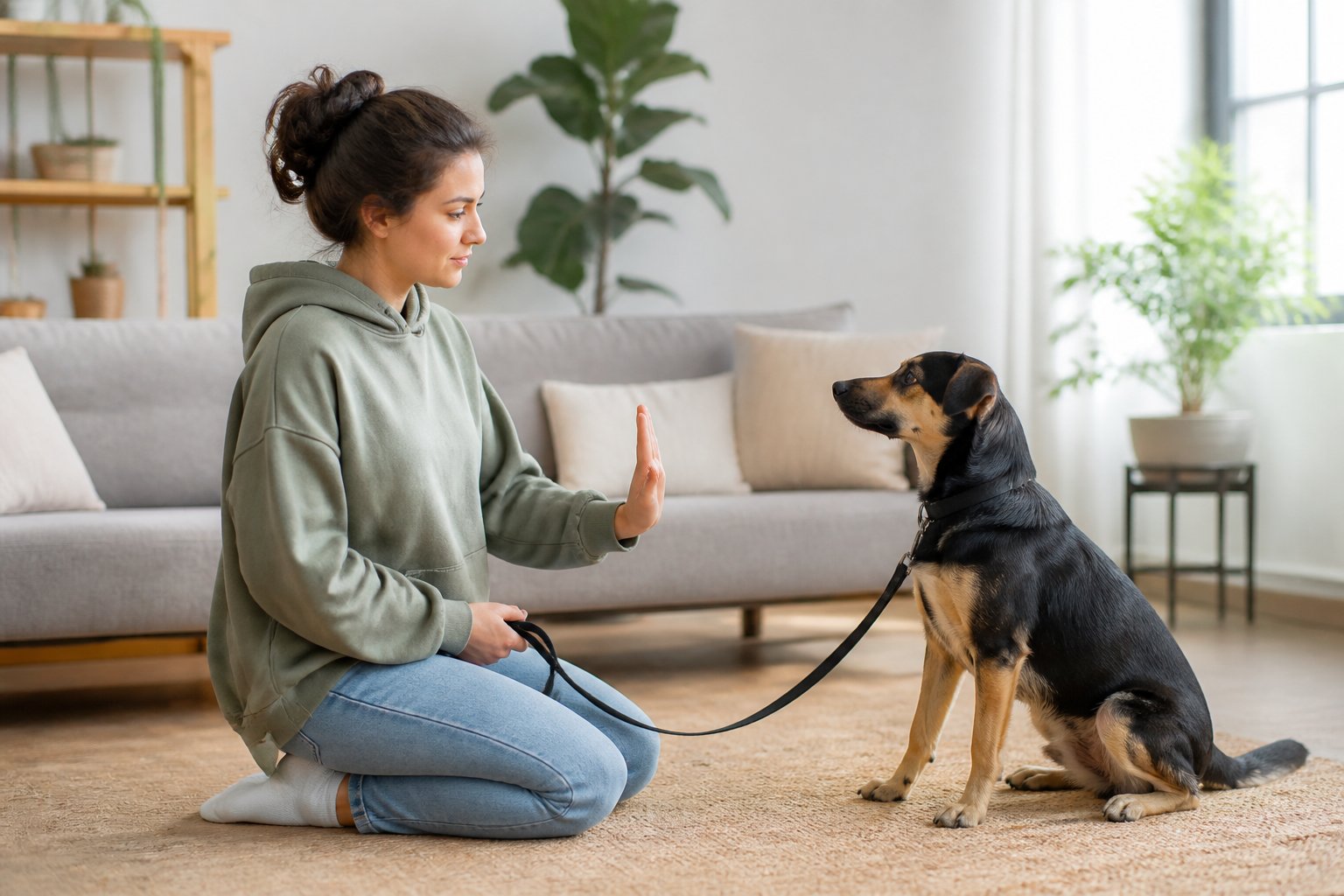
Many owners accidentally make jumping worse by using methods that confuse their dog or send mixed signals. Punishment often creates new problems instead of solving the behavior, and some actions that seem like corrections actually encourage dogs to jump more.
Why Punishment Backfires
Yelling at a dog or physically pushing them away can make jumping worse. Dogs often interpret shouting as excited interaction, which rewards the behavior instead of stopping it. Physical corrections like pushing or grabbing paws can hurt the relationship between owner and dog.
Punishment creates anxiety and fear without teaching the dog what to do instead. A confused dog doesn’t learn that keeping four paws on the ground gets rewards. They only learn that their owner acts unpredictably during greetings.
Some dogs see physical contact as play, even when it’s meant as a correction. Pushing becomes a game that encourages more jumping.
Inadvertently Rewarding Jumping
Inconsistency is one of the biggest problems when training dogs not to jump. Allowing jumping sometimes but not others confuses the dog completely. If one person permits jumping while another says no, the dog cannot learn clear rules.
Any attention given during jumping reinforces the behavior. This includes eye contact, talking to the dog, or touching them. Even negative attention counts as a reward for many dogs.
Owners who pet their dog after it jumps, even while saying “no,” send contradictory messages. The physical touch rewards jumping while the words try to stop it. Dogs respond to actions more than verbal commands in these situations.
When to Seek Professional Help
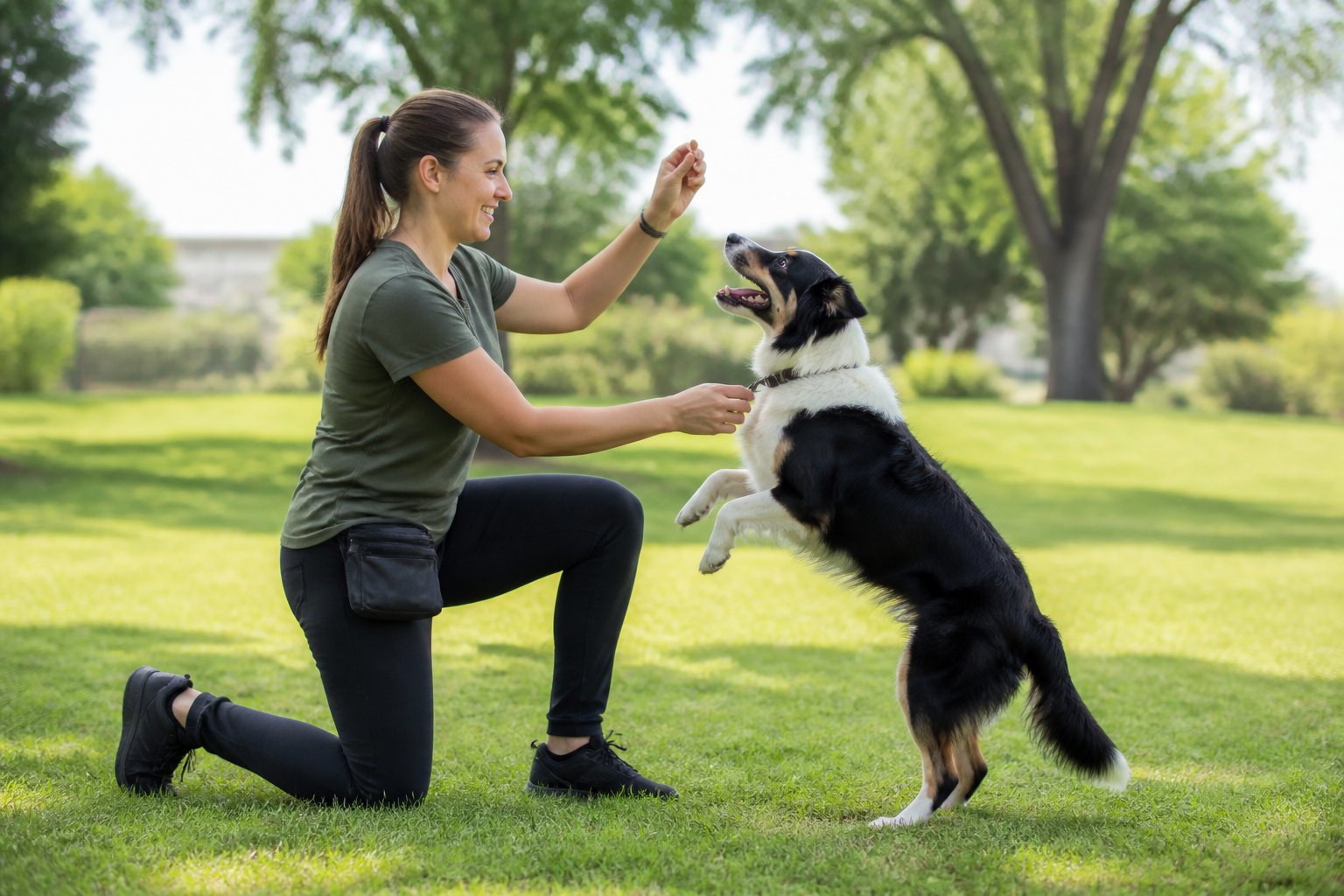
Some dogs need extra support beyond basic training techniques. A professional dog trainer or animal behaviorist can address complex jumping issues that don’t improve with standard methods.
Recognizing Persistent Behavioral Issues
Dog owners should consider professional help when jumping continues for more than 4-6 weeks despite consistent training. If a dog jumps with aggressive behaviors like growling, snapping, or excessive barking, this requires immediate expert evaluation.
Signs that indicate professional help is needed:
- Jumping occurs with fear-based reactions or anxiety
- The behavior puts children or elderly people at risk of injury
- The dog knocks people down or causes physical harm
- Training efforts show no improvement after several weeks
- Jumping happens alongside other problem behaviors like excessive barking or aggression
Large dogs that jump pose safety concerns, especially around vulnerable individuals. A 60-pound dog jumping can easily knock over a child or senior, leading to serious injuries. When safety becomes a factor, waiting to seek help creates unnecessary risk.
Working with a Professional Dog Trainer
A certified dog trainer assesses the specific reasons behind jumping behavior and creates a customized training plan. These experts identify triggers that cause jumping and develop strategies tailored to each dog’s temperament and living situation.
Professional trainers teach owners how to stop a dog from jumping on people using proven techniques. They observe the dog’s body language and environmental factors that standard advice might miss. Many trainers offer virtual sessions for convenience, making expert help accessible without in-person visits.
Behaviorists work differently than basic trainers. They focus on underlying emotional issues like anxiety or overexcitement that fuel jumping. A behaviorist consultation makes sense when jumping stems from fear, stress, or compulsive behaviors rather than simple overenthusiasm.
Frequently Asked Questions
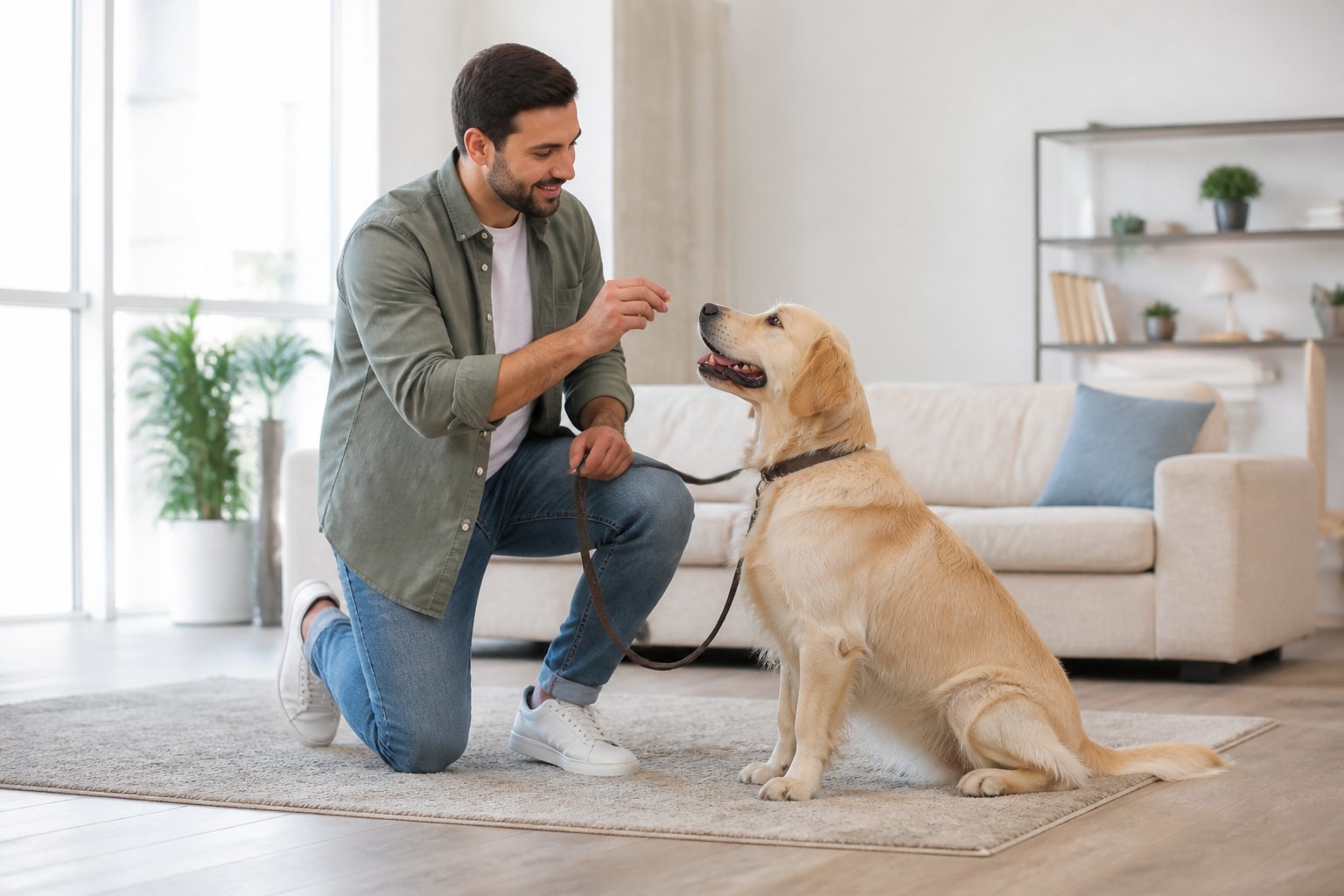
Dogs jump for many reasons, from excitement to testing boundaries. Training techniques, timing, and consistency all play important roles in changing this behavior.
How do you train a dog not to jump on people?
Training a dog not to jump requires teaching an alternative behavior. When a dog approaches, the owner should ask them to sit before giving attention. If the dog jumps, the person should turn away and ignore them completely.
No eye contact, talking, or touching should happen during the jump. This removes the reward the dog seeks. Once all four paws are on the ground, the person can praise and pet the dog.
Practice sessions work best with a helper. The helper approaches, and if the dog jumps, they turn away. When the dog sits or keeps all paws down, they get attention and treats.
What should you do when your dog jumps on you out of excitement?
The best response is to remove all attention immediately. The owner should cross their arms, turn to the side, and look away from the dog. Speaking to the dog or pushing them away still counts as attention.
Once the dog calms down and has four paws on the floor, the owner can greet them calmly. Keeping greetings low-key helps reduce the excitement level. If the dog jumps again, the owner repeats the process of turning away.
How can you prevent your dog from jumping when you come home?
Staying calm during arrivals sets the tone for the dog’s behavior. The owner should enter quietly without making a big fuss or using an excited voice. They can wait a few minutes before greeting the dog.
Teaching the dog to grab a toy when people come home gives them something else to do with their mouth and energy. Some owners ask their dog to sit and stay in a specific spot during arrivals. The dog only gets greeted after staying calm in that spot.
Practicing short departures and returns throughout the day helps the dog learn that arrivals are normal events.
How do you stop a dog from jumping on walks when greeting strangers?
The owner needs to manage the situation before the dog jumps. They should keep the leash short enough to prevent jumping but not tight. When someone approaches, the owner can ask the dog to sit.
If the dog won’t sit or starts to jump, the owner should create distance by moving away from the person. The greeting only happens when the dog stays calm. Strangers should know not to pet the dog if they’re jumping.
Treats can reward the dog for keeping four paws on the ground during greetings. The owner should practice with friends acting as strangers first.
What is the best way to stop a puppy from jumping up and biting?
Puppies often jump and mouth together during play. When this happens, the person should stop all interaction immediately. They can stand up, cross their arms, and look away.
If the puppy continues, the person should leave the room for 10 to 30 seconds. This teaches the puppy that jumping and biting ends playtime. After returning, if the puppy plays gently, the person continues playing.
Giving the puppy a toy to hold redirects their mouth to an appropriate object. Puppies need consistency from everyone in the house using the same approach.
How can you stop a dog from jumping and scratching at the door?
Teaching a dog to go to a specific spot when someone knocks or rings the doorbell creates a new routine. The owner starts by asking the dog to go to their spot when there’s no one at the door. They reward the dog for staying there.
Next, the owner practices with fake knocks or doorbell sounds. The dog goes to their spot and gets rewarded. Real visitors should only come in when the dog stays in their spot.
A baby gate can block the dog’s access to the door during training. This prevents them from practicing the jumping behavior while they’re still learning.