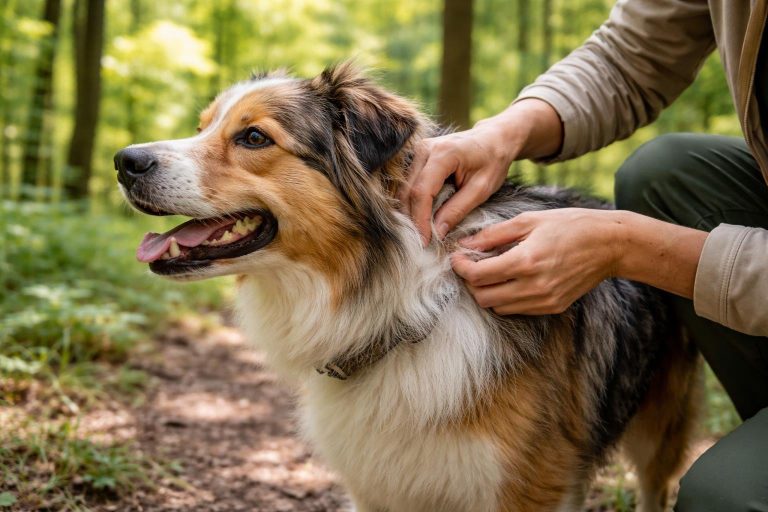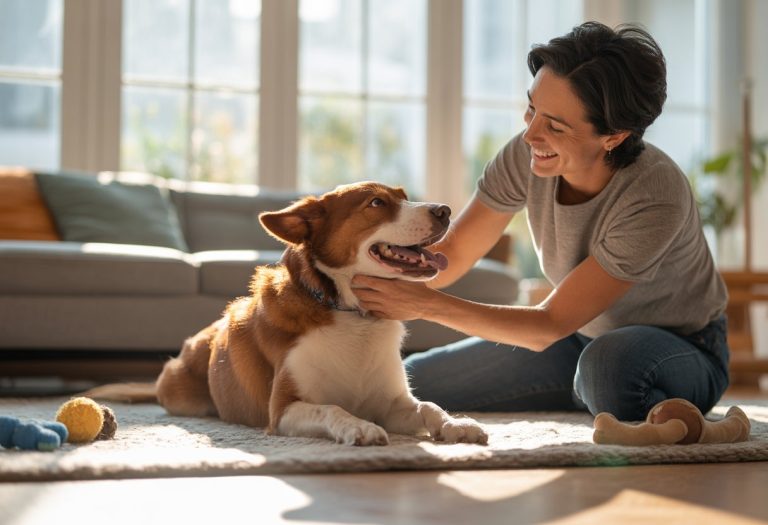
6 Things To Know About Adopting a Senior Dog: Essential Guide for Future Pet Parents
Many people walk past older dogs at shelters while searching for puppies. Senior dogs often make better companions than younger dogs because they are calmer, already trained, and form deep bonds with their new families. These overlooked pets deserve a second chance at finding loving homes.
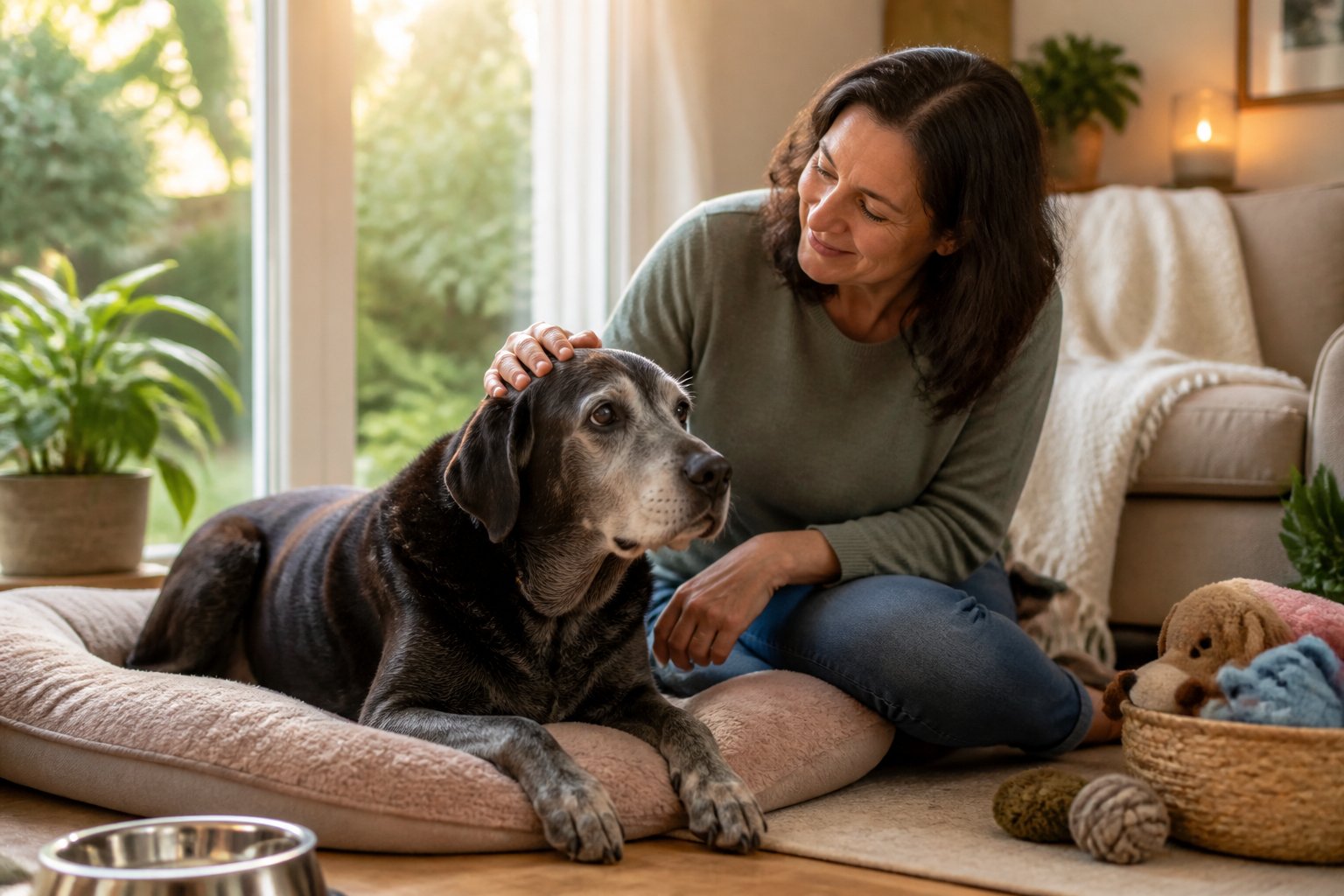
Adopting a senior dog comes with unique rewards and considerations. Older dogs typically know basic commands and are housetrained, which means less work for new owners. They also tend to have lower energy levels that fit well with quieter households.
Understanding what to expect helps people make informed decisions about bringing a senior dog home. From health needs to home adjustments, knowing the facts makes the transition smoother for both the dog and the family. Learning about age definitions, health care, nutrition, and emotional needs prepares adopters for a successful match with their new companion.
What Makes a Dog a Senior
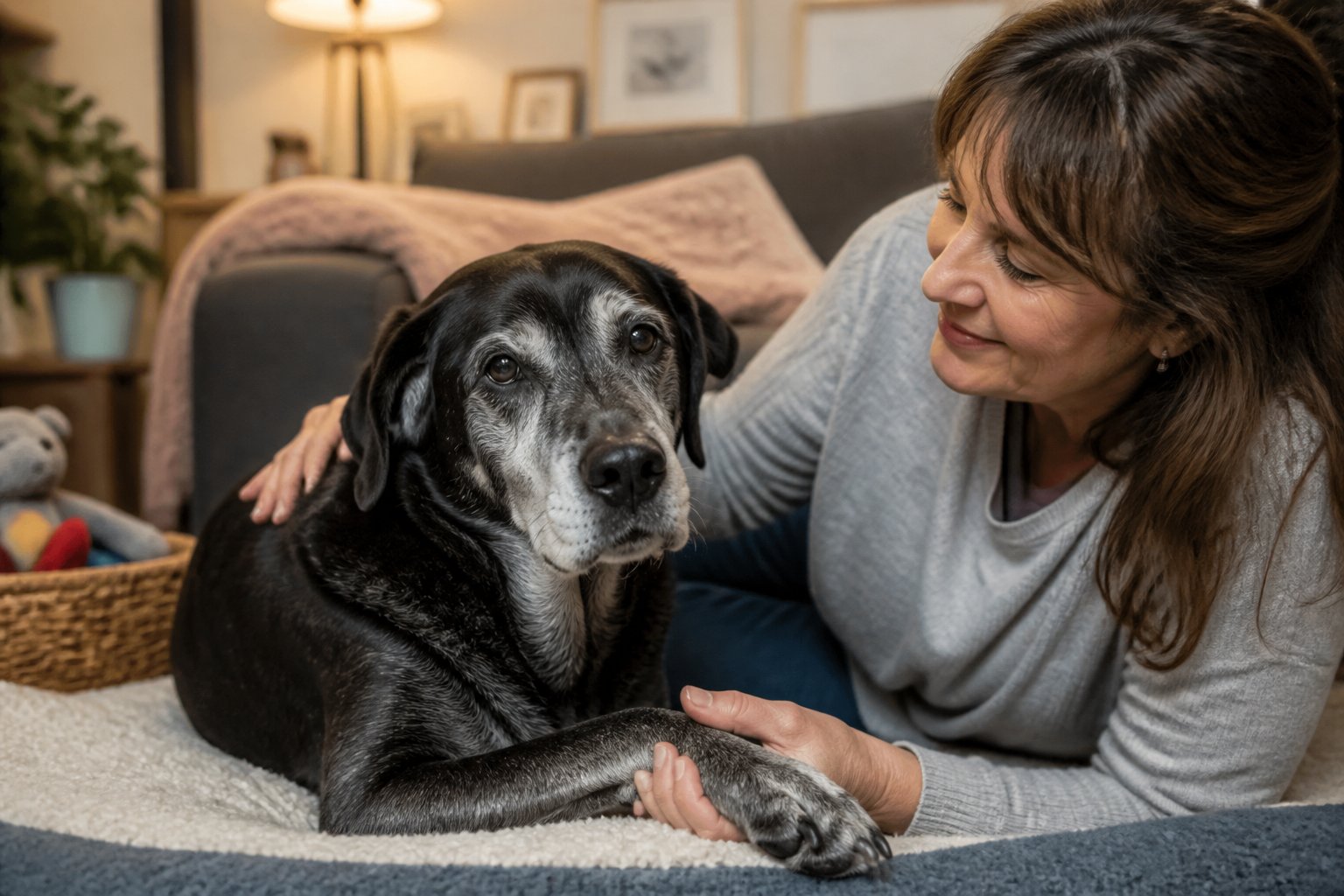
Dogs enter their senior years at different ages based on their size and breed, with larger dogs aging faster than smaller ones. Physical changes and behavioral shifts signal the transition to senior status, though many misconceptions exist about what older dogs can still do.
Age Guidelines by Breed and Size
Small dogs weighing under 20 pounds typically become seniors around 10 to 11 years old. Medium-sized dogs between 20 and 50 pounds reach senior status at about 8 to 9 years. Large breeds weighing 50 to 90 pounds are considered seniors at 7 to 8 years old.
Giant breeds over 90 pounds age the fastest and enter their senior years as early as 5 to 6 years old. This means a Great Dane may be a senior dog while a Chihuahua of the same age is still middle-aged. Breed matters as much as size, since some breeds naturally live longer than others.
Veterinarians use these age ranges as starting points for adjusting care and health screenings. An individual dog’s genetics, lifestyle, and overall health also influence when they show signs of aging.
Physical and Behavioral Signs of Aging
Gray hair often appears first around the muzzle, face, and eyes. Senior dogs may develop a cloudy appearance in their eyes or experience decreased vision and hearing. Their joints become stiffer, making it harder to climb stairs or jump onto furniture.
Energy levels typically drop as dogs age. They sleep more during the day and show less interest in extended play sessions. Some older dogs gain weight due to reduced activity, while others lose weight from dental problems or decreased appetite.
Behavioral changes include increased anxiety, confusion, or changes in sleep patterns. Senior pups may have accidents indoors or seem disoriented in familiar spaces. These signs can indicate normal aging or underlying health issues that need veterinary attention.
Common Misconceptions About Older Dogs
Many people believe senior dogs cannot learn new things, but older dogs are perfectly capable of training and adapting to new homes. They often learn house rules faster than puppies because they have better focus and impulse control.
Another myth suggests all senior dogs have expensive health problems. While older dogs need regular vet checkups, many remain healthy for years with proper care. Some senior dogs require only basic preventive care and routine monitoring.
People also assume older dogs lack energy and playfulness. Most senior pups still enjoy walks, gentle play, and mental stimulation. They simply need shorter, less intense activities compared to younger dogs.
Benefits of Choosing a Senior Dog
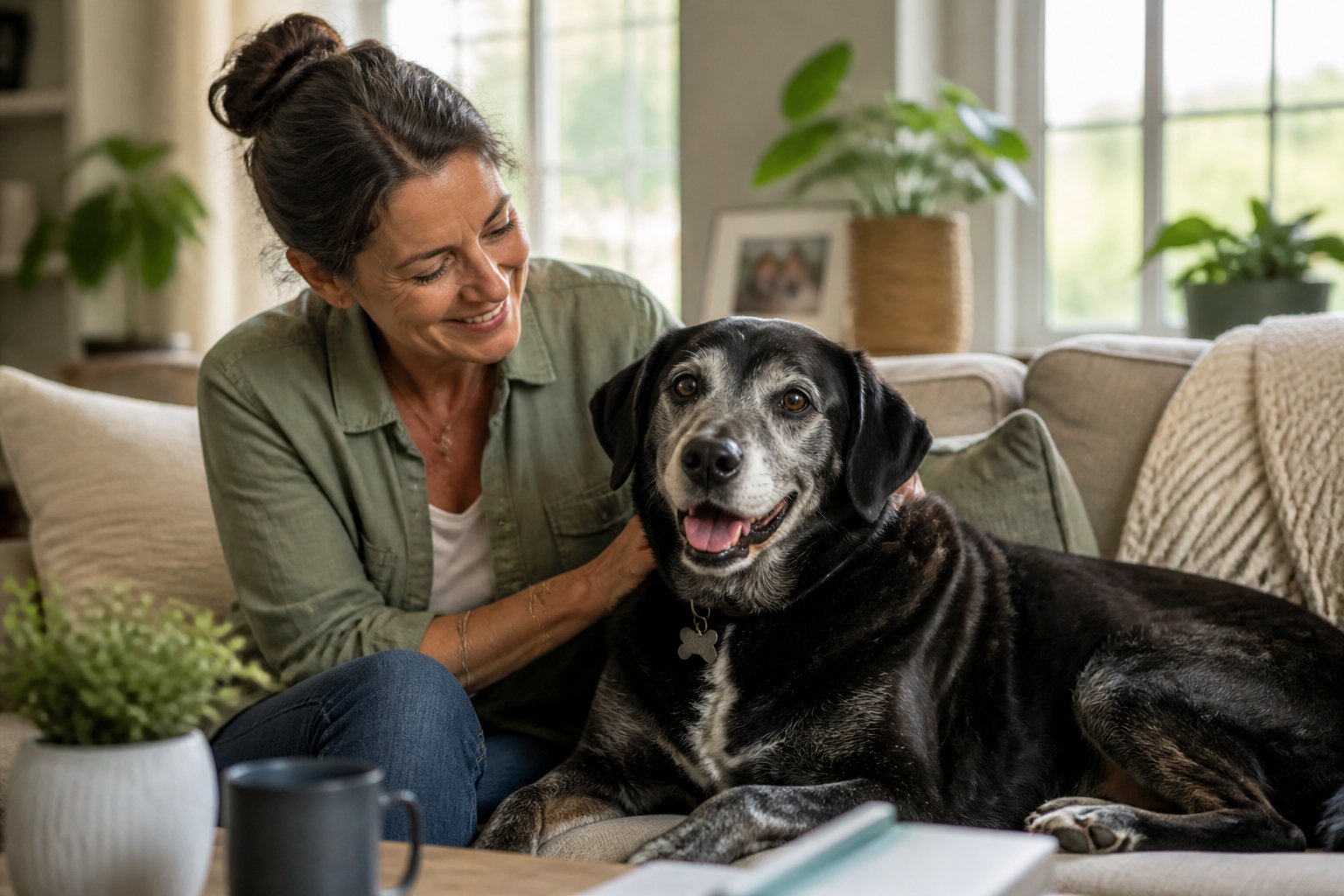
Senior dogs bring distinct advantages that make them excellent companions for many households. Their established personalities, calm demeanor, existing skills, and affordability create opportunities that puppies simply cannot match.
Predictable Temperament and Size
When someone chooses to adopt a senior dog, they know exactly what they’re getting. The dog’s full-grown size is already apparent, which helps families plan for space requirements and care needs. A senior pup won’t suddenly grow from 20 pounds to 70 pounds like a puppy might.
Personality traits are fully developed in older dogs. Potential adopters can meet the dog and understand its true temperament right away. Some senior dogs enjoy cuddling on the couch, while others prefer gentle walks and quiet companionship. This predictability removes the guesswork that comes with raising a puppy.
Shelters and rescue organizations usually know the dog’s history with children, other pets, and various living situations. This information helps families find the perfect match for their lifestyle and home environment.
Lower Energy and Calmer Personality
Senior dog adoptions often suit people who want a relaxed companion. Older dogs have moved past the high-energy puppy phase and typically require moderate exercise rather than constant activity. A couple of short walks each day usually satisfies their physical needs.
These dogs settle into routines quickly and spend much of their time resting contentedly. They don’t need hours of playtime or intense supervision to prevent destructive behavior. Most senior dogs are happy to relax beside their owners while they work, read, or watch television.
The calmer nature of older dogs makes them ideal for apartments, seniors, or families with young children who need a gentle pet. They’ve learned impulse control and rarely engage in the chaotic behaviors common in puppies.
Pre-Existing Training and House Manners
Many senior dogs arrive with basic obedience training already complete. They understand common commands like sit, stay, and come. Most are housetrained and know how to signal when they need to go outside.
These dogs have lived in homes before and understand household rules. They don’t chew furniture, jump on counters, or have frequent accidents inside. While it’s true you can teach an old dog new tricks, many necessary lessons are already learned.
Previous owners or foster families have often worked through behavioral issues. The dog knows how to walk on a leash, ride in a car, and behave around visitors. This training saves adopters significant time and effort.
Discounted Adoption Fees and Saving Lives
Adopting an older dog often comes with reduced costs. Many shelters offer discounted adoption fees for senior dogs to encourage their placement. These lower fees can make pet ownership more accessible to families on a budget.
Senior dogs face the highest risk of euthanasia in shelters because fewer people want to adopt them. Choosing senior dog adoption literally saves a life that might otherwise be cut short. These dogs have so much love left to give but need someone willing to give them a chance.
Some rescue organizations include additional benefits with senior dog adoptions. They may cover initial veterinary exams, vaccinations, or even provide a starter supply of food and medications. These extras reduce the immediate financial burden of bringing a new pet home.
Key Health and Nutrition Considerations
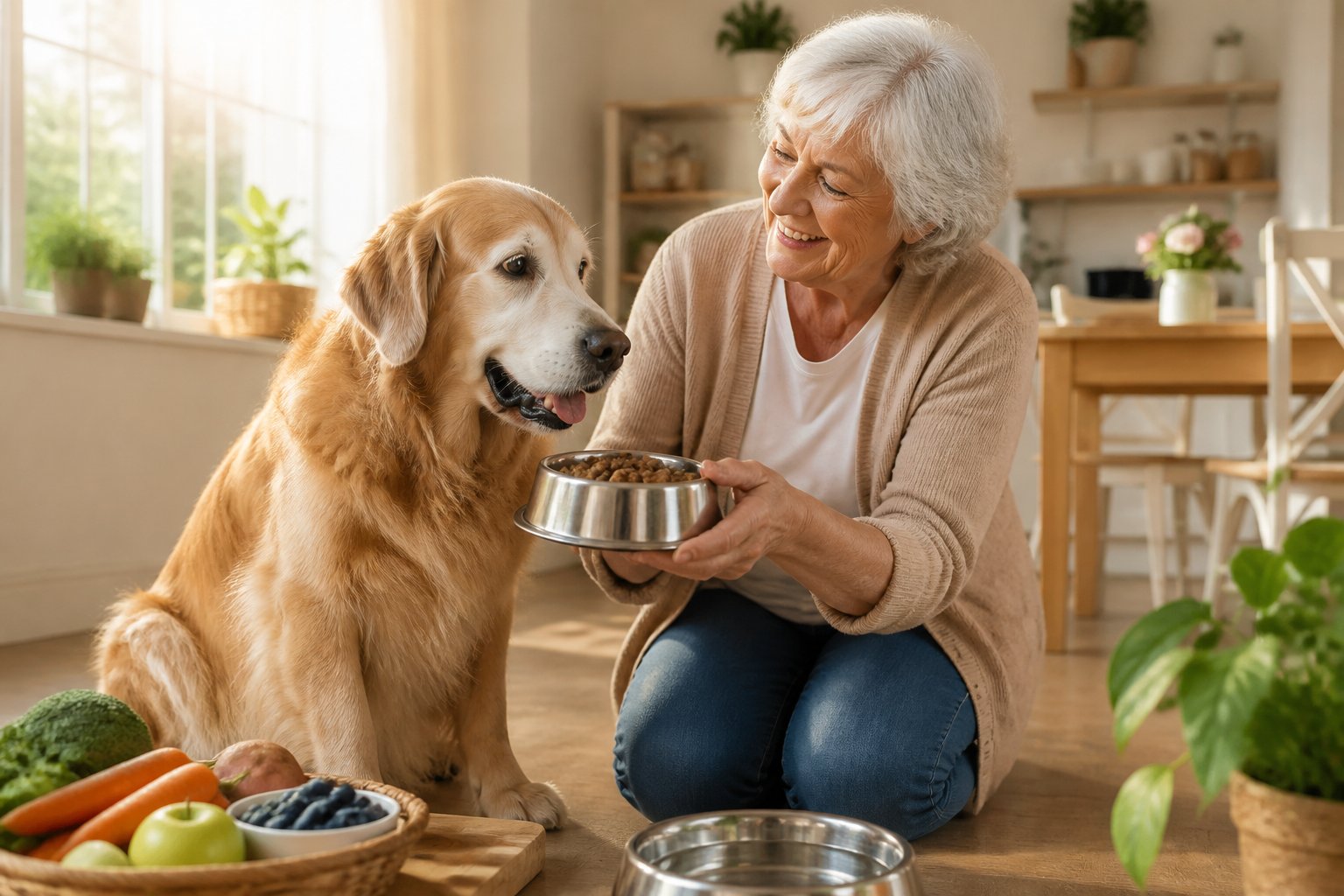
Senior dogs require specific attention to health monitoring and dietary needs as their bodies change with age. Cancer, kidney disease, and heart disease rank as the most common causes of non-accidental death in older dogs, making preventative care and proper nutrition essential.
Common Health Challenges in Older Dogs
Older dogs face several age-related health issues that require regular monitoring. Arthritis and joint problems frequently develop, causing stiffness and reduced mobility. Vision and hearing loss often progress gradually as dogs age.
Dental disease affects many senior dogs and can lead to pain, infection, and difficulty eating. Cognitive decline may occur, showing signs like confusion, changes in sleep patterns, or house-training accidents. Kidney function naturally decreases with age, making these organs more vulnerable to disease.
Heart conditions become more prevalent in senior dogs. The body’s ability to regulate temperature diminishes, making older dogs more sensitive to extreme heat or cold. Tumors and cancerous growths appear more frequently in aging pets. Weight changes often occur due to slower metabolism and decreased activity levels.
Veterinary Care and Preventative Medication
Regular veterinary visits become more important for senior dog care. Most veterinarians recommend check-ups every six months for older dogs instead of annual visits. These appointments should include blood work to monitor organ function and catch problems early.
Preventative medications remain necessary throughout a dog’s senior years. Bravecto protects against fleas and ticks, which can still pose serious health risks to older dogs. Interceptor Plus prevents heartworm disease and treats intestinal parasites, conditions that can be especially dangerous for aging pets.
Dental cleanings help prevent tooth loss and painful infections. Vaccinations may need adjustment based on the dog’s health status and lifestyle. Pain management medications can improve quality of life for dogs with arthritis or other chronic conditions.
Specialized Diet and Senior Dog Nutrition
Senior dog nutrition differs from adult dog food requirements. Older dogs typically need fewer calories due to reduced activity levels and slower metabolism. However, they require high-quality protein to maintain muscle mass.
Senior dog food should contain easily digestible ingredients. Lower phosphorus content helps protect kidney function. Joint-supporting supplements like glucosamine and chondroitin benefit dogs with arthritis.
Key nutritional considerations:
- Protein quality: Higher quality protein in moderate amounts
- Fat content: Reduced fat for less active dogs
- Fiber: Increased fiber aids digestion
- Moisture: Wet food or added water helps with hydration
Some senior dogs need specialized diets for specific health conditions like kidney disease or diabetes. Portion control prevents obesity, which stresses joints and organs. Fresh water must be available at all times since older dogs dehydrate more easily.
Preparing Your Home for a Senior Dog
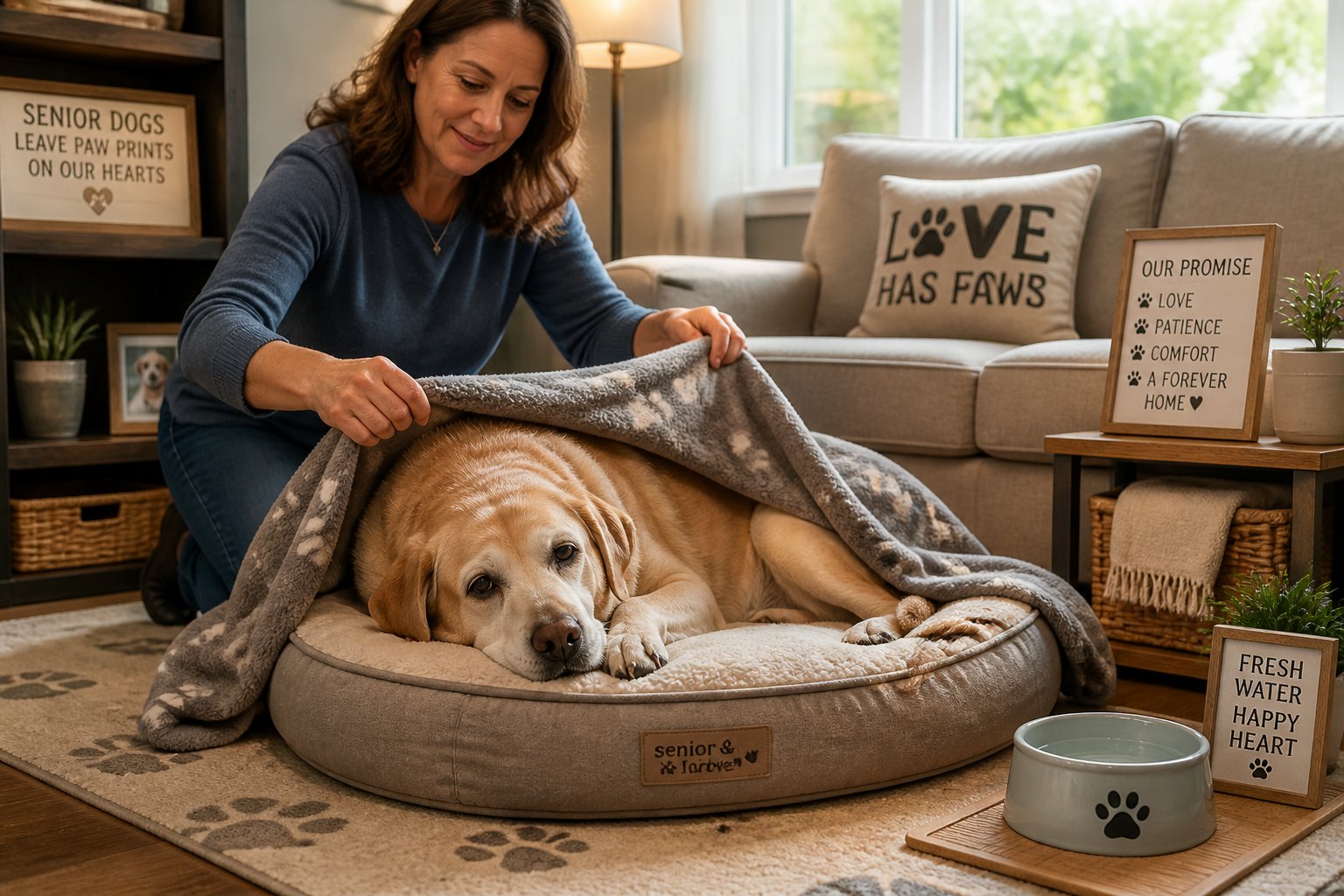
Getting ready for a senior dog requires specific adjustments to keep them comfortable and safe. Older dogs need easier access to food, water, and resting areas, plus products designed for their physical limitations.
Mobility and Accessibility Adjustments
Senior dogs often struggle with stairs, slippery floors, and jumping onto furniture. Pet owners should place non-slip rugs or mats on hardwood and tile floors to prevent falls. Dog stairs or ramps help older dogs reach beds, couches, and vehicles without straining their joints.
Block off staircases if the dog has trouble climbing them safely. Some senior dogs develop vision problems, so keeping furniture in the same spots helps them navigate rooms without confusion. Remove obstacles from main walking paths to prevent tripping.
Low-entry beds work better than raised furniture for dogs with arthritis or hip problems. If a senior dog can’t climb into bed anymore, setting up a comfortable sleeping area on the ground floor keeps them close without physical strain.
Recommended Products for Comfort and Safety
An orthopedic dog bed provides essential joint support for aging bodies. These beds use memory foam to reduce pressure on hips, shoulders, and elbows. Look for beds with removable, washable covers since senior dogs may have occasional accidents.
Elevated food bowls reduce neck and back strain during meals. The bowls should sit at chest height so the dog doesn’t bend down. Stainless steel bowls work best because they’re easy to clean and won’t harbor bacteria.
Senior dog toys should be soft on teeth and gums. Plush toys and rubber toys designed for gentle chewing work well. Puzzle toys keep minds active without requiring intense physical activity. Consider night lights in hallways for dogs with declining vision.
Routine and Environment for Senior Pups
Senior dog care includes creating a quiet space where the dog can retreat from noise and activity. Set up this area away from high-traffic zones with a comfortable bed, water bowl, and a few toys.
Keep food, water, and bathroom access on the same floor when possible. Bringing a senior dog home means establishing a consistent daily schedule for meals, walks, and rest times. Older dogs feel more secure with predictable routines.
Maintain a comfortable temperature since senior dogs regulate body heat less effectively. Provide blankets in cooler months and ensure access to shade and water during warmer weather.
Training and Emotional Support for Senior Dogs
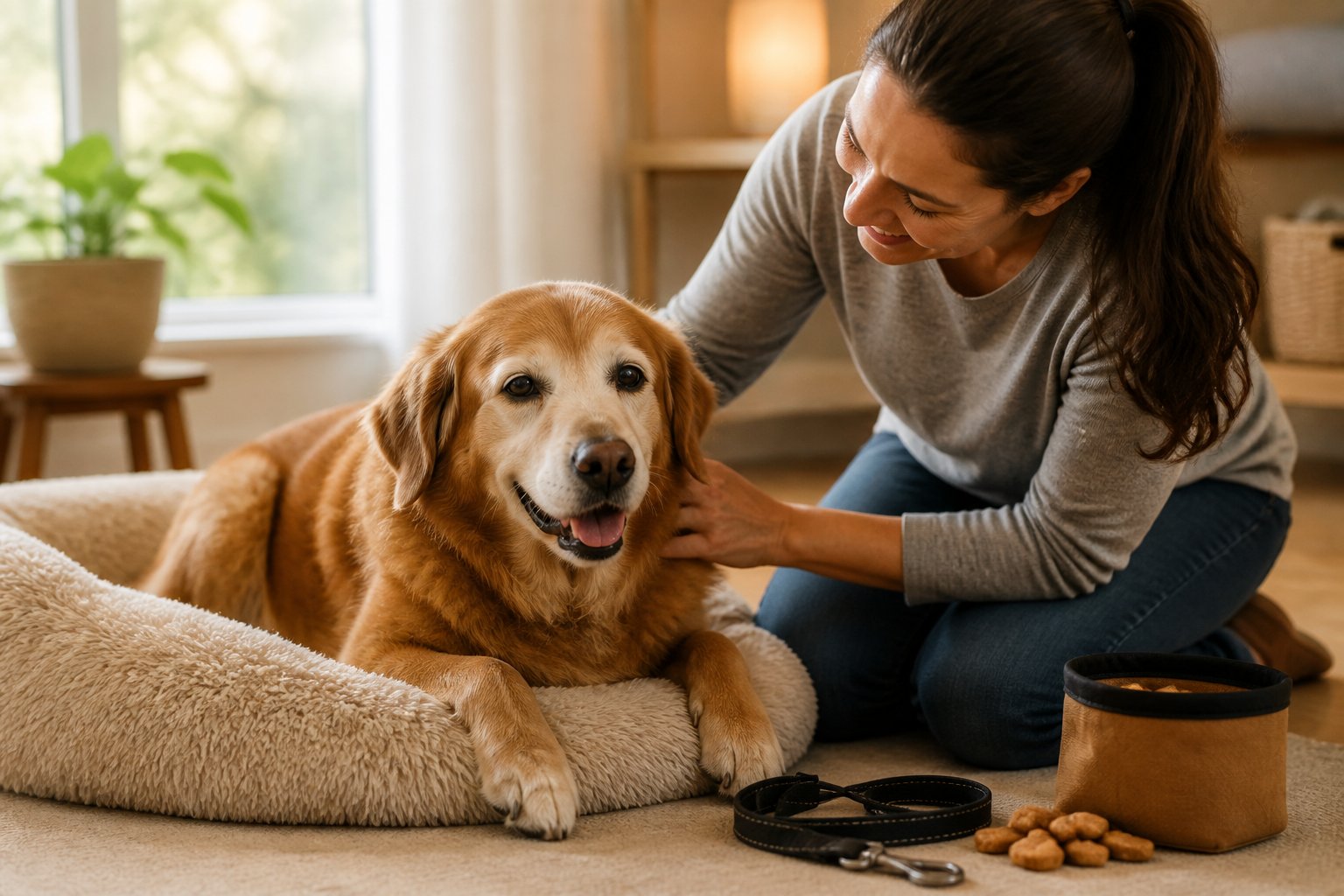
Senior dogs need time and patience to settle into their new homes. While they may already know basic commands, they still require guidance to build confidence and trust with their new family.
Adjusting to a New Environment
A senior pup faces unique challenges when moving to a new home. The first few weeks are critical for helping the dog feel safe and secure. New owners should create a quiet space where the dog can retreat when feeling overwhelmed.
Establishing a consistent daily routine helps reduce anxiety. Feed the dog at the same times each day and take walks on a regular schedule. This predictability makes the transition smoother.
Senior dogs may show signs of stress like excessive panting, pacing, or changes in appetite. These behaviors typically fade as the dog becomes more comfortable. Give the dog space to explore at their own pace without forcing interactions.
Training Older Dogs and Teaching New Skills
The idea that you can’t teach an old dog new tricks is false. Senior dogs can learn new commands and behaviors, though they may need more repetition than younger dogs. They often respond well to positive reinforcement training with treats and praise.
Focus on basic obedience commands if the dog lacks prior training. Use short training sessions of 5-10 minutes to avoid tiring the dog. Senior dogs may have hearing or vision loss, so hand signals work well alongside verbal commands.
Address any unwanted behaviors gently and consistently. Many senior dogs come from difficult backgrounds and need patience while learning household rules. Avoid harsh corrections that can damage the developing relationship.
Building Trust and Forming a Bond
Trust develops gradually with senior dogs who may have experienced neglect or abandonment. Spend quiet time near the dog without demanding attention. Let them approach when ready rather than forcing physical contact.
Key trust-building activities include:
- Hand-feeding treats to create positive associations
- Speaking in calm, gentle tones
- Respecting the dog’s body language and boundaries
- Providing comfort during stressful situations
Physical touch should progress slowly. Start with gentle pets on the chest or shoulders before moving to more sensitive areas. Some senior dogs warm up quickly while others need months to fully relax. Watch for signs of growing comfort like tail wags, relaxed body posture, and seeking out attention.
Finding and Choosing the Right Senior Companion
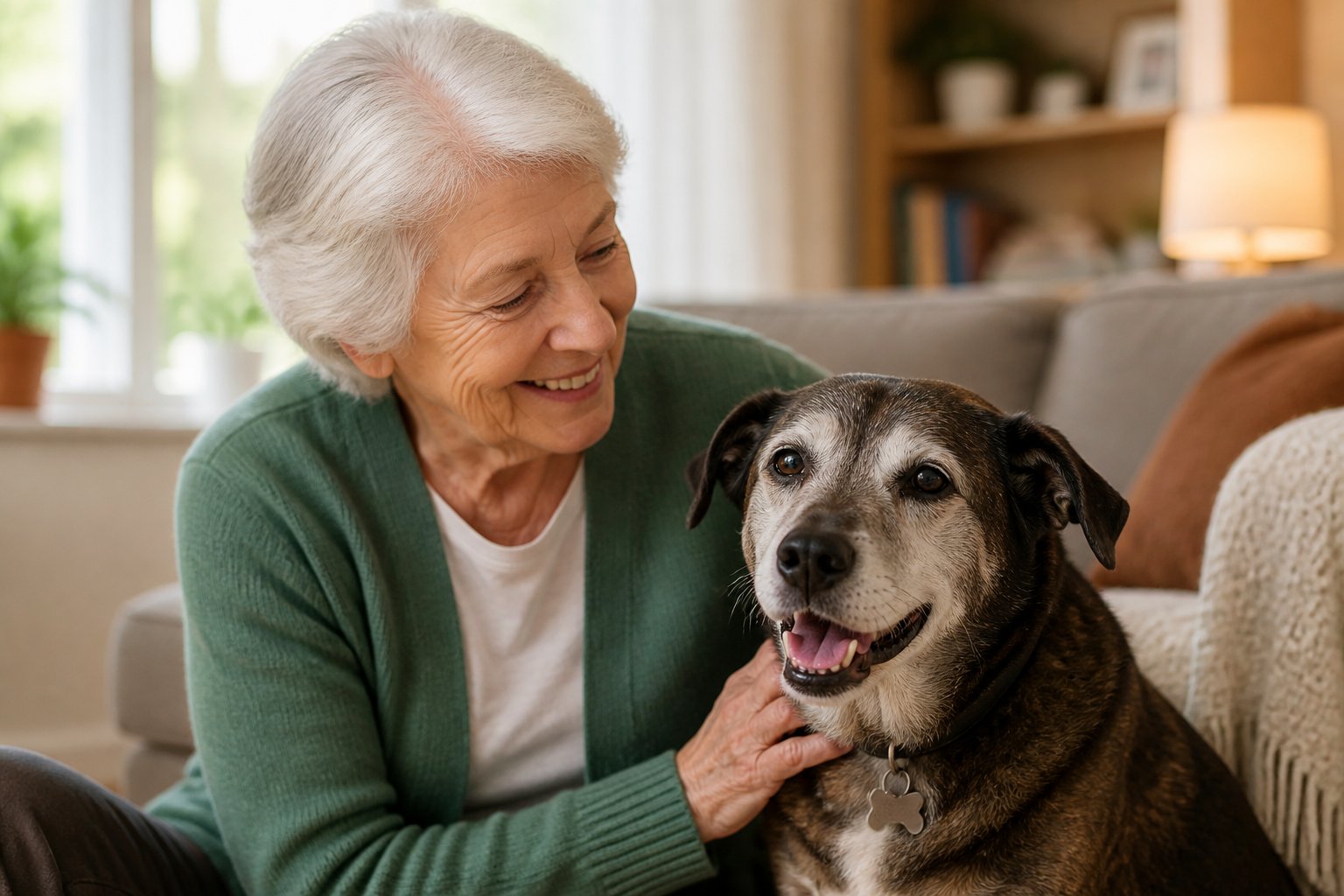
Senior dogs are available through multiple channels, each offering unique advantages for prospective adopters. Understanding where to look and how to evaluate compatibility helps ensure a successful match between dog and owner.
Where to Find a Senior Dog Near You
Local animal shelters represent the most common starting point to find a senior dog near you. These facilities typically house dogs of all ages and often have dedicated programs for older animals. Many shelters maintain online databases with photos and basic information about available dogs.
Pet adoption websites and apps allow users to filter search results by age, size, and location. These platforms aggregate listings from multiple shelters and rescue organizations within a specific geographic area. Users can set up alerts when new senior dogs become available in their region.
Veterinary clinics and pet supply stores often have bulletin boards featuring dogs in need of homes. Staff members may know of older dogs whose owners can no longer care for them. Word-of-mouth through community social media groups can also connect people with senior dogs needing adoption.
Breed-Specific Senior Rescue and Local Animal Shelter
Breed-specific senior rescue organizations focus on particular dog breeds or breed groups. These rescues often have detailed knowledge about the breed’s typical health issues, temperament, and care requirements. They usually provide thorough medical evaluations and behavioral assessments before adoption.
Local animal shelters serve broader communities and accept dogs of all breeds and mixed breeds. Shelter staff can provide information about each dog’s background, medical history, and behavior observations. Many shelters offer trial adoption periods or meet-and-greet sessions before finalizing the adoption.
Both options typically include initial veterinary care, vaccinations, and spaying or neutering. Adoption fees at shelters generally range from $50 to $200, while breed-specific rescues may charge slightly higher fees based on medical care provided.
Assessing Fit and Compatibility
Energy levels and activity requirements vary significantly among senior dogs. Some remain active and enjoy regular walks, while others prefer quieter, indoor activities. Potential adopters should consider their own lifestyle and physical capabilities when choosing a senior dog.
Home environment matters when evaluating compatibility. Dogs with mobility issues need single-story homes or minimal stairs. Size considerations include whether the dog can comfortably fit in the living space and vehicle for transportation to vet appointments.
Meeting the dog multiple times before adoption reveals personality traits and behavioral patterns. Observing how the dog interacts with different people, responds to basic commands, and behaves in various situations provides valuable insight. Asking shelter staff about the dog’s history with other pets, children, and any special medical or dietary needs ensures informed decision-making.
Frequently Asked Questions
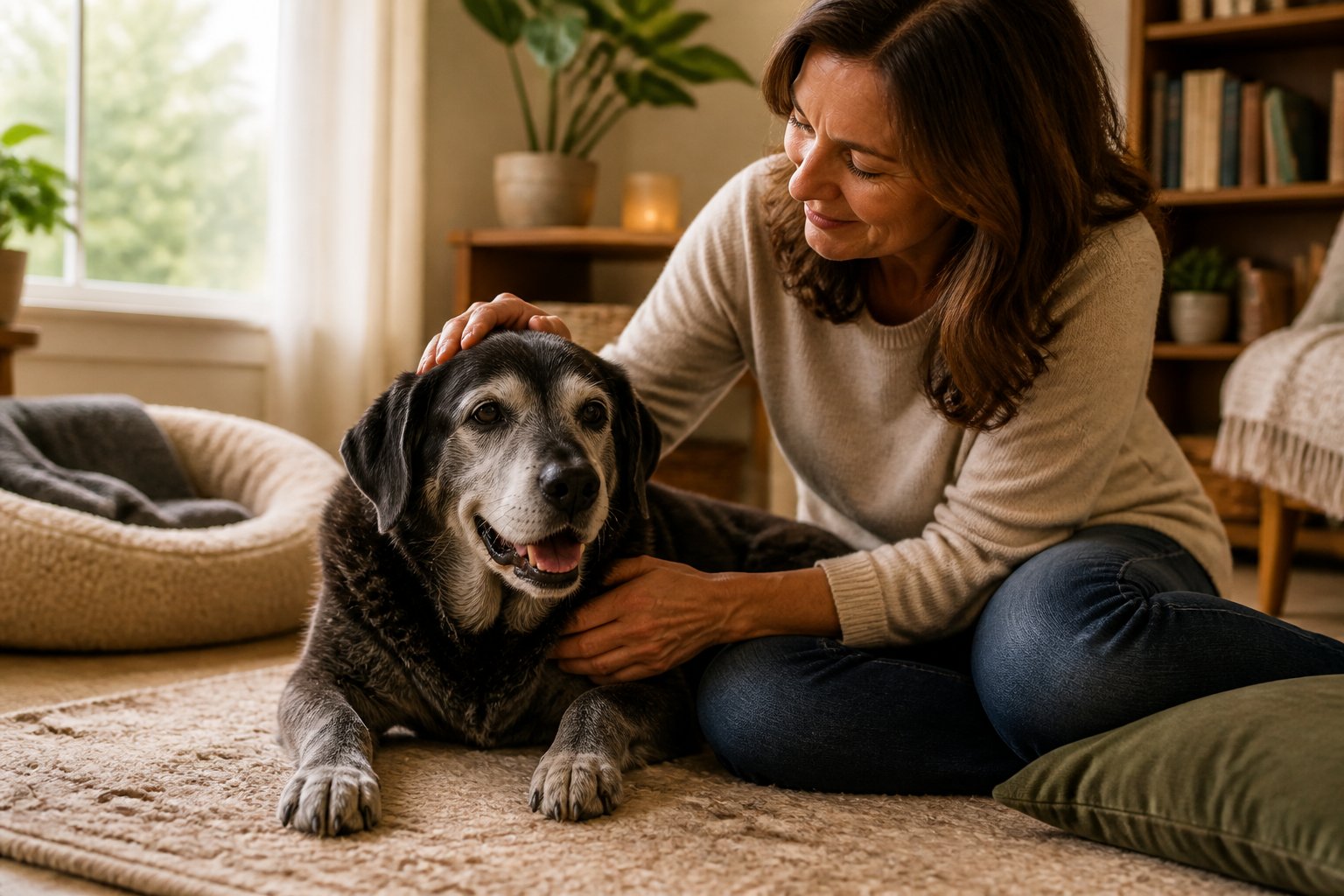
Adopting an older dog raises important questions about health screenings, behavioral signs, adjustment periods, and long-term care needs. Understanding these practical concerns helps potential adopters make informed decisions and prepare their homes properly.
What are the biggest benefits and challenges of adopting an older dog?
Older dogs typically come with established personalities and basic training, which means adopters know what they’re getting from day one. Many senior dogs are already house-trained and understand basic commands like sit and stay. They often have calmer energy levels than puppies and require less intense supervision.
The main challenges involve potential health issues and shorter lifespans. Senior dogs may need more frequent vet visits and could have existing conditions like arthritis or dental disease. Some older dogs take longer to bond with new families if they experienced trauma or multiple rehomings.
What health checks and medical history should I review before adopting an older dog?
A complete veterinary exam should include bloodwork to check kidney and liver function. The exam should also cover dental health, joint mobility, heart function, and vision or hearing capabilities. Any chronic conditions like diabetes or thyroid problems need documentation with treatment plans.
Adopters should request vaccination records and information about current medications. Previous medical records help identify patterns or recurring issues. The shelter or rescue should provide details about spay/neuter status and any surgeries the dog has undergone.
What are the common red flags to watch for when meeting an older dog at a shelter or rescue?
Excessive fear or anxiety that doesn’t improve with gentle interaction may indicate deeper behavioral issues. Dogs that show aggression toward people or other animals during initial meetings need careful evaluation by experienced handlers. Extreme lethargy or lack of interest in surroundings could signal underlying health problems.
Physical signs like limping, labored breathing, or persistent coughing warrant immediate veterinary attention. Dogs that flinch excessively at touch or refuse food completely may have experienced trauma or illness. These issues don’t necessarily mean the dog isn’t adoptable, but they require honest discussion with shelter staff about the level of care needed.
How can I help an older dog adjust during the first few weeks in a new home?
Creating a quiet, designated space gives the dog a safe zone to retreat when overwhelmed. Keep routines consistent with feeding, walking, and bedtime schedules from the start. Limit visitors and loud activities during the first week to reduce stress.
Patience is essential as older dogs may take longer to trust new people. Short, positive interactions work better than forcing affection or activities. Some senior dogs adjust within days while others need several weeks to show their true personality.
What ongoing care and lifestyle changes do older dogs typically need compared to younger dogs?
Senior dogs need veterinary checkups every six months instead of annually. Their diets often require adjustments to senior formulas with different protein and fat levels. Joint supplements and pain management medications become more common as arthritis develops.
Exercise needs change to shorter, more frequent walks rather than long, intense sessions. Older dogs may need ramps or stairs to access furniture or vehicles. Their sleeping areas should have orthopedic bedding to support aging joints.
How does the 3-3-3 rule apply when adopting an older dog?
The 3-3-3 rule suggests dogs need three days to decompress, three weeks to learn routines, and three months to fully settle into a new home. During the first three days, an older dog may feel overwhelmed and hide or refuse food. This behavior is normal and doesn’t reflect the dog’s true personality.
After three weeks, the dog starts understanding daily schedules and household rules. By three months, the dog typically feels secure enough to show their real temperament and bond with family members. Some senior dogs move through these phases faster or slower depending on their background and individual personality.