Flowers and Plants That Are Safe for Dogs — A Practical Guide for Pet Owners
You want a garden that looks great and keeps your dog safe. This article guides you through common flowers and plants that work well around pets, explains how plant toxicity works, and gives practical tips to build a dog-friendly yard.
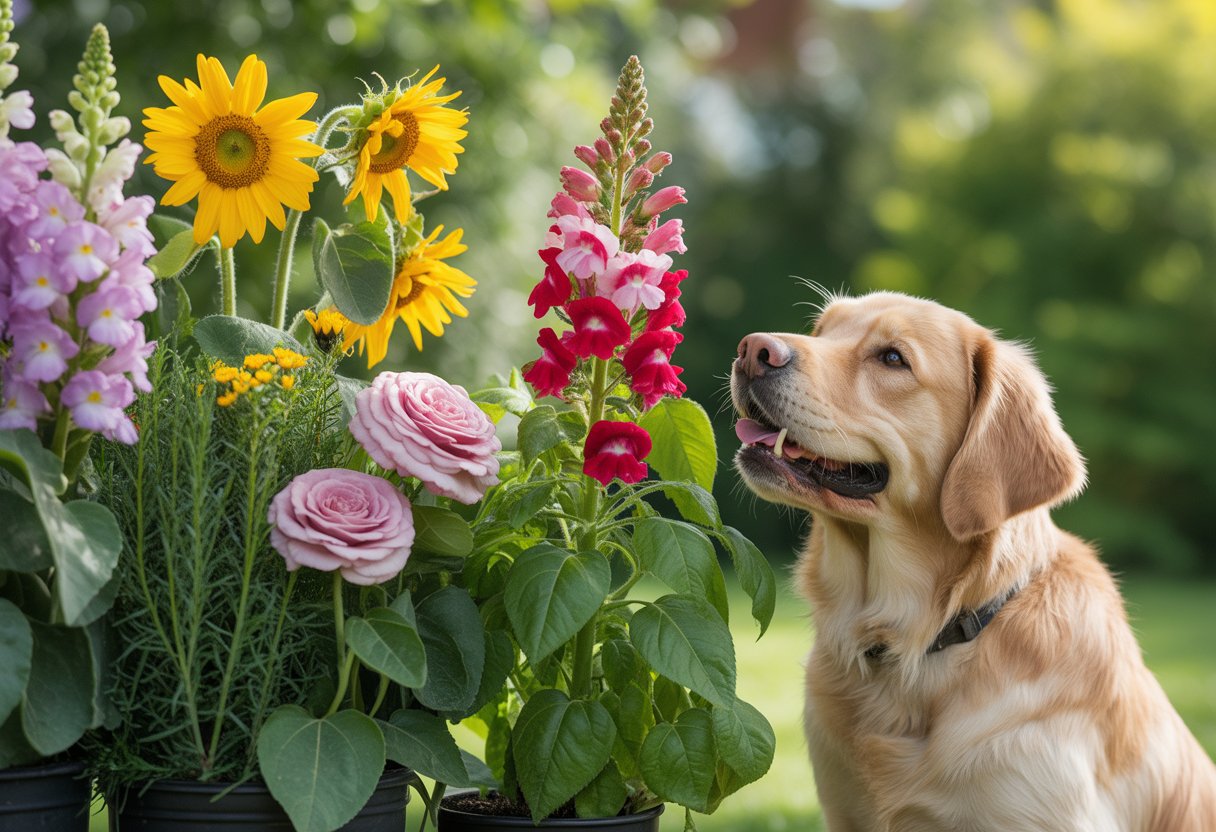
You will learn which popular garden choices are low-risk for dogs and how to spot plants that could cause harm. Use this info to pick blooms, potted plants, and landscaping ideas—like sunflowers, marigolds, zinnias, palms, and more—that let your pup enjoy the space without unnecessary danger.
1) Sunflowers
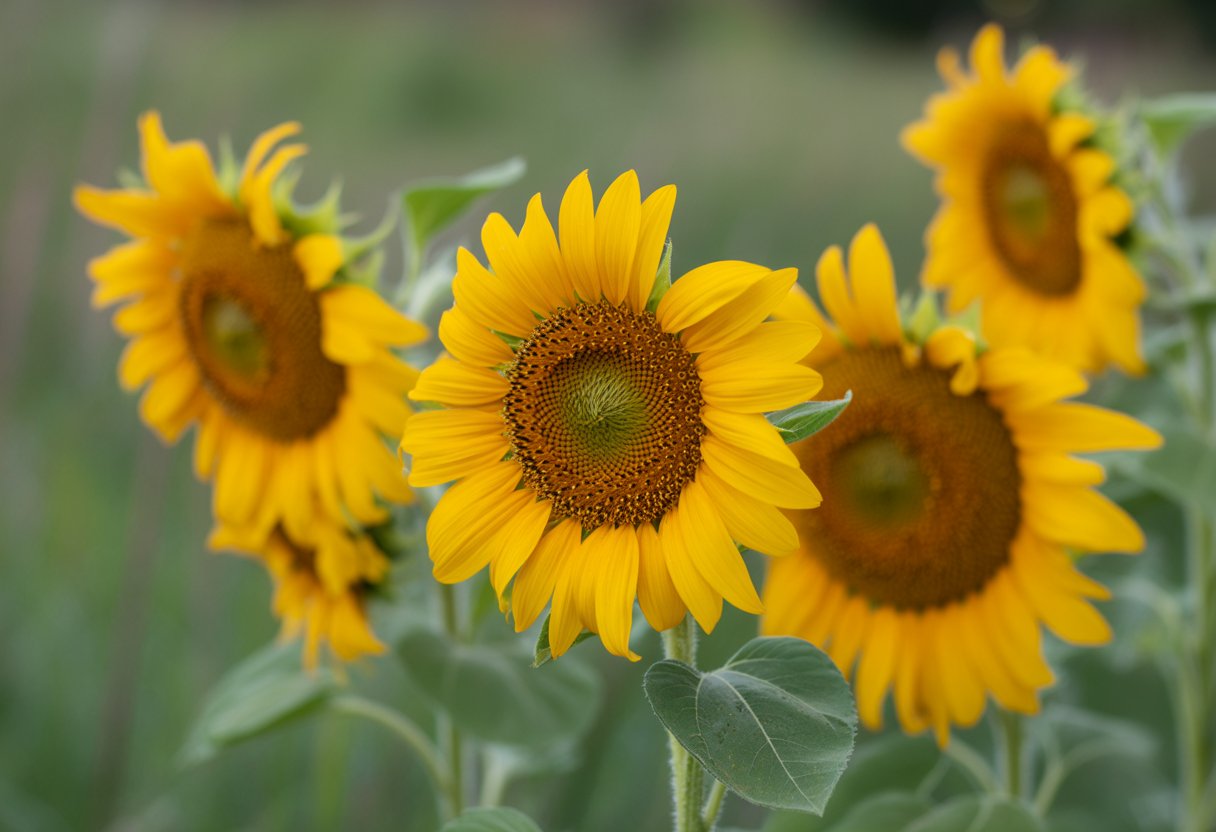
Sunflowers are safe for dogs and make a bright, cheerful addition to your garden. Their large blooms attract pollinators and add height without posing a poisoning risk to pets.
You can plant sunflowers in beds or large pots. They need full sun and regular watering, especially while young.
If your dog nibbles a sunflower, expect mild stomach upset at most. Remove seeds or large flower heads if your dog shows repeated interest to avoid choking or digestive issues.
Cut sunflower stems for indoor display, but keep bouquets out of reach if your dog is very curious. Monitor any chewing and contact your vet if your dog shows vomiting, diarrhea, or signs of distress.
2) Cosmos
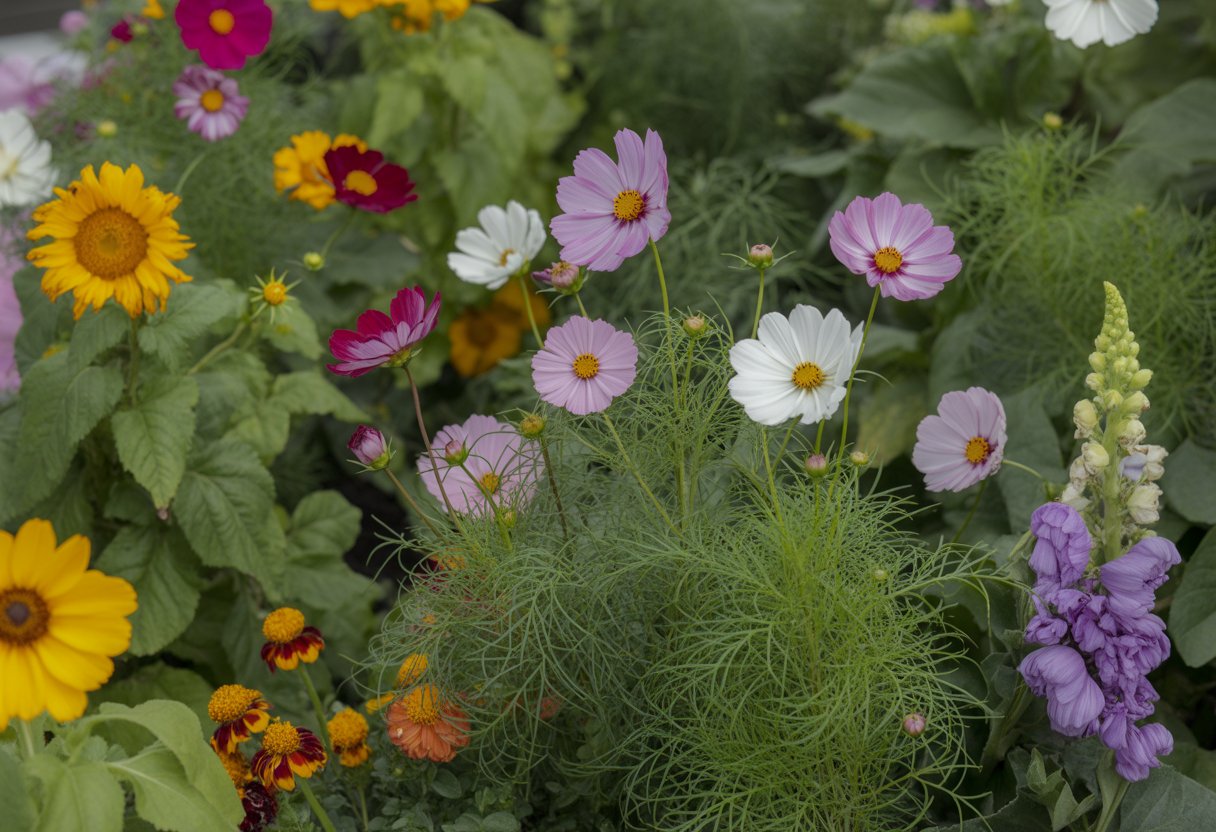
Cosmos are safe for dogs. All parts of the plant—flowers, leaves, and stems—are considered non-toxic if your dog nibbles them.
You can plant cosmos in sunny areas, raised beds, or containers. They grow easily and add color without posing a poisoning risk to your pet.
Still, watch for stomach upset if your dog eats a lot. Eating large amounts of any plant can cause vomiting or diarrhea, so check your dog and call your vet if symptoms appear.
Keep plants healthy and avoid chemical pesticides or fertilizers that could harm your dog. Use pet-safe pest controls and place plants where curious dogs are less likely to chew them.
3) Marigolds
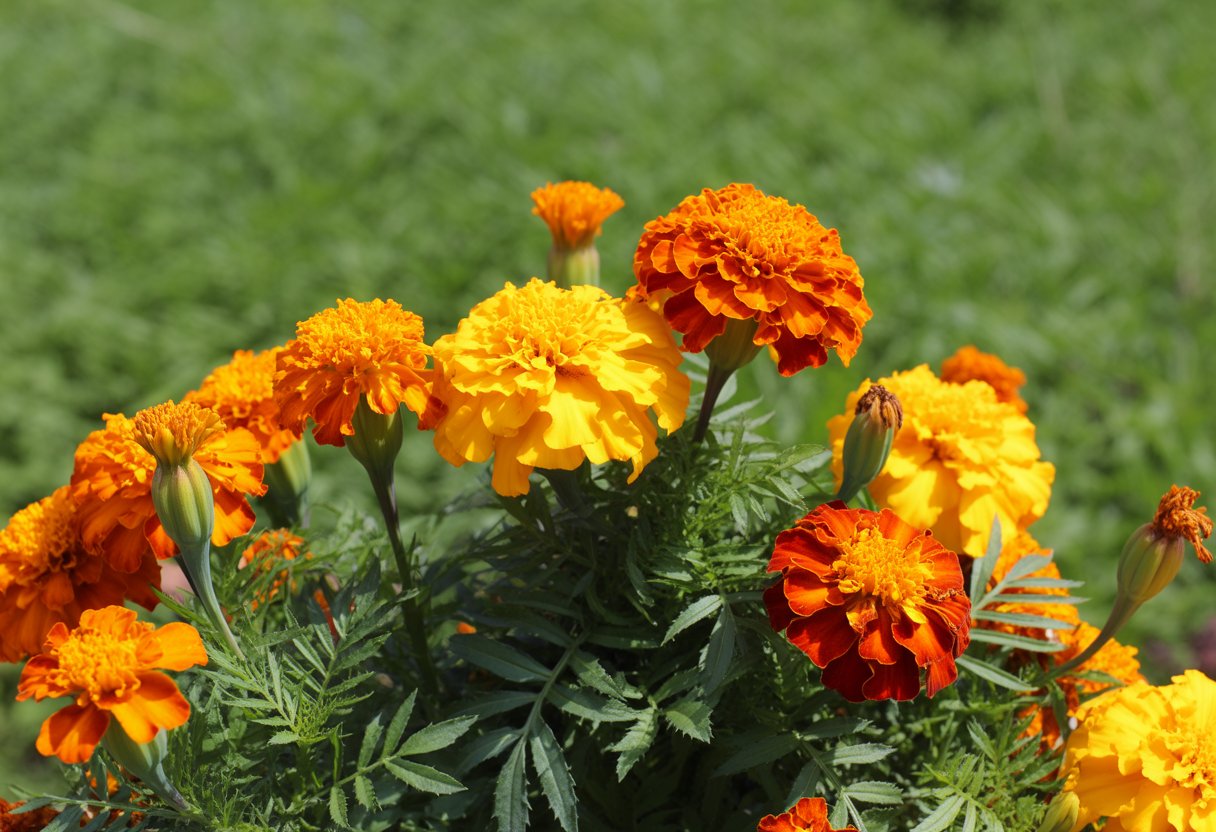
Marigolds are generally safe for dogs and are considered non-toxic in most cases. You can plant them in beds or pots without major worry.
Some dogs may eat flowers or nibble leaves and then have mild stomach upset like vomiting or diarrhea. Skin contact can cause mild irritation in sensitive dogs, so watch for redness or licking.
Different marigold species vary slightly, so check the exact type if your dog shows a reaction. If your dog eats a large amount or shows severe symptoms, call your vet or a poison control line right away.
4) Snapdragons
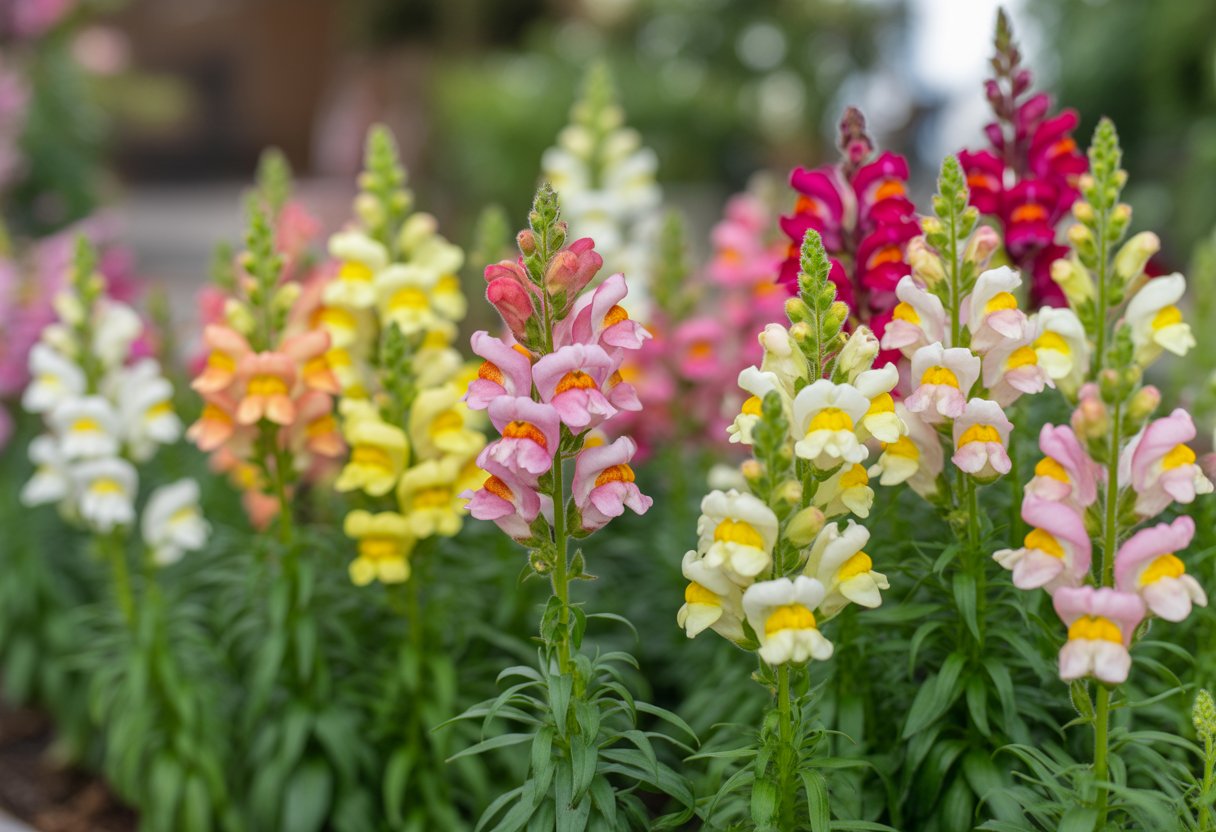
You can plant snapdragons without worrying about your dog. These flowers are non-toxic to dogs and are safe to have in yards and containers where pets roam.
Snapdragons come in many colors and fit well in borders or pots. They prefer full sun to part shade and need regular watering during hot weather.
If your dog chews the plants, expect mild stomach upset at most. Watch for vomiting or diarrhea and call your vet if symptoms are severe or last more than a day.
Use mulch and raised beds to protect plants and keep curious dogs from trampling blooms. Regular training and supervision also help prevent chewing or digging.
5) Zinnias
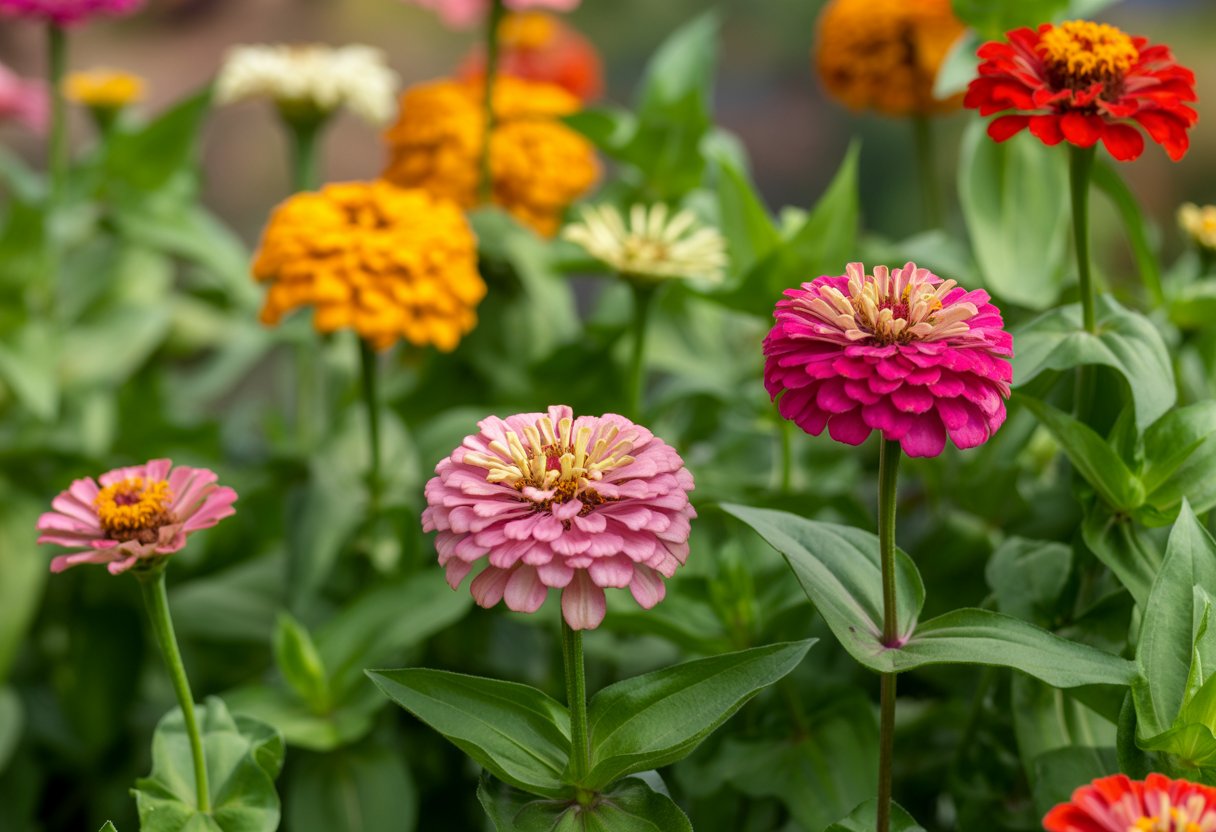
Zinnias are bright, easy-to-grow flowers that work well in beds and containers. You can plant them from seed, and they bloom all summer with little care.
Zinnias are considered non-toxic to dogs, so brief sniffing or nibbling usually won’t cause serious harm. Eating a large amount of any plant can still upset your dog’s stomach and cause vomiting or diarrhea.
Keep spent blooms and dense clusters trimmed to reduce the chance your dog chews on the plants. If your dog shows signs of ongoing vomiting, lethargy, or unusual behavior after eating zinnias, contact your veterinarian or a poison control hotline right away.
6) Petunias

Petunias are safe for dogs and make a bright, low-maintenance choice for your garden. They come in many colors and attract pollinators without posing a toxic risk to pets.
You can plant petunias in beds, containers, or hanging baskets to add long-lasting color. They tolerate heat and bloom from spring through fall with regular deadheading and watering.
If your dog nibbles a petunia, expect mild stomach upset at most. Watch for persistent vomiting or diarrhea and contact your vet if symptoms worsen or your dog ate a large amount.
Choose sturdy varieties and place containers where curious dogs can’t easily reach them. Petunias pair well with other dog-safe flowers to create a pet-friendly, colorful outdoor space.
7) African violets
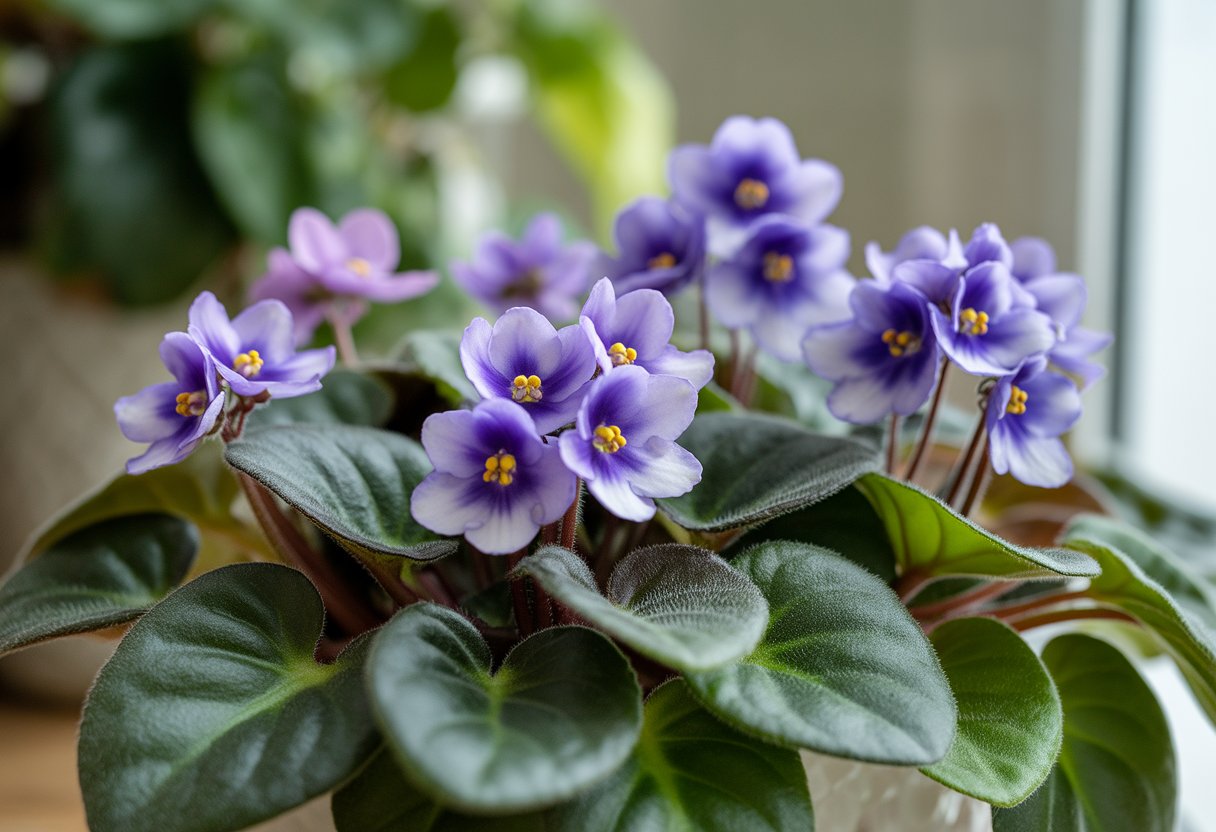
African violets are small, velvety houseplants with bright purple, pink, or white blooms that fit well on windowsills. You can keep them safely in homes with dogs because they are generally non-toxic to pets.
Still, avoid letting your dog eat the leaves, flowers, or potting soil. Soil, fertilizer, or pesticides can cause stomach upset or other issues if ingested.
Place African violets where curious dogs can’t knock them over. Use stable pots and avoid loose mulch or decorative stones that a pet might swallow.
Water from the bottom or gently at the soil surface to prevent messy spills. Regular care keeps the plant healthy and reduces the chance your dog will try to chew on it.
8) Bachelor’s buttons
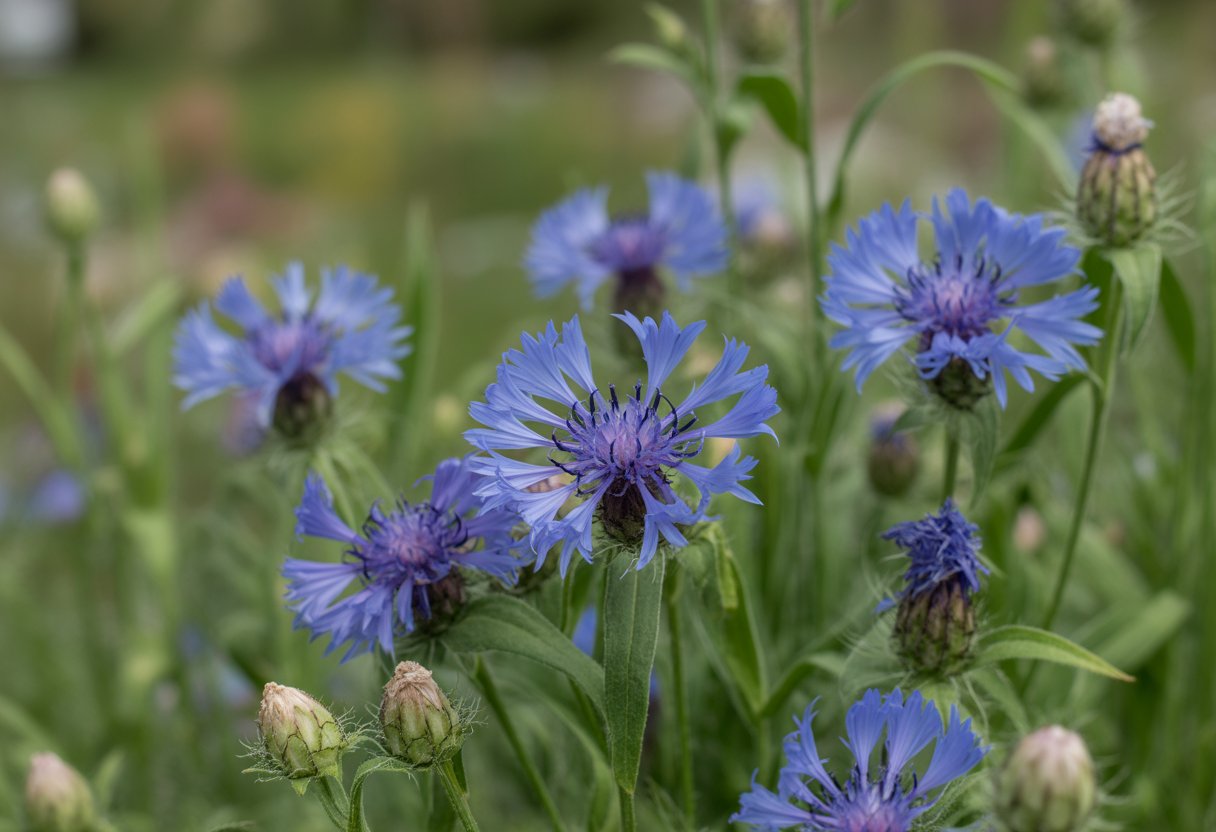
Bachelor’s buttons, also called cornflowers, are safe for dogs to be around and nibble on. You can plant them in beds or containers without worrying about toxic reactions.
These flowers come in blue, pink, and white and bloom from late spring into summer. They tolerate full sun and well-drained soil, so they fit many garden styles.
If your dog eats a few petals, expect no serious problems, though eating large amounts of any plant can upset the stomach. Watch for vomiting or diarrhea and call your vet if symptoms are severe or last more than a day.
Keep an eye on pesticides and fertilizers you use near these plants. Even pet-safe plants can cause harm if treated with chemicals that are toxic to animals.
9) Camellias
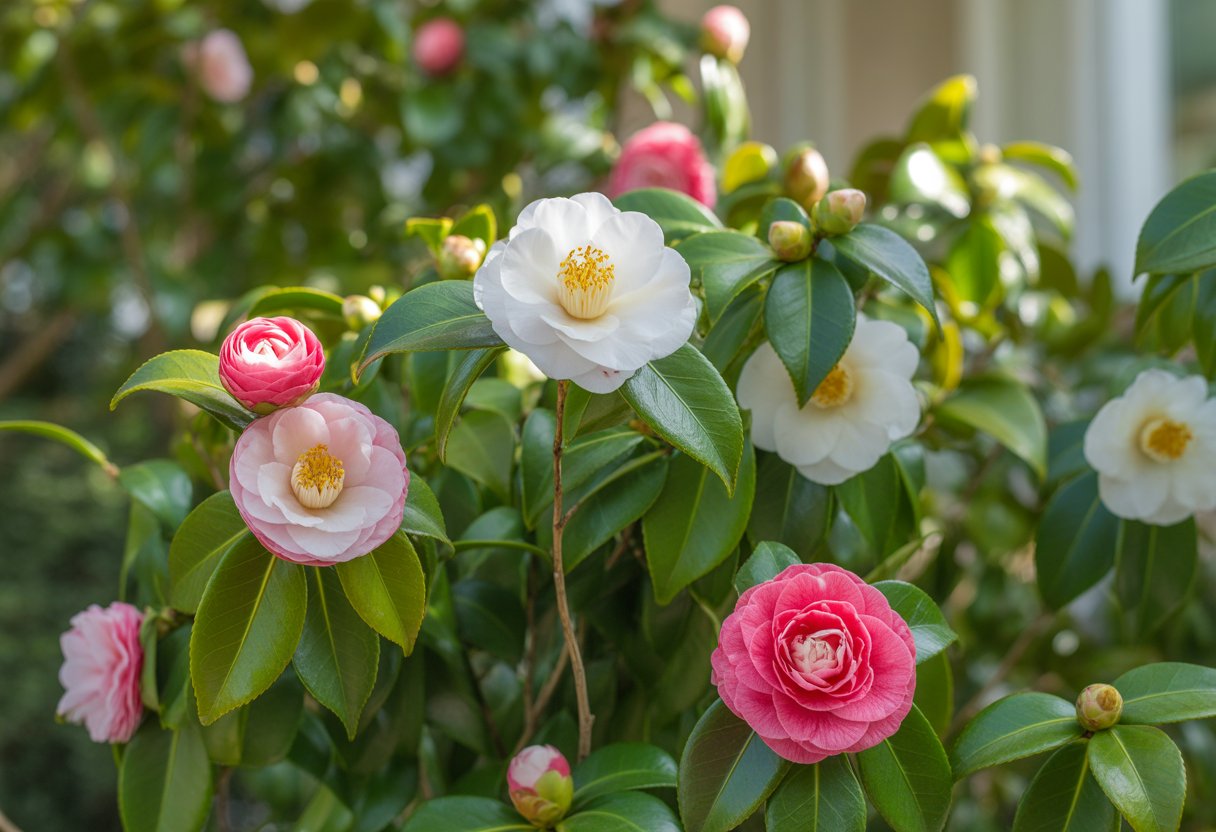
Camellias are common shrubs with glossy leaves and showy blooms that many gardeners love. You can plant them in yards or keep them in pots without major worry about toxicity.
These plants are generally considered non-toxic to dogs. If your dog nibbles a leaf or a petal, it will most likely cause only mild stomach upset like vomiting or diarrhea in sensitive pets.
Keep an eye on curious dogs that eat large amounts, as any plant material can choke or cause a blockage. Remove fallen blooms and leaves from areas where your dog plays to lower the risk.
If your dog shows strong symptoms — repeated vomiting, severe lethargy, or signs of pain — call your vet right away. When in doubt, take a photo of the plant and give your vet clear details about how much your dog ate.
10) Bamboo palms
Bamboo palms are a safe choice for homes with dogs. The ASPCA lists them as non-toxic, so you do not need to worry about poisoning if your dog nibbles a leaf.
These palms stay relatively compact indoors and add a tropical look without large maintenance needs. They prefer indirect light and regular, moderate watering to keep their fronds healthy.
Keep soil, fertilizers, and plant food out of reach since those can harm pets even if the plant itself is safe. If your dog chews on plants a lot, place the pot where they cannot reach it or use a hanging basket.
Understanding Plant Toxicity for Dogs
Plants can cause a range of reactions in dogs, from mild stomach upset to life-threatening organ damage. Knowing common signs and why pets react differently helps you spot trouble early and choose safer plants.
Common Signs of Plant Toxicity
Watch for changes in behavior right after your dog chews a plant. Early signs include drooling, pawing at the mouth, vomiting, diarrhea, and loss of appetite. These often appear within minutes to a few hours.
Some plants cause more severe signs. Look for difficulty breathing, tremors, seizures, collapse, jaundice (yellow gums or eyes), blood in vomit or stool, or sudden weakness. These signs need immediate veterinary care.
Keep a quick list of what your dog ate, when, and how much. Bring photos or a plant sample to the vet. This speeds diagnosis and helps the vet choose the right treatment.
Why Some Pets React Differently
Size matters: smaller dogs can show severe signs from tiny amounts of a toxic plant, while large dogs may tolerate more before symptoms start. Age also plays a role—puppies and senior dogs often have weaker defenses.
Health and medications change risk. Dogs with liver or kidney disease, or those on certain drugs, may not process plant toxins well. A compromised immune system can make reactions worse.
Breed and chewing habits matter too. Some breeds chew more or are curious diggers, increasing exposure. Individual dogs vary in sensitivity to specific plant compounds, so one dog might be fine while another gets very sick.
Tips for Creating a Dog-Friendly Garden
Keep toxic plants out of reach, design clear play and plant zones, and choose pet-safe products. Use barriers, supervision, and non-toxic soil treatments to protect both plants and your dog.
Safe Placement and Supervision Strategies
Place edible or fragile plants in raised beds or hanging baskets at least 3–4 feet high to keep them away from curious noses and paws. Create a dedicated play area with durable ground cover like pea gravel or artificial turf so your dog has a clear spot to run and dig.
Use low fencing or garden screens (18–24 inches) around sensitive beds to block access without blocking sight lines. Train your dog with a simple boundary cue like “stay out” and reward success to reduce repeat visits to plant areas.
Supervise outdoor time the first few weeks after planting. Keep compost bins sealed and store mulch in covered containers; some mulches and compost can attract chewing. Remove fallen petals and leaves daily to stop accidental ingestion.
Choosing Non-Toxic Fertilizers and Pesticides
Pick pet-safe fertilizers labeled “non-toxic” or “pet-friendly,” such as organic compost, worm castings, or slow-release granular formulas without synthetic pesticides. Read labels for ingredients like neem oil, insecticidal soap, or diatomaceous earth, which are safer when used as directed.
Avoid products containing pyrethroids, neonicotinoids, or rodent baits; these can be harmful if your dog licks treated plants or soil. Apply any treatment when your dog is not in the yard, and keep them away until products fully dry or the label’s re-entry time passes.
Use physical pest controls first: handpick pests, set sticky traps out of reach, or introduce beneficial insects like ladybugs. Store all garden chemicals in a locked shed or high shelf and keep the original labels for first-aid instructions.