5 Signs Your Dog Is Getting Too Much Exercise: What Every Pet Owner Should Know
Exercise keeps dogs healthy and happy, but too much physical activity can actually harm them. While exercise is essential for a dog’s wellbeing, overexercising can lead to injuries, exhaustion, and serious health problems that many pet owners don’t recognize until it’s too late. Dogs can’t always tell their owners when they’ve had enough, so it’s up to people to watch for warning signs.
Many dog owners worry about not giving their pets enough exercise, but the opposite problem happens more often than most people think. Active breeds and energetic puppies seem like they could run forever, which can trick owners into pushing their dogs too hard. Different dogs need different amounts of activity based on their age, breed, and health condition.
Recognizing the signs of overexercise helps prevent both immediate injuries and long-term health issues. From physical symptoms like limping and paw injuries to behavioral changes and medical warning signs, dogs show clear signals when they’re being pushed beyond their limits. Learning these warning signs allows owners to create a balanced exercise routine that keeps their dogs fit without causing harm.
Understanding Your Dog’s Exercise Needs
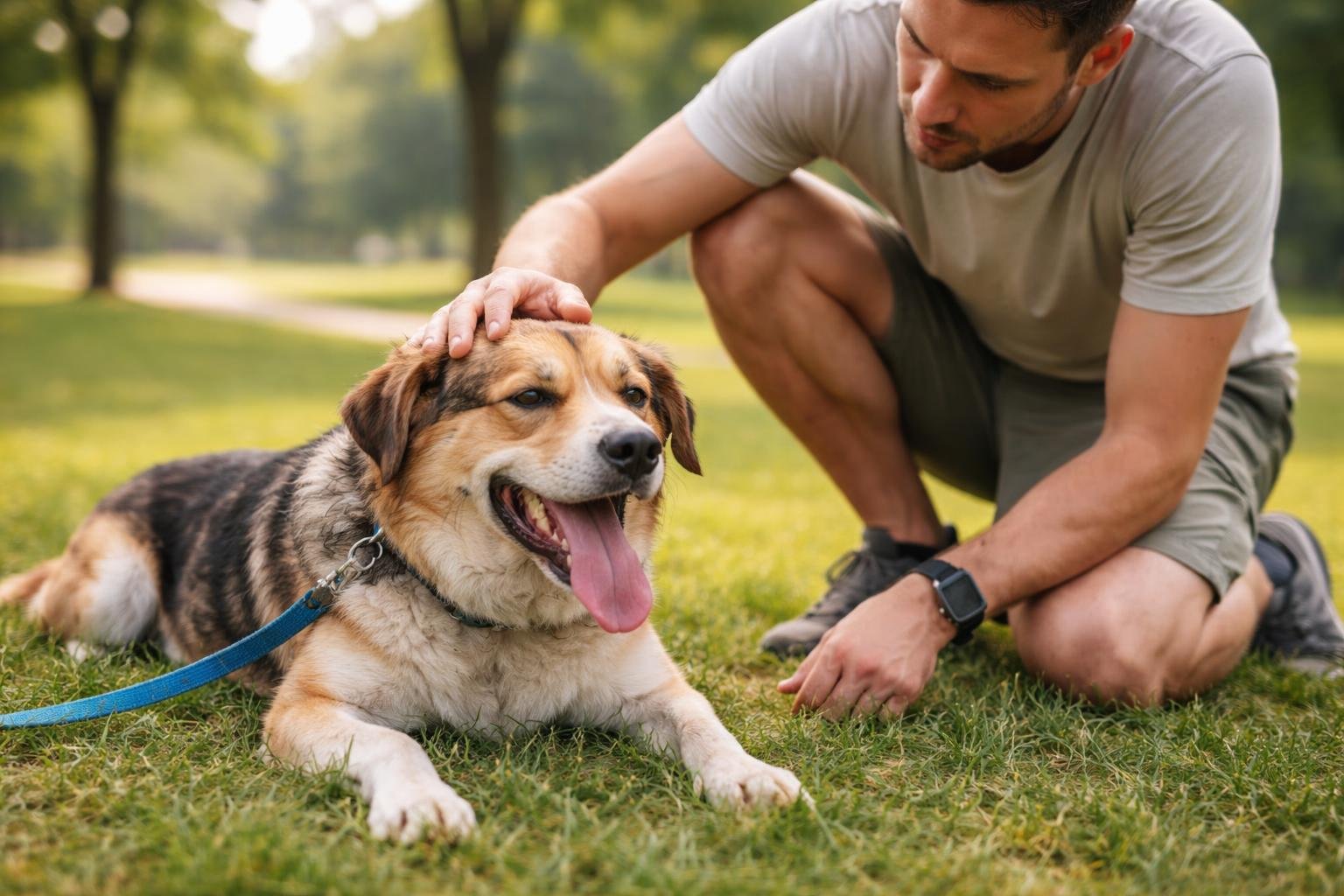
Every dog needs different amounts of physical activity based on their unique characteristics and life stage. The right exercise level depends on multiple factors that owners should consider before creating an activity routine.
Factors Influencing Exercise Requirements
A dog’s exercise needs vary based on several key factors. Health status plays a major role in determining safe activity levels. Dogs with joint problems, heart conditions, or respiratory issues need modified exercise plans.
Fitness level affects how much activity a dog can handle. A sedentary dog cannot suddenly start running for hours without risking injury. Building stamina takes time and gradual increases in activity.
Key factors include:
- Current physical condition and fitness level
- Underlying health conditions or injuries
- Weather conditions and temperature
- Individual energy levels and temperament
- Weight and body composition
The intensity of exercise matters more than duration in many cases. A brisk 20-minute walk can provide better benefits than a leisurely hour-long stroll for some dogs.
Breed Differences and Age Considerations
Different breeds have vastly different exercise requirements. Working breeds like Border Collies and Australian Shepherds need 60-90 minutes of vigorous activity daily. Low-energy breeds like Bulldogs and Basset Hounds do well with 30 minutes of gentle exercise.
Age changes exercise needs significantly. Puppies have growing bones and joints that can be damaged by too much running or jumping. Adult dogs in their prime typically handle the most activity. Senior dogs need gentler, shorter sessions to protect aging joints.
Exercise guidelines by age:
- Puppies: 5 minutes per month of age, twice daily
- Adults: 30-120 minutes depending on breed
- Seniors: 20-45 minutes of low-impact activity
Recognizing Healthy Activity Levels
Healthy exercise leaves a dog pleasantly tired but not exhausted. The dog should recover within a few hours and return to normal behavior patterns. A properly exercised dog maintains good appetite, sleeps well, and shows interest in activities.
Signs of appropriate exercise include controlled panting that stops within 10 minutes of rest. The dog should drink water normally without desperate gulping. Energy levels should be balanced throughout the day.
Watch for consistent enthusiasm about walks and playtime. A dog getting the right amount of exercise shows steady behavior without hyperactivity or lethargy. Their body condition stays healthy with visible muscle tone and appropriate weight.
Physical Signs Your Dog Is Getting Too Much Exercise
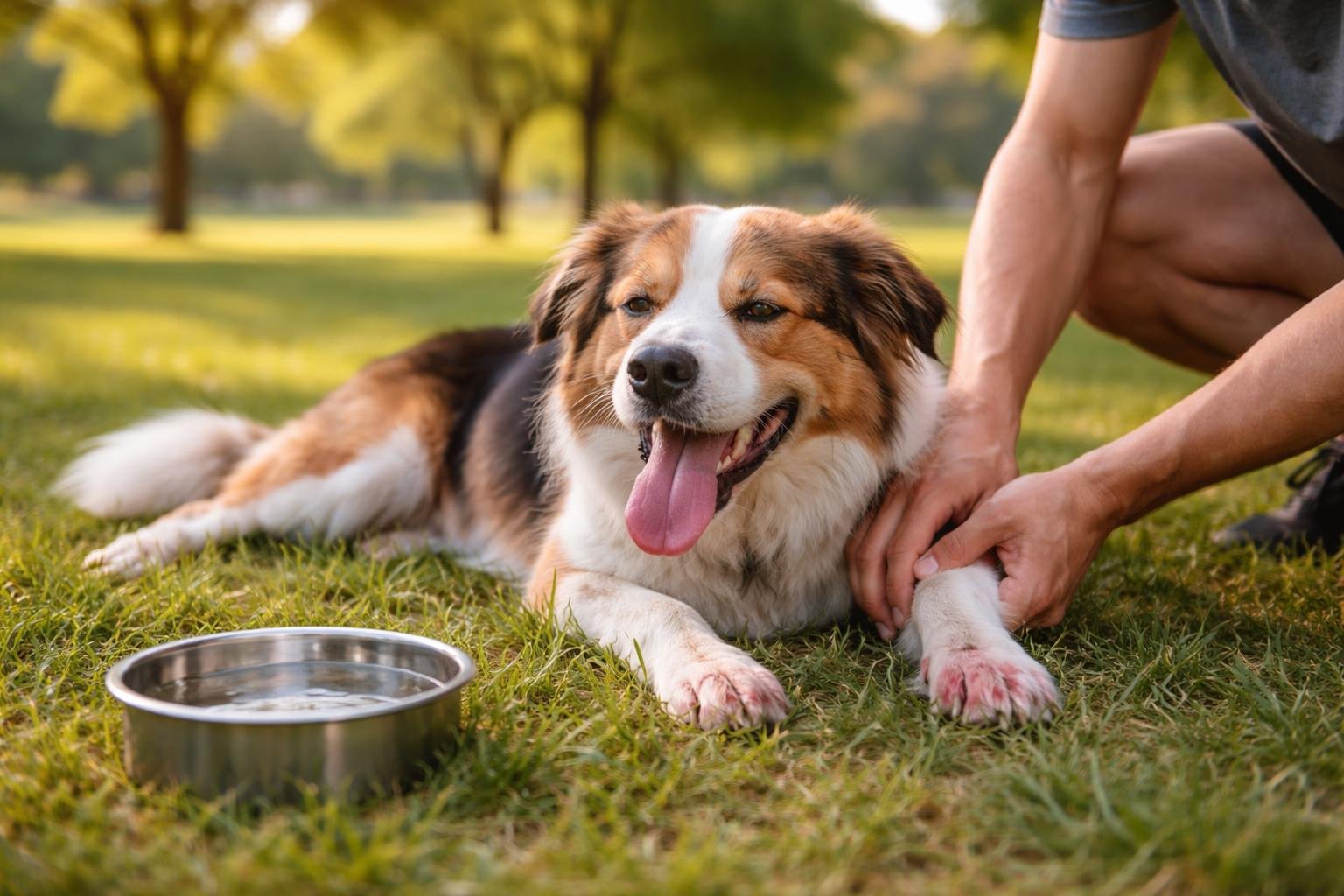
Dogs show clear physical symptoms when they’re pushing their bodies beyond healthy limits. Watch for breathing problems, muscle pain, and damaged paw pads as key indicators that exercise routines need adjustment.
Excessive Panting or Labored Breathing
Normal panting helps dogs cool down during and after exercise. However, excessive panting that continues long after activity stops signals a problem. Dogs who struggle to catch their breath or show rapid, shallow breathing patterns may be overworked.
Heavy panting that lasts more than 30 minutes after exercise ends requires attention. The dog’s breathing should return to normal within 10-15 minutes of moderate activity.
Watch for additional warning signs like pale or blue-tinged gums. These indicate the dog isn’t getting enough oxygen. Dogs who pant excessively might also drool more than usual or show signs of heat exhaustion.
Breeds with flat faces struggle more with breathing during exercise. Bulldogs, Pugs, and similar breeds need shorter, gentler workout sessions. They can’t regulate their body temperature as well as other dogs.
Sore or Limping Muscles
Muscle soreness shows up when dogs exercise too hard or too long. Dogs may walk stiffly, struggle to climb stairs, or hesitate before jumping. Some dogs refuse to move at their normal pace.
Limping or favoring one leg indicates muscle strain or joint stress. The dog might sit down frequently during walks or resist going for their usual run. Muscle tremors or shaking legs after exercise point to overexertion.
Young puppies face higher risks because their bones and joints are still developing. Intense exercise can damage growth plates and cause long-term problems. Adult dogs with arthritis or joint issues also need modified exercise plans.
Rest helps sore muscles recover. Dogs need 24-48 hours between intense exercise sessions. Light stretching through gentle play supports muscle health without causing additional strain.
Paw Pad Injuries or Cracks
Paw pads take heavy impact during exercise, especially on rough surfaces. Over-exercised dogs develop worn, cracked, or bleeding pads. The pads may look red, swollen, or unusually thin.
Hot pavement, rough trails, and long runs on concrete cause the most damage. Dogs don’t always show pain immediately, so owners must check paws regularly. Look between the toes and on the main pad surfaces.
Common paw pad problems include:
- Cuts or abrasions from rough terrain
- Burns from hot surfaces
- Blisters from repetitive friction
- Peeling or flaking skin
Dogs who lick their paws excessively after exercise may have painful injuries. Some dogs limp or refuse to walk on certain surfaces. Cracked pads can become infected if left untreated.
Building up exercise gradually helps toughen paw pads safely. Start with shorter sessions on softer surfaces like grass. Dog booties protect paws during intense activities or extreme weather conditions.
Behavioral Changes Linked to Over-Exercising
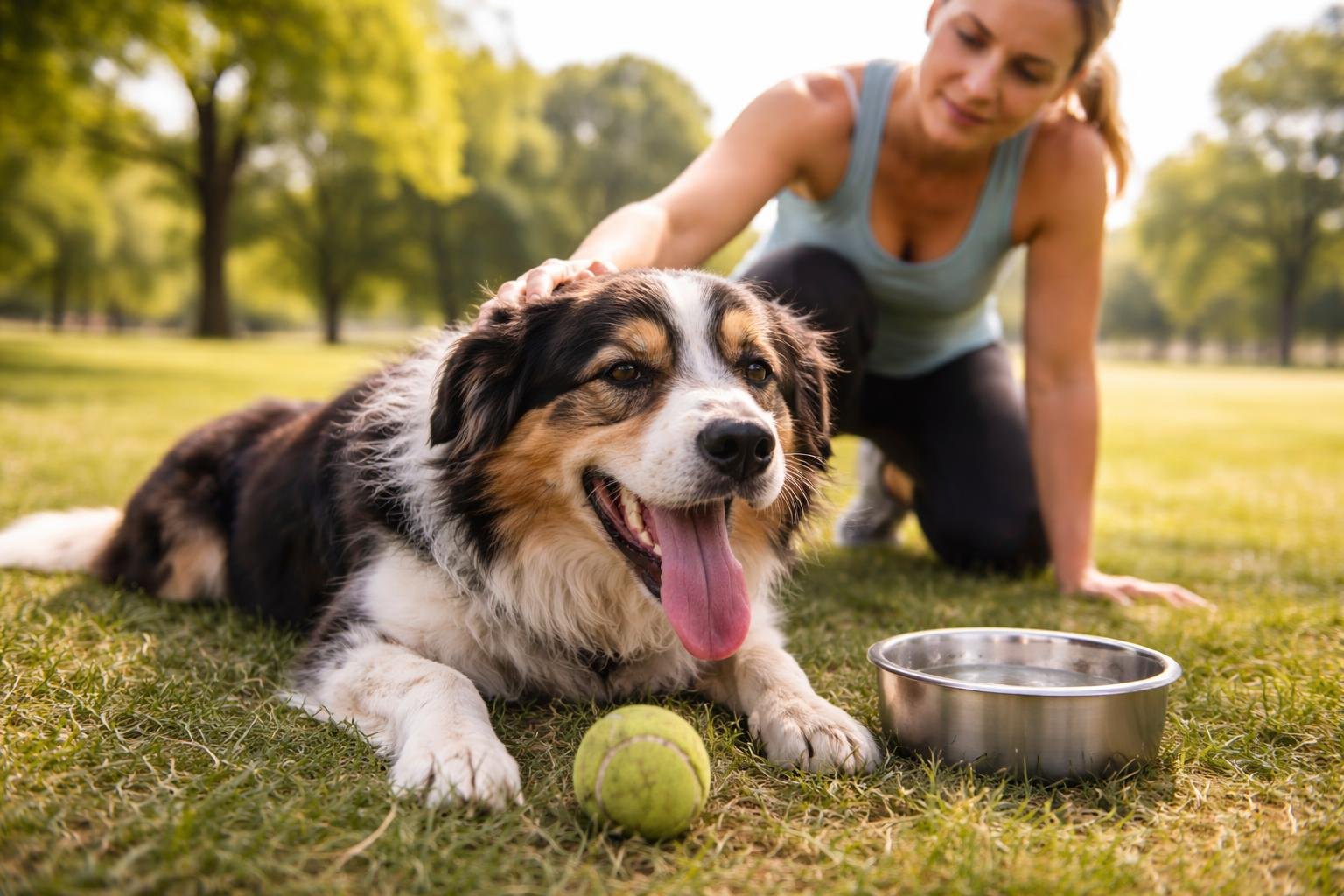
Dogs experiencing excessive exercise often display notable shifts in their behavior and mood. These changes can range from extreme tiredness to unexpected nervous energy.
Unusual Fatigue or Lethargy
A dog that suddenly lacks interest in activities they normally enjoy may be dealing with over-exercise. This fatigue goes beyond normal tiredness after a walk or play session. The dog might refuse to get up for meals, avoid playing with favorite toys, or sleep for unusually long periods throughout the day.
Common signs of exercise-related fatigue include:
- Reluctance to climb stairs or jump on furniture
- Sleeping more than 14-16 hours per day for adult dogs
- Lack of enthusiasm when offered treats or walks
- Difficulty standing up after rest periods
Dogs need regular rest days to recover from physical activity. When they don’t get adequate recovery time, their muscles and joints become sore. This soreness makes them want to move less and rest more. If a typically active dog shows persistent lethargy lasting more than two days, it signals a need to reduce exercise intensity.
Restlessness and Anxiety
Some over-exercised dogs paradoxically become more anxious rather than calm. This happens because excessive physical stress can affect their nervous system. The dog might pace around the house, pant excessively while resting, or struggle to settle down even when tired.
Irritability often accompanies this restlessness. A normally friendly dog may snap at family members or other pets. They might also show signs of stress like excessive licking, whining, or seeking constant attention from their owner.
These behavioral changes stem from both physical discomfort and mental exhaustion. Dogs in pain from overworked muscles naturally feel cranky. The combination of being physically exhausted but mentally unsettled creates a stressed state that manifests as anxious behavior.
Medical Warning Signs of Overexertion
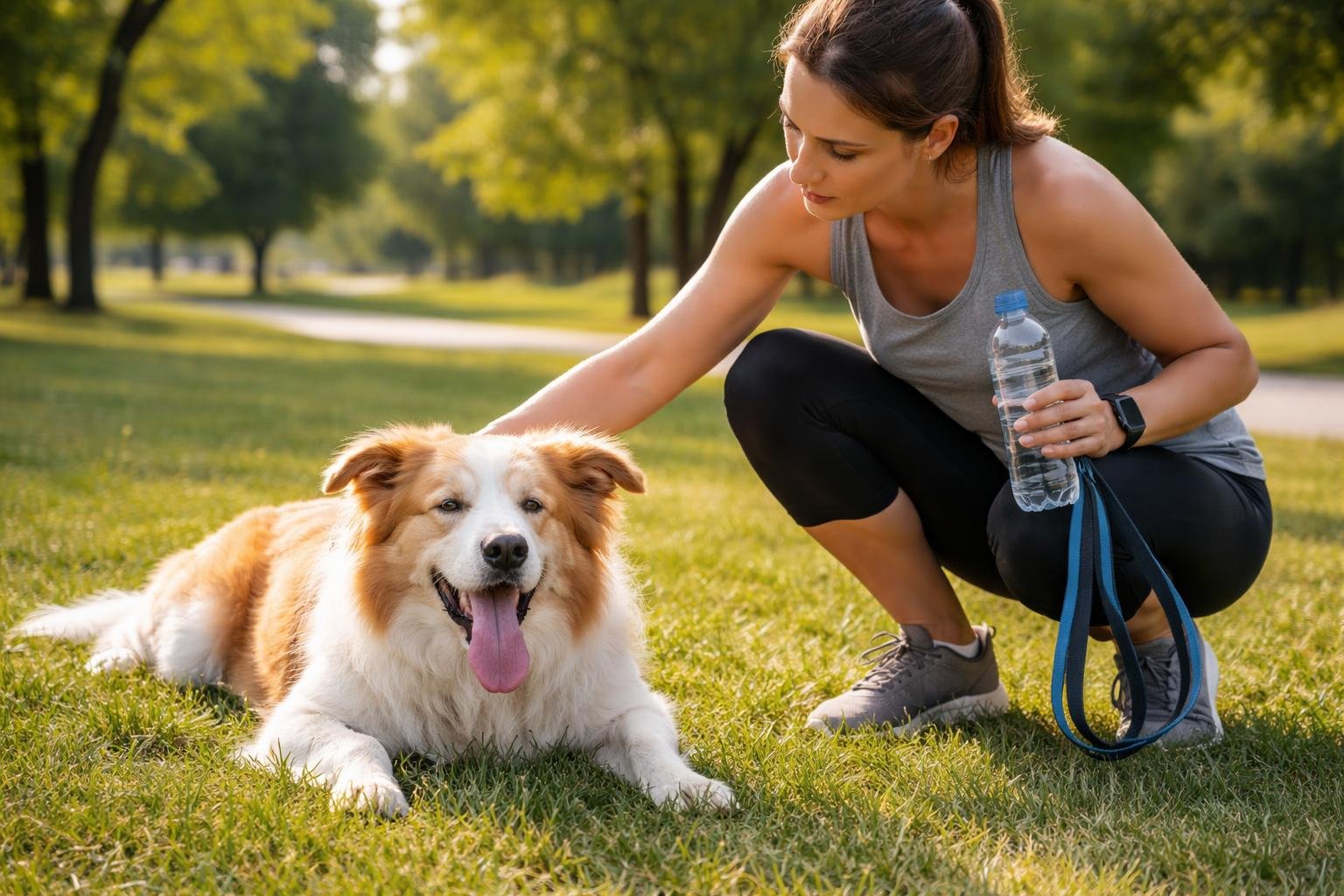
When dogs exercise beyond their physical limits, their bodies show clear medical distress signals that require immediate attention. These symptoms can escalate quickly and may need veterinary care.
Vomiting and Dehydration
Vomiting during or after exercise is a red flag that a dog has pushed too hard. This happens when the body becomes overwhelmed by physical stress. The digestive system can shut down temporarily, leading to nausea and vomiting.
Dehydration often accompanies overexertion. Dogs lose fluids rapidly through panting, especially in warm weather. Signs of dehydration include:
- Dry, sticky gums
- Thick saliva
- Sunken eyes
- Loss of skin elasticity
A simple test involves gently lifting the skin on the back of the dog’s neck. If the skin doesn’t snap back quickly, the dog is likely dehydrated. Dogs need access to fresh water before, during, and after exercise sessions.
If vomiting continues or dehydration appears severe, a veterinarian should evaluate the dog right away.
Heatstroke Symptoms
Heatstroke is a life-threatening condition that develops when a dog’s body temperature rises above 104°F. Heavy exercise, particularly in hot or humid conditions, puts dogs at serious risk.
Warning signs include:
- Excessive panting or difficulty breathing
- Bright red or purple gums and tongue
- Thick, ropy drool
- Weakness or collapse
- Confusion or disorientation
Dogs with flat faces like French Bulldogs face higher heatstroke risk because they can’t cool themselves as efficiently. The condition can damage internal organs within minutes. Move the dog to a cool area immediately, offer small amounts of water, and apply cool water to their paws and belly. Contact a vet without delay, as heatstroke requires professional medical treatment.
Long-Term Health Consequences
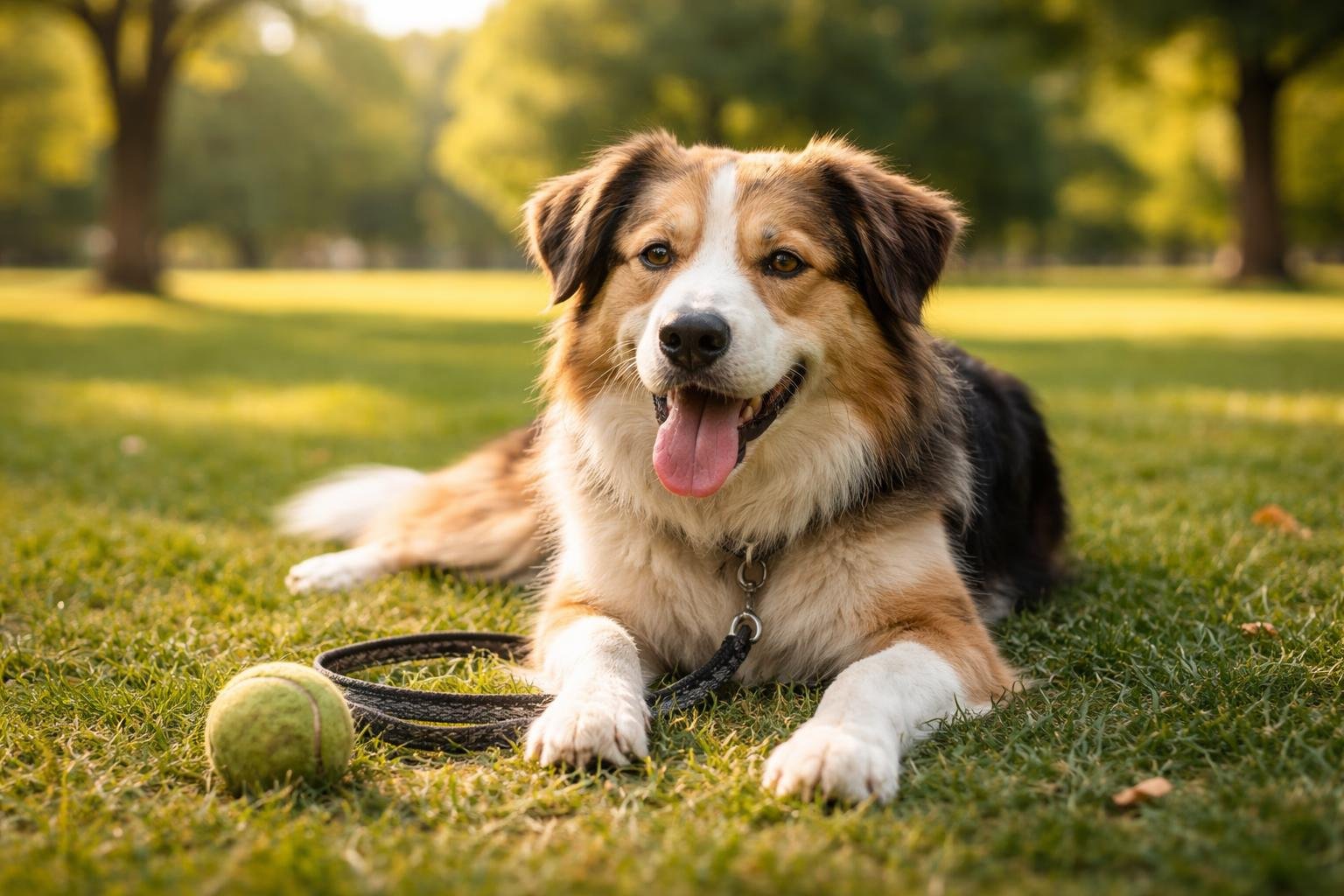
While a single intense workout might only cause temporary soreness, repeated overexercise can lead to permanent damage in dogs. The joints and bones bear the brunt of excessive physical activity over time.
Increased Risk of Joint Damage
Dogs that exercise too much face a higher likelihood of developing joint problems. The constant stress on hips, elbows, and knees wears down cartilage faster than normal. This breakdown can trigger early-onset arthritis, even in young dogs.
Large breed dogs are especially vulnerable because their body weight puts extra pressure on their joints during activity. When cartilage deteriorates, bones begin rubbing together. This creates inflammation and pain that worsens with continued overexercise.
Dogs with existing joint conditions like hip dysplasia will experience faster deterioration when pushed too hard. The damage accumulates gradually, making it difficult for owners to notice until significant harm has occurred. Once joint damage reaches advanced stages, dogs may require medication, lifestyle changes, or surgery to manage their pain and mobility issues.
Chronic Muscle or Bone Injuries
Repetitive strain from excessive exercise causes muscles and bones to break down without adequate recovery time. Stress fractures can develop when bones don’t get enough rest between intense activities. These tiny cracks in the bone worsen with continued use.
Muscle tears and strains become chronic when dogs don’t receive proper healing time. The muscle tissue develops scar tissue that makes it weaker and more prone to re-injury. Tendons connecting muscles to bones can suffer permanent damage from overuse.
Common chronic injuries include:
- Stress fractures in leg bones
- Torn ligaments in knees
- Damaged tendons in shoulders
- Chronic muscle strains in the back
Puppies face additional risks because their growth plates haven’t closed yet. Excessive exercise during development can cause permanent deformities in growing bones. These injuries often require months of restricted activity to heal properly, and some may never fully recover.
How to Adjust Your Dog’s Exercise Routine
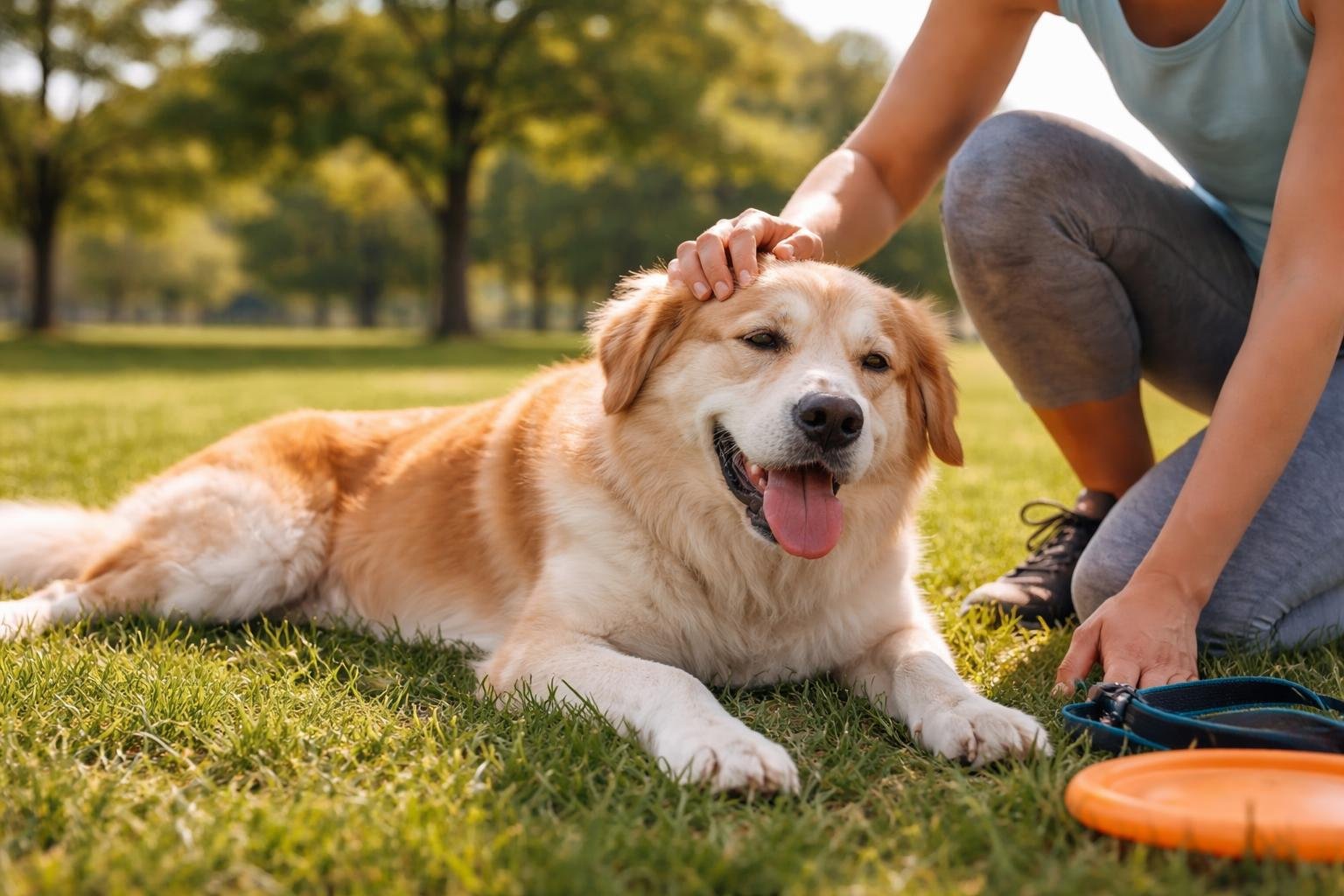
Making changes to a dog’s exercise plan requires careful attention to their individual needs and a balance between activity and rest. The key is setting goals that match the dog’s abilities and ensuring they have enough time to recover between sessions.
Setting Realistic Exercise Goals
Different dogs need different amounts of exercise based on their breed, age, and health status. A young Border Collie needs much more activity than a senior Bulldog.
Owners should consider these factors when planning exercise:
- Age: Puppies under one year need shorter, gentler sessions to protect growing joints
- Breed: High-energy breeds like Retrievers need 60-90 minutes daily, while smaller breeds may only need 30 minutes
- Health conditions: Dogs with arthritis or heart problems need low-impact activities like swimming or slow walks
- Current fitness level: Out-of-shape dogs should start slowly and build up gradually over weeks
Start with 10-15 minute sessions if a dog is new to regular exercise. Add five minutes each week until reaching the target amount. Watch for signs of tiredness like excessive panting or lagging behind. Adjust the plan if the dog shows any distress.
Incorporating Rest and Recovery
Dogs need time between exercise sessions to let their muscles heal and energy levels restore. Without proper rest, they can develop injuries or chronic fatigue.
Adult dogs should have at least one full rest day per week with only light activity like short potty breaks. Active dogs doing intense exercise need 48 hours between hard workouts.
Rest days should include:
- Gentle stretching or slow-paced walks
- Mental stimulation through puzzle toys or training
- Plenty of sleep time in a comfortable spot
- Access to fresh water at all times
Older dogs and those recovering from over-exercise may need two or three rest days per week. Pay attention to stiffness, reluctance to move, or unusual sleeping patterns. These signs mean a dog needs more recovery time before the next exercise session.
When to Consult a Veterinarian
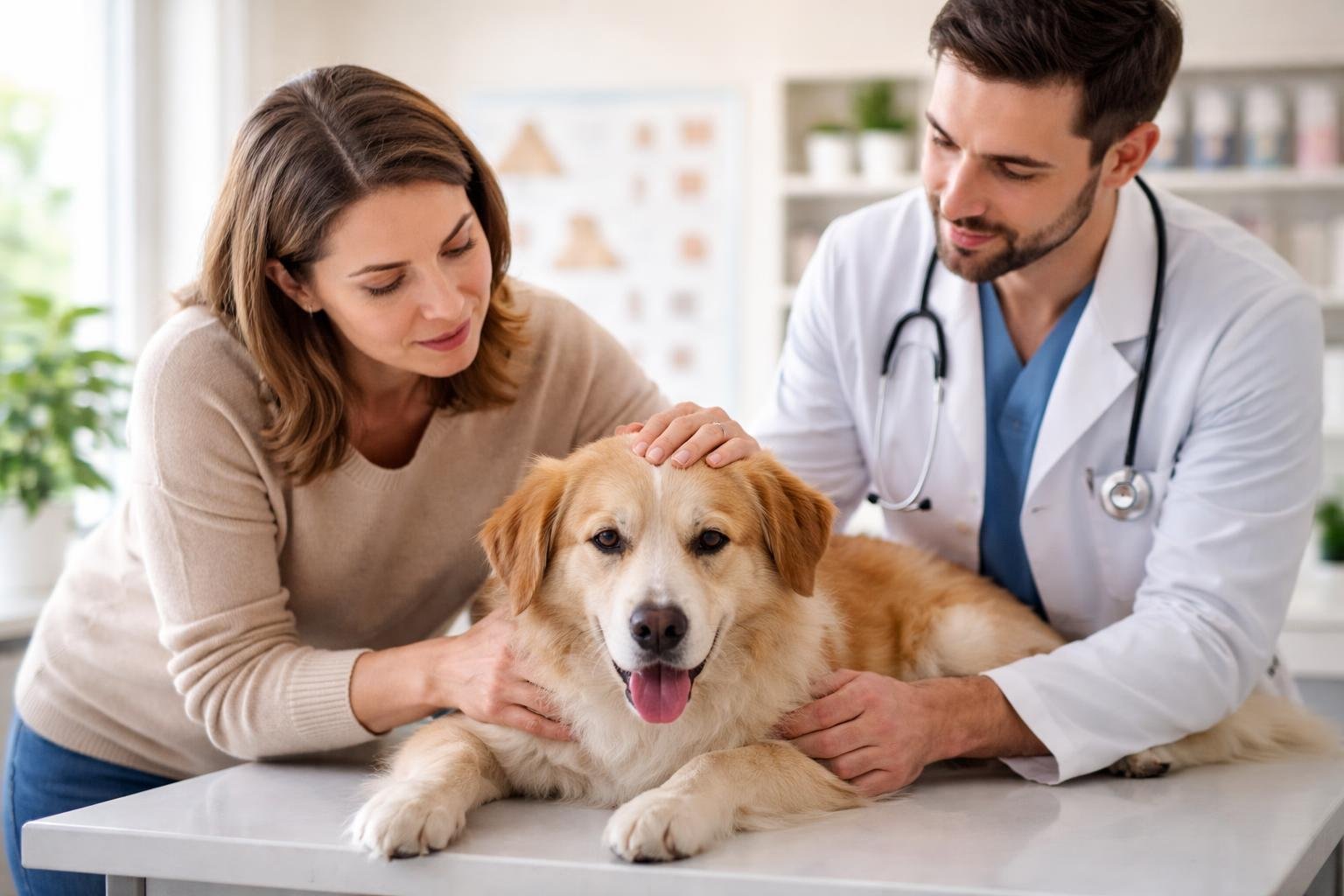
Dog owners should contact their vet if they notice any persistent signs of overexercise. Some symptoms require immediate attention, while others need professional evaluation to rule out underlying health problems.
Seek veterinary care right away if a dog shows:
- Difficulty breathing that doesn’t improve after rest
- Collapse or inability to stand
- Signs of heatstroke like excessive drooling, vomiting, or confusion
- Severe limping or refusal to put weight on a limb
- Bloody urine or stool after exercise
A vet visit is also needed when warning signs don’t go away with rest. If a dog still seems tired or sore after a day or two of reduced activity, something more serious might be happening. Joint pain, muscle injuries, and other conditions need proper diagnosis and treatment.
Dog owners should schedule a consultation before starting any new exercise program. Puppies, senior dogs, and breeds with known health issues need special consideration. A vet can create a safe exercise plan based on the dog’s age, breed, weight, and current health status.
Regular check-ups help catch overexercise problems early. Vets can spot subtle signs of joint stress or muscle strain that owners might miss. They can also adjust exercise recommendations as a dog ages or if health conditions develop.
When in doubt, it’s always better to ask. Vets have the training to tell the difference between normal tiredness and harmful overexertion.
Frequently Asked Questions
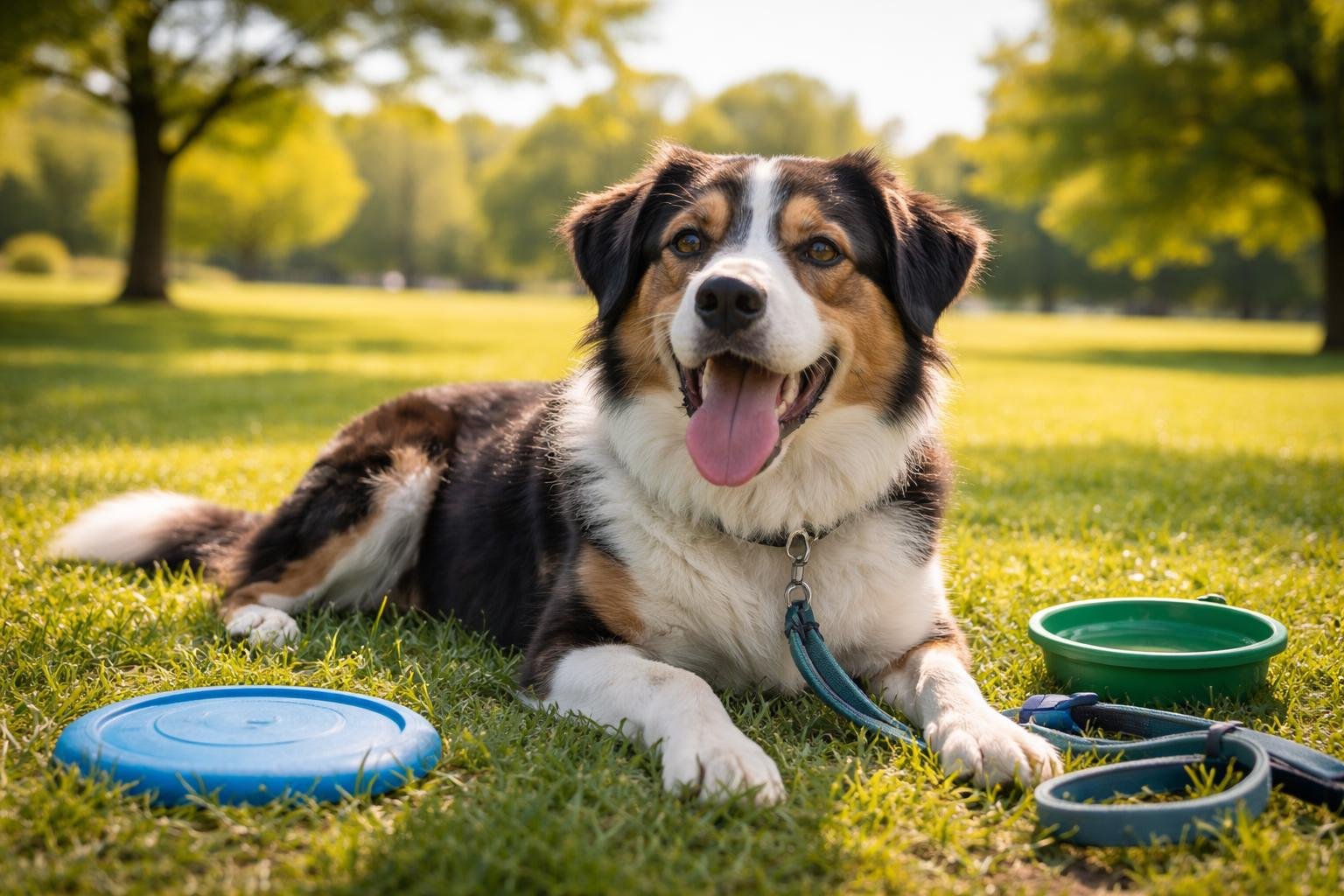
Dogs can show clear physical and behavioral changes when they’ve exercised beyond their limits. Recognizing these signs early and knowing how to respond can protect a dog’s health and prevent serious complications.
How can I tell if my dog has had too much exercise?
A dog that has exercised too much will show obvious signs of fatigue and discomfort. The dog may lag behind during walks, refuse to continue moving, or sit down frequently. Heavy panting that doesn’t stop after rest is a clear warning sign.
Physical symptoms include excessive drooling, a bright red tongue, and stumbling or uncoordinated movements. The dog’s gums may appear pale or very red. Some dogs will also seem disoriented or confused after too much activity.
What are the most common symptoms of an overworked or exhausted dog?
Muscle soreness and stiffness are among the most common symptoms. A dog may have trouble standing up, climbing stairs, or walking normally the next day. The dog might whimper or show reluctance when touched in certain areas.
Behavioral changes include extreme tiredness that lasts for days rather than hours. The dog may lose interest in food or water. Some dogs become irritable or withdrawn after being overworked.
Joint swelling and limping can develop in dogs that have been pushed too hard. Worn or bleeding paw pads are also common signs of excessive exercise.
What should I do immediately if I think I over-exercised my dog?
Stop all activity right away and move the dog to a cool, shaded area. Offer small amounts of fresh water, but don’t let the dog drink too much at once. This can prevent stomach upset.
Check the dog’s gums, paws, and overall condition. If the dog is panting heavily, use cool (not cold) water on the paws and belly to help lower body temperature. Never use ice, as this can cause the body to go into shock.
Monitor the dog closely for the next few hours. If symptoms don’t improve within 30 minutes, or if they get worse, contact a veterinarian immediately.
Can excessive running or overexertion be dangerous or fatal for a dog?
Yes, excessive exercise can lead to life-threatening conditions. Heatstroke is one of the most serious risks, especially in hot weather or humid conditions. Dogs can’t cool themselves as effectively as humans, making them vulnerable to overheating.
Overexertion can cause heart problems, particularly in dogs with undiagnosed heart conditions. Puppies can suffer from permanent joint damage if exercised too intensely before their growth plates close.
Severe cases can result in organ failure or death if not treated promptly. Brachycephalic breeds (dogs with flat faces) and overweight dogs face higher risks from excessive exercise.
How can I tell the difference between normal tiredness and pain after exercise in my dog?
Normal tiredness shows as calm resting behavior where the dog recovers within a few hours. A tired dog will still eat, drink, and respond to their owner normally. The dog should be able to move around without difficulty once rested.
Pain presents differently through specific behaviors. A dog in pain may refuse to move certain body parts or cry when touched. The dog might pant excessively even while resting or hold a limb up to avoid putting weight on it.
Dogs in pain often have trouble finding a comfortable position to rest. They may repeatedly stand up and lie down or show signs of anxiety. Normal tiredness doesn’t include these distress signals.
How should I treat or manage sore muscles in my dog after too much activity?
Rest is the most important treatment for sore muscles. Limit the dog’s activity for at least 24 to 48 hours. Keep walks short and only for bathroom breaks during recovery.
A gentle massage can help relieve muscle tension, but only if the dog seems comfortable with touch. Apply the massage with light pressure in the direction of the muscle fibers. Stop if the dog shows any signs of discomfort.
A warm compress can soothe sore muscles after the first 24 hours. Use a warm (not hot) towel for 10 to 15 minutes at a time. If soreness persists beyond two or three days, a veterinarian should examine the dog to rule out injury.