Why Do Dogs Lick Your Face: Understanding Canine Affection and Communication Behavior
Your dog jumps up to greet you and immediately starts licking your face. While this behavior might seem like pure affection, the real reasons behind it are more complex. Dogs lick faces for multiple reasons including instinct, communication, sensory exploration, and emotional expression, not just to show love.
Understanding why dogs lick helps owners respond to this behavior in the right way. Some face licking comes from natural instincts passed down from their wolf ancestors. Other times, dogs lick to gather information about their owner or to send specific social signals.
This article explores the science and behavior behind face licking. It covers everything from evolutionary roots to health concerns, along with practical ways to manage excessive licking when needed.
Instincts and Evolutionary Reasons
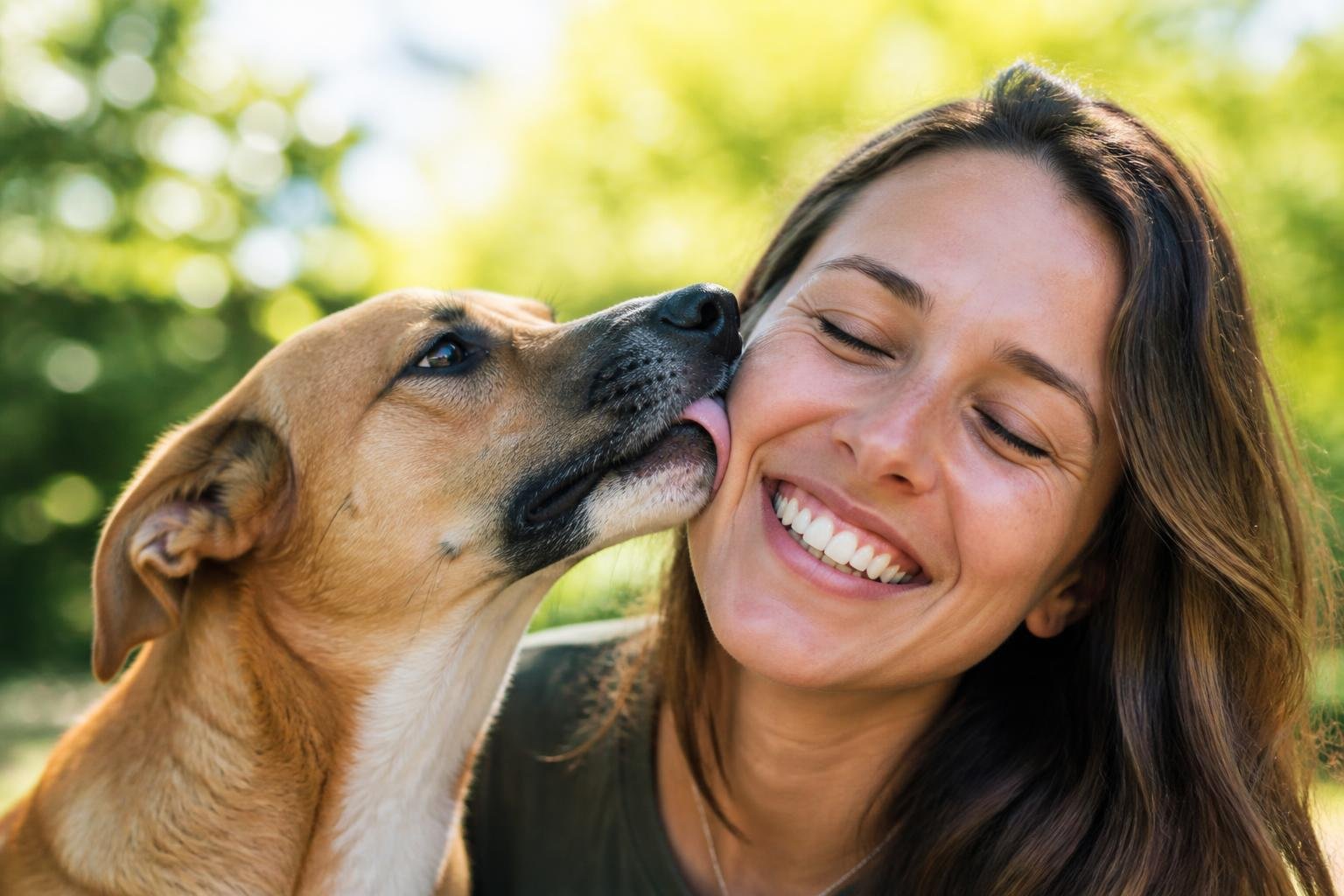
Face licking stems from deep-rooted instincts passed down through generations of canine evolution. These behaviors connect to pack survival strategies and early puppy development patterns that remain hardwired in modern dogs.
Pack Dynamics and Ancestral Behaviors
Wild wolves and their ancestors used licking as a communication tool within their packs. Young wolves licked the faces of adult pack members returning from hunts to trigger regurgitation of food. This instinctual behavior helped feed pups and other pack members who couldn’t join the hunt.
The behavior also reinforced pack hierarchy and social bonds. Lower-ranking pack members licked higher-ranking ones as a sign of respect and submission. This helped maintain order and reduce conflicts within the group.
Modern dogs retain this ancient programming even though they no longer need adults to regurgitate food. When a dog licks a human’s face, they may be acting on these inherited instincts. The behavior signals recognition of the human as part of their social group and can indicate the dog views their owner as a leader or caregiver.
Puppy Development and Maternal Care
Mother dogs lick their puppies from birth as an essential caregiving behavior. This licking stimulates puppies to breathe, helps them eliminate waste, and keeps them clean. Puppies learn early that licking creates comfort and connection.
Puppies naturally lick their mother’s face and mouth during nursing and weaning periods. This face-focused licking becomes associated with food, safety, and maternal bonding. The positive feelings from these early experiences stay with dogs throughout their lives.
As puppies grow, they continue using licking to interact with littermates and adult dogs. The behavior becomes a learned social skill for greeting others and seeking attention. When dogs lick human faces, they often repeat these comforting patterns from puppyhood.
Emotional and Social Signals
Dogs use licking as a way to communicate their feelings and social position. This behavior carries messages about bonding, their need for attention, and their respect for pack hierarchy.
Affection and Bonding
When a dog licks your face, it often shows affection and strengthens the bond between dog and owner. This behavior releases endorphins in the dog’s brain, creating positive feelings for both the dog and the person receiving the licks.
Licking serves as social glue in canine relationships. Dogs who lick their owners regularly tend to feel more secure and connected to their family members. The act mimics behaviors puppies learn early in life when interacting with their mothers and littermates.
Signs of affectionate licking include:
- Gentle, slow licks
- Relaxed body language
- Soft eyes and wagging tail
- Licking after periods of separation
Attention-Seeking Behavior
Dogs quickly learn that licking gets a reaction from their owners. Even if the response is negative, it still provides the attention the dog seeks. This makes licking an effective tool for dogs who want interaction, playtime, or treats.
Some dogs develop excessive licking habits when they feel ignored or bored. They use face licking to break through their owner’s focus on phones, computers, or other distractions. The behavior becomes reinforced each time it successfully redirects human attention back to the dog.
Dog behavior specialists note that anxious or understimulated dogs may lick more frequently. If a dog licks excessively, it might signal a need for more mental stimulation, physical exercise, or quality time with family members.
Submission and Respect
Face licking carries submissive meaning rooted in wolf and wild dog pack behavior. Younger or lower-ranking pack members lick the faces of leaders to show respect and acknowledge the social hierarchy.
When dogs lick people’s faces, part of their brain still processes humans as pack leaders. This instinctual behavior demonstrates that the dog recognizes the person’s authority and feels comfortable in a subordinate position. The act communicates trust rather than fear.
Dogs who exhibit submissive licking typically display other deferential behaviors like avoiding direct eye contact, keeping their ears back, or lowering their body posture. Understanding why dogs lick people helps owners recognize these social signals and respond appropriately to their pet’s communication attempts.
Sensory Exploration and Taste
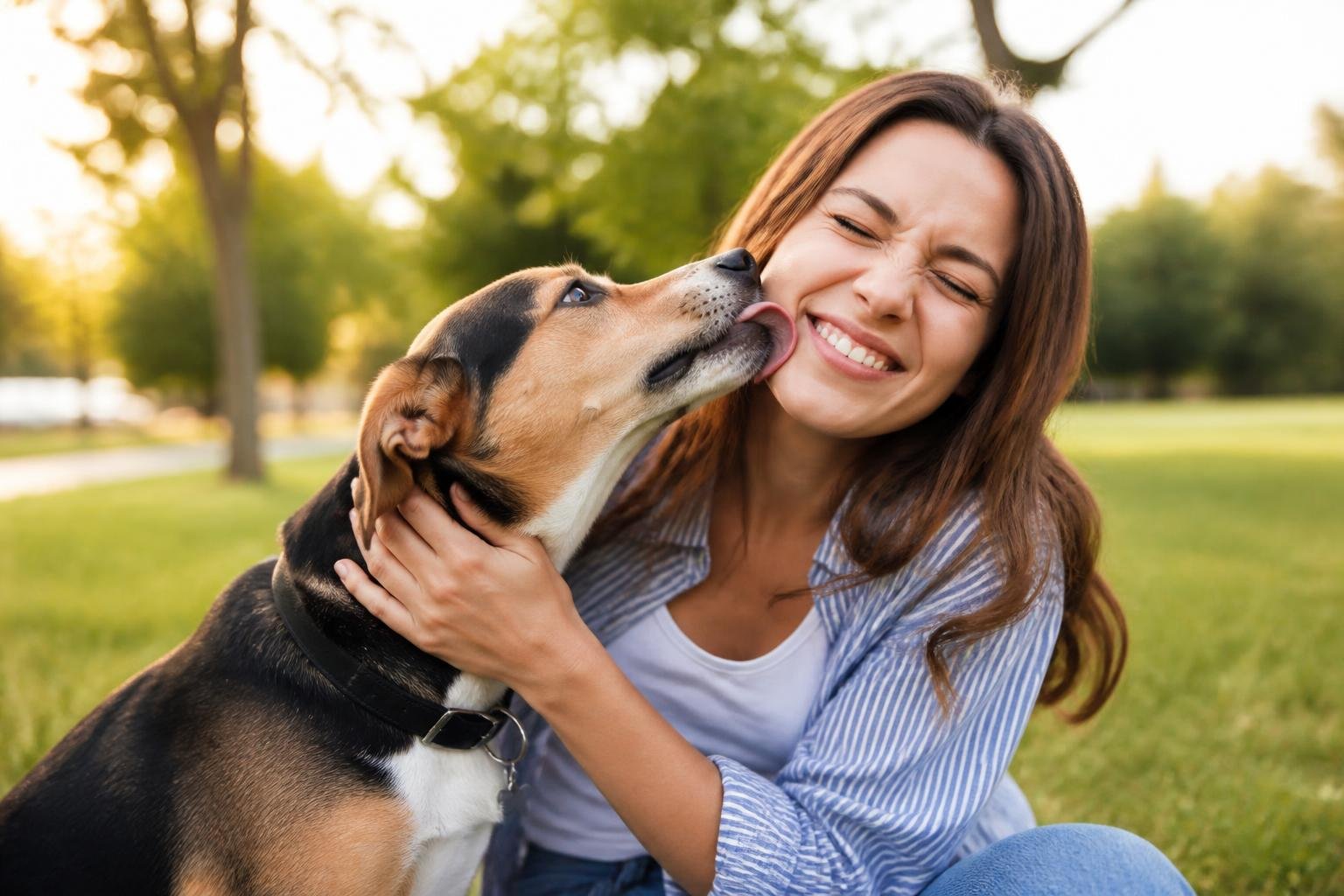
Dogs use their tongues as tools to explore the world around them, gathering information through taste and smell. Human skin offers both interesting flavors and scents that draw dogs to lick faces.
Attraction to Salty Skin and Scents
Human skin naturally contains salt from sweat, which dogs find appealing. The taste attracts them because salt is something their bodies need and recognize as valuable.
Dogs have fewer taste buds than humans, but they can still detect salty, sweet, sour, and bitter flavors. The skin on a person’s face often has traces of sweat, even when not noticeable to humans. This makes the face an interesting target for licking.
Scents also play a major role. Dogs have a strong sense of smell that helps them detect odors from food, lotions, or other products on human skin. A person who just ate or applied skincare products becomes even more interesting to a dog. The combination of taste and smell makes face licking a sensory experience that dogs find rewarding.
Gathering Information Through Licking
When a dog licks someone’s face, they collect information about that person. The tongue picks up chemical signals that tell the dog about emotions, health, and recent activities.
Dogs can detect changes in human scent that indicate stress, fear, or happiness. Licking allows them to read facial expressions up close while also tasting the skin. This helps them understand their owner’s emotional state better.
The behavior also helps dogs learn about their environment. Each person has a unique scent profile that a dog can recognize and remember through licking. Puppies learn this behavior early from their mothers and continue using it as a way to explore and communicate throughout their lives.
Communication and Space Management

Dogs sometimes lick faces as a way to create distance or signal discomfort in social situations. The intensity and context of the licking can reveal whether a dog is seeking connection or trying to establish boundaries.
Kiss to Dismiss: Requesting Space
Some dogs use face licking as a polite way to ask for personal space. This behavior appears when a dog feels overwhelmed by close contact or attention. The dog licks quickly and then tries to move away or turn its head.
Signs of “kiss to dismiss” behavior include:
- Quick, light licks followed by backing up
- Head turning away from the person
- Avoiding eye contact during licking
- Stiff body posture
This type of licking differs from affectionate licking. The dog is essentially saying “please give me some room” in their own language. Pet owners who recognize this pattern can respect their dog’s need for space. Pushing for more interaction when a dog shows these signs can increase stress for the animal.
Forceful Licking and Body Language
Forceful licking paired with certain body language often indicates stress or anxiety. When dog licks you with intensity while showing tense muscles or wide eyes, the dog may be uncomfortable. This dog behavior serves as a calming signal rather than a sign of happiness.
Watch for these stress indicators:
- Rapid, repeated licking
- Whale eye (showing whites of eyes)
- Pinned back ears
- Tense facial muscles
- Panting without heat or exercise
Dogs may use forceful licking when they feel trapped or pressured. The behavior can appear during hugs, restraint, or when multiple people crowd around them. Recognizing these body language cues helps owners respond appropriately and reduce their dog’s stress levels.
Stress Relief and Calming Behaviors
Licking triggers the release of endorphins in a dog’s brain, which naturally reduces stress and provides comfort. Dogs use this behavior as a tool to manage anxiety and find relief during overwhelming moments.
Self-Soothing and Anxiety
Dogs lick faces and other surfaces to calm themselves when they feel stressed or anxious. This instinctual behavior releases endorphins that create a soothing effect similar to how humans might take deep breaths during tense situations.
The act of licking can help dogs cope with various stressors. New environments, loud noises, or separation from their owners often trigger this response. Some dogs engage in excessive licking when they experience ongoing anxiety or face overstimulating situations.
Face licking serves as a coping mechanism that dogs learn early in life. Puppies naturally lick their mothers and littermates for comfort. Adult dogs continue this pattern when they need emotional regulation or feel uncertain about their surroundings.
Use of Lick Mats for Redirection
Lick mats offer a healthy alternative for dogs that engage in excessive licking behaviors. These textured mats hold soft foods like peanut butter or yogurt, giving dogs a safe surface to lick while receiving the same calming benefits.
Pet owners can use lick mats during stressful events such as thunderstorms, vet visits, or grooming sessions. The repetitive licking motion keeps dogs focused and releases endorphins without directing the behavior toward human faces or furniture.
Lick mats also provide mental stimulation while reducing anxiety. Dogs must work to access the food from the mat’s grooves and patterns, which keeps their minds engaged. This combination of physical activity and stress relief makes lick mats an effective tool for managing dog licking behaviors in a positive way.
Health Considerations and Safety
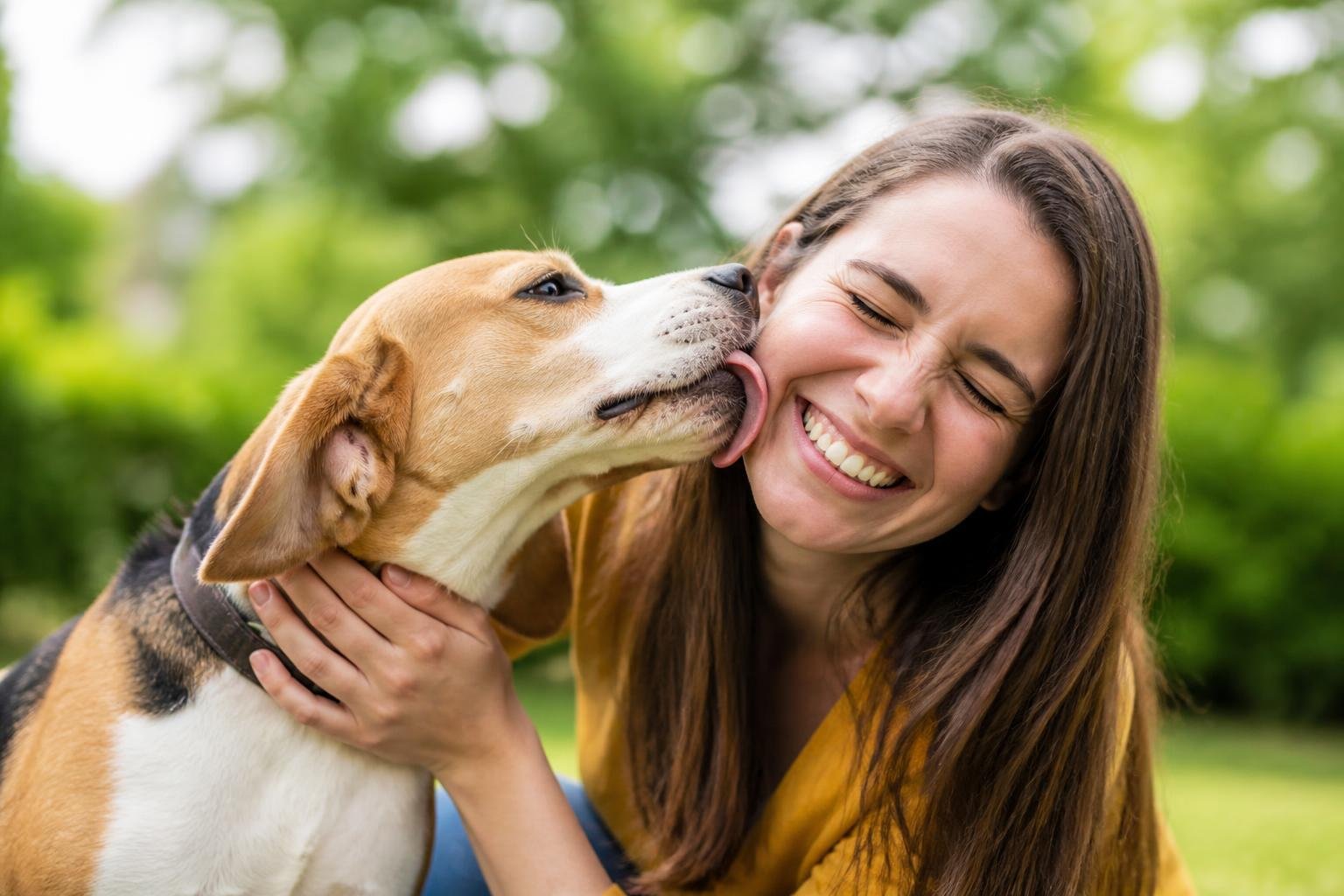
Dog saliva contains bacteria that can pose health risks to humans, particularly when dogs lick faces or open wounds. While most healthy adults face minimal danger, certain bacteria and individual health factors require attention.
Capnocytophaga and Bacterial Risks
Dog mouths harbor Capnocytophaga canimorsus, a bacteria that lives naturally in canine saliva. This bacteria rarely causes problems in healthy people but can lead to serious infections in those with weakened immune systems.
The bacteria can enter the body through broken skin, mucous membranes in the mouth, nose, or eyes. People most at risk include those who have had their spleen removed, cancer patients undergoing treatment, and individuals with diabetes or HIV.
Other harmful bacteria found in dog saliva include E. coli, Salmonella, and Pasteurella. These organisms typically cause minor issues but can lead to infections if they enter cuts or scrapes on the face.
Dog licking near the mouth poses additional concerns since bacteria can transfer directly to areas where food enters the body.
Minimizing Health Concerns for People
Basic hygiene practices reduce most risks associated with dogs licking faces:
- Wash the face immediately with soap and water after a dog licks it
- Never let dogs lick open wounds, cuts, or areas with broken skin
- Keep dogs away from the eyes, nose, and mouth
- Maintain regular veterinary care and dental cleanings for dogs
People with compromised immune systems should avoid face licking entirely. Parents should teach children to turn their faces away when dogs approach to lick.
Regular handwashing after petting dogs provides an extra layer of protection. Keeping a dog’s mouth healthier through dental care reduces overall bacterial loads in their saliva.
Managing and Redirecting Unwanted Licking
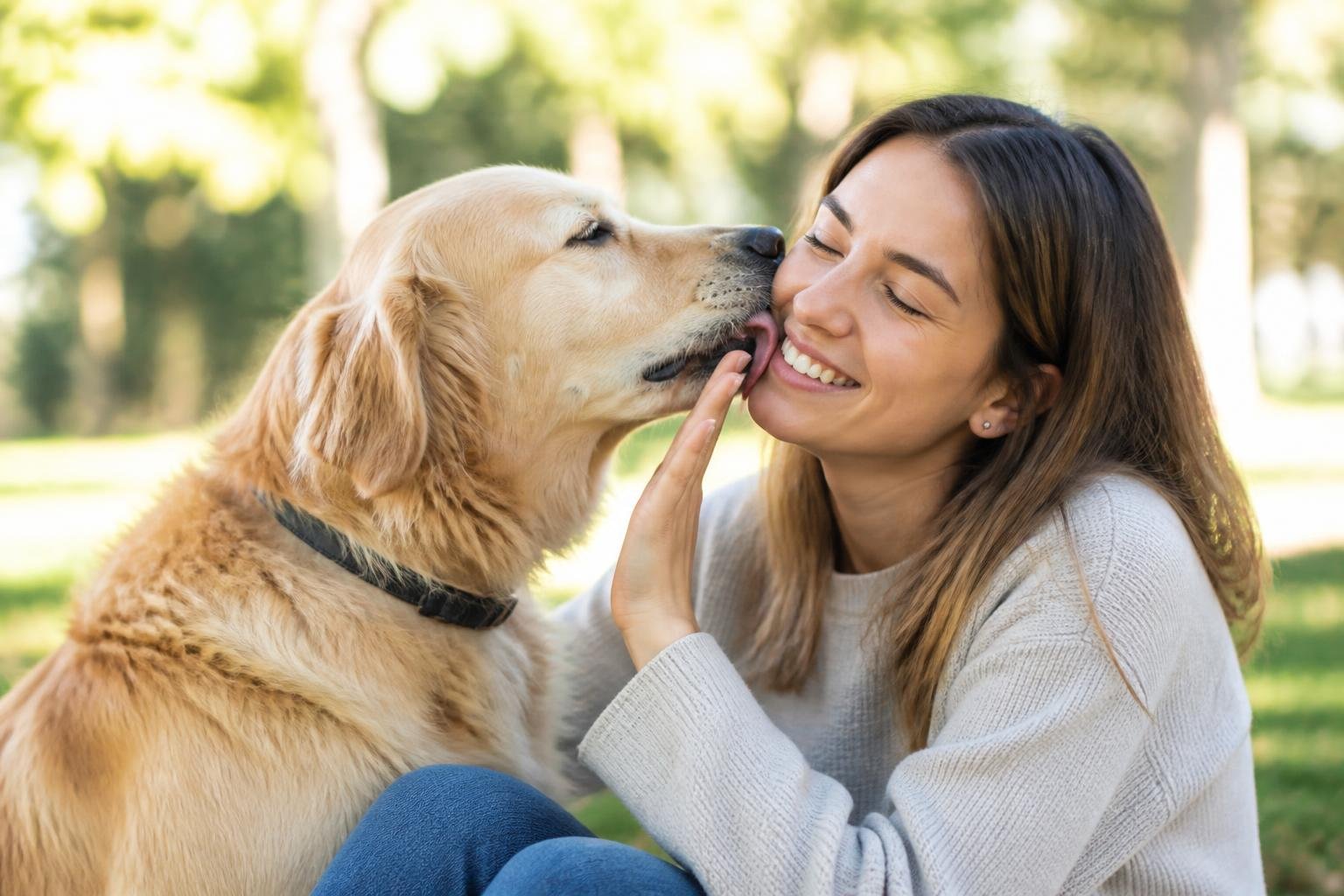
Training methods that withdraw attention during licking episodes prove most effective, while persistent or compulsive behaviors may require veterinary or behavioral specialist intervention.
Behavioral Training Approaches
The most effective technique involves removing attention immediately when a dog begins licking. Owners should turn away, stand up, or leave the room without speaking to the dog. This teaches the animal that licking ends positive interactions.
Rewarding alternative behaviors works well alongside attention withdrawal. When a dog approaches without licking, owners should offer praise, treats, or petting. This reinforces calm greetings and appropriate contact.
Redirection strategies include:
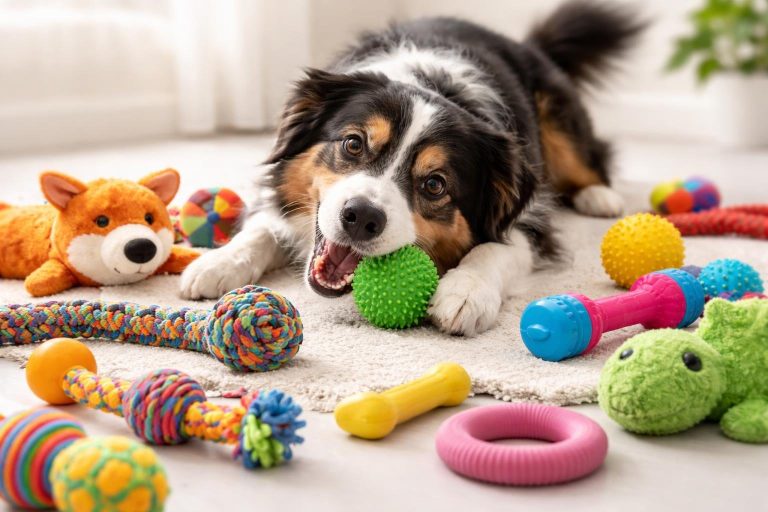
- Offering a toy when the dog starts to lick
- Teaching “sit” or “down” commands as greeting behaviors
- Using lick mats with spreads like peanut butter to satisfy the urge in appropriate contexts
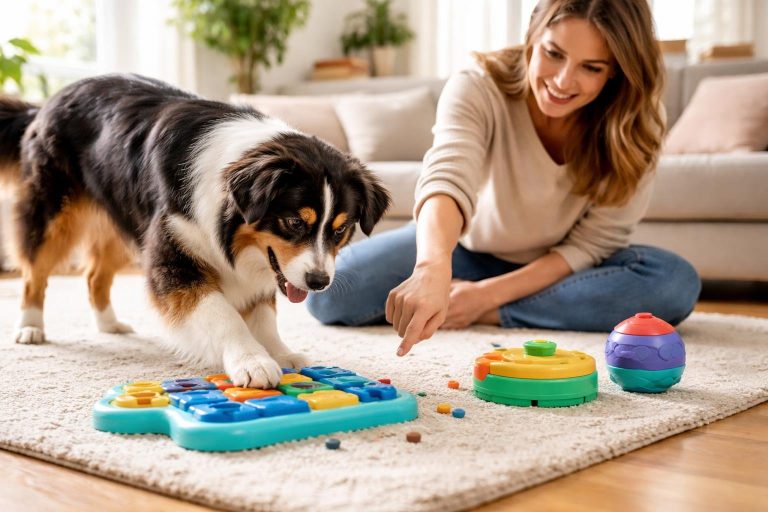
- Providing puzzle toys during times when excessive licking typically occurs
Consistency matters more than any single method. Every family member must respond the same way to licking behavior. Mixed signals confuse dogs and slow progress significantly.
Identifying When to Seek Professional Help
Sudden increases in licking frequency or intensity warrant veterinary examination. Medical issues like allergies, pain, or gastrointestinal problems often manifest through excessive licking behaviors before other symptoms appear.
A veterinary behaviorist becomes necessary when licking occurs compulsively for hours, causes skin damage to the dog or owner, or continues despite consistent training efforts. Dogs that lick objects, surfaces, and people obsessively may have anxiety disorders or neurological conditions.
Professional help proves essential when dog behavior includes licking paired with other concerning signs like pacing, whining, destructive actions, or self-harm. These patterns suggest deeper psychological issues requiring specialized treatment protocols beyond basic training methods.
Frequently Asked Questions
Dogs lick faces for multiple reasons including showing affection, seeking attention, communicating submission, or responding to stress. Understanding these behaviors helps owners recognize what their dog is trying to communicate and when intervention might be necessary.
What does it mean when a dog licks a person’s face?
When a dog licks a person’s face, it usually signals one of several things. The behavior often shows affection and bonding between the dog and the person. Dogs also lick faces to get attention or to explore tastes and smells on human skin.
Puppies naturally lick their mother’s face to encourage feeding, and this behavior can continue into adulthood. Some dogs lick faces simply because they’ve learned it gets a positive response from their owners.
Is face licking a sign of affection or submission in dogs?
Face licking can indicate both affection and submission depending on the context. When a dog licks someone’s face in a calm, relaxed setting, it typically shows love and bonding. The behavior releases feel-good hormones in both the dog and the person.
In some situations, face licking serves as a submissive gesture. Dogs may lick faces to show respect to someone they view as higher in the social order. The dog’s body language provides clues about whether the licking comes from affection or submission.
Can face licking indicate stress, anxiety, or appeasement behavior?
Face licking can signal stress or anxiety in certain situations. A dog might lick excessively when feeling nervous, uncomfortable, or trying to calm themselves down. This type of licking often appears more frantic or repetitive than affectionate licking.
Dogs use licking as an appeasement behavior to defuse tense situations. When a dog feels threatened or wants to avoid conflict, licking acts as a peace offering. Owners should watch for other stress signals like yawning, lip licking, or avoiding eye contact.
Are there health or hygiene risks associated with a dog licking someone’s face?
Dog saliva contains bacteria that can pose health risks to humans. While most healthy adults face minimal risk, dogs can transfer harmful bacteria like Salmonella, E. coli, and Campylobacter through licking. These bacteria can cause infections, especially if the saliva contacts the mouth, nose, eyes, or open wounds.
People with weakened immune systems, young children, and elderly individuals face higher risks from dog saliva exposure. Dogs that eat raw food, consume feces, or have poor dental health carry more harmful bacteria. Washing the face after a dog licks it reduces the risk of infection.
How can you train a dog to stop licking faces on command?
Training a dog to stop licking faces requires consistency and positive reinforcement. Owners should teach an alternative behavior like sitting or giving a paw instead of licking. When the dog starts to lick, the owner should immediately redirect them to the new behavior and reward compliance.
Using a command word like “enough” or “no lick” helps the dog understand what is expected. The owner must ignore the licking behavior completely and only give attention when the dog stops. This teaches the dog that licking doesn’t earn them the reaction they want.
Practice sessions should be short and frequent for best results. All family members need to follow the same rules to avoid confusing the dog.
Why do some dogs lick faces more than others?
Individual personality plays a large role in how much a dog licks faces. Some breeds were developed for close human companionship and tend to be more physically affectionate. Dogs with outgoing, social personalities typically lick more than reserved or independent dogs.
Early experiences shape a dog’s licking habits significantly. Puppies that received positive responses to face licking continue the behavior into adulthood. Dogs that were discouraged from licking as puppies usually lick less as adults.
Anxiety levels and learned behaviors also influence licking frequency. Dogs that use licking as a coping mechanism for stress will lick more often than calm, confident dogs.