10 Everyday Habits That Make Your Dog Happier: Simple Changes for a Better Bond
Your dog’s happiness depends less on expensive toys or fancy treats and more on the simple things you do every single day. Small, consistent habits like maintaining regular routines, providing mental challenges, and giving focused attention create a happier, more balanced dog. These everyday actions help dogs feel safe, engaged, and deeply connected to their families.
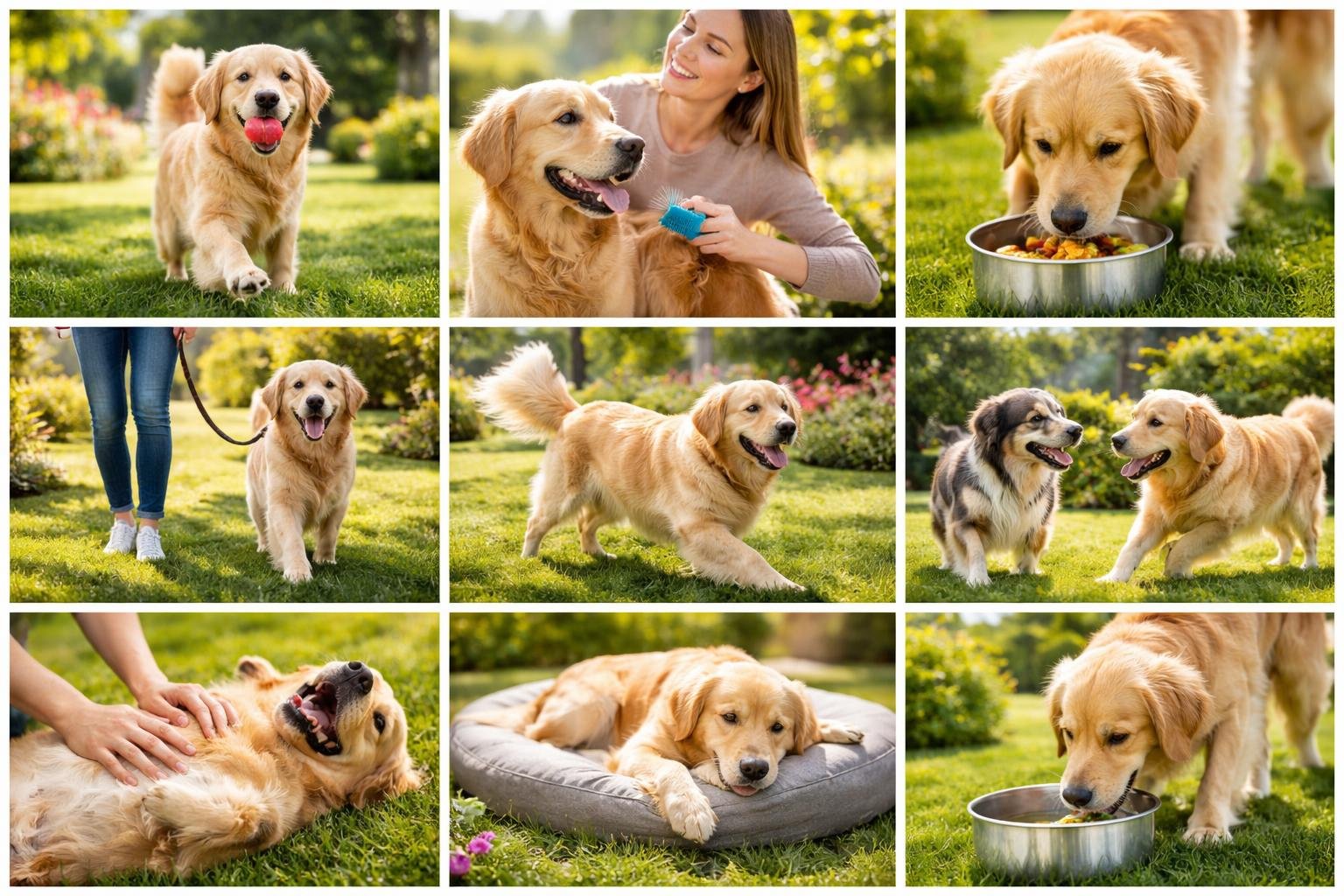
The good news is that making a dog happier doesn’t require hours of extra time or special training. Most of these habits fit naturally into daily life. They focus on meeting basic emotional and physical needs that every dog has, from mental stimulation to quality rest.
This guide covers ten practical habits that improve a dog’s well-being. It looks at emotional needs, daily routines, mental enrichment, social bonds, environment, physical health, sleep quality, exploration opportunities, and the power of mindful attention. Each habit builds on what dogs naturally need to thrive.
Understanding Your Dog’s Emotional Needs
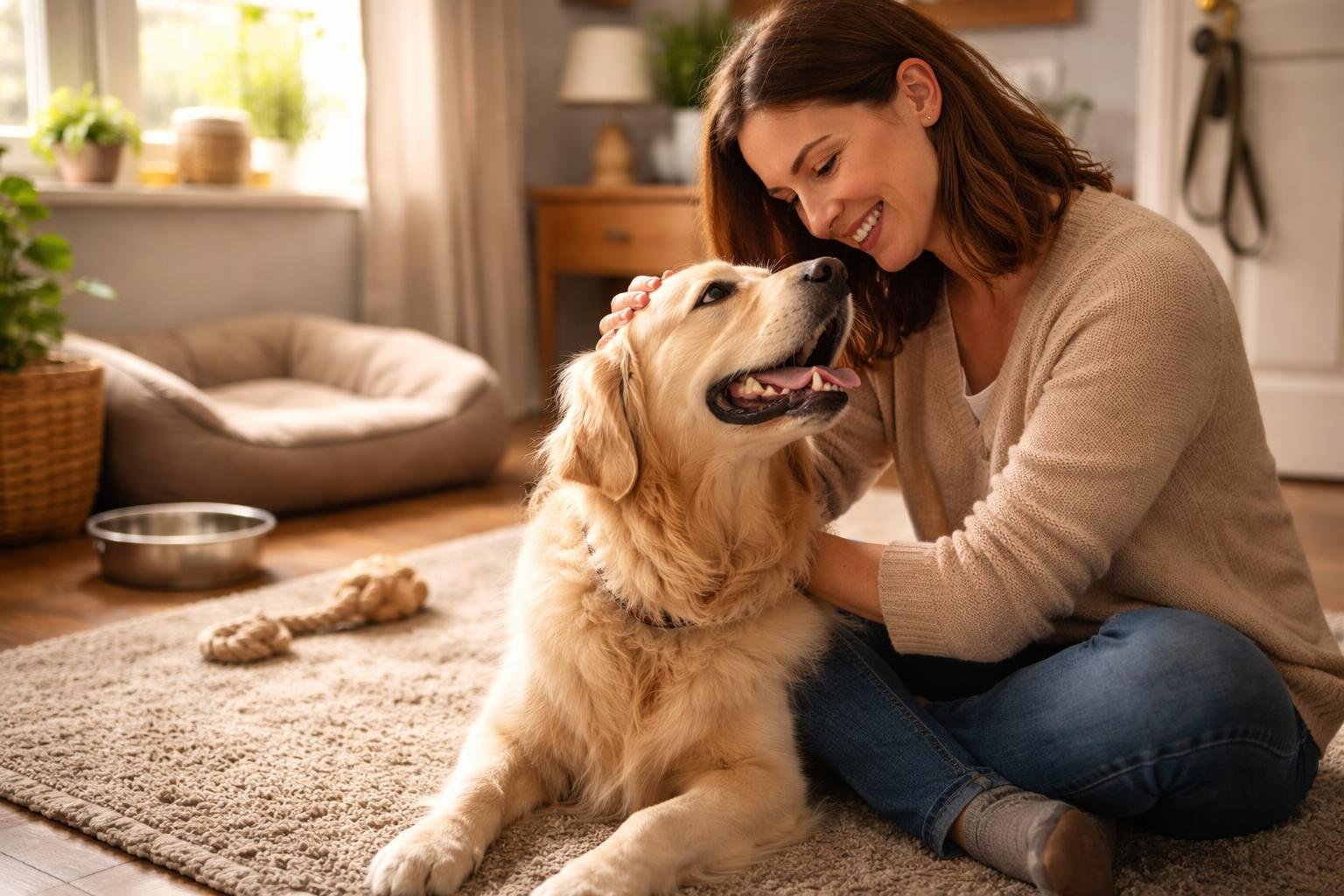
Dogs experience a range of emotions including joy, fear, anxiety, and contentment. Meeting their emotional needs requires understanding how they communicate, maintaining predictable routines, and respecting their individual temperament.
Recognizing Canine Communication Signals
Dogs communicate primarily through body language rather than vocalizations. A relaxed dog holds their tail in a natural position, keeps their mouth slightly open, and maintains soft eyes. Stress signals include yawning, lip licking, whale eye (showing the whites of their eyes), pinned-back ears, and a tucked tail.
Common stress indicators:
- Excessive panting when not hot or exercising
- Avoiding eye contact or turning their head away
- Raised hackles along the back
- Stiff or frozen body posture
- Excessive shedding or drooling
Learning to read these signals helps owners respond appropriately to their dog’s emotional state. A dog showing stress signals needs space, reassurance, or removal from the stressful situation. Ignoring these signs can lead to increased anxiety or defensive behavior.
Building Trust Through Consistency
Dogs feel secure when they can predict what happens next in their daily routine. Feeding at the same times each day, walking similar routes, and maintaining regular sleep schedules create a sense of safety. This predictability reduces anxiety and helps dogs feel more confident.
Consistent responses to behavior also build trust. When an owner always rewards sitting politely instead of jumping, the dog learns what to expect. Mixed signals confuse dogs and create uncertainty.
Consistency extends to household rules. If a dog isn’t allowed on the couch, every family member must enforce this rule equally. When one person allows something another person forbids, it creates confusion and stress.
Adapting to Your Dog’s Unique Personality
Every dog has distinct personality traits that shape their emotional needs. Some dogs are naturally confident and outgoing, while others are shy or cautious. High-energy dogs need more physical activity and mental challenges than calm, laid-back dogs.
Age affects emotional needs too. Puppies require more patience and shorter training sessions. Senior dogs often need gentler handling and may become anxious with sudden changes to their environment.
Breed tendencies provide general guidance, but individual variation matters more. A herding breed might enjoy structured activities, while a companion breed may prefer quiet time with their owner. Observing how a specific dog responds to different situations helps owners tailor their care approach. Some dogs thrive on social interaction with other dogs, while others prefer human company exclusively.
Essential Daily Routines
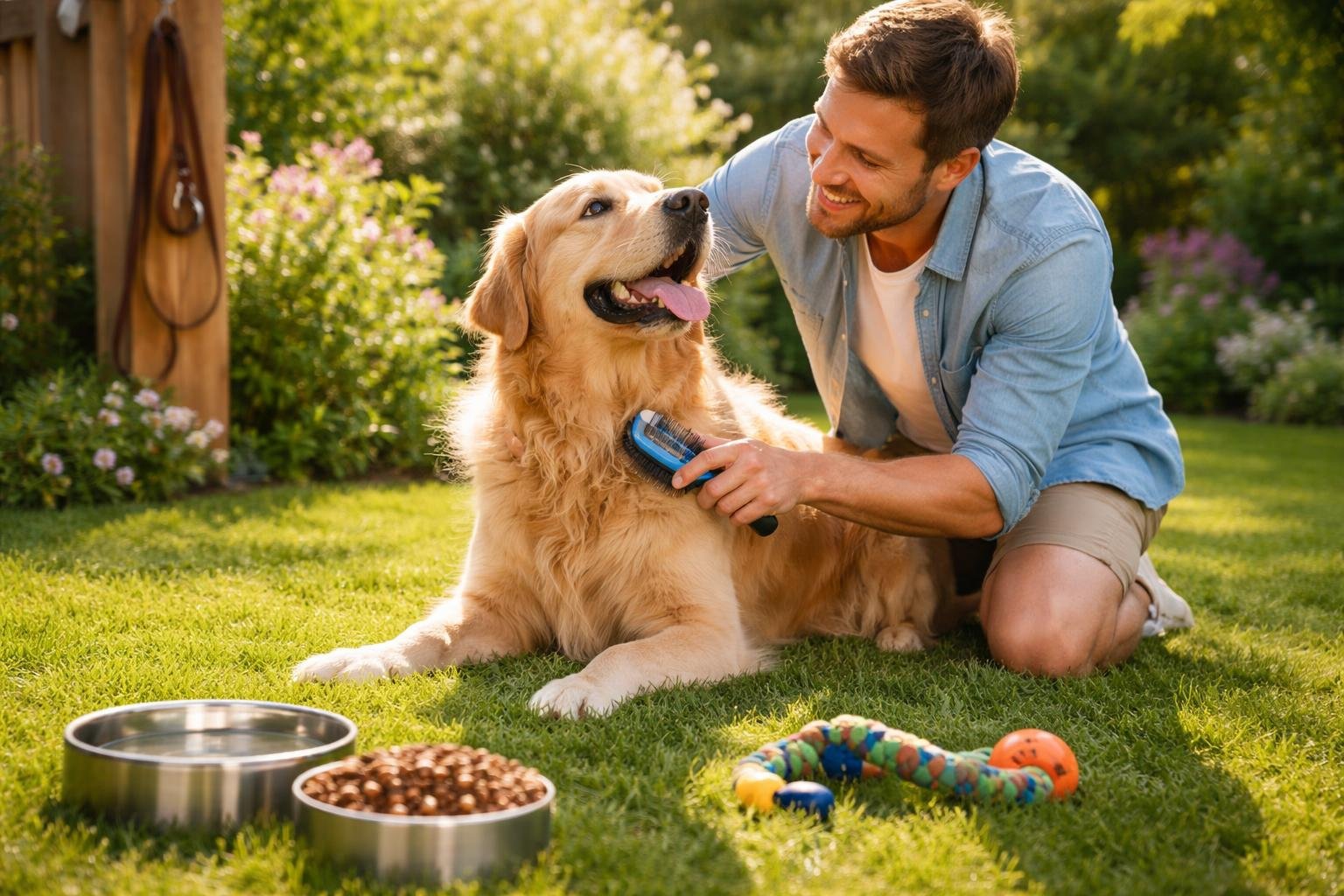
Dogs need structure and consistency to feel secure and content. A few key habits each day can significantly improve a dog’s physical health, mental state, and overall happiness.
Providing Regular Exercise
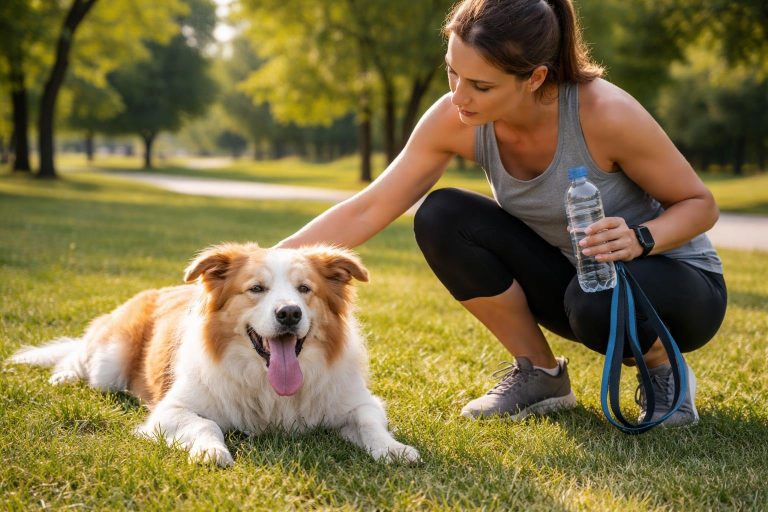
Dogs require daily physical activity to stay healthy and burn off energy. Most dogs need at least 30 minutes to 2 hours of exercise per day, depending on their breed, age, and energy level.
Active breeds like Border Collies, Labrador Retrievers, and Australian Shepherds need more vigorous exercise. They benefit from running, fetch, or agility training. Lower-energy breeds like Bulldogs or senior dogs may only need shorter walks and gentle play sessions.
Exercise does more than tire out a dog’s body. It releases endorphins that reduce stress and anxiety. Dogs who get enough physical activity are less likely to develop problem behaviors like excessive barking, chewing, or digging.
Owners should split exercise into multiple sessions throughout the day when possible. A morning walk, afternoon play session, and evening stroll work better than one long outing. This approach keeps dogs engaged and prevents boredom between activities.
Maintaining a Balanced and Nutritious Diet
Proper nutrition forms the foundation of a dog’s health and energy levels. Dogs need high-quality food that matches their age, size, and activity level.
Key nutritional needs include:
- Protein from meat, fish, or poultry
- Healthy fats for coat and skin health
- Carbohydrates for energy
- Vitamins and minerals for immune function
Feeding schedules matter as much as food quality. Adult dogs typically eat twice daily, while puppies need three to four smaller meals. Consistent meal times help regulate digestion and prevent stomach issues.
Owners should measure portions according to their dog’s weight and avoid overfeeding. Obesity in dogs leads to joint problems, diabetes, and shortened lifespans. Fresh water must be available at all times, especially after exercise or during warm weather.
Creating a Predictable Schedule
Dogs thrive when they know what to expect each day. A consistent routine reduces anxiety and helps dogs feel more secure in their environment.
The schedule should include regular times for meals, walks, play, and rest. Dogs quickly learn these patterns and prepare mentally for each activity. This predictability makes training easier and reduces stress-related behaviors.
Sleep schedules are particularly important. Adult dogs need 12 to 14 hours of sleep daily, while puppies require even more. A quiet, comfortable sleeping area helps dogs get quality rest.
Consistency applies to rules and boundaries as well. When all family members enforce the same commands and expectations, dogs understand what behaviors are acceptable. This clarity strengthens the bond between dogs and their owners while creating a calmer household.
Enriching Your Dog’s Mind
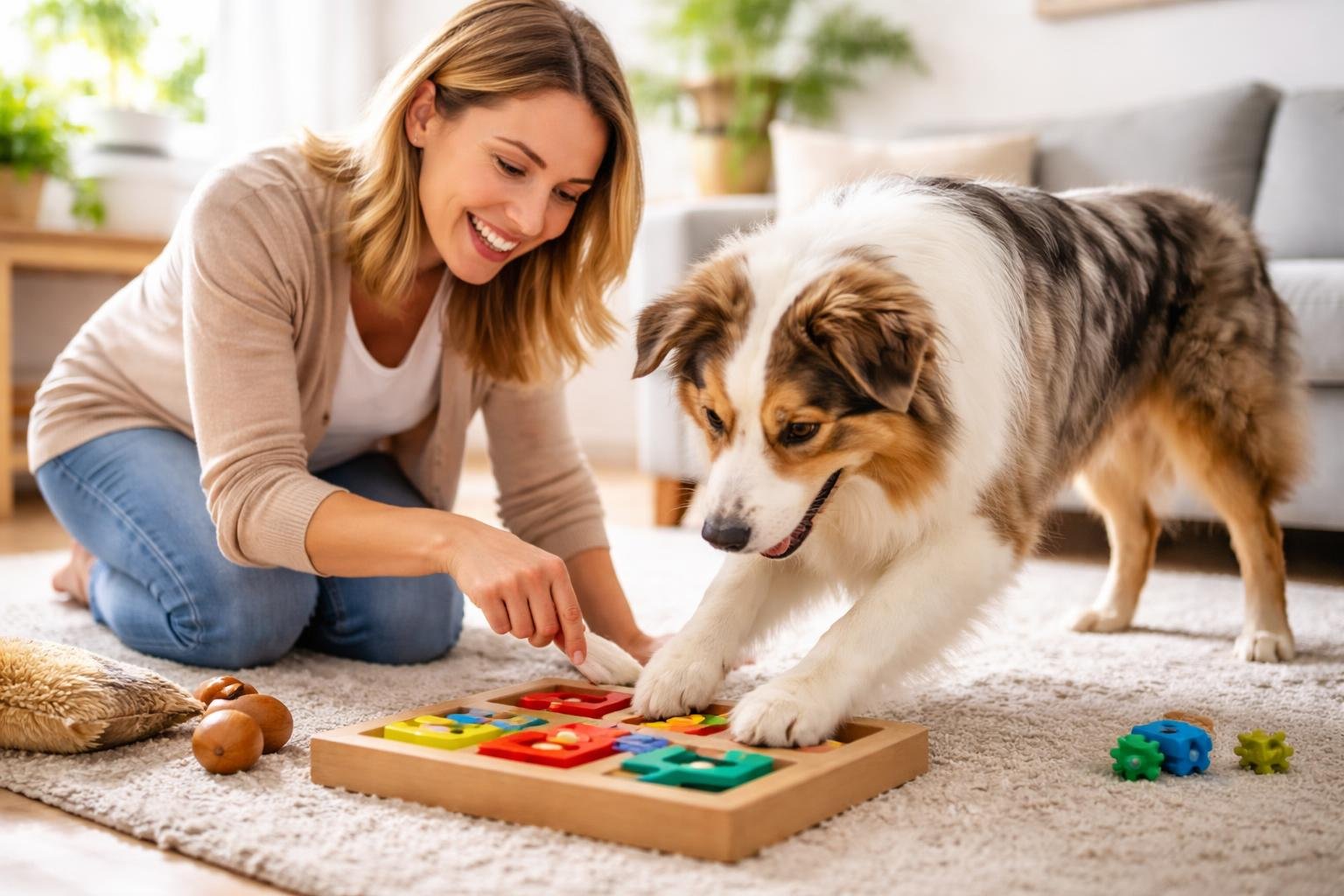
Mental stimulation keeps dogs engaged and prevents boredom-related behaviors like excessive barking, chewing, or digging. A dog with an active mind feels more satisfied and tired at the end of the day.
Interactive Play and Mental Stimulation
Dogs need more than physical exercise to stay happy. Mental challenges tire them out just as much as a long walk.
Interactive play engages a dog’s natural instincts. Games like hide-and-seek encourage dogs to use their nose and problem-solving skills. Owners can hide treats around the house or yard and let their dog search for them. This taps into their natural hunting behavior.
Sniffing activities provide excellent mental work. Letting a dog spend extra time sniffing during walks allows them to gather information about their environment. This simple act satisfies their curiosity and reduces stress.
Tug-of-war and fetch games also stimulate the mind when done with purpose. Adding commands like “drop it” or “wait” between throws turns simple play into a thinking exercise. Changing the routine keeps things interesting for the dog.
Implementing Training Sessions
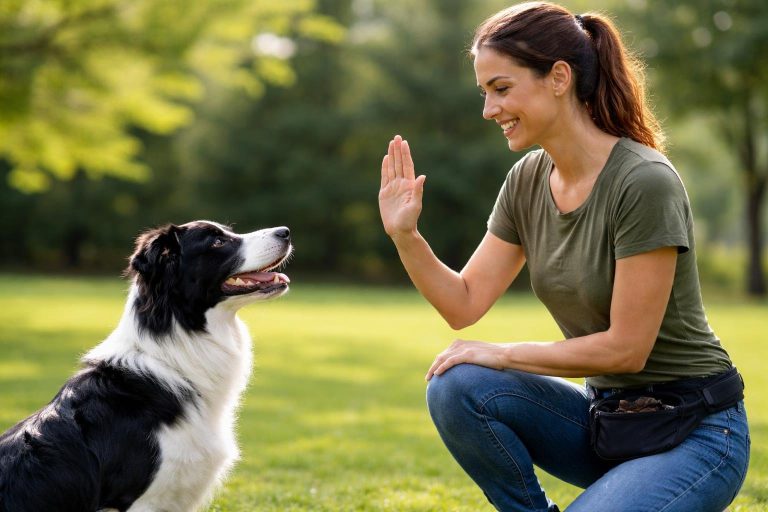
Short training sessions throughout the day keep a dog’s brain active. Five to ten minutes of focused practice works better than long, exhausting sessions.
Teaching new commands or tricks gives dogs mental challenges. Even basic commands like sit, stay, or come require focus and thinking. Advanced tricks like spin, shake, or play dead add variety.
Dogs enjoy learning when training stays positive and reward-based. Treats, praise, or play make the experience fun. Practicing old commands also counts as mental exercise.
Training doesn’t always mean formal commands. Teaching a dog to wait at doors, walk politely on a leash, or settle on a mat all provide mental work. These real-life skills tire the brain while improving behavior.
Introducing Puzzle Toys and Games
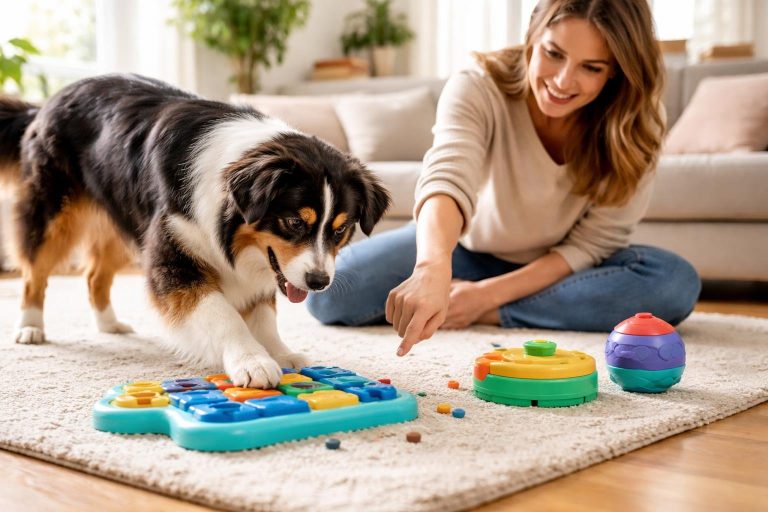
Puzzle toys make dogs work for their food or treats. These toys come in different difficulty levels to match a dog’s experience.
Common puzzle toy types:
- Sliding puzzles – Dog moves pieces to reveal treats
- Treat-dispensing balls – Food falls out as the dog rolls it
- Snuffle mats – Dog searches through fabric to find hidden treats
- Interactive feeders – Dog solves steps to access food
Starting with easier puzzles prevents frustration. As the dog learns how they work, owners can introduce harder challenges. Rotating different toys keeps the activity fresh.
Homemade puzzles work just as well as store-bought options. Hiding treats in a muffin tin covered with tennis balls creates an instant puzzle. Wrapping treats in a towel or placing them inside a cardboard box provides similar mental challenges without spending money.
Promoting Social Connections
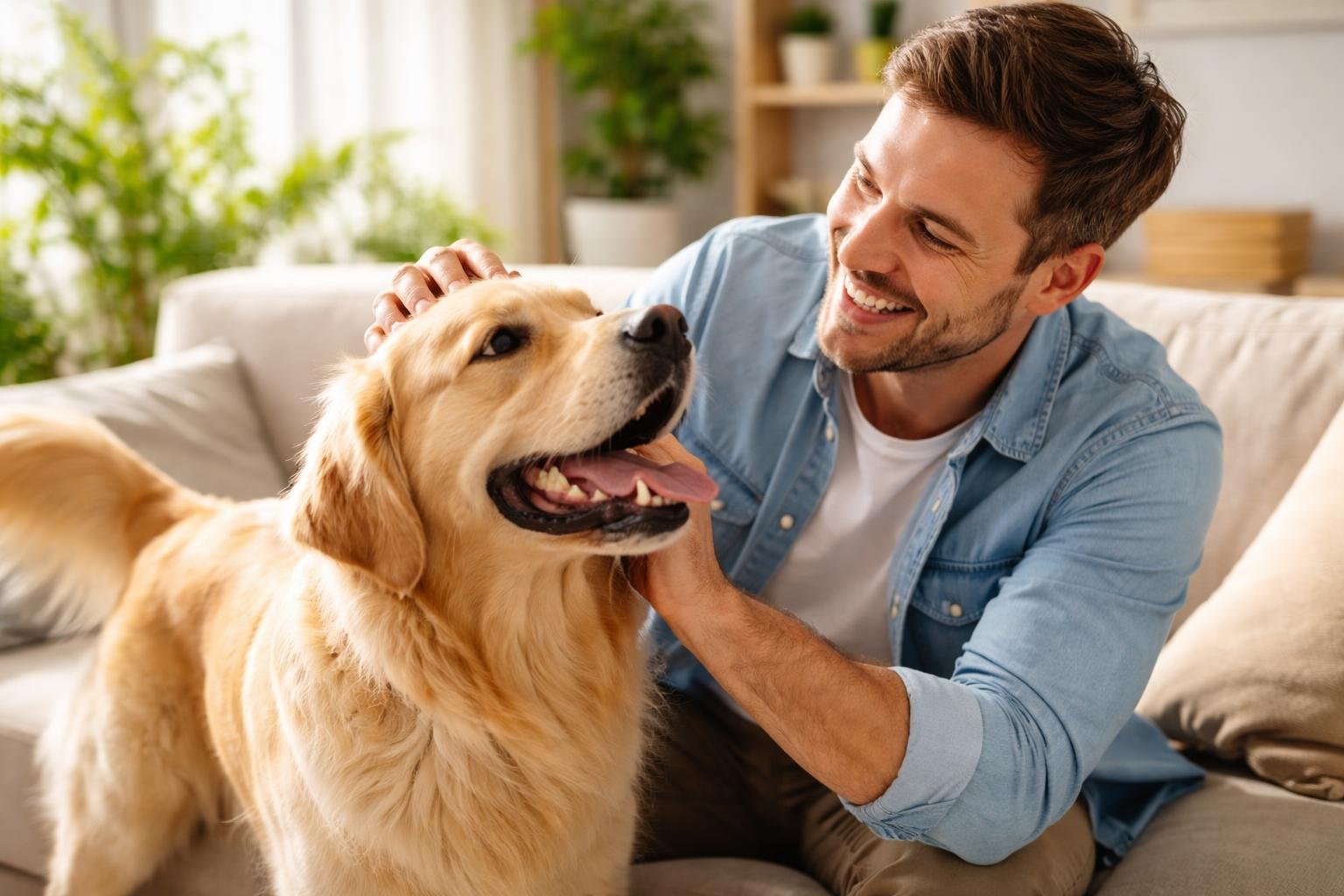
Dogs are social animals that benefit from regular interaction with both other dogs and people. These connections help prevent loneliness, reduce anxiety, and build confidence in different situations.
Positive Socialization With Other Dogs
Regular playtime with other dogs helps maintain social skills and provides important mental and physical exercise. Dogs learn to read body language, practice appropriate play behavior, and burn energy through running and wrestling with their canine friends.
Dog owners should look for calm, well-mannered dogs for their pet to interact with. Not every dog needs to be friends with every other dog they meet. Some dogs prefer one or two close companions rather than large groups.
Key socialization practices include:
- Scheduling regular play dates with familiar dogs
- Visiting dog parks during quieter times if the dog feels overwhelmed
- Watching for signs of stress like tucked tails or pinned ears
- Allowing dogs to take breaks when they need space
Puppies especially need positive experiences with other dogs between 3 and 14 weeks of age. Adult dogs still benefit from social time but may be more selective about their companions.
Ensuring Safe Encounters With People
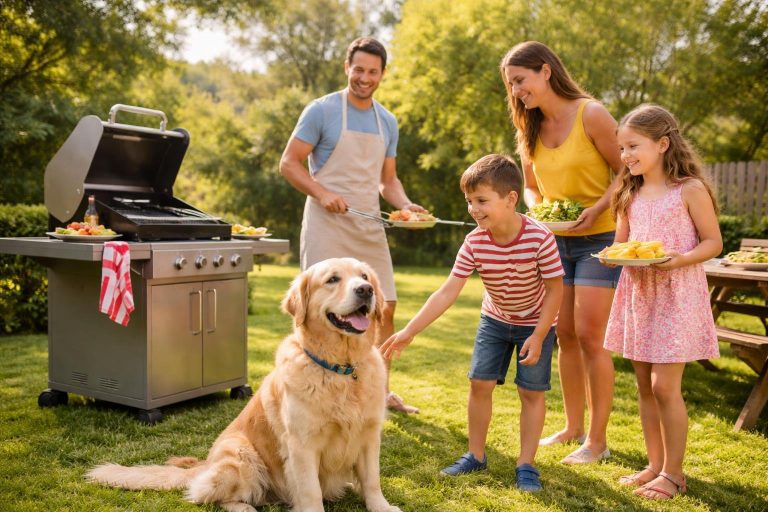
Dogs need positive experiences with different types of people to feel comfortable in various settings. This includes meeting people of different ages, sizes, and appearances in controlled situations where the dog feels safe.
Owners should let their dog approach new people at their own pace. Forcing interactions can create fear and anxiety. Some dogs warm up quickly to strangers while others need more time to feel comfortable.
Safe socialization guidelines:
- Ask visitors to ignore the dog until the dog shows interest
- Reward calm behavior around new people with treats
- Avoid overwhelming the dog with too many new faces at once
- Teach children to pet gently and respect the dog’s space
Regular exposure to friendly people in positive contexts helps dogs become more confident and relaxed in public spaces.
Creating a Safe and Comfortable Environment
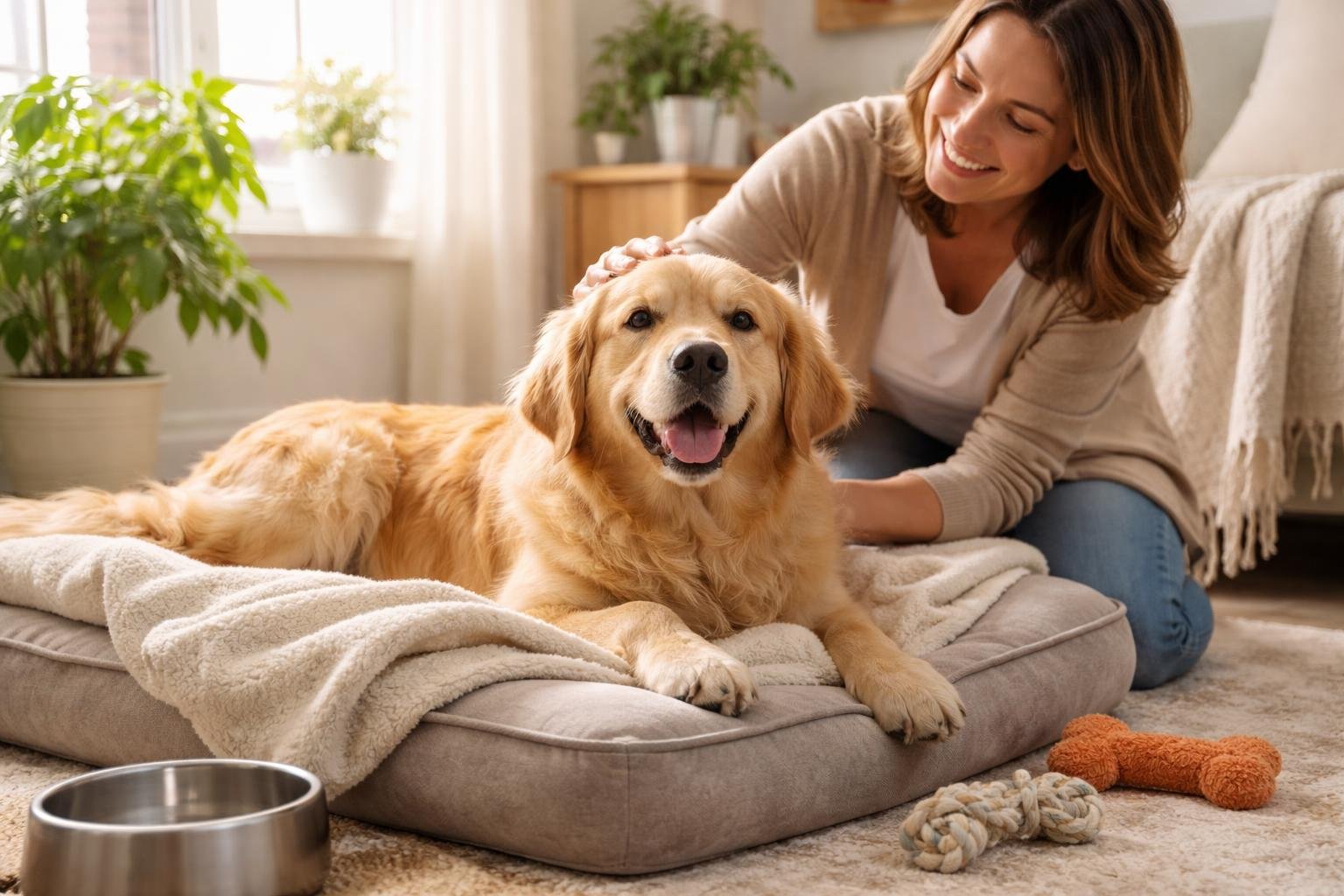
A dog’s physical surroundings directly impact their stress levels and overall happiness. Dogs need dedicated spaces where they can rest undisturbed and an environment free from unnecessary anxiety triggers.
Designating Resting Spaces
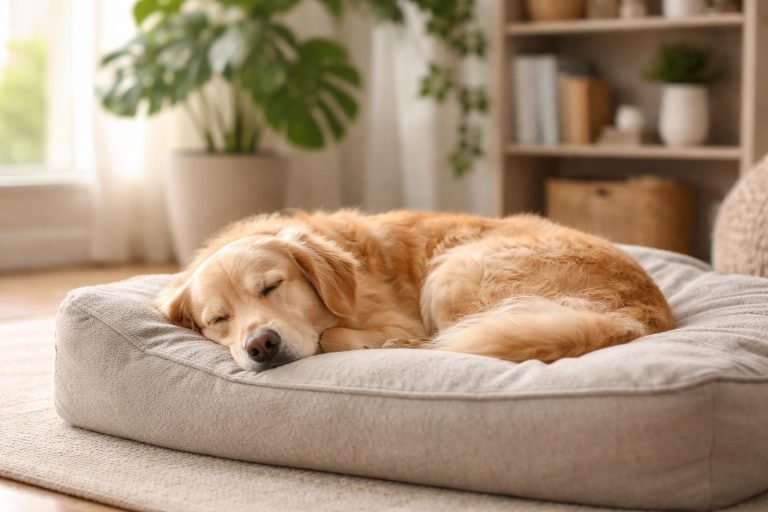
Every dog needs a quiet spot they can claim as their own. This space should be away from high-traffic areas where the dog won’t be constantly disturbed by people walking by or household activity.
A proper resting area includes comfortable bedding that supports the dog’s joints and body. The bed should be sized appropriately for the dog’s weight and sleeping position. Dogs who curl up need different support than those who stretch out fully.
Key elements of a good resting space:
- Positioned in a low-traffic corner or room
- Away from loud appliances or frequent door activity
- Soft bedding that’s easy to clean
- Consistent temperature without drafts
- Dim lighting or the option for darkness
The location matters as much as the bed itself. Dogs feel safer when they can observe their surroundings from their resting spot without being in the center of activity.
Minimizing Stressful Triggers
Common household situations create unnecessary stress for many dogs. Identifying and reducing these triggers helps dogs stay calm throughout the day.
Loud noises from televisions, vacuums, or doorbells can startle dogs repeatedly. Owners can lower volumes, use white noise machines, or create distance between the dog and noise sources during stressful activities. Some dogs benefit from a designated quiet room during particularly loud events.
Common stress triggers to address:
- Sudden loud sounds
- Unfamiliar people entering the home
- Other pets invading their space
- Chaotic meal times or schedules
- Lack of predictable routine
Visual stressors also affect dogs. Windows facing busy streets might overstimulate some dogs, while others feel anxious without being able to see outside. Adjusting curtains or relocating resting areas can resolve these issues. Dogs also respond to their owner’s stress levels, so maintaining a calm household atmosphere benefits everyone.
Maintaining Physical Wellness
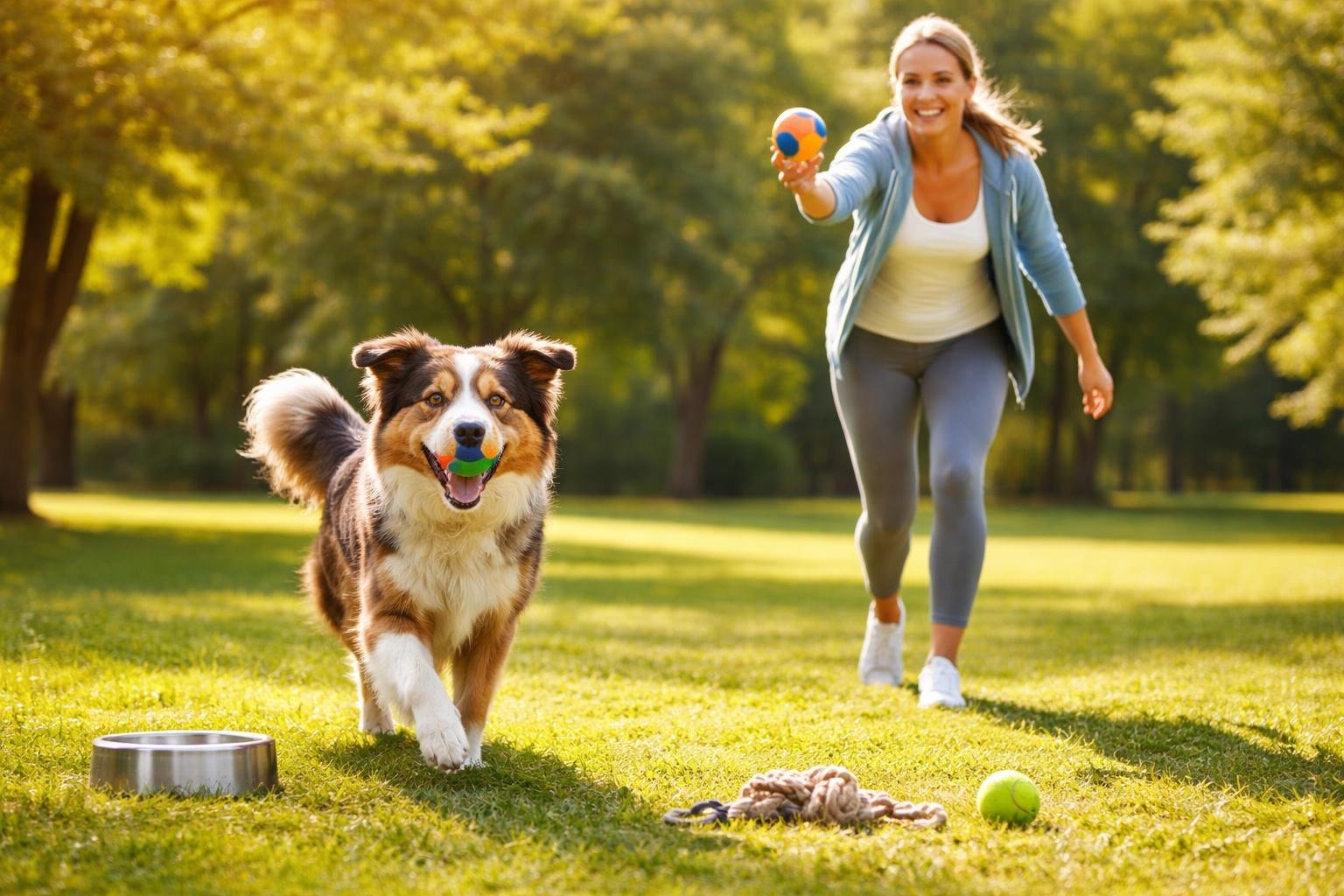
A dog’s physical health directly impacts their mood and energy levels. Keeping up with grooming and vet visits helps catch problems early and keeps dogs comfortable in their own skin.
Routine Grooming Habits
Regular grooming does more than keep a dog looking clean. It prevents skin infections, reduces matting, and allows owners to spot lumps, ticks, or injuries before they become serious problems.
Basic grooming tasks include:
- Brushing the coat 2-3 times per week (daily for long-haired breeds)
- Trimming nails every 3-4 weeks to prevent joint pain
- Cleaning ears weekly to prevent infections
- Brushing teeth 3-5 times per week to avoid dental disease
Dogs with wrinkles need those folds cleaned regularly to prevent bacteria buildup. Breeds with fast-growing hair around the eyes need trims to maintain clear vision.
Many dogs feel calmer and more comfortable after grooming sessions. The physical contact also strengthens the bond between dog and owner. Starting these habits early helps puppies accept grooming as a normal part of life rather than something stressful.
Scheduling Regular Veterinary Checkups
Annual vet visits catch health issues before they show obvious symptoms. Senior dogs over seven years old benefit from checkups twice per year since they age faster than younger dogs.
During exams, veterinarians check weight, heart function, dental health, and organ function through blood work. They also update vaccinations and discuss preventive medications for fleas, ticks, and heartworms.
Dogs can’t tell their owners when something hurts. A veterinarian can detect early signs of arthritis, diabetes, kidney disease, or cancer through routine screening. Early detection often means simpler, less expensive treatment options.
Pet owners should keep a record of their dog’s normal behavior and eating habits. Sharing any changes with the vet helps identify problems quickly. Even small shifts in energy, appetite, or bathroom habits can signal underlying health concerns worth investigating.
Strengthening the Human-Canine Bond
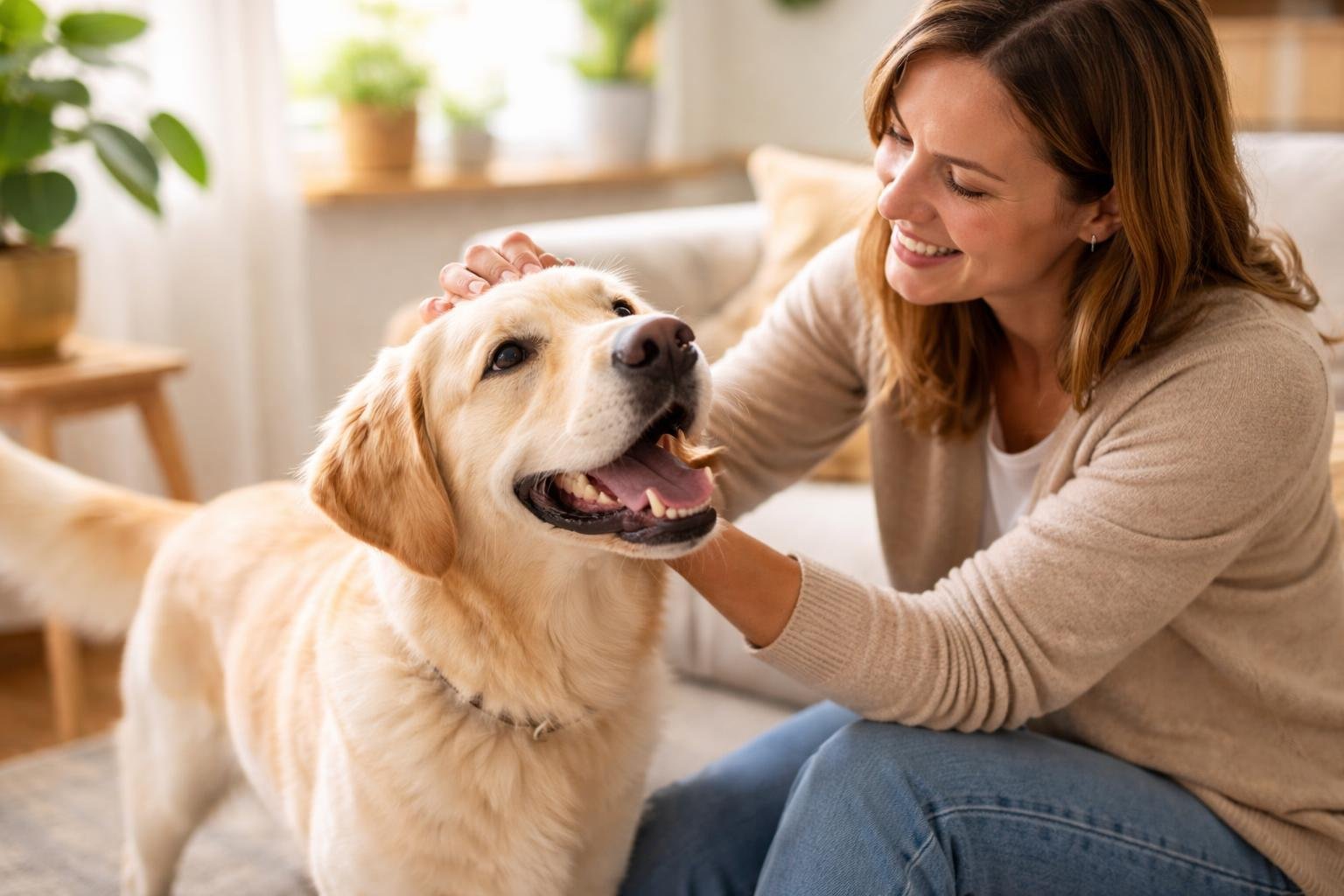
Building a strong connection with a dog requires intentional daily actions that foster trust and mutual understanding. Spending focused time together, rewarding good behavior, and honoring boundaries create the foundation for a happy, secure relationship.
Engaging in Quality Time Together
Quality time means giving a dog undivided attention without distractions. This includes activities like walking without checking phones, playing fetch in the backyard, or simply sitting together while petting them. Dogs notice when their owners are mentally present versus physically present but emotionally distant.
Interactive play strengthens the bond more than passive time in the same room. Tug-of-war, hide-and-seek with treats, or learning new tricks together keeps dogs mentally stimulated while building trust. Even 15 minutes of focused interaction can make a significant difference in how connected a dog feels.
Regular routines also matter. Dogs thrive on predictability, so consistent meal times, walk schedules, and play sessions help them feel secure. When owners maintain these patterns, dogs develop confidence in their relationship and environment.
Using Positive Reinforcement
Positive reinforcement teaches dogs what behaviors earn rewards rather than focusing on punishment. When a dog sits calmly, comes when called, or walks nicely on a leash, immediate rewards like treats, praise, or play reinforce those actions. This approach builds trust because dogs associate their owner with good experiences.
The timing of rewards matters. Reinforcement works best within 2-3 seconds of the desired behavior. Delayed rewards confuse dogs about what they did right.
Effective rewards include:
- Small, high-value treats
- Enthusiastic verbal praise
- Favorite toys
- Physical affection like petting or belly rubs
Consistency across all family members prevents mixed signals. If one person allows jumping while another discourages it, the dog receives conflicting information that weakens training effectiveness.
Respecting Personal Space
Dogs need time alone to rest and decompress, just like people. Constant interaction or forced affection can create stress and anxiety. Observing when a dog retreats to their bed or crate signals they need downtime.
Teaching children to recognize these boundaries prevents negative experiences. Dogs that yawn, turn their head away, or move to another spot are communicating discomfort. Respecting these signals builds trust and prevents defensive reactions.
Designated safe spaces give dogs control over their environment. A quiet corner with a bed or crate where family members know not to disturb them provides security. Dogs that feel safe in their home are calmer and more confident overall.
Supporting Healthy Sleep Patterns

Dogs need between 10 and 14 hours of sleep each day to stay healthy and happy. Getting enough rest helps their bodies repair cells, keeps their immune system strong, and supports good brain function.
Creating a consistent sleep schedule helps dogs feel more secure. They should have a quiet, comfortable place to rest that stays the same each night. A cozy bed in a calm area of the home works best.
Key elements of a good sleep environment include:
- A comfortable dog bed that supports their joints
- Low lighting during nighttime hours
- Minimal noise and disruptions
- A consistent temperature that isn’t too hot or cold
Dogs often mirror their owner’s sleep patterns. When owners go to bed at the same time each night, their dogs usually follow this routine. This predictability reduces stress and helps dogs relax.
Puppies and senior dogs need more sleep than adult dogs. Puppies may sleep up to 18 hours per day as they grow. Older dogs also require extra rest to support their aging bodies.
Avoid disturbing a sleeping dog unless necessary. Quality sleep affects both physical and mental health. A well-rested dog tends to be calmer, more focused during training, and less likely to show problem behaviors.
Watch for changes in sleep patterns. Dogs who suddenly sleep much more or less than usual may need a veterinary checkup. Normal sleep habits mean a dog feels safe and content in their home.
Encouraging Exploration and Adventure
Dogs need mental stimulation just as much as physical exercise. Taking the same walking route every day can become boring and unstimulating for pets.
Changing up walking routes allows dogs to experience new sights, sounds, and smells. Even small variations make a difference in their daily routine. A dog’s sense of smell is their primary way of exploring the world, so new environments provide valuable mental enrichment.
Ways to add variety to daily routines:
- Walk different routes through the neighborhood
- Visit new parks or trails on weekends
- Allow extra sniffing time during walks
- Explore pet-friendly stores or outdoor spaces
- Take short car rides to unfamiliar areas
Letting dogs stop and investigate their surroundings is important. While it may slow down a walk, sniffing provides significant mental exercise. These moments of exploration help dogs feel more satisfied and engaged.
Safe outdoor adventures don’t need to be complicated or time-consuming. A 10-minute detour through a different street offers new experiences. Dogs thrive when they can use their natural curiosity and investigation skills.
Pet owners can also create mini adventures at home. Hiding treats in the yard or setting up simple obstacle courses provides exploration opportunities. These activities tap into a dog’s natural desire to search and discover.
Regular exposure to new environments builds confidence in dogs. They become more adaptable and less anxious in unfamiliar situations. This type of enrichment contributes to better overall emotional health and happiness.
Practicing Mindful Attention
Dogs notice when their owners are truly present with them. Putting away phones and giving undivided attention during interactions strengthens the bond between dog and owner.
Even a few minutes of focused attention each day makes a difference. When petting a dog, owners should concentrate on the moment rather than multitasking. This means making eye contact, speaking in a calm voice, and noticing how the dog responds.
Simple ways to practice mindful attention:
- Observe the dog’s body language during play or training sessions
- Focus on the dog during walks instead of scrolling through a phone
- Spend quiet time together without distractions
- Notice what makes the dog excited, relaxed, or curious
Dogs can sense when someone is distracted or stressed. They respond better to calm, present energy. When owners take time to really watch their dog, they pick up on subtle cues about mood and needs.
This practice benefits both the dog and the owner. It helps people slow down and appreciate small moments throughout the day. The dog feels more secure and valued when they receive this quality attention.
Setting aside specific times for mindful interaction creates a routine the dog can rely on. This might be during morning cuddles, evening play sessions, or afternoon training practice. The key is being fully engaged during these moments rather than letting the mind wander to other tasks.
Frequently Asked Questions
Dogs need consistent care across physical activity, nutrition, mental engagement, and emotional support to feel their best each day. The following questions address practical ways to meet these needs through simple, proven habits.
What daily routines can improve a dog’s mood and overall wellbeing?
A consistent schedule helps dogs feel secure and relaxed. Feeding at the same times, walking at regular intervals, and maintaining predictable sleep times reduce anxiety and create a sense of stability.
Morning greetings matter more than most owners realize. A calm, positive interaction when waking up sets the tone for the entire day.
Short training sessions of 5-10 minutes keep dogs mentally engaged. These sessions can include basic commands or new tricks, which build confidence and strengthen the bond between dog and owner.
How much exercise does a dog typically need each day to stay healthy and content?
Most dogs need between 30 minutes to 2 hours of exercise daily, depending on breed, age, and energy level. High-energy breeds like Border Collies and German Shepherds require closer to 2 hours, while smaller or older dogs may do well with 30-45 minutes.
Exercise should include both physical activity and mental stimulation. A mix of walks, play sessions, and sniffing opportunities provides the variety dogs need.
Breaking exercise into multiple sessions throughout the day works better than one long outing. Two or three shorter walks prevent boredom and give dogs something to look forward to.
What are the most reliable signs that a dog is healthy and thriving?
A healthy dog has a shiny coat, clear eyes, and consistent energy levels throughout the day. The coat should be free of excessive shedding, bald patches, or dullness.
Good appetite and normal bathroom habits indicate proper digestion and overall health. Dogs should eat eagerly at mealtimes and have regular, firm stools.
Playfulness and curiosity show emotional wellbeing. A thriving dog engages with their environment, responds to their name, and shows interest in activities and people around them.
What should a balanced daily diet for a dog include, and how do I choose the right food?
A balanced diet contains high-quality protein, healthy fats, carbohydrates, vitamins, and minerals. Protein should be the primary ingredient, ideally from sources like chicken, beef, or fish.
Age, size, and activity level determine specific nutritional needs. Puppies need more calories and nutrients for growth, while senior dogs require fewer calories and joint support.
The food label should list a named protein source as the first ingredient. Avoid foods with excessive fillers, artificial colors, or vague ingredients like “meat by-products.”
How can mental stimulation and enrichment be built into a dog’s everyday schedule?
Puzzle toys and treat-dispensing games challenge dogs to problem-solve during the day. These activities satisfy natural foraging instincts and prevent boredom.
Rotating toys weekly keeps them interesting and novel. Dogs lose interest in toys they see constantly, but reintroducing old toys feels new again.
Sniffing walks provide significant mental exercise. Allowing dogs to explore scents at their own pace engages their brain more than a fast-paced walk focused only on physical exercise.
Training new commands or tricks adds variety to daily routines. Even teaching simple behaviors like “spin” or “touch” keeps the mind active and engaged.
What simple daily steps help reduce stress and prevent common behavior problems in dogs?
Creating a quiet, comfortable space gives dogs a retreat when they feel overwhelmed. This area should be away from high-traffic zones and include a soft bed or crate.
Regular physical touch through petting and gentle massage lowers stress hormones. Slow, deliberate strokes along the back and shoulders help dogs relax.
Consistent boundaries and clear communication prevent confusion. Dogs feel more secure when they understand what behaviors are expected and what actions earn rewards.
Socialization with other dogs and people prevents fear-based behaviors. Controlled, positive interactions help dogs build confidence in different situations.