Why Do Dogs Sleep So Much? Understanding Your Pet’s Sleep Patterns and Needs
If you’re a dog owner, you’ve probably noticed your furry friend sleeping through much of the day. This might make you wonder if something is wrong or if all that rest is normal. Dogs typically sleep between 12 to 14 hours per day, with puppies and senior dogs often sleeping even more, sometimes up to 18 to 20 hours daily.
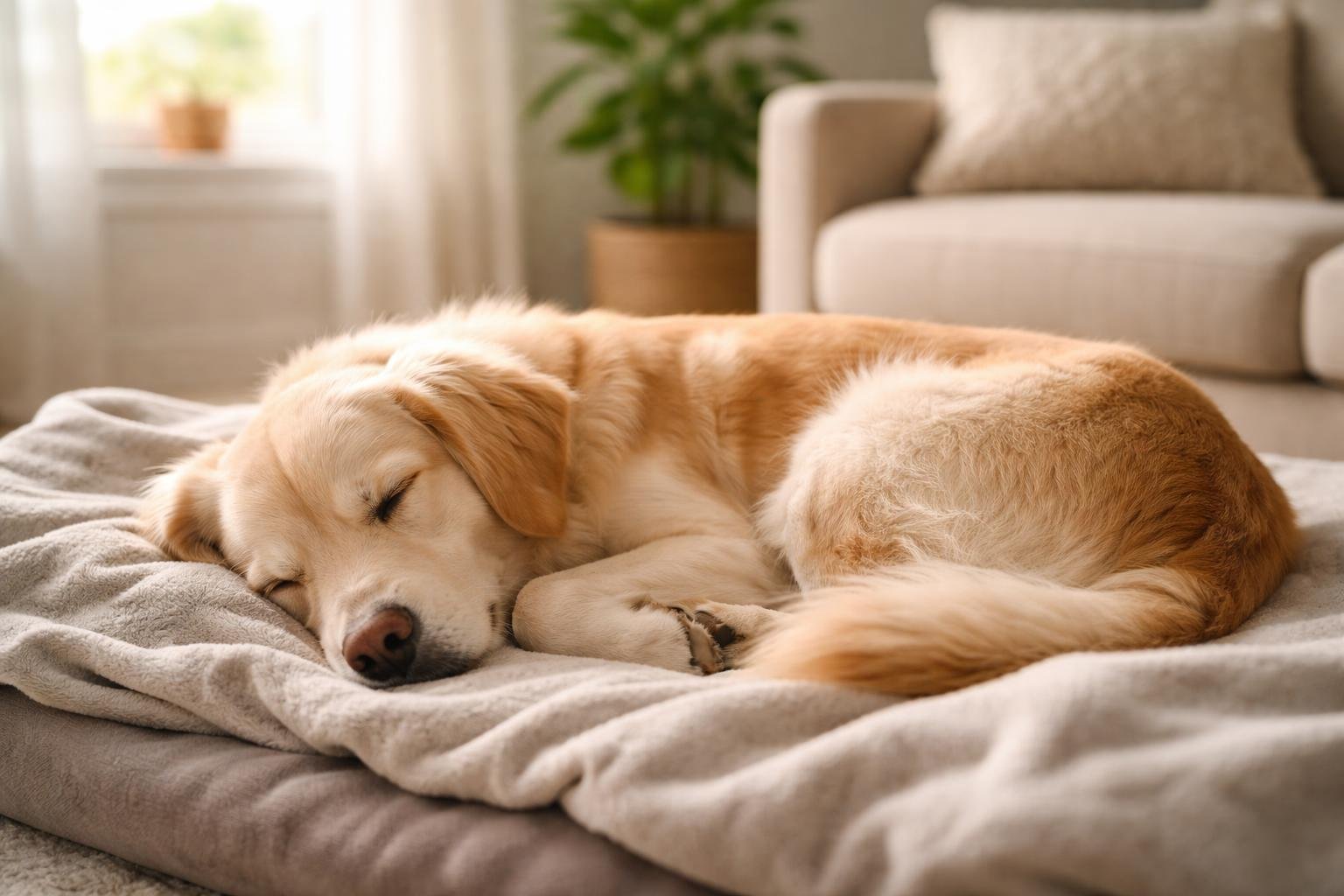
Dogs have different sleep patterns than humans. They spend less time in deep sleep and wake up more frequently throughout the day and night. Their bodies are designed to rest when they can and stay alert when needed.
Several factors affect how much a dog sleeps, including age, breed, activity level, and overall health. Understanding what’s normal for dogs can help owners recognize when their pet’s sleep habits might signal a problem. This guide explains why dogs need so much rest and when changes in sleep patterns deserve attention from a veterinarian.
Understanding Canine Sleep Cycles
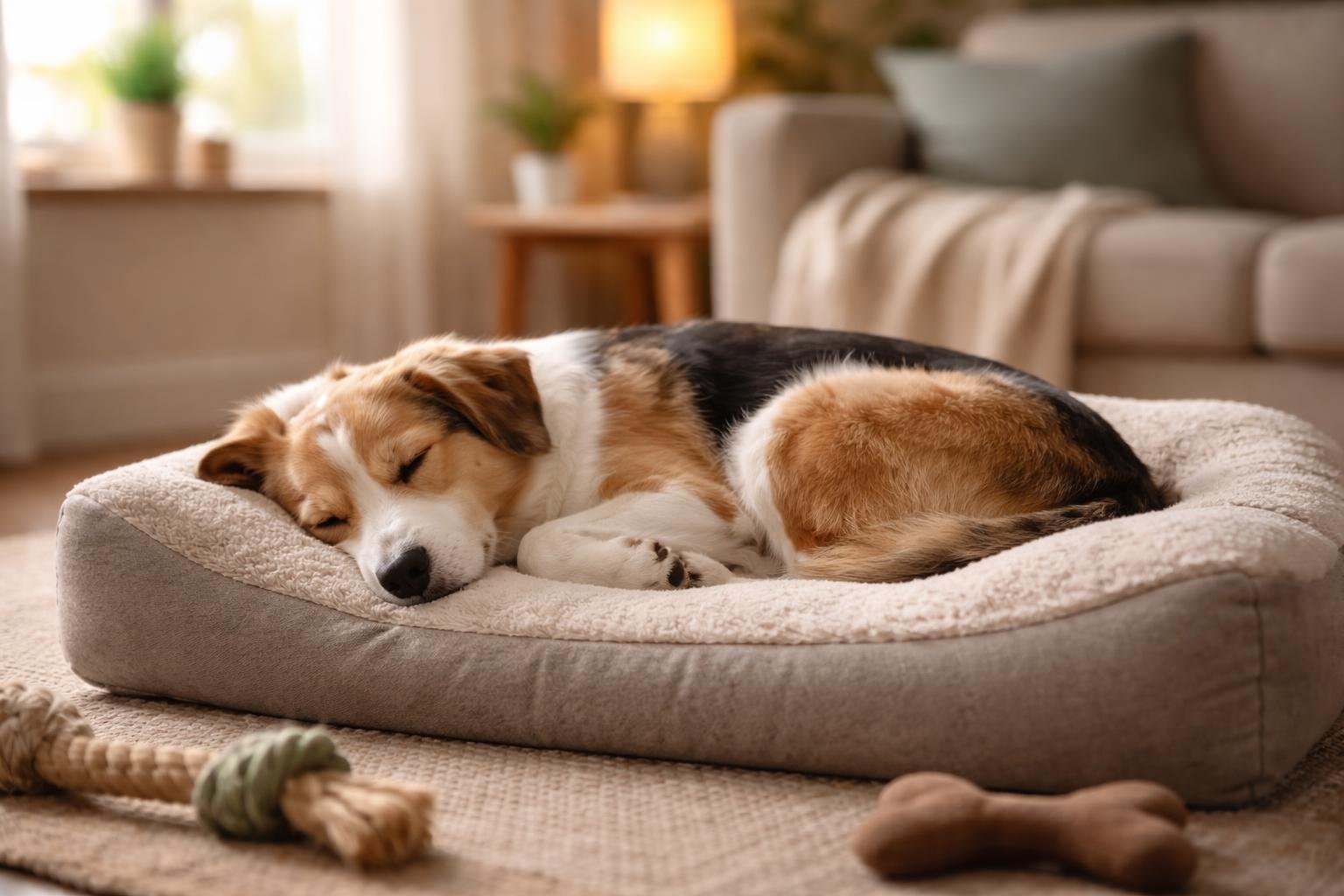
Dogs spend about 12 to 14 hours sleeping each day, but their sleep works differently than human rest. Dogs transition through sleep stages faster, experience sleep in shorter bursts, and have age-related requirements that change throughout their lives.
Differences Between Dog and Human Sleep Patterns
Dogs and humans both go through sleep cycles, but the timing and distribution differ significantly. Dogs take about 10 minutes to enter sleep, while humans need more time to transition.
A major difference is how sleep gets divided throughout the day. Humans typically sleep in one long block at night. Dogs naturally sleep in multiple short periods spread across both day and night.
Dogs spend less time in deep sleep than humans do. While humans spend about 25% of their sleep time in REM (rapid eye movement) sleep, dogs only spend about 10% in this stage. This means dogs need more total sleep hours to get the same restorative benefits.
Dogs also wake up more easily than humans. Their sleep is lighter overall, which relates to their evolutionary need to stay alert for potential threats.
Stages of Sleep in Dogs
Dogs move through distinct sleep stages during each cycle. The first stage is slow wave sleep, where the body begins to relax and breathing slows down. Brain activity decreases during this phase.
Next comes deep sleep, where the body performs important restoration work. Muscles repair themselves and energy gets restored during this stage.
The final stage is REM sleep. Dogs experience dreaming during REM sleep, which is why pet owners often see their dogs twitching, moving their paws, or making noises while sleeping. This stage supports brain development and memory processing.
Each complete sleep cycle lasts about 20 minutes in dogs. This is much shorter than the 90-minute cycles humans experience. Dogs repeat these cycles multiple times throughout the day and night.
How Age Impacts Sleep Needs
Puppies require the most sleep of any age group. They typically sleep 18 to 20 hours per day because their bodies are growing rapidly and their brains are developing.
Adult dogs generally sleep 12 to 14 hours daily. Working breeds and highly active dogs may sleep on the lower end of this range. Larger breeds often sleep more than smaller breeds.
Senior dogs usually need more sleep again as they age. Older dogs may sleep 16 to 18 hours per day. Their bodies need extra rest to maintain health and recover from daily activities. Senior dogs also tend to sleep more lightly and wake up more frequently during the night.
Why Dogs Need So Much Sleep
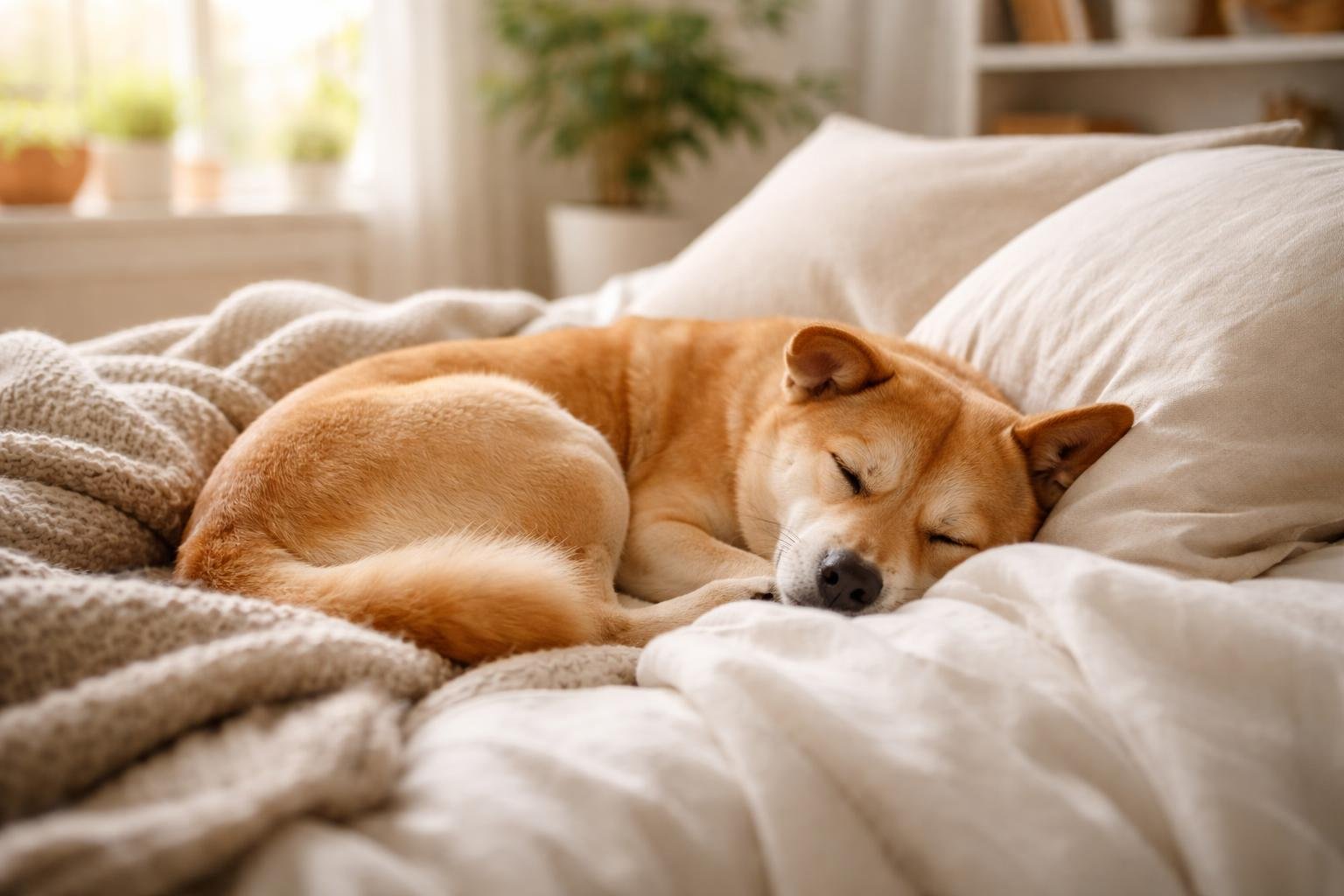
Dogs require substantial sleep because of their evolutionary history as predators, their need to repair and recharge their bodies, and genetic factors that vary by breed. These biological needs explain why healthy dogs typically sleep 10-14 hours each day.
Natural Instincts and Evolutionary Background
Dogs inherited their sleep patterns from their wolf ancestors. Wild canines spent most of their energy on short bursts of intense activity like hunting, tracking prey, and defending territory. Between these demanding tasks, they rested to conserve energy for the next challenge.
Domestic dogs maintain this same biological rhythm even though they no longer hunt for survival. Their bodies are programmed to alternate between periods of activity and rest throughout the day. This polyphasic sleep pattern means dogs take multiple naps rather than sleeping in one long stretch like humans do.
The instinct to sleep frequently also served as a survival mechanism. Wild dogs needed to stay alert during specific times but could afford to rest when threats were minimal. Modern dogs retain this evolutionary blueprint in their daily routines.
Physical and Mental Recovery
Sleep allows a dog’s body to repair muscles, strengthen the immune system, and process the day’s experiences. During rest, dogs consolidate memories and process new information they learned while awake.
Puppies sleep 18-20 hours per day because their bodies use this time for rapid growth and development. Their brains form important neural connections during sleep that help them learn commands and adapt to their environment.
Active dogs need more sleep to recover from physical exertion. Mental stimulation from training sessions or puzzle toys also drains energy and increases the need for rest.
Genetics and Breed Influences
Working breeds like Border Collies and German Shepherds often sleep less than other dogs because they were bred to stay alert and active for extended periods. These dogs typically need 10-12 hours of sleep compared to 12-14 hours for other breeds.
Large breeds such as Mastiffs and Saint Bernards require more sleep than smaller dogs. Their bigger bodies demand more energy for basic functions, which leads to increased rest time. Senior dogs also sleep more as their bodies need additional recovery time from daily activities.
Toy breeds and companion dogs bred primarily for companionship may sleep more because they lack the genetic drive for constant activity that working breeds possess.
Common Reasons Dogs Sleep Excessively
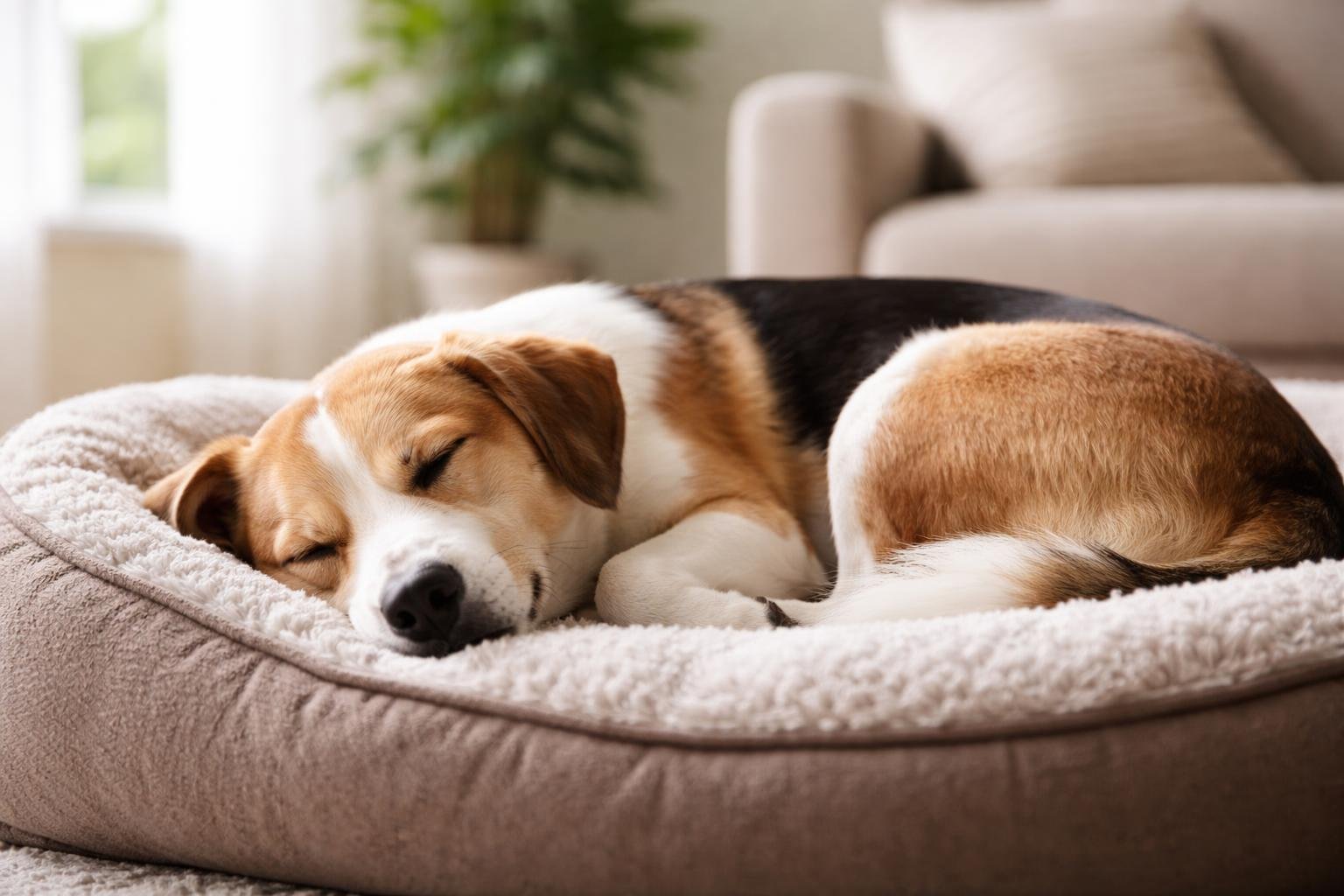
Dogs sleep more than humans for several specific reasons related to their life stage, age, and surroundings. Young puppies need extra rest for growth, senior dogs naturally slow down and rest more, and changes in weather directly impact energy levels.
Growth and Development in Puppies
Puppies sleep between 18 to 20 hours each day. Their bodies use this sleep time to grow muscles, bones, and organs at a rapid rate.
During sleep, puppies process new information and experiences from their daily activities. This mental processing helps them learn commands, social behaviors, and basic training. The brain development that occurs during these early months requires significant rest periods.
Key sleep needs for puppies include:
- Physical growth and cell repair
- Brain development and memory formation
- Energy restoration after short play sessions
- Immune system strengthening
Puppies typically sleep in short bursts throughout the day rather than one long stretch. They wake up full of energy, play intensely for 30 to 60 minutes, then need another nap. This pattern continues until they reach about one year old, when sleep requirements gradually decrease to adult levels.
Older Dogs and Changes in Sleep Habits
Senior dogs sleep 12 to 16 hours per day on average. Aging naturally slows down their metabolism and reduces their energy levels.
Older dogs tire more easily from activities that didn’t fatigue them in younger years. A walk that once seemed short may now require a long nap afterward. Their bodies need more recovery time between physical activities.
Joint pain and arthritis often develop as dogs age, making movement uncomfortable. These dogs choose rest over activity to avoid discomfort. Some senior dogs also experience cognitive changes similar to dementia in humans, which can alter their sleep-wake cycles.
Weather and Environmental Factors
Hot weather causes dogs to sleep more because they conserve energy to avoid overheating. Dogs don’t sweat like humans, so they pant to cool down, which takes effort. Resting in cool spots becomes their preferred activity on warm days.
Cold, rainy, or snowy weather also increases sleep time. Dogs have less interest in outdoor activities during bad weather and choose to stay warm indoors. The shorter daylight hours in winter can affect their natural rhythms too.
Indoor temperature and comfort play a role as well. A dog with a cozy bed in a climate-controlled home will naturally rest more than a dog living outdoors.
When Sleep Patterns Indicate Health Issues
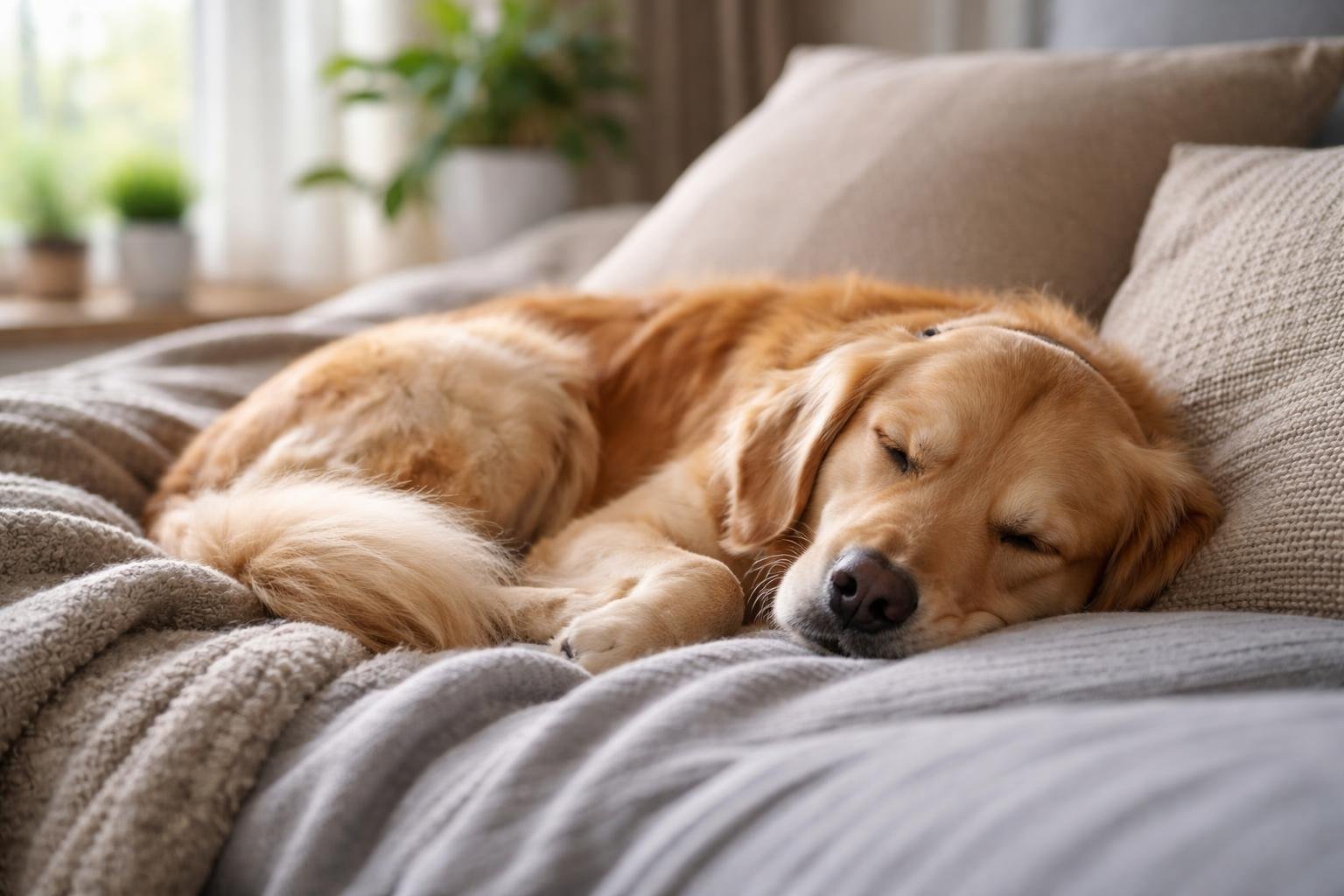
While dogs naturally sleep more than humans, sudden changes in sleep habits or extreme lethargy can signal underlying medical problems. Pet owners should monitor their dog’s sleep patterns and watch for specific warning signs that require professional evaluation.
Recognizing Abnormal Sleep Behaviors
A sudden increase in sleep duration beyond a dog’s normal 12 to 14 hours per day warrants attention. Dogs who struggle to wake up, appear disoriented when awake, or fall asleep during activities they normally enjoy may be experiencing health problems.
Other warning signs include sleeping in unusual locations, difficulty finding a comfortable position, or restless sleep with frequent waking. Dogs who suddenly avoid physical activity or seem too tired to eat or drink show concerning behavior patterns.
Key behavioral changes to watch:
- Difficulty waking or responding to their name
- Sleeping through events that typically excite them
- Loss of interest in walks or playtime
- Excessive sleeping combined with confusion or disorientation
Medical Conditions Associated With Excessive Sleep
Several health conditions cause dogs to sleep more than normal. Infections trigger increased sleep as the body fights illness and conserves energy for healing. Thyroid problems, particularly hypothyroidism, slow metabolism and lead to persistent fatigue.
Heart disease reduces oxygen circulation and makes dogs tire quickly. Diabetes affects energy levels and causes unusual sleep patterns. Parasites drain nutrients and energy, resulting in constant exhaustion.
Pain from arthritis, injuries, or other conditions makes dogs seek rest more frequently. Anemia reduces red blood cells and oxygen delivery to tissues, causing weakness and increased sleep needs. Depression or anxiety disorders also manifest through changes in sleep behavior.
When to Consult a Veterinarian
Contact a veterinarian if sleep patterns change dramatically over a few days or weeks. Dogs sleeping more than 16 hours daily or showing difficulty staying awake during normal active periods need evaluation.
Immediate veterinary attention is necessary if excessive sleep occurs alongside vomiting, diarrhea, loss of appetite, weight changes, or breathing difficulties. Dogs who seem painful, whimper during rest, or cannot get comfortable require prompt examination.
Schedule an appointment if a senior dog’s sleep increases significantly, as aging alone doesn’t fully explain sudden changes. Puppies who sleep excessively and lack normal playful energy also need assessment, as their sleep should be interspersed with active periods.
Improving Your Dog’s Sleep Quality
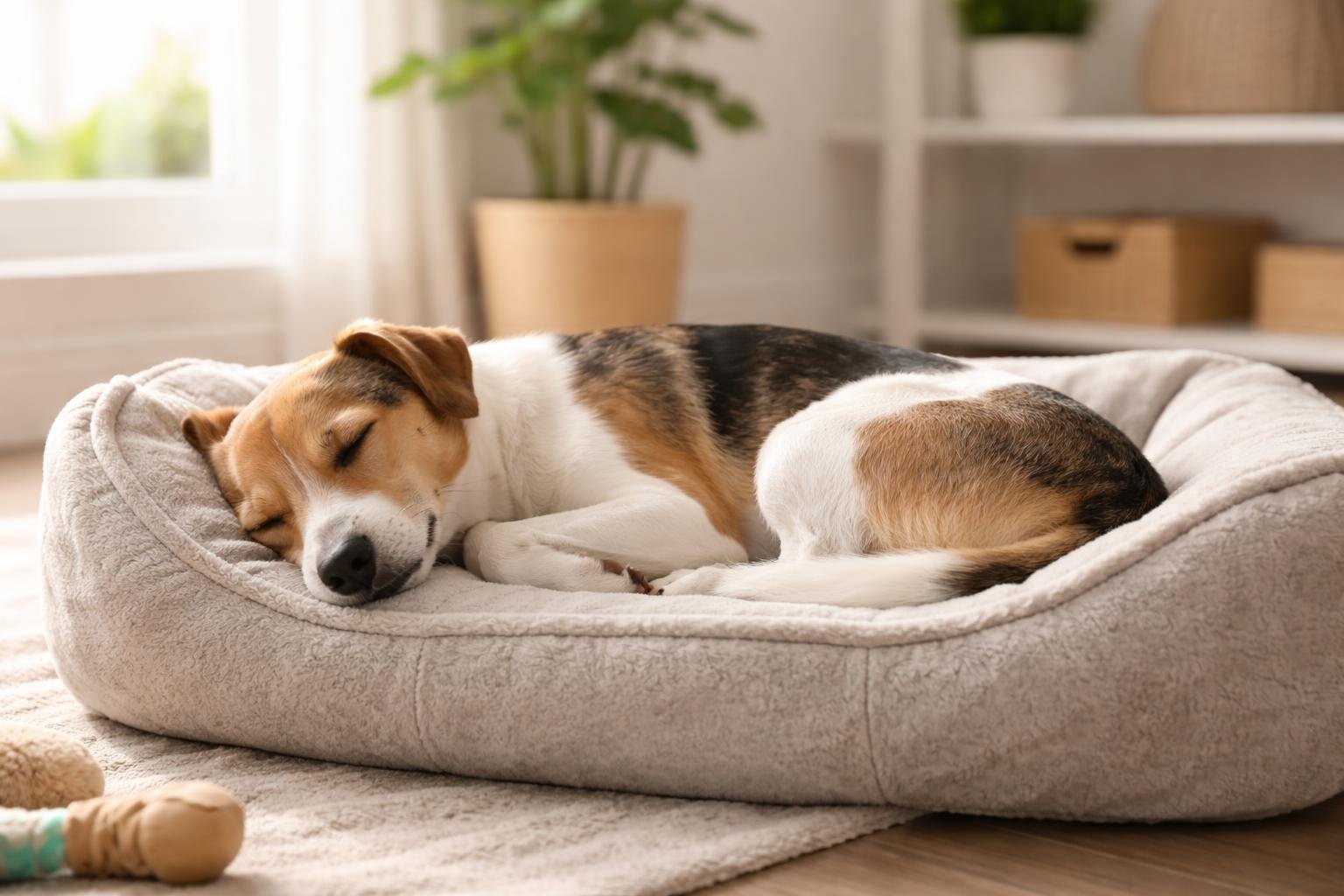
A dog’s sleep quality depends on both their physical environment and daily activity level. Small changes to where a dog rests and how much exercise they get can make a big difference in how well they sleep.
Creating a Comfortable Resting Environment
The right sleeping space helps a dog rest better throughout the day and night. A comfortable bed with proper support protects a dog’s joints and muscles, especially for older dogs or large breeds. The bed should be the right size for the dog to stretch out fully.
Temperature matters for sleep quality. Dogs sleep best in rooms that stay between 68-72°F. The sleeping area should be away from drafts, direct sunlight, and high-traffic zones where people walk by often.
Key elements of a good sleep environment:
- A quiet, dim space with minimal noise and light
- Clean bedding washed regularly to remove dirt and allergens
- Easy access to water nearby
- Familiar scents like a favorite blanket or toy
Some dogs prefer enclosed spaces like crates or beds with raised sides because these areas feel safe and den-like.
Daily Routines and Exercise Needs
Regular exercise during the day leads to better sleep at night. Dogs that get enough physical activity fall asleep faster and sleep more deeply. The amount of exercise needed varies by breed, age, and health status.
Most adult dogs need 30 minutes to 2 hours of exercise daily. Working breeds and high-energy dogs require more activity, while smaller or older dogs may need less. Exercise should happen earlier in the day rather than right before bedtime.
Mental stimulation tires dogs out just as much as physical activity. Puzzle toys, training sessions, and sniffing games work the brain and promote restful sleep. A consistent daily schedule for meals, walks, and bedtime helps regulate a dog’s internal clock. Dogs thrive on routine and sleep better when they know what to expect each day.
The Role of Diet in Dog Sleep
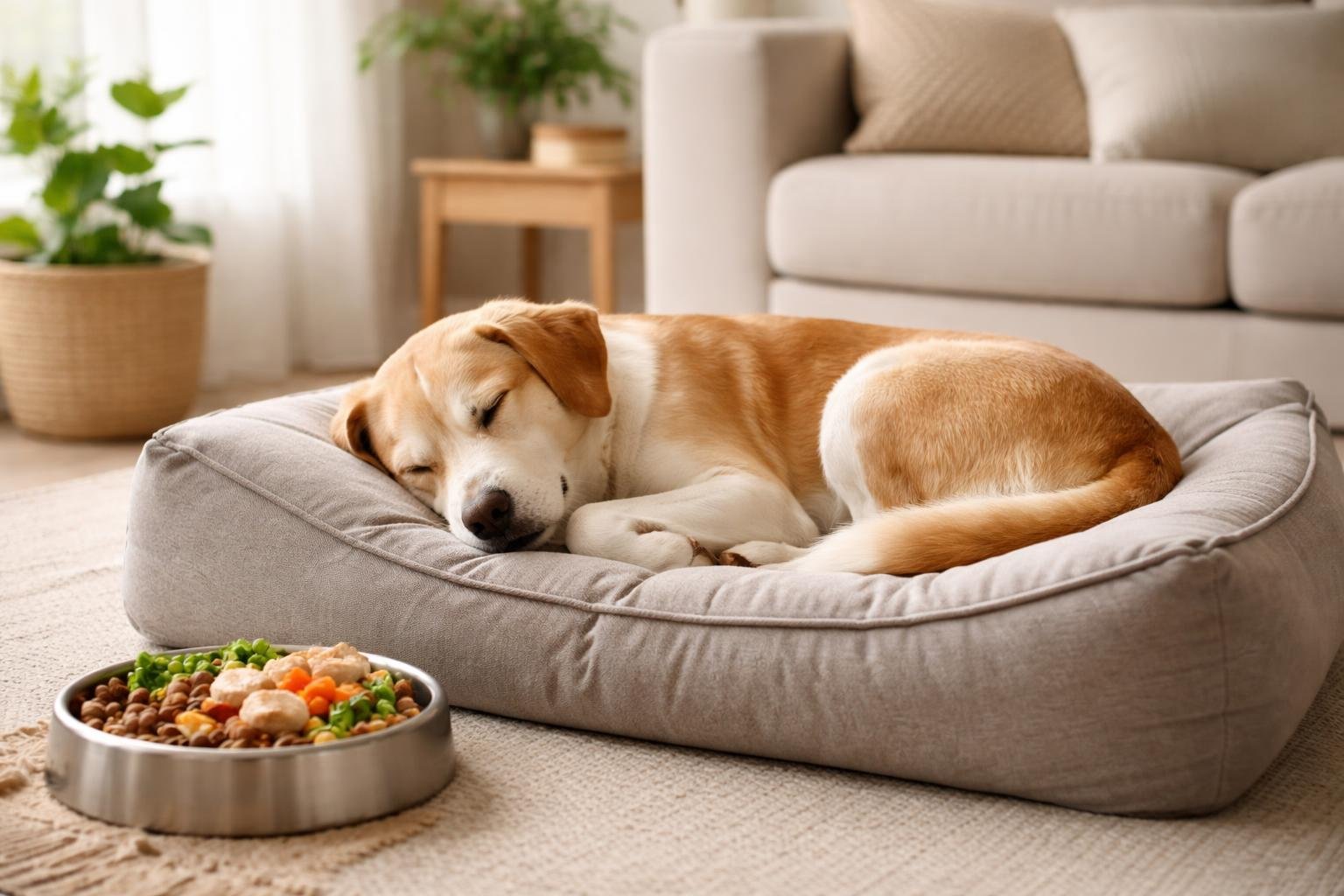
What a dog eats and when they eat it directly impacts their sleep quality and duration. Proper nutrition provides the energy and nutrients needed for healthy rest patterns.
Nutritional Factors That Affect Sleep
The nutrients in a dog’s food influence how well they sleep. Protein helps produce serotonin and tryptophan, which are chemicals that promote relaxation and better sleep. Foods rich in these nutrients can help dogs settle down more easily at bedtime.
Carbohydrates also play a role in sleep quality. Complex carbohydrates help regulate blood sugar levels throughout the day and night. This prevents energy crashes that might disrupt a dog’s natural sleep cycle.
Key nutrients for healthy sleep include:
- High-quality proteins from meat sources
- Complex carbohydrates like sweet potatoes and brown rice
- B vitamins that support nervous system function
- Omega-3 fatty acids that reduce inflammation
Poor nutrition can lead to digestive discomfort, which keeps dogs awake or causes restless sleep. Low-quality foods with fillers and artificial ingredients may cause upset stomachs or allergic reactions that interfere with rest.
Recommended Feeding Schedules
Feeding times affect when dogs feel sleepy. Most dogs naturally want to rest after eating as their bodies focus energy on digestion. Pet owners should create consistent meal schedules that support healthy sleep patterns.
Adult dogs typically do best with two meals per day, spaced 8-12 hours apart. The final meal should be given 2-3 hours before bedtime to allow proper digestion. This timing prevents discomfort from lying down on a full stomach.
Puppies need three to four smaller meals spread throughout the day. Their growing bodies require more frequent nutrition, and smaller portions prevent digestive upset that could disrupt their many naps.
Avoid feeding dogs right before exercise or immediately before sleep. Heavy activity after eating can cause bloating, while going to bed too soon after a meal may lead to acid reflux or discomfort.
Changes in Sleep Throughout a Dog’s Life

A dog’s sleep needs change significantly as they age. Puppies, adult dogs, and senior dogs all have different sleep requirements.
Puppies are the biggest sleepers of all. They can sleep up to 18-20 hours per day. All the exploring and playing they do uses a lot of energy. Their bodies also need extra rest because they’re growing quickly.
Puppies split their awake time into short bursts throughout the day. They play hard for a little while, then crash for a long nap. This pattern repeats many times each day.
Adult dogs typically sleep 10-12 hours in a 24-hour period. Most get 6-8 hours of sleep at night when their owners are sleeping. They add another 4-8 hours of naps during the day. Active dogs may sleep less, while less active dogs might sleep more.
Senior dogs often return to sleeping more hours, similar to puppies. Older dogs tire more easily and need extra rest. Their bodies work harder to do normal activities. They may also develop health issues that make them sleepier.
| Life Stage | Hours of Sleep Per Day |
|---|---|
| Puppies | 18-20 hours |
| Adult Dogs | 10-12 hours |
| Senior Dogs | 12-16 hours |
Pet owners should watch for sudden changes in their dog’s sleep patterns. A dog sleeping much more or less than normal could signal a health problem. These changes are worth discussing with a veterinarian.
Myths and Misconceptions About Dog Sleep
Many dog owners believe that their pet is lazy or unhealthy if it sleeps more than half the day. This is not true. Dogs naturally need 12 to 18 hours of sleep each day, depending on their age and breed.
Some people think that a sleeping dog is bored or depressed. While changes in sleep patterns can signal health issues, normal amounts of sleep are just part of being a dog. Dogs sleep more than humans because their bodies process rest differently.
Common myths include:
- Myth: All dogs need the same amount of sleep – Puppies need up to 20 hours while adult dogs typically need 12 to 14 hours
- Myth: Dogs sleep through the night like humans – Dogs often sleep six to eight hours at night and nap throughout the day
- Myth: A sleeping dog is always relaxed – Dogs can experience stress and anxiety even during sleep
- Myth: Working breeds sleep less – Working breeds still need plenty of rest between their tasks
Another common misconception is that dogs who sleep during the day are not getting enough exercise. Most healthy dogs naturally split their sleep into nighttime rest and daytime naps. This pattern is normal and does not mean the dog needs more activity.
Some owners worry that their dog sleeps too much compared to other pets. Different breeds have different sleep needs. A large breed dog may sleep more than a small, energetic terrier.
Conclusion
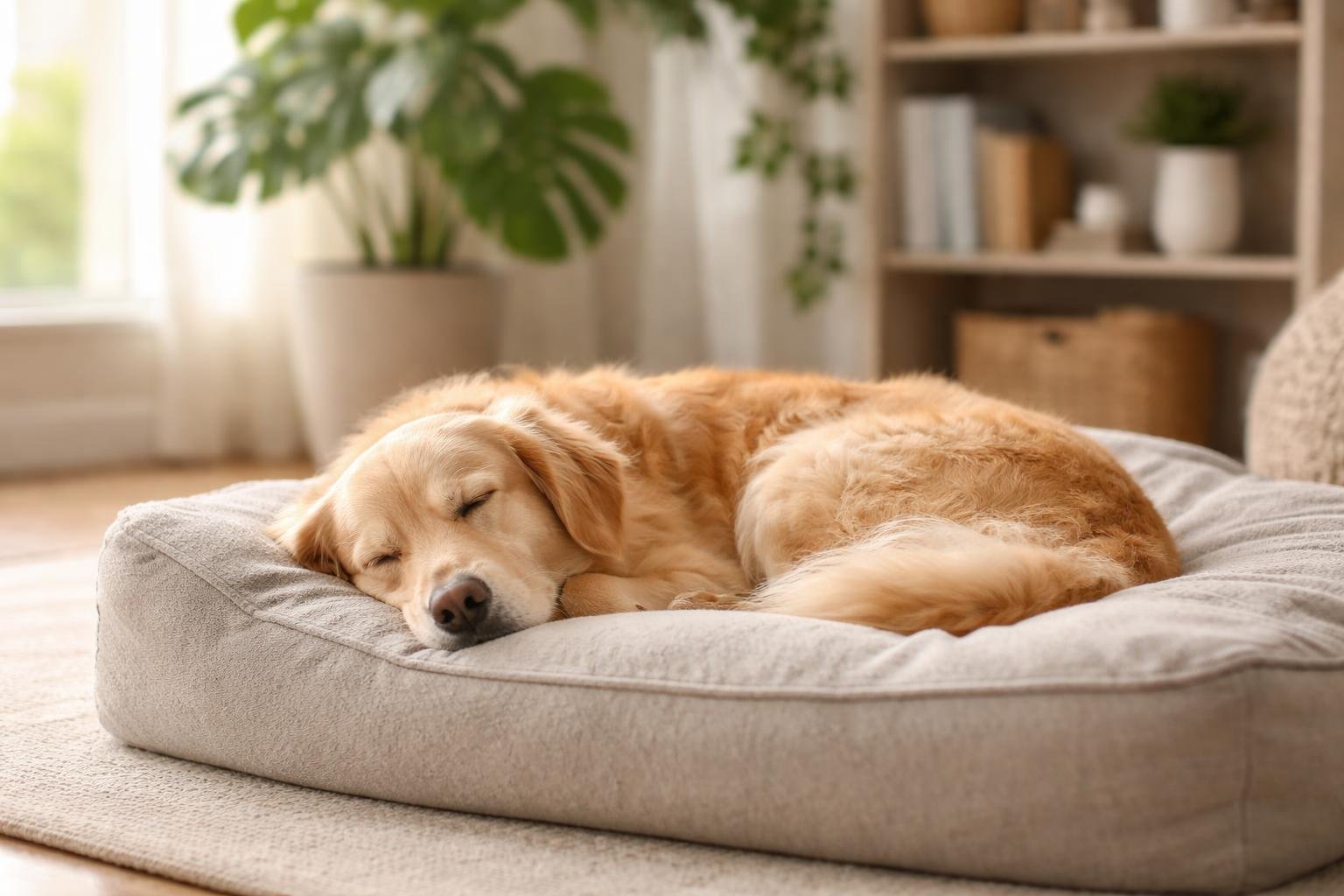
Dogs sleep between 12 and 14 hours each day because their bodies require this rest time. Puppies and senior dogs often sleep even more, sometimes up to 18 hours daily.
The main reasons dogs need so much sleep include:
- Growing and developing (especially for puppies)
- Recovering from physical activity
- Healing and maintaining their health
- Conserving energy between active periods
Different breeds have different sleep needs. Working dogs that perform tasks like herding or guarding may sleep less than other breeds. Smaller dogs tend to sleep more than larger breeds in many cases.
Dog owners should watch for changes in their pet’s normal sleep patterns. A dog that suddenly sleeps much more or less than usual might need to see a veterinarian. Warning signs include sleep changes paired with weight loss, vomiting, or trouble moving.
Most dogs split their sleep throughout the day and night. They take several naps rather than sleeping for one long stretch like humans do. This sleep pattern is normal and healthy for dogs.
A dog that acts energetic and happy when awake is likely getting the right amount of sleep. Pet owners can feel confident that their dog’s sleep habits are meeting their needs as long as behavior stays normal during waking hours.
Frequently Asked Questions
Dogs need different amounts of sleep based on their age, breed, and activity level. Sleep patterns can vary widely between individual dogs, and several factors affect when and how much they rest.
How many hours of sleep do dogs need at different ages?
Puppies need the most sleep, typically 18 to 20 hours per day. Their bodies are growing rapidly, and all the exploring and learning they do requires significant rest and recovery time.
Adult dogs usually sleep between 12 and 14 hours per day. This includes nighttime sleep and daytime naps throughout the day.
Senior dogs often return to sleeping more like puppies, needing 16 to 18 hours of sleep daily. Older dogs tire more easily and need extra rest to maintain their health and energy.
Do dogs typically sleep through the night like humans do?
Dogs do not sleep the same way humans do. They tend to wake up multiple times during the night and adjust their position or check their surroundings.
Most dogs adapt to their owner’s schedule and sleep more deeply during nighttime hours. However, they remain more alert than humans and can wake up quickly to sounds or changes in their environment.
Dogs spend about 10 percent of their sleep time in deep REM sleep, while humans spend about 25 percent in this stage. This means dogs need more total sleep hours to get adequate rest.
Why does my dog choose to sleep at my feet or near me?
Dogs are pack animals by nature and feel safer sleeping near their family members. Staying close to their owner provides security and comfort.
Sleeping at someone’s feet is a sign of trust and affection. It allows the dog to stay connected while also giving them the ability to notice any movement or potential threats.
Some dogs sleep near their owners to maintain their position in the household social structure. This behavior is completely normal and shows a strong bond between the dog and their person.
Why is my dog sleeping much more than usual all of a sudden?
Sudden increases in sleep can signal a health problem. Conditions like infections, pain, thyroid issues, or diabetes can make dogs unusually tired.
Changes in activity level or daily routine can also affect sleep patterns. A dog who had an extra active day may need more rest the following day.
If a dog suddenly sleeps much more and shows other signs like loss of appetite, weakness, or behavior changes, a veterinarian should examine them. These symptoms together often indicate an underlying medical issue that needs attention.
Is it okay to let my dog sleep as much as they want?
Allowing a dog to sleep when they need to is generally fine if their sleep amount falls within normal ranges for their age and breed. Sleep is essential for a dog’s physical and mental health.
However, owners should monitor their dog’s sleep patterns for sudden changes. A dog who sleeps excessively and seems uninterested in activities they usually enjoy may have a health concern.
Dogs need mental stimulation and physical exercise in addition to rest. A balanced routine of activity and sleep keeps dogs healthiest and happiest.
Can a dog’s breed influence how much sleep they tend to need?
Larger breeds typically sleep more than smaller breeds. Giant breeds like Mastiffs and Saint Bernards often sleep 16 to 18 hours per day.
Working breeds bred for high energy tasks may need less sleep than companion breeds. However, even active breeds like Border Collies need 12 to 14 hours of rest daily.
Breeds with lower energy levels, such as Bulldogs or Basset Hounds, naturally sleep more throughout the day. Their body structure and breeding purpose affect their energy levels and sleep requirements.