6 Signs Your Dog Trusts You: Understanding Your Canine Bond
Trust forms the foundation of the relationship between a dog and their owner. When a dog trusts someone, they feel safe, secure, and comfortable in that person’s presence. This bond goes beyond simple obedience or affection.
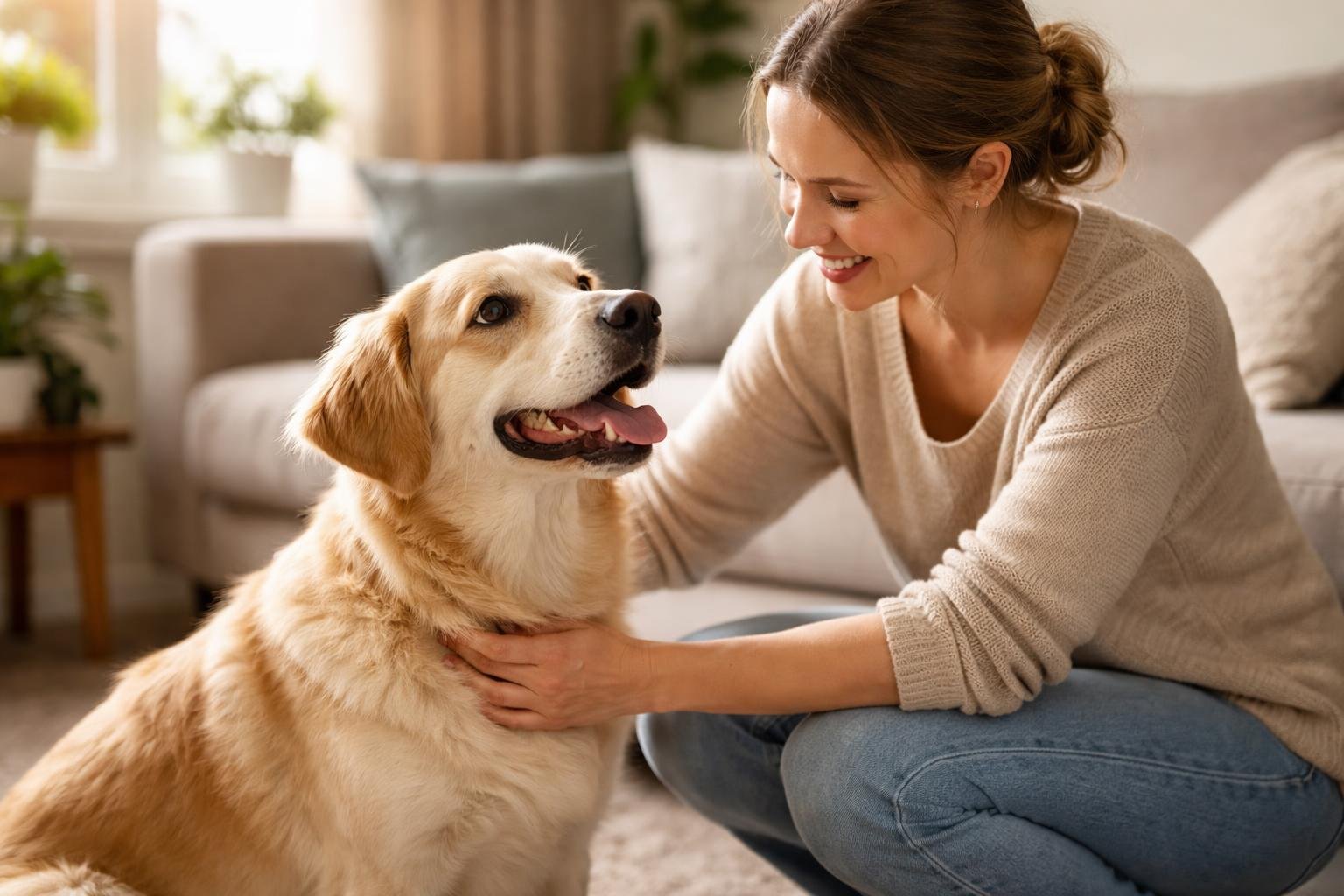
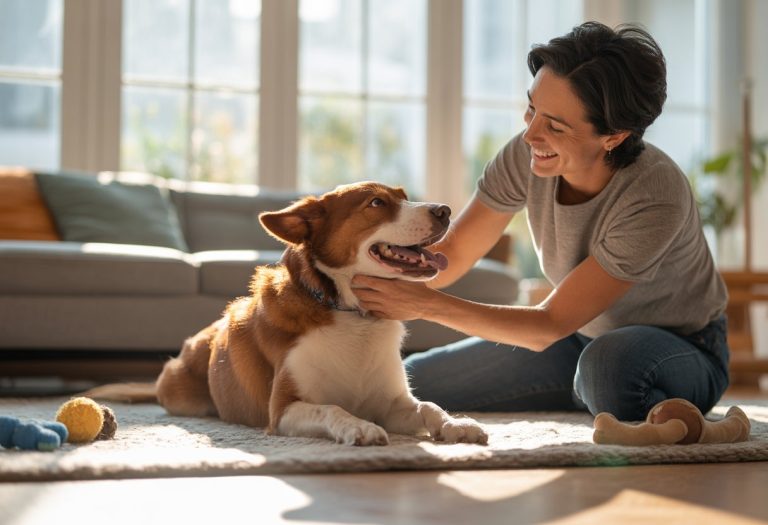
A dog shows trust through specific behaviors, including relaxed body language, seeking closeness, accepting touch, responding to commands, playing freely, and bouncing back quickly after stressful situations. These signs reveal how a dog truly feels about their owner. Some behaviors are obvious, while others are more subtle.
Recognizing these trust signals helps owners understand their dog’s emotional state and strengthen their bond. This article explores six key signs that demonstrate a dog’s trust, explains what builds that trust, and identifies warning signs that trust may be lacking.
Understanding Canine Trust
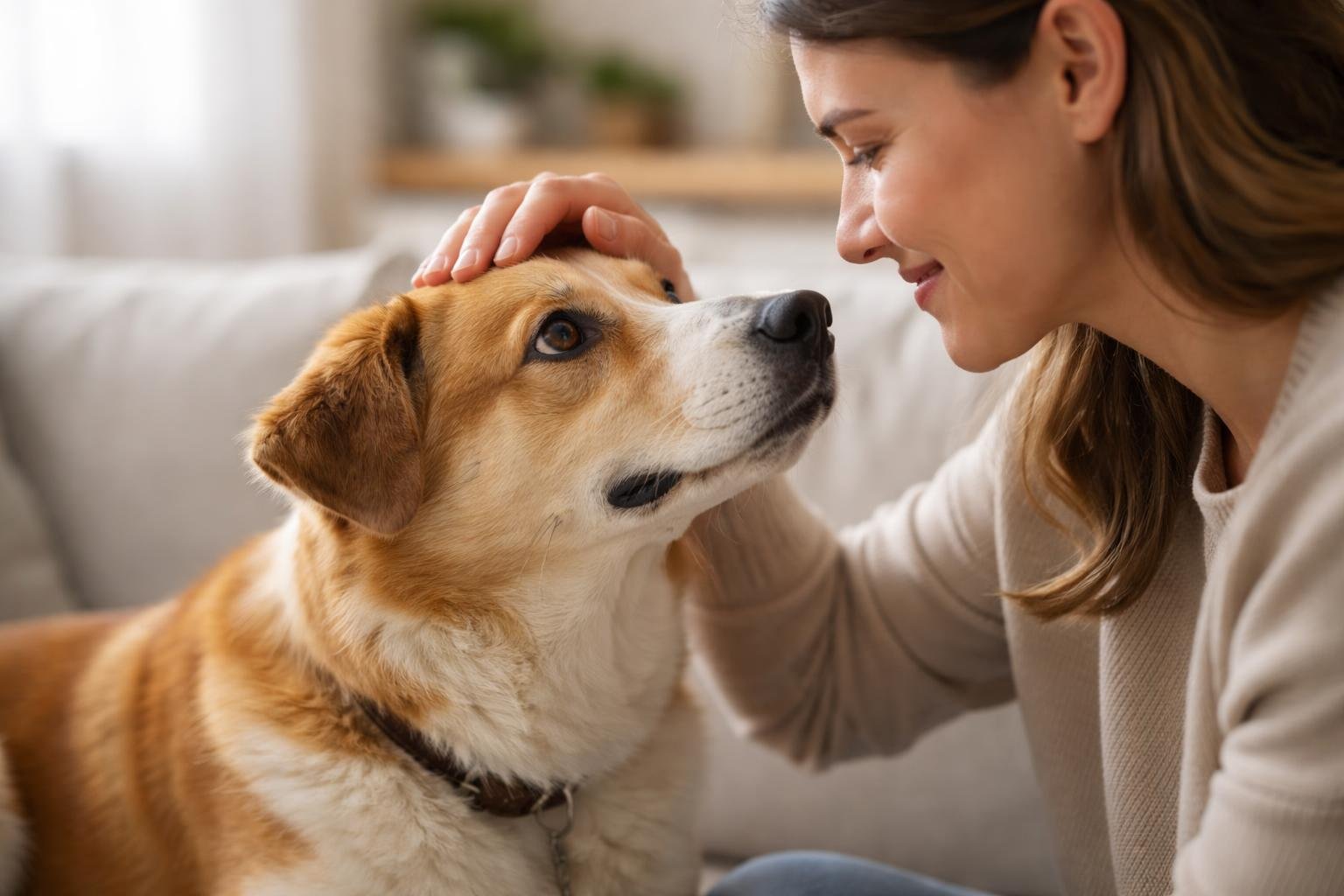
Trust forms the foundation of a dog’s relationship with their human. Dogs develop trust through consistent positive experiences and rely on different signals than humans to express it.
Why Trust Matters in the Human-Dog Bond
Trust affects every aspect of a dog’s life with their owner. A dog that trusts their human feels safe enough to relax, sleep deeply, and show vulnerability. This security reduces stress and anxiety in daily situations.
Without trust, dogs may become fearful or defensive. They might refuse to follow commands, hide during stressful moments, or show aggression when feeling threatened. These behaviors often stem from uncertainty about their human’s intentions or actions.
Trust also makes training easier and more effective. Dogs that trust their owners learn commands faster because they believe their human will guide them safely. They’re more willing to try new things and explore unfamiliar environments when they know their person will protect them.
The bond between a trusted human and their dog creates better behavior overall. Dogs feel calmer during vet visits, grooming sessions, and other potentially stressful activities. They respond better to correction and recover faster from frightening experiences.
How Dogs Show Trust Differently Than Humans
Dogs communicate trust through body language rather than words. They use physical proximity, eye contact, and vulnerable positions to signal their comfort level. A dog might show their belly, sleep with their back turned, or lean against their human.
Humans often express trust verbally or through complex social agreements. Dogs rely on instinct and observation instead. They watch patterns in behavior and respond to consistency.
Key differences include:
- Dogs show trust through relaxed body postures
- They seek physical closeness when they feel secure
- Eye contact means something different to dogs than humans
- Dogs need time to build trust through repeated positive interactions
A dog won’t automatically trust someone just because that person feeds them. They evaluate reliability over time by watching how humans respond in different situations.
Sign 1: Relaxed Body Language
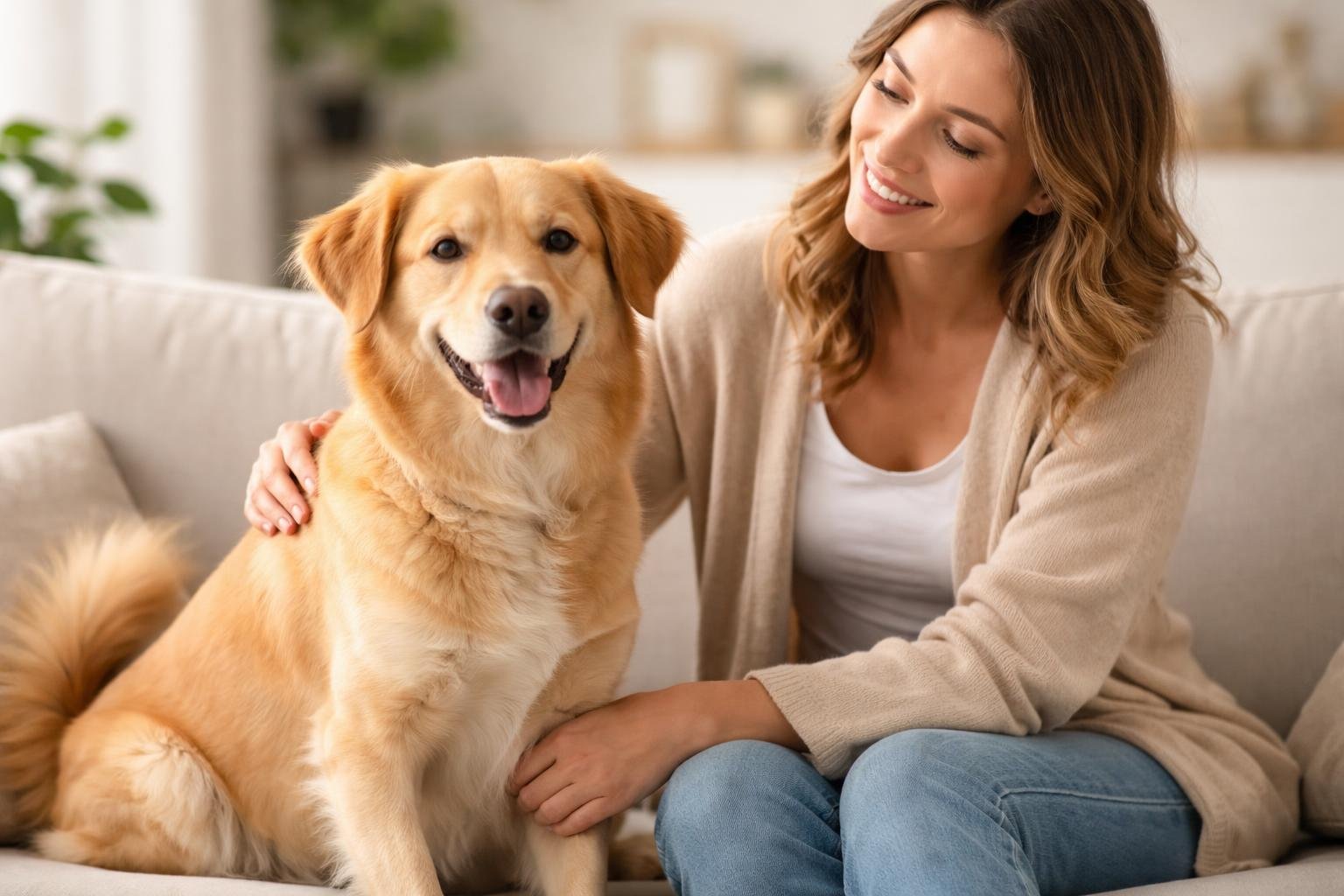
A dog that trusts their owner shows it through a calm, loose body posture with muscles that aren’t tense or stiff. The most noticeable signs appear in their facial expressions and how they move their tail.
Soft Eyes and Gentle Expression
A trusting dog has soft, relaxed eyes without tension around the eye area. Their eyelids appear slightly droopy rather than wide open and alert. The whites of their eyes typically don’t show, which indicates comfort rather than stress or fear.
The dog’s entire face looks peaceful and calm. Their mouth hangs open gently, sometimes with their tongue hanging out to the side. The muscles around their jaw and forehead remain loose without any wrinkles or furrows.
When a dog makes eye contact with soft eyes, it shows they feel safe. They might slowly blink while looking at their owner. This differs from a hard stare, which signals wariness or potential aggression in dogs that don’t feel secure.
Calm Tail Movements
A relaxed, trusting dog wags their tail in a loose, natural motion. The wag often involves their entire back end wiggling from side to side. This full-body wag shows genuine happiness and comfort around their person.
The tail position sits at a neutral height rather than tucked between the legs or raised high and stiff. A neutral tail hangs naturally based on the dog’s breed. Some breeds have naturally higher or lower tail carriages.
The speed and breadth of the wag matter too. Wide, sweeping wags indicate more enthusiasm and trust than small, quick movements. A dog might also let their tail rest completely still when lying down next to their trusted owner, showing total relaxation without the need to stay alert.
Sign 2: Seeks Your Presence
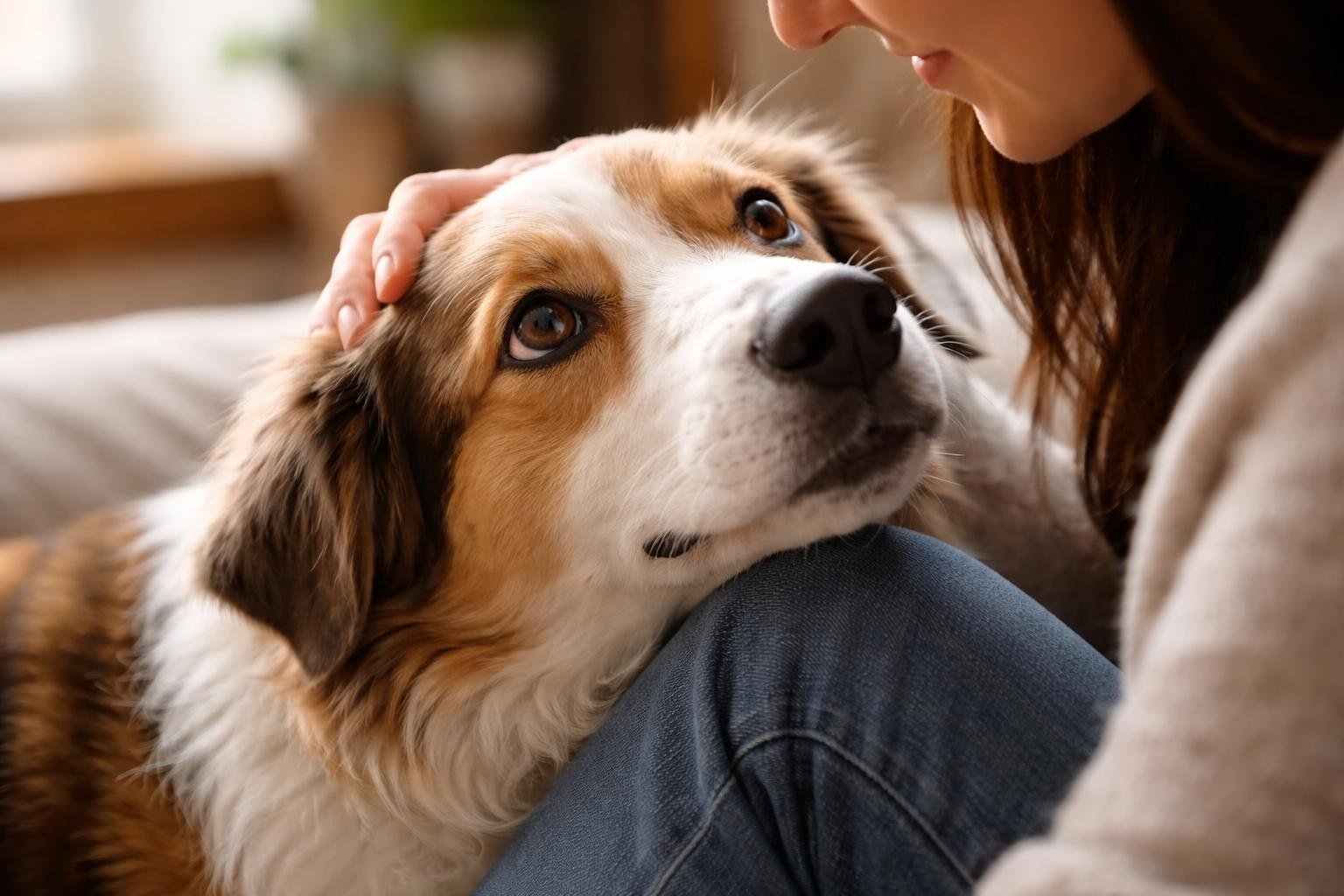
A dog that trusts their owner will actively choose to be near them, even when they have the freedom to go elsewhere. This behavior shows up in two main ways: staying close during quiet moments and following their person from room to room.
Choosing to Stay Close
Dogs who trust their owners often settle down near them during downtime. They might lie at their owner’s feet while he watches TV or rest beside her desk while she works. This isn’t about needing attention or asking for something.
The dog simply feels most comfortable in that person’s presence. Some dogs lean against their owner’s legs or rest their head on a foot. These physical touches show the dog feels safe and relaxed.
Key behaviors include:
- Lying within a few feet during quiet activities
- Resting their body against their owner’s leg or side
- Choosing to nap in the same room
- Settling down quickly when near their trusted person
A dog who doesn’t trust someone will keep their distance or stay alert even when resting nearby.
Following You Around
Many dogs follow their trusted person from room to room throughout the day. This behavior goes beyond basic separation anxiety. The dog wants to maintain proximity because they view that person as their safe anchor.
A dog might get up from a comfortable spot just to follow their owner to the bathroom or kitchen. They wait outside the door or stand nearby until the person comes back out. This following behavior is especially common in dogs with strong bonds.
The dog doesn’t necessarily need interaction during these moments. They just prefer being in the same space as their trusted human.
Sign 3: Comfortable With Physical Contact
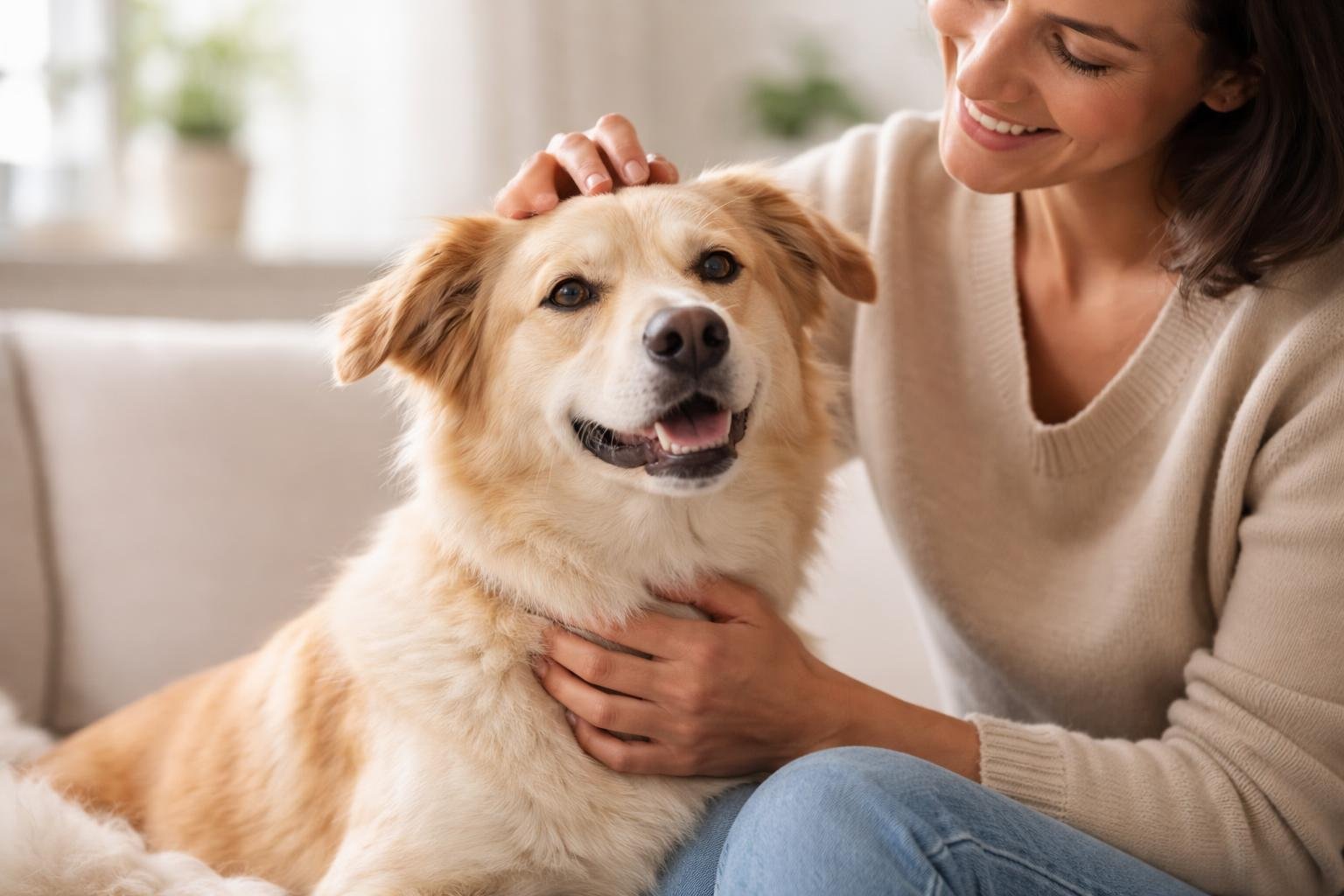
A dog that trusts their owner welcomes touch and shows relaxed body language during physical interactions. They’ll also willingly expose body parts that make them vulnerable.
Enjoying Petting and Cuddles
Dogs that trust their owners actively seek out physical affection throughout the day. They might nudge a hand with their nose, lean against legs, or sit close enough to make contact. These behaviors signal that they associate touch with positive feelings and safety.
A trusting dog stays relaxed during petting sessions. Their body remains loose rather than tense. Their tail wags gently, and they might close their eyes or let out a content sigh.
Dogs uncomfortable with touch will move away, freeze, or show stress signals like lip licking or yawning. A dog that trusts will instead maintain contact and may even request more attention when the petting stops.
Exposing Vulnerable Areas
Rolling over to show the belly is one of the strongest trust signals a dog can give. The stomach contains vital organs, and exposing this area puts a dog in a defenseless position. This behavior shows the dog feels completely safe and protected.
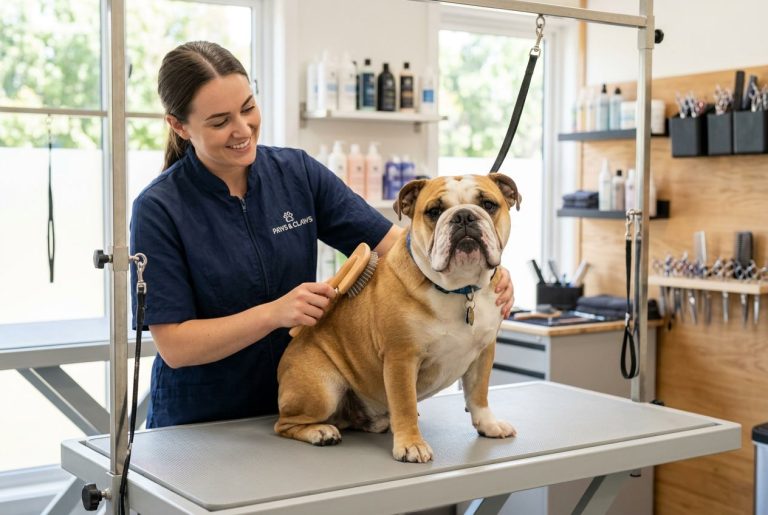
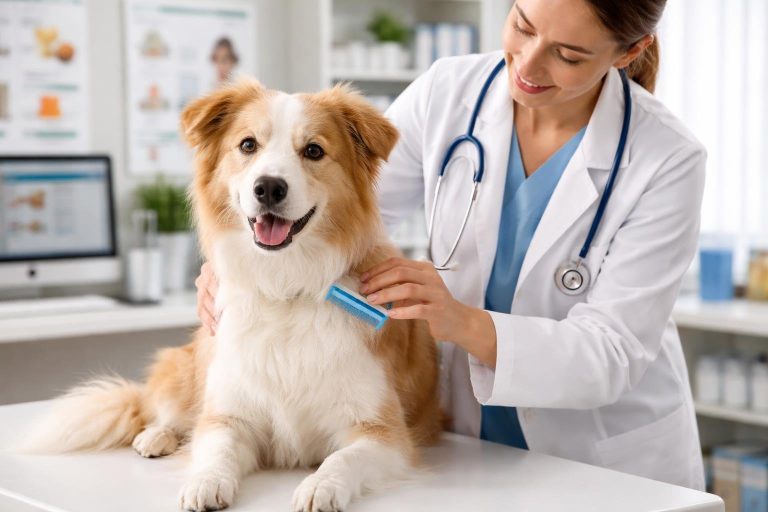
Trusting dogs also allow their owners to touch sensitive spots without pulling away. These areas include the paws, ears, tail, and face. They’ll stay calm when someone handles these parts during grooming or health checks.
A dog might also rest with their back turned or sleep in positions that limit their ability to react quickly. These relaxed postures only happen when a dog feels secure in their environment.
Sign 4: Responsive to Your Voice
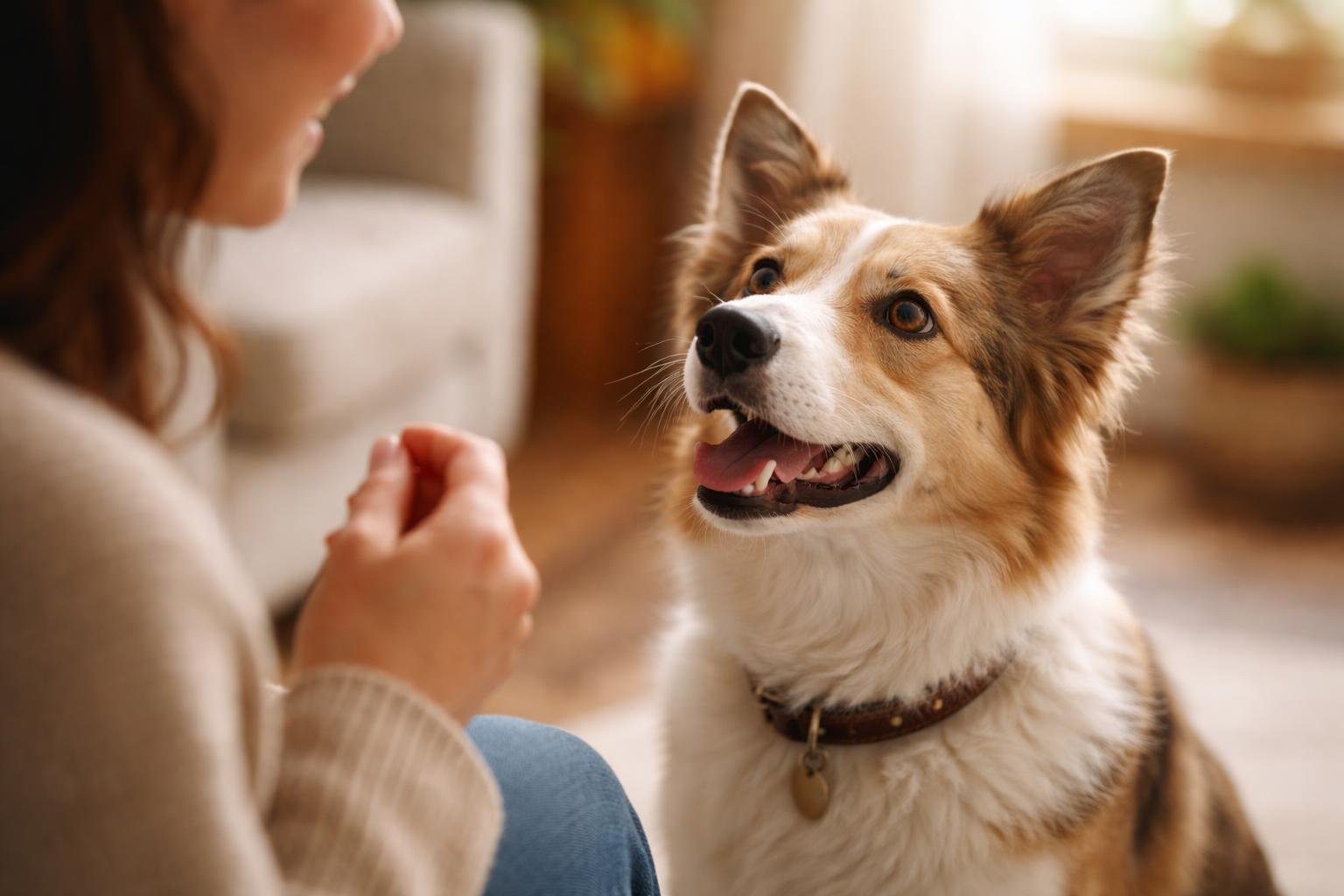
A dog that trusts their owner pays attention when they speak and reacts positively to their voice. This responsiveness shows the dog values their owner’s communication and feels secure following their guidance.
Eagerness to Respond to Commands
When a dog trusts their owner, they show willingness to follow verbal commands without hesitation or fear. The dog’s ears perk up when hearing their owner’s voice, and they quickly move to perform the requested action.
This eagerness differs from obedience trained through fear or force. A trusting dog responds because they want to please their owner, not because they’re afraid of consequences. Their body language stays relaxed while following commands.
The dog might wag their tail while responding or look at their owner with soft, attentive eyes. They don’t cower, flatten their ears back, or show signs of stress when hearing commands. Quick responses to basic cues like “sit,” “stay,” or “come” demonstrate this trust-based relationship.
Listening for Your Cues
A dog that trusts their owner actively listens for subtle vocal changes and verbal cues throughout the day. They recognize different tones and adjust their behavior accordingly.
These dogs can tell the difference between their owner’s excited voice, calm speaking tone, and serious warnings. They don’t react with fear to normal voice changes or accidentally raised volume. Instead, they stay calm and attentive.
The dog frequently checks in by looking at their owner when they hear them speak, even from another room. This checking behavior shows they value their owner’s input and want to stay connected. They might tilt their head when listening or move closer to hear better, displaying genuine interest in what their owner has to say.
Sign 5: Displays Playful Behavior
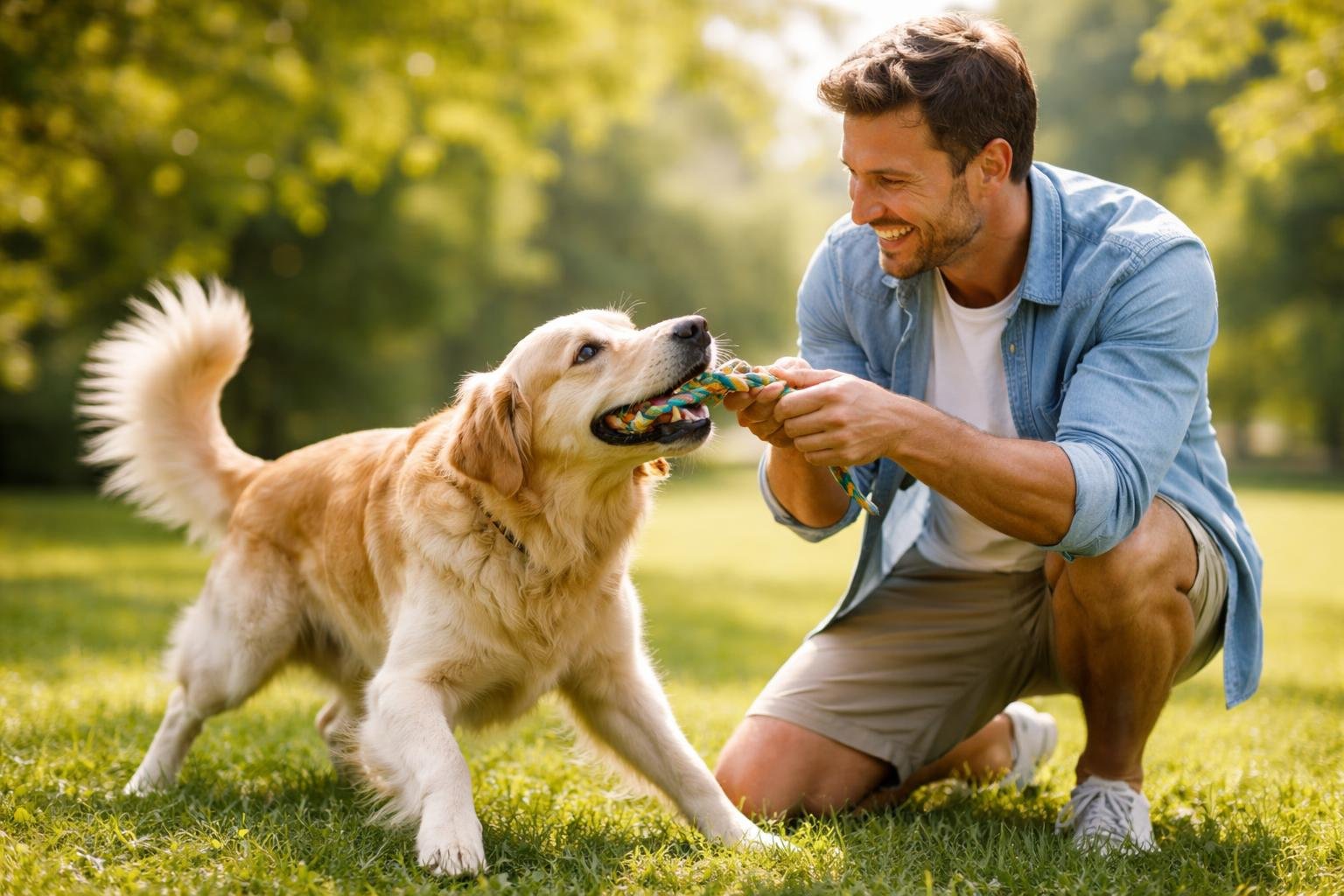
A dog that trusts their owner will freely engage in play without hesitation or anxiety. This behavior shows they feel safe enough to let their guard down and have fun.
Initiating Play
Dogs show trust when they actively start play sessions with their owners. A trusted dog will approach with a relaxed body and use specific signals to invite play. The most common signal is the play bow, where the dog lowers their front legs while keeping their rear end up in the air.
These dogs don’t wait to be invited. They bring energy and enthusiasm to the interaction on their own terms. This confidence shows they feel secure in the relationship.
Trusted dogs also show playfulness through gentle mouthing, bouncing movements, and excited barking. They might run away and look back, inviting a game of chase. Their ears are usually up or relaxed, and their tail wags freely from side to side.
Bringing Toys to You
When a dog brings toys to their owner, it demonstrates both trust and a desire to interact. This behavior means the dog sees their person as a valued playmate worth engaging with. Dogs don’t share their prized possessions with just anyone.
The act of dropping a toy at someone’s feet is an invitation to play together. It shows the dog expects a positive response and believes their owner will participate in the game. Some dogs will even bring their favorite toy as a gift when their owner comes home.
Dogs who trust less might guard their toys or play alone in another room. The willingness to share objects during play reflects a strong, trusting bond.
Sign 6: Recovers Quickly From Stress
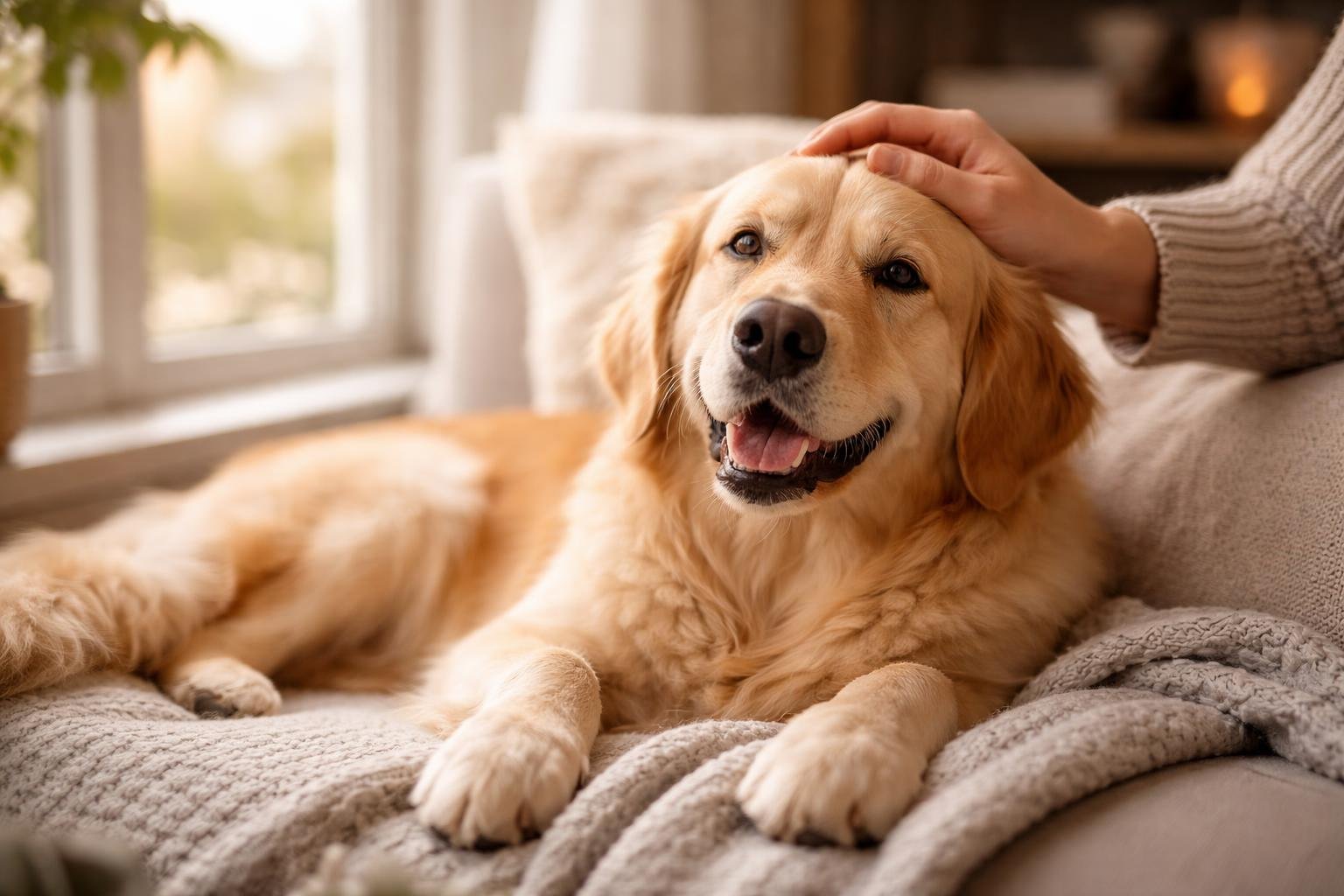
A dog that trusts their owner will bounce back from frightening situations faster when their person is nearby. They look to their trusted human as a source of safety and calm during uncertain moments.
Returning to You After a Scare
When a dog experiences something stressful like a loud noise, unfamiliar person, or unexpected event, their reaction afterward reveals a lot about trust. A dog that trusts their owner will quickly return to them after the initial startle response passes.
This return happens because the dog views their person as a safe base. They might run away at first, but within seconds or minutes, they come back to check in. The dog may lean against their owner’s legs, sit close by, or simply stand near them while watching the source of stress.
Dogs that don’t trust their person as much may hide in another room or stay away longer. They might seek out a different family member or retreat to a safe spot alone. The speed of recovery matters too. A trusting dog will relax their body, lower their tail from a tucked position, and resume normal behavior more quickly when their owner is present.
Seeking Reassurance
Dogs with strong trust actively seek comfort from their owners during stressful moments. They don’t just accept reassurance—they ask for it through specific behaviors.
A dog might nudge their owner’s hand with their nose, press their body against them, or make direct eye contact when feeling uncertain. These actions show the dog believes their person can make them feel better. Some dogs will bring a toy or perform a familiar behavior they know gets positive attention.
The dog’s body language shifts when they receive reassurance. Their muscles relax, their breathing slows down, and they may even wag their tail slightly. This physical change happens because the dog trusts that their owner’s presence means safety. Dogs without this trust level may not seek their owner during stress or may remain tense even when their person tries to comfort them.
Building and Maintaining Trust
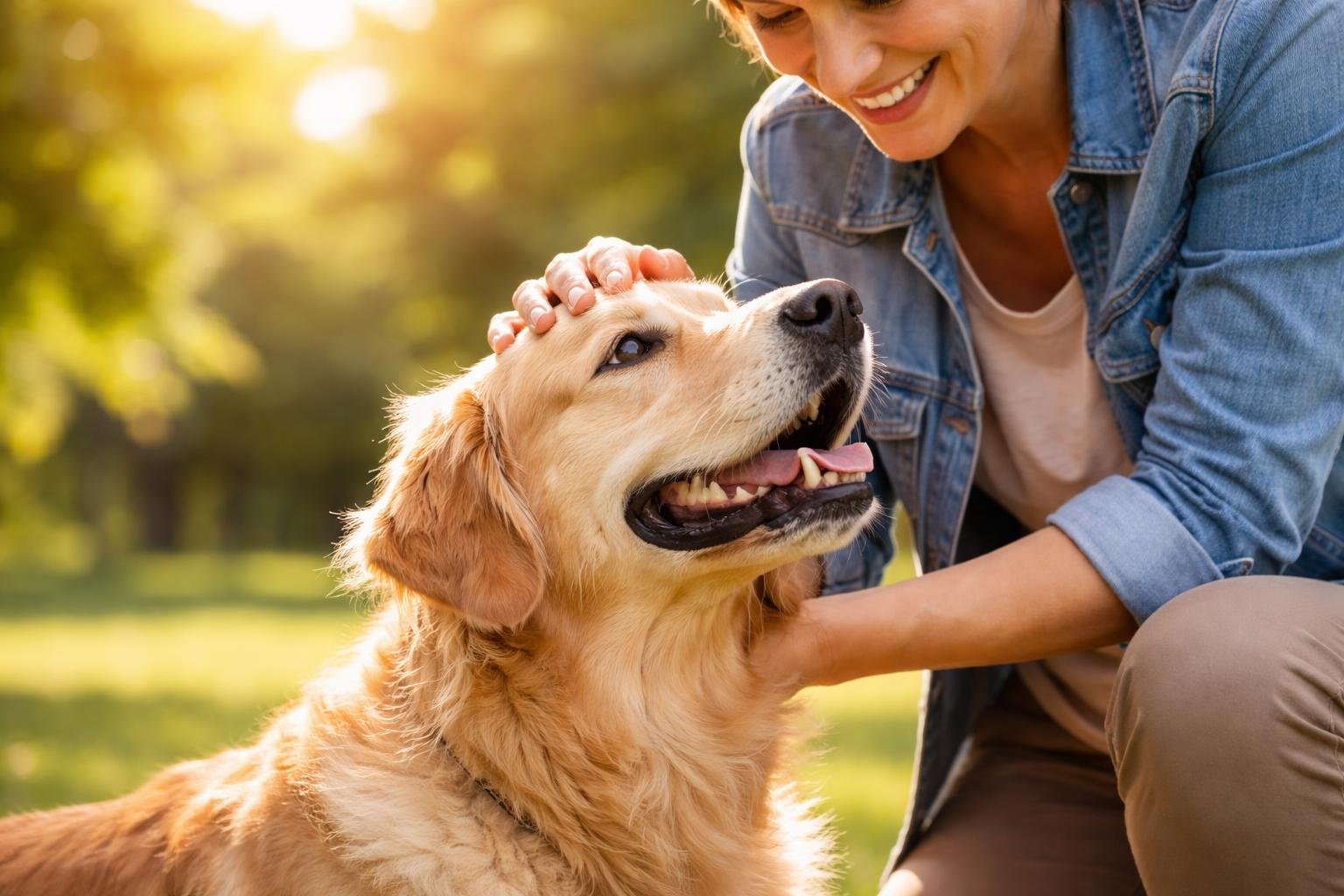
Trust develops through repeated positive experiences and reliable care routines. Dogs feel most secure when they know what to expect from their owners and receive consistent rewards for good behavior.
Consistency in Routine
Dogs thrive on predictable schedules that help them feel secure in their environment. Feeding at the same times each day, maintaining regular walk schedules, and keeping bedtime routines steady all contribute to a dog’s sense of safety.
Owners should establish clear rules and stick to them. If a dog isn’t allowed on the furniture one day, that rule needs to apply every day. Mixed messages confuse dogs and make it harder for them to understand what their owner expects.
Key areas for consistency:
- Meal times and feeding locations
- Walk and exercise schedules
- Sleep and rest areas
- House rules and boundaries
Predictable responses to behavior also matter. When a dog performs a command correctly, the owner should respond the same way each time. This reliability helps dogs learn faster and feel more confident in their relationship with their owner.
Positive Reinforcement
Rewarding desired behaviors builds trust more effectively than punishment-based training. Dogs learn to associate their owner with good experiences when they receive treats, praise, or play for following commands.
Timing matters with positive reinforcement. Owners should reward their dog within seconds of the desired behavior so the dog makes the correct connection. A treat given too late won’t teach the intended lesson.
Effective rewards include:
- Small, tasty treats
- Verbal praise in an excited tone
- Favorite toys or play sessions
- Physical affection like petting
Gentle correction works better than harsh discipline. When a dog makes a mistake, redirecting them to the correct behavior and rewarding that instead creates a more trusting relationship than yelling or physical punishment.
Signs of Distrust to Watch For
Dogs communicate discomfort and fear through specific body language and behavioral patterns. Recognizing these signs helps owners understand when their relationship needs attention and care.
Avoidance Behaviors
A dog that doesn’t trust will actively create distance from their owner. They may move to another room when the owner enters, hide under furniture, or position themselves behind objects. Some dogs turn their head away or refuse to make eye contact during interactions.
Physical withdrawal is common. The dog might press against walls, try to escape through doorways, or remain just out of reach. They often show reluctance to approach even when called or offered treats.
Common avoidance signs include:
- Backing away when someone reaches toward them
- Leaving the room during normal activities
- Refusing to come when called
- Keeping maximum distance in shared spaces
- Turning their body sideways or away
Signs of Anxiety
Anxious dogs display stress through their bodies and behaviors. A tucked tail, lowered ears, and tense muscles indicate fear. The dog might pant heavily without exercise, drool excessively, or shake when their owner approaches.
Stress signals often appear during routine care. The dog may resist grooming, pull away during leash attachment, or freeze when touched. Some dogs show whale eye (visible whites of the eyes) or repeated lip licking.
Destructive behaviors can signal anxiety about the relationship. This includes inappropriate elimination, excessive barking when the owner is near, or aggressive responses to normal handling. These reactions suggest the dog feels unsafe rather than secure.
Conclusion
Trust between a dog and their owner develops through consistent, positive interactions over time. Dogs learn to trust people who are predictable, gentle, and responsive to their needs.
When a dog shows signs of trust, it means they feel safe and secure. These signs include making eye contact, sleeping in vulnerable positions, checking in during walks, bringing toys, staying calm during grooming, and seeking physical closeness. Each behavior reveals something important about how the dog views their relationship with their owner.
Building trust takes patience and consistency. Dogs need time to feel comfortable and understand that their owner will take care of them. Some dogs show trust quickly, while others need more time based on their personality or past experiences.
Trust forms the foundation of a strong relationship between dogs and their owners. When owners recognize these signs, they can better understand their dog’s feelings and needs. This understanding helps strengthen the bond even more.
For dogs that don’t yet show these signs, owners should focus on being reliable and kind. Small, positive interactions add up over time. Trust grows when dogs feel understood and cared for in their daily lives.
The signs covered in this article help owners recognize when their dog feels comfortable and connected. Noticing these behaviors confirms that the relationship is healthy and strong.
Frequently Asked Questions
Dogs communicate trust through specific body language and behaviors that show how comfortable they feel around their owners. These signals range from relaxed sleeping positions to calm reactions during everyday activities.
What are the most reliable behaviors that indicate a dog trusts its owner?
The most reliable signs of trust include soft eye contact, relaxed body language, and willingness to expose vulnerable body parts. Dogs that trust their owners will maintain gentle eye contact without staring or looking away quickly. They show loose, wiggly body movements rather than stiff postures.
A trusting dog will expose their belly for rubs. This behavior demonstrates comfort since the belly contains vital organs that dogs naturally protect. Dogs also bring toys or other prized items to owners they trust, sharing their valued possessions.
Following their owner from room to room indicates trust and a desire to stay close. Seeking physical contact through leaning, sitting on feet, or resting against their owner’s leg shows a dog feels safe and secure.
How can you tell if your dog feels safe with you in everyday situations?
Dogs that feel safe remain calm during grooming, nail trimming, and vet visits when their owner is present. They look to their owner for reassurance rather than trying to escape or showing extreme stress. A relaxed dog will accept handling of their paws, ears, and mouth without resistance.
Safe dogs eat normally around their owners and don’t guard their food bowl. They play without becoming overly aroused or aggressive. These dogs also check in with their owners during walks or in new environments, looking back to ensure their person is nearby.
What does it mean when a dog chooses to sleep next to you or on you?
Sleeping next to or on their owner shows a dog feels completely safe and wants to be close. Dogs are vulnerable while sleeping, so they only rest near people they trust fully. This behavior indicates the dog sees their owner as a source of security and comfort.
Some dogs prefer physical contact while sleeping because it strengthens their bond. The closeness provides warmth and reassurance. Dogs that choose to sleep touching their owners have decided that person is safe enough to let their guard down completely.
Which sleeping positions suggest a dog is relaxed and trusting around you?
Dogs sleeping on their backs with their belly exposed demonstrate deep trust and relaxation. This position leaves them completely vulnerable. Only dogs that feel totally safe will sleep this way.
The side-sleeping position, with legs stretched out, indicates a comfortable and trusting dog. Dogs curled in tight balls are protecting themselves and may not feel as secure. Sprawled out positions with limbs in all directions show maximum relaxation.
Dogs that sleep with their back to their owner or facing away also show trust. They feel secure enough not to monitor their surroundings constantly.
What are common signs that a dog does not trust a person yet?
Avoiding eye contact or looking away frequently suggests a lack of trust. Dogs that don’t trust someone will maintain distance and avoid physical contact. They may lean or pull away when approached.
Stiff body language, tucked tails, and pinned-back ears indicate discomfort and uncertainty. These dogs might hide behind furniture or stay in another room. Excessive panting, drooling, or yawning when not tired shows stress around certain people.
Dogs that guard resources like food, toys, or sleeping spots don’t fully trust the people nearby. Growling, snapping, or showing teeth are clear warning signs. Refusing treats from someone’s hand also indicates hesitation and lack of trust.
How can you distinguish protective behavior from anxiety or insecurity in dogs?
Protective behavior appears confident and controlled. A protective dog will position themselves between their owner and a perceived threat while maintaining calm body language. They assess the situation without excessive barking or lunging.
Anxious or insecure behavior looks frantic and reactive. These dogs show stress signals like excessive panting, pacing, and inability to settle. They may bark continuously or react to normal sounds and movements.
Protective dogs can be called off or redirected relatively easily. Anxious dogs struggle to calm down even after the trigger is gone. Insecure dogs often show unpredictable reactions because they’re responding from fear rather than assessment of actual danger.