How To Tell if a Dog Is in Pain and What You Can Do To Help: A Complete Guide for Pet Owners
Dogs cannot tell their owners when they are hurting, which makes recognizing pain one of the most important skills a pet parent can develop. Pain in dogs shows up through physical changes like limping or heavy breathing, behavioral shifts such as aggression or withdrawal, and changes in eating or sleeping patterns. Missing these signs can lead to untreated discomfort and health problems that get worse over time.
Understanding what pain looks like in dogs helps owners respond quickly and effectively. Some dogs whimper or shake when they hurt, while others become very quiet and hide. The type of pain matters too, since sudden injuries need different care than long-term conditions like arthritis.
This guide covers how to spot pain in dogs, what causes it, and the steps owners can take at home before visiting the vet. It also explains when professional help is necessary and what treatment options are available to keep dogs comfortable and healthy.
Key Signs Your Dog May Be in Pain
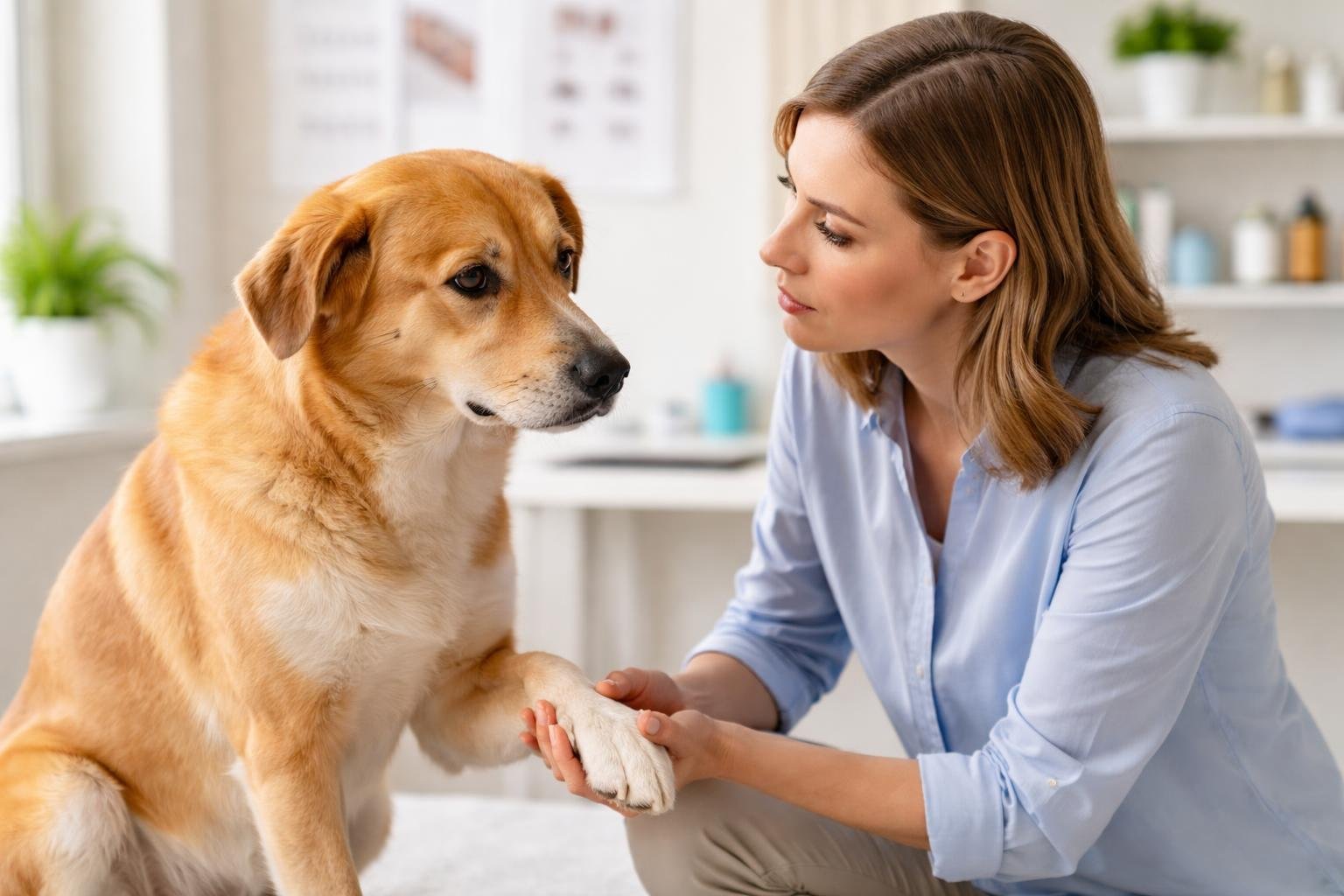
Dogs naturally hide their discomfort as a survival instinct, making pain detection challenging for pet owners. Recognizing the warning signs requires attention to physical symptoms, shifts in behavior, and unusual sounds your dog makes.
Physical Symptoms to Watch For
Limping or altered movement is one of the clearest physical indicators of pain. A dog may favor one leg, walk stiffly, or show reluctance to use stairs or jump onto furniture.
Changes in posture often signal discomfort. Dogs in pain may stand with a hunched back, hold their head lower than usual, or position their body in ways that protect the painful area. They might also sit or lie down differently than normal.
Excessive panting when a dog hasn’t been exercising or isn’t in a hot environment can indicate pain. Similarly, rapid or shallow breathing patterns differ from normal respiratory rates.
Physical signs also include:
- Trembling or shaking
- Reduced appetite or difficulty eating
- Excessive licking of a specific body part
- Swelling or heat in certain areas
- Restlessness or inability to find a comfortable position
Behavioral Changes Indicating Discomfort
Dogs experiencing pain often withdraw from normal activities. A typically playful dog may suddenly show no interest in fetch or walks. Some dogs sleep more than usual or struggle to settle down.
Aggression or irritability can emerge in normally gentle dogs. They may snap, growl, or bite when touched in painful areas, even when approached by trusted family members. This protective behavior stems from fear of increased pain.
Activity levels frequently decrease. Dogs may avoid running, playing with other pets, or participating in activities they once enjoyed. They might also show reluctance to be petted or handled.
Other behavioral indicators include:
- Hiding or seeking isolation
- Decreased grooming habits
- Loss of house training
- Reduced interaction with family members
Vocalizations and Unusual Noises
Whimpering or whining serves as a direct communication of discomfort. These sounds may occur during movement, when touched, or even while resting.
Yelping happens when pain strikes suddenly or intensely. A dog might yelp when standing up, being picked up, or during specific movements that aggravate an injury.
Some dogs growl or snap when approached, which differs from their normal vocal patterns. Others may become unusually quiet, eliminating their typical barks or playful sounds. Heavy sighing or groaning while lying down or shifting positions also suggests pain.
Common Causes of Pain in Dogs
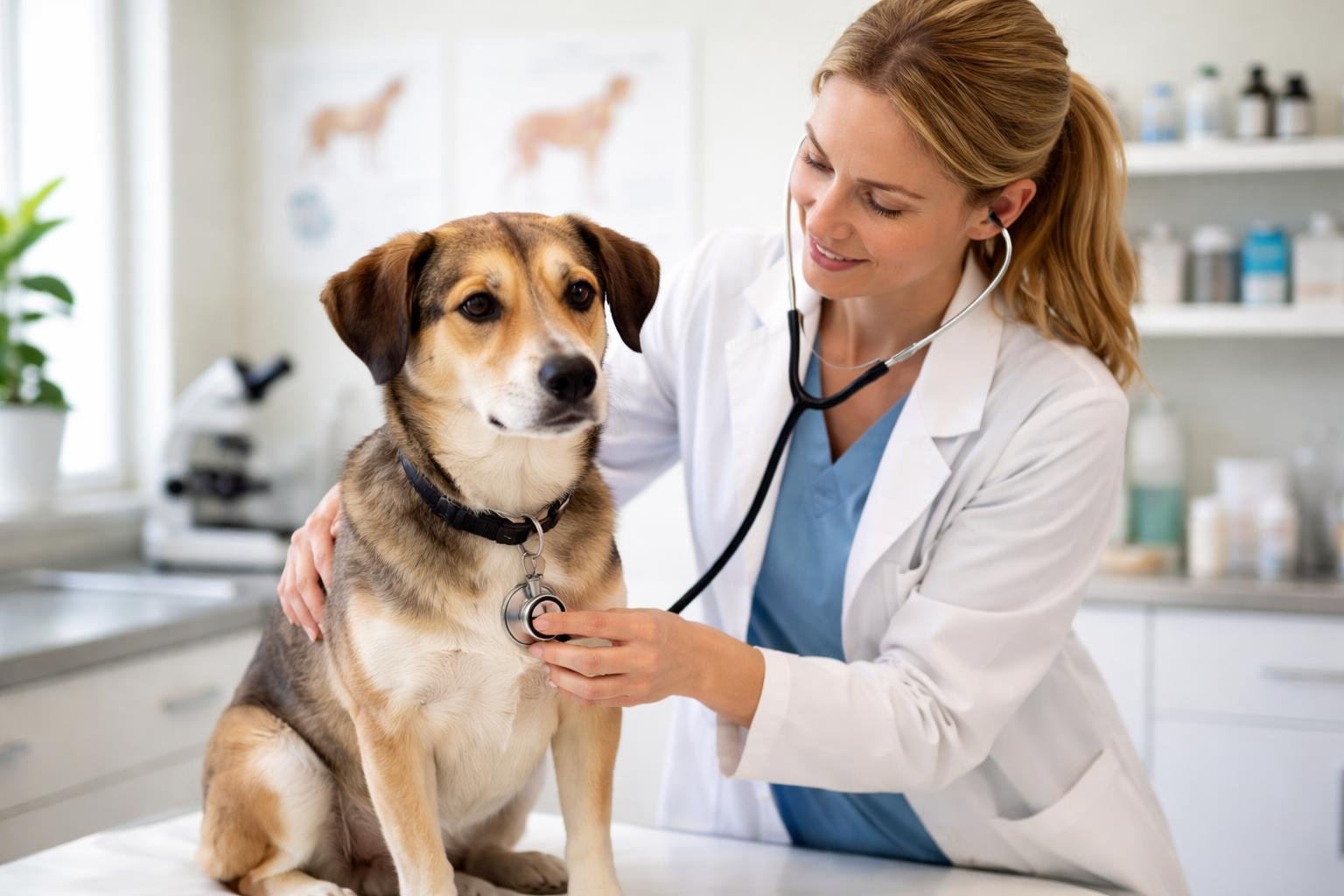
Dogs experience pain from three main categories: sudden injuries like cuts and broken bones, long-term health problems such as arthritis and dental disease, and discomfort following medical procedures.
Injuries and Acute Trauma
Sudden injuries are among the most obvious sources of pain in dogs. These include broken bones, torn ligaments, deep cuts, and bite wounds from other animals. Dogs can also experience pain from blunt force trauma, such as being hit by a car or falling from heights.
Sprains and strains occur frequently during play or exercise. A dog might land awkwardly while jumping or twist a joint while running. Burns from hot surfaces, chemicals, or even severe sunburns can cause significant discomfort.
Foreign objects present another common problem. Dogs may step on glass, thorns, or nails. They might also swallow items that get stuck in their throat or digestive system, causing internal pain.
Chronic Conditions and Diseases
Long-term health conditions often develop slowly and cause ongoing pain. Arthritis affects many older dogs, making their joints stiff and painful. Hip dysplasia and elbow dysplasia are genetic conditions that create abnormal joint development.
Dental disease is extremely common and often overlooked. Tooth decay, gum infections, and fractured teeth cause constant mouth pain. Some dogs suffer from intervertebral disc disease (IVDD), where cushioning discs between spine bones deteriorate or rupture.
Cancer can cause pain in affected areas as tumors grow and press on surrounding tissues. Ear infections create throbbing pain and discomfort. Pancreatitis causes severe abdominal pain. Urinary tract infections and bladder stones make urination painful.
Post-Surgical Discomfort
Surgery naturally causes pain as the body heals from incisions and internal work. Spay and neuter procedures create soreness in the surgical area for several days. Dogs may experience pain after dental extractions, tumor removals, or orthopedic surgeries.
The pain level depends on the surgery type and extent. Minor procedures like small lump removals cause less discomfort than major operations like bone repairs or abdominal surgery. Most post-surgical pain is temporary and managed with prescribed medications.
Proper pain management after surgery helps dogs recover faster and more comfortably. Veterinarians typically send dogs home with pain medications and specific care instructions for the recovery period.
Differences Between Acute and Chronic Pain
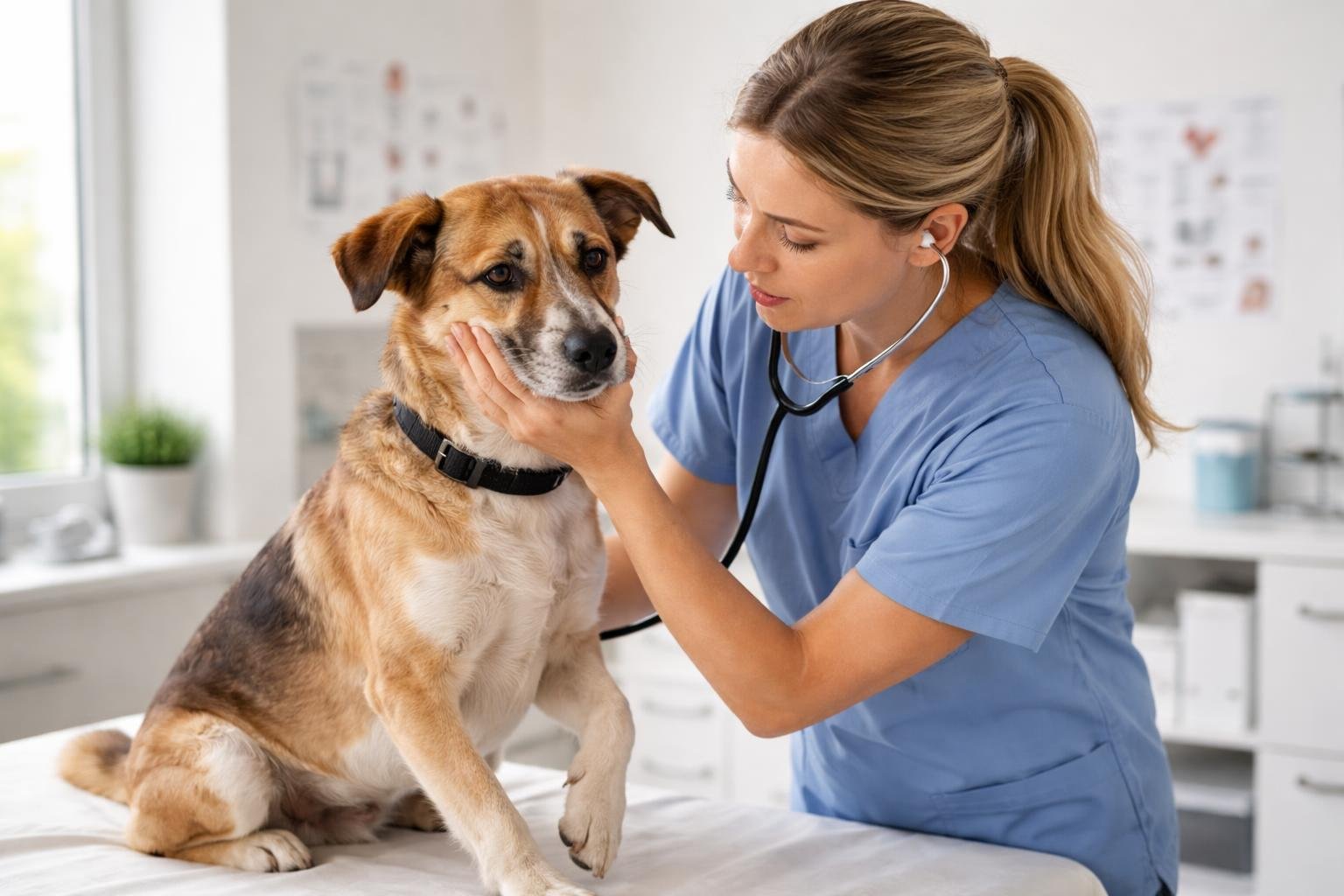
Dogs experience two distinct types of pain that require different approaches to care. Acute pain appears suddenly from a specific injury or event, while chronic pain develops gradually and persists over time.
Understanding Sudden Versus Ongoing Symptoms
Acute pain in dogs happens fast and has a clear cause. A dog might yelp after stepping on something sharp or start limping after jumping off furniture. This type of pain is intense but short-lived when treated properly.
The signs are usually obvious. A dog with acute pain may hold up a paw, refuse to move, or cry out when touched. Pet owners can typically pinpoint exactly when the problem started.
Chronic pain works differently. It builds up slowly over weeks, months, or years. Arthritis, hip dysplasia, and old injuries often cause this type of discomfort.
Dogs with chronic pain show subtle changes instead of dramatic reactions. They might:
- Take longer to stand up after resting
- Avoid stairs or jumping
- Become less playful
- Lick the same spot repeatedly
- Show stiffness that improves with movement
These signs are easy to miss because they happen gradually. Many owners think their dog is just “slowing down with age” when pain is actually the problem.
How Pain Duration Influences Treatment
Vets treat acute and chronic pain with different strategies. Acute pain often responds to short-term medication and rest. The goal is to stop inflammation and let the injury heal.
Chronic pain requires long-term management. Treatment plans typically combine several approaches rather than relying on one solution. Vets may prescribe daily pain medication, recommend physical therapy, or suggest weight management.
The treatment timeline matters too. Acute pain might resolve in days or weeks. Chronic pain needs ongoing monitoring and regular adjustments to keep a dog comfortable throughout their life.
How Veterinarians Assess Pain in Dogs
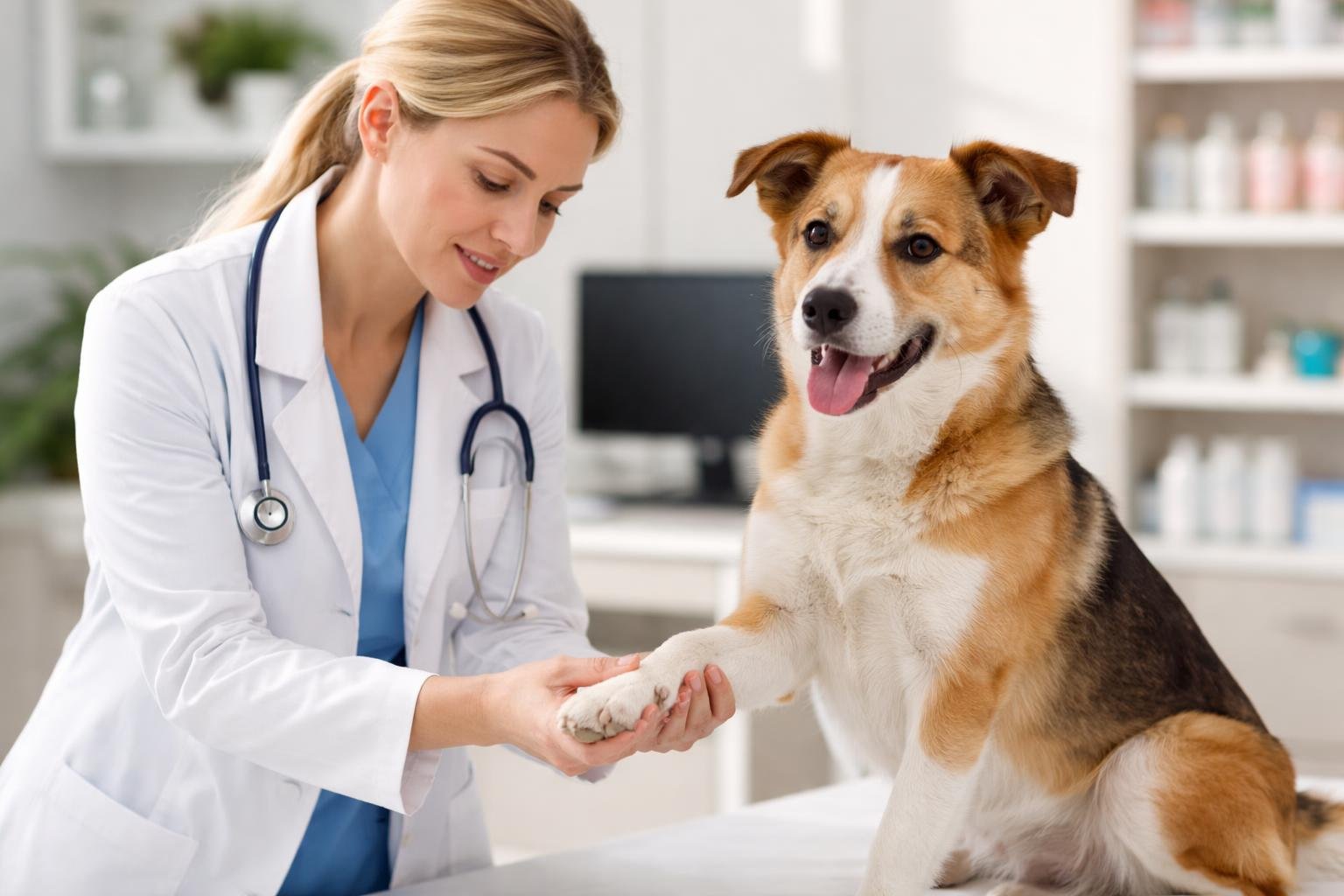
Veterinarians use a combination of hands-on examination methods and medical testing to identify pain in dogs. These assessments help pinpoint the exact location and cause of discomfort.
Physical Examination Techniques
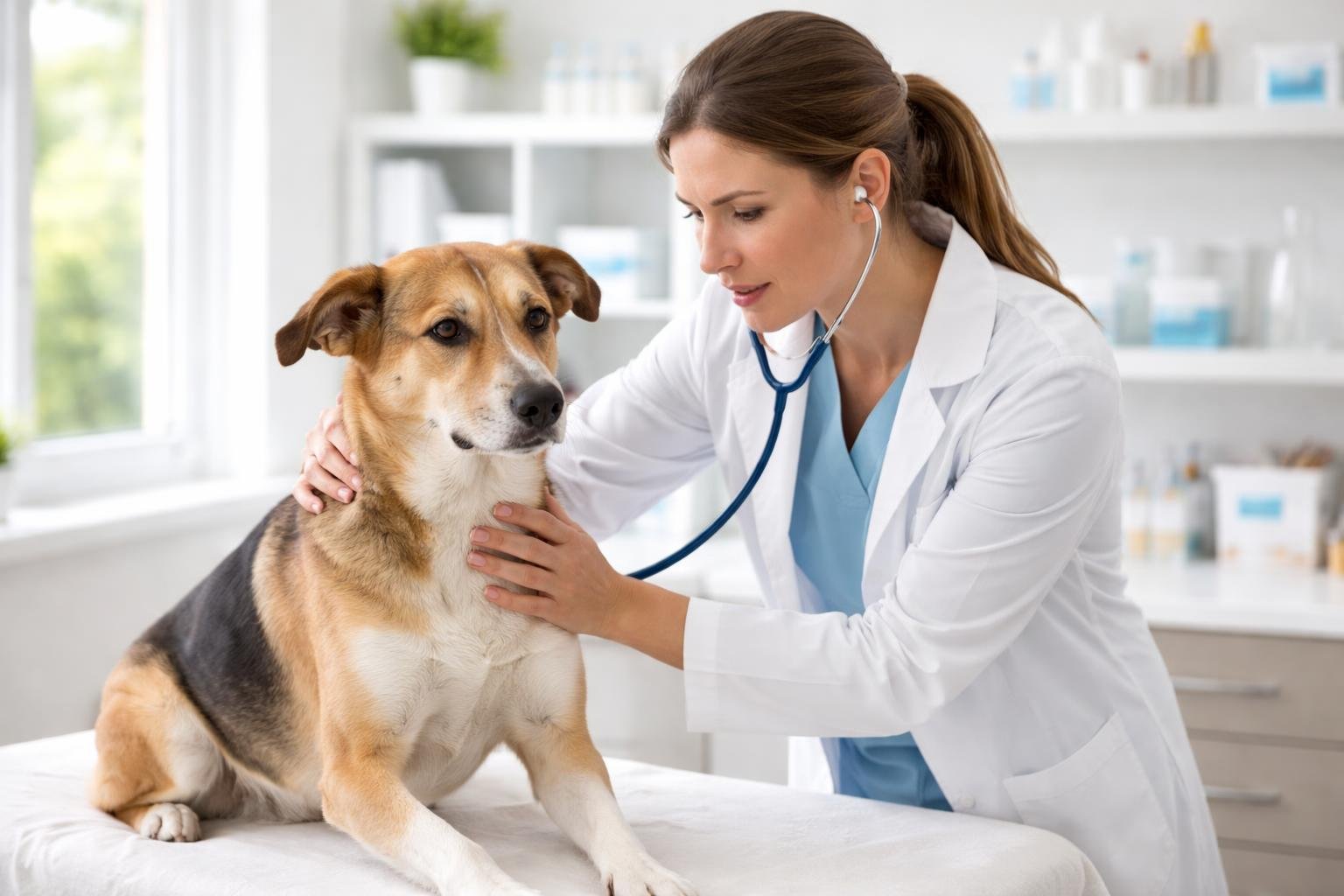
The veterinarian starts by observing how the dog walks, stands, and moves naturally. They watch for limping, stiffness, or reluctance to put weight on certain legs. The vet will gently touch and manipulate different parts of the dog’s body to check for pain responses.
During palpation, the veterinarian applies light pressure to muscles, joints, and organs. Dogs may flinch, pull away, or vocalize when a painful area is touched. The vet checks the dog’s posture and body position for signs of guarding or tension.
Key examination areas include:
- Spine and back
- Hip and shoulder joints
- Abdomen and internal organs
- Paws and leg joints
- Head and neck
The veterinarian also measures vital signs like heart rate and breathing patterns. Changes in these measurements can indicate pain or distress. They assess the dog’s facial expressions and overall demeanor throughout the exam.
Diagnostic Tools and Tests
Veterinarians use imaging technology to see inside the dog’s body. X-rays reveal bone fractures, arthritis, and joint problems. Ultrasounds help examine soft tissues and internal organs for abnormalities.
Blood work detects inflammation markers and organ function issues that might cause pain. Elevated white blood cell counts can signal infection or tissue damage. Urinalysis helps identify urinary tract problems or kidney issues.
Advanced imaging like CT scans or MRIs provides detailed views of complex injuries. These tools are especially useful for spinal problems or soft tissue injuries that don’t show up on regular x-rays. Some veterinary clinics use pain scoring systems to measure and track pain levels over time.
What You Can Do at Home to Help a Dog in Pain
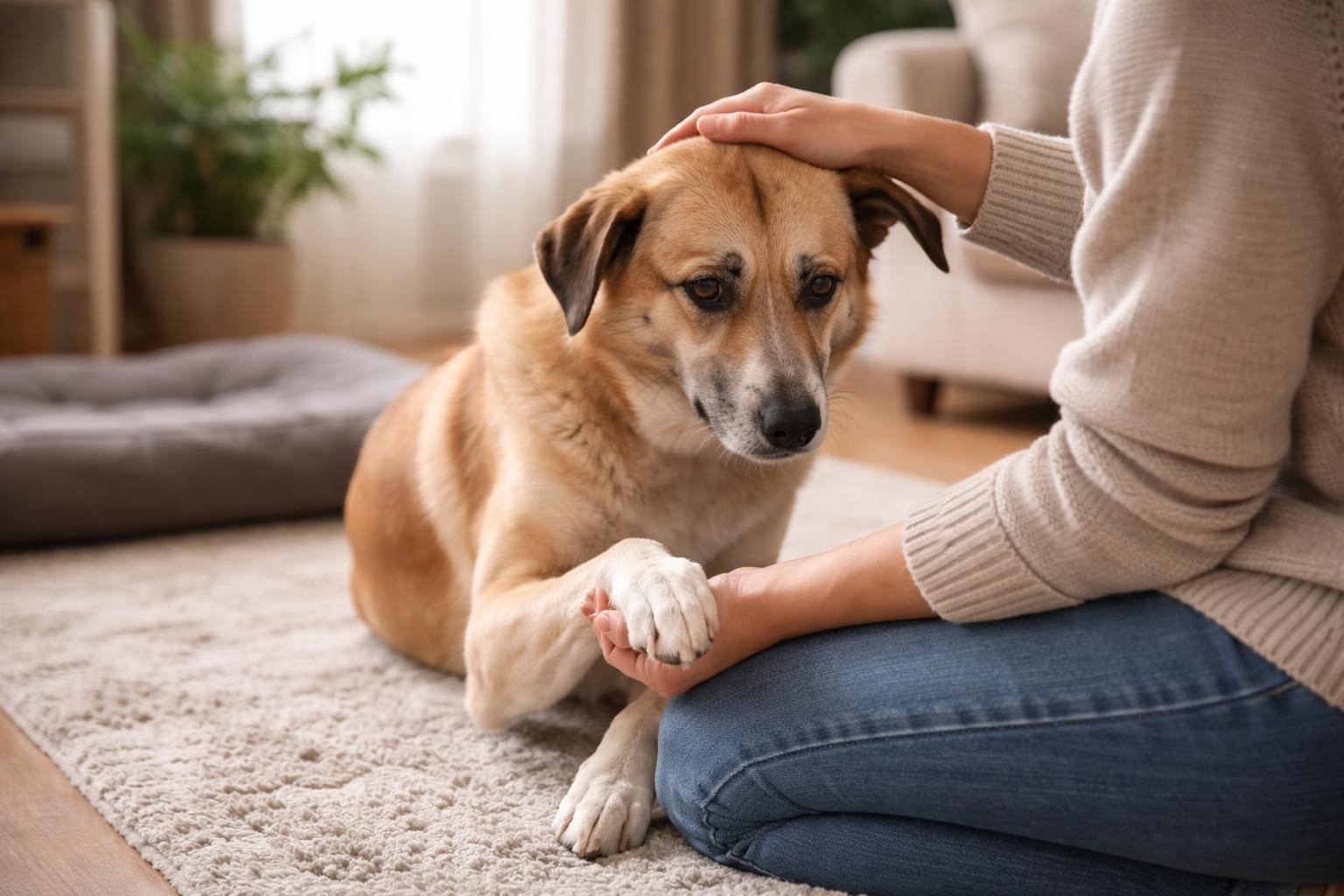
When a dog shows signs of pain, immediate comfort measures at home can make a significant difference in their well-being. Simple adjustments to their environment, thoughtful mobility support, and careful observation help manage discomfort while preparing for veterinary care.
Creating a Comfortable Environment
A dog in pain needs a quiet, stress-free space away from household activity. Set up a soft bed with extra padding in a calm area where the dog won’t be disturbed by other pets or children.
Key comfort elements include:
- Orthopedic foam beds or memory foam mattresses that cushion joints
- Warm blankets during cold weather to ease muscle stiffness
- Non-slip mats on hard floors to prevent sliding
- Easy access to food and water bowls without requiring stretching or bending
Temperature control matters for dogs experiencing pain. Gentle warmth from a heating pad on low setting (wrapped in a towel) can soothe sore muscles. Never apply heat directly to the skin or use high settings.
Keep the dog’s resting area on ground level. Stairs and jumping on furniture can worsen pain. Block off staircases if needed.
Safe Ways to Support Mobility
Dogs in pain often struggle with basic movement. Help them stand by supporting their body weight with a towel or sling under their belly. Lift gently without putting pressure on painful areas.
Short, gentle walks on flat surfaces help maintain muscle strength without overexertion. Keep walks brief—just 5 to 10 minutes—and let the dog set the pace. Stop immediately if they show signs of increased discomfort.
Mobility aids that help include:
- Ramps for entering vehicles or accessing raised surfaces
- Harnesses with handles for lifting support
- Booties for dogs with paw pain on rough surfaces
Avoid activities like running, jumping, or rough play. Rest is essential for healing. Restrict access to areas where the dog might attempt movements that could cause further injury.
Monitoring and Documenting Changes
Track the dog’s pain levels and behavior patterns throughout each day. Write down when pain seems worse, what activities trigger discomfort, and how long episodes last.
Important details to record:
- Eating and drinking habits
- Sleep patterns and restlessness
- Bathroom habits and any difficulties
- Specific behaviors like limping, panting, or reluctance to move
Take videos of concerning behaviors to show the veterinarian. This documentation provides valuable information that helps with diagnosis and treatment planning.
Check the dog’s pain signs multiple times daily. Note whether symptoms improve, stay the same, or get worse. This information helps determine if the situation requires immediate veterinary attention or can wait for a scheduled appointment.
When to Seek Professional Help
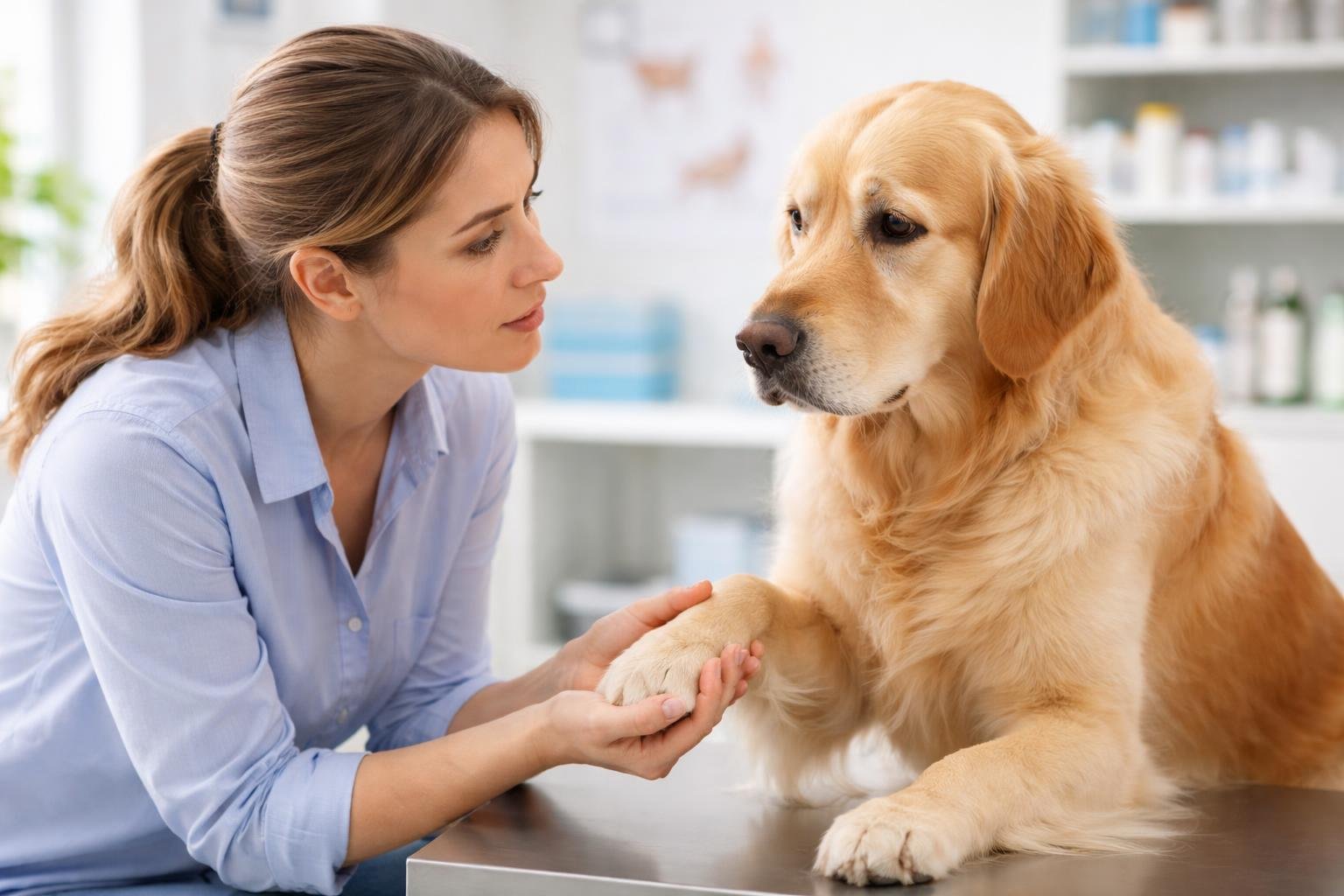
Some pain symptoms require immediate veterinary care, while others indicate serious problems that need prompt attention within 24 hours.
Emergency Red Flags
Certain signs mean a dog needs emergency veterinary care right away. Difficulty breathing or gasping for air requires immediate attention, as this can signal heart problems, lung issues, or airway obstruction.
Pale or blue gums indicate poor oxygen circulation and potential shock. Collapse or inability to stand suggests severe pain, neurological problems, or internal bleeding. Seizures lasting more than a few minutes or multiple seizures in a row need emergency treatment.
Other critical signs include:
- Bloated, hard abdomen (especially in large dogs)
- Uncontrolled bleeding
- Severe vomiting or diarrhea with blood
- Suspected poisoning or toxin ingestion
- Eye injuries or sudden blindness
- Extreme lethargy or unresponsiveness
Situations Requiring Immediate Veterinary Attention
Several conditions need veterinary care within 24 hours, even if they don’t seem life-threatening. Persistent limping for more than a day or sudden inability to use a limb could indicate fractures, torn ligaments, or joint problems.
Refusal to eat for 24 hours or more combined with pain signs needs evaluation. Continuous whining, crying, or restlessness that doesn’t improve with rest suggests significant discomfort.
Any visible wounds, swelling, or lumps should be checked by a vet. Changes in urination or defecation paired with signs of pain can indicate urinary tract infections, kidney problems, or digestive issues. Aggression or biting when touched in areas that were previously fine points to localized pain that needs diagnosis.
Pain Management Options for Dogs
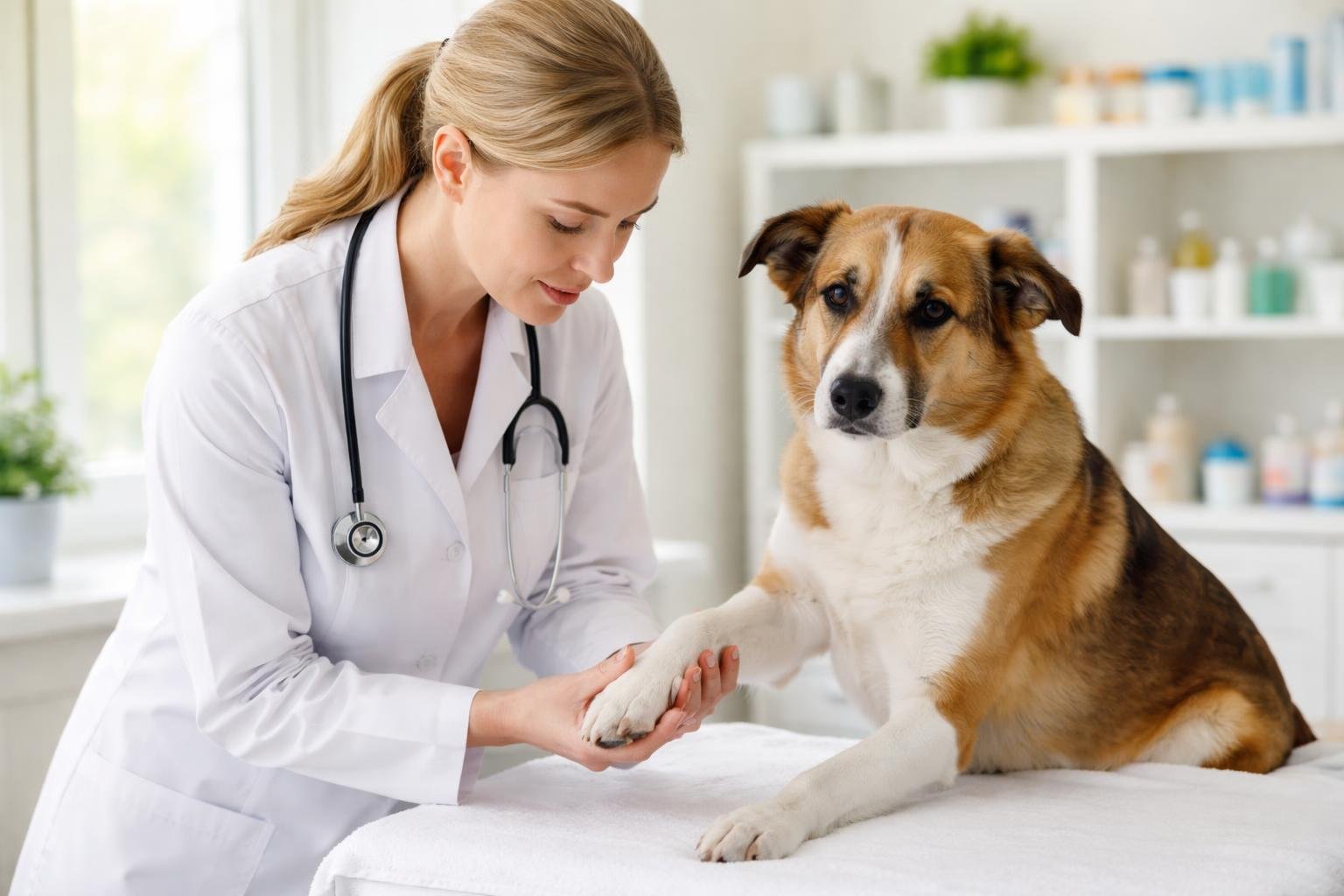
When a dog needs pain relief, veterinarians can offer several treatment approaches. These range from prescription medications to physical therapies that work together or separately depending on the dog’s condition.
Medications Prescribed by Veterinarians
Veterinarians prescribe specific pain medications based on the type and severity of a dog’s pain. Non-steroidal anti-inflammatory drugs (NSAIDs) like carprofen and meloxicam reduce inflammation and treat conditions such as arthritis or post-surgical discomfort. These medications should only be given under veterinary supervision because incorrect dosing can cause serious side effects.
For more severe pain, veterinarians may prescribe opioids like tramadol or stronger options for acute situations. Gabapentin helps manage nerve pain and works well for chronic conditions. Some dogs benefit from corticosteroids when inflammation is the main issue.
Important considerations:
- Never give human pain medications to dogs without veterinary approval
- Medications like ibuprofen and acetaminophen can be toxic to dogs
- Follow prescribed dosages exactly as directed
- Report any side effects to the veterinarian immediately
The veterinarian will select medications based on the dog’s age, weight, existing health conditions, and the source of pain.
Non-Medication Therapies
Physical therapy offers drug-free pain relief for many dogs. Techniques like therapeutic massage, hydrotherapy, and controlled exercise help improve mobility and reduce discomfort. Cold therapy reduces swelling in acute injuries, while heat therapy soothes chronic muscle pain and stiffness.
Acupuncture has shown benefits for dogs with arthritis and chronic pain conditions. Laser therapy uses light energy to reduce inflammation and promote healing in affected tissues. Weight management plays a crucial role since excess weight puts additional stress on painful joints and muscles.
Some dogs respond well to supplements like glucosamine and chondroitin for joint health. Omega-3 fatty acids have natural anti-inflammatory properties that support overall comfort. A veterinarian can recommend appropriate supplements and verify they won’t interact with other treatments.
Preventing Pain and Promoting Long-Term Health
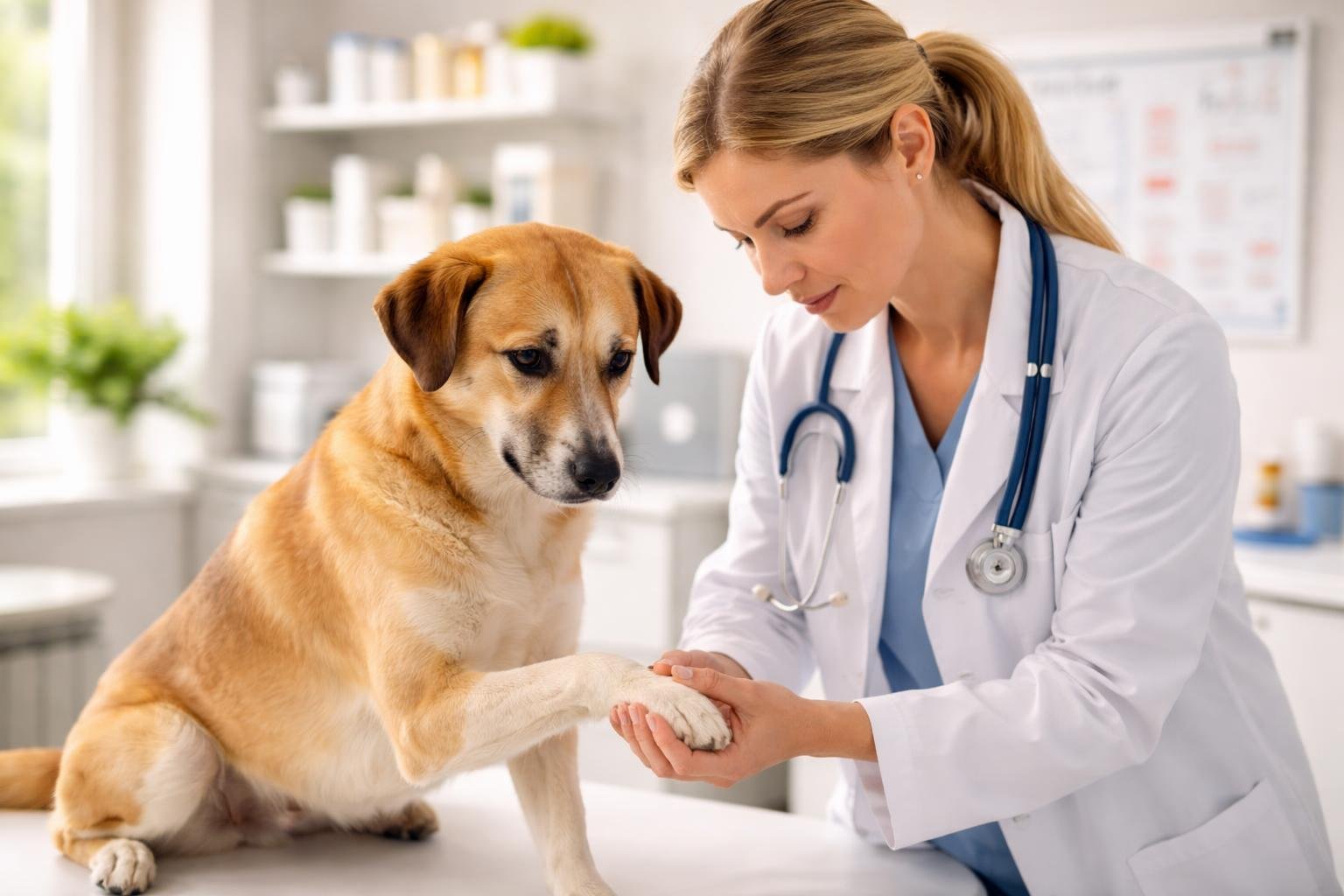
Keeping dogs healthy requires regular vet visits, proper nutrition for their joints and bones, and a safe living space. These steps can help prevent pain before it starts.
Routine Veterinary Care
Regular vet checkups are one of the best ways to catch health problems early. Dogs should see a veterinarian at least once a year for wellness exams. Older dogs or those with health issues may need visits every six months.
During these visits, vets check for signs of arthritis, dental disease, and other painful conditions. They can spot problems that owners might miss. Early detection means treatment can start before pain becomes severe.
Vaccinations and preventive medications also play a role in keeping dogs comfortable. Parasite prevention stops fleas, ticks, and worms from causing pain and illness. Dental cleanings prevent tooth decay and gum disease, which are common sources of chronic pain in dogs.
Supporting Joint and Bone Health
Joint and bone problems cause pain in many dogs, especially as they age. Maintaining a healthy weight is critical. Extra pounds put stress on joints and can lead to arthritis and other painful conditions.
Key nutrients for joint health include:
- Glucosamine and chondroitin supplements
- Omega-3 fatty acids from fish oil
- High-quality protein for muscle support
Regular exercise keeps joints flexible and muscles strong. Low-impact activities like walking and swimming work well for most dogs. They build strength without putting too much stress on bones and joints.
Dogs need the right balance of activity and rest. Too much exercise can damage joints, while too little leads to stiffness and weight gain.
Environmental Safety Tips
A safe home environment prevents injuries that cause pain. Remove hazards like loose rugs that dogs can slip on. Put down non-slip mats on tile or hardwood floors.
Stairs can be hard on older dogs or those with joint problems. Ramps or pet stairs help dogs get on furniture or into cars without jumping. Block off dangerous areas where dogs might fall or get hurt.
Safety checklist for dog owners:
- Keep floors clear of small objects and cords
- Store toxic substances out of reach
- Provide soft bedding to support joints during rest
- Use harnesses instead of collars for dogs with neck problems
Temperature control matters too. Dogs left in extreme heat or cold can suffer pain from burns or frostbite.
Understanding Your Dog’s Unique Pain Responses
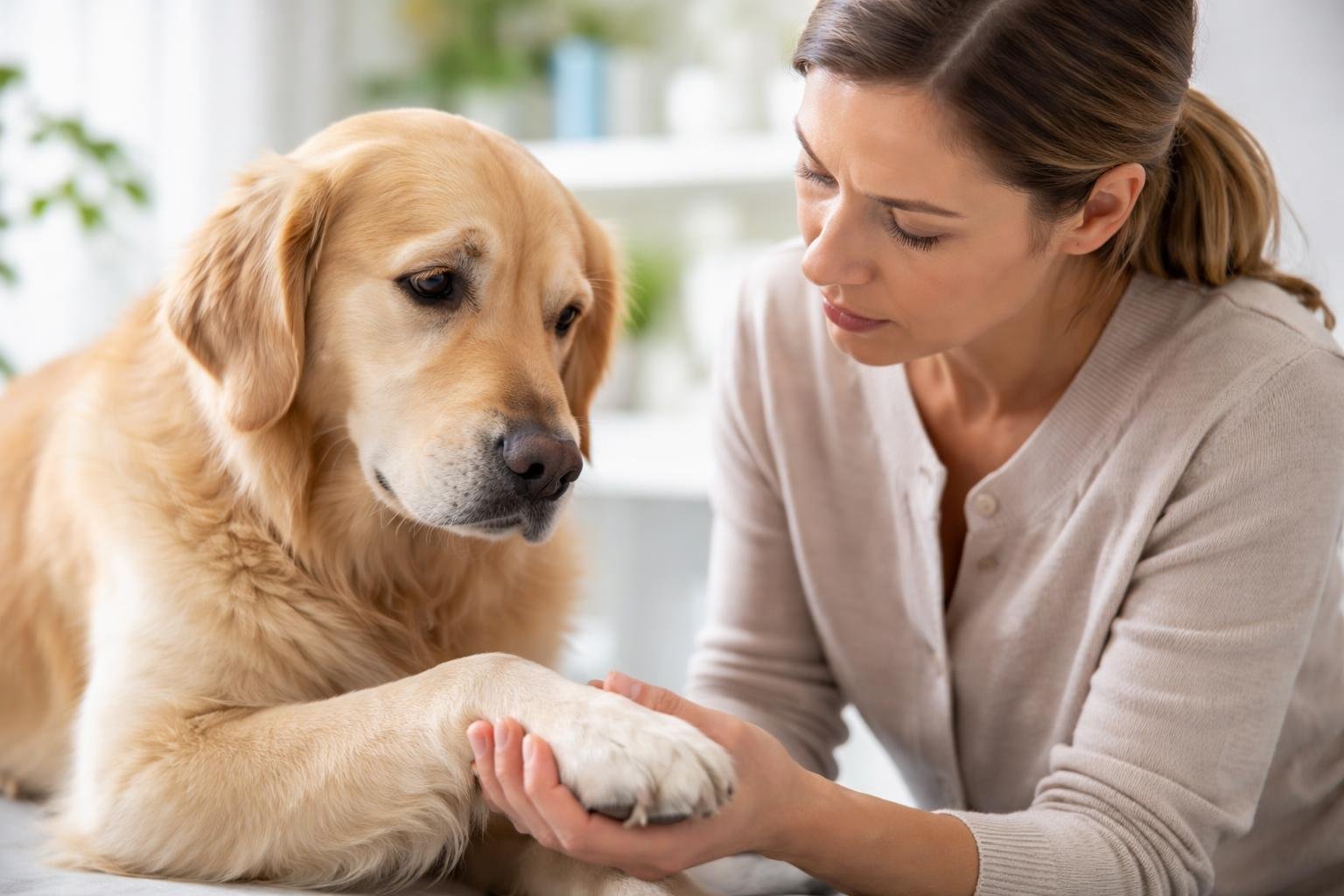
Every dog responds to pain differently. Some dogs might whine or cry, while others stay silent even when they hurt badly. This makes it harder for owners to know when something is wrong.
A dog’s breed, age, and personality all affect how they show pain. Working breeds like German Shepherds often hide discomfort because they were bred to keep working through challenges. Smaller breeds might be more vocal about minor aches. Older dogs who have dealt with chronic conditions may not react as strongly to pain as younger dogs experiencing it for the first time.
Individual personality matters just as much as breed. A naturally quiet dog might become even more withdrawn when in pain. An energetic dog might suddenly seem calm or tired.
Dogs also change their pain responses based on past experiences. A dog who received comfort during a previous injury might seek attention when hurt again. Dogs who were punished for showing weakness might try harder to hide their pain.
Pay attention to what is normal for each specific dog:
- Energy levels – Does this dog usually run around or prefer to rest?
- Appetite patterns – How much does this dog normally eat?
- Social behavior – Is this dog typically friendly or more reserved?
- Sleep habits – Where and how long does this dog usually sleep?
The best way to spot pain is by noticing changes from a dog’s typical behavior. What seems normal for one dog might signal a problem in another.
Communicating with Your Veterinarian
When a dog shows signs of pain, the owner needs to contact their veterinarian right away. Clear communication helps the vet understand what is happening and make the right diagnosis.
Before the Appointment
Pet owners should write down what they have noticed about their dog’s behavior. This includes when the pain started, what makes it worse, and any changes in eating or sleeping habits. Taking videos of unusual behaviors can help the vet see exactly what is happening.
Information to Share
The following details are important to tell the veterinarian:
- When the pain symptoms first appeared
- Which activities seem to cause discomfort
- Any changes in movement, appetite, or energy levels
- Whether the dog is limping or favoring certain body parts
- Any recent injuries or accidents
During the Visit
Owners should not give their dog any pain medication before consulting with the veterinarian. Human medications can be dangerous for dogs. The vet needs to examine the dog without any medication masking the symptoms.
Questions to Ask
Pet owners should ask about treatment options, costs, and what to expect during recovery. They should also find out what signs mean the condition is getting worse. Understanding the diagnosis and treatment plan helps owners provide better care at home.
The veterinarian may recommend diagnostic tests like X-rays or blood work to find the cause of pain. These tests give important information that a physical exam alone cannot provide.
Frequently Asked Questions
Dogs often hide their discomfort through subtle behavioral and physical changes. Pet owners need clear answers about recognizing pain symptoms, understanding when to seek emergency care, and knowing how specific health conditions like dental disease or cancer manifest as pain.
What are the most common signs that a dog is in pain?
Dogs typically show pain through changes in behavior, movement, and daily habits. Limping, stiffness, or reluctance to jump or climb stairs are common physical indicators. Many dogs also become less active and spend more time resting than usual.
Behavioral changes include aggression when touched, reduced appetite, and withdrawal from family activities. Some dogs pant excessively, even when not hot or exercised. Unusual vocalizations like whimpering or groaning can signal discomfort.
Posture changes are important clues. A dog in pain may hunch their back, hold their head lower than normal, or shift weight away from a painful area. Excessive licking or biting at a specific body part often indicates localized pain.
How can I tell if my dog’s pain is sudden and needs emergency veterinary care?
Sudden pain requires immediate veterinary attention when accompanied by specific warning signs. Inability to stand or walk, severe swelling, or open wounds need urgent care. Crying out in pain repeatedly or showing extreme sensitivity to touch are emergencies.
Breathing difficulties, pale gums, or a distended abdomen combined with pain symptoms indicate serious problems. Seizures, collapse, or loss of consciousness require immediate transport to a veterinary hospital. Refusal to eat or drink for more than 24 hours alongside pain behaviors warrants prompt evaluation.
Trauma from falls, car accidents, or fights with other animals always requires emergency assessment. Even if the dog seems somewhat normal afterward, internal injuries can cause life-threatening complications.
What can I do at home to help comfort a dog that seems to be in pain?
Providing a quiet, comfortable space helps a dog rest without disturbance. Soft bedding in a warm area reduces pressure on sore joints or muscles. Limiting physical activity prevents further injury until a veterinarian can examine the dog.
Never give human pain medications to dogs, as many are toxic to them. Medications like ibuprofen and acetaminophen can cause severe organ damage or death in dogs. Only veterinarians can prescribe safe pain relief appropriate for the dog’s specific condition.
Gentle handling minimizes additional discomfort. Supporting the dog’s body when lifting and avoiding pressure on painful areas shows care while preventing worsening of the injury. Ice packs wrapped in towels can reduce swelling during the first 24 hours after an injury, but heat should not be applied without veterinary guidance.
How can dental problems cause pain in dogs, and what symptoms should I look for?
Dental disease affects most dogs over three years old and causes significant mouth pain. Bacteria accumulate on teeth, forming plaque and tartar that inflame gums and damage tooth roots. Advanced disease creates painful abscesses and tooth loss.
Dogs with dental pain often drop food while eating or chew on one side of their mouth. Bad breath is a common early sign of dental problems. Some dogs paw at their face or rub their muzzle against furniture.
Drooling more than usual or producing blood-tinged saliva indicates oral pain. Reluctance to eat hard food or treats suggests tooth sensitivity. Swelling under the eye can signal a tooth root abscess that requires immediate treatment.
What are the signs of cancer-related pain in dogs?
Cancer pain varies depending on tumor location and type. Dogs with bone cancer often develop progressive limping that worsens over weeks. Swelling at the tumor site may be visible or felt under the skin.
Abdominal tumors can cause bloating, vomiting, or difficulty defecating. Dogs may show reluctance to lie down in certain positions or resist being picked up. Appetite loss and weight decline often accompany cancer-related discomfort.
Tumors in the mouth cause drooling, difficulty eating, and facial swelling. Breathing problems or coughing can indicate chest tumors. Any persistent lameness, unexplained swelling, or wound that doesn’t heal requires veterinary examination to rule out cancer.
How can I distinguish normal aging changes from signs that a dog may be dying or suffering?
Normal aging brings gradual slowing down, with dogs taking longer to stand or walk. Senior dogs sleep more but still show interest in food and family interactions. Mild stiffness that improves with gentle movement is typical.
Dogs who are suffering show marked changes in behavior and quality of life. Complete loss of interest in food, favorite activities, or social interaction indicates serious decline. Inability to control bladder or bowels combined with distress signals severe deterioration.
Labored breathing, constant panting, or crying out in pain suggest suffering rather than normal aging. A dog who cannot stand or move without obvious distress has crossed beyond typical senior limitations. Veterinary assessment helps determine whether treatment can improve comfort or if quality of life has declined beyond recovery.