How To Get Rid of Fleas on Dogs: Fast and Effective Treatment Methods
Fleas are one of the most frustrating problems dog owners face. These tiny pests cause constant scratching, skin irritation, and can even lead to serious health issues if left untreated. The good news is that with the right approach, getting rid of fleas is completely achievable.
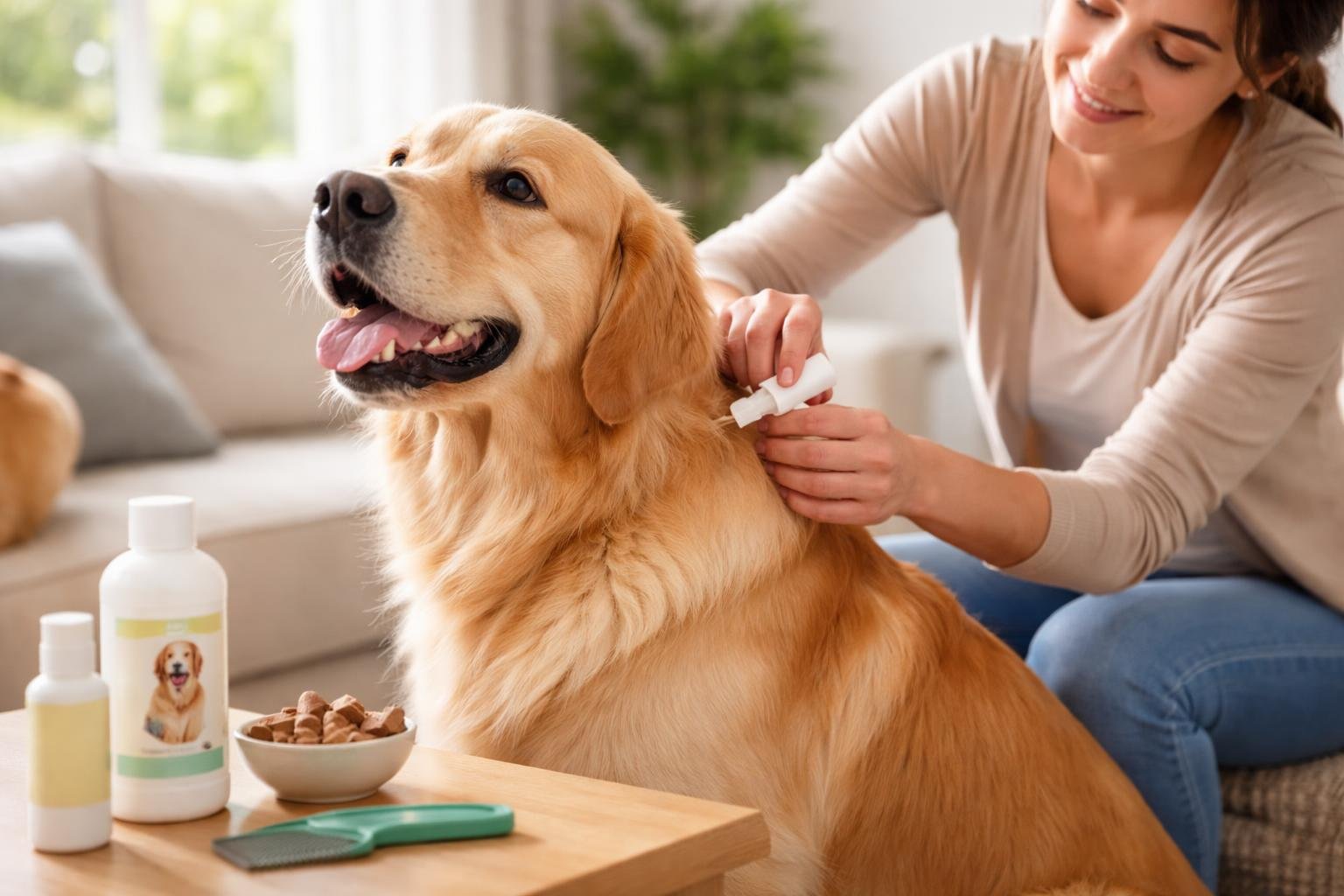
Removing fleas from a dog requires treating both the pet and the home environment, as fleas can quickly reinfest a dog if they remain in carpets, bedding, and furniture. This process involves using proven medications, maintaining a clean living space, and following prevention steps to stop future outbreaks. While it takes effort and patience, especially for severe cases, dog owners can eliminate fleas completely.
This guide covers everything needed to tackle a flea problem from start to finish. It explains how to identify fleas, what treatments work best, and how to keep these pests from coming back. The article also clears up common myths and helps readers know when professional veterinary help is necessary.
Understanding Flea Infestations
Fleas reproduce rapidly and can spread diseases to both dogs and humans. These tiny parasites go through multiple life stages, making them difficult to eliminate completely without understanding their full lifecycle.
Lifecycle of Fleas
Fleas develop through four distinct stages: egg, larva, pupa, and adult. Adult fleas jump onto dogs to feed on blood and lay up to 50 eggs per day. These eggs fall off the dog into carpets, bedding, and outdoor areas where the dog spends time.
The eggs hatch into larvae within 2-5 days. Larvae avoid light and burrow deep into carpet fibers, cracks in floors, and soil. They feed on organic debris and adult flea feces for 5-11 days before spinning cocoons.
Inside the cocoon, larvae transform into pupae. This pupal stage lasts anywhere from a few days to several months, depending on environmental conditions. The cocoon protects the developing flea from insecticides and cleaning products.
Adult fleas emerge from cocoons when they detect vibrations, heat, or carbon dioxide from a nearby host. They can survive weeks without food but immediately seek a dog or other animal to feed on once they emerge.
Common Signs of Fleas on Dogs
Dogs with fleas scratch and bite at their skin constantly, especially around the tail base, groin, and belly. Some dogs develop flea allergy dermatitis, which causes intense itching from even a single flea bite.
Visible signs include:
- Small, dark brown insects moving quickly through the fur
- “Flea dirt” (black specks of flea feces) on the skin
- Red, irritated skin or small bumps
- Hair loss from excessive scratching
- Restless behavior and discomfort
Pet owners can check for flea dirt by combing the dog over a white surface. When moistened, flea dirt turns reddish-brown because it contains digested blood.
Health Risks Associated with Fleas
Fleas transmit several diseases to dogs, including tapeworms, bartonellosis, and typhus. Dogs become infected with tapeworms by swallowing fleas during grooming. Young puppies or small dogs can develop anemia from severe flea infestations due to blood loss.
Flea allergy dermatitis affects many dogs and causes severe skin inflammation. This allergic reaction leads to hair loss, open sores, and secondary bacterial infections that require veterinary treatment.
Humans in the household also face health risks. Fleas can bite people and spread plague, cat scratch disease, and typhus. Children playing on infested carpets are particularly vulnerable to flea bites.
Immediate Steps to Remove Fleas From Dogs
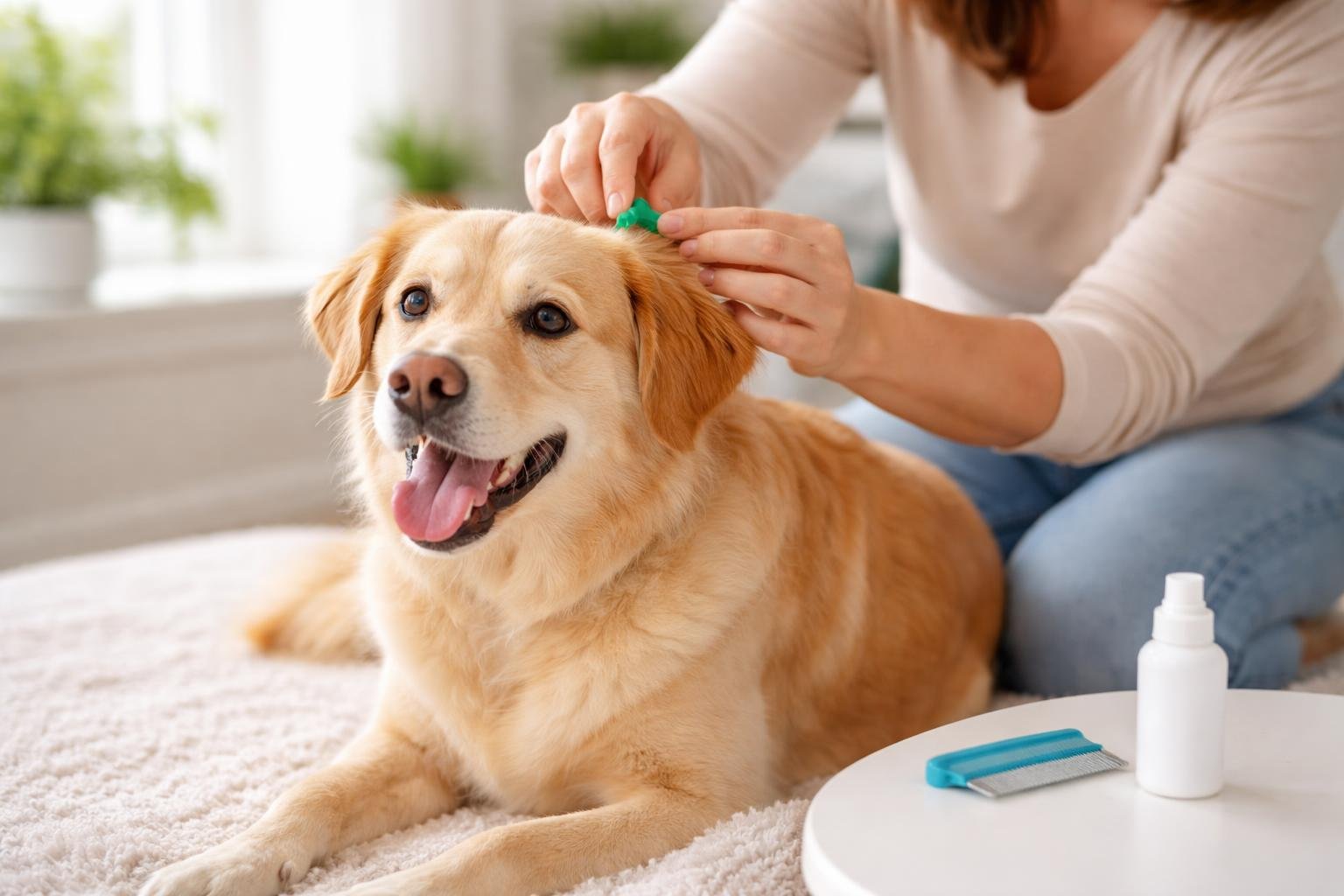
When fleas are discovered on a dog, quick action prevents the infestation from spreading throughout the home. A combination of bathing, combing, and isolation tackles the problem from multiple angles.
Bathing Your Dog with Flea Shampoo
Flea shampoo kills adult fleas on contact and provides immediate relief for dogs. The shampoo should contain active ingredients like pyrethrin or permethrin that target fleas specifically.
Start by wetting the dog’s coat completely with warm water. Apply the flea shampoo and work it into a thick lather, beginning at the neck to prevent fleas from escaping to the head. Leave the lather on for at least 5-10 minutes as indicated on the product label.
Pay special attention to areas where fleas gather most. These spots include behind the ears, under the legs, around the tail base, and on the belly. Rinse the dog thoroughly to remove all shampoo residue, as leftover product can irritate the skin.
Using a Flea Comb Effectively
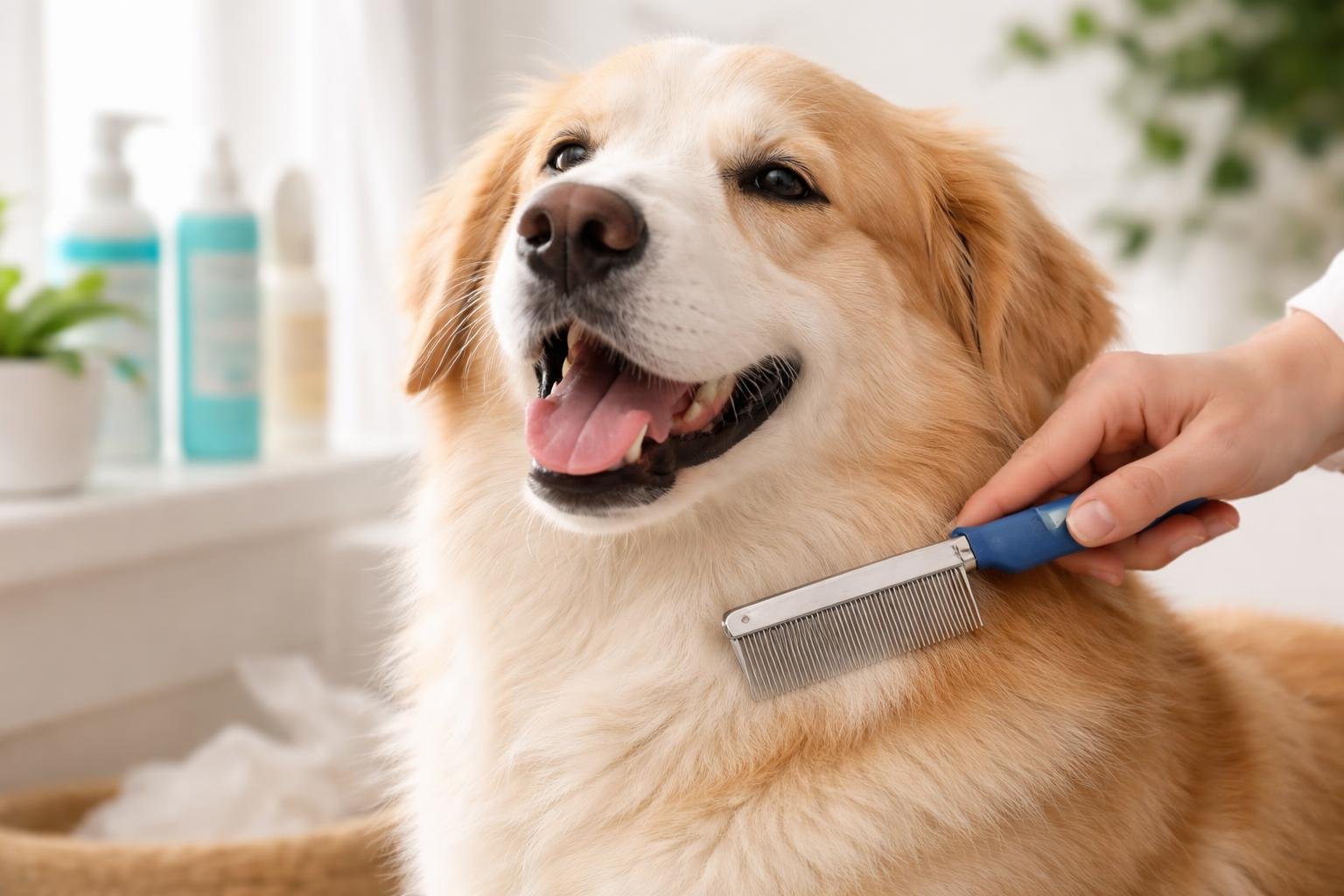
A flea comb has fine teeth spaced closely together to trap fleas and their eggs. This tool works best on damp fur immediately after bathing.
Comb through the dog’s coat slowly in the direction of hair growth. Start at the head and work toward the tail in overlapping strokes. After each pass, dip the comb in a bowl of hot, soapy water to kill any trapped fleas.
Focus on problem areas where fleas hide most often. Check the comb after every stroke for dark specks, which could be either fleas or flea dirt (digested blood). The process takes 10-15 minutes depending on the dog’s size and coat thickness.
Isolating Infected Pets
Dogs with fleas should be kept separate from other pets until treatment begins working. This prevents fleas from jumping to uninfected animals in the household.
Create a designated area with easy-to-clean surfaces like tile or hardwood floors. Avoid carpeted rooms where fleas can quickly establish new breeding grounds. Keep the infected dog’s bedding, toys, and food bowls separate from other pets’ belongings.
The isolation period typically lasts 24-48 hours after applying flea medication. During this time, wash all items the infected dog contacts in hot water above 130°F to kill remaining fleas and eggs.
Topical and Oral Flea Treatments
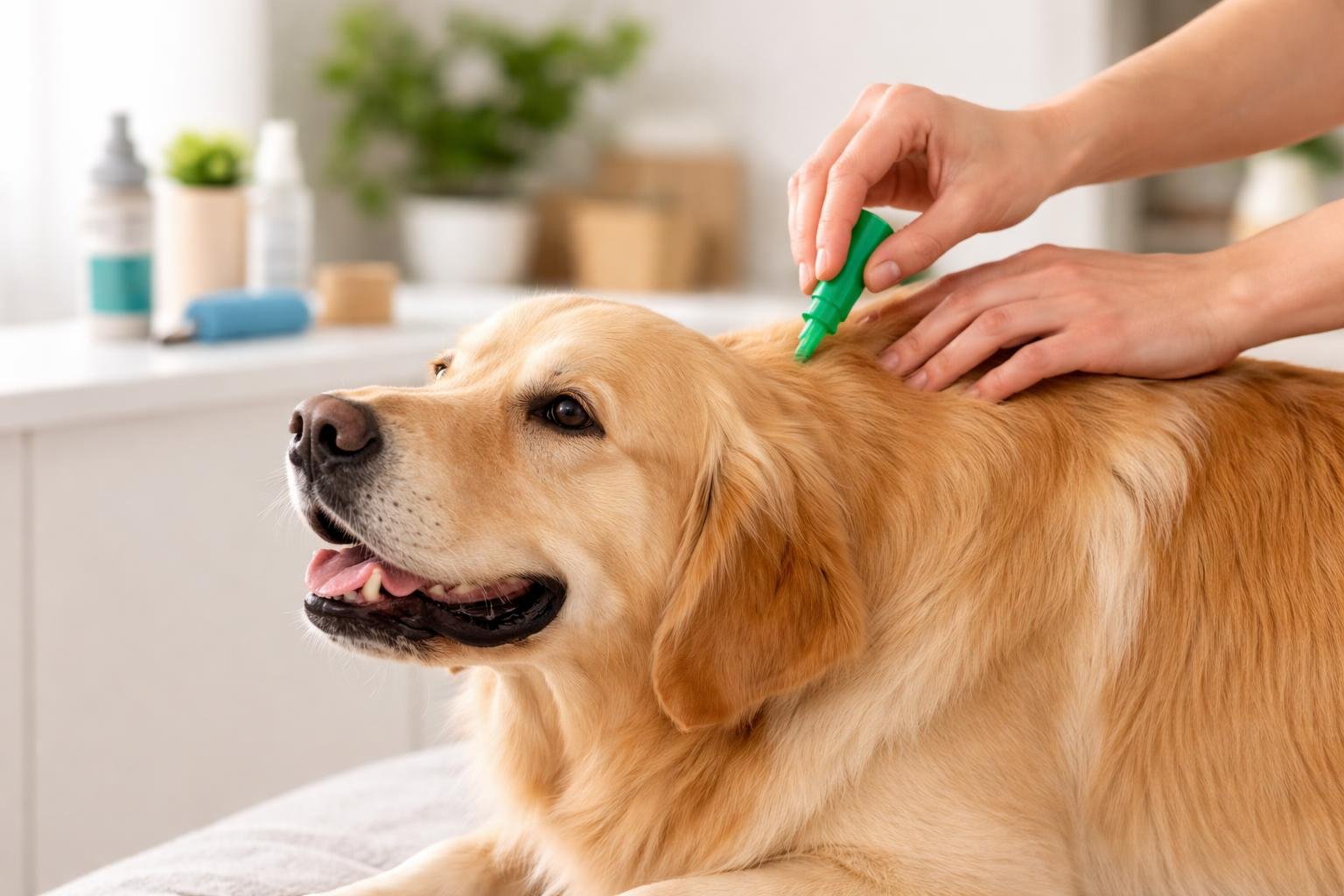
Flea treatments for dogs come in two main forms: topical solutions applied to the skin and oral medications given by mouth. Both types can effectively kill fleas, but they work differently and suit different dogs based on their health needs and lifestyle.
Prescription Flea Medications
Prescription flea medications require a visit to the veterinarian but offer the most reliable protection. These treatments are specifically formulated to kill fleas quickly and prevent new infestations for weeks or months at a time.
Topical prescription options include products like Revolution Plus and Advantage Multi. These solutions are applied directly to the dog’s skin, usually between the shoulder blades. They start working within hours and continue killing fleas for up to a month.
Oral prescription medications come as chewable tablets that dogs eat like treats. Some products work for an entire month, while others like Bravecto can protect dogs for up to 12 weeks. Dogs with a history of seizures should typically use topical products instead of oral ones, as some oral medications can increase seizure risk.
Veterinarians can recommend the safest option based on a dog’s medical history and specific needs.
Over-the-Counter Flea Treatments
Over-the-counter flea treatments are available at pet stores and online without a prescription. These products generally cost less than prescription options but may not be as effective for severe infestations.
Common OTC topical treatments include Frontline Plus and various spot-on solutions. Pet owners apply these products monthly to their dog’s skin. They kill adult fleas and often prevent flea eggs from developing.
Flea shampoos provide immediate relief by killing fleas during the bath. However, they only kill fleas present at the time of bathing and don’t offer long-term protection. Dogs need additional preventative treatment after using flea shampoo.
Flea collars like Seresto release medication continuously and can protect dogs for several months. The collar must stay on the dog at all times to remain effective.
Natural and Home Remedies for Fleas

Several natural solutions can help eliminate fleas from dogs without harsh chemicals. Homemade sprays and diatomaceous earth offer effective, budget-friendly alternatives to commercial treatments.
Homemade Flea Sprays
Apple cider vinegar creates an effective flea spray when mixed with equal parts water in a spray bottle. Pet owners can apply this solution to their dog’s coat, avoiding the eyes and any open wounds. The acidic nature of vinegar makes the dog’s skin less appealing to fleas.
Lemon-based sprays work as natural flea repellents. To make one, slice a whole lemon and add it to a pint of boiling water. Let the mixture steep overnight, then strain and pour into a spray bottle. This citrus solution can be sprayed on the dog’s coat or used as a final rinse after bathing.
Essential oil sprays require careful preparation. Mix a few drops of lavender or cedar oil with water and a small amount of dish soap. The soap helps the oil mix with water and breaks down the flea’s protective coating. Always dilute essential oils properly, as concentrated oils can irritate a dog’s skin.
Diatomaceous Earth Applications
Food-grade diatomaceous earth kills fleas by damaging their exoskeletons and causing dehydration. Pet owners should only use food-grade versions, never pool-grade products. The powder can be lightly dusted onto the dog’s coat, rubbed into carpets, and sprinkled in pet bedding areas.
Application requires wearing a mask to avoid inhaling the fine powder. Work the powder into the dog’s fur with gloved hands, focusing on areas where fleas gather like the neck, back, and tail base. Leave it on for 24-48 hours before bathing the dog.
For home treatment, sprinkle diatomaceous earth on carpets, furniture, and cracks in floors. Let it sit for at least 12 hours before vacuuming thoroughly. Repeat applications every few days for two to three weeks to break the flea life cycle.
Cleaning and Treating Your Home Environment
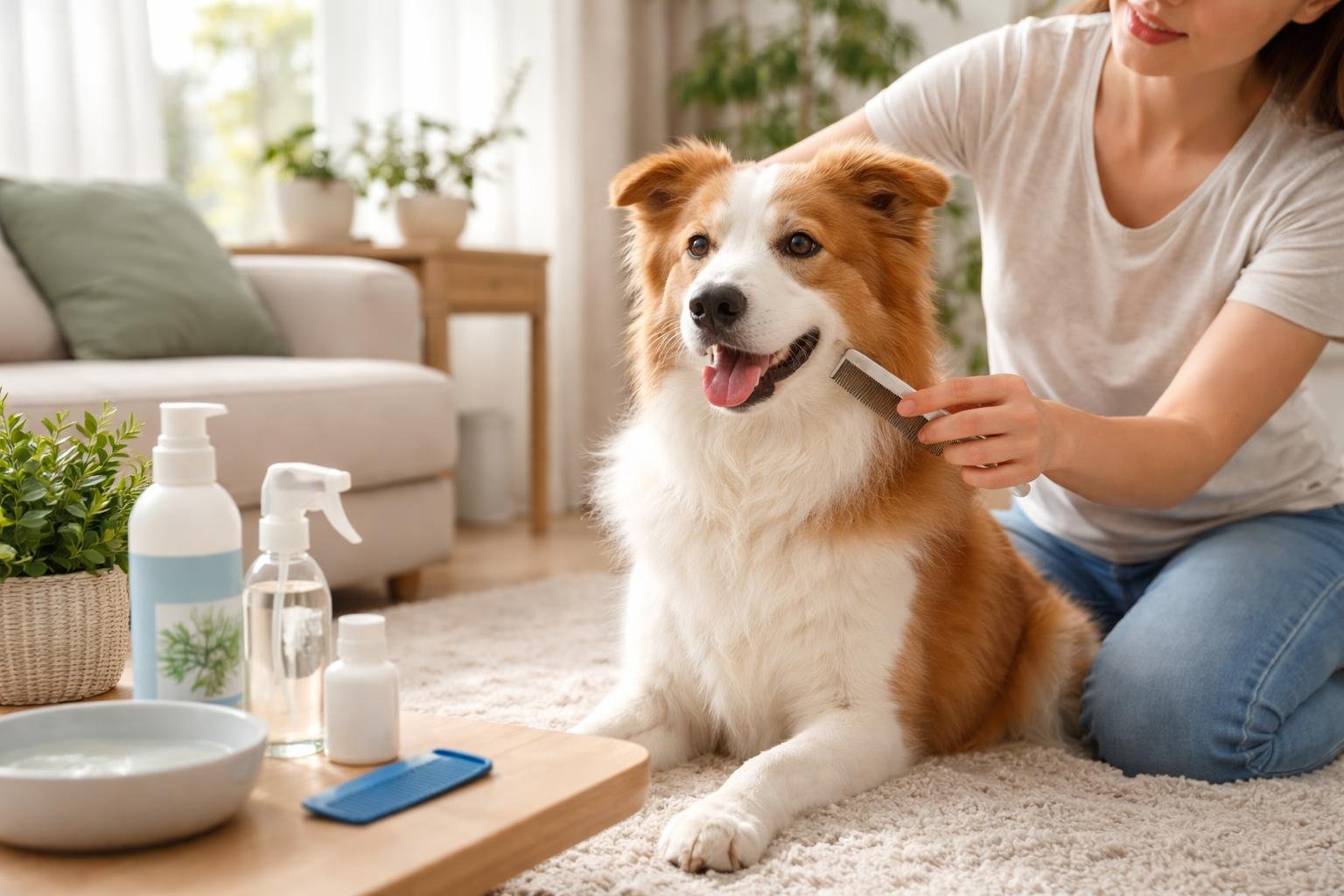
Treating a dog for fleas won’t solve the problem if fleas are living in carpets, furniture, and bedding. A thorough approach to cleaning and treating indoor spaces breaks the flea life cycle and prevents reinfestation.
Vacuuming and Washing Bedding
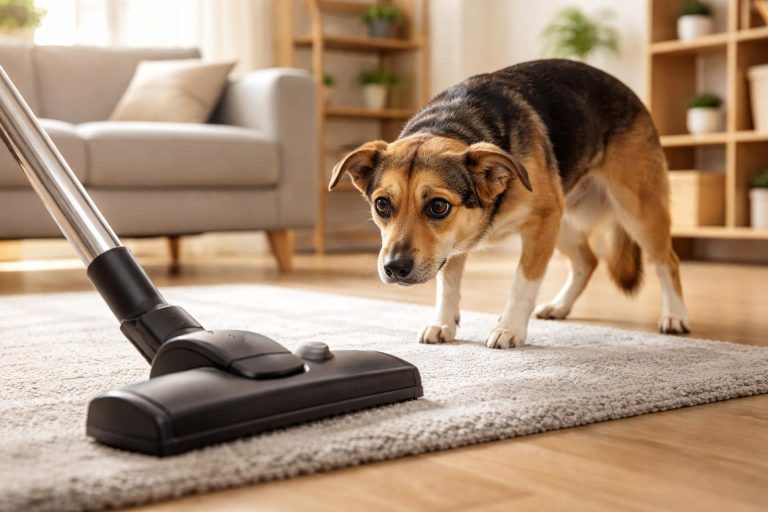
Daily vacuuming is the most effective way to remove flea eggs, larvae, and adults from floors and furniture. Pet owners should focus on areas where their dog spends the most time, including under furniture, along baseboards, and in corners where flea eggs tend to collect.
The vacuum bag or canister needs to be emptied immediately after each use. Fleas can continue to develop inside the vacuum, so disposing of the contents in an outdoor trash bin prevents them from escaping back into the home.
All bedding requires washing in hot water at least once per week during an infestation. This includes the dog’s bed, blankets, and any human bedding the pet has contact with. Hot water kills fleas at all life stages. Items that cannot be washed should be placed in a hot dryer for 30 minutes or sealed in plastic bags for two weeks.
Spraying Flea Treatments Indoors
Indoor flea sprays and powders treat areas that vacuuming alone cannot address. These products should target carpets, upholstered furniture, and pet bedding areas where flea eggs and larvae hide.
Diatomaceous earth is a safe powder option that works by damaging the outer shell of fleas and causing dehydration. Pet owners should apply a thin layer to carpets and let it sit for several hours before vacuuming. Products containing insect growth regulators stop flea eggs and larvae from developing into adults.
Before applying any treatment, pets and people should leave the area. Most products require several hours of drying time before the space is safe to reenter. Treatment should happen on the same day as treating the dog to keep all flea control efforts on the same timeline.
Flea Prevention Strategies
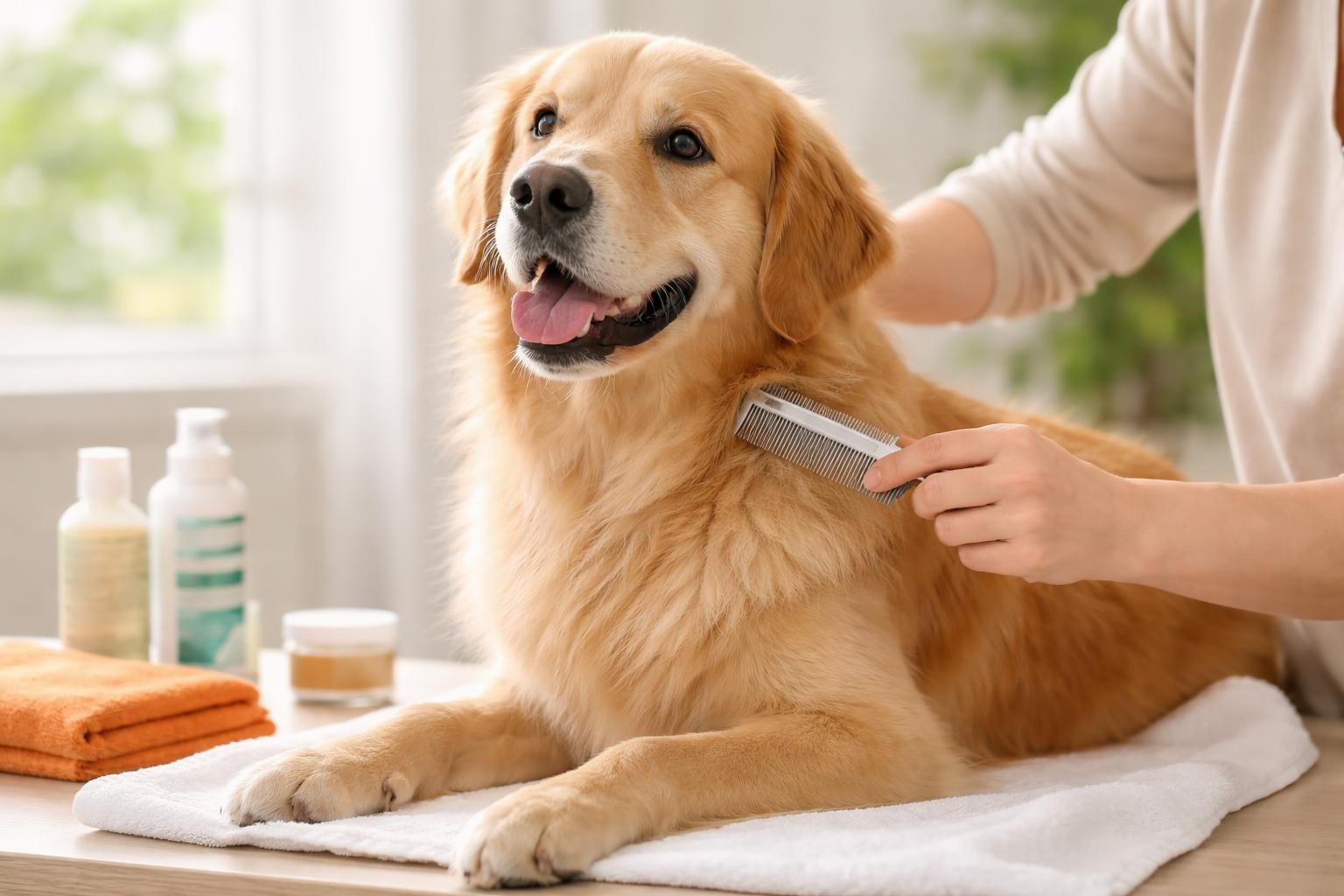
Preventing fleas is easier and more effective than treating an active infestation. Year-round preventative medications, consistent grooming habits, and outdoor environmental control work together to keep dogs flea-free.
Routine Preventative Medications
Veterinarians recommend using flea preventatives throughout the entire year, not just during warm months. Fleas can survive indoors during winter and quickly multiply when conditions improve.
Common types of flea preventatives include:
- Oral medications – Monthly tablets that kill fleas through the dog’s bloodstream
- Topical treatments – Liquid applications placed between the shoulder blades
- Flea collars – Long-lasting collars that repel and kill fleas for several months
Pet owners should consult their veterinarian to select the safest and most effective option for their dog’s age, weight, and health condition. All pets in the household need treatment since fleas travel easily between animals. Missing even one month of prevention can allow fleas to establish a new population.
Regular Grooming Practices
Bathing and brushing dogs regularly helps detect fleas early and removes them before they reproduce. Pet owners should check their dogs for fleas at least once per week, paying close attention to the belly, tail base, and neck areas.
A flea comb with fine teeth catches adult fleas and flea dirt during grooming sessions. Dogs should be bathed with appropriate flea shampoo when infestations occur, though this only kills fleas present at that moment.
Limiting time outdoors and avoiding contact with stray or wild animals reduces flea exposure. Dogs that spend less time in wooded areas or tall grass encounter fewer fleas.
Yard and Outdoor Control Measures
Treating outdoor spaces prevents fleas from jumping onto dogs during walks or playtime. Yards should be kept mowed short since fleas prefer tall grass and shaded, humid areas.
Pet owners can apply yard sprays or granular treatments to kill flea larvae and eggs in the environment. Focus treatment on areas where dogs spend the most time, such as under decks, around doghouses, and along fence lines. Wild animals carry fleas into yards, so removing food sources and hiding spots discourages their visits.
When to Consult a Veterinarian
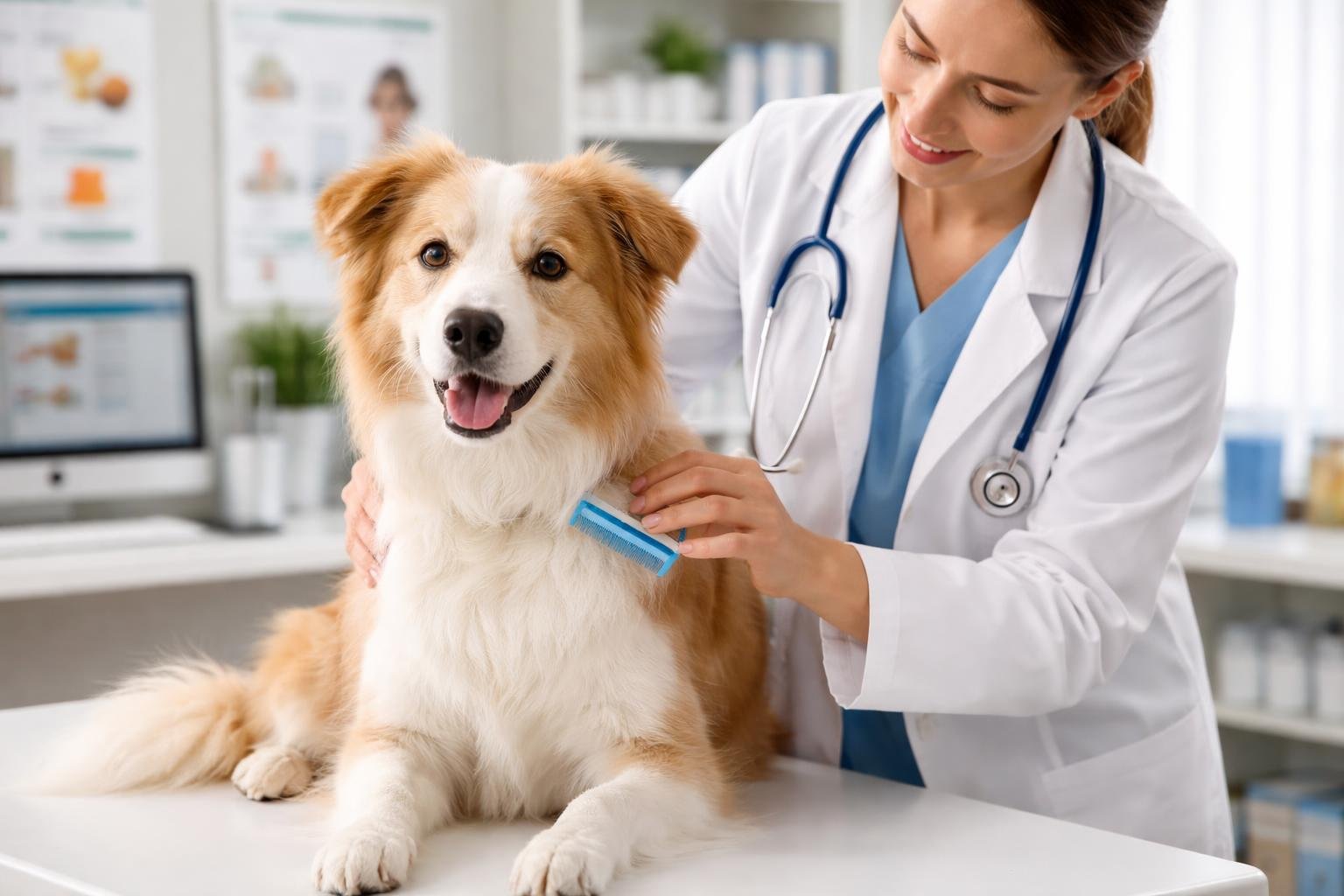
Some flea situations require professional medical help beyond basic home treatments. A veterinarian can provide prescription medications and address complications that over-the-counter products cannot fix.
Persistent Flea Problems
Dog owners should call a veterinarian if fleas continue to appear after 2-3 weeks of consistent treatment. This persistence often means the chosen treatment isn’t working or the flea life cycle isn’t being properly interrupted. A vet can prescribe stronger medications that kill fleas faster and more effectively than store-bought options.
Some dogs need prescription oral medications or topical treatments that work differently from standard products. The veterinarian will examine the dog to determine if resistance to common treatments has developed. They can also create a customized treatment plan based on the dog’s age, weight, and health status.
If multiple pets in the home have fleas, professional guidance helps coordinate treatment across all animals safely. Certain flea products safe for dogs can be toxic to cats or other household pets.
Managing Flea Allergies and Secondary Infections
Dogs with flea allergy dermatitis need veterinary care because they react severely to even a single flea bite. These dogs develop intense itching, hair loss, and inflamed skin that worsens quickly. The veterinarian can prescribe anti-itch medications and steroids to reduce the allergic response.
Secondary skin infections often develop when dogs scratch and bite at flea bites constantly. Signs include:
- Red, oozing sores or scabs
- Bad smell from the skin
- Crusty patches or hair loss
- Hot spots (warm, moist, painful areas)
These infections require antibiotics or antifungal medications that only a veterinarian can prescribe. Untreated infections can spread and cause serious health problems. The vet will also check for other flea-related diseases like tapeworms or anemia from blood loss.
Myths and Misconceptions About Flea Control
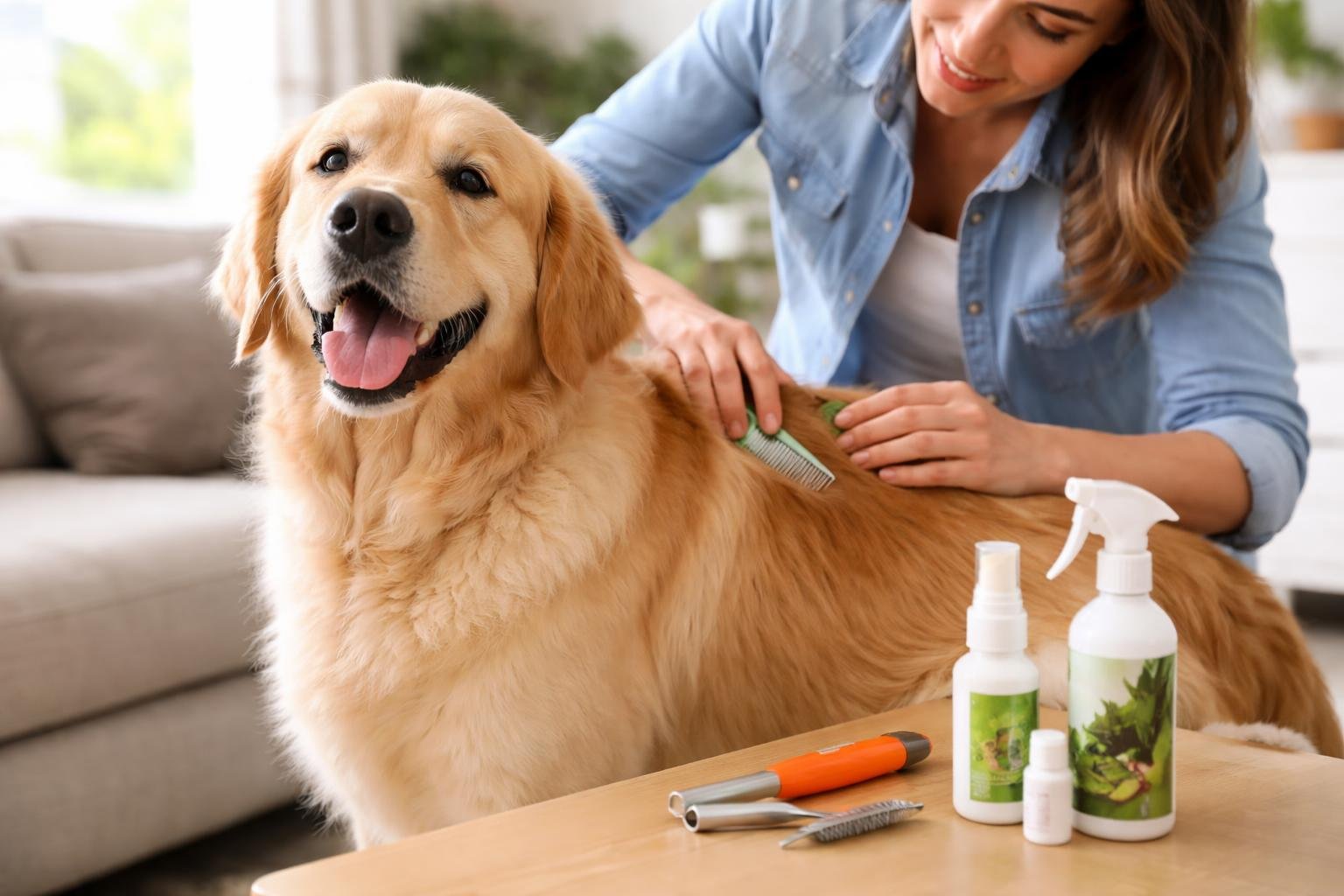
Many dog owners believe incorrect information about fleas that can make infestations worse. Understanding what’s true helps protect pets more effectively.
Indoor dogs don’t get fleas. This is false. Fleas can enter homes on clothing, shoes, or through open doors and windows. Indoor dogs are not automatically safe from these pests.
If you can’t see fleas, they’re gone. Many pet owners make this mistake. Fleas spend most of their life cycle off the pet as eggs, larvae, and pupae in carpets and furniture. Adult fleas on the dog represent only a small fraction of the total infestation.
Treatment can stop once fleas disappear. Stopping flea prevention after the visible fleas are gone is one of the biggest errors dog owners make. Pets need continuous protection because flea eggs can hatch for months after treatment begins. Dogs that receive inconsistent treatment may also develop sensitivity to flea bites.
All flea products work the same way. Different flea treatments target different life stages and work at different speeds. Some kill adult fleas quickly while others prevent eggs from developing. No single product addresses every aspect of flea control.
Flea removal takes just a few days. Getting rid of fleas requires patience. Moderate to severe infestations can take months to eliminate completely because of the flea’s long life cycle. Success requires treating both the pet and the environment consistently over time.
Long-Term Flea Management Tips
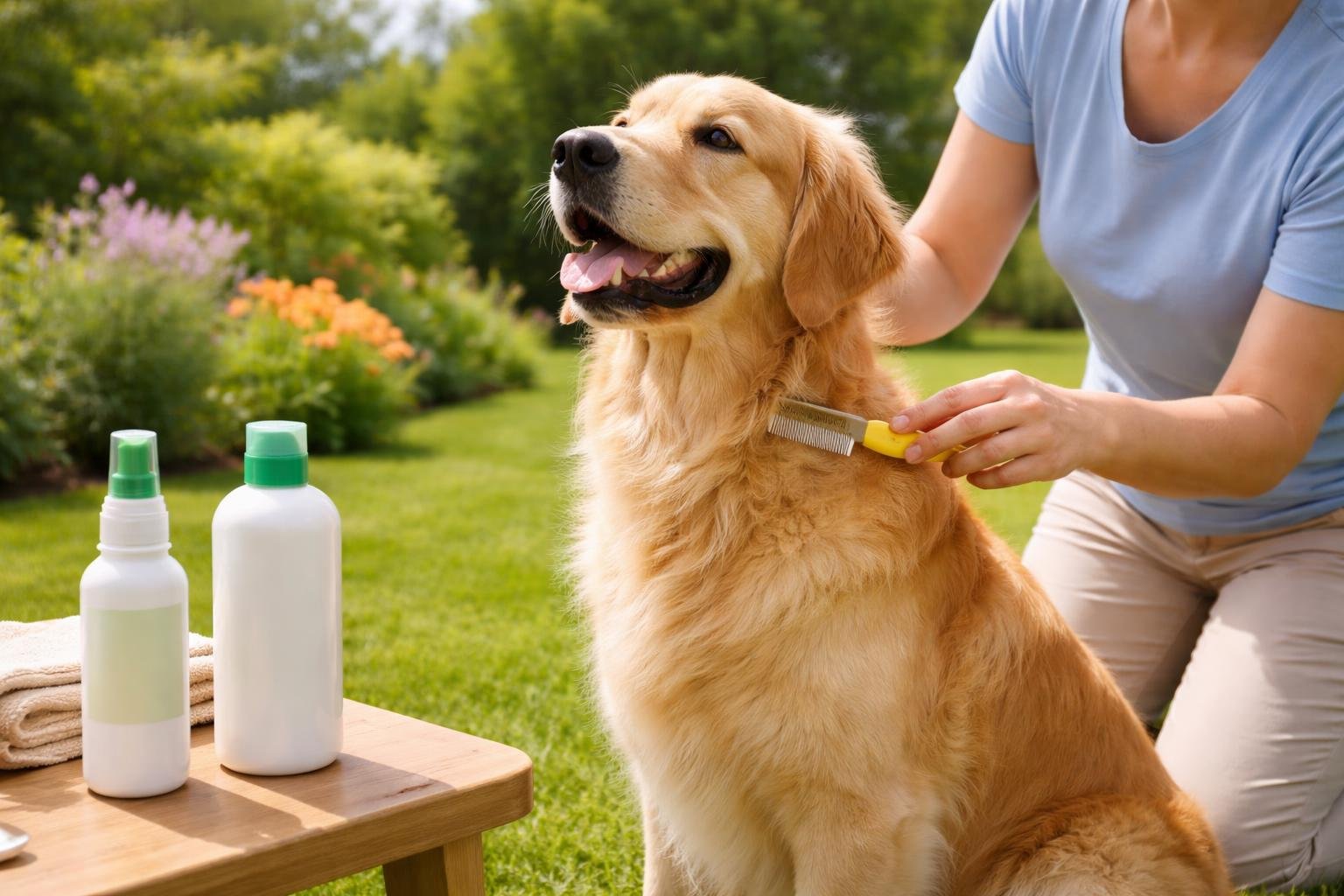
Keeping fleas away requires ongoing effort beyond the initial treatment. Pet owners need to create a consistent prevention plan to stop fleas from coming back.
Regular Preventive Medications
Dogs should receive flea prevention medication year-round. Monthly treatments or longer-lasting options work by killing fleas before they can reproduce. A veterinarian can recommend the best product based on the dog’s size, age, and health.
Home Maintenance Schedule
Vacuuming every day removes flea eggs, larvae, and adults from carpets and furniture. Pet bedding should be washed in hot water at least once per week. These simple tasks break the flea lifecycle and prevent new infestations.
Yard and Outdoor Care
Fleas live in shaded, moist areas of yards where pets spend time. Keeping grass trimmed short and removing leaf piles reduces flea habitats. Treating outdoor areas where dogs rest can prevent fleas from jumping onto pets during playtime.
Routine Veterinary Checks
Regular vet visits help catch flea problems early. A veterinarian can spot signs of fleas during routine exams and adjust prevention plans if needed. They can also check for flea-related health issues like skin infections or tapeworms.
Monitoring Multiple Pets
All pets in a household need flea prevention, even indoor cats. Fleas move easily between animals, so treating only one pet allows the infestation to continue. Each pet requires its own appropriate flea treatment based on species and weight.
Frequently Asked Questions
Flea treatments range from prescription medications to natural remedies, and dog owners often need specific answers about what works best for their situation. The right approach depends on the severity of the infestation, the dog’s health, and the resources available.
What is the most effective flea treatment for dogs?
Prescription flea medications from veterinarians are the most effective treatment option. Products like Frontline, Vectra, and Revolution work on a monthly basis to kill both adult fleas and flea eggs. These spot-on treatments are applied directly to the dog’s skin and provide long-lasting protection.
Oral flea medications are another highly effective option. These prescription pills work quickly to kill fleas within hours of administration. Many veterinarians recommend combining topical treatments with environmental cleaning for the best results.
How can I remove fleas from my dog without giving a bath?
A flea comb provides a simple way to remove fleas without bathing. The fine-toothed comb traps fleas and their eggs as it passes through the dog’s fur. Dip the comb in soapy water between strokes to kill the fleas caught in the teeth.
Spot-on flea treatments can be applied directly to the skin without bathing. These products spread across the dog’s body through the skin’s natural oils. Most topical treatments require the dog to stay dry for 24-48 hours after application.
Which natural remedies are safe and effective for killing fleas on dogs?
Diatomaceous earth (food-grade only) can be sprinkled on the dog’s fur and bedding. This powder damages the flea’s outer coating and causes dehydration. Pet owners must use food-grade diatomaceous earth, as other types can harm dogs.
Apple cider vinegar mixed with water can be sprayed on the dog’s coat as a flea repellent. The acidic smell helps keep fleas away but does not kill existing fleas. Natural remedies work better for prevention than for treating active infestations.
Essential oils should be used with extreme caution around dogs. Many oils that repel fleas can be toxic to pets. Owners should consult a veterinarian before using any essential oil products on their dogs.
What can kill fleas on a dog quickly, and what is safe to use?
Prescription oral medications kill fleas within a few hours of administration. Products like Capstar begin working within 30 minutes and continue killing fleas for 24 hours. These fast-acting pills are safe when given according to veterinary instructions.
A bath with veterinary-approved flea shampoo kills fleas on contact. The shampoo must remain on the dog’s coat for 5-10 minutes to be effective. This method only kills the fleas present at bath time and does not provide ongoing protection.
How can I get rid of fleas on my dog at home using common household items?
Dawn dish soap works as an emergency flea bath treatment. The soap suffocates fleas when worked into a lather on the dog’s coat. This method requires thorough rinsing to prevent skin irritation.
Regular vacuuming of carpets, pet beds, and furniture removes flea eggs and larvae. The vacuum bag should be emptied immediately into an outdoor trash can. Washing the dog’s bedding in hot water kills all life stages of fleas.
Salt can be sprinkled on carpets and left for 24 hours before vacuuming. The salt dehydrates flea eggs and larvae in the carpet fibers. This treatment must be repeated weekly for several weeks to break the flea life cycle.
What should I do if my dog still has fleas after multiple treatments?
Contact a veterinarian to ensure the correct product and dosage are being used. Some flea products do not kill flea eggs, which means new fleas will continue to hatch. The treatment plan may need to include products that target multiple life stages of fleas.
Treat all pets in the household at the same time. Fleas can jump from one animal to another, causing continuous re-infestation. Every dog and cat needs appropriate flea treatment, even if they do not show signs of fleas.
Clean the entire home environment thoroughly and repeatedly. Fleas spend most of their life cycle off the dog in carpets, furniture, and bedding. Vacuum daily and wash all pet bedding weekly until the infestation is completely eliminated.