7 Signs a Dog Is Dying and What To Do: A Compassionate Guide for Pet Owners
Knowing when a beloved dog is nearing the end of life is one of the hardest things a pet owner will face. Dogs cannot tell us when they are suffering or when their body is shutting down. Learning to recognize the warning signs helps owners make informed choices about their pet’s care and comfort.
The most common signs that a dog is dying include labored breathing, loss of appetite, extreme weakness, incontinence, withdrawal from family members, confusion, and an inability to stand or move normally. These symptoms can appear gradually over weeks or suddenly within days. Some signs overlap with normal aging or treatable illness, which makes it important to understand the difference.
This guide covers the physical and behavioral changes that occur at the end of life. It explains how to assess quality of life, when to consider euthanasia, and how to keep a dog comfortable during their final days. Understanding these signs allows pet owners to focus on providing love and dignity when their dog needs it most.
Recognizing the Most Common Signs of Dying in Dogs
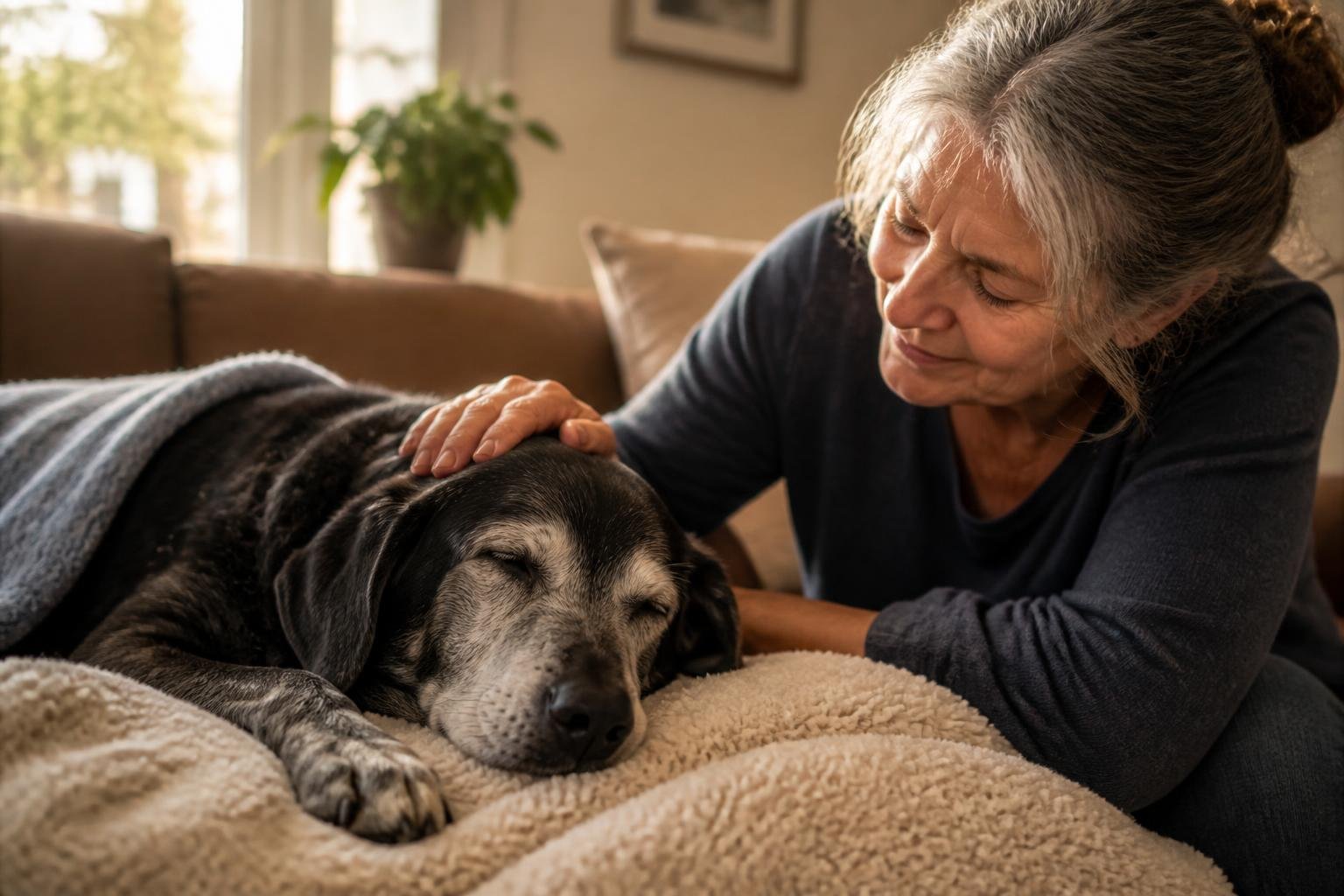
When a dog approaches the end of life, their body begins to shut down in specific ways. These changes typically involve basic body functions like eating, breathing, moving, and controlling bodily waste.
Changes in Appetite and Thirst
Dogs near the end of life usually stop eating and drinking. This happens because their organs are slowing down and they no longer have the energy to digest food properly.
A dog may refuse their favorite treats or completely ignore their food bowl. Some dogs might sniff their food but walk away without eating. Others stop drinking water entirely.
This loss of appetite is different from a dog being picky about food. A dying dog shows no interest in any food, even special treats they normally love. Their body simply doesn’t want or need nutrition anymore.
Pet parents should not force food or water on a dog showing these signs. The refusal to eat is a natural part of the dying process.
Difficulty Breathing and Respiratory Changes
Labored breathing is one of the most common signs a dog is dying. The dog may breathe faster than normal or take slow, shallow breaths. Some dogs gasp for air or breathe with their mouth open constantly.
Owners might notice their dog’s chest moving more than usual with each breath. The breathing may sound wet or raspy. Some dogs pause between breaths for several seconds.
These respiratory changes happen because the heart and lungs are failing. The body struggles to get enough oxygen. This can be distressing to watch, but it indicates the body is shutting down.
Dogs with breathing problems may sit up instead of lying down. They do this because it’s easier to breathe in an upright position.
Loss of Mobility and Coordination
A dying dog often cannot stand or walk properly. Their legs may shake or give out when they try to move. Some dogs can only lift their head slightly or not at all.
Common mobility signs include:
- Inability to stand without help
- Stumbling or falling when walking
- Lying in one spot for hours or days
- No reaction when called or touched
- Extreme weakness in all limbs
Dogs may also seem confused about where they are. They might not recognize familiar places or people. This happens as the brain receives less oxygen and begins to fail.
Some dogs remain on their bed and stop trying to move. Others lie in odd positions or strange locations around the house.
Physical Signs Such as Incontinence and Weight Loss
Dogs lose control of their bowels and bladder as they die. They may urinate or defecate where they lie without trying to get up. This happens because the muscles that control these functions stop working.
Weight loss is another clear sign. A dying dog’s body appears thin and bony. Their ribs, spine, and hip bones become visible under the skin. The face may look sunken.
Other physical changes include:
- Cold paws and ears
- Pale or gray gums
- Slow or absent heartbeat
- Body temperature dropping below normal
- Lack of response to touch or sound
The dog’s eyes may appear glazed or unfocused. Some dogs stop blinking normally. Their skin loses elasticity and appears loose or dull.
Behavioral and Emotional Changes Before Passing
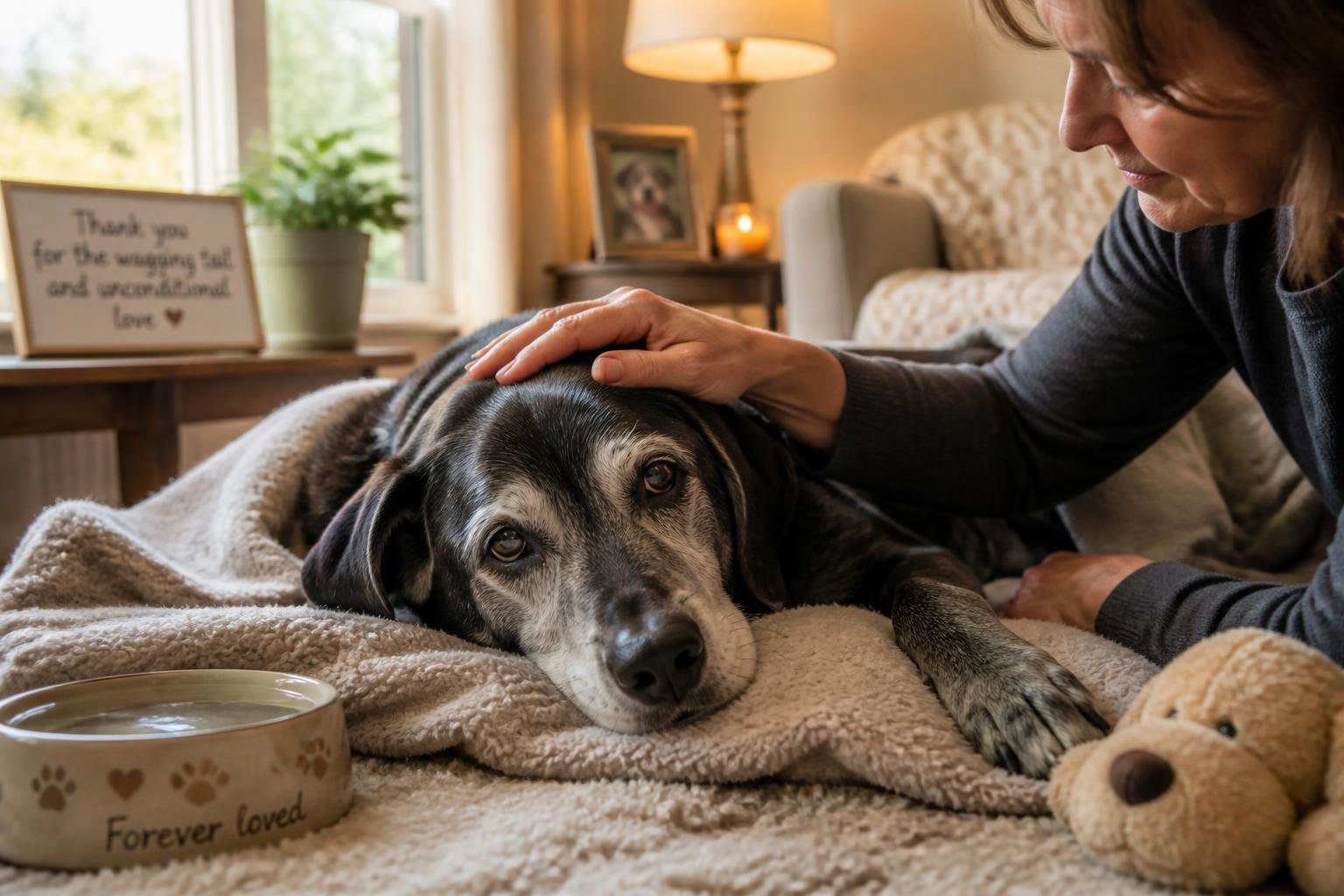
Dogs often show clear shifts in their emotional state and behavior as their body begins to fail. These changes can include withdrawal from family members, unusual neediness, loss of enthusiasm for once-loved activities, and periods of restlessness that seem out of character.
Dog Depression and Withdrawal
Dog depression becomes noticeable when a pet stops engaging with their family and surroundings. A dying dog may move away from common areas and choose to lie in quiet, isolated spots like closets or under furniture. They often stop greeting family members at the door or responding to their name being called.
Eye contact may decrease as the dog turns their head away or keeps their eyes closed more often. The dog might also stop wagging their tail or showing other signs of happiness when approached. This withdrawal happens because the dog’s body is conserving energy and they may feel vulnerable or unwell.
Some dogs simply prefer to be alone during this time. This behavior is natural and should be respected while still checking on the pet regularly.
Increased Clinginess or Seeking Solitude
Some dogs show the opposite behavior and become extremely attached to their owners. These dogs may follow their person from room to room, even when they can barely walk. They might press their body against their owner’s leg or rest their head on their lap more than usual.
This clinginess often means the dog feels anxious or scared about what is happening to them. They seek comfort from the people they trust most. Other dogs alternate between wanting company and wanting to be alone, which can seem confusing to owners.
Neither response is wrong. The dog is simply coping with their declining health in their own way. Owners should follow their dog’s lead and provide comfort when wanted while giving space when needed.
Loss of Interest in Activities
One of the clearest signs your dog is dying is when they stop caring about things that once excited them. A dog who loved walks may refuse to go to the door when the leash comes out. Favorite toys may sit untouched for days.
Dogs who always begged for treats might turn their head away when offered food they previously loved. Meal times that once caused excitement now pass without interest. The dog may also ignore other pets in the home or stop responding to invitations to play.
This change happens because the dog’s body is shutting down. They lack the energy and physical comfort needed to enjoy normal activities. Pain or nausea can make even simple pleasures feel impossible.
Unusual Episodes of Restlessness or Agitation
Dying dogs sometimes experience periods where they cannot settle or get comfortable. They may pace slowly around the house, even when walking seems difficult. The dog might stand up and lie down repeatedly, unable to find a position that feels right.
Some dogs pant heavily during these episodes or whine without an obvious cause. They may stare at walls or into corners as if confused about where they are. Nighttime restlessness is particularly common, with dogs waking frequently or wandering during hours they normally sleep.
This agitation often stems from pain, difficulty breathing, or organ systems failing. The dog’s brain may also be affected by toxins their kidneys or liver can no longer filter properly. These episodes can be distressing for both the dog and their family to experience.
Assessing Your Dog’s Quality of Life
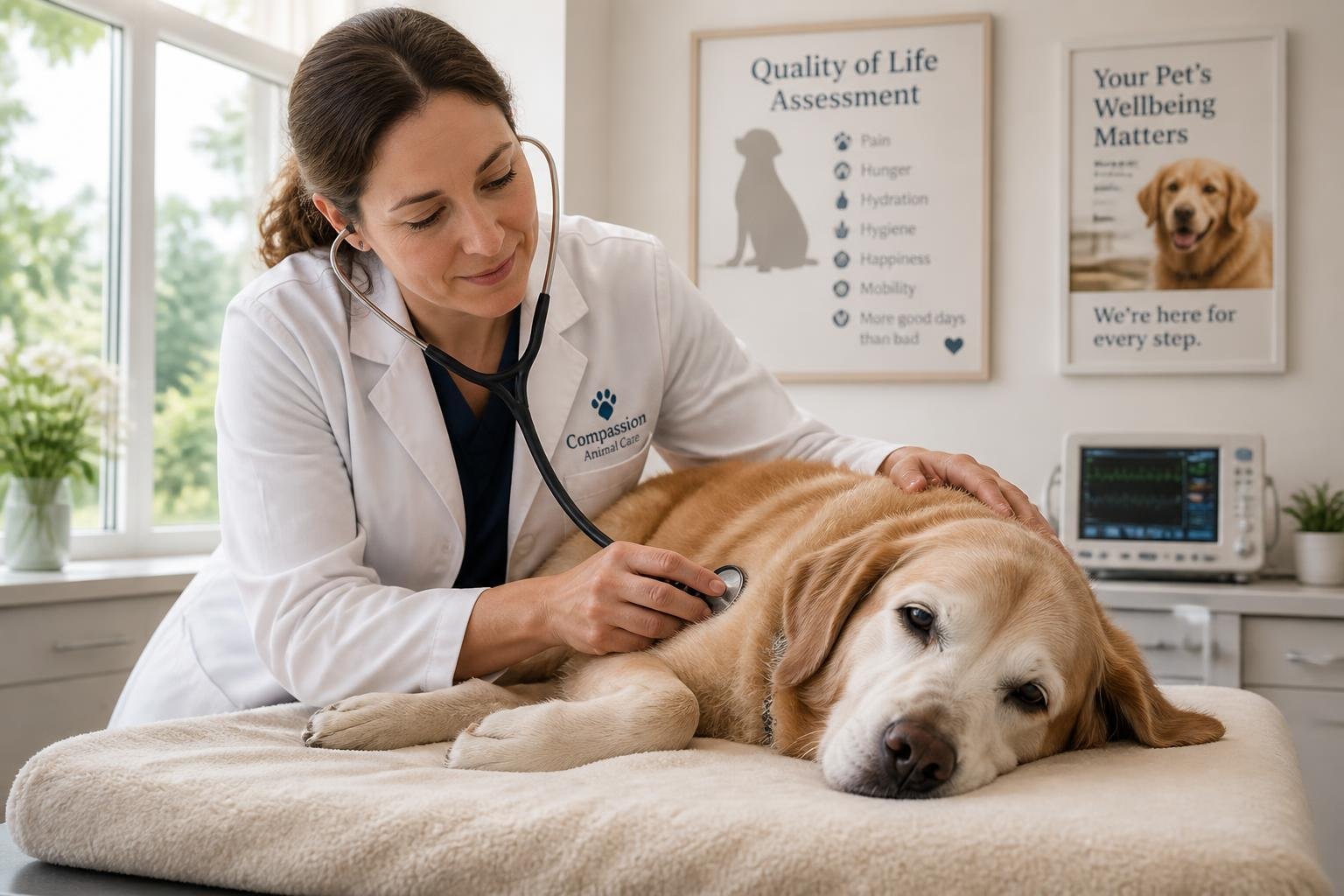
A structured approach helps pet owners determine when their dog’s suffering outweighs their comfort. Using a scoring system, tracking daily patterns, and working with a vet provides clarity during this difficult time.
The Quality of Life Scale
The quality of life scale measures specific areas of a dog’s daily life to determine their overall well-being. This scoring system typically evaluates seven categories on a scale of 1 to 10, with higher numbers indicating better quality of life.
Pet owners should assess the following areas:
- Appetite and hydration – Can the dog eat and drink independently or with assistance?
- Hygiene – Is the dog able to keep clean or avoid lying in waste?
- Mobility – Can the dog stand, walk, or move to necessary locations?
- Comfort level – Is pain controlled with medication or comfort care?
- Happiness – Does the dog show interest in surroundings or family members?
- Breathing – Is breathing easy and unlabored?
- More good days than bad – Do comfortable days outnumber difficult ones?
A total score below 35 out of 70 often indicates poor quality of life. Pet owners should score their dog regularly to track changes over time.
Good Days Versus Bad Days
Tracking daily patterns reveals whether a dog’s condition is stable or declining. A good day includes normal eating, drinking, some social interaction, and manageable discomfort. A bad day involves refusing food and water, severe pain, difficulty breathing, or complete withdrawal from family.
Pet owners should keep a simple calendar marking each day as good, neutral, or bad. When bad days begin to outnumber good days, it signals declining quality of life. This tracking method removes emotion from the assessment and provides concrete data.
The shift happens gradually in most cases. A dog might have mostly good days with occasional bad days, then equal amounts of both, before bad days dominate.
Consulting With Your Veterinarian
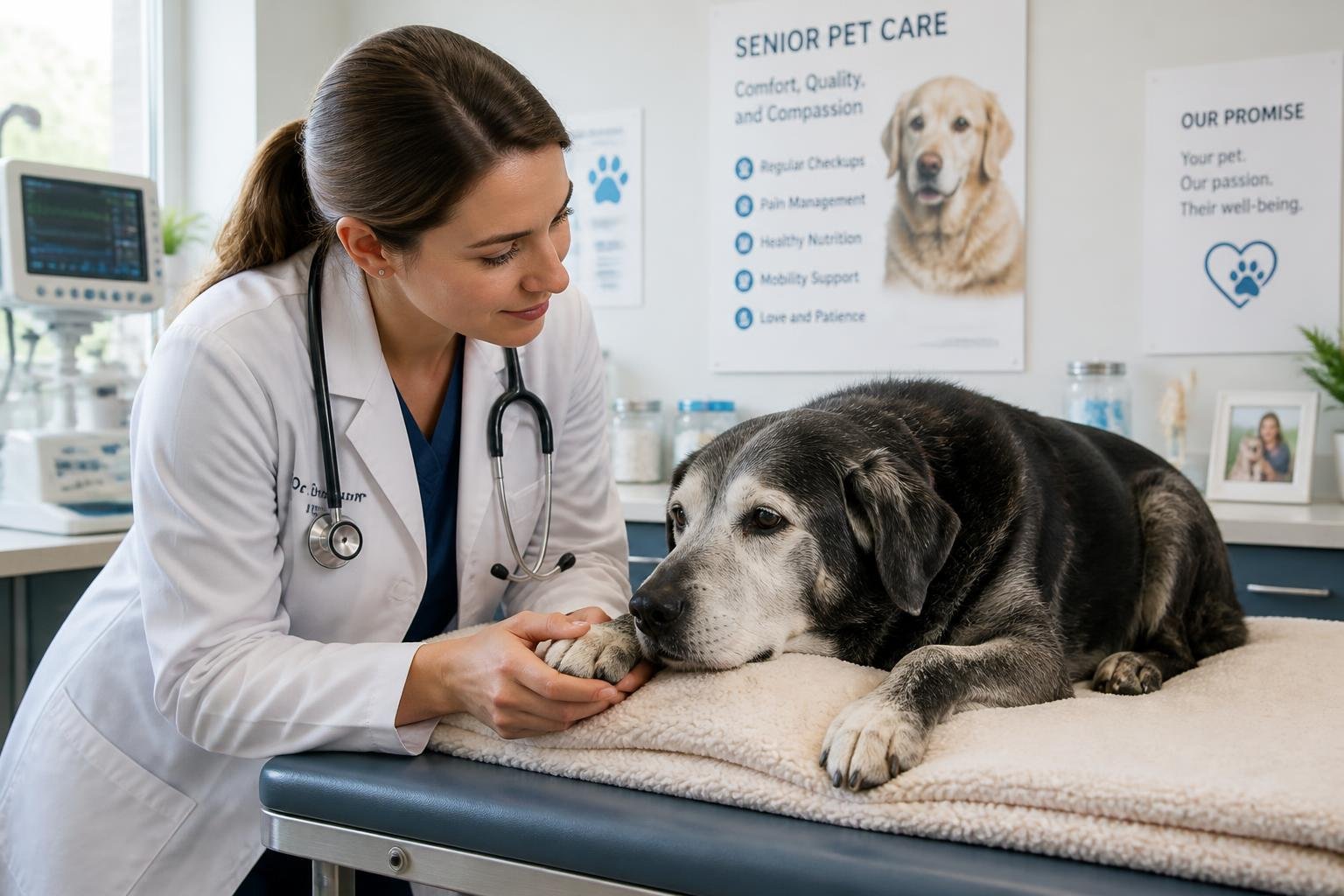
A veterinarian evaluates whether symptoms are treatable, manageable, or part of end-of-life decline. They examine the dog’s medical history, current condition, and response to treatments. The vet can determine if pain medication, dietary changes, or other interventions might improve comfort.
Vets use quality-of-life scoring during consultations to guide discussions about euthanasia. They help owners understand which signs indicate suffering versus normal aging. Pet owners should bring their daily tracking records and specific observations to these appointments.
The vet answers questions about what to expect in coming days or weeks. They explain options for home care, hospice services, or humane euthanasia. This professional guidance helps owners make informed decisions based on their dog’s specific situation rather than fear or uncertainty.
Distinguishing End-of-Life Signs From Aging or Illness
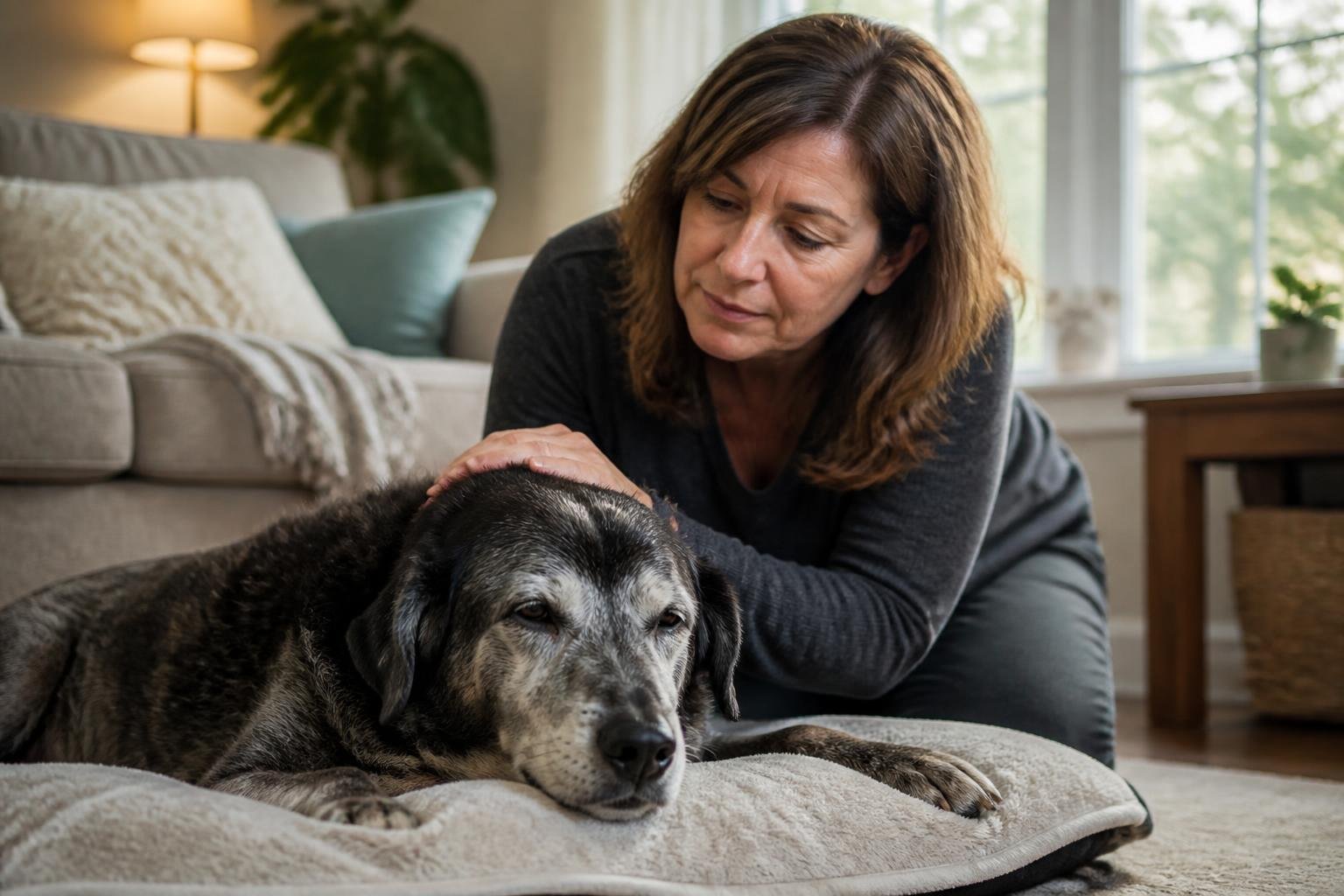
Older dogs naturally slow down and develop health issues, but these changes don’t always mean death is near. Understanding the difference between normal aging, treatable illness, and actual dying helps owners make informed decisions about their pet’s care.
Normal Aging Versus Terminal Decline
Aging dogs commonly sleep more, move slower, and show gray fur around their face. These changes happen gradually over months or years. They may have stiff joints or need more bathroom breaks, but they still enjoy meals and interact with family members.
Terminal decline looks different. Dogs nearing death lose interest in food and water completely, not just becoming picky eaters. Their energy drops suddenly rather than slowly. They may stop responding to their name or favorite treats.
Normal aging signs include:
- Gradual decrease in activity
- Mild joint stiffness that improves with medication
- Occasional accidents but still trying to reach their bathroom spot
- Reduced appetite but still eating regularly
Terminal signs include:
- Sudden weakness or collapse
- Complete refusal of food and water for days
- No interest in surroundings or family
- Labored breathing even while resting
When to Seek Immediate Veterinary Attention
Contact a veterinarian right away if a dog cannot stand or walk without falling. Difficulty breathing, blue or white gums, or repeated vomiting also require emergency care. These symptoms could indicate treatable conditions rather than natural death.
Seizures, extreme pain responses, or bleeding need immediate medical attention. A veterinarian can run tests to determine if the condition can be treated or if the dog is dying. Blood work and imaging help identify problems like infections, organ failure, or cancer.
Schedule an urgent appointment if the dog hasn’t eaten in three days or shows sudden behavioral changes. Many conditions that seem like dying are actually reversible with proper treatment.
Providing Comfort and Support in Your Dog’s Final Days
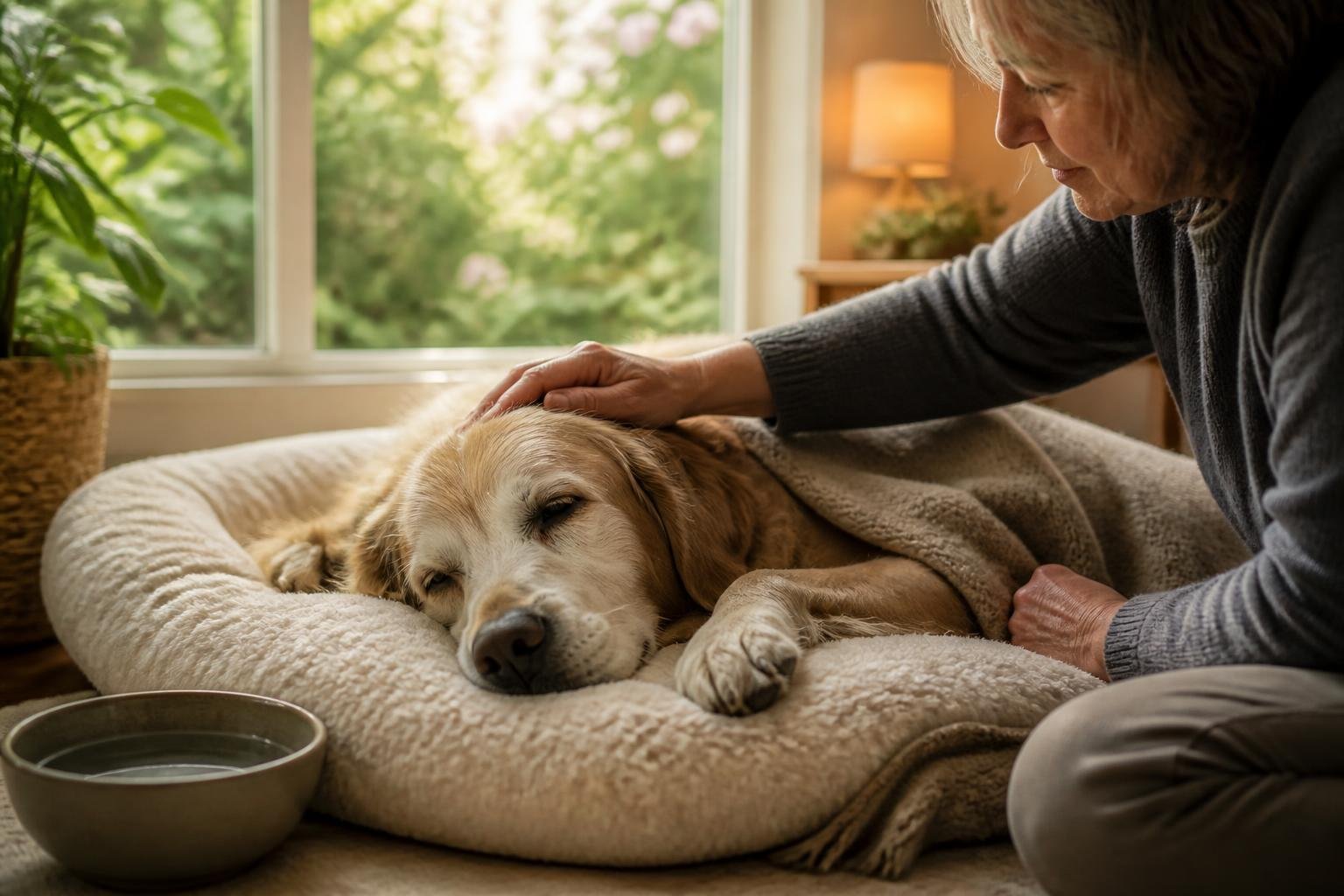
A dying dog needs physical care to stay clean and pain-free, a quiet space to rest, and emotional reassurance from their owner. These steps help reduce suffering and provide dignity during their last moments.
Maintaining Physical Comfort and Hygiene
Soft bedding makes a significant difference for dogs in their final days. Orthopedic foam or padded blankets reduce pressure on joints and bones. Move the bed to an easily accessible location on the ground floor to avoid stairs.
Dogs often lose control of their bladder and bowels near the end of life. Use washable pee pads or waterproof bedding under soft blankets. Clean the dog gently with warm water and mild soap after accidents to prevent skin irritation and infections.
Pain management is critical. Work with a vet to adjust medications as needed. Watch for signs of discomfort like whimpering, restlessness, or reluctance to move.
Keep fresh water within easy reach. Some dogs may need help drinking from a bowl or syringe. Offer small amounts of favorite foods, but don’t force eating if the dog refuses.
Creating a Calming Environment
Choose a quiet room away from loud noises, foot traffic, and other pets. Dim lighting helps dogs rest better than bright overhead lights. Keep the temperature comfortable since dying dogs often struggle to regulate body heat.
Limit visitors to close family members. Too many people can stress a dog that needs rest. Maintain normal household routines as much as possible to provide familiarity.
Essential environment elements:
- Quiet, low-traffic location
- Soft, adjustable lighting
- Comfortable room temperature
- Minimal noise and activity
- Familiar scents and belongings
Play soft music or white noise if it previously calmed the dog. Keep their favorite toys or blankets nearby for comfort.
Emotional Support for Both Dogs and Owners
Dogs sense their owner’s emotions and find comfort in calm, reassuring presence. Sit quietly near the dog, speak in gentle tones, and offer slow pets if they welcome touch. Some dogs prefer less handling near the end.
Signs your dog is dying may include withdrawal or dog depression behaviors like avoiding interaction. This is natural, not a rejection. Respect their need for space while staying nearby.
For owners:
- Allow yourself to grieve
- Spend quality time without guilt
- Take breaks when needed
- Seek support from family or pet loss counselors
Tell the dog it’s okay to let go. Many owners find peace in expressing gratitude and saying goodbye. These final moments together matter deeply, even though they’re difficult.
Making Difficult Decisions and Preparing for Goodbye
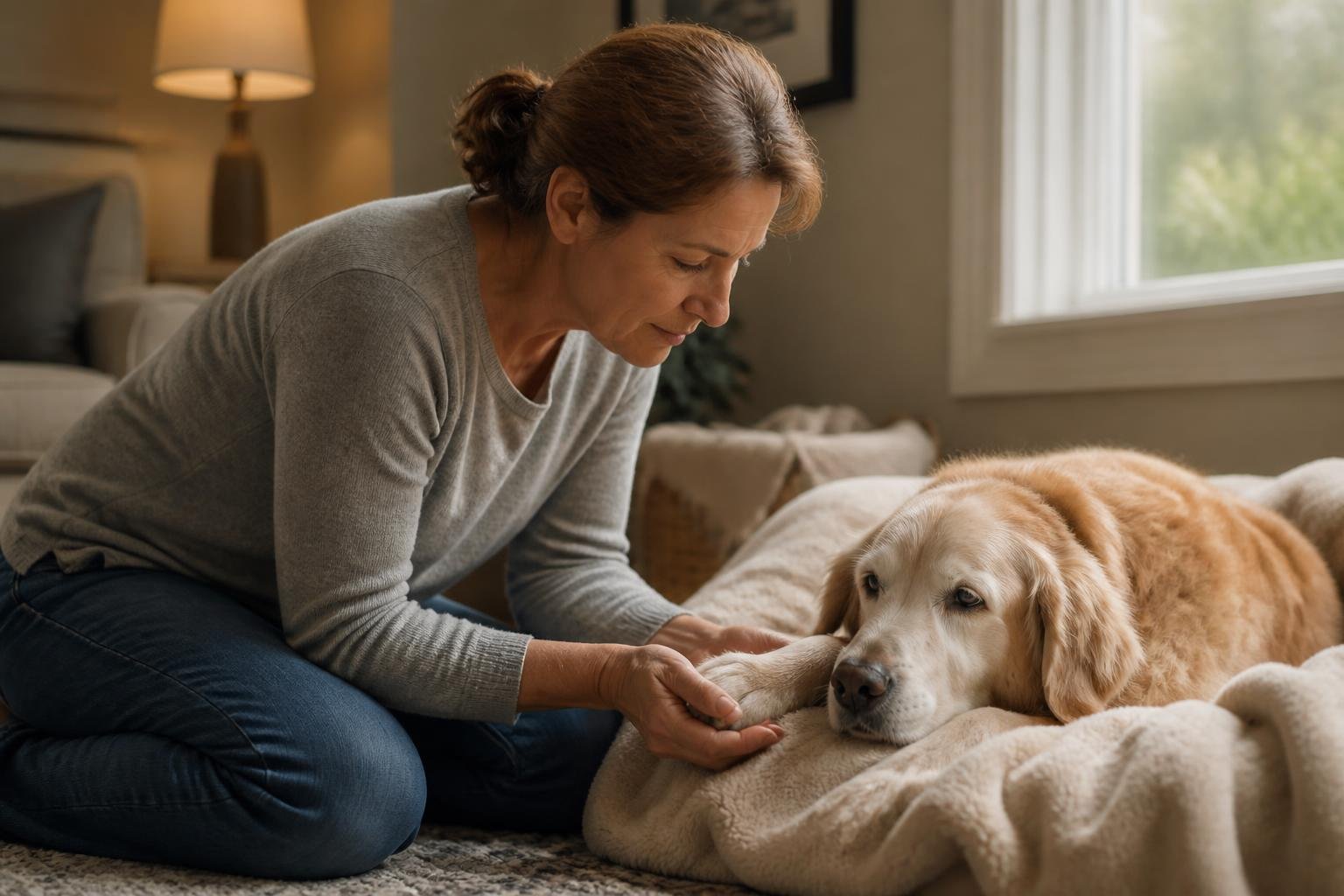
When signs a dog is dying become clear, owners face tough choices about end-of-life care and how to honor their pet’s memory. These decisions require careful thought about the dog’s comfort and the family’s emotional needs.
Understanding Euthanasia and Natural Passing
Euthanasia offers a peaceful option when a dog’s quality of life declines significantly. A veterinarian can help assess whether the dog is in pain or suffering based on specific signs like refusal to eat, inability to stand, or labored breathing. Many vets use quality-of-life scales to measure factors such as pain levels, appetite, and ability to perform normal activities.
Natural passing allows a dog to die on their own timeline at home. This choice works best when a dog shows end-of-life signs but remains relatively comfortable. Pet owners should discuss pain management options with their vet to keep the dog comfortable during this process.
The decision depends on the dog’s specific condition and the owner’s values. Some questions to consider include whether the dog still enjoys daily activities, responds to family members, or experiences more bad days than good days. A veterinarian can provide guidance based on the dog’s medical condition and prognosis.
Memorializing and Coping With Loss
Creating a memorial helps families process grief after losing a dog. Options include planting a tree, creating a photo album, or keeping a paw print impression. Some pet owners choose cremation with the ashes kept in a special urn or scattered in a meaningful location.
Grief after pet loss is normal and can last for weeks or months. Each family member may grieve differently and on their own timeline. Children especially need honest explanations about what happened and reassurance that their feelings are valid.
Support resources include pet loss hotlines, grief counseling, and online support groups. Talking with others who understand the bond between pets and owners can ease the grieving process. Some people find comfort in volunteering at animal shelters or making donations in their dog’s name once they feel ready.
Frequently Asked Questions
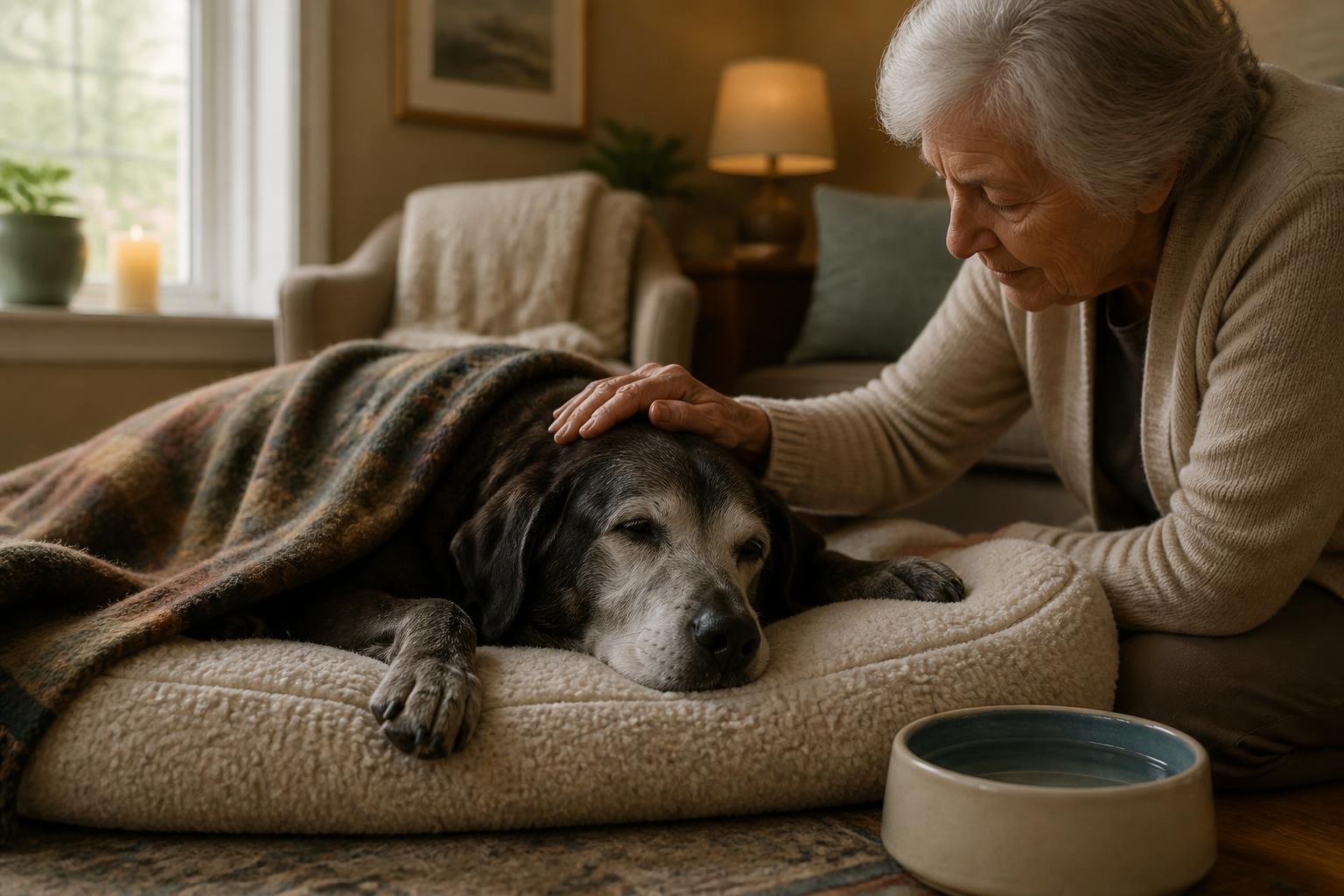
These questions address common concerns about end-of-life care for dogs, from recognizing critical symptoms to making difficult decisions about comfort and quality of life.
What are the most common physical and behavioral signs that a dog may be nearing the end of life?
Dogs approaching death typically show several physical changes. Labored breathing becomes noticeable, and the dog may struggle to take normal breaths. Many dogs lose control of their bladder and bowels during the final stages.
Behavioral changes are equally significant. Dogs often refuse to eat or drink anything, even their favorite treats. They may become extremely lethargic and show little to no reaction when people try to interact with them.
Some dogs seek isolation and hide in quiet spaces. Others become unusually clingy and want constant contact with their owners. A lack of interest in activities they once enjoyed is common across all dying dogs.
How can I tell the difference between normal aging and a medical emergency in an elderly dog?
Normal aging happens gradually over months or years. An older dog might move more slowly, sleep more often, or show less enthusiasm for walks. These changes develop at a steady pace and the dog maintains basic functions like eating and drinking.
A medical emergency involves sudden or severe changes. If a dog collapses, has difficulty breathing, or cannot stand within hours or a day, this requires immediate attention. Refusal to eat or drink for more than 24 hours signals a serious problem.
The key difference lies in the speed and severity of symptoms. Normal aging allows dogs to adapt and maintain a baseline quality of life. Emergency situations show rapid decline that prevents the dog from performing basic daily activities.
When should I contact a veterinarian if my dog stops eating, drinking, or becomes unusually lethargic?
Contact a veterinarian within 24 hours if a dog stops eating completely. Dogs can survive longer without food than water, but refusing both meals in a day warrants professional evaluation.
Dehydration becomes dangerous quickly. If a dog refuses water for more than 12 hours, the owner should reach out to a vet. Signs of dehydration include dry gums, sunken eyes, and skin that does not bounce back when gently pulled.
Unusual lethargy combined with other symptoms requires immediate attention. If a dog cannot or will not stand, shows confusion, or has labored breathing along with extreme tiredness, these indicate a potential emergency. Even without other symptoms, lethargy that prevents a dog from responding to their name or surroundings needs veterinary assessment.
What comfort and supportive care measures can I provide at home to keep my dog calm and pain-controlled?
Create a quiet, comfortable space with soft bedding away from household noise and activity. The area should be warm but not hot, as dying dogs often have trouble regulating body temperature. Place water within easy reach of the dog’s head.
Pain management requires veterinary guidance, but owners can support prescribed treatments. Administer medications exactly as directed and track whether they seem to provide relief. Keep a log of pain behaviors like whimpering, panting, or restlessness to share with the vet.
Gentle physical contact can provide comfort. Pet the dog softly and speak in calm, soothing tones. Some dogs prefer to be left alone while others want company. Follow the dog’s cues about how much interaction they want.
How do I know when it may be time to consider euthanasia, and what factors should guide that decision?
Quality of life is the primary factor in this decision. Owners should assess whether the dog experiences more bad days than good days. A dog that cannot perform basic functions like eating, drinking, or standing without distress has severely diminished quality of life.
Pain control becomes a deciding factor when medications no longer provide relief. If a dog shows constant signs of discomfort despite treatment, continuing may cause unnecessary suffering. The dog’s dignity matters too – loss of control over bodily functions that causes distress affects their wellbeing.
Veterinarians can help evaluate these factors objectively. They may use quality of life scales that rate factors like pain level, appetite, and ability to enjoy activities. Having this conversation before a crisis allows for thoughtful decision-making rather than rushed choices during an emergency.
What should I expect during a dog’s final hours, and how can I prepare my home and family?
The final hours often involve very slow, labored breathing. Some dogs make a rattling sound as they breathe. The dog will likely be unconscious or unresponsive to voices and touch.
Body temperature drops and the gums may turn pale or blue. The heart rate slows significantly. Some dogs lose control of their bladder and bowels during the final moments.
Prepare the home by creating a peaceful space with minimal noise. Gather family members who want to be present and explain to children what to expect in age-appropriate terms. Have towels and cleaning supplies nearby for any accidents. Keep the veterinarian’s contact information readily available if the family chooses at-home euthanasia or needs guidance during natural death.