Why Do Dogs Sit on Your Feet? Understanding Canine Behavior and Bonding Instincts
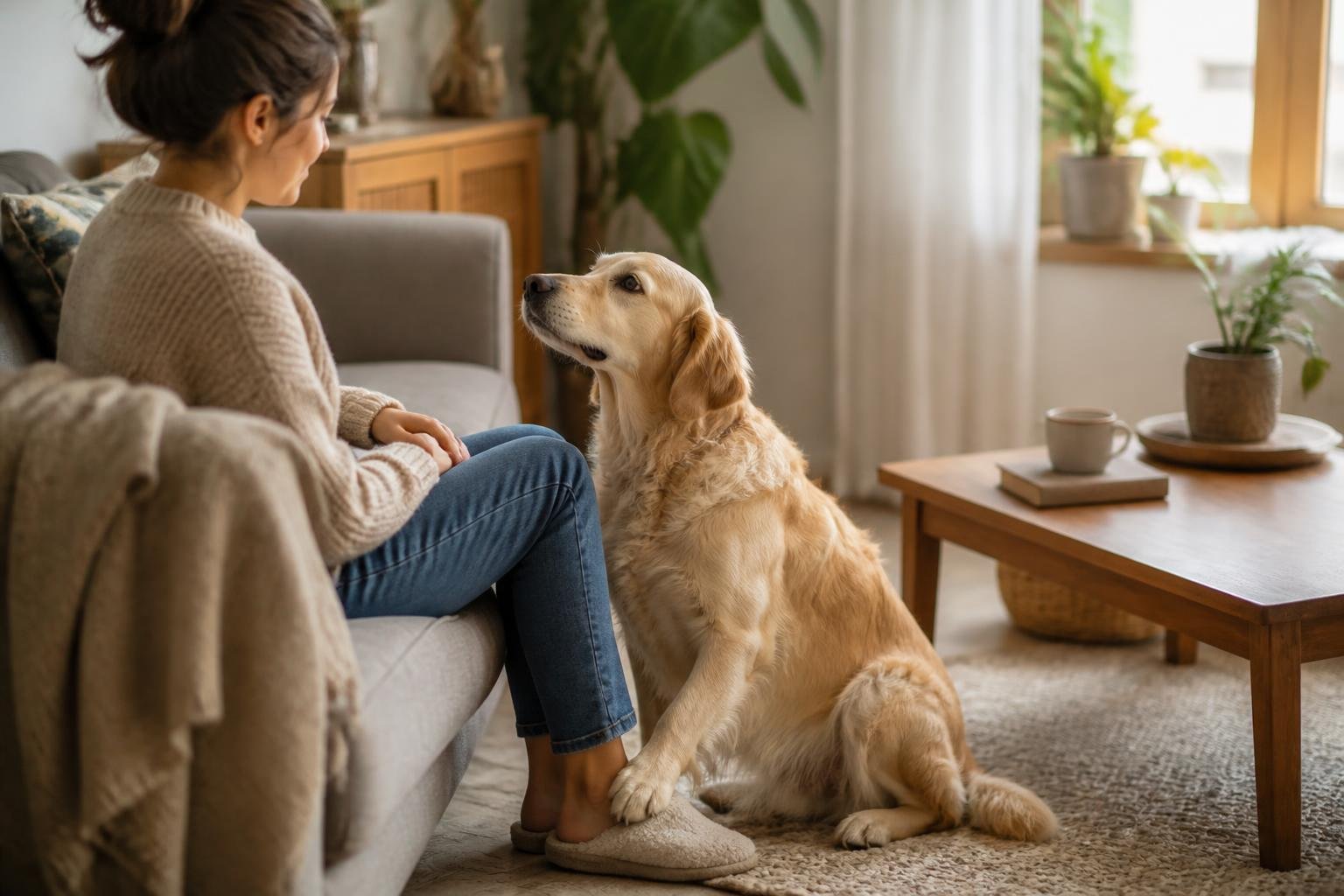
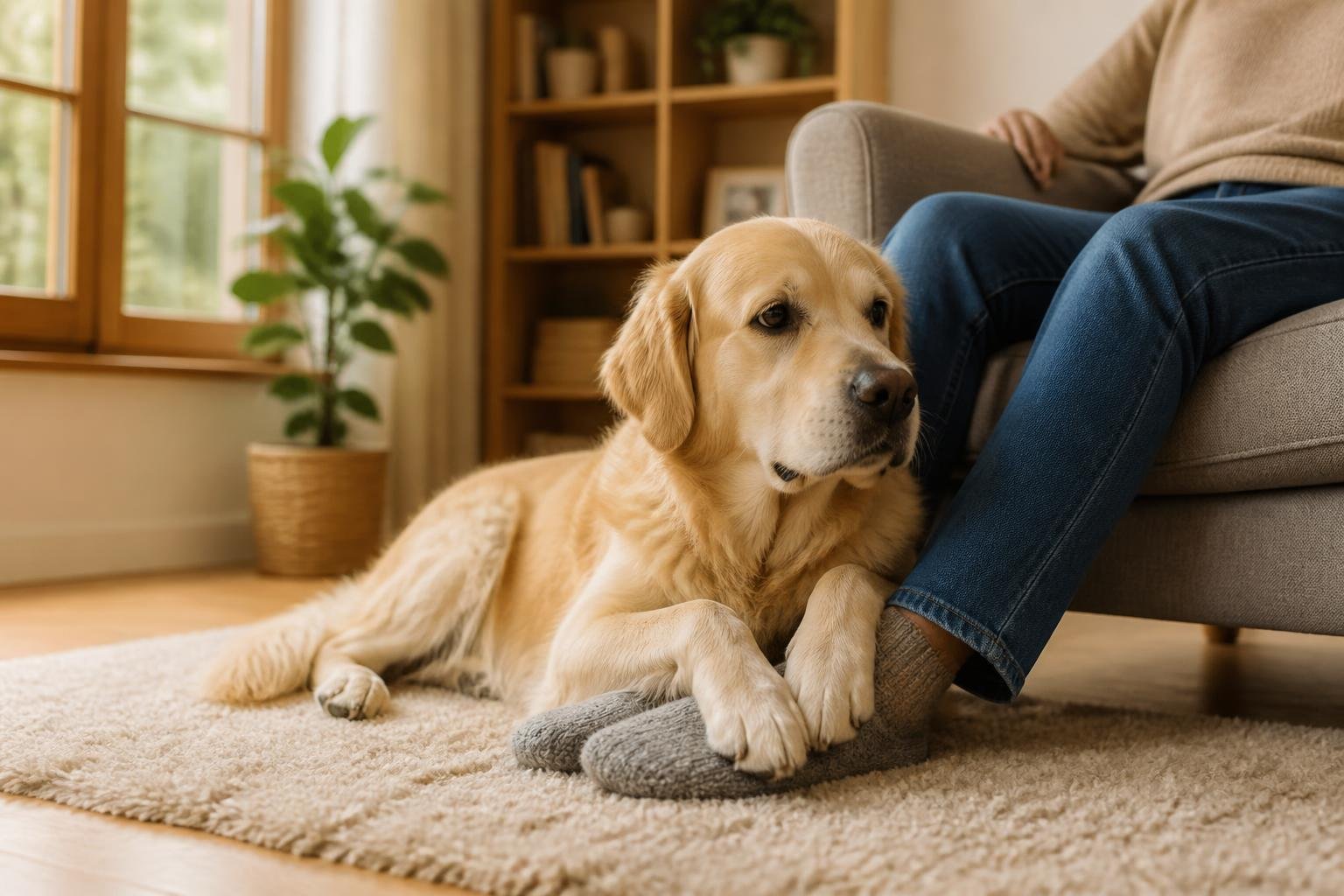
You settle into your chair after a long day, and suddenly your dog plants themselves right on top of your feet. This common behavior puzzles many dog owners who wonder if it means something special or if there’s a reason to worry. Dogs sit on their owners’ feet for several reasons, including seeking comfort and security, strengthening their bond with their owner, staying warm, or responding to anxiety.
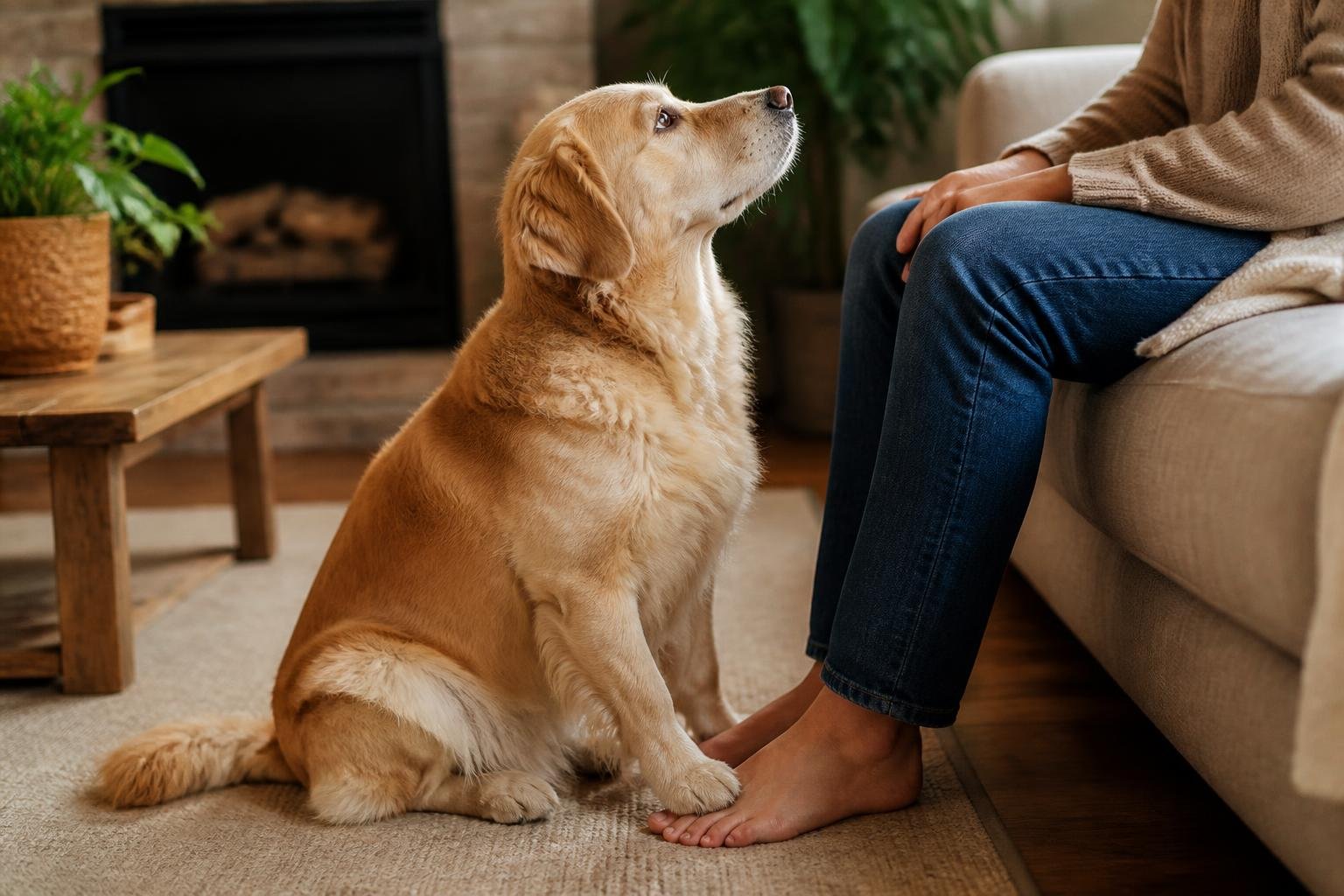
Understanding dog behavior helps owners recognize what their pets are trying to communicate. Sometimes a dog sitting on feet is simply about being close to someone they trust. Other times, it might point to deeper needs or concerns that deserve attention.
This article explores the science and instincts behind why dogs choose feet as their favorite resting spot. It covers everything from natural pack behaviors to learned habits, plus guidance on when this behavior might signal a problem that needs professional help.
Instincts and Social Bonds
When dogs sit on their owner’s feet, they’re often following deep-rooted instincts tied to pack behavior and social connection. This behavior reflects how dogs naturally seek closeness with those they trust and consider part of their family group.
Pack Mentality and Ancestral Roots
Dogs descended from wolves, animals that lived in tight-knit packs for survival. In these packs, staying close to other members provided safety, warmth, and a clear social structure. When a dog sits on someone’s feet, this behavior echoes those ancestral patterns.
Physical proximity in pack settings helped animals stay protected from threats and maintain group cohesion. Dogs still carry these instincts even though they now live in homes rather than the wild. Positioning themselves near or on a trusted person’s feet mimics the closeness their ancestors sought within their packs.
This placement also relates to pack hierarchy. By staying near their owner, dogs acknowledge the social bond and their place within the household structure.
Physical Closeness as a Sign of Trust
A dog that sits on someone’s feet demonstrates a significant level of trust. This position puts the dog in a vulnerable spot where they cannot easily monitor their surroundings or react quickly to threats.
Dogs choose to sit on the feet of people they feel safe with. This behavior shows they believe their person will protect them and keep them secure. The dog relies on their owner to watch for potential dangers while they relax in this exposed position.
This trust-based behavior typically develops over time as the relationship between dog and owner strengthens. Dogs rarely sit on the feet of strangers or people they don’t know well.
Affection and Emotional Bonding
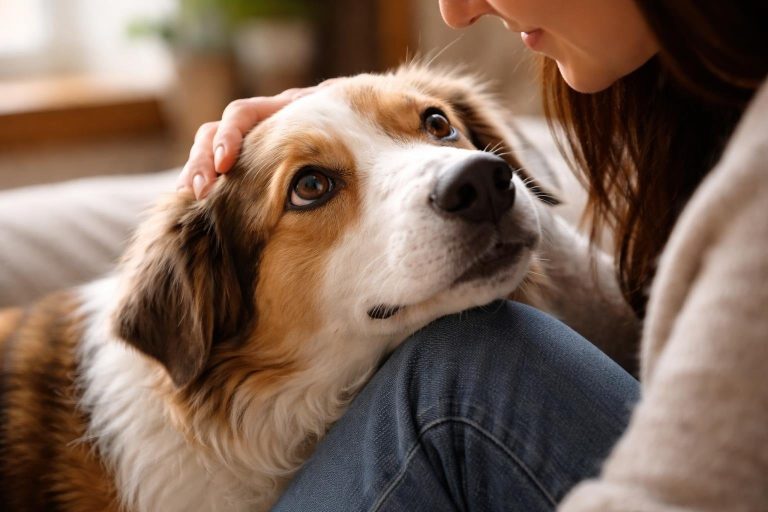
Physical contact between dogs and their owners triggers the release of oxytocin in both parties. This hormone strengthens emotional bonds and creates feelings of attachment and wellbeing. Sitting on feet provides consistent physical contact that maintains this chemical connection.
Dogs seek out this contact because it makes them feel good and reinforces their relationship with their owner. The behavior becomes a way for dogs to express affection and maintain closeness with the people they love.
Many dogs follow their owners from room to room and settle at their feet whenever possible. This pattern indicates a strong emotional attachment and desire to stay connected with their preferred person throughout the day.
Emotional Security and Comfort
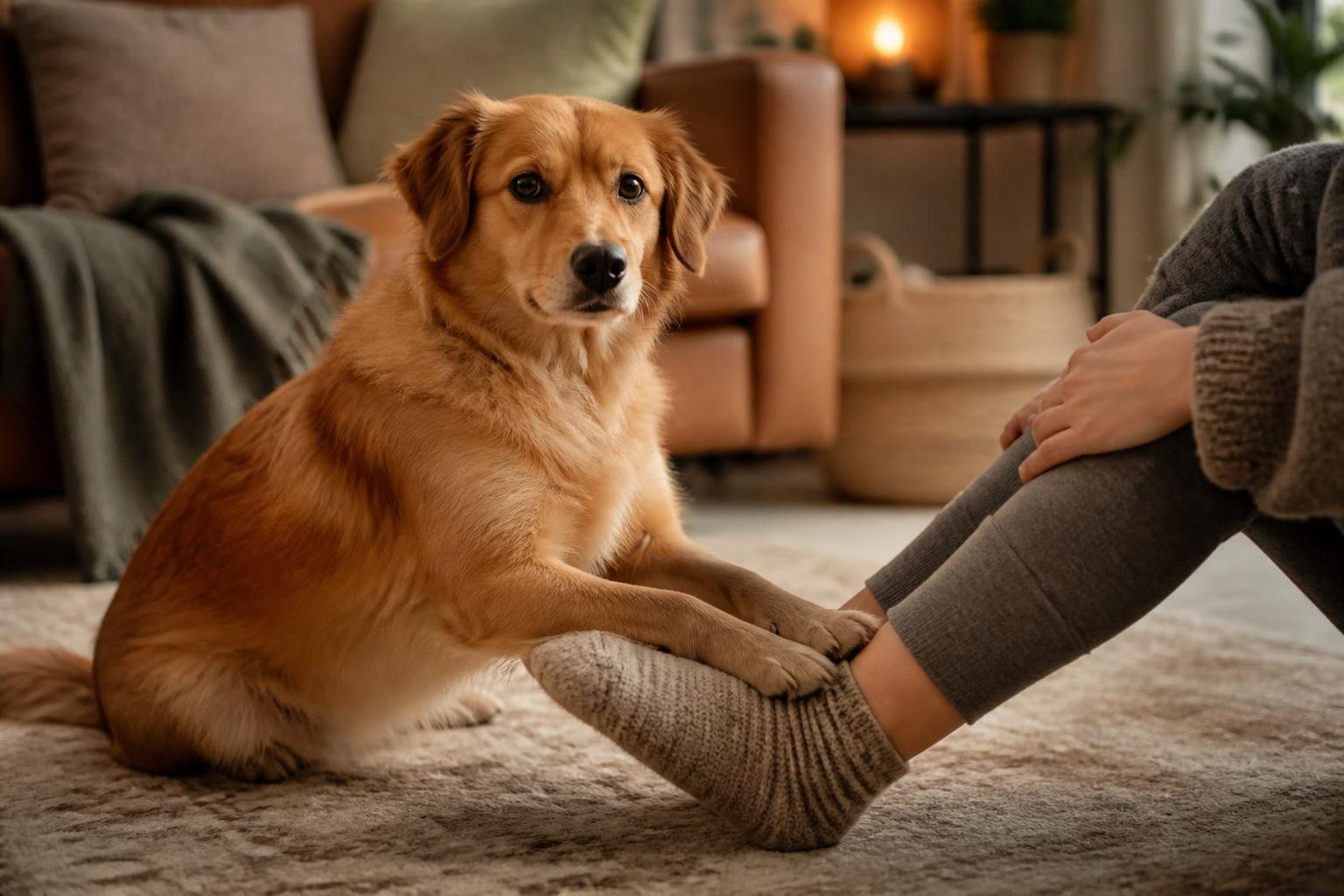
Dogs often sit on their owner’s feet when they need reassurance or feel uncertain about their surroundings. This behavior serves as a coping mechanism that helps them manage uncomfortable emotions.
Safety and Reassurance
When a dog sits on someone’s feet, they’re seeking a sense of protection and stability. Dogs view their owners as trusted companions who provide safety in unfamiliar or overwhelming situations.
This position allows them to stay physically connected to their person. The contact creates a feeling of security that calms their nervous system. Dogs naturally want to remain close to people they trust, especially when they feel vulnerable.
The behavior is particularly common in new environments or during changes in routine. A dog might sit on their owner’s feet when guests arrive, during thunderstorms, or in busy public spaces. The physical touch acts as an anchor point that helps them feel grounded and protected.
Coping With Anxiety or Stress
Dogs experiencing anxiety or stress frequently seek physical contact with their owners as emotional relief. Sitting on feet provides immediate comfort during moments of uncertainty or fear.
The pressure and warmth from contact with their person helps reduce anxious feelings. This behavior functions as a self-soothing technique that dogs use to manage their emotional state. Dogs with separation anxiety or those who struggle with confidence often display this behavior more frequently.
Stressful triggers like loud noises, unfamiliar people, or changes in household dynamics can prompt dogs to seek this type of closeness. The behavior allows them to maintain awareness of their owner’s presence while receiving comfort through physical touch.
Learned Behaviors and Reinforcement
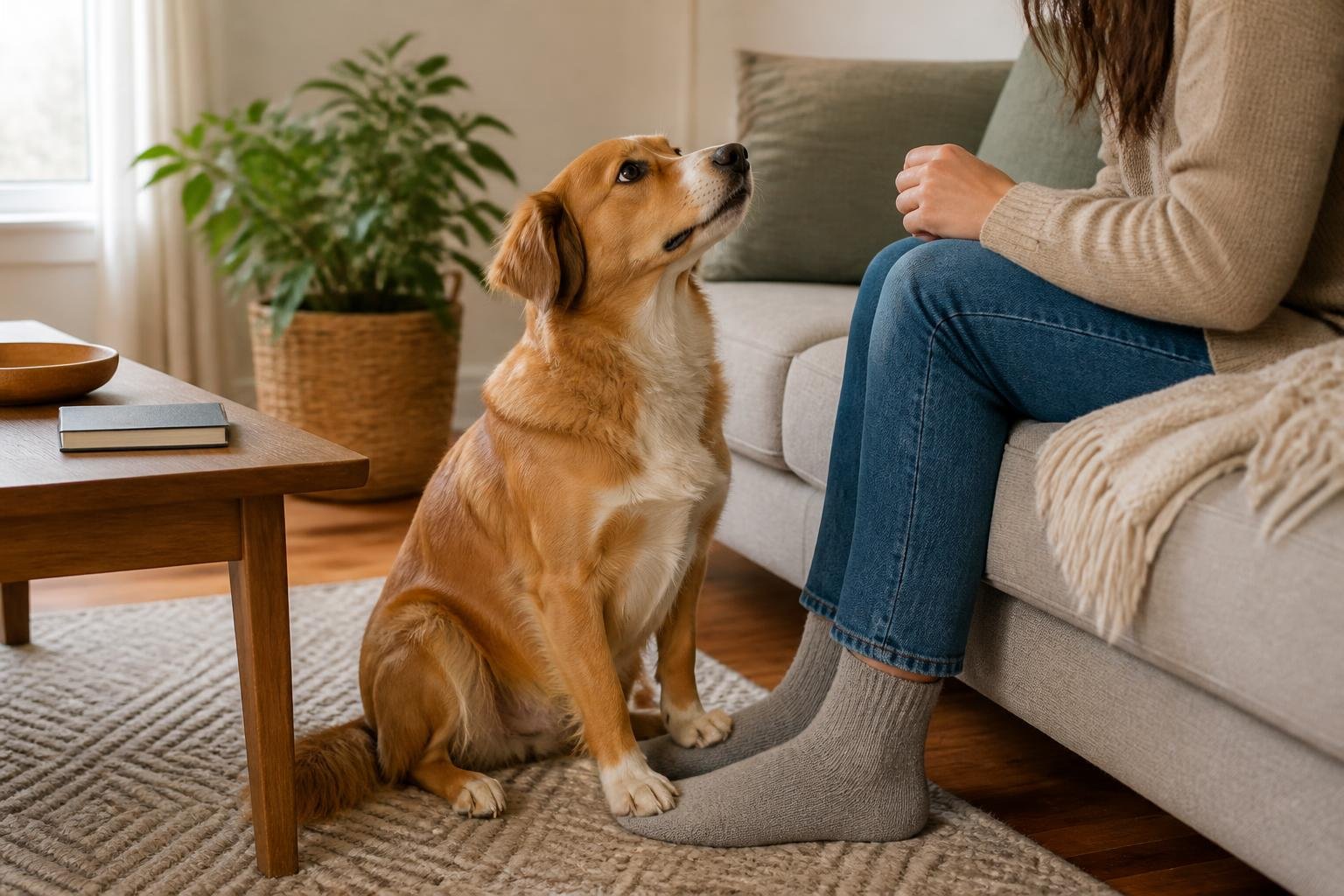
Dogs often learn to sit on feet through repeated positive experiences and owner responses. When a dog receives attention, pets, or treats for this behavior, they’re more likely to repeat it in the future.
Positive Reinforcement and Habit Formation
Dogs are quick learners when it comes to behaviors that earn them rewards. When a dog first sits on someone’s feet and receives positive attention—such as petting, verbal praise, or even just a smile—the brain creates a connection between the action and the pleasant outcome. Over time, this connection strengthens into a habit.
The reinforcement doesn’t need to be intentional. Many owners naturally reach down to pet their dog when they feel weight on their feet. Some people talk to their dog in a gentle voice when this happens. These reactions tell the dog that sitting on feet is a good choice.
Once established, the habit becomes automatic. The dog no longer thinks about whether to sit on feet—they simply do it because it has consistently led to positive experiences in the past.
Seeking Attention or Rewards
Some dogs sit on feet specifically to get their owner’s attention. This is especially common when a dog feels ignored or wants something specific like food, playtime, or a walk outside.
Dogs learn which behaviors work best to interrupt their owner’s focus. Sitting on feet is effective because it’s hard to ignore physical contact. The dog knows their owner will likely look down, speak to them, or move—all forms of acknowledgment.
Common attention-seeking triggers include:
- Owner looking at a phone or computer
- Conversations with other people
- Meal preparation times
- Before regular walk schedules
This behavior reinforces itself when owners respond, even if the response is negative. Pushing the dog away or saying “no” still provides the attention the dog wanted.
Marking Territory and Protective Behaviors
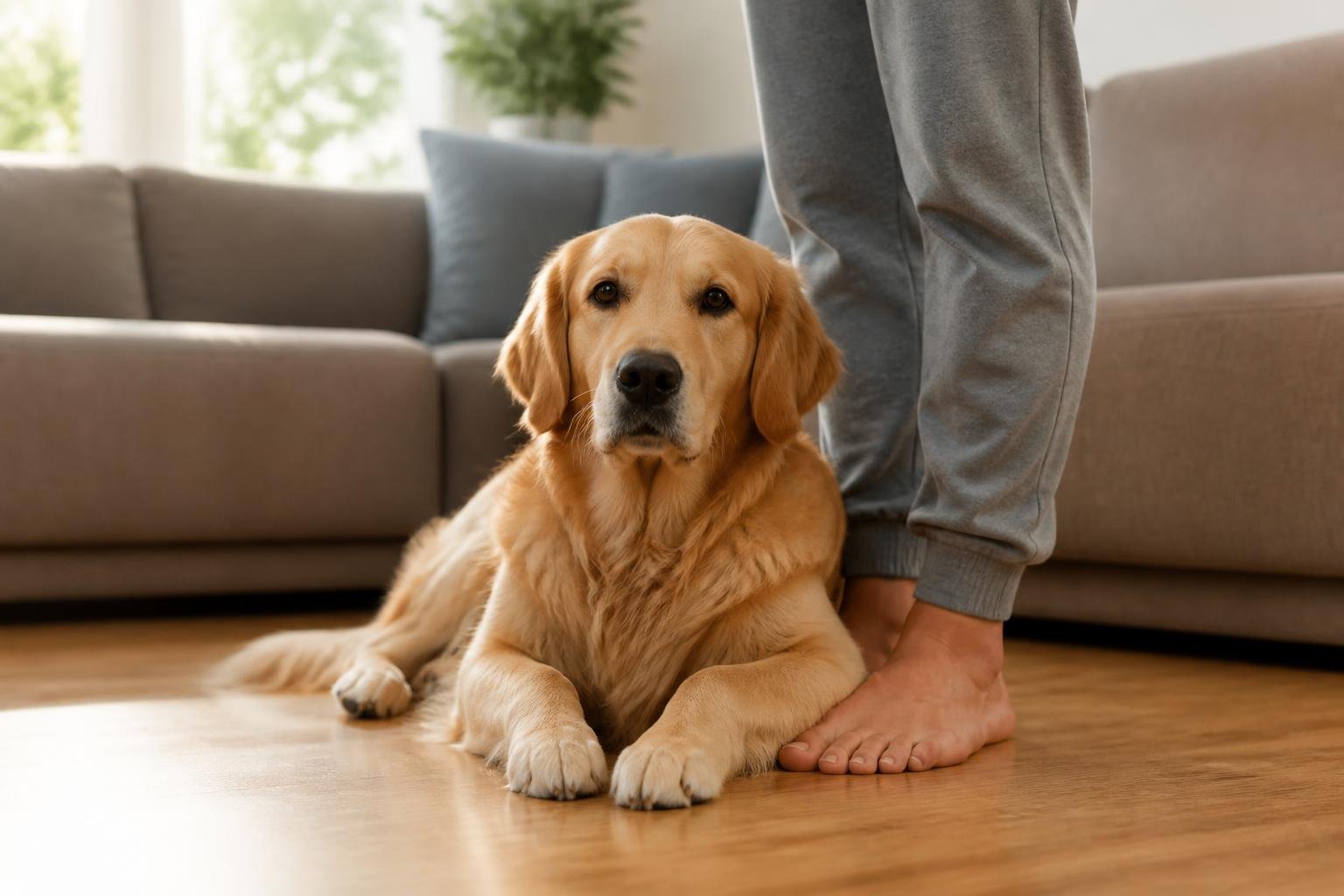
Dogs use physical closeness to claim their owners and watch for potential threats. This behavior stems from their natural instincts to mark what belongs to them and protect their family members.
Territorial Claims in Dogs
Dogs are territorial animals by nature. When a dog sits on someone’s feet, they may be marking that person as part of their territory. This behavior becomes more common in homes with multiple pets.
The dog leaves their scent on their owner through this close contact. Other animals can detect this scent, which signals ownership. Some dogs show this behavior more strongly than others, especially if they feel competition for their owner’s attention.
This territorial display is usually harmless. It shows the dog views their owner as an important resource worth claiming. Dogs with stronger territorial instincts may sit on feet more frequently when visitors arrive or when other pets come near.
Guarding Owners and Resource Guarding
Dogs sit at their owner’s feet to keep watch over their surroundings. This position allows them to stay alert while remaining close to someone they want to protect. The behavior connects to their pack instincts and protective nature.
Some dogs exhibit resource guarding through foot-sitting. They view their owner as a valuable resource that needs protection from others. This can show up as the dog positioning themselves between their owner and strangers or other pets.
Dogs may also feel protective when they sense their owner is vulnerable, such as when sitting or resting. The foot-sitting position gives them a strategic advantage to monitor the environment. They can quickly respond to perceived threats while maintaining physical contact with their owner.
Environmental and Physical Factors
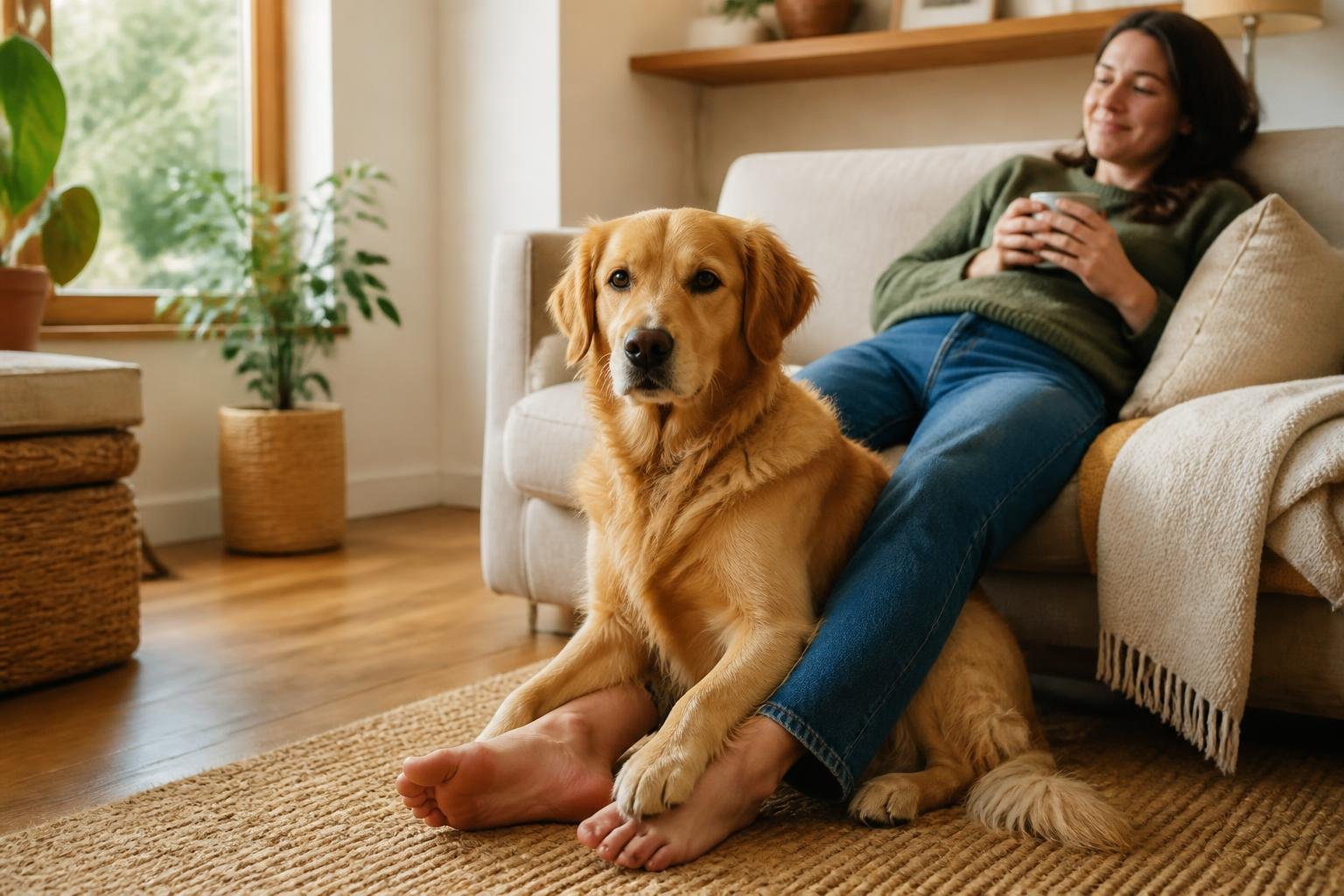
Dogs choose to sit on their owner’s feet for reasons tied to their physical needs and environment. Temperature regulation and health-related factors play significant roles in this behavior.
Seeking Warmth or Comfort
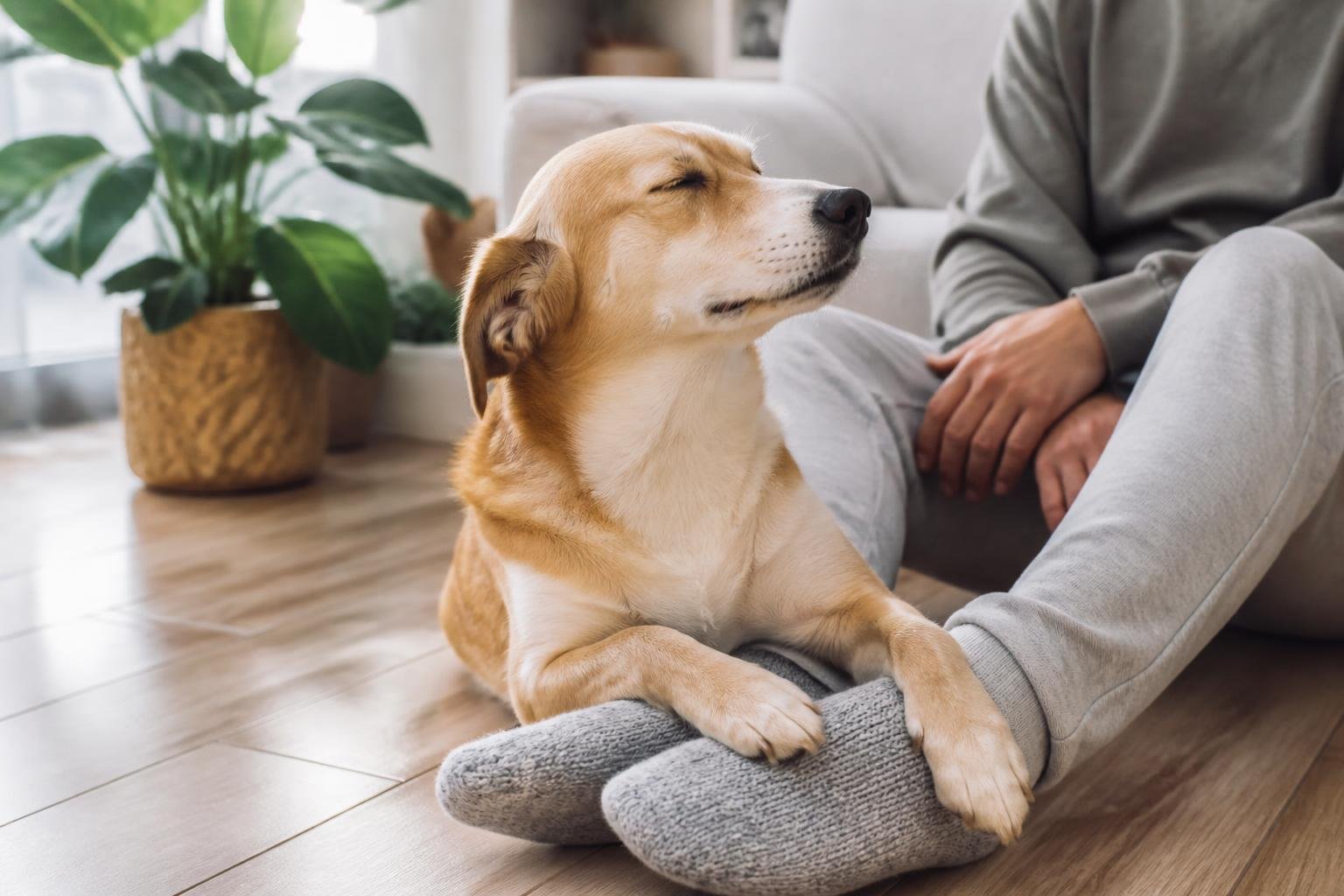
Dogs naturally seek out warm spots to rest, and human feet provide a convenient heat source. This behavior becomes more noticeable during colder months or in homes with cool flooring like tile or hardwood.
Smaller dogs and breeds with thin coats are especially drawn to the warmth that feet offer. Their bodies lose heat more quickly than larger or heavily-coated breeds, making them more motivated to find warm resting spots.
Common environmental triggers include:
- Cold weather or air conditioning
- Hard, cold floor surfaces
- Drafty areas in the home
- Temperature changes throughout the day
The physical comfort of soft slippers or socks also attracts dogs to feet. This preference reflects their instinct to find cozy, secure resting places similar to how wild canines seek sheltered den-like spaces.
Physical Health and Age-Related Considerations
Older dogs may sit on feet more frequently due to changes in their body temperature regulation. Senior dogs often struggle to maintain warmth as their metabolism slows with age.
Arthritis and joint pain can influence this behavior too. A dog experiencing discomfort may seek the gentle pressure and warmth from sitting on feet to ease their pain.
Dogs with cognitive decline sometimes display increased foot-sitting behavior as they seek reassurance and familiarity. This change in pattern warrants attention, especially if it appears suddenly.
Health conditions to watch for include:
- Vision or hearing loss leading to closer proximity
- Anxiety disorders causing clinginess
- Thyroid issues affecting temperature regulation
- Mobility problems making feet an accessible resting spot
A veterinary evaluation helps rule out medical issues when foot-sitting becomes excessive or appears alongside other behavioral changes.
When to Be Concerned and Professional Guidance
Most dogs sit on feet as a normal behavior, but certain signs suggest underlying problems that need attention. Sudden changes in this behavior or accompanying symptoms warrant professional evaluation.
Recognizing Problematic Signs
Dog behavior becomes concerning when foot-sitting appears alongside anxiety symptoms. Dogs that shake, pant excessively, or show dilated pupils while sitting on feet may be experiencing distress.
Aggression presents another red flag. A dog that growls, snaps, or blocks other people or pets from approaching signals guarding behavior that requires intervention.
Sudden onset of this behavior in older dogs deserves immediate attention. It might indicate cognitive decline or medical issues causing discomfort. Dogs with mobility problems or pain may sit on feet differently than before.
Compulsive behavior stands out when a dog cannot relax without sitting on feet. Dogs that follow obsessively from room to room or become destructive when separated need help. Physical symptoms like limping, whining, or reluctance to move also require veterinary examination.
Role of a Veterinary Behaviorist
A veterinary behaviorist provides specialized expertise for complex behavioral issues. These professionals hold advanced training in both animal behavior and veterinary medicine.
They conduct thorough assessments to identify medical causes first. Pain, neurological conditions, or hormonal imbalances often drive behavioral changes. The behaviorist performs physical exams and may recommend diagnostic tests.
Treatment plans combine multiple approaches. Behavior modification techniques teach dogs healthier coping strategies. Medication may help dogs with severe anxiety or compulsive disorders. The behaviorist works with owners to implement environmental changes and training protocols.
Regular veterinarians can refer owners to board-certified behaviorists when standard interventions fail. These specialists handle cases involving aggression, extreme anxiety, or behaviors that disrupt daily life.
Frequently Asked Questions
Dogs sitting on feet is a common behavior that raises questions for many pet owners. The reasons range from simple affection to more complex emotional needs, and understanding the difference helps owners respond appropriately.
What does it mean when a dog chooses to sit on your feet?
When a dog sits on someone’s feet, it usually means the dog wants to feel close and connected to that person. Dogs are pack animals by nature, and physical contact with their owner provides comfort and reassurance.
This behavior often indicates the dog has formed a strong bond with the person. The dog feels safe and secure when touching their owner, even in a simple way like resting on their feet.
Is sitting on your feet a sign of affection or a need for security?
Sitting on feet can be both a sign of affection and a need for security. Dogs show love through physical closeness, and choosing to rest on someone’s feet is one way they express that bond.
At the same time, the behavior often comes from a desire for safety. When dogs feel uncertain or want comfort, they seek out their trusted person. Physical contact helps them feel protected and calm.
Can sitting on your feet be a form of guarding or possessive behavior?
Some dogs sit on their owner’s feet as a way to claim or guard them. This happens when a dog wants to control access to their person or show other animals that this human belongs to them.
Dogs with guarding tendencies may become tense or watchful while sitting on feet. They might show signs like stiff body language, staring at others, or refusing to move when approached.
This type of behavior is different from relaxed cuddling. A guarding dog is alert and focused on the surroundings rather than simply resting.
Do certain breeds or personality types sit on people’s feet more often?
Dogs bred for companionship or working closely with humans tend to sit on feet more often. Breeds like Labrador Retrievers, Golden Retrievers, and German Shepherds frequently show this behavior because they were developed to bond strongly with people.
Dogs with anxious or dependent personalities also display this habit more frequently. These dogs need extra reassurance and seek physical contact to feel secure.
Confident, independent dogs may sit on feet less often. They feel comfortable being in the same room without needing constant physical touch.
How can you tell whether this behavior is normal or a sign of anxiety?
Normal foot-sitting looks relaxed and calm. The dog can easily move away when needed and doesn’t show signs of stress like panting, whining, or trembling.
Anxious foot-sitting comes with other warning signs. The dog may follow the owner everywhere, become distressed when separated, or show excessive neediness throughout the day.
Dogs with separation anxiety often sit on feet and refuse to let their owner out of sight. They may also display destructive behavior when left alone or become agitated when the owner prepares to leave.
What should you do if a dog’s foot-sitting becomes unwanted or intrusive?
Teaching the dog a different place to rest helps redirect the behavior. A nearby dog bed or mat gives the dog a spot where they can still be close without sitting directly on feet.
Rewarding the dog for settling in their designated spot reinforces the new behavior. Treats and praise work well when the dog chooses their bed instead of sitting on feet.
Setting consistent boundaries prevents the dog from feeling confused. If foot-sitting isn’t wanted, owners should gently guide the dog to their spot every time rather than allowing it sometimes but not others.