How to Stop a Puppy From Biting: Effective Training Techniques for New Dog Owners
Puppy biting is one of the most common challenges new dog owners face. Those sharp teeth can hurt, and the constant nipping at hands, clothes, and furniture can be frustrating. Teaching a puppy to stop biting requires understanding why they bite in the first place and using positive training methods that redirect the behavior rather than punish it.
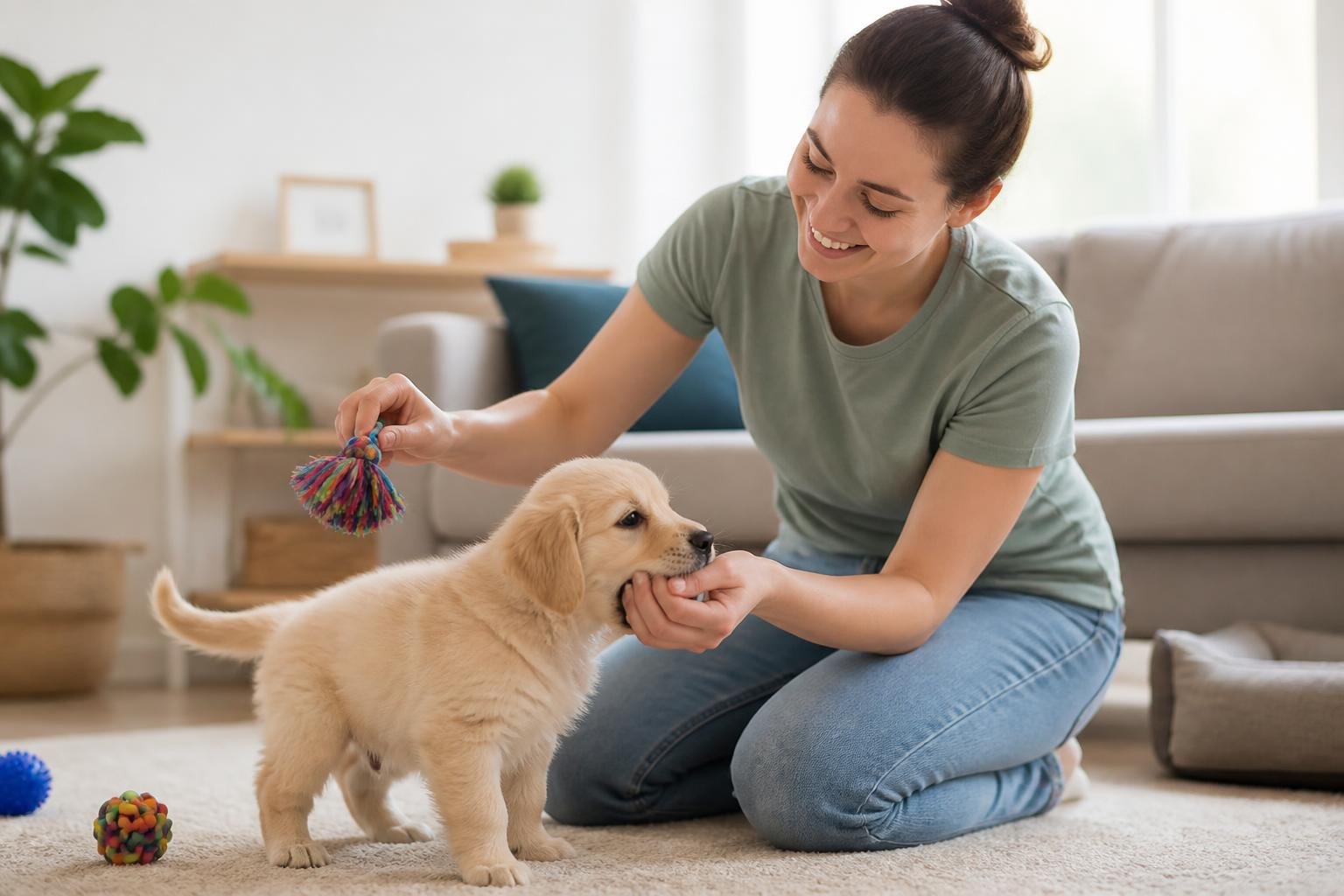
All puppies explore the world with their mouths. They bite during play, when they are teething, and as they learn how to interact with people and other dogs. This behavior is normal, but it should not continue into adulthood. The good news is that puppies can learn to control their biting through proper training techniques.
This guide covers the reasons behind puppy biting and provides practical methods to address it. Readers will learn about bite inhibition, effective training techniques, helpful tools and toys, and the role socialization plays in reducing unwanted biting. The article also explains when it might be time to contact a professional trainer for additional support.
Understanding Why Puppies Bite
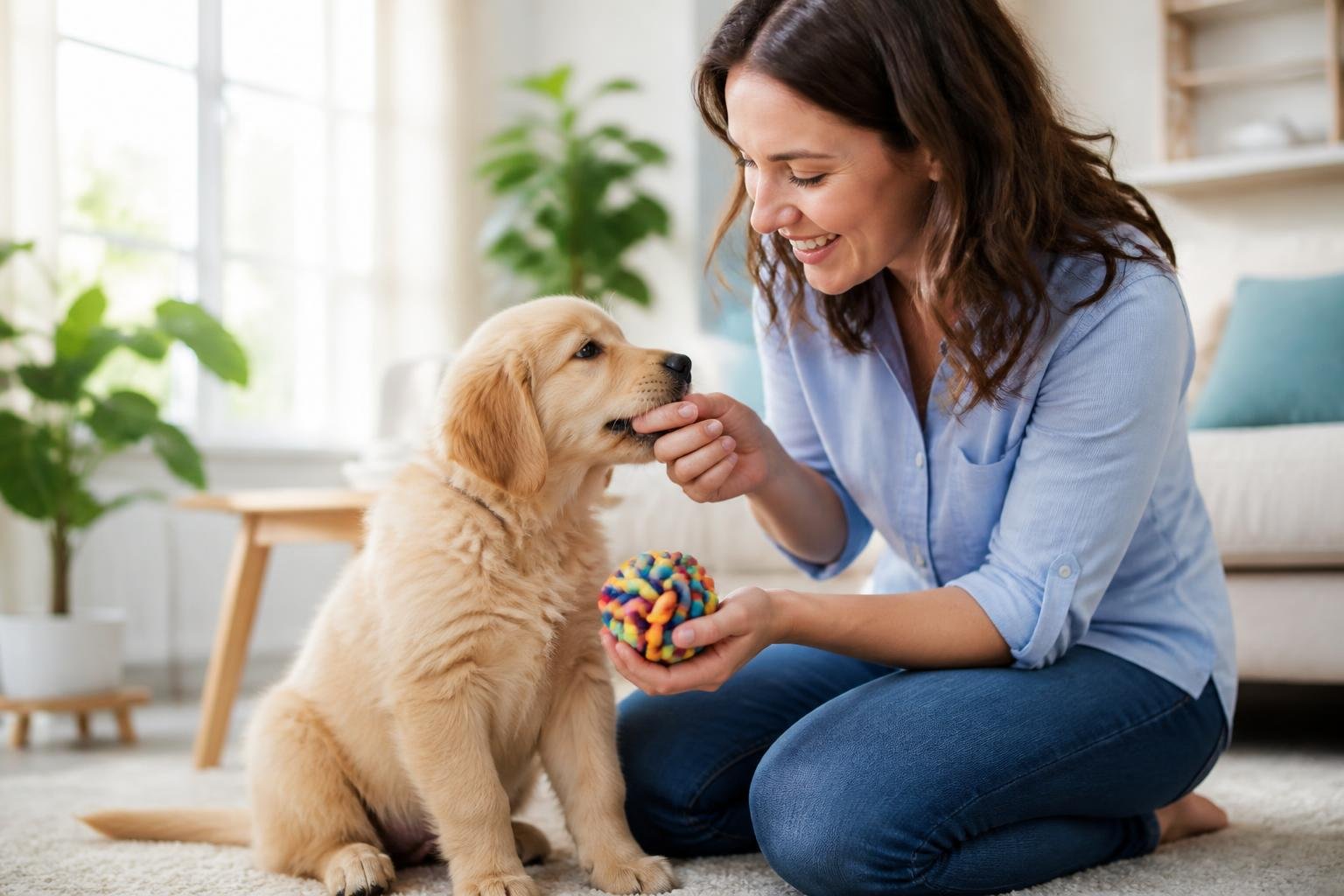
Puppies bite for several normal reasons related to their development, including teething discomfort, natural curiosity, and learning social skills. Most puppy biting is a natural behavior rather than aggression, though certain warning signs require attention.
Normal Development and Teething
Puppy teething causes significant discomfort that drives much of their biting behavior. Between 3 and 6 months of age, puppies lose their baby teeth and grow adult teeth. Their gums become sore and inflamed during this process.
Biting and chewing on objects provides relief from teething pain. Puppies don’t understand the difference between appropriate chew toys and human hands or furniture. They simply seek anything that soothes their aching gums.
This developmental stage is temporary but intense. The discomfort motivates puppies to mouth and bite almost constantly until their adult teeth fully emerge.
Exploring the Environment
Puppies use their mouths the way humans use their hands to investigate their surroundings. They lack the ability to pick up and examine objects with paws, so their mouth becomes their primary tool for exploration. Every new texture, object, or person presents an opportunity for investigation through biting and mouthing.
This behavior helps puppies learn about their world. They discover which items are soft or hard, what tastes good or bad, and what reactions different objects produce. Young puppies have limited life experience, making this oral exploration essential for their development.
Play, Socialization, and Communication
Puppy nipping occurs naturally during play with littermates and other dogs. Puppies engage in play fighting where they bite each other’s ears, necks, and legs. This rough play teaches them important social skills.
Through these interactions, puppies learn bite inhibition. When a puppy bites too hard, the other puppy yelps and stops playing. This feedback teaches the biting puppy to control jaw pressure. Puppies separated from littermates too early often miss this critical lesson.
Play biting also serves as communication. Puppies use their mouths to initiate play, show excitement, or get attention. They haven’t yet learned human-appropriate ways to express these feelings.
When Biting May Signal a Problem
Most puppy behavior remains playful and exploratory, but certain signs indicate potential issues. Aggressive biting differs from normal mouthing in intensity and context. A puppy showing stiff body language, growling, or biting when approached may be displaying fear-based behavior.
Puppies that bite hard without stopping when others yelp may lack proper bite inhibition training. This can predict future behavioral problems if not addressed early. Biting triggered by specific situations like food guarding or territorial responses requires professional evaluation.
Fear-induced aggression can develop in puppies that missed early socialization. These puppies may bite defensively when encountering new people, animals, or environments. Early intervention from a veterinary behaviorist helps prevent these patterns from becoming permanent.
Fundamentals of Bite Inhibition
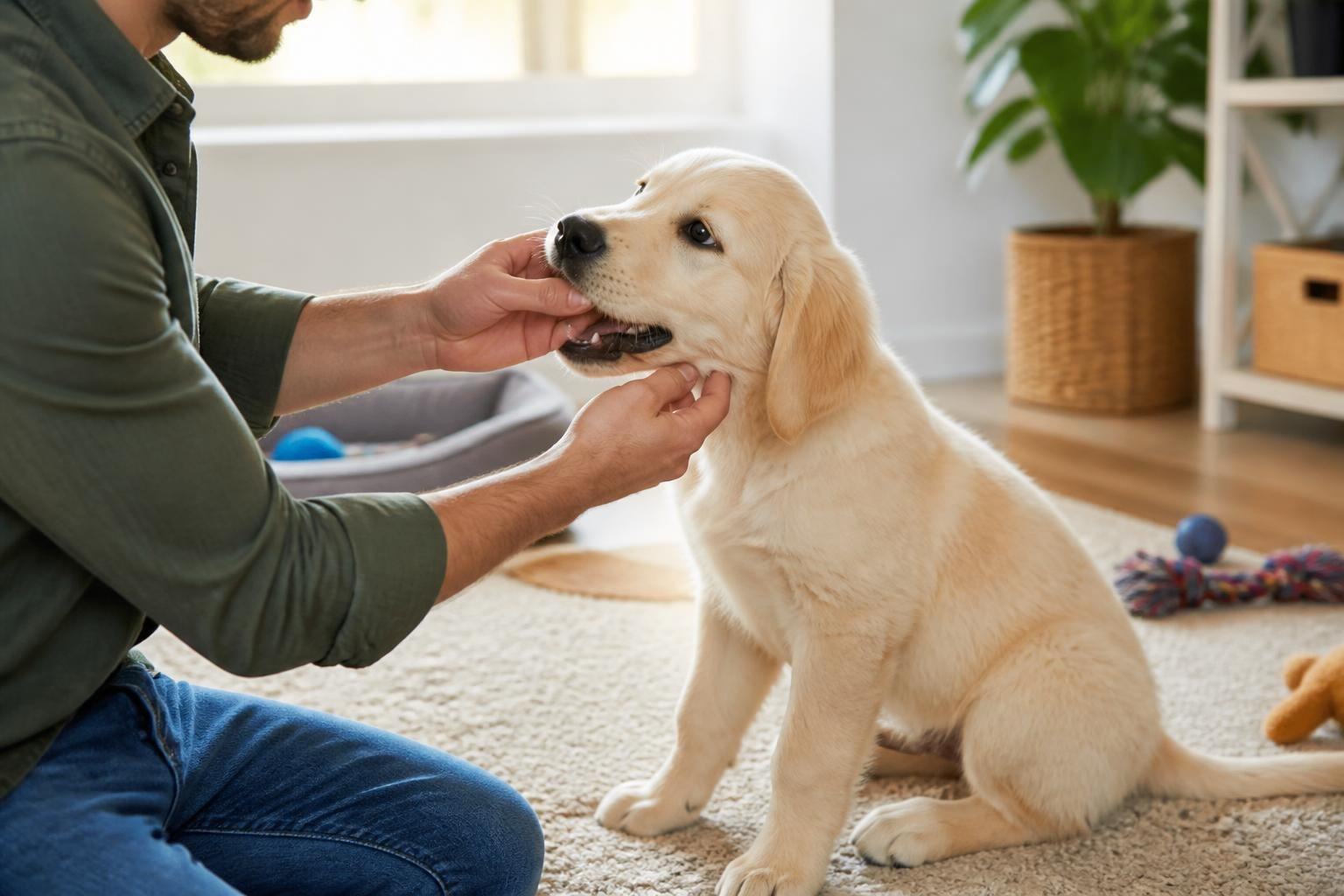
Bite inhibition is the foundation for preventing adult dog biting problems and ensures safe interactions throughout a dog’s life. Puppies naturally learn this skill from their mothers and littermates, but owners must continue this training after adoption.
What Is Bite Inhibition?
Bite inhibition is a dog’s ability to control the force of their mouth when biting. Dogs with good bite inhibition know how to use their mouths gently, even during play or stressful situations.
This skill doesn’t mean a dog will never use their mouth. Instead, it means they understand how to apply appropriate pressure. A dog with strong bite inhibition can mouth a hand without leaving marks or causing pain.
All dogs need this training because even the most well-behaved dog might bite if scared, injured, or startled. When a dog has learned bite inhibition, any bite that does occur will be much less severe. This can prevent serious injuries and may save a dog’s life if an incident happens.
How Puppies Learn Bite Inhibition
Puppies start learning bite control from their mother and siblings between 3 to 8 weeks of age. When a puppy bites too hard during play, their littermate will yelp and stop playing. This immediate feedback teaches the puppy that hard bites end the fun.
The mother dog also corrects puppies who bite too roughly. She may give a warning growl or briefly walk away. These early lessons create the foundation for bite control.
Owners must continue this education after bringing a puppy home. The training happens in two phases. First, puppies learn to soften their bite pressure. Second, they learn to reduce how often they use their mouth on people. Both phases are essential for creating a safe adult dog.
Consequences of Poor Bite Control
Dogs without proper bite inhibition pose serious risks to people and other animals. A dog who never learned to control bite pressure may cause severe injuries, even in situations where a trained dog would only leave a small mark.
Poor bite control often leads to behavioral problems beyond biting. These dogs may struggle with appropriate play and social interactions. They don’t understand the signals other dogs give during playtime.
Common problems include:
- Difficulty making friends with other dogs
- Increased risk of being surrendered to shelters
- Legal liability for owners
- Potential euthanasia after a serious bite incident
Dogs with poor bite inhibition may face severe consequences if they bite someone. Many areas have strict laws about dog bites. A single serious incident can result in mandatory euthanasia, regardless of the circumstances that led to the bite.
Effective Techniques to Curb Biting
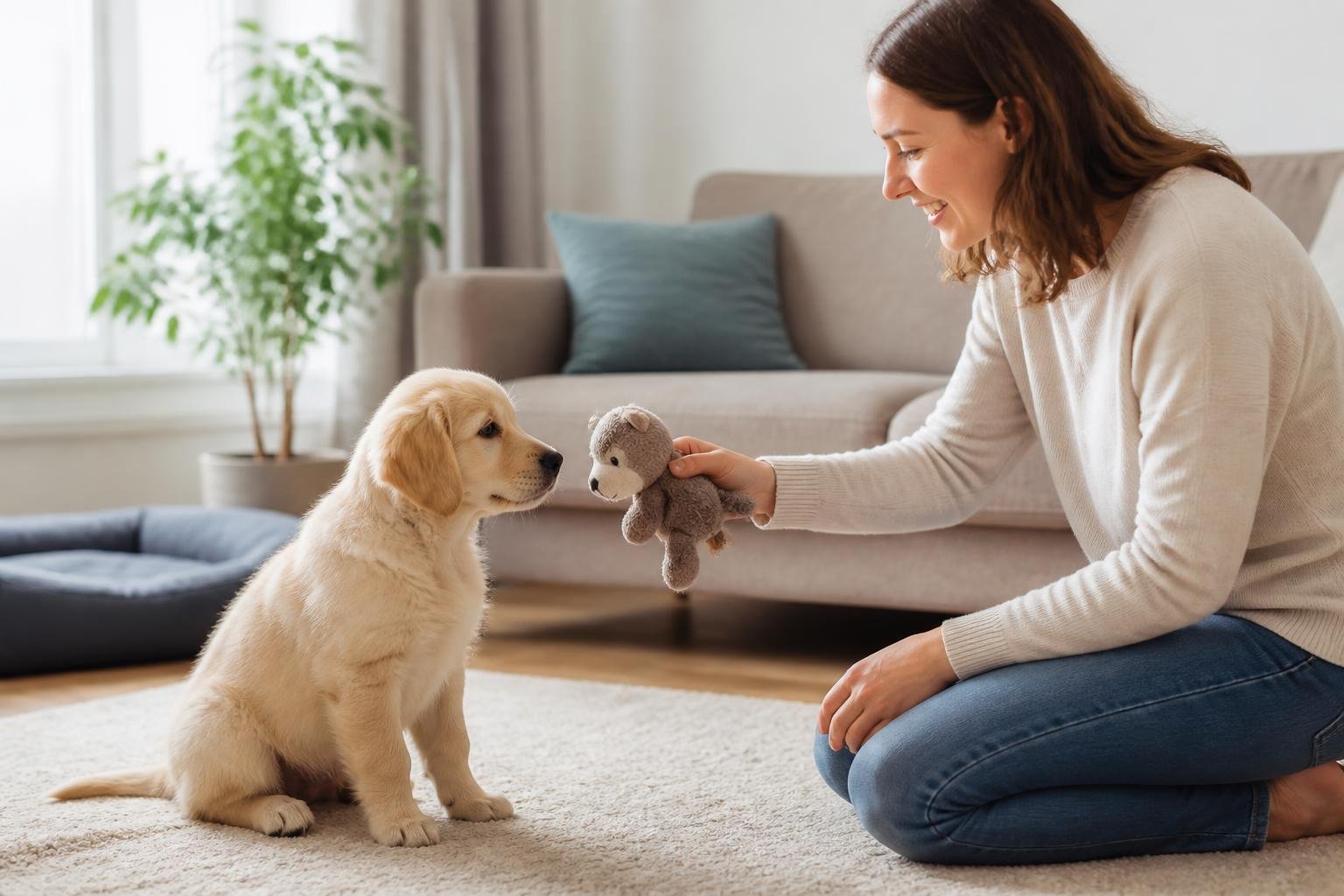
Training a puppy to stop biting requires using proven methods that teach proper behavior while building trust. The most successful approaches involve redirecting the puppy’s attention, managing overstimulation, rewarding good choices, and maintaining steady training practices.
Redirecting With Chew Toys
Redirecting puppy biting toward appropriate chew toys gives puppies a safe outlet for their natural urge to mouth and bite. When a puppy starts nipping at hands or clothing, owners should immediately offer a Kong Puppy toy or a Nylabone teething ring as an alternative. These toys are designed specifically for young puppies and provide relief during teething.
The key is to keep chew toys within easy reach at all times. When the puppy accepts the toy instead of biting hands, this creates a positive association. Rotating between different textures and types of toys keeps puppies interested and engaged.
Puppies between 3-6 months old experience the most teething discomfort. Having multiple chew toys available during this period helps prevent furniture and personal items from becoming targets. The redirect should happen quickly, within seconds of the unwanted biting behavior.
The Power of Time-Outs and Attention Removal
Removing attention when puppy nipping occurs teaches puppies that biting ends playtime immediately. When a puppy bites too hard, the person should stand up, turn away, and completely ignore the puppy for 30-60 seconds. This brief time-out communicates that biting makes fun interactions stop.
Some puppies become more excited when ignored in the same room. In these cases, the person should calmly leave the room and close the door behind them. The separation should last only 30-60 seconds before returning.
This technique works because puppies naturally want social interaction and play. They quickly learn which behaviors keep people engaged and which behaviors cause isolation. Time-outs should never involve yelling or physical punishment, as these methods can damage trust and increase anxiety.
Using Positive Reinforcement
Positive reinforcement rewards puppies for gentle behavior and teaches them what actions earn praise and treats. When a puppy licks instead of bites or takes a toy gently, owners should immediately offer verbal praise or a small treat. This approach builds wanted behaviors rather than just stopping unwanted ones.
Timing matters significantly with positive reinforcement. The reward must come within 2-3 seconds of the good behavior so the puppy connects the action with the reward. Using a specific marker word like “yes” or “good” helps puppies understand exactly which behavior earned the reward.
Treats should be small, soft, and easy to chew quickly. Training sessions work best when puppies are calm rather than overexcited or tired.
Consistency in Training Methods
All family members must use the same techniques and rules to stop puppy biting effectively. When one person allows mouthing during play while another person discourages it, puppies become confused about expectations. Everyone in the household should agree on which methods to use and stick with them.
Consistency also means responding the same way every single time the puppy bites. If biting sometimes gets attention and sometimes results in time-outs, the puppy cannot learn clear boundaries. This applies to visitors and friends as well.
Training takes repetition and patience. Most puppies show improvement within a few days of consistent practice, but full bite inhibition develops over several weeks or months.
Tools and Toys to Support Training
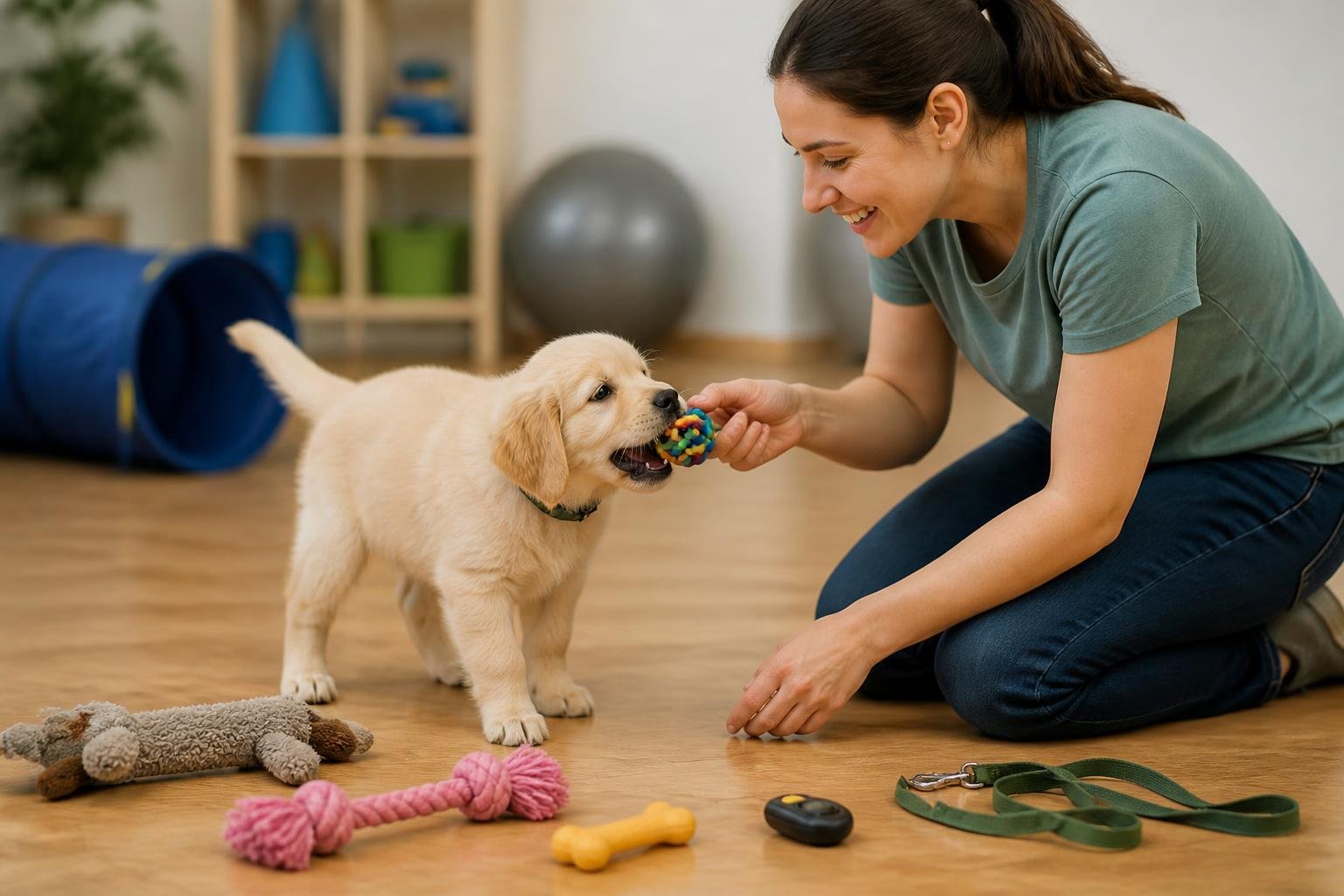
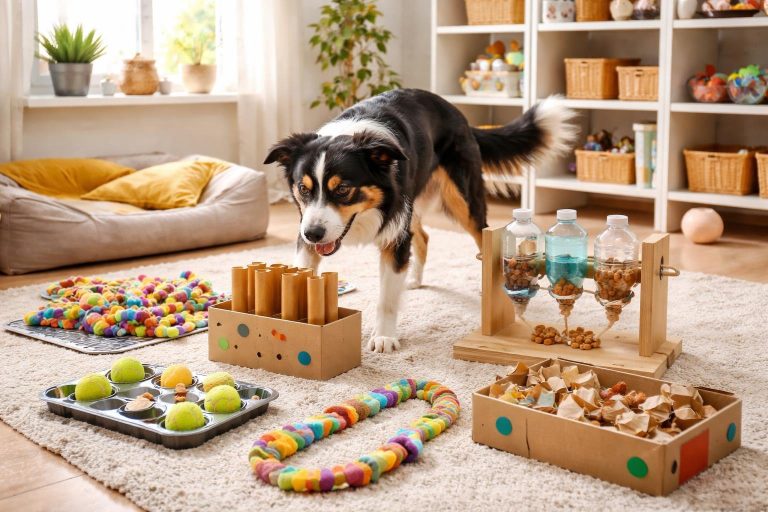
The right tools make training easier and give puppies safe ways to use their mouths. Proper chew toys satisfy teething needs while teaching puppies what they can bite.
Choosing Safe and Engaging Chew Toys
Safe chew toys must match a puppy’s age and size. Soft rubber toys like the KONG Puppy work well because they’re gentle on young teeth and gums. Hard plastic or bones can crack puppy teeth.
Look for toys without small parts that could break off and cause choking. The toy should be large enough that the puppy cannot swallow it whole. Textured surfaces help massage sore gums during teething.
Different puppies prefer different textures. Some like soft plush toys while others want firm rubber. Test a few options to find what keeps the puppy interested. Rope toys, rubber rings, and crinkle toys each offer unique sensations.
Avoid toys that look like household items. A puppy cannot tell the difference between an old shoe given as a toy and new shoes in the closet.
Benefits of Teething Toys
Teething toys ease the discomfort puppies feel when adult teeth come in. This happens between 3 and 6 months of age. A Nylabone teething ring or similar product gives puppies something appropriate to chew.
Cold toys provide extra relief for sore gums. Freeze a wet washcloth or a rubber toy filled with water for safe cold therapy. The cold numbs pain and reduces swelling.
When puppies have access to good chew toys, they’re less likely to bite hands, furniture, or clothing. The key is to redirect with chew toys immediately when puppy biting starts. This teaches puppies that toys are for biting, not people.
Toy Rotation and Management
Keep 3 to 5 toys available at one time rather than giving the puppy access to everything at once. This prevents boredom and keeps toys interesting. Store the rest and swap them out every few days.
Place toys in areas where the puppy spends the most time. Keep extras near common trouble spots like doorways or furniture the puppy tends to chew. This makes redirection quick and easy.
Clean toys regularly with hot water and pet-safe soap. Throw away toys that have loose pieces, sharp edges, or large tears. Damaged toys become safety hazards.
Maximizing Socialization for Better Behavior
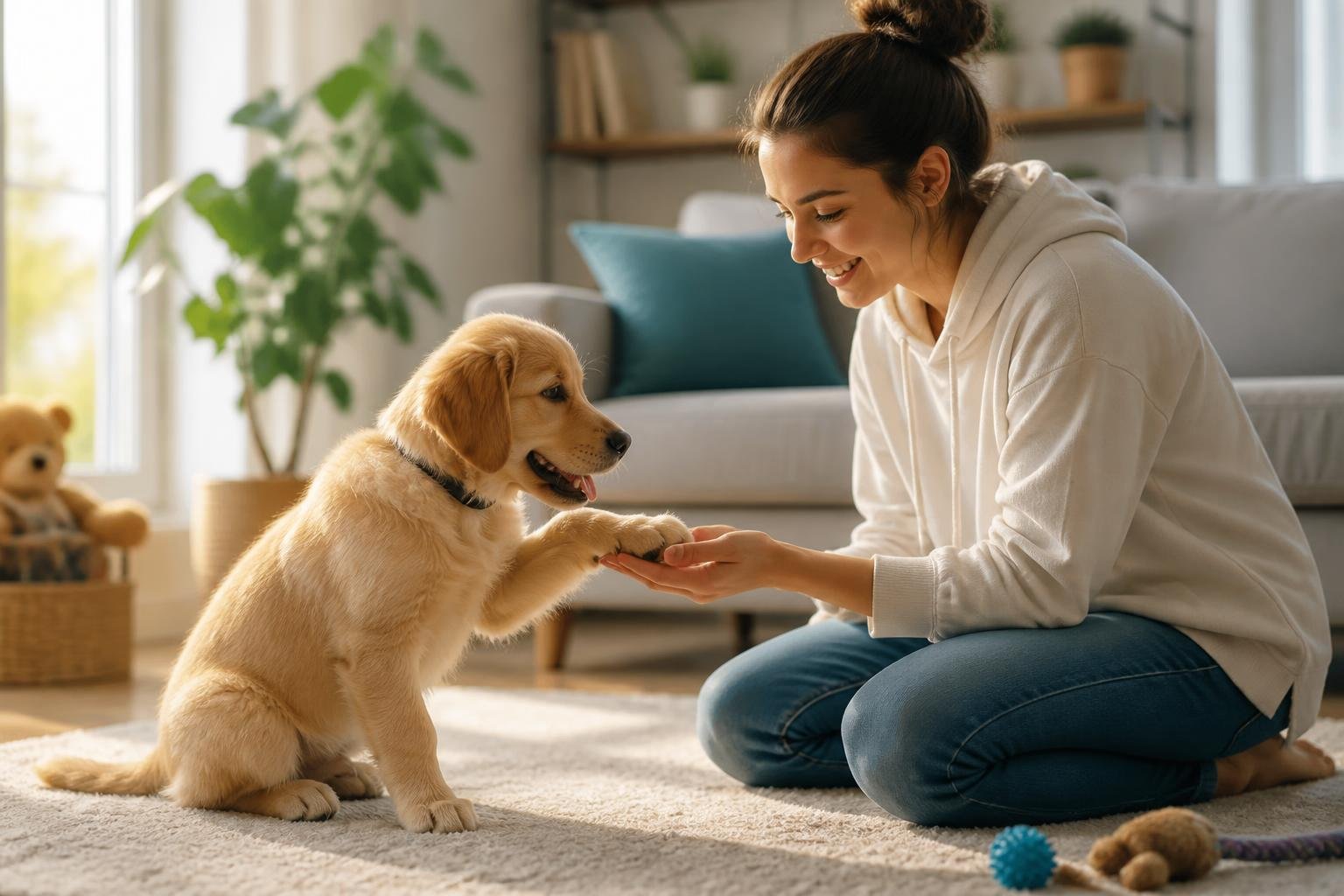
Proper socialization helps puppies learn bite control by interacting with other dogs who provide immediate feedback. Puppies develop better behavior through structured classes, controlled playdates, and exposure to well-mannered adult dogs.
Role of Other Puppies and Adult Dogs
Other puppies teach bite inhibition naturally during play. When one puppy bites too hard, the other yelps and stops playing. This teaches the biting puppy that rough biting ends the fun.
Adult dogs provide similar lessons but with more authority. A well-socialized adult dog will correct a puppy’s rough behavior with a quick warning. These corrections are normal and help puppies understand boundaries.
Puppies learn to read body language from other dogs. They discover when another dog wants to play and when they need space. This awareness reduces aggressive or fearful biting later in life.
The best adult dogs for puppy interaction are patient and tolerant. They should be fully vaccinated and have a calm temperament. Owners should always supervise these interactions to keep them positive.
Puppy Socialization Classes
Puppy socialization classes offer controlled environments where puppies can interact safely. These classes typically accept puppies between 8 and 16 weeks old. A qualified trainer supervises all interactions to prevent negative experiences.
In puppy classes, dogs learn appropriate play behavior with peers their own age. Trainers interrupt play when it gets too rough and redirect puppies to calmer activities. This teaches puppies that gentle play continues while rough behavior stops.
Classes also expose puppies to different people, sounds, and surfaces. This broad exposure reduces fear-based biting as puppies mature. Most classes run for 4-6 weeks with weekly sessions.
Playdates and Safe Interactions
Organized playdates with known puppies create opportunities for social learning. Owners should choose playmates similar in size and energy level. The play area should be neutral territory with plenty of space.
Sessions should last 15-30 minutes to prevent overtired puppies from getting too rough. Owners must watch for signs that play is escalating, such as constant chasing or pinning. Brief timeouts help reset excited puppies.
Safe interactions include breaks where puppies can rest separately. Water should be available, and high-value toys should be removed to prevent resource guarding. Owners should end playdates on a positive note before puppies become overwhelmed.
When to Seek Professional Assistance
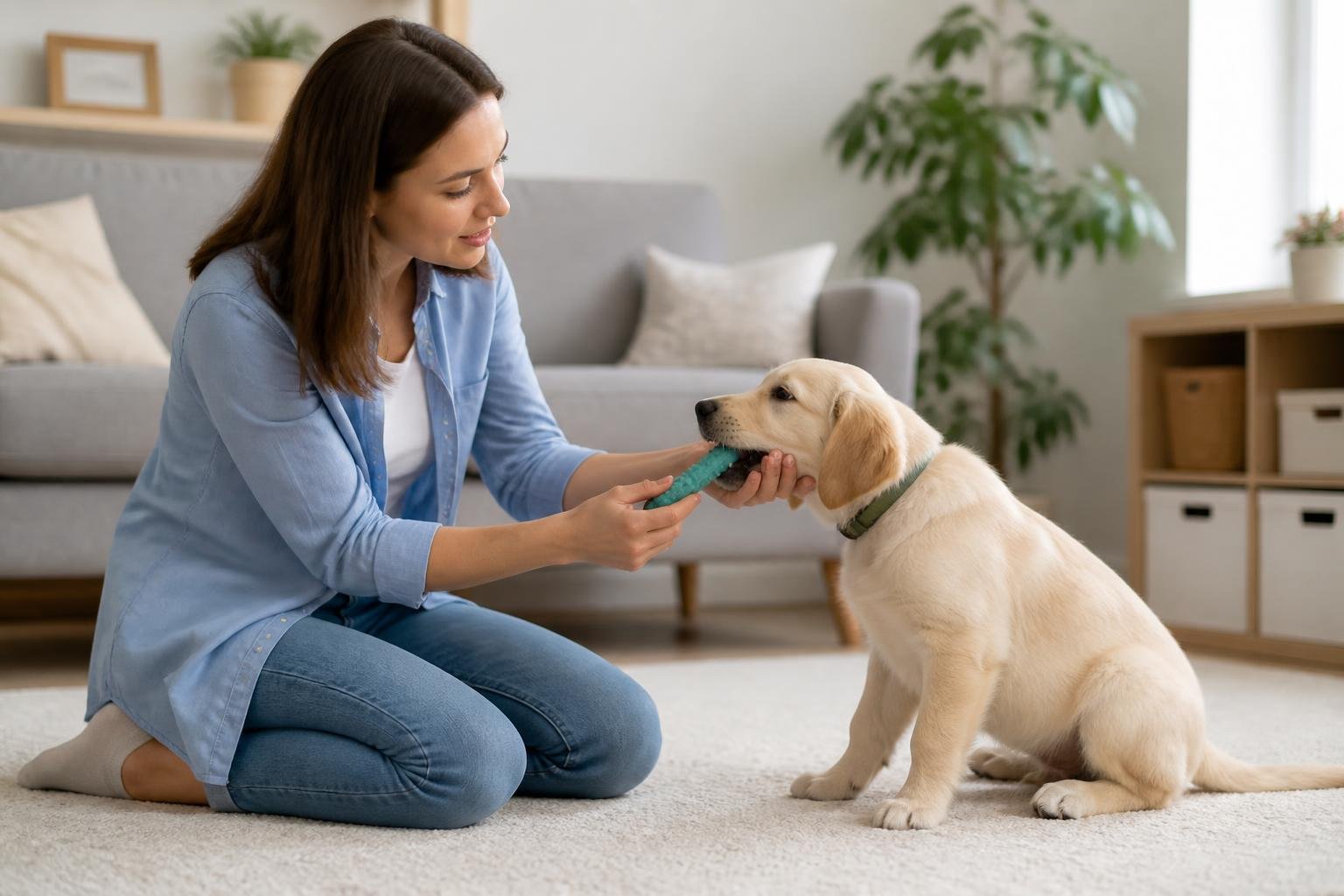
Most puppies stop biting on their own with consistent training, but some situations require expert help. A certified applied animal behaviorist can provide specialized support when biting becomes aggressive or doesn’t improve with standard training methods.
Signs of Persistent or Aggressive Biting
Normal puppy biting involves mouthing during play and exploration. However, certain warning signs indicate a need for professional intervention.
Red flags include:
- Bites that break skin or cause bleeding
- Growling or snarling while biting
- Stiff body language with raised hackles
- Biting when someone approaches food or toys (resource guarding)
- No improvement after 2-3 weeks of consistent training
- Biting that occurs out of fear rather than play
Puppies that display these behaviors may be showing early signs of aggression. The biting might get worse as the puppy grows larger and stronger. Professional help becomes essential when the puppy’s behavior poses a safety risk to family members or visitors.
How a CAAB Can Help
A certified applied animal behaviorist (CAAB) specializes in understanding and modifying complex animal behaviors. These professionals hold advanced degrees in animal behavior and can identify underlying causes of aggressive biting.
The CAAB will first assess the puppy’s behavior patterns and triggers. They create a customized training plan based on the specific issues observed. This plan addresses the root cause rather than just the symptoms.
Treatment may include behavior modification techniques, environmental changes, and management strategies. The behaviorist works directly with the owner to implement the plan correctly. Follow-up sessions track progress and adjust methods as needed.
Finding Qualified Support
Start by asking a veterinarian for referrals to qualified behavior professionals. Many vets work closely with certified trainers and behaviorists in their area.
Look for professionals with proper credentials. A CAAB has completed graduate-level education and certification through the Animal Behavior Society. Certified Professional Dog Trainers (CPDT) with extensive experience also provide valuable support.
Check online directories through professional organizations like the Animal Behavior Society or the Certification Council for Professional Dog Trainers. These resources list certified professionals by location. Read reviews and ask about their experience with puppy biting issues before scheduling a consultation.
Frequently Asked Questions
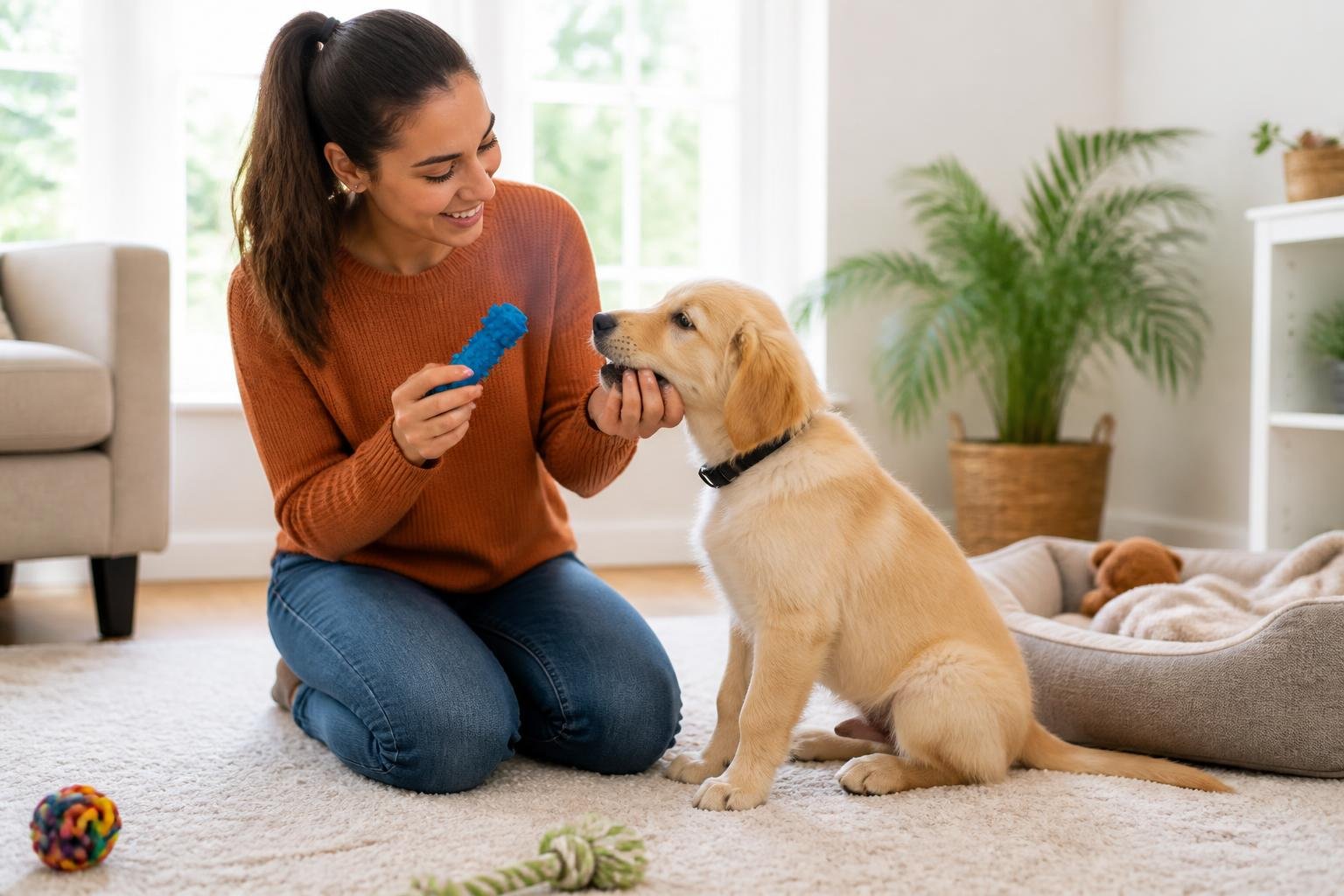
Puppy biting raises many questions for new owners, from understanding normal play behavior to knowing when professional help is needed. The following answers address common concerns about managing and redirecting puppy mouthing habits.
Why does my puppy bite so much during play?
Puppies explore their world through their mouths since they lack hands to investigate objects and people. This natural behavior intensifies during play when puppies become excited and lose some impulse control.
Play biting also mimics how puppies interact with their littermates. In the litter, puppies wrestle and nip at each other to learn social skills and boundaries. When a puppy joins a human family, they continue this behavior because it feels normal to them.
Teething adds another layer to the biting problem. Puppies experience discomfort as their baby teeth fall out and adult teeth come in, which makes them want to chew on everything they can reach.
What should I do immediately when my puppy bites my hands or clothes?
Stop all interaction the moment teeth touch skin or fabric. This means freezing movement, withdrawing attention, and staying quiet for a few seconds. The sudden change teaches the puppy that biting ends the fun.
After pausing briefly, redirect the puppy to an appropriate chew toy. Praise them when they take the toy instead of continuing to mouth hands or clothing. If the puppy persists in biting, leave the room for 10 to 30 seconds to reinforce that biting makes people go away.
Avoid pulling away quickly or making high-pitched sounds, as these reactions can excite the puppy more. Yelling or physical corrections often increase anxiety and can make the biting worse.
How can I teach my puppy bite inhibition without encouraging rough play?
Bite inhibition training starts with allowing gentle mouthing while setting clear limits on pressure. When the puppy mouths softly, continue playing. When they bite too hard, make a neutral sound like “ouch” and pause the game.
The pause should last only a few seconds before resuming play. This teaches the puppy that hard bites stop fun activities while soft mouth pressure keeps play going. Over time, owners can gradually reduce tolerance for any tooth contact.
Reward calm behavior and gentle interactions with treats and praise. Keep play sessions relatively short to prevent the puppy from getting overstimulated. Structured games like fetch or tug with rules work better than rough wrestling or chase games.
Which chew toys and teething aids work best for a mouthing puppy?
Rubber toys with different textures provide good relief for sore gums. Durable rubber can withstand heavy chewing while giving puppies something safe to gnaw on throughout the day.
Frozen items soothe teething discomfort effectively. Wet a washcloth, freeze it, and let the puppy chew on it. Some owners freeze special rubber toys or puppy-safe foods like carrots for the same cooling effect.
Rope toys and nylon chews offer variety in texture and shape. Rotate different toys every few days to maintain the puppy’s interest. Always supervise chew sessions and remove toys that break into small pieces.
How do I stop my puppy from biting children or guests when excited?
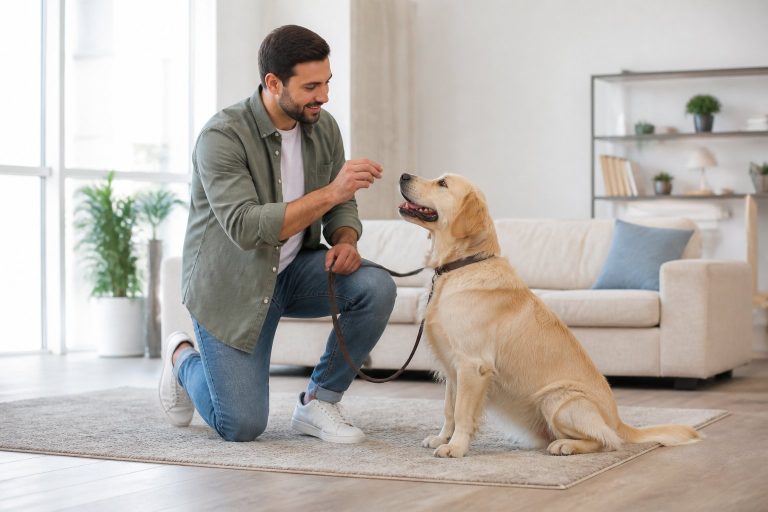
Management comes first when puppies struggle with impulse control around new people. Keep the puppy on a leash during greetings so owners can prevent jumping and biting before it happens.
Teach children to stand still with arms crossed when the puppy approaches. Movement and noise trigger a puppy’s prey drive and excitement. Once the puppy calms down, children can offer a toy or treat instead of petting.
Ask guests to ignore the puppy until they settle. Have treats ready so visitors can reward calm behavior rather than excited jumping and mouthing. If the puppy cannot calm down, remove them to a quiet space with a chew toy for a brief timeout.
When is puppy biting considered abnormal and worth discussing with a veterinarian or trainer?
Biting that breaks skin regularly suggests a puppy has not learned appropriate bite pressure. Most puppies naturally soften their bite through normal play and feedback. Persistent hard biting after 4 to 5 months warrants professional evaluation.
Aggressive body language during biting indicates a more serious problem. Warning signs include stiff posture, growling, raised hackles, or biting that seems motivated by fear or resource guarding rather than play. These behaviors require immediate attention from a qualified trainer or veterinary behaviorist.
Pain-related biting can occur when puppies feel uncomfortable or sick. A puppy that suddenly starts biting when touched in certain areas may have an injury or health issue. Schedule a veterinary exam to rule out medical causes before continuing behavior modification.