
Are Hydrangeas Poisonous to Dogs? Essential Safety Information for Pet Owners
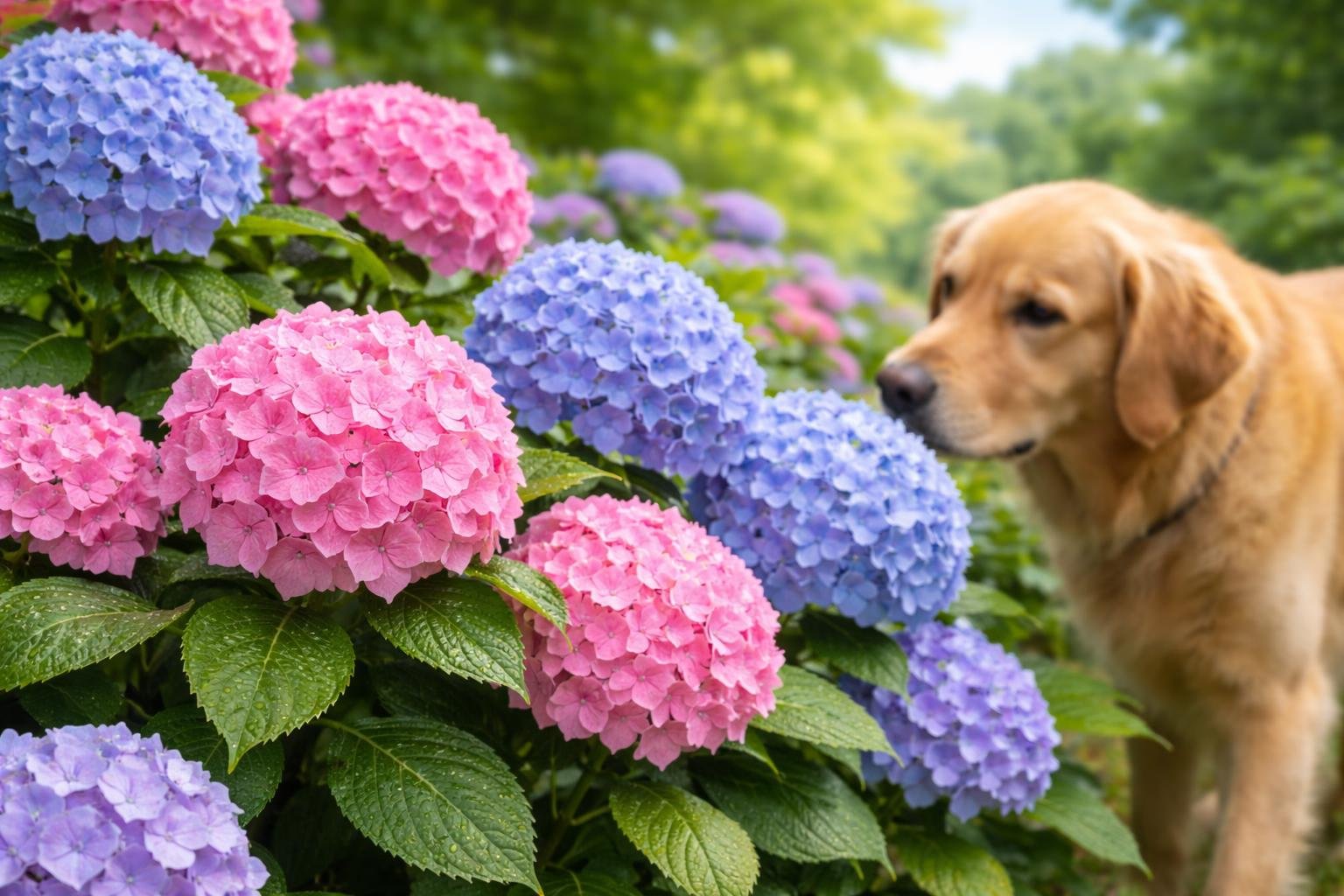
Hydrangeas are popular garden plants that produce beautiful clusters of flowers in shades of pink, blue, purple, and white. Many dog owners wonder if these common shrubs pose a danger to their pets. Yes, hydrangeas are toxic to dogs, as both the leaves and buds contain harmful compounds that can make dogs sick if eaten.

The good news is that serious poisoning from hydrangeas is uncommon. Most dogs would need to eat a large amount of the plant to experience severe symptoms. Understanding what makes hydrangeas dangerous and knowing what signs to watch for can help pet owners keep their dogs safe.
This article covers the symptoms of hydrangea poisoning, why these plants are toxic, and what steps to take if a dog eats part of a hydrangea. It also explains how veterinarians diagnose and treat poisoning cases, along with practical tips for preventing dogs from eating these plants in the first place.
Are Hydrangeas Poisonous to Dogs?

Yes, hydrangeas are poisonous to dogs. All parts of the plant contain toxic compounds that can make dogs sick if eaten.
Toxic Parts of the Hydrangea Plant
Every part of the hydrangea plant poses a risk to dogs. The buds, stems, flowers, and leaves all contain cyanogenic glycosides, with amygdalin being the primary toxic compound.
The roots contain the highest concentration of these toxic substances. Young leaves follow as the second most toxic part of the plant. This means that digging dogs face greater danger than those who simply nibble on flowers.
The flowers and mature leaves contain lower amounts of toxins but can still cause problems. Even small amounts can trigger symptoms in sensitive dogs. The same type of toxin found in hydrangeas also appears in apple seeds and cherry pits.
Toxicity Levels Among Hydrangea Varieties
All hydrangea species are toxic to dogs. This includes the common bigleaf hydrangea, panicle hydrangea, and other popular varieties grown in gardens.
Some sources suggest certain varieties may be less toxic than others. However, pet owners should treat all hydrangeas as potentially dangerous plants. The toxicity level can vary based on the plant’s age, growing conditions, and which part a dog consumes.
The pH of soil affects flower color but does not change the plant’s toxicity. Blue, pink, white, and purple hydrangeas all pose the same basic risk to dogs.
Symptoms of Hydrangea Poisoning in Dogs

Dogs that eat hydrangea plants typically develop gastrointestinal symptoms within a few hours of ingestion. The severity depends on how much of the plant the dog consumed and the dog’s body weight.
Common Clinical Signs
The most frequent symptoms of hydrangea poisoning affect the digestive system. Vomiting is usually the first sign that appears after a dog eats any part of a hydrangea plant. This is followed by diarrhea, which may be watery or contain plant material.
Dogs may also show signs of abdominal discomfort or pain. They might become lethargic and show less interest in normal activities. Some dogs drool excessively or refuse to eat.
In more serious cases, dogs can experience difficulty breathing. Depression and weakness are additional warning signs. Rarely, dogs may collapse if they consumed a large amount of the plant.
Severity of Symptoms Based on Amount Ingested
Smaller dogs face greater risk from eating hydrangeas because less plant material can cause poisoning. A small dog might develop symptoms from eating just a few leaves or flower buds. Larger dogs need to consume more of the plant before showing signs of toxicity.
The leaves and flower buds contain the highest concentration of toxic compounds. Dogs that nibble on a single leaf might experience only mild stomach upset. Those that eat multiple leaves, stems, or flowers are more likely to develop severe symptoms.
Most cases of hydrangea poisoning remain mild and resolve with basic veterinary care. Life-threatening reactions are uncommon but possible when dogs ingest significant quantities of the plant.
What Causes Hydrangea Toxicity in Dogs?

Hydrangeas contain a specific type of poison that affects dogs when they eat parts of the plant. The toxic compound triggers a chemical reaction in the dog’s body that can lead to various health problems.
Cyanogenic Glycosides Explained
Cyanogenic glycosides are natural toxins found throughout the hydrangea plant. These compounds exist in the leaves, flowers, stems, and buds of the shrub. When a dog chews or swallows these plant parts, the cyanogenic glycosides break down in the digestive system.
The breakdown process releases cyanide, which is harmful to dogs. Hydrangeas have evolved to produce these toxins as a defense mechanism against animals eating them. The leaves and flower buds contain the highest amounts of these compounds.
The concentration of cyanogenic glycosides varies based on the hydrangea species and plant maturity. Fresh plant material typically contains more active toxins than dried or wilted parts.
How Hydrangeas Affect Canine Health
When a dog eats hydrangea, the released cyanide interferes with oxygen delivery in the body. Cyanide prevents cells from using oxygen properly, which affects multiple organ systems. The digestive system reacts first, causing stomach upset and related symptoms.
The severity of poisoning depends on how much the dog ate and the dog’s size. Small dogs can get sick from eating just a few leaves, while large dogs need to consume more plant material. Most cases remain mild because dogs would need to eat a large amount of hydrangea to experience serious poisoning.
The toxin acts quickly once absorbed. Symptoms can appear within 30 minutes to a few hours after ingestion.
What to Do If Your Dog Eats Hydrangeas

Quick action can make a significant difference when a dog consumes any part of a hydrangea plant. Owners should remove the plant material from their dog’s mouth and contact their veterinarian for guidance.
Immediate Steps for Owners
The first step is to remove any remaining plant material from the dog’s mouth. Owners should do this carefully to avoid getting bitten if the dog is stressed.
Next, identify what part of the hydrangea the dog ate and estimate how much they consumed. The flowers, leaves, stems, and buds all contain toxins. Larger amounts typically cause more severe symptoms.
Do not try to make the dog vomit unless a veterinarian specifically instructs this action. Induced vomiting can sometimes cause more harm than good.
Keep the dog calm and restrict their access to food and water until speaking with a vet. Take photos of the plant or bring a sample to the veterinary clinic if possible. This helps the veterinarian identify the exact plant and determine the best treatment approach.
Write down the time the dog ate the hydrangea and any symptoms that appear. This information helps the veterinarian assess the situation accurately.
When to Contact a Veterinarian
Contact a veterinarian immediately after discovering the dog ate hydrangea. Even if the dog seems fine, toxicity symptoms may not appear right away.
Call the veterinarian or an animal poison control hotline for professional guidance. They will ask about the amount consumed, the dog’s size, and any symptoms present. Based on this information, they will advise whether the dog needs emergency care or can be monitored at home.
Seek emergency veterinary care if the dog shows any of these symptoms:
- Vomiting or diarrhea
- Excessive drooling
- Lethargy or weakness
- Difficulty breathing
- Loss of appetite
Most cases of hydrangea poisoning cause mild symptoms that resolve with supportive care. However, large amounts can lead to more serious complications that require immediate medical attention.
Diagnosis and Treatment of Hydrangea Poisoning

A veterinarian will use several diagnostic methods to confirm hydrangea poisoning, and treatment focuses on removing the toxin from the dog’s system while managing symptoms until recovery.
Veterinary Diagnosis Methods
The vet will start by asking about the dog’s recent activities and any possible exposure to hydrangea plants. They will perform a physical exam to check vital signs like heart rate, breathing, and body temperature.
Blood tests help the vet assess organ function and look for signs of toxicity. These tests can show if the liver or kidneys are affected. The vet may also check blood oxygen levels since cyanogenic glycosides can interfere with oxygen use in the body.
If the dog recently ate hydrangea, the vet might examine vomit or stool samples for plant material. They will look at all symptoms together to rule out other conditions that cause similar signs. The symptoms of hydrangea poisoning can look like other illnesses, so the vet needs a complete picture to make an accurate diagnosis.
Treatment Options and Recovery
Treatment depends on how much the dog ate and how severe the symptoms are. If the dog ate hydrangea within the past two hours, the vet may induce vomiting to remove plant material from the stomach. They might also give activated charcoal to absorb remaining toxins.
The vet will provide intravenous fluids to keep the dog hydrated and help flush toxins from the body. Dogs with severe vomiting or diarrhea need fluid support to prevent dehydration. Anti-nausea medication helps control vomiting, while other medications address specific symptoms like seizures or heart problems.
Most dogs recover fully with prompt veterinary care. Mild cases often improve within 24 hours, while more serious poisoning may require several days of treatment and monitoring.
Preventing Accidental Ingestion of Hydrangeas

Pet owners can protect their dogs from hydrangea poisoning through strategic garden planning and plant selection. Creating physical barriers and choosing non-toxic alternatives helps keep dogs safe while maintaining an attractive outdoor space.
Dog-Proofing Your Garden
Installing physical barriers around hydrangea plants provides the most effective protection. Fencing can separate dogs from toxic plants, with options ranging from decorative garden borders to taller barriers for larger or more active dogs. The barrier should be sturdy enough that dogs cannot push through or jump over it.
Effective barrier options include:
- Chicken wire or mesh fencing around plant beds
- Decorative garden edging with height
- Raised planters that dogs cannot reach
- Garden gates to restrict access to specific areas
Training dogs to avoid certain garden areas adds another layer of protection. Teaching commands like “leave it” helps prevent dogs from eating plants during supervised outdoor time. Consistent reinforcement of boundaries makes dogs less likely to approach hydrangea bushes.
Supervision remains important when dogs spend time in gardens with hydrangeas. Keeping dogs on leashes during initial outdoor training helps establish which areas are off-limits. Removing fallen leaves and flowers from the ground eliminates temptation for curious dogs who might chew on plant debris.
Safe Alternatives to Hydrangeas
Many flowering plants and shrubs offer similar visual appeal without the toxic risks. These alternatives allow pet owners to maintain colorful gardens while prioritizing dog safety.
Non-toxic flowering options include:
- Roses (thornless varieties are safer)
- Camellias
- Zinnias
- Sunflowers
- Petunias
- Snapdragons
Pet-safe shrubs like blueberry bushes provide structure and seasonal interest similar to hydrangeas. These plants produce edible berries that are safe if dogs decide to sample them. Butterfly bush offers large, showy flower clusters and grows to comparable sizes as hydrangeas.
Before planting new specimens, pet owners should verify toxicity status through reliable sources like the ASPCA’s plant database. Some plants have cultivar-specific toxicity levels, making research essential for each specific variety.
Risks for Specific Dog Breeds and Ages

All dogs face the same basic risk from hydrangea toxicity. The plant contains amygdalin, which affects every dog regardless of breed.
However, certain factors make some dogs more vulnerable than others. Small breed dogs face higher risks because they have less body mass. A Chihuahua or Yorkshire Terrier eating the same amount of hydrangea as a German Shepherd will experience more severe symptoms. The toxin concentration in their smaller bodies becomes more potent.
Puppies are at greater risk for several reasons:
- They explore the world by chewing and tasting things
- Their smaller size means less toxin is needed to cause problems
- Their developing organs process toxins less efficiently
- They have less impulse control around plants
Senior dogs also need extra attention. Older dogs often have weaker immune systems and may already have liver or kidney issues. These existing health problems can make it harder for their bodies to process the toxins from hydrangeas.
Dogs with pre-existing health conditions face additional dangers. Those with digestive problems, liver disease, or kidney disease may experience worse symptoms. Their compromised systems struggle more to eliminate the toxins.
Curious or food-motivated dogs present a behavioral risk factor. Breeds known for chewing or eating non-food items, like Labrador Retrievers and Beagles, may be more likely to ingest hydrangeas. Dogs who spend more time outdoors unsupervised also have greater exposure to the plants.
Other Common Plants That Are Toxic to Dogs
Many popular plants found in homes and gardens can be harmful to dogs. Pet owners should know which plants to avoid or keep out of reach.
Common Toxic Plants Include:
- Sago Palm – All parts are highly dangerous to dogs
- Tulips – The bulbs contain the highest concentration of toxins
- Aloe Vera – Can cause digestive problems if eaten
- Pothos – A common houseplant that causes mouth and stomach irritation
- Philodendron – Another popular indoor plant that’s unsafe for dogs
- Holly – The berries and leaves can make dogs sick
- Lilies – Certain types are extremely toxic
- Ivy – Can cause vomiting and stomach pain
- Lavender – May cause mild symptoms in some dogs
- Snake Plants – Lead to nausea and vomiting
- Lucky Bamboo – Not safe despite its popularity
In 2022, the ASPCA Animal Poison Control Center reported that over 8 percent of their calls involved pets eating toxic plants. This makes plant poisoning the sixth most common pet toxin.
Dogs who eat poisonous plants often show similar symptoms. These include vomiting, diarrhea, and low energy levels. Some plants cause more severe reactions than others.
Pet owners should check their homes and yards for these plants. Keeping toxic plants away from curious dogs is the best way to prevent accidental poisoning. If a dog eats any potentially harmful plant, owners should contact the Pet Poison Helpline at 1-855-764-7661 or their veterinarian right away.
Conclusion

Hydrangeas are toxic to dogs. All parts of the plant contain cyanogenic glycosides, which can harm pets if eaten.
Dog owners should take this risk seriously. The buds and leaves pose the greatest danger to pets. However, the good news is that severe poisoning cases are relatively rare.
Key points to remember:
- Keep hydrangeas out of reach from curious dogs
- Watch for symptoms like vomiting, diarrhea, and lethargy
- Contact a veterinarian immediately if a dog eats any part of the plant
- Consider planting pet-safe alternatives instead
The severity of poisoning depends on how much a dog eats and the dog’s size. Small amounts may cause mild stomach upset. Larger amounts can lead to more serious symptoms.
Pet owners don’t need to remove all hydrangeas from their yards. Simple precautions work well for most households. Installing barriers around plants keeps dogs away. Training dogs to avoid certain garden areas also helps.
Anyone concerned about their dog’s safety should call their veterinarian right away. The ASPCA Animal Poison Control Center offers 24-hour assistance at (888) 426-4435. Quick action makes a big difference in treatment outcomes.
Garden lovers can enjoy beautiful landscapes while keeping their pets safe. The key is knowing which plants pose risks and taking appropriate steps to protect dogs from harm.
Frequently Asked Questions
Hydrangeas contain cyanogenic glycosides that make all parts of the plant toxic to dogs, with symptoms typically appearing shortly after ingestion. Pet owners need to know what signs to watch for, which plant parts pose the greatest risk, and when to seek veterinary care.
What symptoms might a dog show after ingesting parts of a hydrangea plant?
Dogs that eat hydrangea typically show vomiting and diarrhea as the most common symptoms. Lethargy often accompanies these digestive issues.
In rare cases involving larger amounts, dogs may experience more serious symptoms. The toxic compounds in hydrangeas can affect the digestive system and overall energy levels. Most cases remain mild, but any symptoms require attention.
Which parts of the hydrangea plant are most toxic to dogs (flowers, leaves, stems, or buds)?
The roots contain the highest concentration of toxic compounds in hydrangea plants. Young leaves come second in toxicity levels.
All parts of the hydrangea plant are poisonous to dogs, including flowers, stems, and buds. The toxic substance, cyanogenic glycoside, exists throughout the entire plant. No part of a hydrangea is safe for dogs to eat.
How much hydrangea ingestion is considered dangerous for a dog based on size and breed?
Any amount of hydrangea ingestion can make a dog sick, regardless of the dog’s size or breed. Even small amounts typically cause symptoms like vomiting and diarrhea.
Large amounts pose greater danger and can lead to more serious health problems. Smaller dogs may experience stronger effects from the same amount compared to larger dogs. Pet owners should not try to determine a safe amount, as individual dogs react differently to plant toxins.
What should you do immediately if your dog eats hydrangea or chews on the plant?
Contact a veterinarian immediately if a dog ingests any part of a hydrangea plant. Pet owners can also call the ASPCA Animal Poison Control hotline at (888) 426-4435 for 24-hour emergency guidance.
Do not attempt to treat hydrangea poisoning at home before getting professional advice. Time matters in poisoning cases. The veterinarian will provide specific instructions based on the dog’s size and the amount ingested.
Can dogs get sick from smelling or touching hydrangeas, or is ingestion required?
Dogs must ingest hydrangea plants to experience poisoning symptoms. Simply smelling or touching the plants does not cause toxicity.
The toxic compounds need to enter the digestive system to cause harm. Dogs can safely walk near hydrangeas or brush against them without getting sick. Only eating the plant parts creates a health risk.
Are hydrangeas toxic to other pets like cats, and how do risks compare across species?
Hydrangeas are poisonous to both cats and dogs. The same toxic compounds affect both species in similar ways.
Cats experience the same types of symptoms as dogs, including vomiting, diarrhea, and lethargy. All pets should be kept away from hydrangea plants. The toxicity level remains consistent across different pet species.