Why Do Dogs Like Squeaky Toys? The Science Behind Your Pet’s Favorite Sounds
Your dog’s excitement over a squeaky toy isn’t random behavior. Dogs like squeaky toys because the high-pitched sounds trigger their natural hunting instincts, making them think they’ve caught prey. This reaction comes from thousands of years of evolution and still shows up in modern pets.

The squeak provides instant feedback that keeps dogs engaged and satisfied during play. Each time they bite down and hear that noise, their brain releases feel-good chemicals that make the experience rewarding. This explains why some dogs will play with the same squeaky toy over and over without getting bored.
Understanding why dogs react this way helps pet owners make better choices about toys and playtime. Different factors affect how much a dog enjoys squeaky toys, including their breed, age, and personality. Knowing what makes these toys work also helps owners spot potential safety issues and find the right options for their pets.
The Science Behind Squeaky Toys

Dogs respond to squeaky toys through a combination of sound processing in their brains, ancient hunting behaviors, and learned reward patterns that create a powerful attraction to these noisy playthings.
Auditory Stimulation and Dog Behavior
Dogs hear frequencies between 40 Hz and 60,000 Hz, which is significantly broader than the human range of 20 Hz to 20,000 Hz. The high-pitched squeak from toys falls within a range that catches their attention immediately.
These sounds trigger specific responses in a dog’s auditory cortex. The brain processes the noise as something worthy of investigation. The unpredictable nature of when the squeak occurs keeps dogs engaged and focused on the toy.
Key auditory features that attract dogs:
- High-pitched frequencies similar to prey animals
- Sudden, sharp sounds that demand attention
- Variable pitch when squeezed at different pressures
- Repetitive nature that encourages continued interaction
The sound creates mental stimulation that many dogs crave during play. Each squeeze produces an immediate auditory result that holds their interest far longer than silent toys.
The Role of Predatory Instincts
The squeak closely resembles the sounds small prey animals make when caught. This connection taps directly into behaviors passed down from wolves and wild canines. Even well-fed domestic dogs retain these instinctual responses to prey-like stimuli.
When a dog bites down and hears a squeak, it mimics the experience of catching something alive. The toy’s give under pressure and the resulting noise create a simulation of a successful hunt. This satisfies deep-rooted drives without actual hunting.
Many dogs shake squeaky toys vigorously, which mirrors the killing behavior wild canines use on small animals. The toy becomes a stand-in for natural hunting sequences. Some dogs will “destruct” the toy to remove the squeaker, completing their instinctual mission to silence their prey.
Positive Reinforcement and Feedback
Squeaky toys provide instant feedback with every bite or squeeze. This immediate response creates a reward cycle in the dog’s brain. The action of biting produces a result, which encourages the dog to repeat the behavior.
The brain releases dopamine when dogs interact with these toys successfully. This chemical creates feelings of pleasure and satisfaction. Each squeak reinforces the play behavior and motivates continued engagement with the toy.
Dogs learn quickly that their actions control the sound. This sense of control and predictability appeals to their problem-solving nature. The toy responds the same way every time, which builds confidence and encourages extended play sessions.
Why Dogs Are Attracted to Squeaky Sounds

Dogs respond strongly to squeaky sounds because the high-pitched noise activates their natural hunting instincts and provides immediate sensory feedback that keeps them engaged during play.
Mimicking Prey Noises
The squeak from a toy sounds remarkably similar to the distress calls of small prey animals. When a dog bites down on a squeaky toy, the sound mimics noises that mice, birds, and other small creatures make when caught. This connection isn’t coincidental—dogs are descended from wolves, and their brains are wired to respond to these specific frequencies.
The high-pitched sound triggers what experts call the predatory sequence. This is a natural chain of behaviors that includes stalking, chasing, biting, and shaking. Each time a dog hears the squeak, it simulates the experience of catching prey, which releases dopamine in their brain.
Not every dog responds the same way to these sounds. Some dogs get very excited and immediately want to play, while others show little interest. This variation is normal and depends on each dog’s individual prey drive and personality.
Engagement and Entertainment Value
Squeaky toys provide instant feedback that makes playtime more rewarding. Every bite produces a sound, which acts as immediate positive reinforcement for the dog’s actions. This creates a satisfying loop where the dog bites, hears a squeak, and feels motivated to bite again.
The unpredictable nature of when and how the toy will squeak keeps dogs mentally stimulated. Unlike silent toys, squeaky toys respond to interaction, making them feel more “alive” and interesting. This quality holds a dog’s attention for longer periods and prevents boredom during solo play.
The sound also helps dogs focus during training sessions, especially for dogs who aren’t motivated by food. Trainers often use squeaky toys as rewards because the noise naturally attracts a dog’s attention and reinforces correct behaviors.
Psychological Benefits of Squeaky Toys

Squeaky toys provide dogs with important mental health benefits that go beyond simple play. These toys help reduce stress and keep a dog’s mind active and engaged.
Stress Relief and Anxiety Reduction
Dogs experience stress and anxiety just like people do. When a dog bites down on a squeaky toy and hears that high-pitched sound, it creates an immediate response that helps release built-up tension.
The act of chewing and making the toy squeak gives dogs a healthy way to cope with nervous energy. This is similar to how people might squeeze a stress ball or fidget with an object when feeling anxious. The repetitive motion of biting and the predictable squeak sound create a calming effect.
Key stress-relief mechanisms include:
- Physical outlet for nervous energy
- Predictable and controllable feedback
- Safe object to redirect anxious behaviors
The squeaking sound also provides instant feedback that rewards the dog’s actions. This creates a sense of control and accomplishment, which naturally helps lower stress levels.
Mental Stimulation
Boredom is a real problem for many dogs, especially those left alone during the day. Squeaky toys fight boredom by keeping a dog’s brain engaged and working.
Each time a dog makes the toy squeak, their brain releases dopamine. This is the same chemical that makes dogs feel good when they get a treat or praise. The sound mimics prey noises, which activates a dog’s natural hunting instincts and keeps their mind sharp.
Dogs can spend extended periods investigating how to make different squeaks or trying to find where the squeaker is located inside the toy. This problem-solving activity exercises their brain and prevents destructive behaviors that often come from boredom.
Breed and Age Differences in Play Preferences

Dogs show different levels of interest in squeaky toys based on their age and breed background. These differences stem from hunting instincts, energy levels, and how their senses develop over time.
Puppies Versus Adult Dogs
Puppies typically engage with squeaky toys differently than adult dogs. Young dogs use these toys to soothe teething discomfort and explore textures with their mouths. Their play sessions tend to be shorter and more exploratory.
Adult dogs often develop more focused play patterns with squeaky toys. They may squeeze toys repeatedly to trigger the sound or carry them around as prized possessions. Senior dogs generally prefer softer squeakers that require less jaw pressure and may spend more time simply holding toys rather than actively playing.
Energy levels change throughout a dog’s life. Puppies might abandon a squeaky toy quickly when distracted. Adult dogs in their prime years show sustained interest in the squeak-and-chase game. Older dogs appreciate gentler interactions and quieter squeaks that don’t startle them.
Breed-Specific Behaviors
Terrier breeds often show intense reactions to squeaky toys because these dogs were bred to hunt small prey. They shake and “kill” the toy repeatedly, mimicking their original purpose. Retrievers like Labradors and Golden Retrievers prefer to carry squeaky toys gently in their mouths without destroying them.
Herding breeds such as Border Collies and Australian Shepherds may ignore squeaky toys in favor of balls and frisbees that satisfy their chase instinct. Hound breeds respond strongly to the high-pitched sounds due to their keen hearing developed for tracking.
Working breeds like German Shepherds often treat squeaky toys as training rewards rather than casual playthings. Small companion breeds may prefer miniature squeaky toys sized appropriately for their mouths and jaw strength.
Safety Considerations for Squeaky Toys

Squeaky toys can pose risks if the toy breaks apart or if a dog plays without proper monitoring. Pet owners need to check toy quality and watch their dogs during play to prevent accidents.
Choking Hazards and Toy Durability
The squeaker inside the toy presents the biggest choking risk for dogs. Many dogs will tear apart their toys to reach the small plastic or metal mechanism that makes the squeaking sound. If swallowed, these pieces can block the airway or cause intestinal problems.
Pet owners should choose toys made for their dog’s size and chewing strength. A toy designed for small dogs will not hold up to a large dog’s bite force. Look for toys with reinforced stitching and durable materials that resist tearing.
Check toys before each play session for damage. Torn fabric, loose pieces, or exposed squeakers mean the toy needs to be thrown away. Some manufacturers make toys with internal pockets that hold the squeaker in place even if the outer fabric rips.
Dogs that destroy toys quickly need extra-tough options. Remove any toy immediately if the dog starts to pull out stuffing or break through the material.
Supervision While Playing
Dogs need supervision when they first play with any new squeaky toy. This allows owners to see how the dog interacts with the toy and whether they try to destroy it or swallow pieces. Some dogs play gently while others aggressively tear at toys within minutes.
Watch for signs that a dog is trying to eat the toy rather than play with it. Aggressive chewing, tearing at seams, or attempting to swallow large pieces all require immediate intervention.
Take the toy away during unsupervised time, especially for dogs with a history of eating non-food items. Store squeaky toys in a safe place and only bring them out during active play sessions. Rotate different toys to keep the dog interested without leaving all toys available at once.
Choosing the Best Squeaky Toys for Your Dog

Pick squeaky toys based on your dog’s size, chewing strength, and play style to keep them safe and entertained.
Material and Construction
The material of a squeaky toy determines how long it will last and whether it’s safe for your dog. Rubber and reinforced fabric toys work well for strong chewers, while plush toys suit gentler dogs who like to carry toys around. Check the stitching on fabric toys to make sure it’s tight and secure.
Look for non-toxic materials that won’t harm your dog if they swallow small pieces. Avoid toys with parts that can easily break off, like plastic eyes or loose squeakers. The squeaker should be firmly embedded inside the toy where your dog can’t reach it.
Dogs with powerful jaws need extra-durable options made from thick rubber or reinforced nylon. Lighter chewers can enjoy softer plush toys without destroying them in minutes. Test new toys by squeezing them yourself to check if the squeaker is secure and the material feels sturdy.
Size and Shape Recommendations
Choose toys that match your dog’s mouth size to prevent choking hazards. A toy should be large enough that your dog can’t swallow it but small enough to carry and shake comfortably. Small dogs need toys around 2-3 inches, while large dogs require toys 6 inches or bigger.
Round or oval shapes work for most dogs, but long toys let dogs shake them side to side like prey. Flat toys are easier for puppies and senior dogs to pick up. Avoid toys with thin parts that could break off and become choking hazards.
Watch how your dog plays with new toys during the first few sessions. If they can fit the whole toy in their mouth or tear it apart quickly, get a larger or sturdier option.
Alternatives to Squeaky Toys

Some dogs don’t enjoy squeaky toys or their owners find the noise too annoying. Other toys can provide similar benefits without the constant squeaking sound.
Crinkle toys make a softer rustling noise that still appeals to a dog’s hunting instincts. These toys contain crinkly material inside fabric that creates sound when bitten or shaken. They offer sensory stimulation without the high-pitched squeak.
Rope toys work well for dogs who like to tug and chew. They help clean teeth during play and can be used for interactive games with owners. Many dogs enjoy the texture and the challenge of unraveling the fibers.
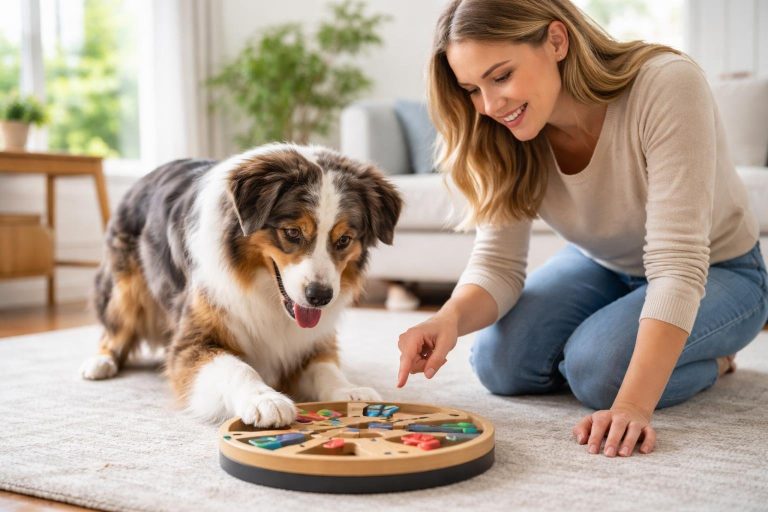
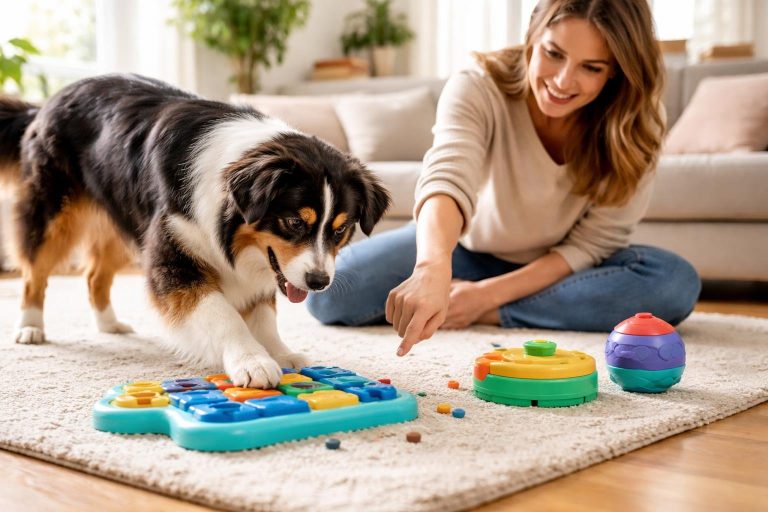
Puzzle toys engage a dog’s mind instead of their prey drive. These toys hide treats inside compartments that dogs must figure out how to open. They provide mental stimulation and can keep dogs busy for extended periods.
Rubber chew toys like Kongs are durable options for heavy chewers. They can be filled with treats or peanut butter to make them more interesting. These toys satisfy the urge to chew without any noise.
Plush toys without squeakers give dogs the soft texture they often love. Dogs can still carry them around, shake them, and cuddle with them. These work especially well for gentle dogs who don’t destroy their toys.
Each dog has different preferences. Owners should try various toy types to find what their dog enjoys most.
Conclusion

Dogs are drawn to squeaky toys because the high-pitched sounds trigger their natural hunting instincts. The noise mimics the sounds that small prey animals make, which activates their desire to chase and catch. This makes playtime more exciting and rewarding for them.
Squeaky toys also provide mental stimulation and emotional satisfaction. Each squeak gives dogs instant feedback that keeps them engaged. The sound releases dopamine in their brains, which makes the experience enjoyable and fun.
Key reasons dogs enjoy squeaky toys:
- The sound mimics prey distress calls
- It activates their natural hunting behaviors
- It provides immediate sensory feedback
- It stimulates mental engagement
- It creates an emotionally rewarding experience
Pet owners should choose squeaky toys that match their dog’s size and chewing strength. Safety is important, so toys should be inspected regularly for damage. Dogs who try to tear toys apart to get the squeaker need close supervision.
Understanding why dogs love these toys helps owners provide better play experiences. The attraction comes from a mix of instinct, sensory pleasure, and mental engagement. Squeaky toys can be a healthy part of a dog’s playtime when used safely and appropriately.
Frequently Asked Questions

Dogs’ attraction to squeaky toys raises common questions about instinct, behavior, and safety. Understanding the science behind this preference helps owners make better choices for their pets.
What instinct in dogs makes squeaky sounds so engaging during play?
The predatory instinct drives dogs to respond to squeaky sounds. This instinct comes from their wolf ancestors, who hunted small animals for survival.
When a dog hears a squeak, their brain recognizes it as a signal to chase and capture. The sound activates the predatory sequence that includes searching, stalking, chasing, and biting. This sequence is hardwired into dogs even though most don’t need to hunt for food.
The high-pitched noise triggers an immediate response in the dog’s brain. Each squeak acts as a reward that keeps the dog interested and engaged in play.
Do squeaky toy noises mimic prey sounds, and how does that affect a dog’s behavior?
Squeaky toys closely mimic the distress calls of small prey animals like rodents and birds. These sounds trigger the same brain responses that would occur during an actual hunt.
When dogs hear these noises, their bodies release dopamine, a chemical that creates feelings of pleasure and excitement. This reaction reinforces behaviors like shaking, biting, and carrying the toy. The dog’s brain interprets each squeak as confirmation that they’ve successfully caught their prey.
Is it normal for a dog to obsess over squeaky toys more than other toys?
Some dogs show a strong preference for squeaky toys over other options, and this behavior is completely normal. The immediate feedback from the squeak provides satisfaction that silent toys can’t match.
Individual dogs have different play preferences based on their breed, personality, and prey drive. Terriers and herding breeds often show more interest in squeaky toys because they were bred to hunt or control small animals.
A strong interest becomes a concern only if the dog becomes aggressive or refuses to release the toy. Most dogs simply enjoy the interactive nature of these toys more than other options.
Can squeaky toys increase aggression or trigger resource guarding in some dogs?
Squeaky toys can trigger resource guarding in dogs that already have this tendency. The high-value nature of these toys makes some dogs want to protect them from people or other pets.
Dogs with strong prey drives may become overstimulated during play with squeaky toys. This overstimulation can look like aggressive behavior, including intense shaking, growling, or reluctance to drop the toy. These behaviors usually reflect excitement rather than true aggression.
Owners should monitor how their dog interacts with squeaky toys during the first few play sessions. Dogs that show guarding behaviors need training and management to prevent problems.
Do squeaky toys provide stress relief or mental stimulation for dogs?
Squeaky toys offer both mental stimulation and stress relief for most dogs. The act of creating noise through their own actions gives dogs a sense of control and accomplishment.
Playing with these toys engages a dog’s problem-solving skills and satisfies their need for purposeful activity. The repetitive action of biting and squeaking can have a calming effect similar to how some activities help humans relax. Dogs that spend time alone during the day often benefit from the entertainment these toys provide.
The mental engagement helps prevent boredom and reduces destructive behaviors caused by excess energy.
How can owners choose safe squeaky toys for dogs that like to chew intensely?
Owners should select squeaky toys made from durable, non-toxic materials that can withstand aggressive chewing. Toys designed for heavy chewers typically use reinforced rubber or thick fabric construction.
The toy size matters for safety. Dogs need toys large enough that they cannot swallow them whole or choke on pieces. Owners should check toys regularly for damage and remove any toy with tears, loose parts, or exposed squeakers.
Supervision during initial play sessions helps owners assess whether a toy is appropriate for their dog’s chewing style. Toys should be replaced when they show significant wear to prevent the dog from swallowing pieces.