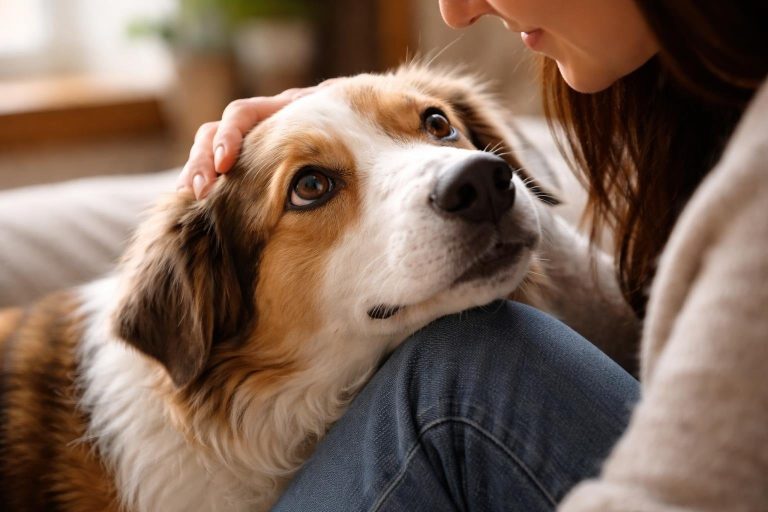
How Do Dogs Choose Their Favorite Person? The Science Behind Canine Bonding and Attachment
If a dog seems to light up around one person more than others, there’s a reason behind it. Dogs choose their favorite person based on who makes them feel the safest, provides positive experiences, and understands their needs best. This bond doesn’t happen by accident or luck.
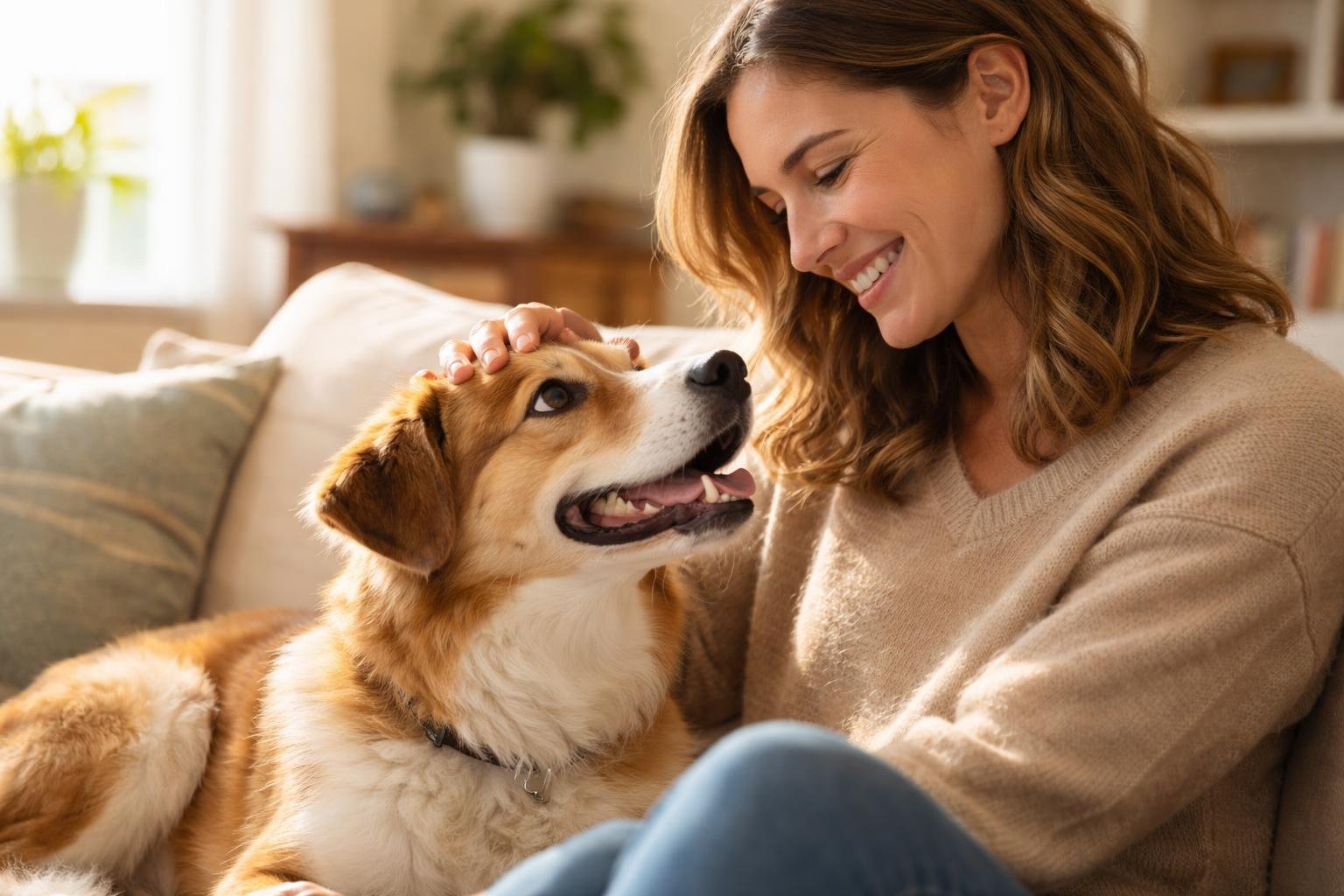
The process involves several factors that work together. A dog’s breed, early life experiences, and daily interactions all play a role in shaping their preferences. The person who feeds them, plays with them, or gives them the most attention doesn’t always win the top spot.
Understanding how dogs form these attachments can help anyone strengthen their relationship with their pet. It also explains why a dog might prefer one family member over another, even when everyone loves the dog equally. The science behind canine bonding reveals patterns in how dogs think and what they value most in their human companions.
Understanding Canine Social Behavior
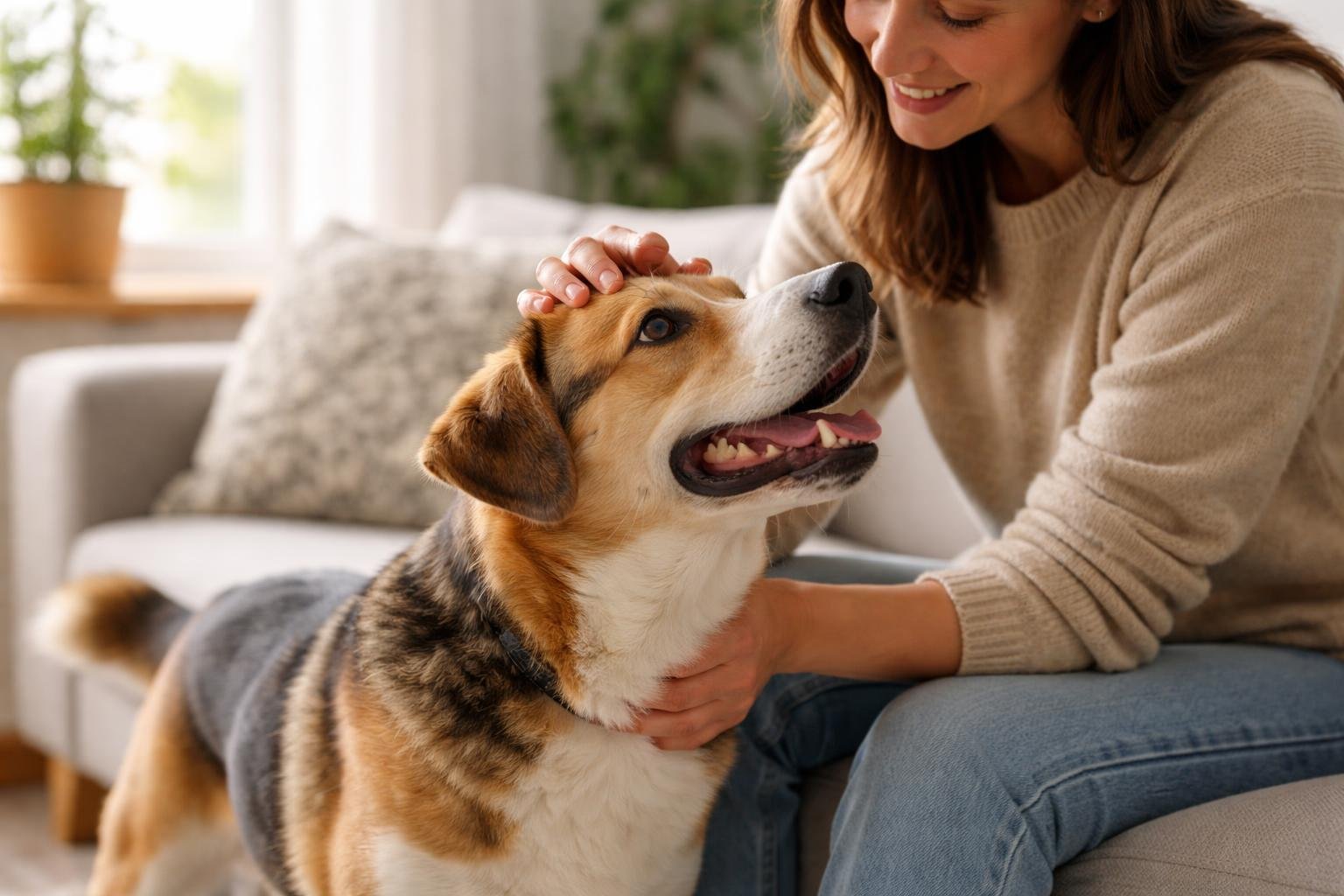
Dogs naturally seek stable relationships and form preferences based on trust, predictability, and emotional safety. These preferences develop through specific social patterns inherited from their ancestors and adapted to living with humans.
Pack Dynamics in Domestic Dogs
Dogs descended from wolves between 27,000 and 40,000 years ago, but modern dogs don’t operate on strict pack hierarchies the way many people think. Domestic dogs view their human families as social groups rather than traditional wolf packs.
The outdated “alpha dog” concept doesn’t accurately reflect how dogs interact with people. Instead, dogs look for consistent leadership and clear boundaries from the humans they live with.
Key Social Behaviors:
- Seeking proximity to trusted individuals
- Following specific people from room to room
- Looking to certain humans for guidance in uncertain situations
- Responding more readily to familiar voices and commands
Dogs feel most secure when they understand their role in the household. They don’t need dominance-based training but rather clear communication and reliable routines. This security forms the foundation for developing strong preferences toward specific people.
Bonding Mechanisms with Humans
Dogs bond with people through repeated positive interactions and shared experiences. The person who feeds a dog, plays with them, or takes them on walks often becomes a primary attachment figure.
Quality matters more than quantity when it comes to interaction time. A person who spends 30 minutes of focused, positive attention daily may earn stronger devotion than someone who’s simply present but disengaged for hours.
Dogs form associations between people and experiences. Someone who consistently provides rewards, comfort, and fun becomes linked with positive emotions in the dog’s mind. This creates a preference pattern that strengthens over time.
Physical touch, verbal praise, and play all trigger bonding hormones in both dogs and humans. Eye contact between dogs and their favorite people releases oxytocin, the same hormone involved in human parent-child bonding.
Attachment Styles in Dogs
Dogs develop different attachment patterns based on their experiences, genetics, and socialization history. Some dogs form secure attachments and feel comfortable when their favorite person leaves. Others develop anxious attachments and struggle with separation.
Common Attachment Signs:
- Secure: Confident exploration, happy greetings, calm when alone
- Anxious: Excessive following, distress at departures, destructive behavior when separated
- Avoidant: Less seeking of contact, independent behavior, minimal greeting responses
Early socialization experiences between 3 and 14 weeks of age significantly impact how dogs form attachments throughout their lives. Dogs exposed to various people, environments, and positive interactions during this period typically develop healthier attachment patterns.
Personality compatibility also influences attachment strength. Calm dogs often prefer quiet, gentle people, while energetic dogs may bond more strongly with active individuals who match their energy level.
Factors That Influence Dog-Human Preferences
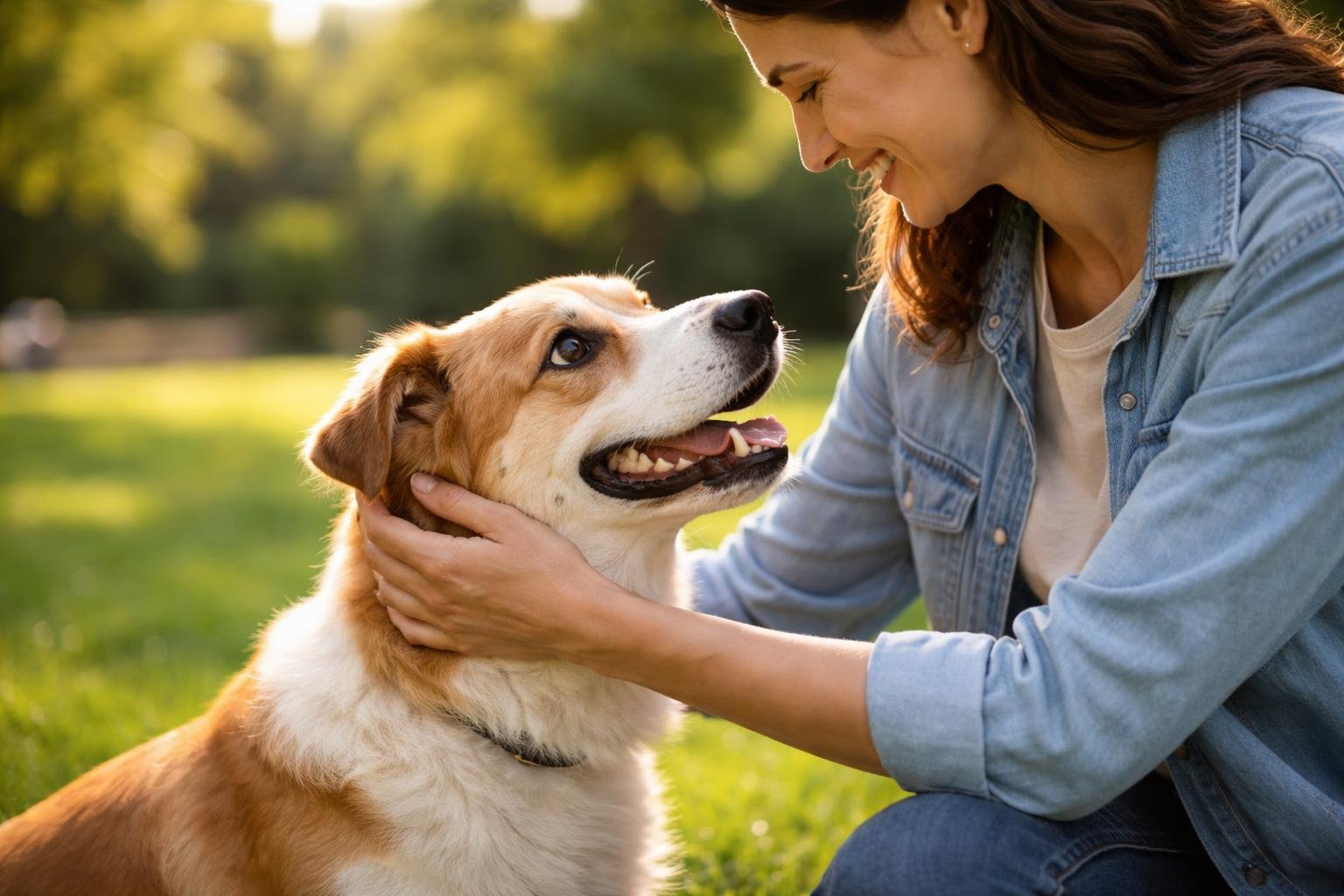
Dogs form preferences based on their early experiences, daily interactions, and compatibility with different personality types. These factors work together to shape which person becomes their primary attachment figure.
Early Socialization Experiences
A dog’s first few months of life create lasting impressions about people. Puppies who meet different types of people during their critical socialization period (between 3 and 14 weeks) develop more flexible social preferences. Dogs often show preference for people who resemble those they encountered positively during this early window.
The person who cared for a puppy during their first weeks at home frequently becomes a strong favorite. This happens because the puppy associates that individual with safety, food, and comfort during a vulnerable time. Negative experiences during early socialization can also create lasting effects, making dogs wary of certain types of people.
Key socialization factors:
- Gender of early caretakers
- Age groups encountered regularly
- Tone of voice heard most often
- Physical characteristics of familiar people
Daily Interaction and Routine
The amount and quality of time spent together strongly influences a dog’s preferences. Dogs typically bond closest with the person who feeds them, walks them, and plays with them most consistently. This pattern emerges because dogs associate that individual with positive experiences and rewards.
Regular routines create predictability that dogs find comforting. The family member who maintains consistent meal times, exercise schedules, and play sessions often becomes the favorite. Quality matters as much as quantity—a person who gives focused, engaged attention during brief interactions may rank higher than someone present but distracted.
Dogs also favor people who understand their communication signals and respond appropriately. Someone who recognizes when a dog wants to play versus rest builds stronger trust. Training sessions conducted with positive reinforcement methods deepen this bond further.
Owner’s Personality and Demeanor
Dogs respond differently to various personality types based on their own temperament. Calm, patient people often appeal to anxious or shy dogs, while energetic individuals may suit active, playful breeds better. This compatibility affects how comfortable a dog feels around someone.
Body language and emotional energy influence canine preferences significantly. Dogs read human emotions through facial expressions, posture, and vocal tone. They gravitate toward people who project confidence without aggression and warmth without overwhelming them.
A person’s consistency in behavior matters greatly. Dogs feel most secure with individuals who react predictably and maintain stable moods. Someone who enforces rules fairly while showing affection appropriately often earns a dog’s deepest loyalty.
Role of Positive Reinforcement and Training
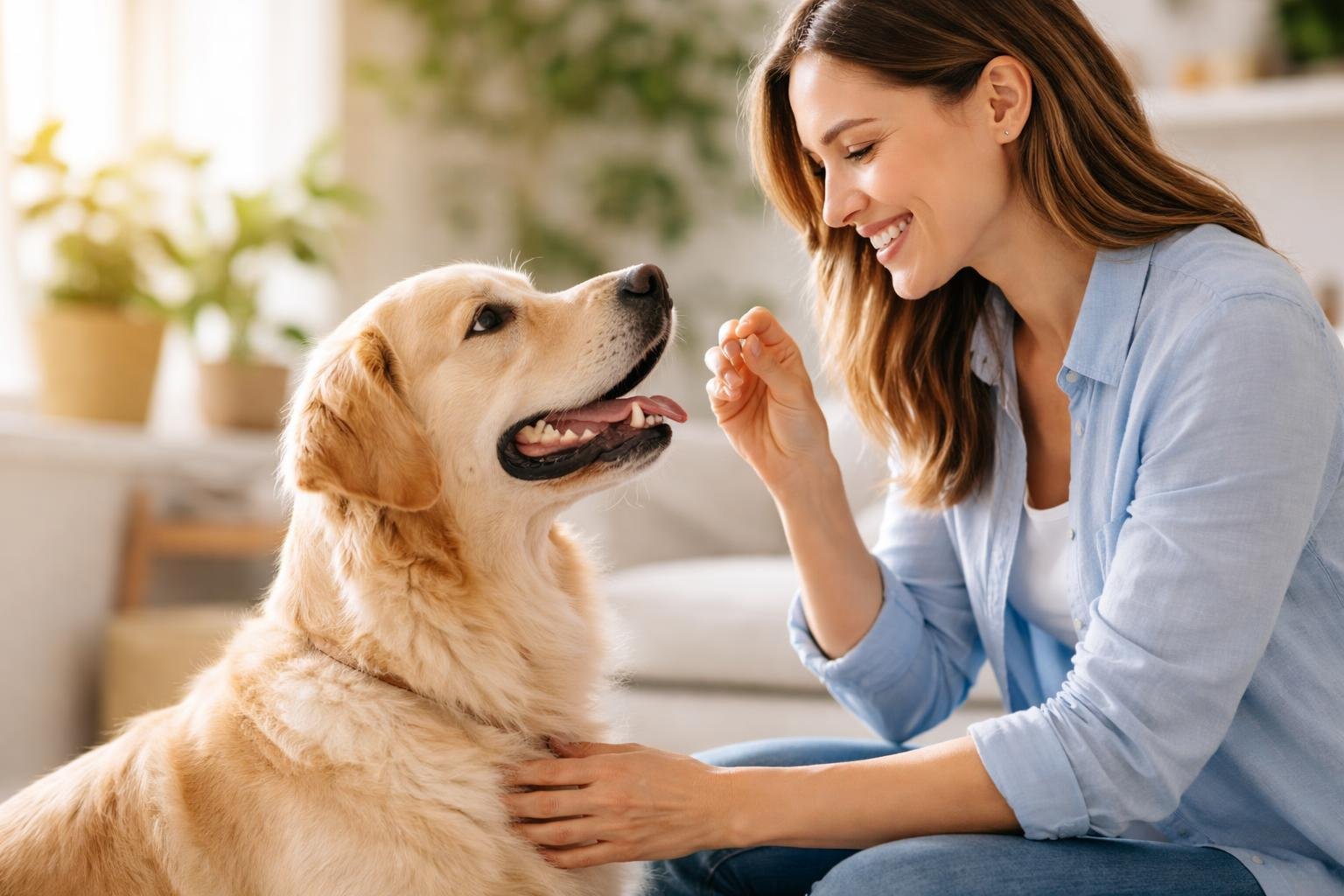
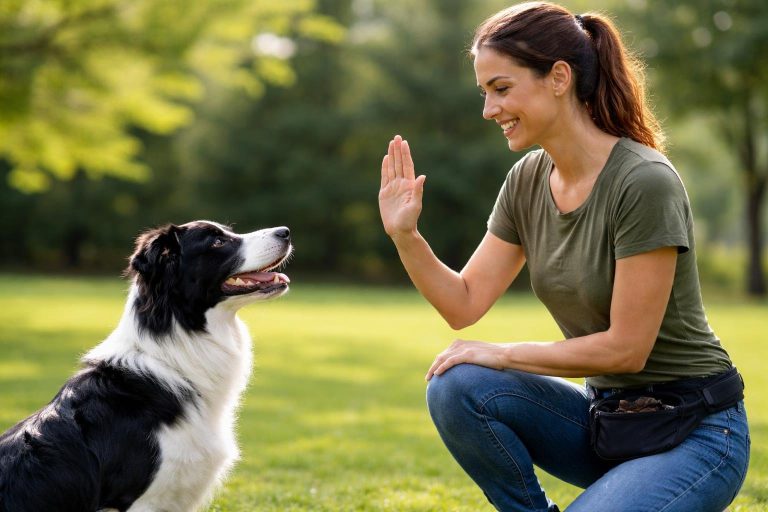
Dogs form strong attachments to people who reward good behavior consistently and create positive learning experiences. Training sessions that use rewards rather than punishment help dogs associate specific people with safety and success.
Impacts of Consistent Rewards
Consistent rewards during training create a powerful connection between a dog and their trainer. When a person regularly provides treats, praise, or toys after desired behaviors, the dog’s brain releases dopamine and forms positive associations with that individual.
Dogs learn to predict which people will reward them. A person who consistently gives treats during sit commands becomes more appealing than someone who only occasionally acknowledges the same behavior. This predictability matters because dogs seek out reliable sources of positive experiences.
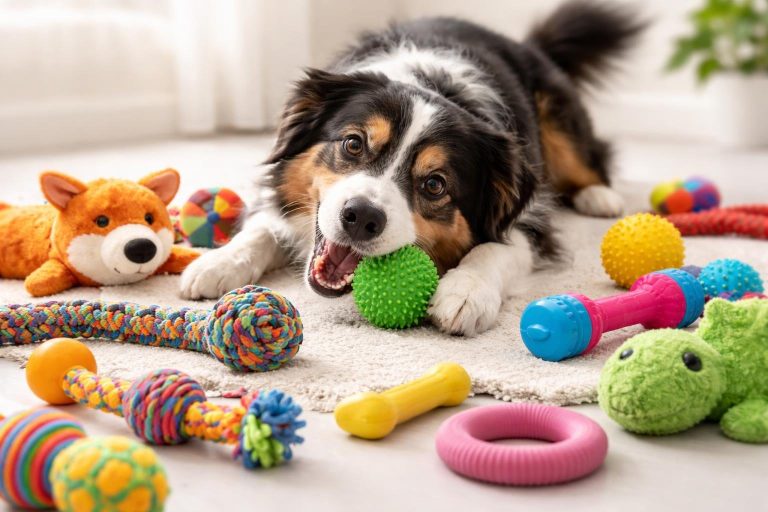
The type of reward also influences the bond’s strength. High-value treats like chicken or cheese create stronger associations than regular kibble. Playing with a favorite toy after successful training reinforces the connection between the person and enjoyable activities.
Key reward factors that strengthen bonds:
- Timing of the reward within 2-3 seconds of the behavior
- Value of the treat or toy to the individual dog
- Frequency of reward delivery during initial learning
Trust Building Through Training
Training sessions based on positive reinforcement teach dogs that their human is a safe and trustworthy partner. When people use rewards instead of corrections, dogs approach training without fear or anxiety. This emotional safety forms the foundation for preference and attachment.
A dog who learns new skills through encouragement views their trainer as a source of guidance rather than stress. Each successful training session builds confidence in both the dog and the relationship. The dog begins to look to that person for direction in uncertain situations.
Short daily training sessions in quiet spaces allow dogs to focus entirely on their trainer. This dedicated attention time strengthens recognition and preference for that specific person over others in the household.
Genetic and Breed-Specific Tendencies
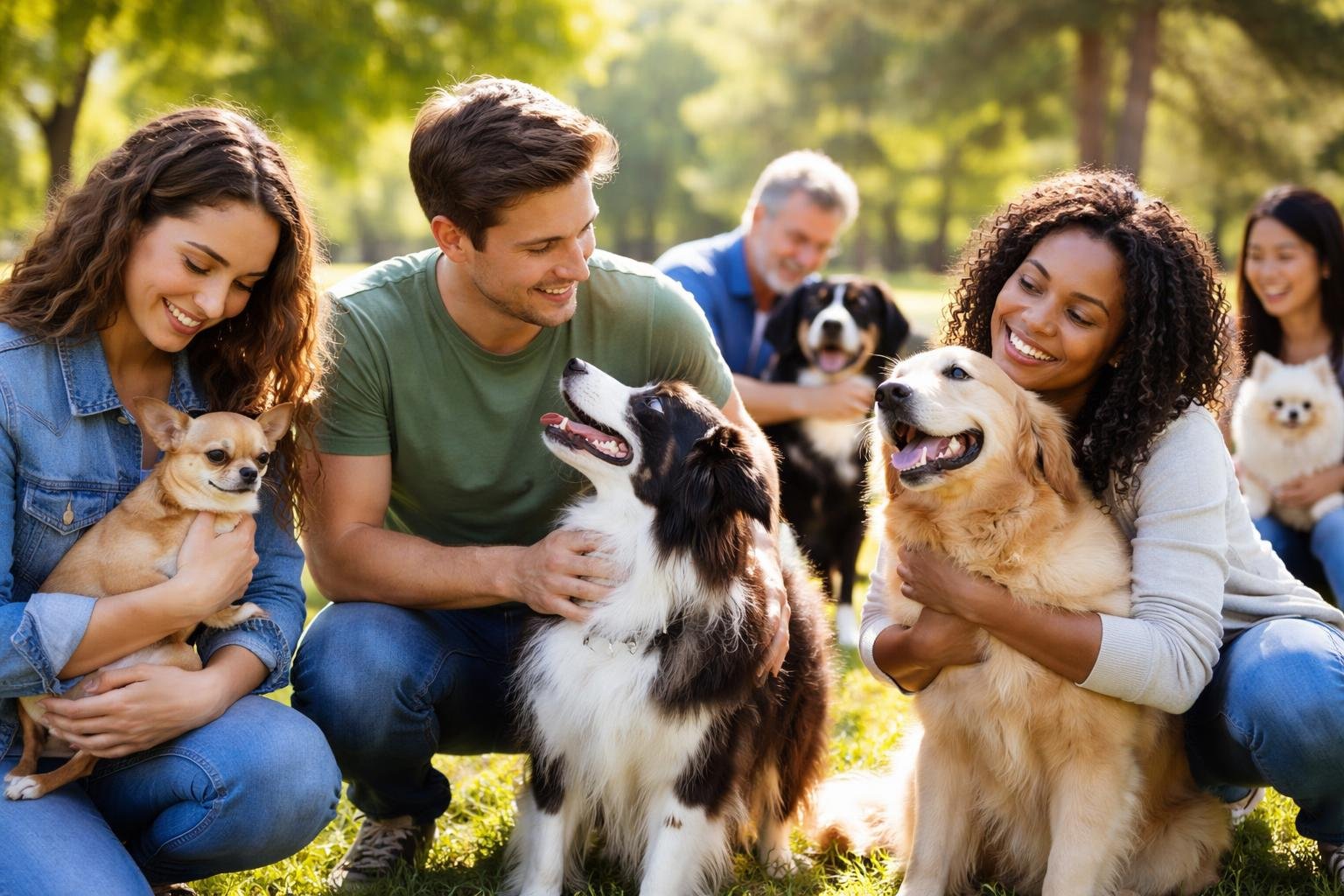
A dog’s breed influences how they form attachments and select their preferred person. Selective breeding over hundreds of years has created distinct behavioral patterns that affect bonding styles.
Influence of Breed Traits
Different breeds show different bonding patterns based on their original purpose. Herding breeds like Border Collies and Australian Shepherds often bond strongly with one person because they were bred to work closely with a single handler. These dogs typically follow their chosen person from room to room.
Working breeds such as German Shepherds and Rottweilers also tend to form deep connections with one primary caregiver. They were developed to protect and serve specific handlers, making them naturally inclined toward focused loyalty.
Sighthounds and primitive breeds like Greyhounds, Salukis, and Basenjis often create singular, intense bonds. These dogs typically remain more independent but show clear preference for one individual.
In contrast, sporting breeds like Golden Retrievers and Labrador Retrievers usually enjoy spreading their affection among multiple family members. They were bred to work with hunting parties rather than a single person.
Inherited Temperament Patterns
Genetic temperament affects how dogs choose favorites beyond breed type. Some dogs inherit traits that make them naturally more attached to one person, while others are genetically predisposed to be social with everyone.
Dogs born with higher anxiety levels often pick one person as their secure base. This inherited tendency makes them seek comfort from a single trusted individual rather than multiple people.
Bold versus shy temperaments run in family lines and influence bonding. Shy dogs typically attach strongly to whoever makes them feel safest. Confident dogs may distribute their affection more evenly across household members.
The intensity of attachment also has genetic components. Some dog lines produce individuals who form extremely strong bonds, while others create more easygoing relationships with multiple people.
Scent and Sensory Recognition
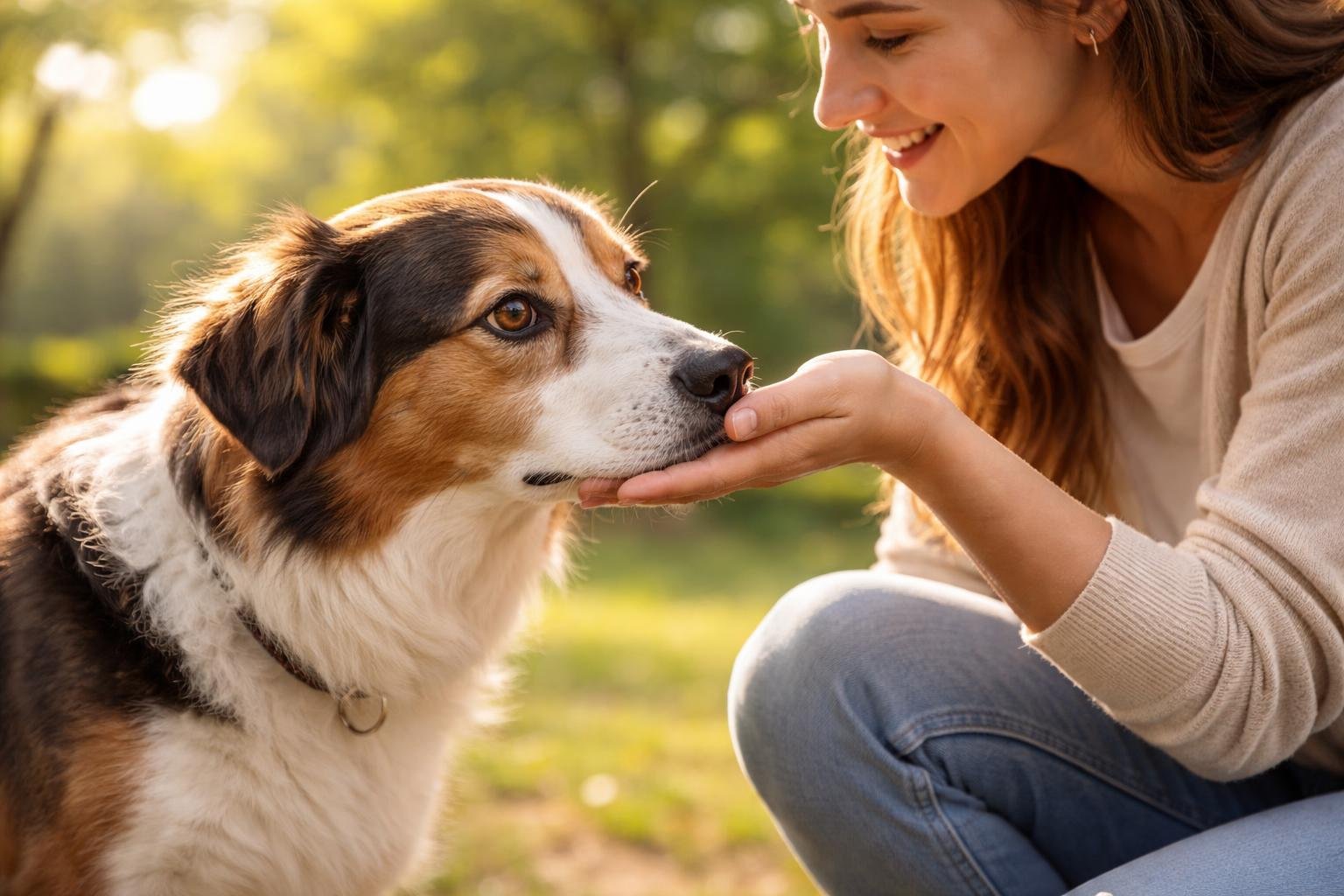
Dogs rely heavily on their sense of smell to identify and bond with people. Their scent receptors work constantly to process information about the humans around them.
How Dogs Use Scent to Identify People
Dogs possess up to 300 million scent receptors in their noses, compared to about 6 million in humans. This gives them the ability to detect subtle odors that people cannot perceive, including pheromones and unique chemical signatures each person carries.
A dog processes scent information through a specialized organ called the vomeronasal organ. This allows them to distinguish between different people based on their individual scent profiles. Each person has a unique combination of natural body odors, products they use, and environmental scents they carry.
When a dog meets someone repeatedly, they build a scent memory of that person. This memory becomes stronger with each interaction. Dogs can recognize their favorite person from a distance simply by detecting their scent in the air before they even see them.
Importance of Familiar Scents
Familiar scents create a sense of comfort and security for dogs. When they smell someone they know well, their brain releases positive chemicals that make them feel safe and happy.
Dogs often prefer people whose scent they associate with positive experiences. If someone’s scent is linked to feeding time, play sessions, or gentle petting, the dog will seek out that person more often. This scent-based preference can develop quickly during a dog’s early socialization period.
The consistency of a person’s scent matters significantly. Dogs feel more attached to people who are around regularly because their scent becomes a predictable and reassuring presence in the dog’s environment. Items like worn clothing can even comfort anxious dogs when their favorite person is away.
Effects of Life Stage and Health
A dog’s age and physical condition play significant roles in determining who they bond with most strongly. Changes in mobility, energy levels, and emotional needs throughout a dog’s life can shift their preferred human companion.
Age-Related Preference Shifts
Puppies often attach to whoever spends the most time with them during their first six months of life. This early bond can last a lifetime, but it’s not permanent.
As dogs enter their senior years, their preferences may change based on new needs. An older dog might gravitate toward a calmer family member who moves slowly and provides gentle interaction. They may distance themselves from children or active adults who once were their favorite playmates.
Middle-aged dogs sometimes shift allegiances when their activity levels change. A dog who loved running with an athletic owner might prefer someone who offers shorter, easier walks as joint pain develops. These shifts happen naturally as dogs seek comfort and understanding from humans who match their current capabilities.
Physical and Emotional Well-Being
Dogs experiencing pain or illness often choose the person who helps them feel most comfortable. They recognize who gives them medication gently, who notices when they’re struggling, and who adjusts activities to match their limitations.
A dog with anxiety or fear issues typically bonds strongest with the calmest household member. This person provides predictability and doesn’t add stress to the dog’s environment.
Health-related bonding factors include:
- Recognition of who provides pain relief or comfort during illness
- Preference for gentle handling when experiencing mobility issues
- Trust in the person who maintains consistent routines during stressful times
- Attraction to individuals who respect their need for rest and quiet
Dogs with chronic conditions often develop deep attachments to their primary caregiver, regardless of who that person was before the health issue began.
Common Misconceptions About Canine Attachment
Many people believe that dogs automatically love whoever feeds them most. This isn’t true. While food plays a role in bonding, dogs form attachments based on the quality of interactions, not just treats and meals.
Another common myth suggests that dogs only bond with one person for life. Dogs can actually form strong connections with multiple people. They may show preference for different people in different situations.
Some owners think that buying expensive toys and gifts will make them the favorite. Dogs don’t care about money or material things. They respond to time, attention, and positive interactions instead.
False beliefs about dog attachment include:
- Dogs choose the person who is strictest with them
- Male dogs prefer men and female dogs prefer women
- Dogs can’t change their favorite person once chosen
- The person who adopted the dog will always be the favorite
- Dogs only bond during puppyhood
People often assume that dogs show favoritism to hurt other family members’ feelings. Dogs don’t think this way. They simply gravitate toward whoever meets their needs and speaks their language best.
The idea that certain breeds are more loyal than others is partly wrong. While some breeds were developed for specific bonding traits, individual personality matters more than breed. Any dog can form a deep attachment when given proper care and attention.
Many believe that rescue dogs can’t bond as deeply as puppies raised from birth. Research shows that dogs of any age can develop strong attachments. The key is consistent, positive interactions over time.
Tips for Building a Stronger Bond
Building a strong connection with a dog requires consistent effort and quality time together. The relationship grows stronger when owners focus on meeting their dog’s needs while creating positive experiences.
Spend Quality Time Daily
Dogs bond with people who give them regular attention. This includes walks, play sessions, and simply being present with them. Even 15 minutes of focused interaction each day helps strengthen the relationship.
Take Care of Basic Needs
The person who feeds, walks, and grooms a dog often becomes a favorite. These activities show the dog that someone is reliable and caring. Consistency matters more than doing everything at once.
Use Positive Training Methods
Training sessions create trust between dogs and people. Reward-based training with treats and praise builds positive associations. Short, fun training sessions work better than long or strict ones.
Learn Your Dog’s Communication
Understanding what a dog’s body language means helps respond to their needs better. Recognizing when they want to play, rest, or need space shows respect for their feelings.
Create Happy Experiences Together
Dogs remember people who make them feel good. This includes playing their favorite games, going to places they enjoy, or giving them gentle pets in spots they like. Positive memories add up over time.
Match Your Energy to Theirs
Some dogs prefer calm, quiet interactions while others want active play. Paying attention to what makes an individual dog comfortable helps build a better connection.
When Preference Becomes an Issue
A dog’s strong preference for one person can create problems in the household. When a dog refuses to listen to other family members or becomes anxious when their favorite person leaves, daily life gets harder for everyone.
Common problems include:
- The dog ignoring commands from other household members
- Excessive barking or whining when separated from their preferred person
- Aggressive behavior toward others who approach their favorite
- Refusing to eat or go outside with anyone else
These behaviors often stem from an overly dependent bond rather than a healthy attachment. The dog may have developed separation anxiety or possessive tendencies that need addressing.
Signs the preference has gone too far:
| Behavior | What It Looks Like |
|---|---|
| Following constantly | Never lets favorite person out of sight |
| Blocking access | Steps between favorite and other people |
| Distress when apart | Destroys items, has accidents, or refuses food |
Family members might feel rejected or frustrated when the dog shows clear favoritism. This can cause tension between people in the home. The person the dog prefers may also feel trapped by the constant attention and inability to leave without causing the dog stress.
The solution involves gradually building positive associations with other family members. Everyone should participate in feeding, walking, and playing with the dog. The preferred person should step back during these activities to let others bond with the dog through consistent care and attention.
Frequently Asked Questions
Dogs form attachments based on consistent positive experiences, personality compatibility, and who meets their daily needs. These bonds can shift over time depending on lifestyle changes and interaction patterns.
What factors influence which human a dog bonds with most strongly?
Dogs bond most strongly with people who provide consistent positive experiences. The person who feeds them, plays with them, and takes them on walks often becomes their favorite.
Personality matching plays a big role in how dogs choose their person. A calm dog might prefer someone with a relaxed demeanor, while an energetic dog often gravitates toward active people.
Early socialization matters too. Dogs adopted as puppies tend to bond with whoever spent the most time with them during their critical development period between 3 and 14 weeks of age.
Do dogs usually pick one person as their primary attachment figure?
Most dogs do develop a primary bond with one person. This doesn’t mean they don’t love other family members, but they often show a clear preference for who they turn to when scared or excited.
Some dogs spread their affection more evenly across multiple people. This happens more often in households where several people share caregiving duties equally.
The strength of a primary bond varies by breed and individual temperament. Some dogs are naturally more independent while others form intense single-person attachments.
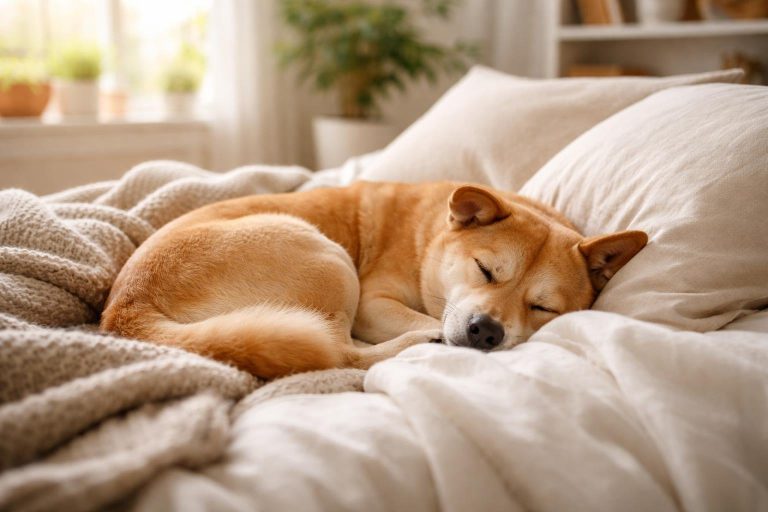
Why does my dog choose to sleep next to one person instead of everyone else?
Dogs sleep next to people who make them feel safest and most comfortable. The person they choose for sleep time is usually their strongest attachment figure.
Scent plays a major role in this choice. Dogs have powerful noses and prefer sleeping near the person whose smell they find most comforting and familiar.
Temperature and sleeping habits matter too. Some dogs pick the person who stays still at night or provides the warmest spot in bed.
What are the clearest signs that a dog has imprinted on someone?
A dog follows their chosen person from room to room throughout the day. They keep visual contact and want to stay close even when the person is doing boring activities like working at a desk.
The dog brings toys to their favorite person and seeks them out for play time. They also look to this person for reassurance when something scary happens like a loud noise or unfamiliar visitor.
Eye contact is another strong indicator. Dogs make sustained, soft eye contact with their bonded person and watch their face for cues about what happens next.
Can a dog’s preferred person change over time, and what causes that shift?
A dog’s favorite person can absolutely change based on who provides the most positive interactions. Life changes like someone starting a new job or another person beginning to walk the dog daily can shift preferences.
Negative experiences can weaken a bond. If someone starts administering medication or taking the dog to the vet regularly, the dog might pull away from that person emotionally.
New people joining the household sometimes become the new favorite. A dog might bond strongly with someone who moves in and provides lots of attention and playtime.
How can I tell which person in the household my dog prefers most?
Watch who your dog greets first when multiple people come home. The dog’s first choice reveals their strongest attachment, especially if they ignore others until acknowledging their favorite.
Notice who the dog seeks out during stressful moments. Thunderstorms, fireworks, or vet visits show who the dog trusts most for comfort and protection.
Pay attention to where the dog positions itself in shared spaces. Dogs typically lie down closest to or touching their preferred person when the whole family is together.