How to Teach Your Dog to Drop Something on Command: A Simple 3-Step Training Guide
Teaching a dog to drop something on command is one of the most useful skills a pet owner can develop with their dog. This command can prevent dangerous situations when a dog picks up harmful objects, protect valuable items from damage, and make games like fetch more enjoyable for everyone involved. The good news is that most dogs can learn this behavior quickly with the right approach.
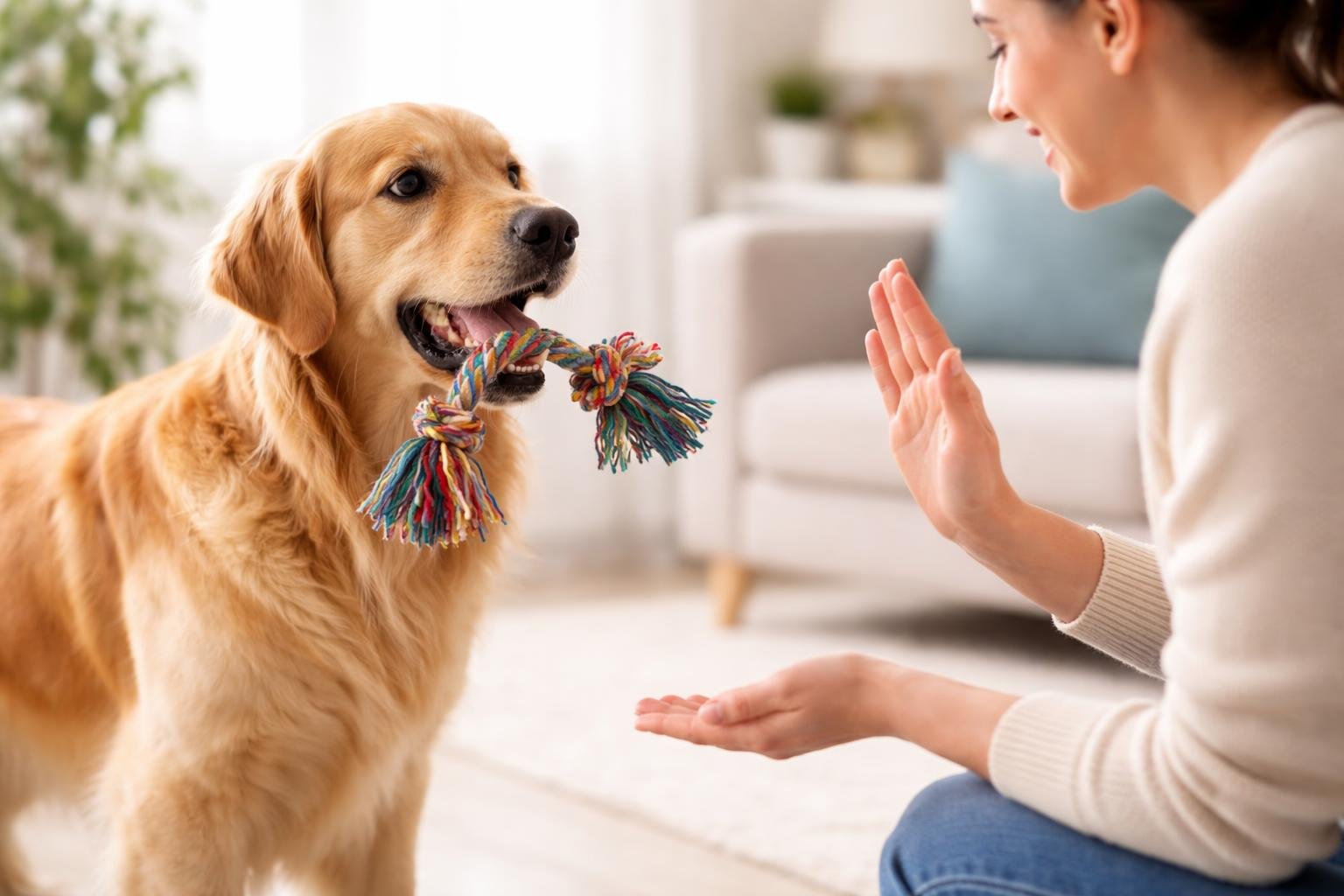
The drop it command works by teaching dogs to release whatever they have in their mouth when they hear a specific word or phrase. This training relies on positive reinforcement rather than force or punishment. Dogs learn that letting go of items leads to good things, which makes them more willing to comply in the future.
Learning this command takes patience and consistency, but the process is straightforward. By understanding why dogs hold onto objects, setting up proper training conditions, and following a clear step-by-step method, any dog owner can teach this valuable skill. The training builds on simple exchanges and gradually adds real-world challenges to create a reliable response.
Understanding Why Dogs Hold Onto Objects
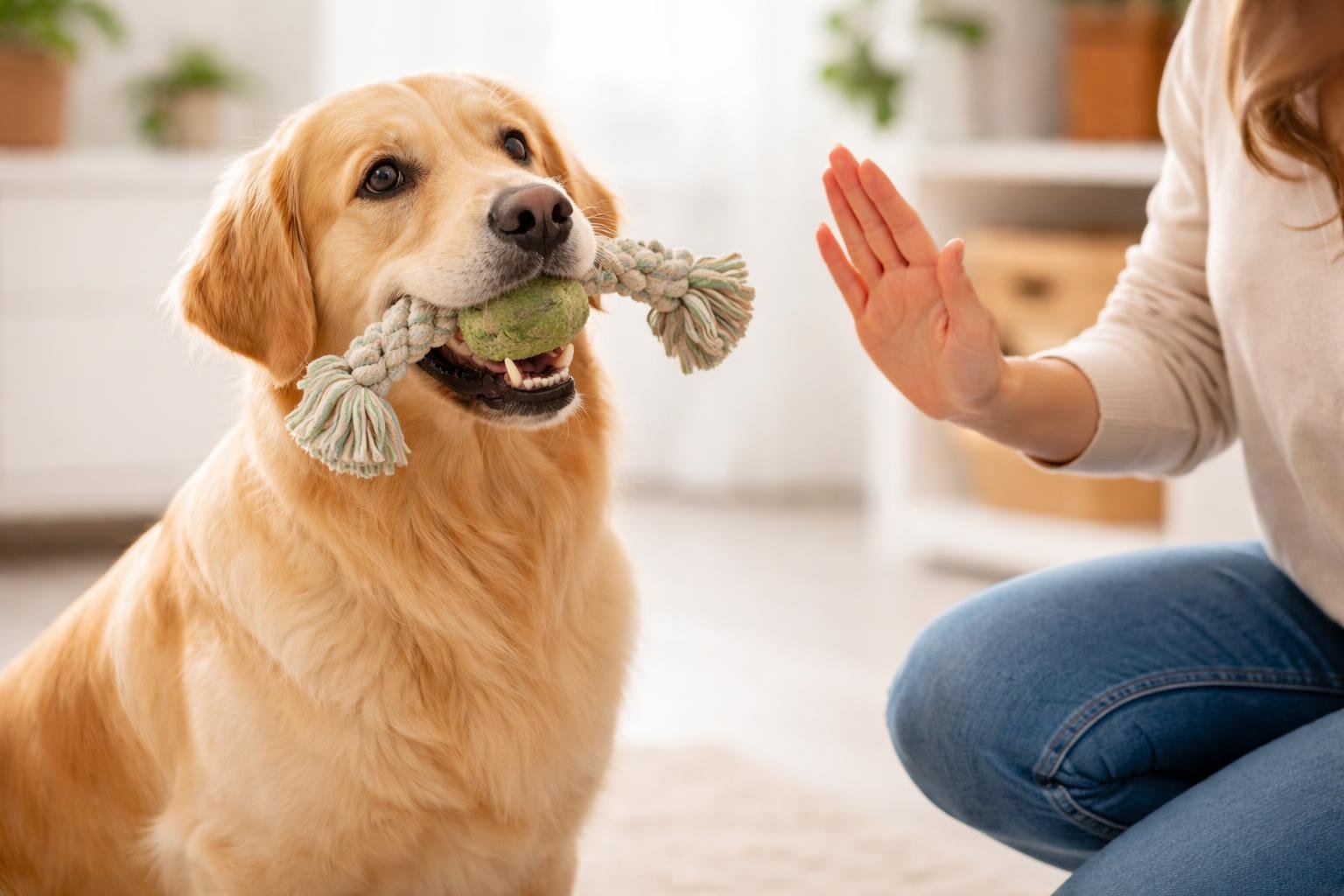
Dogs naturally grip items in their mouths as part of their survival programming, but this instinct can create safety issues when they refuse to release potentially harmful objects. Recognizing what drives this behavior helps owners address the problem effectively.
Natural Instincts and Behaviors
Dogs inherited strong holding instincts from their wolf ancestors who needed to secure food and protect resources. When a dog grabs something, their natural response is to keep it, especially if someone tries to take it away. This is called resource guarding.
The act of holding objects also satisfies a dog’s need to chew and explore their environment. Puppies especially use their mouths to learn about the world around them. When pressure is applied to an object a dog is holding, their instinct tells them to grip harder and hold on with more force.
Play behavior reinforces holding patterns too. Dogs that play tug-of-war learn that gripping tightly is part of the game. Some dogs also hold onto items to get attention from their owners, even if that attention is negative.
Common Items Dogs Refuse to Release
High-value items include:
- Food and treats
- Stolen human food like chicken bones or chocolate
- Toys they consider favorites
- Socks and underwear with familiar scents
- Shoes and slippers
Dangerous objects dogs commonly grab:
- Sticks and wood pieces that can splinter
- Rocks and small stones
- Trash and food wrappers
- Medications and pills
- Household items like remotes or glasses
Dogs show the most resistance with items that smell like their owners or things they associate with rewards. Stolen items often become more valuable to dogs simply because owners chase them to get the items back.
Potential Risks of Object Retention
When dogs refuse to drop objects, they risk serious health emergencies. Swallowing foreign objects can cause intestinal blockages that require surgery. Sharp items like bones or sticks can puncture the mouth, throat, or digestive tract.
Toxic substances pose immediate dangers. Dogs who won’t release medications, cleaning products, or poisonous foods need emergency veterinary care. Even seemingly harmless items like socks can cause deadly obstructions in the stomach or intestines.
Behavioral problems develop when dogs learn that holding objects gets them attention. This creates a cycle where dogs deliberately take things they shouldn’t to engage their owners. The resulting chase games make the behavior worse and can damage the trust between dog and owner.
Setting Up for Training Success
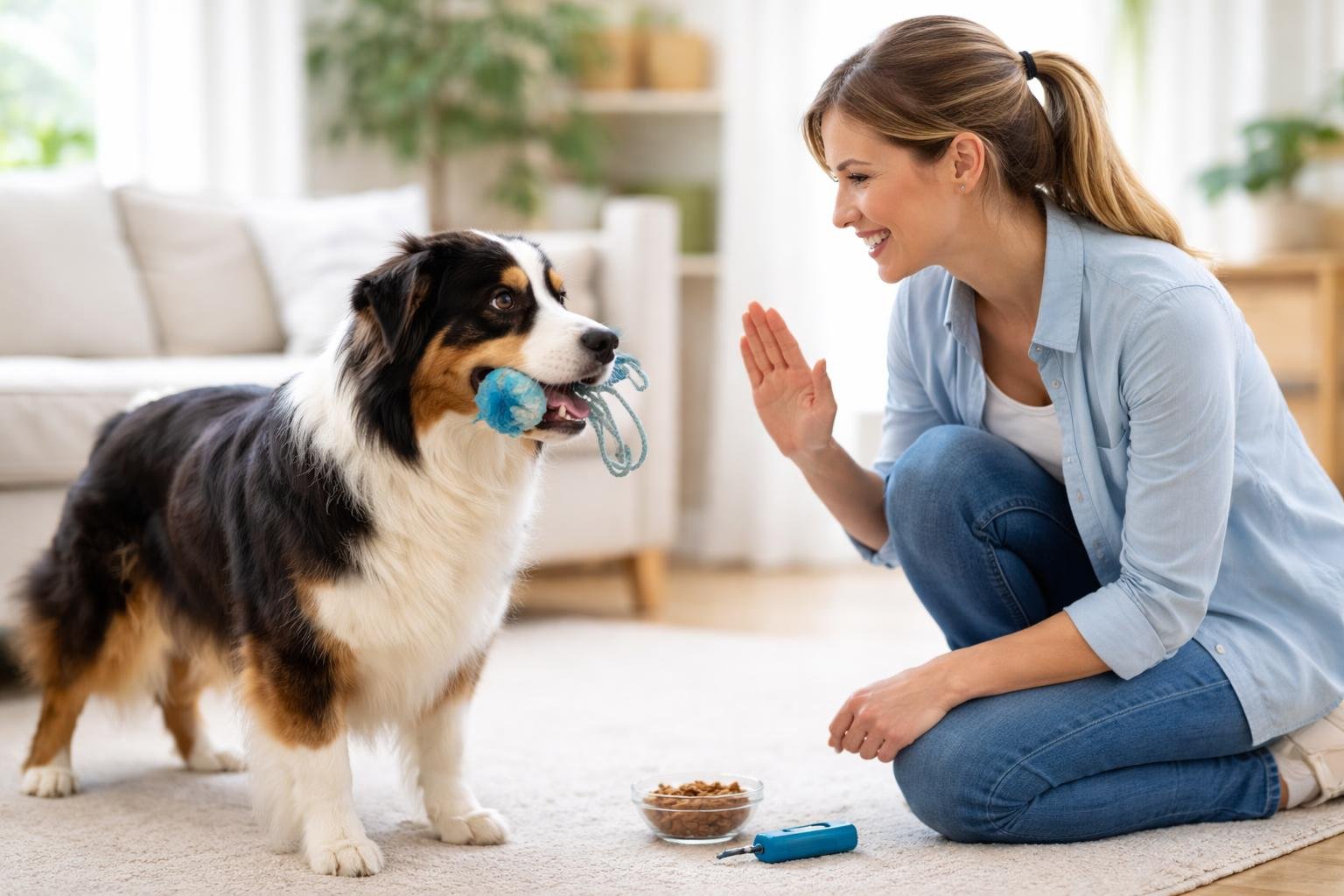
The right environment, rewards, and timing can make the difference between a frustrated dog owner and a successful training session. These three factors work together to help dogs learn faster and retain the “drop it” command more effectively.
Choosing the Right Training Area
A quiet, familiar space works best for teaching the drop command. The area should be free from distractions like other pets, loud noises, or people walking by. A living room or bedroom where the dog feels comfortable allows them to focus on learning rather than watching their surroundings.
The training space needs enough room for the dog to move around but shouldn’t be so large that they can run away with items. A space of about 10 by 10 feet works well for most dogs. Hard flooring is better than carpet because treats are easier to see and pick up.
Remove any items the dog might grab instead of the training object. This includes toys, shoes, or anything else that could compete for their attention. The goal is to control what the dog interacts with during the session.
Selecting Appropriate Training Rewards
High-value treats motivate dogs more effectively than their regular food. Small, soft treats that dogs can eat quickly work best because they won’t spend time chewing when they should be learning. The treats should be pea-sized to prevent overfeeding during multiple repetitions.
Different dogs prefer different rewards. Some respond well to small pieces of chicken, cheese, or hot dogs. Others prefer commercial training treats. The reward must be something the dog finds more valuable than the item they’re holding.
Keep treats in an easily accessible pouch or pocket. This allows for quick reward delivery, which helps the dog connect the action of dropping with getting the treat. Timing matters when training, and fumbling for treats slows down the process.
Identifying Effective Training Times
Dogs learn best when they’re alert but not overly excited or tired. Training sessions should happen when the dog has moderate energy levels. Right after a walk or play session, dogs are often too tired to focus. Right before these activities, they may be too energetic.
Ideal training times include:
- Mid-morning after the dog has eaten and settled
- Early afternoon during naturally calm periods
- Early evening before dinner when they’re motivated by food
Sessions should last 5 to 10 minutes maximum. Short, frequent training periods produce better results than long sessions. Dogs lose focus after about 10 minutes, and continuing past this point wastes time. Two or three short sessions per day work better than one long session.
Step 1: Building a Positive Exchange Association
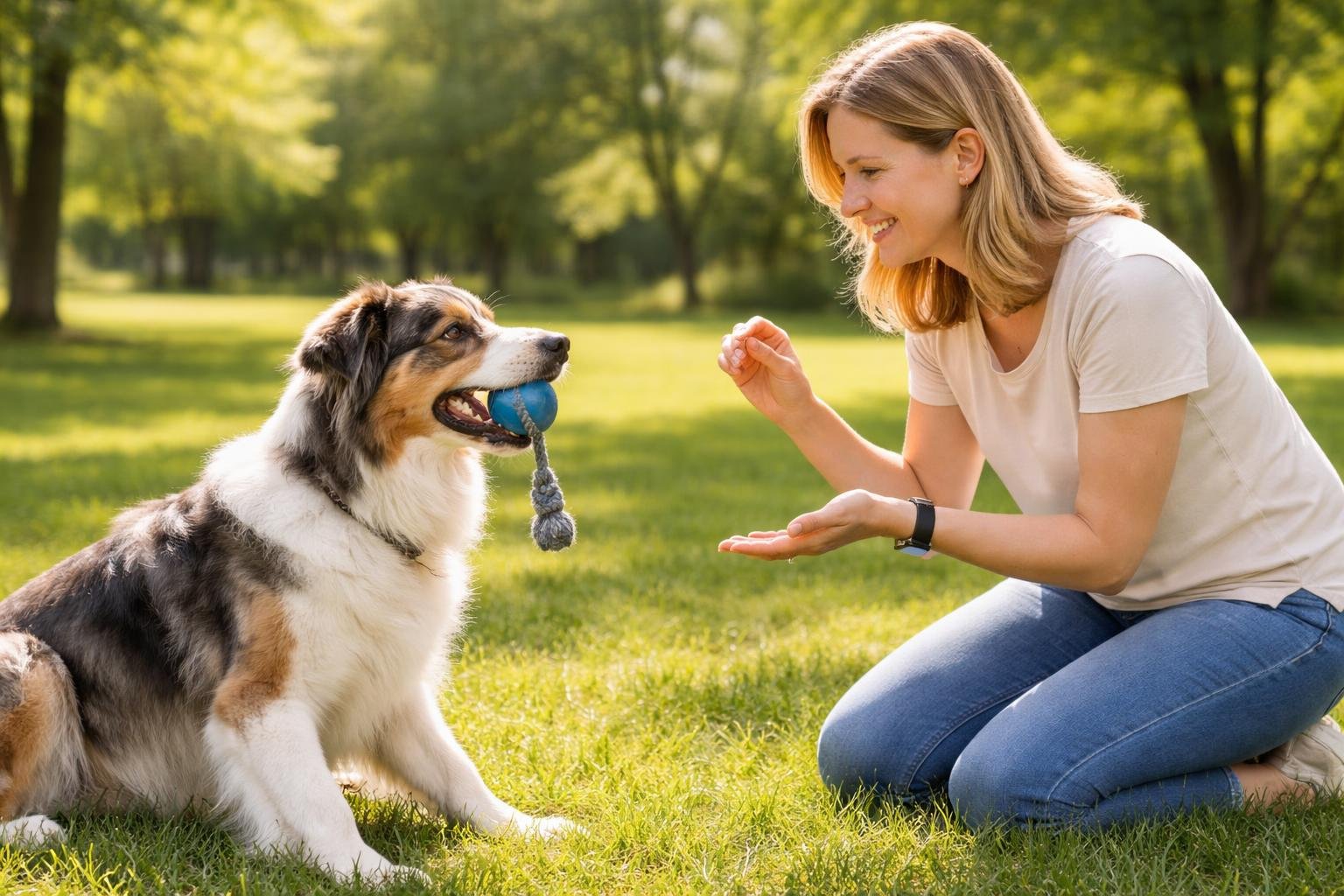
The foundation of teaching “drop it” lies in making the exchange rewarding for the dog. When a dog learns that releasing an item leads to something better, they willingly participate in the trade rather than guarding what they have.
Introducing the Trade Principle
The trade principle works by offering something desirable in exchange for what the dog currently holds. This creates a win-win situation where the dog doesn’t feel they’re losing their possession.
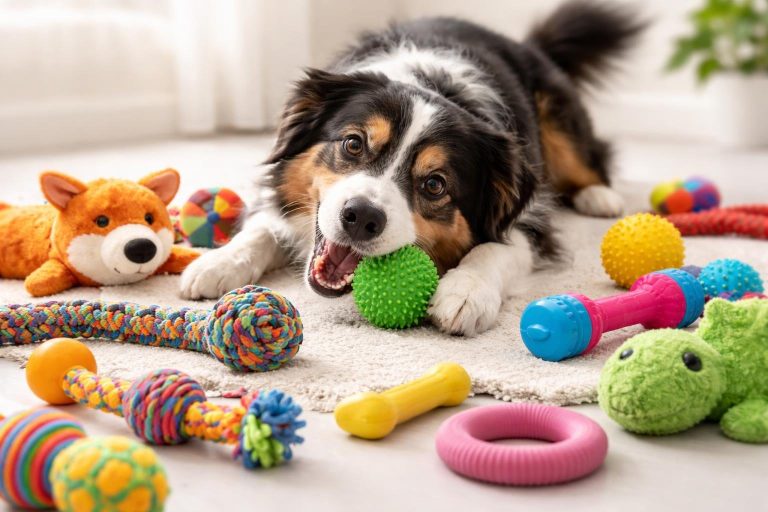
Start by letting the dog pick up a low-value toy or item they’re allowed to have. Hold a treat near their nose without trying to take the toy away yet. Most dogs will naturally drop the item to eat the treat.
The timing matters during this initial stage. Give the treat the moment the item leaves the dog’s mouth. This immediate reward helps the dog connect the action of dropping with the positive outcome of receiving something good.
Motivating with High-Value Rewards
High-value rewards make the exchange appealing enough that the dog chooses to drop items willingly. These rewards should be more exciting than whatever the dog currently has in their mouth.
Effective high-value rewards include:
- Small pieces of chicken or turkey
- Cheese cubes
- Hot dog slices
- Liver treats
- Special training treats the dog doesn’t get regularly
The reward must genuinely interest the dog more than the object they’re holding. A plain kibble piece won’t motivate a dog to release a favorite toy, but a piece of chicken likely will. Test different treats to find what works best for each individual dog.
Preventing Resource Guarding Early
Teaching positive exchanges from the start prevents resource guarding behaviors before they develop. Resource guarding happens when dogs feel they must protect their possessions because someone might take them away without compensation.
Never chase a dog or forcibly grab items from their mouth during training. These actions teach dogs that humans are threats to their belongings. Instead, the trade approach shows dogs that people bring good things, not take them away.
Practice exchanges frequently with various safe objects around the house. This repetition builds trust and establishes that giving up items always results in something positive coming back to the dog.
Step 2: Teaching the Release Cue
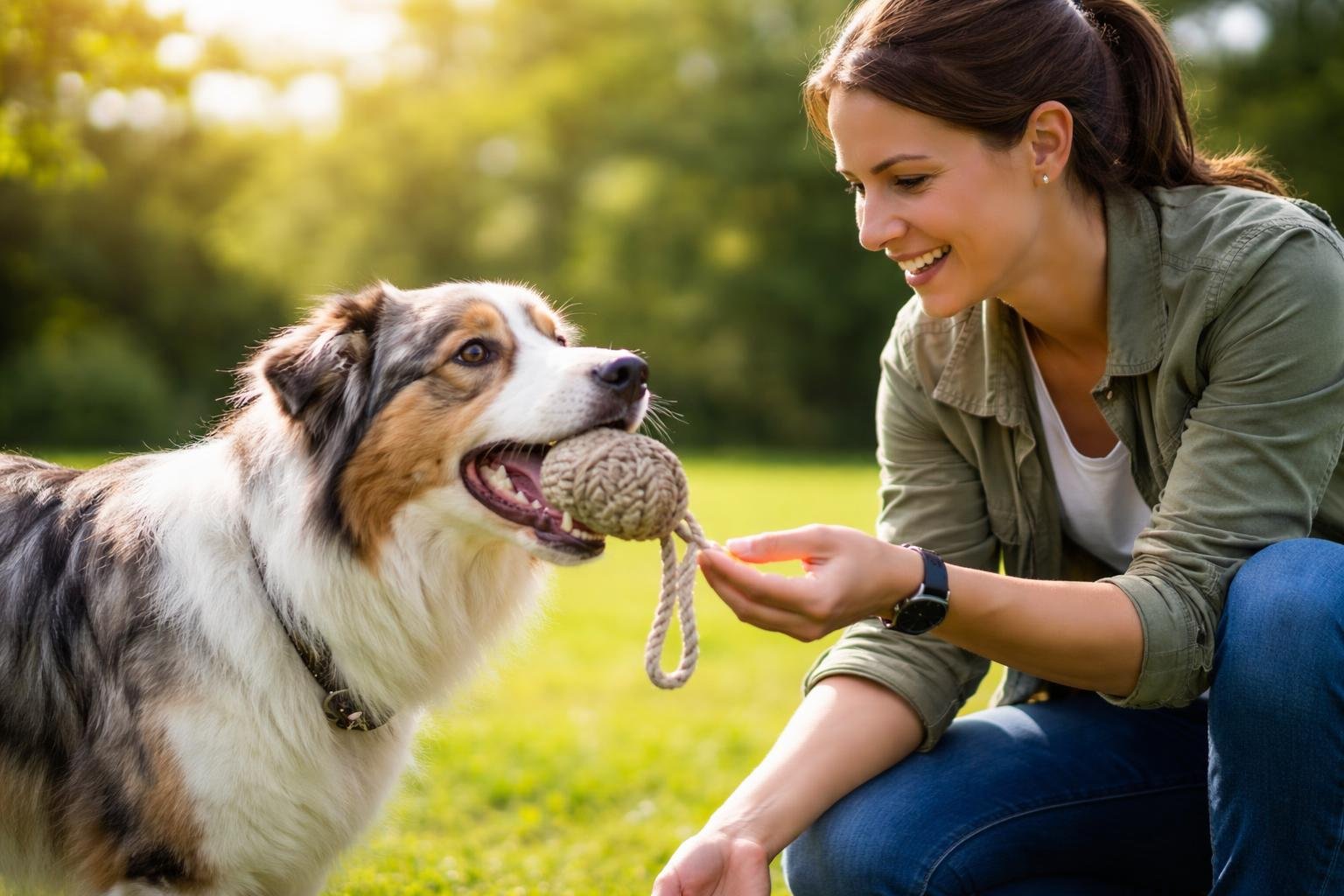
Once the dog understands the concept of trading an item for a treat, it’s time to add a verbal cue that signals when to drop the object. This step connects the physical action with a specific word that the dog will learn to recognize and respond to consistently.
Selecting Your Verbal Cue
The verbal cue should be simple, distinct, and easy to say in any situation. Most trainers use “drop it” or “out” as the release command. The chosen word needs to be short and sound different from other commands the dog already knows.
Consistency matters more than the specific word selected. Everyone in the household should use the same cue to avoid confusing the dog. Some owners prefer “give” or “release,” which work just as well as long as the word stays the same every time.
The cue should be spoken in a normal, calm tone. Shouting or using an urgent voice can make the dog anxious or excited, which makes it harder for them to focus and respond. A clear, firm voice works best for teaching this command.
Timing the Cue and Reward
The verbal cue must be introduced at the exact moment the dog begins to open their mouth to release the item. This precise timing helps the dog connect the word with the action of letting go. If the cue comes too early or too late, the dog won’t make the right association.
The reward should follow immediately after the dog drops the item, within one to two seconds. This quick reinforcement tells the dog they did the right thing. A high-value treat works better than regular kibble during this training phase.
Practice this timing pattern 5-10 times per training session. Short, frequent sessions work better than long ones because dogs maintain focus and enthusiasm when training stays brief and rewarding.
Encouraging Immediate Response
Start with low-value items like a plain toy when teaching the cue. The dog will find it easier to let go of something they care less about. As the dog responds consistently, gradually work up to more exciting objects.
The trade should always benefit the dog. The treat or alternative toy offered needs to be more appealing than what the dog currently has. This creates motivation to respond quickly to the cue.
If the dog hesitates or refuses to drop the item, the offered reward likely isn’t valuable enough. Try using cheese, small pieces of chicken, or a favorite squeaky toy instead. Never chase the dog or try to physically pry the item from their mouth, as this creates resistance and breaks trust.
Step 3: Practicing With Distractions
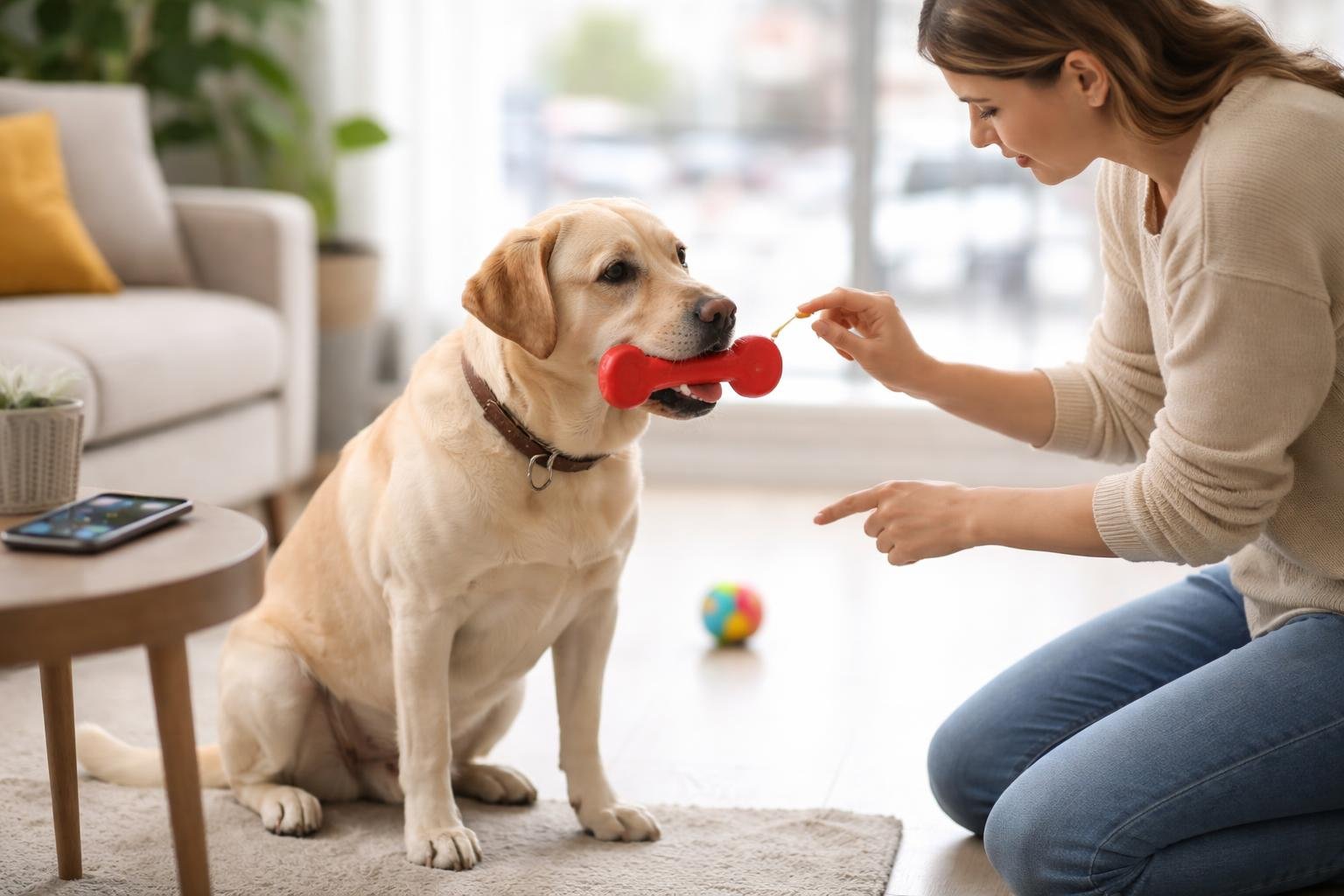
Once a dog reliably drops items in a quiet setting, the next challenge involves adding real-world complications that test their focus and impulse control.
Adding Distance and Movement
Distance makes the “drop it” command harder for dogs to follow. Owners should start by standing just one or two feet away when giving the command. As the dog succeeds, they can gradually increase the distance to five feet, then ten feet, and beyond.
Movement adds another layer of difficulty. The owner can practice while walking slowly with their dog, asking for a drop while both are in motion. They can also try having the dog drop an item while the owner moves to different positions in the room.
Key progression steps:
- Practice at 2 feet for 3-5 successful repetitions
- Move to 5 feet and repeat
- Add slow walking movement
- Combine distance and movement together
The dog may need to go back to closer distances if they struggle. This is normal and doesn’t mean training has failed.
Incorporating Different Objects
Dogs often respond differently based on what they’re holding. A favorite toy might be harder to drop than a plain stick. Owners need to practice with various items to build consistent responses.
Start with low-value objects like old towels or cardboard boxes. Move up to medium-value items such as tennis balls or rope toys. Finally, practice with high-value objects like stuffed animals or squeaky toys the dog loves.
Training item progression:
- Low-value items – Paper, cardboard, plain rope
- Medium-value items – Basic toys, sticks, balls
- High-value items – Favorite toys, squeakers, chew items
Each new object type requires several practice sessions. The owner should always trade the item for an equally good or better reward to maintain the dog’s motivation.
Reinforcing and Maintaining the Behavior
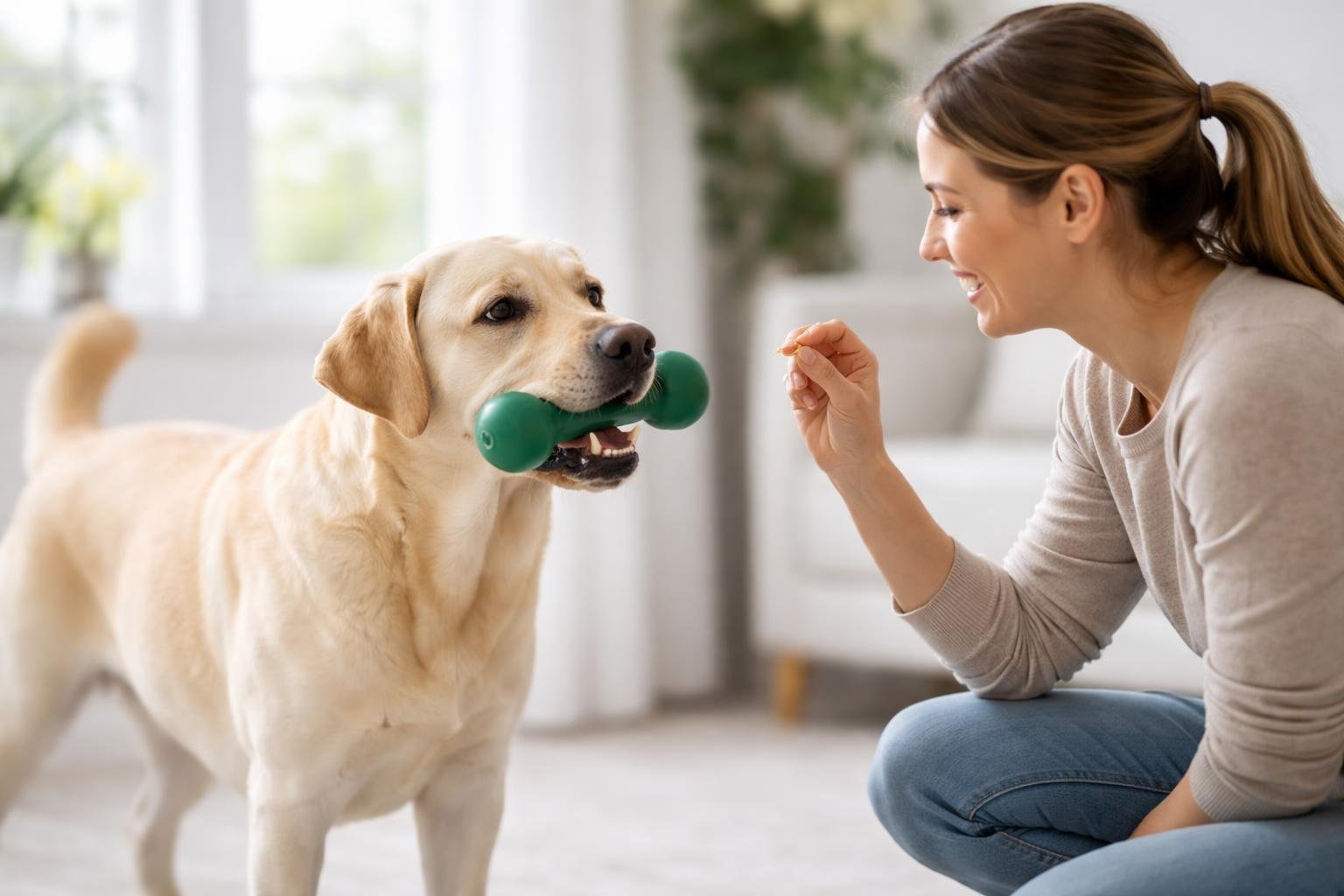
Once a dog understands the “drop it” command, owners need to shift from constant treats to varied rewards and practice the skill in different settings. This helps the behavior become reliable in everyday situations.
Gradually Reducing Food Rewards
After a dog consistently drops items on command, owners should begin reducing treat frequency. Start by rewarding every other successful drop, then move to every third or fourth time. The dog still receives praise and attention each time, but treats become less predictable.
This process typically takes 2-3 weeks. Owners can replace some food rewards with other things their dog enjoys, like a quick game of tug, access to a favorite toy, or extra petting. The key is making the reward worthwhile enough that the dog stays motivated.
Random reward timing works better than eliminating treats completely. Dogs respond well when they occasionally get a treat but don’t know exactly when. This keeps them engaged and willing to follow the command even without food present.
Practicing in New Environments
Dogs don’t automatically transfer learned behaviors to new locations. A dog who drops toys perfectly at home might ignore the command at the park or in a friend’s yard.
Owners should practice “drop it” in at least 5-6 different places. Start with low-distraction areas like a quiet sidewalk or empty parking lot. Gradually move to more challenging spots like busy parks, pet stores, or areas with other dogs nearby.
Each new location may require going back to using treats more frequently at first. The dog needs to learn that the command applies everywhere, not just during training sessions at home. Short 3-5 minute practice sessions work better than long training periods in unfamiliar places.
Avoiding Common Mistakes
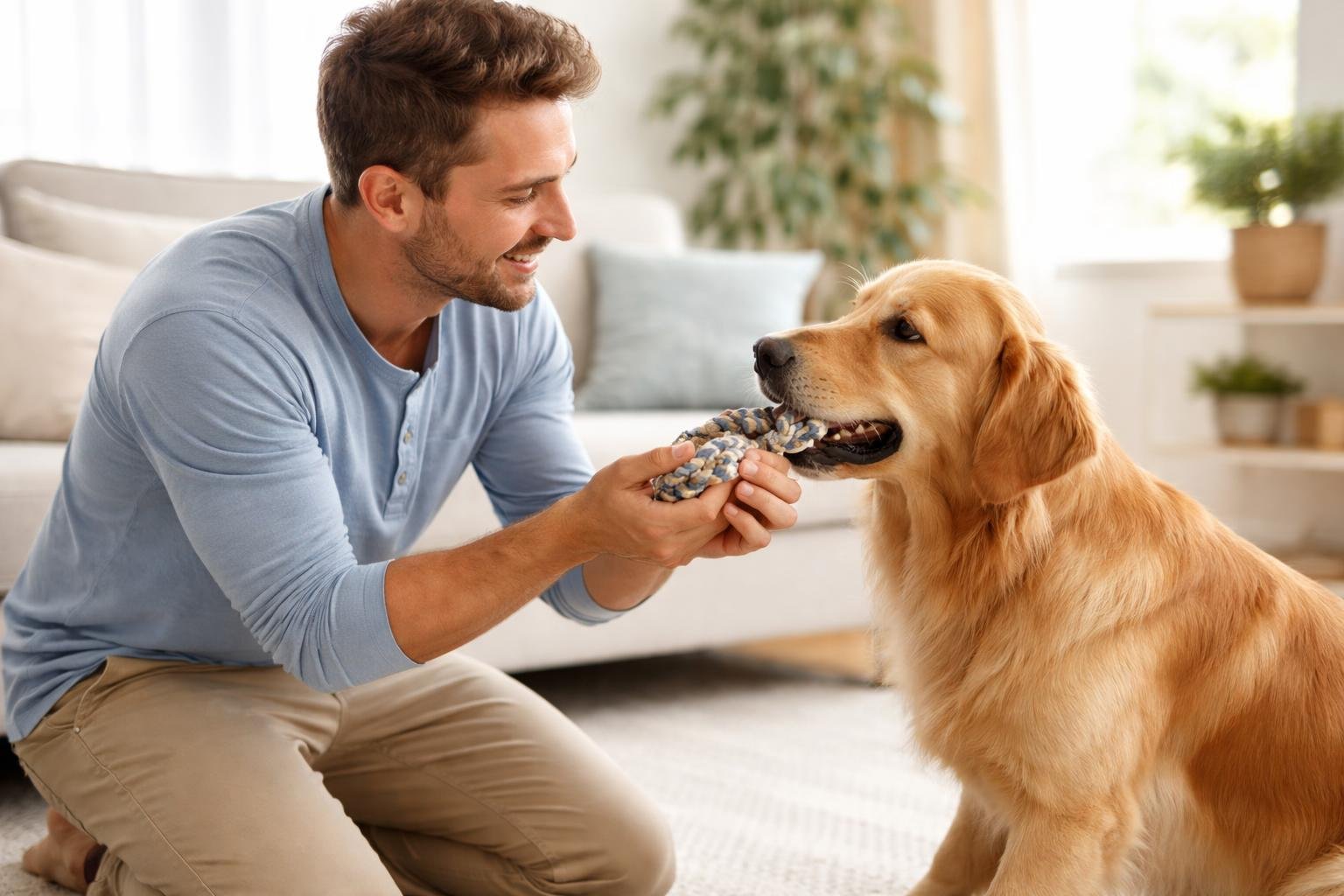
Many dog owners accidentally make training harder by rewarding the wrong behaviors or letting frustration take over during practice sessions.
Recognizing Unintentional Reinforcement
Dog owners often reward behaviors they don’t intend to encourage. When a dog finally drops an item after minutes of refusing, giving them a treat at that moment teaches them that holding on longer gets rewards. The timing matters more than the intention.
Chasing a dog who won’t drop something creates a fun game for them. They learn that grabbing objects leads to exciting chase sessions with their owner. This turns the problem into entertainment.
Common unintentional rewards include:
- Giving attention when the dog refuses to drop items
- Offering high-value treats only after the dog resists
- Laughing or engaging when the dog plays keep-away
- Repeatedly saying the command without consequences
The solution is to reward immediate compliance with the “drop it” command. If the dog doesn’t respond within three seconds, the owner should calmly remove access to the item without treats or attention.
Managing Frustration in Training
Training sessions fall apart when handlers get frustrated. Dogs pick up on tense body language and sharp voice tones, which makes them anxious or stubborn. A frustrated owner might raise their voice or grab at items, teaching the dog to guard objects more protectively.
Short training sessions of 3-5 minutes prevent both the dog and owner from becoming tired or irritated. If the dog struggles with the command after three attempts, the owner should return to an easier step instead of pushing forward.
Taking breaks between sessions gives both parties time to reset. Some dogs need daily practice for weeks before they master the command reliably.
Troubleshooting Stubborn Cases
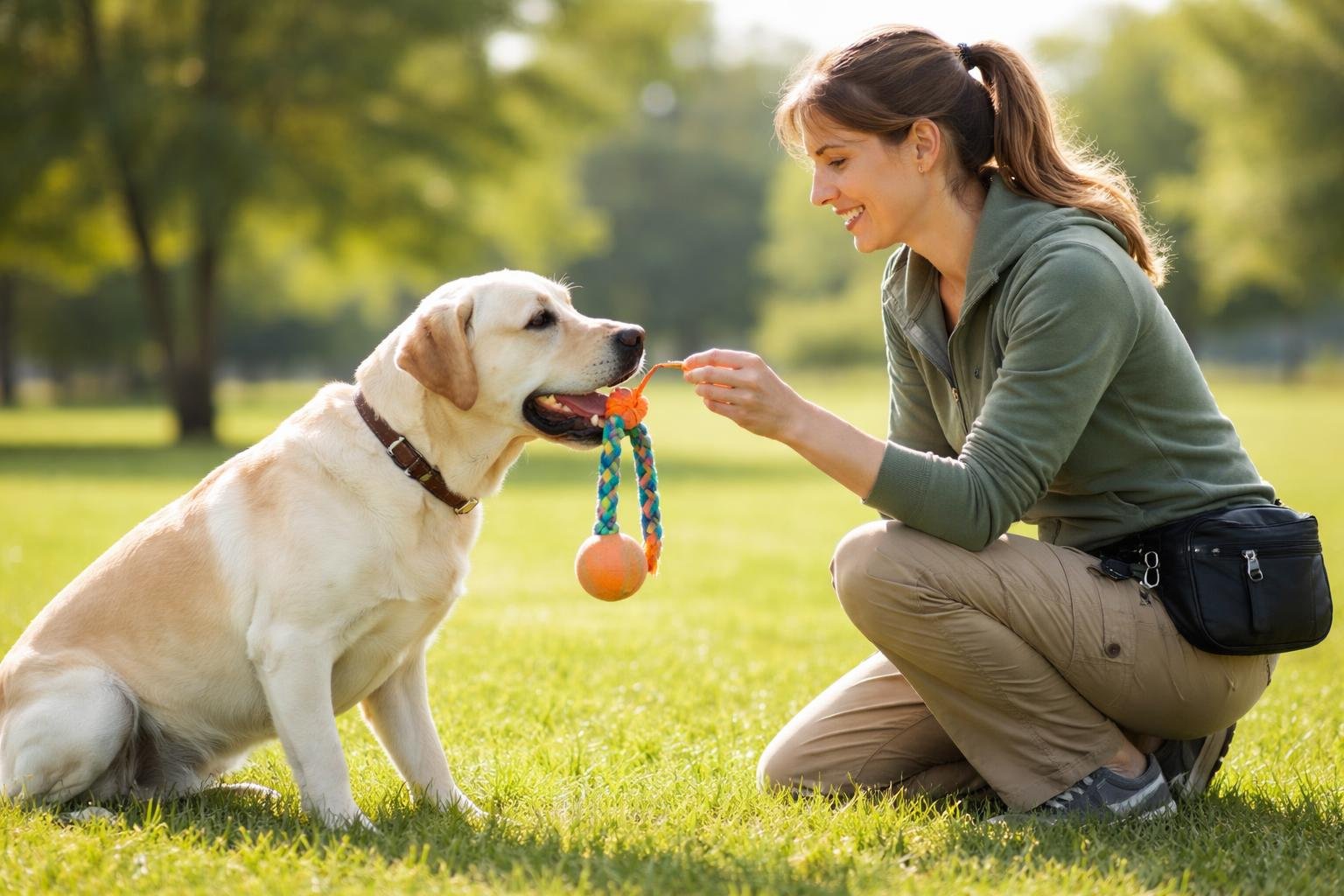
Some dogs resist dropping items even after basic training, especially when they view objects as valuable resources. Dogs showing possessive behavior need specialized techniques that address the root cause of their reluctance.
Adapting to Resource Guarding
Resource guarding happens when a dog protects objects they consider valuable by growling, stiffening, or refusing to release items. Owners should never punish this behavior, as it makes the problem worse.
The key is to make dropping items rewarding rather than threatening. Start by trading low-value items the dog doesn’t care much about, like a plain toy. Offer a high-value treat in exchange and use the “drop it” command. This teaches the dog that releasing items leads to better rewards.
Trade-up approach:
- Begin with boring objects
- Offer treats worth more than the item
- Gradually work up to items the dog likes more
- Never chase or grab items from the dog
Practice in a calm environment without distractions. Keep sessions short and positive. If the dog shows warning signs like stiff body language or a hard stare, move back to easier items. Distance also helps—stand further away when asking for the drop to reduce perceived threat.
Consulting a Professional Trainer
A certified dog trainer or veterinary behaviorist should be contacted when a dog snaps, bites, or shows aggressive behavior during drop it training. These professionals assess the specific situation and create a safe training plan.
Professional help is also needed when home training shows no progress after several weeks or when the behavior gets worse. Trainers certified through organizations like the Certification Council for Professional Dog Trainers use science-based methods.
The professional will observe the dog’s body language and identify triggers that cause the guarding behavior. They teach owners how to read warning signs and respond appropriately. Many trainers offer both in-person sessions and virtual consultations.
Resource guarding can escalate into serious aggression if handled incorrectly. Professional guidance protects both the dog and family members, especially in homes with children.
Ensuring Safety and Long-Term Success
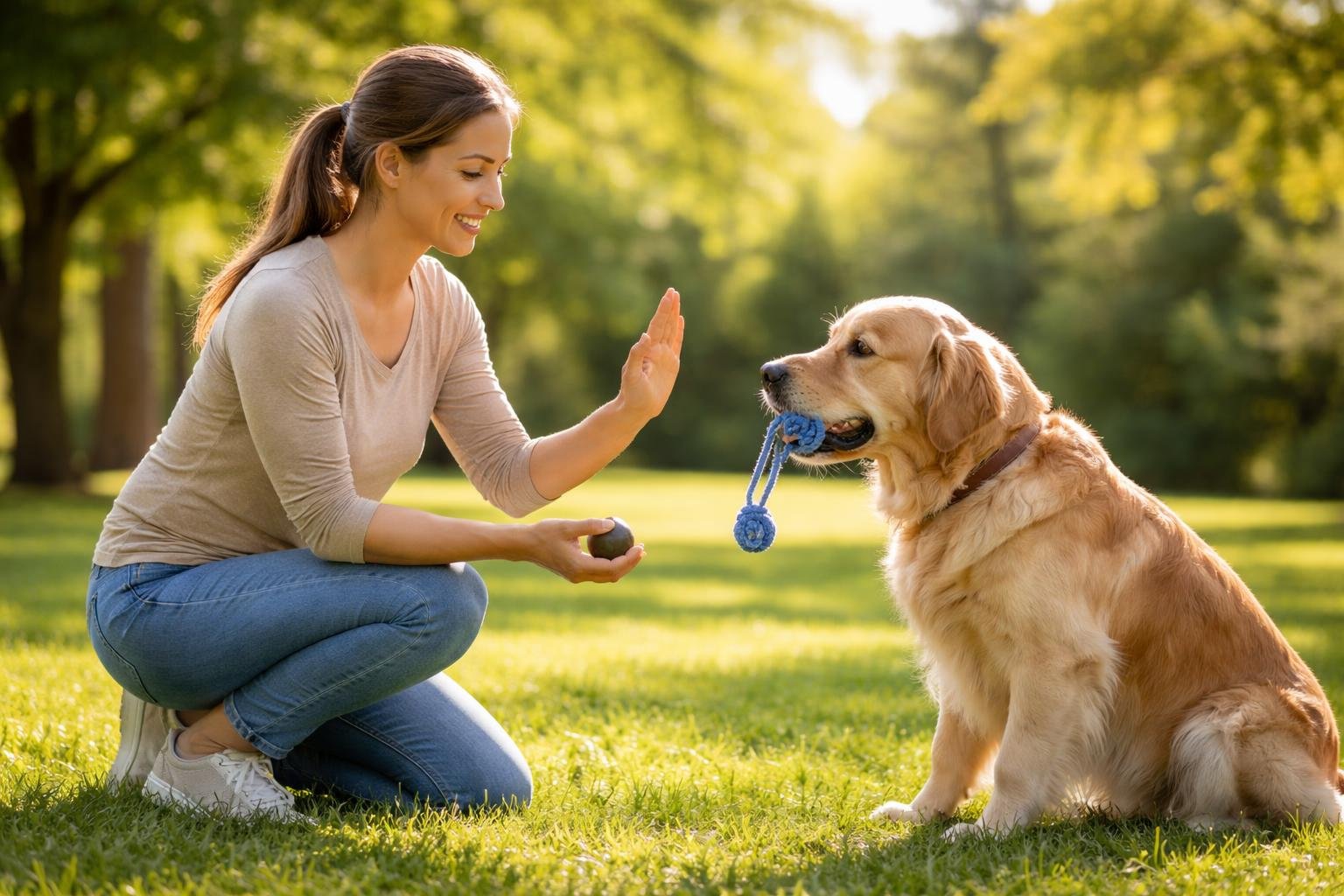
Safety should always come first when teaching the drop command. Dogs should never be asked to drop items that could harm them if they try to pick the object back up. Owners need to supervise their dogs closely during training sessions.
Key Safety Tips:
- Never practice with dangerous items like sharp objects or toxic substances
- Keep training sessions short (5-10 minutes) to maintain focus
- Watch for signs of stress like excessive panting or avoiding eye contact
- Stop immediately if the dog shows resource guarding behaviors
Consistency helps dogs remember what they have learned. Everyone in the household should use the same command word and hand signal. Dogs get confused when different people use different words for the same behavior.
Practice the drop command in different locations around the home and yard. Dogs often need to learn that commands work everywhere, not just in one room. Start in quiet places with few distractions, then gradually move to busier areas.
Long-Term Practice Schedule:
| Time Period | Practice Frequency |
|---|---|
| First month | Daily sessions |
| Months 2-3 | 3-4 times per week |
| After 3 months | Weekly refreshers |
Owners should continue to reward their dogs even after the command is learned well. Random rewards keep dogs interested and willing to respond. The drop command needs regular practice to stay strong throughout the dog’s life.
Frequently Asked Questions
Dog owners often have questions about teaching the drop command, especially when dealing with stubborn behaviors or dangerous situations. The right approach depends on the dog’s personality, the situation, and the owner’s training goals.
How can I teach my dog to drop an item on command?
The basic method involves offering a trade. The owner holds a treat near the dog’s nose while the dog has a toy in its mouth. When the dog drops the toy to get the treat, the owner says “drop it” and gives the reward.
Practice starts with low-value items the dog doesn’t care much about. Once the dog understands the concept, the owner can move to more exciting objects. Consistency matters more than long training sessions.
What should I do if my dog refuses to let go of a toy or object?
A better treat usually solves this problem. The owner needs to offer something the dog wants more than the current item. High-value rewards like chicken or cheese work better than regular kibble.
Walking away can also work with toy-motivated dogs. When the owner stops playing and turns away, the dog often drops the toy to get attention back. The owner should never chase the dog or grab at the object.
How can I get my dog to release something dangerous safely?
Stay calm and avoid creating excitement or tension. The owner should get a high-value food reward and calmly approach the dog. Trading works best even in urgent situations.
If the dog might swallow the dangerous item quickly, the owner can try tossing treats on the ground away from the dog. This creates distance while the owner retrieves the dangerous object. Grabbing or yelling often makes dogs swallow faster or run away.
Can I train a reliable drop behavior without using treats?
Yes, but it takes longer and requires a toy-motivated dog. The owner uses a two-toy system where one toy becomes the reward for dropping the other. The dog drops toy A to get toy B, then drops toy B to get toy A back.
Praise and play also reinforce the behavior. However, food rewards typically create faster and more reliable results. Most professional trainers recommend starting with treats even if the owner plans to phase them out later.
What’s the difference between training “drop it” and “leave it”?
“Drop it” tells the dog to release something already in its mouth. “Leave it” tells the dog not to pick up or approach something in the first place. Both commands serve different purposes in daily life.
Dogs need to learn these as separate behaviors. “Drop it” happens after the dog has the object. “Leave it” prevents the dog from getting the object at all.
Is it ever safe or effective to force a dog to drop something?
Forcing a dog creates risk and damages trust. Prying open a dog’s mouth or wrestling objects away can lead to bites. It also teaches the dog to guard items more aggressively next time.
Physical force should only happen in true emergencies where the dog’s life is at immediate risk. Even then, the owner needs to understand they might get bitten. Training a reliable drop command prevents these dangerous situations from happening in the first place.