
How to Check a Dog for Ticks: A Complete Guide for Pet Owners
Ticks pose a real threat to dogs because they can spread serious diseases like Lyme disease and Rocky Mountain spotted fever. These tiny parasites attach to a dog’s skin and feed on blood, often going unnoticed for days. Finding and removing ticks quickly helps protect a dog’s health.
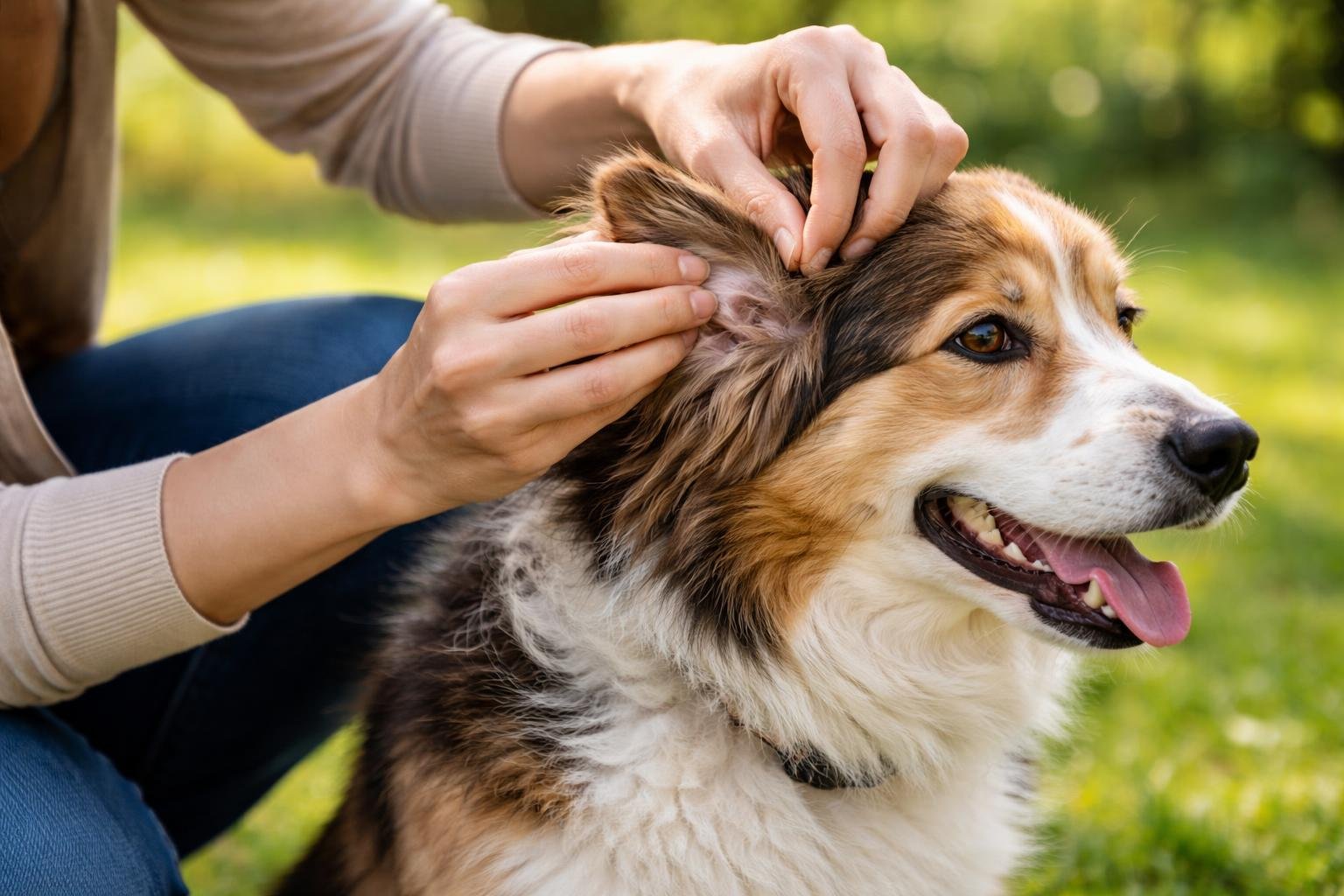
To check a dog for ticks, run fingers slowly through the fur with gentle pressure to feel for small bumps, paying special attention to warm, hidden areas like the ears, neck, armpits, and between the toes. Daily checks are the best way to catch ticks early, especially after time spent outdoors in grassy or wooded areas.
Knowing where ticks like to hide, how to identify different types of ticks, and what steps to take after finding one makes the process simpler. This guide covers everything from preparation and proper checking techniques to removal methods and prevention strategies.
Why Tick Checks Are Important
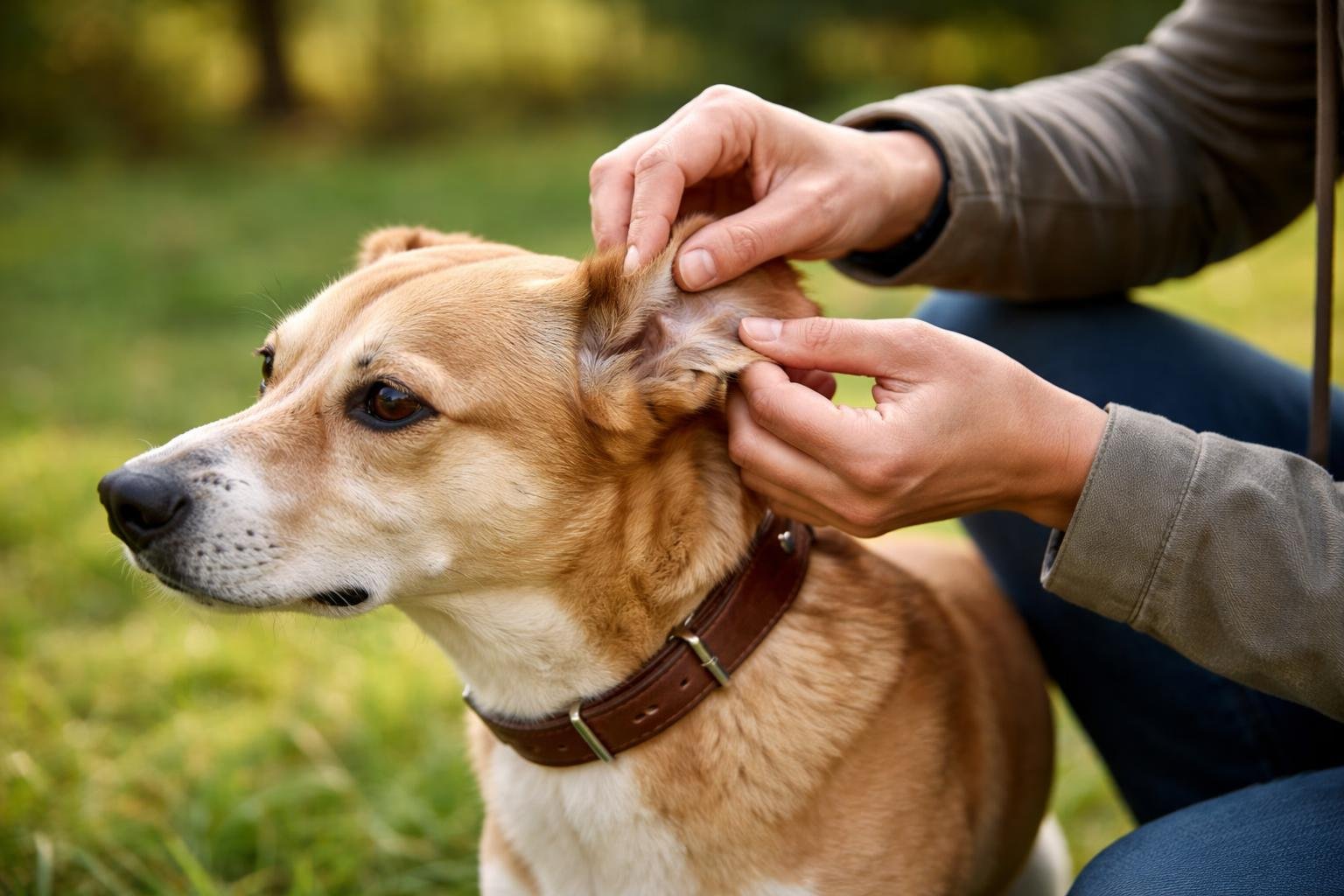
Ticks pose serious health threats to dogs because they carry harmful diseases that can cause long-term illness or death. Finding and removing ticks quickly reduces the chance of disease transmission and keeps dogs healthier.
Health Risks of Tick Bites
Ticks attach to a dog’s skin and feed on blood for several days. During this feeding process, they can pass bacteria, viruses, and parasites into the dog’s bloodstream. The longer a tick stays attached, the greater the risk of infection.
A tick bite itself can cause local skin irritation, redness, and swelling. Some dogs develop allergic reactions to tick saliva. In severe cases, heavy tick infestations can lead to anemia from blood loss, especially in puppies or small dogs.
Tick bites may also create open wounds that become infected with bacteria. These secondary infections require veterinary treatment with antibiotics.
Tick-Borne Diseases in Dogs
Dogs can contract several dangerous diseases from tick bites. Lyme disease causes joint pain, fever, loss of appetite, and lethargy. It can lead to kidney damage if left untreated.
Ehrlichiosis attacks white blood cells and causes bleeding disorders, weight loss, and organ failure. Anaplasmosis produces similar symptoms including fever, joint pain, and vomiting.
Rocky Mountain spotted fever is particularly serious and can be fatal. It causes high fever, neurological problems, and damage to blood vessels. Babesiosis destroys red blood cells and leads to severe anemia.
The brown dog tick can infest homes and create ongoing exposure risks for both pets and people.
Benefits of Regular Tick Checks
Daily tick checks allow owners to find and remove ticks before disease transmission occurs. Most tick-borne illnesses require the tick to be attached for 24 to 48 hours before bacteria or parasites transfer to the dog.
Quick removal during this window prevents infection in most cases. Regular checks also help owners spot problem areas where ticks commonly hide, such as ears, neck folds, and between toes.
Consistent checking creates a routine that becomes faster and easier over time. Owners become familiar with their dog’s normal skin and can quickly identify unusual bumps or attached ticks. This practice is especially important after walks in wooded areas, tall grass, or other tick-prone environments.
Early detection saves money on veterinary bills and prevents suffering that comes with advanced tick-borne diseases.
Identifying Common Tick Species on Dogs
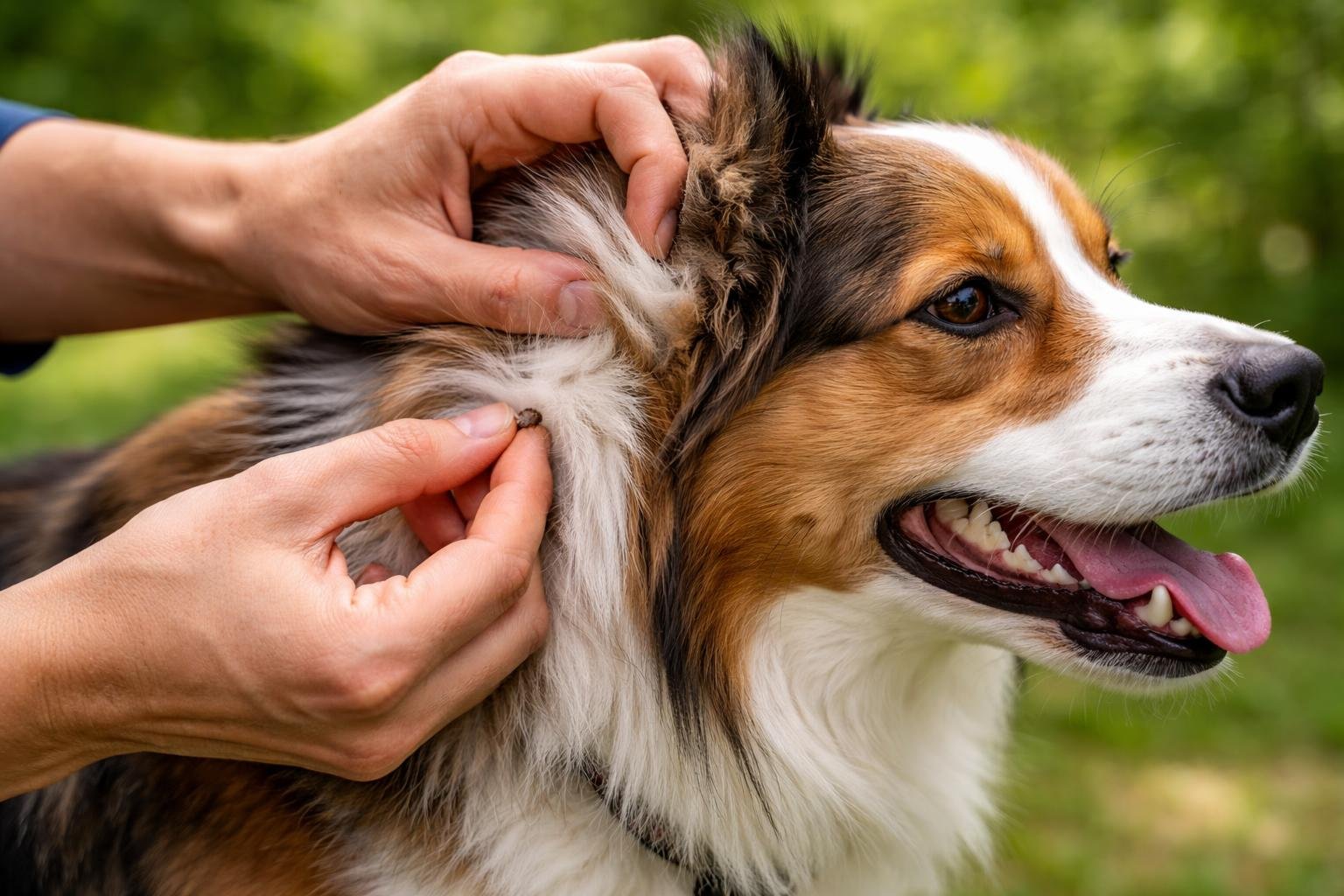
Different tick species pose varying levels of risk to dogs, and each has distinct physical characteristics. The United States is home to 15 different tick species, with several being particularly harmful to canines.
Types of Ticks Found on Dogs
American Dog Tick (Dermacentor variabilis) is one of the most common ticks found on dogs. This tick has a brown body with white or gray markings on its back. It primarily lives in areas with little to no tree cover, such as grassy fields and along walking paths.
Black-legged Tick (Ixodes scapularis), also called the deer tick, is smaller than the American dog tick. It has a dark brown to black body and orange-red coloring around its mouth and legs. This tick transmits Lyme disease and prefers wooded, humid environments.
Brown Dog Tick (Rhipicephalus sanguineus) is reddish-brown and has a narrow body shape. Unlike other ticks, it can complete its entire life cycle indoors. This makes it particularly problematic for households with dogs.
Lone Star Tick (Amblyomma americanum) is easily identified by the single white spot on the female’s back. Males have white spots or streaks around the edges of their bodies. This aggressive tick actively seeks out hosts.
Recognizing Larvae, Nymphs, and Adults
Ticks go through three life stages after hatching, and their size and appearance change dramatically at each stage.
Larvae are the smallest stage, measuring less than 1 millimeter. They have six legs instead of eight and appear as tiny dark specks on a dog’s skin. Most people cannot see individual features without magnification.
Nymphs are slightly larger at 1-2 millimeters and have developed their full eight legs. They look like miniature versions of adult ticks but are still quite small. Nymphs are particularly dangerous because their size makes them easy to miss during tick checks.
Adults range from 3-5 millimeters when unfed but can swell to the size of a small grape after feeding. Female ticks are typically larger than males. An engorged tick appears gray or olive-colored and has a smooth, rounded body.
Preparing to Check Your Dog for Ticks
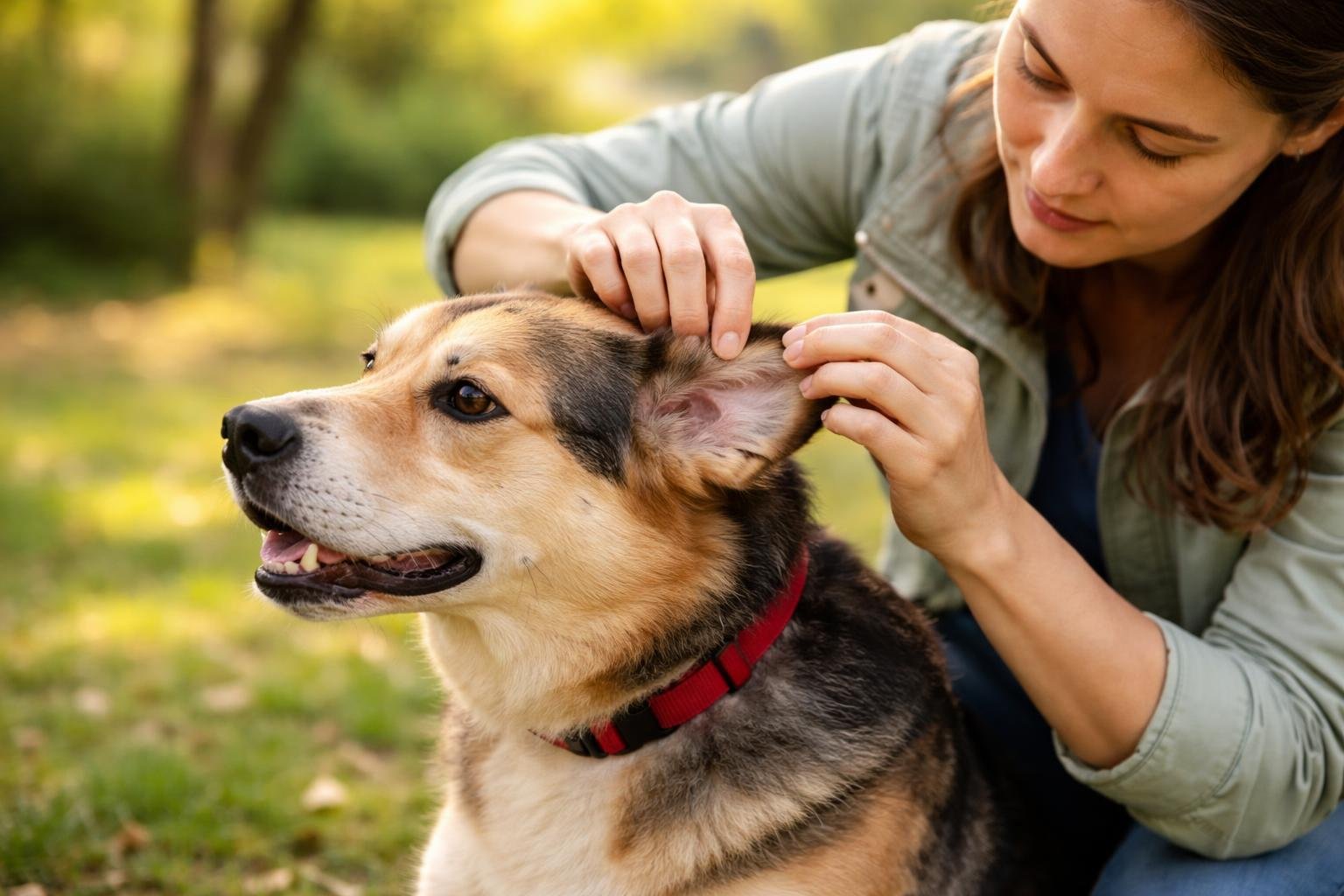
A successful tick check requires the right tools, a comfortable setting, and proper protection for the person doing the inspection. Taking a few minutes to prepare makes the process smoother and more thorough.
Gathering Necessary Supplies
Pet owners should collect all necessary items before starting the tick check. A pair of fine-tipped tweezers or a tick removal tool is essential for removing any ticks found on the dog. These tools allow for precise grasping of the tick close to the skin.
A bright flashlight or headlamp helps illuminate dark areas where ticks hide. Good lighting makes it easier to spot small ticks that might otherwise go unnoticed. Some pet owners prefer using a magnifying glass for examining areas with thick fur.
Additional supplies include:
- Disposable gloves to protect hands during the check
- A small container with rubbing alcohol to store any removed ticks
- Treats to reward the dog during and after the examination
- A comb or brush to part the fur and access the skin
- Paper towels for cleanup if needed
Having these items within reach prevents interruptions during the inspection.
Creating a Calm Environment
The dog needs to feel relaxed during the tick check. Choosing a quiet room with minimal distractions helps keep the dog focused and cooperative. Closing doors prevents the dog from wandering away mid-examination.
Performing the check in a well-lit area is important. Natural daylight from windows works well, but bright indoor lighting is acceptable. Some pet owners prefer checking their dogs on a raised surface like a grooming table, while others work on the floor where the dog feels more secure.
The person should speak in a calm, reassuring voice throughout the process. Offering treats at regular intervals keeps the dog engaged and creates positive associations with tick checks.
Wearing Protective Gear
The person conducting the tick check should wear disposable gloves. Ticks can transmit diseases to humans through direct contact, especially if crushed or if their bodily fluids come in contact with skin. Gloves create a barrier between hands and any ticks discovered.
Light-colored clothing makes it easier to spot ticks that may fall off during the examination. Ticks are small and can easily crawl onto the person performing the check. Long sleeves and pants tucked into socks provide additional protection, particularly if the dog spent time in heavily wooded or grassy areas.
After completing the tick check, the person should inspect their own clothing and exposed skin for any ticks that may have transferred during the process.
Step-By-Step Guide to Checking Your Dog for Ticks
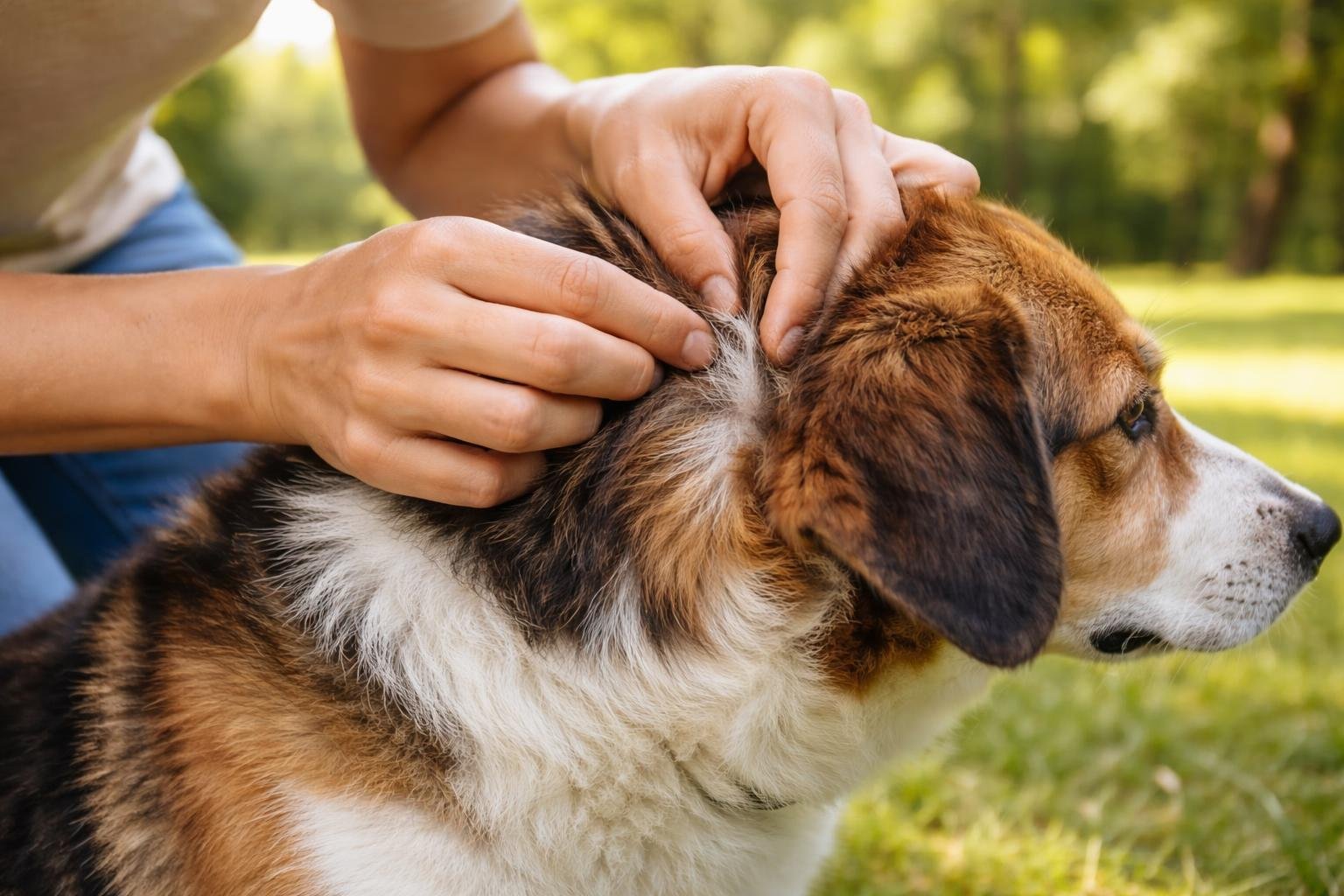
A thorough tick check requires good lighting, a systematic approach, and special attention to warm, hidden spots where ticks prefer to attach. Using your hands and eyes together helps find both crawling and attached ticks before they cause problems.
Choosing the Best Location
Natural daylight works best for spotting ticks, so checking near a window or outside during daytime makes the job easier. Indoor spaces with bright overhead lights can work too, especially if the dog has dark fur that makes ticks harder to see.
The dog should stand on a non-slip surface at a comfortable height for the person doing the check. A grooming table works well for small to medium dogs. Large dogs can stand on the floor while the owner sits or kneels beside them.
Keep basic supplies nearby before starting. These include a flashlight for checking dark areas, gloves if preferred, and a tick removal tool in case any ticks are found. Having treats ready helps keep the dog calm and still during the inspection.
Methodical Inspection Techniques
Start at the dog’s head and work down to the tail in sections. This prevents missing any areas and keeps the process organized. Run fingers slowly through the fur against the grain to expose the skin underneath.
Use both touch and sight during the check. Fingers can feel for small bumps that might be ticks, while eyes can spot movement from ticks that haven’t attached yet. Pay attention to anything that feels like a small raised bump or scab.
Key inspection steps:
- Part the fur in small sections
- Look directly at the skin surface
- Feel for bumps with fingertips
- Check each section twice before moving on
Move systematically from one body part to the next without skipping areas. The entire process should take 5-10 minutes depending on the dog’s size and coat length.
Inspecting High-Risk Areas
Ticks prefer warm, moist areas with thinner skin and less fur. The ears require special attention—check both inside the ear flap and around the base where the ear meets the head. Gently lift each ear and look at both sides of the flap.
The neck and collar area often harbor ticks because collars create warm spots. Remove the collar completely during each check. Run fingers around the entire neck, including under the chin and throat.
Other high-risk zones include:
- Between toes and paw pads
- Armpits and groin area
- Under the tail and around the anus
- Eyelids and around eyes
- Lips and gum line
The belly and chest have thinner skin that ticks find attractive. Feel carefully along these areas, especially where the legs meet the body. Check any skin folds thoroughly, as ticks hide in these creases.
Common Areas Where Ticks Hide
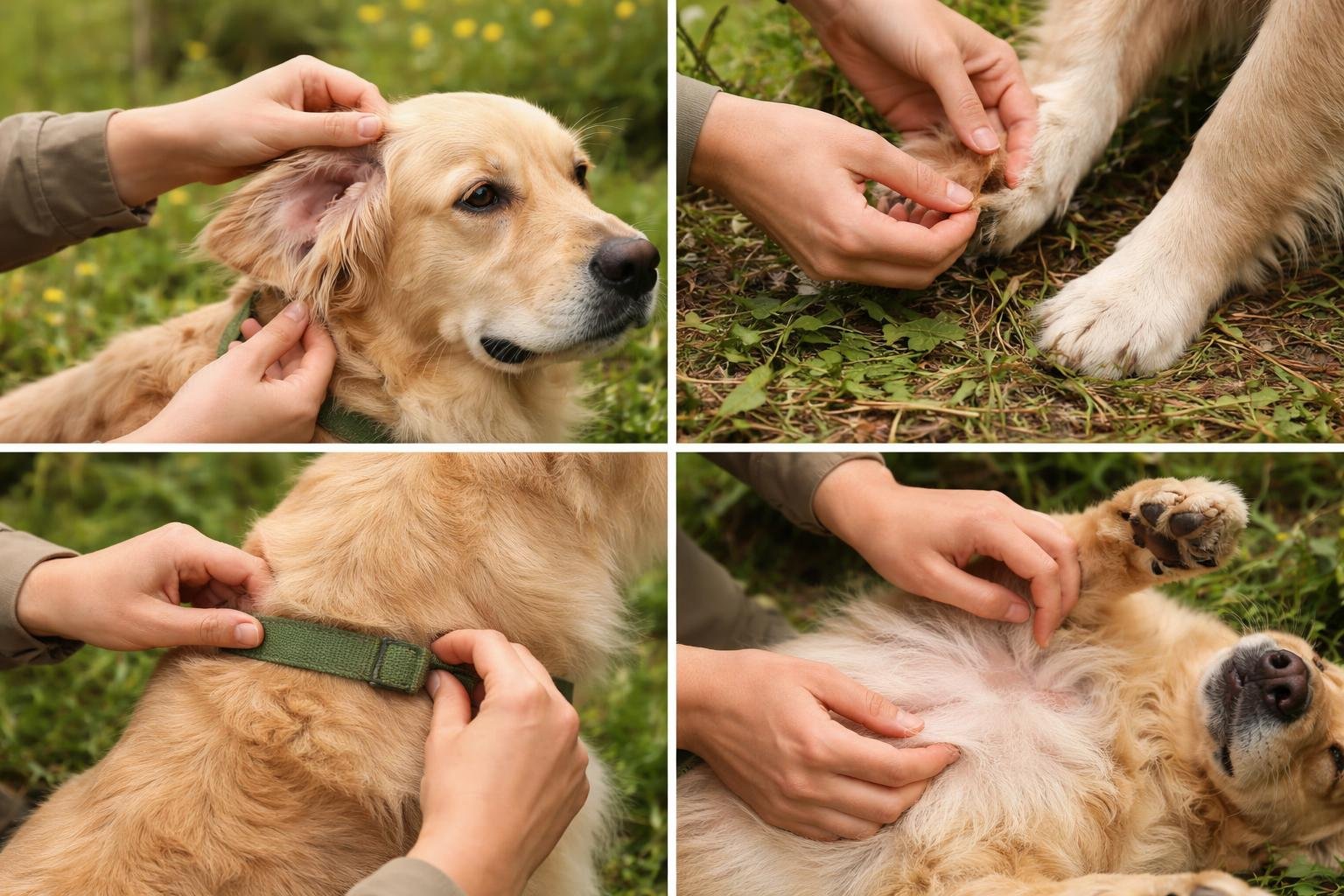
Ticks prefer warm, moist areas on a dog’s body where they can latch onto skin and feed undisturbed. These spots typically have thinner skin, less fur, or natural folds that provide protection.
Ears and Around the Eyes
The ears are one of the most common places ticks attach to dogs. Ticks crawl into the ear canal or hide in the folds around the base of the ear where the skin is thin and warm.
Dog owners should check both inside and outside the ears carefully. Running fingers along the ear flaps and around the inner edges helps detect small bumps that could be ticks.
The area around the eyes also attracts ticks. The delicate skin near the eyelids and along the brow provides easy access to blood vessels. Owners should gently feel around the eye area and check the corners where ticks can hide in the fur.
Under the Collar and Between Toes
The neck and collar area offers ticks a protected spot with loose skin. Ticks often burrow into the fur at the base of the neck where collars sit. Dog owners should remove the collar during tick checks to examine the entire neck thoroughly.
Between the toes is another favored hiding spot. The webbing between each toe provides moisture and warmth that ticks seek. Owners need to spread each toe apart and look at the skin between them.
Ticks also hide in the armpits where the front legs meet the body. These dark, warm spots with thin skin make ideal feeding locations. Checking under each front leg requires lifting the leg and examining the armpit area closely.
Tail and Groin Regions
The base of the tail attracts ticks due to its warmth and proximity to the body. Owners should lift the tail and check where it connects to the body, feeling for any unusual bumps on the skin.
The groin area ranks high among tick hiding spots. The inner thighs and genital region have thin skin and stay warm and protected. This area requires thorough inspection by gently moving the back legs and checking all skin folds.
Ticks in these regions can be harder to spot due to limited visibility. Using good lighting and taking time to feel the skin helps detect ticks that blend into the fur.
What to Do If You Find a Tick
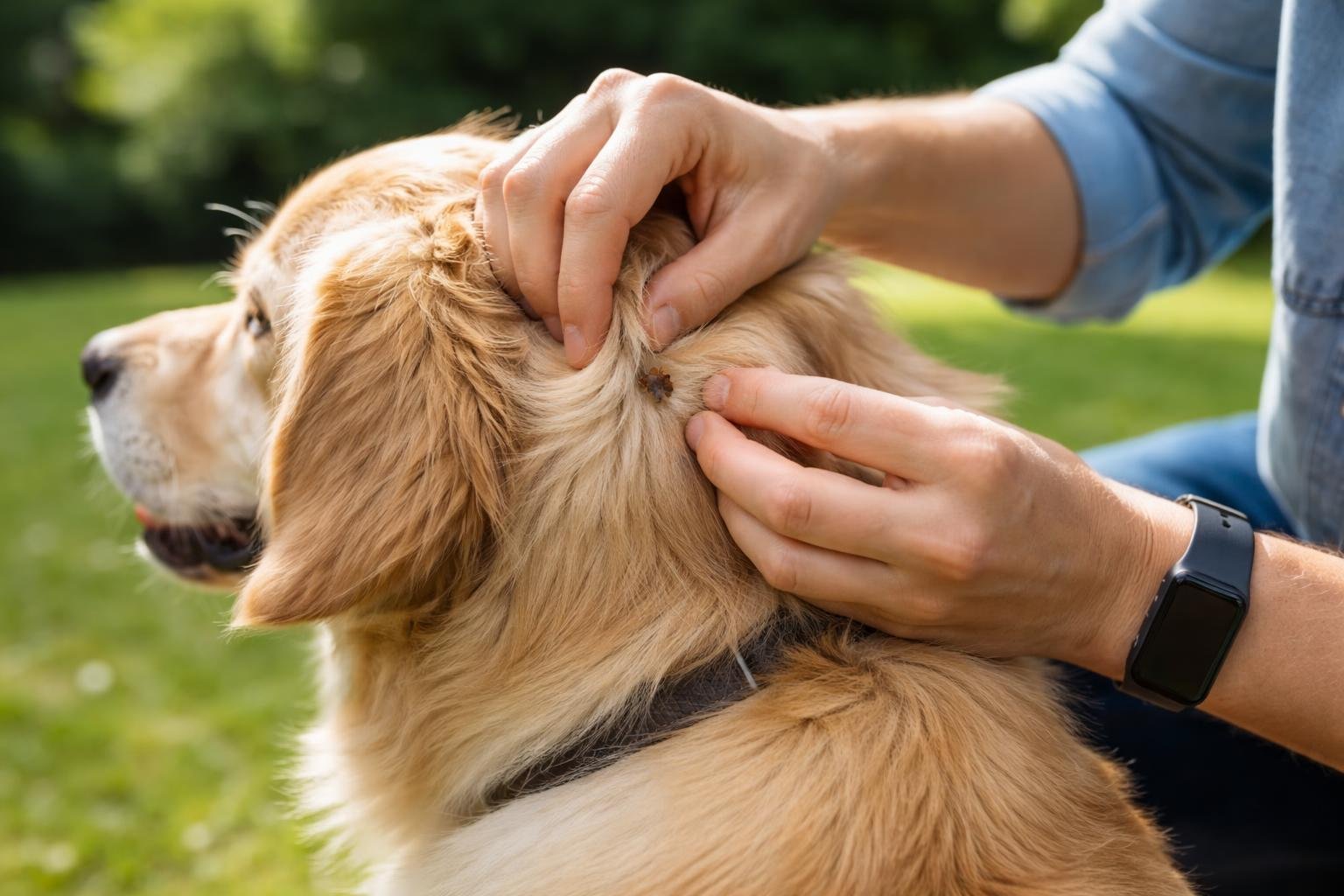
Quick removal is critical when dealing with ticks, as the risk of disease transmission increases the longer a tick stays attached. Proper removal technique and bite site care help prevent infection and complications.
Safe Tick Removal Methods
The most effective way to remove a tick is with fine-tipped tweezers or a specialized tick removal tool. Pet owners should grasp the tick as close to the dog’s skin as possible, then pull upward with steady, even pressure. Twisting or jerking can cause the tick’s mouthparts to break off and remain in the skin.
It’s important to avoid common mistakes during removal. Never crush the tick with fingers, as this can release disease-causing organisms. Don’t use petroleum jelly, nail polish, or a hot match to try to make the tick detach. These methods are ineffective and can cause the tick to release more saliva into the wound.
After removing the tick, place it in rubbing alcohol or seal it in a plastic bag. This allows for identification if the dog develops symptoms later. Wash hands thoroughly with soap and water after handling the tick.
Aftercare for the Bite Site
Clean the bite site immediately with rubbing alcohol or soap and water. This reduces the risk of infection at the wound site. Apply a small amount of antibiotic ointment if recommended by a veterinarian.
Monitor the area for several weeks after removal. Watch for signs of infection like redness, swelling, or discharge. A small bump at the bite site is normal and usually resolves within a few days.
Contact a veterinarian if the dog develops symptoms such as fever, loss of appetite, lethargy, or joint swelling. These signs can indicate a tick-borne illness. Keep a record of when and where the tick was found, as this information helps veterinarians assess disease risk.
Monitoring for Signs of Tick-Borne Illness
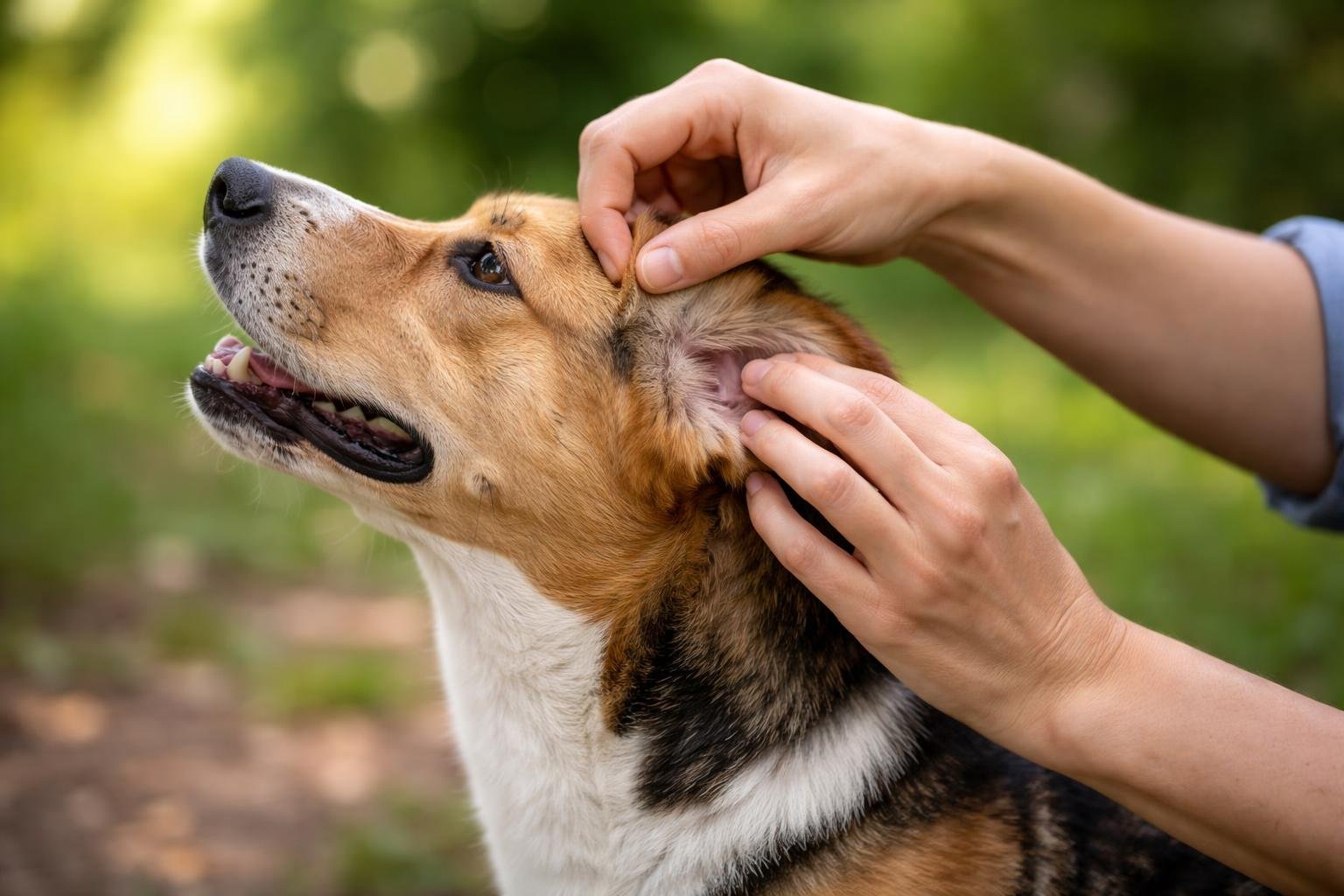
Even after removing a tick, dogs can develop serious illnesses that require prompt medical attention. Recognizing early symptoms and knowing when to seek veterinary care can prevent complications and improve treatment outcomes.
Symptoms to Watch For
Dog owners should monitor their pets closely for several weeks after finding a tick. Fever is often one of the first signs of tick-borne disease and may appear 7-21 days after a bite.
Lethargy and loss of appetite are common warning signs. A dog that suddenly seems tired, refuses food, or loses interest in normal activities may be developing an illness.
Joint pain and lameness can indicate Lyme disease. Dogs may limp, show stiffness, or have swollen joints that shift from one leg to another. Swollen lymph nodes near the bite site or throughout the body also signal infection.
Other symptoms include:
- Vomiting or diarrhea
- Difficulty breathing
- Bleeding or bruising
- Pale gums
- Weakness in the back legs
Some dogs develop tick paralysis, which causes progressive weakness starting in the hind legs. This condition requires immediate veterinary attention.
When to Contact a Veterinarian
Pet owners should call their veterinarian immediately if their dog shows any combination of the symptoms listed above. Early detection leads to better treatment outcomes for diseases like Lyme disease and anaplasmosis.
A veterinarian visit is necessary if a dog develops a fever above 103°F or shows signs of severe illness like difficulty breathing or collapse. Even mild symptoms that persist for more than 24 hours warrant professional evaluation.
Dog owners should inform the veterinarian about any recent tick exposure. The vet can perform diagnostic tests to identify specific tick-borne diseases and start appropriate treatment. Blood tests may not show positive results immediately after infection, so repeat testing might be necessary.
Preventing Future Tick Infestations
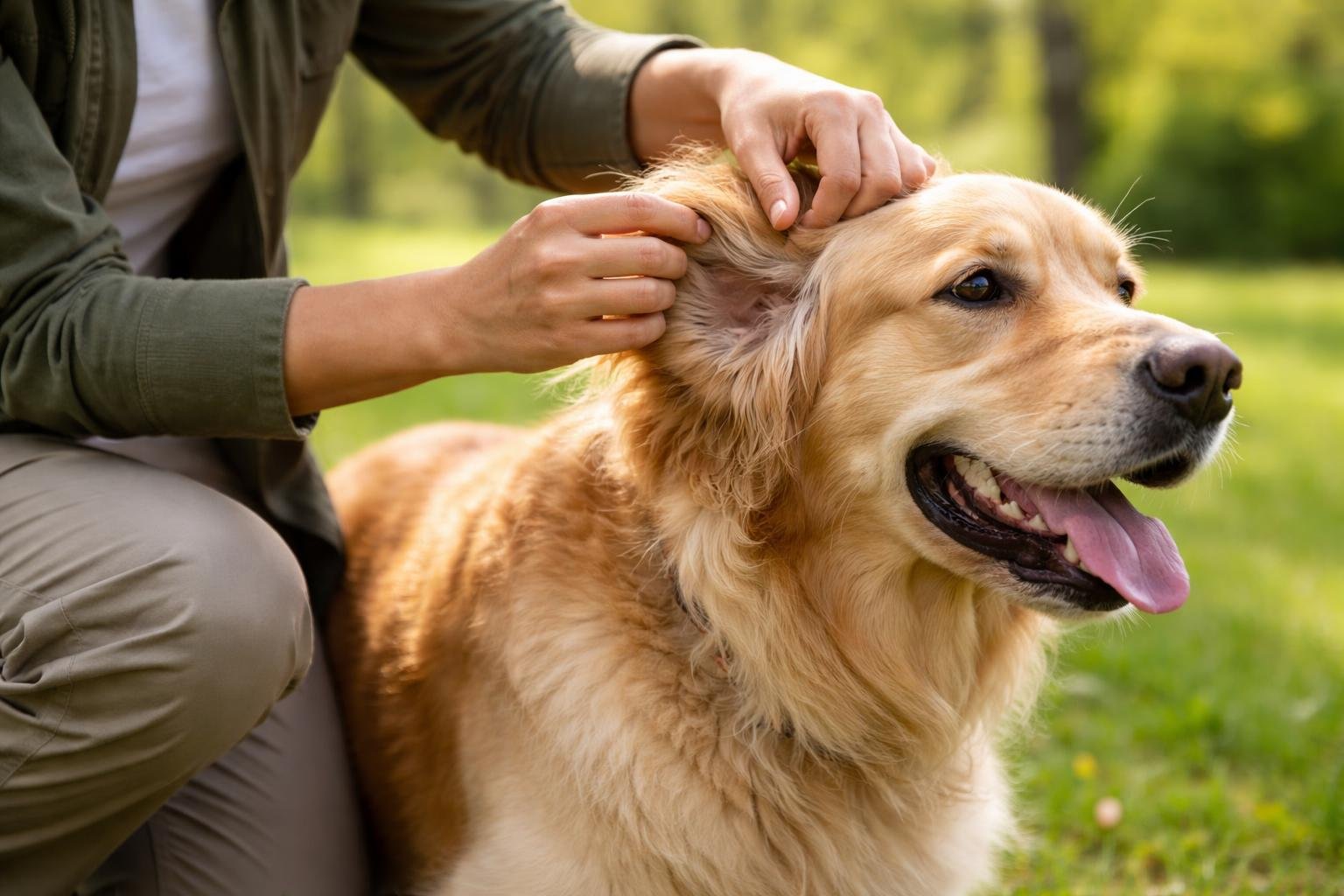
Keeping ticks away from dogs requires both direct protection on the pet and managing the outdoor spaces where ticks live. These two approaches work together to reduce tick exposure.
Tick Prevention Products
Veterinarians recommend using monthly tick preventatives year-round for the best protection. These products come in several forms including topical treatments, oral medications, and tick collars.
Topical treatments go directly on the dog’s skin between the shoulder blades. They spread across the body through skin oils and kill ticks on contact. Most topical products last 30 days and start working within 12 to 24 hours.
Oral medications work from inside the dog’s body. When a tick bites and feeds, the medication kills it before it can transmit diseases. These pills usually protect for one to three months depending on the brand.
Tick collars release chemicals that repel and kill ticks for up to eight months. They work best when fitted snugly around the neck with only two fingers of space underneath.
Product comparison:
- Topical treatments: Fast-acting, waterproof after 24-48 hours, applied monthly
- Oral medications: No mess, won’t wash off, given every 1-3 months
- Collars: Long-lasting, convenient, must be worn continuously
Always consult a veterinarian before starting any tick prevention product. Some products aren’t safe for puppies, pregnant dogs, or dogs with certain health conditions.
Environmental Control Measures
Ticks live in tall grass, leaf piles, and wooded areas. Keeping lawns mowed short reduces tick habitat significantly. Grass should stay under three inches tall during tick season.
Create a barrier between woods and yards using wood chips or gravel. This three-foot-wide strip prevents ticks from traveling into play areas. Remove leaf litter, brush, and weeds from the yard regularly.
Stack woodpiles neatly in dry areas away from the house. Keep playground equipment and outdoor furniture away from yard edges and trees. Ticks rarely venture into open, sunny spaces.
Consider treating yards with pet-safe tick control products during peak season. Professional pest control services can apply treatments to common tick habitats. These treatments typically need reapplication every 4 to 6 weeks during spring and fall.
Discourage deer and rodents from entering the yard since they carry ticks. Install fencing and remove food sources like bird feeders or fallen fruit.
Seasonal and Regional Considerations
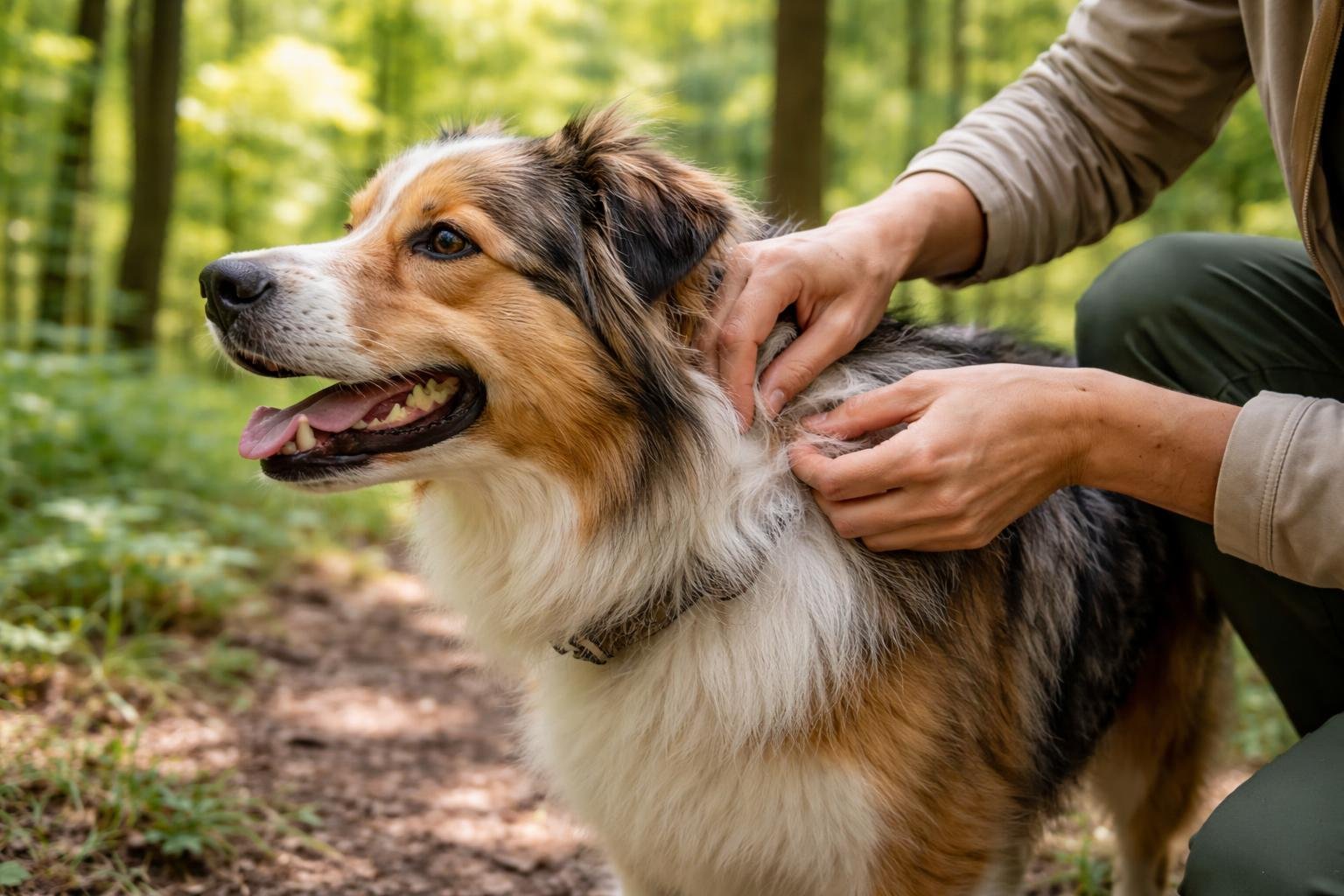
Tick activity changes throughout the year and varies by location. Understanding when and where ticks are most active helps dog owners plan their prevention strategies and know when to be extra careful.
Peak Tick Activity Times
Ticks become most active during warm weather months. Spring and summer see the highest tick populations in most areas, typically from April through September. However, ticks can be active whenever temperatures rise above 40°F.
Fall can still pose risks as ticks remain active until the first hard freeze. Some tick species stay active during mild winter days. Year-round prevention is necessary in warmer climates where freezing temperatures rarely occur.
Monthly tick activity levels:
- March-May: Activity increases rapidly as temperatures warm
- June-August: Peak activity in most regions
- September-November: Activity decreases but remains present
- December-February: Minimal activity except in warm climates
High-Risk Locations and Habitats
Ticks live in specific environments where they can find hosts and moisture. Wooded areas with leaf litter provide ideal conditions for ticks to survive and wait for passing animals. Tall grasses and brush along trails or field edges are common tick habitats.
Dogs face higher exposure risks in these locations:
- Forest edges and hiking trails
- Areas with dense underbrush
- Tall grass and unmowed fields
- Leaf piles and wood debris
- Stone walls and rock piles
Regional differences affect tick populations significantly. The Northeast and Upper Midwest have high concentrations of deer ticks that carry Lyme disease. The South and Southeast see more lone star ticks and American dog ticks. Western states deal with various tick species in rural and mountainous areas.
Frequently Asked Questions
Dog owners often have questions about tick checks, especially regarding where to look and what to do when they find these parasites. The answers below address common concerns about checking different coat types and knowing when a tick requires veterinary attention.
Where on a dog’s body are ticks most likely to hide?
Ticks prefer warm, moist areas where they can easily attach to skin. They commonly hide in and around the ears, including both inside the ear flap and behind the ears where it meets the head.
The neck, chest, and armpits are other favorite spots for ticks. These areas stay warm and protected, making them ideal for ticks to feed undisturbed.
Ticks also attach between the toes, under the tail, and around the groin area. Dog owners should check the face carefully, especially around the eyelids and lips.
What’s the best way to check a dog for ticks at home after a walk or hike?
A systematic approach works best for thorough tick checks. Dog owners should use their fingers to feel through the coat, starting at the head and working backward toward the tail.
Running fingers against the direction of hair growth helps detect small bumps that might be ticks. The process should be slow and methodical, covering every part of the body.
Checking should happen in a well-lit area where the dog feels comfortable standing or lying still. Daily checks are recommended during tick season or after any outdoor activity in areas where ticks live.
How can you find ticks on a dog with long or thick fur?
Part the fur in sections to examine the skin directly beneath. This method allows dog owners to see the skin surface where ticks attach rather than just feeling through dense coat.
A flea comb can help separate thick fur and catch ticks that might be crawling through the coat. Brushing slowly through small sections makes it easier to spot ticks before they attach.
Good lighting is essential for dogs with thick coats. A flashlight or headlamp can help illuminate the skin beneath the fur layers.
How do you spot ticks on a black or dark-coated dog?
White or light-colored gloves make it easier to see ticks that transfer from a dark coat during checking. Ticks show up clearly against the light background if they fall off or are brushed onto the gloves.
Checking by touch becomes more important with dark-coated dogs. Feeling for small bumps on the skin often works better than trying to see ticks visually against dark fur.
Bright light aimed directly at the area being checked helps create contrast. Checking near windows during daylight or using a strong flashlight indoors improves visibility significantly.
What should you do immediately if you find a tick attached to your dog?
Remove the tick as soon as possible using fine-tipped tweezers or a tick removal tool. Grasp the tick as close to the dog’s skin as possible without squeezing the tick’s body.
Pull upward with steady, even pressure without twisting or jerking. The goal is to remove the entire tick, including the head and mouthparts embedded in the skin.
Clean the bite area with rubbing alcohol or soap and water after removal. Dispose of the live tick by placing it in alcohol, sealing it in a bag, or flushing it down the toilet.
When should you be concerned about a tick bite on your dog and contact a veterinarian?
Contact a veterinarian if the tick’s head remains embedded in the skin after removal attempts. The vet can safely remove remaining parts and prevent infection.
Watch for signs of tick-borne illness in the days and weeks following a bite. Symptoms include fever, loss of appetite, lethargy, limping, or swollen joints.
Redness, swelling, or discharge at the bite site requires veterinary attention. These signs may indicate infection or an allergic reaction to the bite.