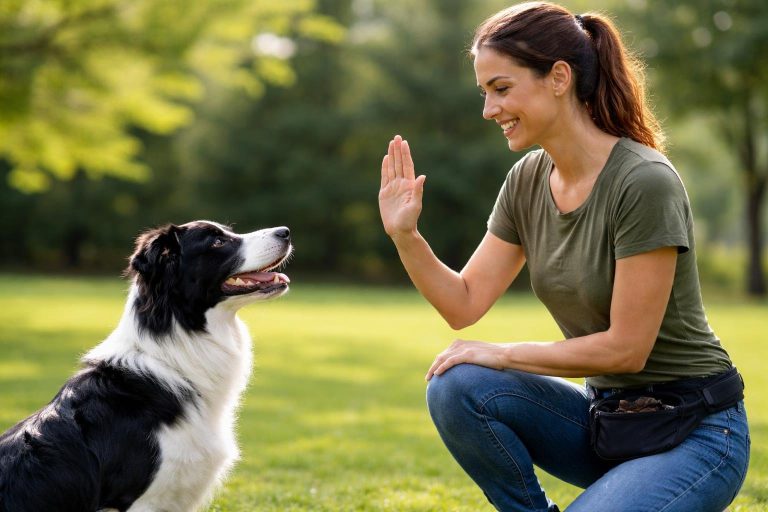
Do Dogs Get Embarrassed? Understanding Canine Emotions and Social Behavior
You’ve probably seen your dog tuck its tail, avoid eye contact, or slink away after doing something wrong. These behaviors might look like embarrassment to us. But do dogs actually feel this complex emotion the way humans do?
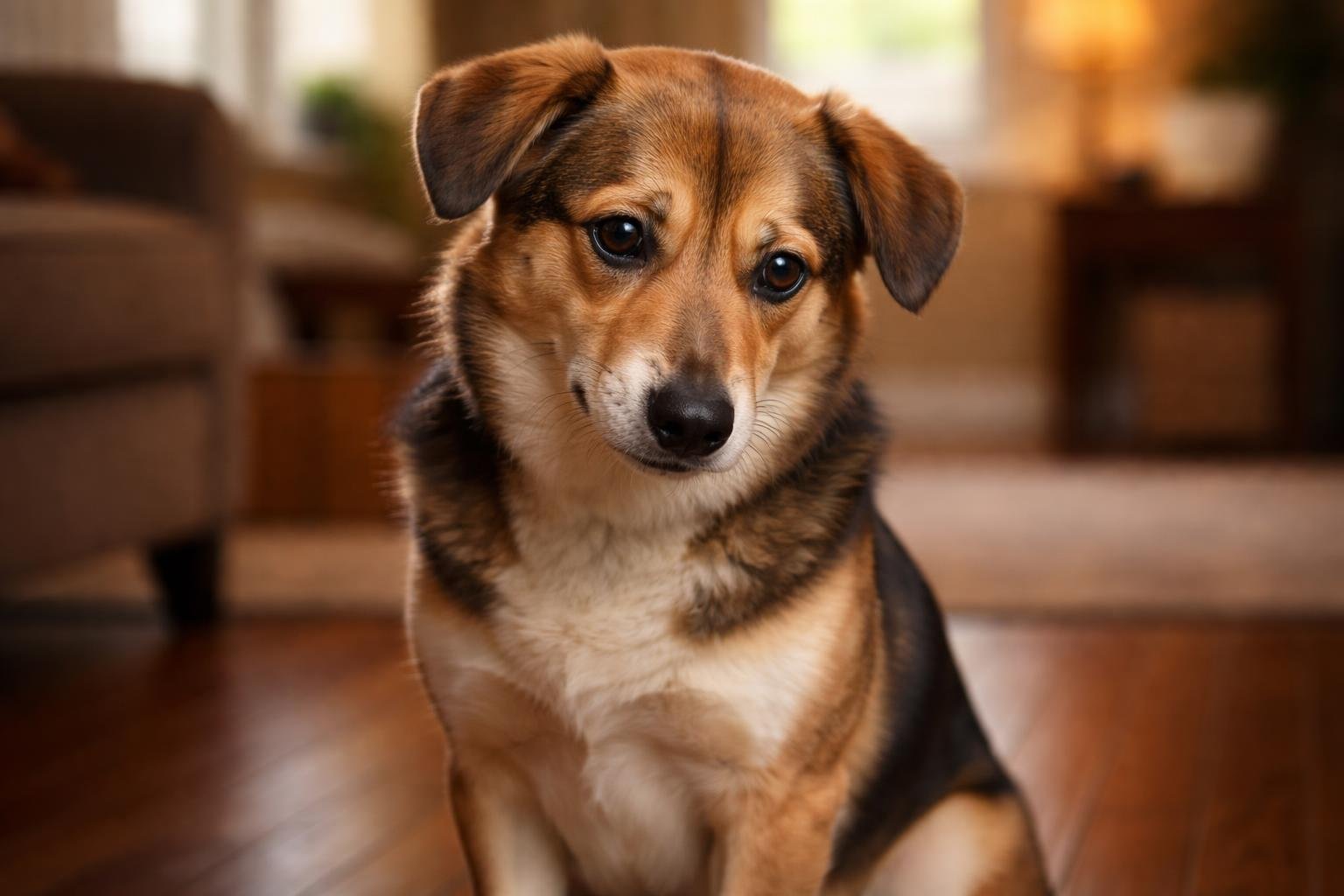
Scientists say dogs don’t experience embarrassment in the same way people do, though they can show behaviors that look similar. What appears to be a “guilty” or embarrassed look is usually something else entirely. Dogs may be showing signs of stress or trying to calm you down when they sense you’re upset.
The truth about dog emotions is more interesting than a simple yes or no answer. Dogs have rich emotional lives, but their feelings work differently than ours. Understanding what’s really going on in your dog’s mind can help you be a better pet owner and strengthen your bond with your furry friend.
Understanding Dog Emotions

Dogs experience emotions differently than humans do, with their emotional responses centered on immediate reactions to their environment rather than complex self-conscious feelings. Their emotional expressions rely heavily on body language and vocal signals that serve specific communication purposes within their social structure.
How Dogs Express Emotions
Dogs communicate their emotional states primarily through body language and vocalizations. Their tails, ears, facial expressions, and overall posture work together to signal how they feel in any given moment.
A wagging tail doesn’t always mean happiness. The speed, height, and direction of the wag all matter. A high, fast wag typically indicates excitement, while a low, slow wag may signal uncertainty or caution.
Dogs also use their ears to show emotions. Ears pulled back against the head often indicate fear or submission. Forward-facing ears suggest alertness or interest.
Common emotional signals include:
- Relaxed mouth and soft eyes for contentment
- Whale eye (showing whites of eyes) for stress
- Yawning or lip licking for anxiety
- Play bow for invitation to interact
- Tucked tail for fear
Vocalizations like barking, whining, and growling add another layer to emotional expression. These sounds combine with physical signals to create clear messages about what a dog is feeling.
Differences Between Human and Dog Emotions
Dogs experience basic emotions like joy, fear, sadness, and anger. These are considered “instant-reaction” emotions that happen in response to immediate situations. Humans experience these same basic emotions plus more complex ones.
Complex emotions like embarrassment, shame, and guilt require self-awareness and an understanding of social rules. Dogs lack the cognitive ability to judge their own actions against social standards the way humans do.
What looks like a “guilty” expression is actually an appeasement signal. Dogs respond to their owner’s tone and body language rather than feeling actual guilt about past actions. They recognize when a person is upset and display submissive behaviors to reduce potential conflict.
Key Signs of Emotional Responses in Dogs
Dogs show clear physical signs when experiencing different emotions. Fear appears through trembling, hiding, excessive panting, and attempts to escape. The body becomes tense and the dog may freeze or move in slow motion.
Happiness manifests in relaxed body posture, gentle panting, and an eagerness to engage. The dog’s whole body often wags along with the tail during moments of joy.
Stress and anxiety indicators:
- Drooling
- Pacing
- Dilated pupils
- Excessive shedding
- Refusal to eat
Anger or aggression shows through stiff posture, direct staring, raised hackles, and bared teeth. The dog may growl or bark in a low, threatening tone. These signals warn others to back away before the situation escalates.
Defining Embarrassment in Animals

Embarrassment requires an animal to recognize itself as separate from others and understand how those others might judge its actions. Scientists debate whether dogs and other animals possess this level of self-awareness and social thinking.
What Embarrassment Means Scientifically
Embarrassment is a complex emotion that involves multiple mental processes working together. A person must first be aware of themselves as an individual. Then they need to understand that others are watching and judging them. Finally, they must feel discomfort about how they appear to those observers.
Scientists call this type of emotion a “secondary” or “self-conscious” emotion. These emotions develop later in humans than basic feelings like fear or joy. Basic emotions happen instantly without much thought. Self-conscious emotions require thinking about oneself from another person’s perspective.
True embarrassment also needs a sense of social rules and expectations. The individual must know when they’ve violated a norm or failed at something in front of others.
Is Embarrassment a Human-Only Emotion?
Most researchers believe dogs experience basic emotions like fear, joy, sadness, and anger. These “instant-reaction” emotions show up clearly in dog behavior. But embarrassment falls into a different category that scientists find harder to confirm in animals.
Dogs don’t appear to have the same level of self-reflection that humans use to feel embarrassed. What looks like shame or embarrassment in dogs is often something else entirely. The “guilty look” that many dog owners recognize is actually a response to human body language and tone of voice.
Dogs learn to associate certain behaviors with their owner’s reactions. They show submissive behaviors like tucking their tail or hiding to try to change how their owner responds to them.
Research on Animal Self-Consciousness
The mirror test is a common way scientists study self-awareness in animals. An animal passes this test if it recognizes its own reflection rather than treating it as another animal. Dogs typically fail the mirror test. They don’t seem to recognize themselves in mirrors.
Animals that pass the mirror test:
- Great apes
- Dolphins
- Elephants
- Magpies
Some researchers argue the mirror test isn’t fair for dogs since they rely more on smell than sight. Studies show dogs can recognize their own scent, which suggests some level of self-awareness. However, recognizing one’s own scent doesn’t necessarily mean an animal can think about how others perceive them.
Evidence Supporting Embarrassment in Dogs
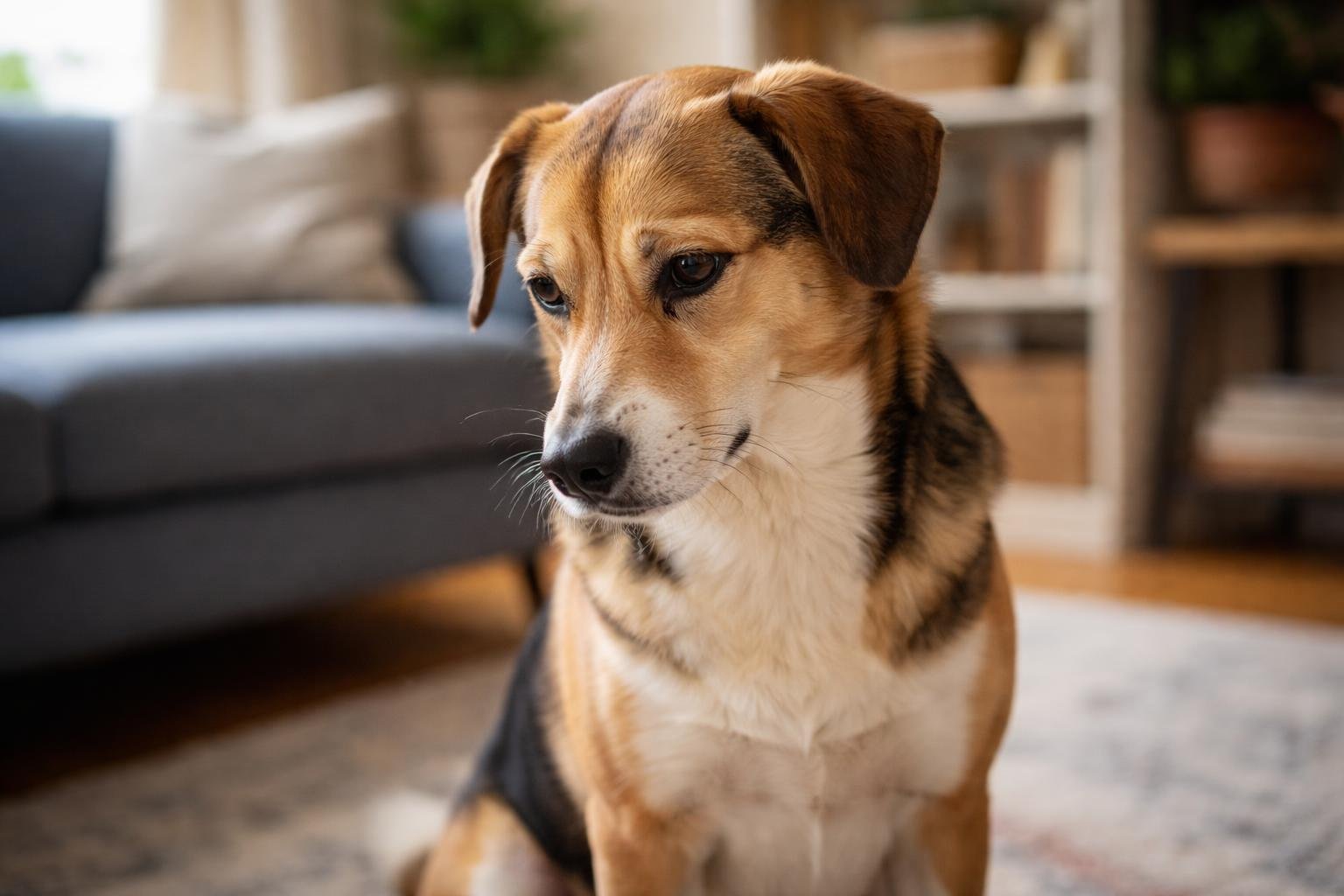
Some researchers and dog experts believe dogs can experience a form of embarrassment, though the evidence remains mixed. Behavioral patterns and scientific observations suggest dogs may display reactions that resemble embarrassment in specific situations.
Behavioral Signs Associated with Embarrassment
Dogs show specific body language that owners often interpret as embarrassment. These behaviors include tucking the tail between the legs, pinning the ears back against the head, and avoiding direct eye contact. Some dogs hide their faces or turn away from their owners after certain events.
Additional signs include a bowed head, lowered body posture, and what appears to be a sheepish facial expression. Dogs may also retreat to another room or seek cover under furniture. These behaviors typically occur after a dog falls, makes a loud noise by accident, or experiences a socially awkward moment.
Dr. Frederick Range, a neurobiologist at the University of Vienna, has studied these responses. He concludes that dogs demonstrate feelings of “embarrassment, shyness and humiliation” based on observed behaviors. The physical signs appear similar across different breeds and situations.
Scientific Studies on Dog Embarrassment
Scientific research on canine embarrassment remains limited compared to studies on basic emotions. Most scientists agree that dogs experience primary emotions like fear, joy, and sadness. Secondary emotions such as embarrassment require more complex thinking abilities.
Research shows mixed results about whether dogs truly feel shame or embarrassment. Some studies suggest that what looks like embarrassment is actually a learned response to owner reactions. Dogs may display submissive behaviors to reduce conflict rather than expressing genuine shame.
The debate centers on whether dogs possess the self-awareness needed for embarrassment. This emotion typically requires an understanding of how others perceive you. Current evidence has not definitively proven dogs have this level of cognitive ability.
Owner Observations and Anecdotal Reports
Pet owners frequently report moments when their dogs appeared embarrassed. These accounts describe dogs reacting to falls, failed jumps, or bathroom accidents in front of people. Many owners notice their dogs acting differently after these incidents compared to normal behavior.
Common scenarios include dogs who slip on smooth floors, miss a catch, or get stuck in awkward positions. Owners describe their pets displaying what seems like self-consciousness afterward. These observations form the basis for many beliefs about canine embarrassment.
However, owner reports may reflect projection of human emotions onto pets. What appears as embarrassment could be dogs responding to their owner’s laughter, tone of voice, or body language. The “guilty look” that owners recognize may actually be an attempt to change the owner’s response rather than true shame.
Situations That May Cause Dogs to Feel Embarrassed
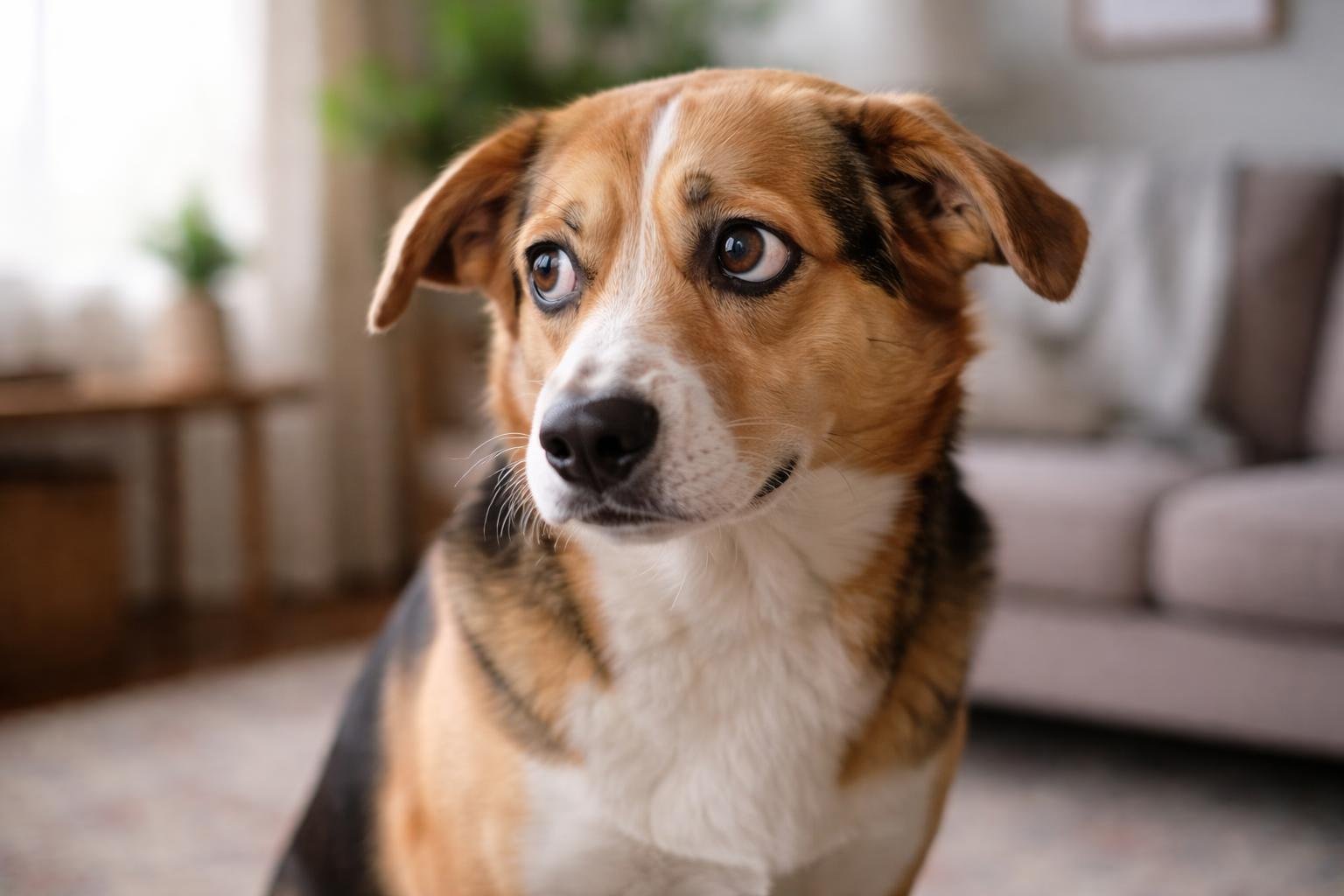
Dogs may show signs of what looks like embarrassment in specific situations, though this emotion differs from human shame. These reactions often happen during social mishaps, when receiving corrections, or after changes to their physical appearance.
Social Mistakes or Accidents
Dogs can display embarrassment-like behaviors when they have accidents in the house or make social mistakes around their owners. A dog who has an unexpected bowel movement indoors might tuck their tail, lower their ears, or avoid eye contact. These reactions aren’t true embarrassment but rather a response to their owner’s body language and tone.
Tripping or falling in front of people can also trigger similar behaviors. When a dog stumbles or slips, they often pause and look around to assess if there’s any danger. This quick safety check might look like embarrassment, but the dog is simply making sure everything is okay.
Social blunders with other dogs can cause noticeable reactions too. A dog who misjudges play behavior or gets corrected by another dog may show submissive signals like lowering their body or backing away.
Being Scolded or Corrected
Getting scolded produces some of the strongest embarrassment-like responses in dogs. When an owner raises their voice or uses a stern tone, a dog often displays what many people interpret as a “guilty” or “ashamed” look. This includes cowering, tucking the tail, drooping ears, and avoiding direct eye contact.
The dog isn’t actually feeling embarrassment or guilt about their action. They’re responding to the owner’s negative emotional state and showing appeasement behaviors. These signals mean “please don’t be upset” rather than “I’m embarrassed by what I did.”
Public corrections can intensify these reactions. Dogs are highly attuned to their owner’s emotions and the social environment around them.
Changes in Appearance or Grooming
Dogs sometimes act differently after grooming appointments or changes to their appearance. A dog with a fresh haircut might hide, act subdued, or seem less confident than usual. This behavior change stems from feeling physically different rather than actual embarrassment about their looks.
The dog needs time to adjust to new sensations on their skin and coat. They may also pick up on their owner’s reaction to the new style. If an owner laughs or acts surprised, the dog senses this emotional shift and responds accordingly.
Wearing clothes, costumes, or accessories can trigger similar responses. Many dogs show discomfort through still posture, lowered body position, or attempts to remove the items.
Interpreting Canine Body Language
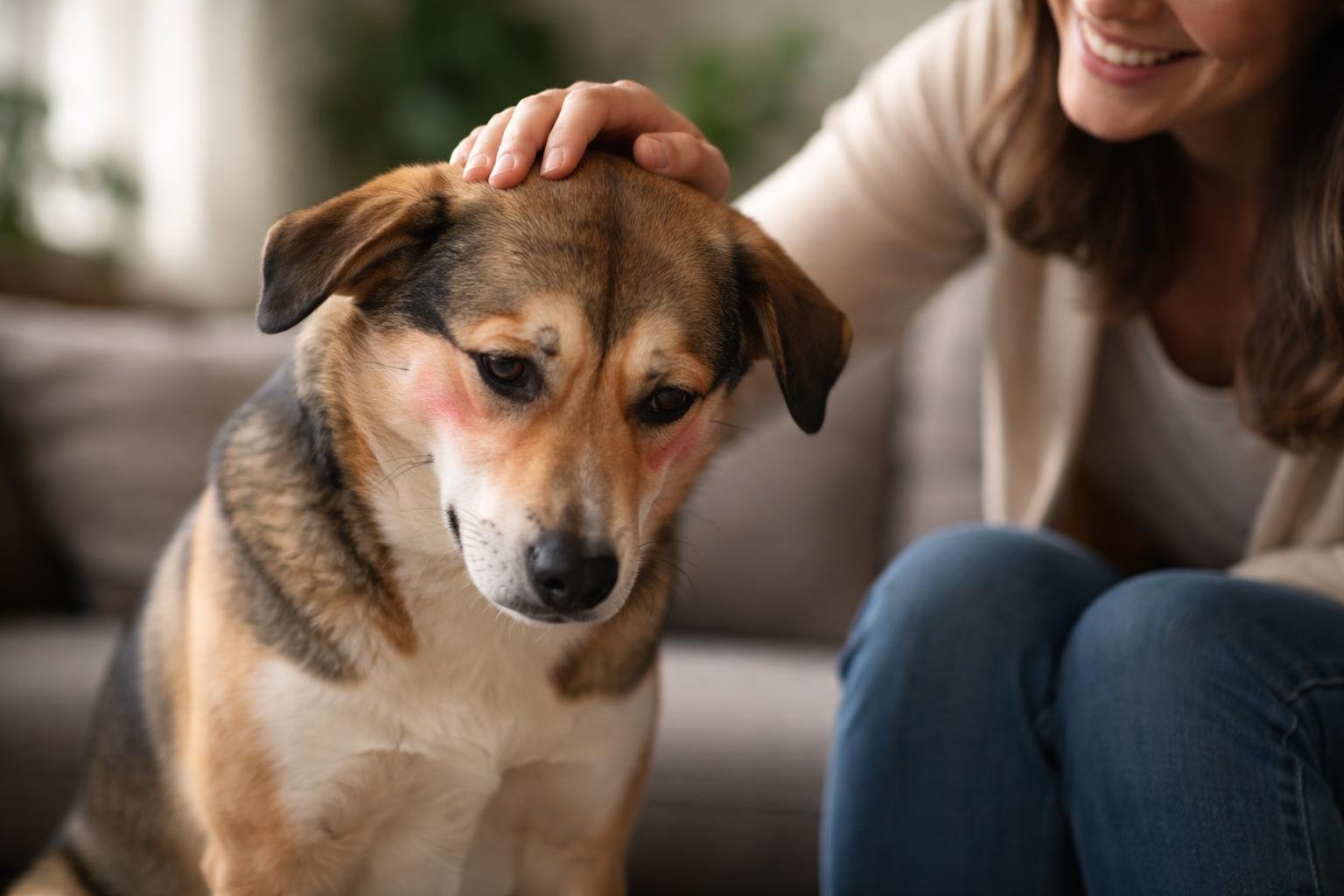
Dogs communicate through physical signals that reveal their emotional state. Understanding these signals helps owners distinguish between actual emotions like fear or stress and human projections like embarrassment.
Common Physical Cues
Dogs display their feelings through multiple body parts that work together to signal their mood. The tail position serves as a primary indicator, with a high tail suggesting confidence and a tucked tail showing fear or uncertainty.
Ear position provides additional information about a dog’s state. Erect ears typically indicate alertness or confidence. Flattened ears against the head suggest submission or anxiety.
The eyes reveal important emotional details. A relaxed dog maintains soft eye contact. Wide eyes with visible whites often signal stress or discomfort.
Body posture shows overall tension levels. A relaxed dog stands naturally with loose muscles. A tense dog may freeze, crouch low, or make their body appear smaller.
Key body language signals include:
- Lip licking – indicates unease or stress
- Lowered head – shows submission or uncertainty
- Stiff body – reveals tension or discomfort
- Loose, wiggly movements – demonstrates relaxation
Misinterpretations by Owners
Owners often misread their dog’s body language by assigning human emotions to canine behavior. The “guilty look” represents the most common misinterpretation. When a dog lowers their head, avoids eye contact, or tucks their tail after misbehaving, owners assume the dog feels guilt or embarrassment.
Research shows dogs displaying this behavior actually respond to their owner’s tone and body language. The dog picks up on anger or disappointment in the owner’s voice and posture. They react with submissive signals to defuse the situation, not because they feel shame about their actions.
Dogs also respond to subtle emotional cues that owners may not realize they’re sending. A slight change in posture or tone triggers what appears to be a guilty response, even when the dog hasn’t done anything wrong.
Role of Breed and Individual Personality
Different breeds display body language variations based on their physical characteristics and breeding history. Dogs with naturally erect ears like German Shepherds show ear position changes more clearly than floppy-eared breeds like Basset Hounds. Breeds with curled tails face challenges communicating through tail position compared to dogs with long, mobile tails.
Individual personality affects how dogs express themselves. Some dogs naturally display more submissive body language regardless of the situation. Others show confident postures even when uncertain.
Age and past experiences shape how each dog communicates. A rescue dog with a difficult history may display more frequent stress signals than a dog raised in a stable environment.
The Role of Socialization and Training
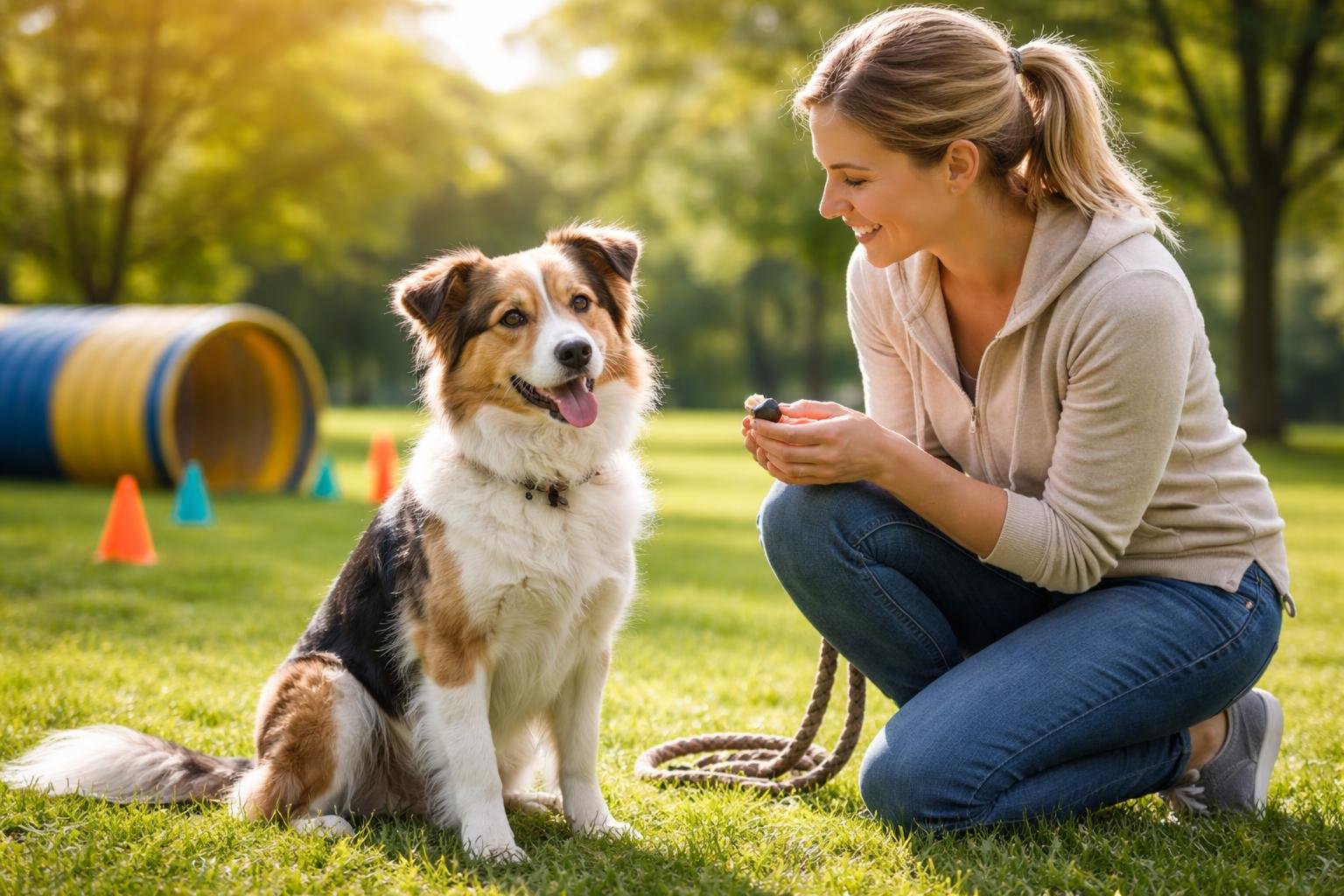
Proper socialization and training shape how dogs process emotions and respond to potentially uncomfortable situations. These experiences during a dog’s early development directly affect their ability to handle stress and build emotional resilience.
Impact on Emotional Development
Socialization exposes dogs to different people, animals, environments, and experiences during their critical development periods. This exposure typically occurs between 3 and 14 weeks of age when puppies form lasting impressions about the world.
Dogs that receive adequate socialization develop healthier emotional responses to new situations. They learn to process unfamiliar experiences without defaulting to fear or anxiety. Without this foundation, dogs often struggle with stress management and display behaviors that owners might interpret as embarrassment but are actually signs of discomfort.
Key emotional benefits include:
- Reduced fear responses to everyday situations
- Better stress regulation in unfamiliar environments
- Fewer anxiety-related behaviors
- Improved ability to recover from startling events
Dogs lacking proper socialization frequently show fearful or anxious behaviors when faced with normal activities. These responses can appear similar to embarrassment but stem from inadequate early experiences rather than self-conscious emotions.
Building Confidence in Dogs
Training builds a dog’s confidence through positive reinforcement and successful task completion. Each time a dog masters a new skill or receives praise for good behavior, they develop stronger self-assurance.
Confident dogs handle mistakes and awkward moments differently than anxious dogs. They recover quickly from trips, falls, or accidents because they trust their environment and their relationship with their owner. This confidence prevents the stress responses that people often mistake for embarrassment.
Consistent training provides dogs with clear expectations and boundaries. This structure helps them understand what behaviors earn rewards, which reduces confusion and anxiety in daily life. Dogs trained with positive methods show less appeasement behavior and fewer stress signals during interactions with humans and other animals.
Helping Dogs Cope with Embarrassing Experiences
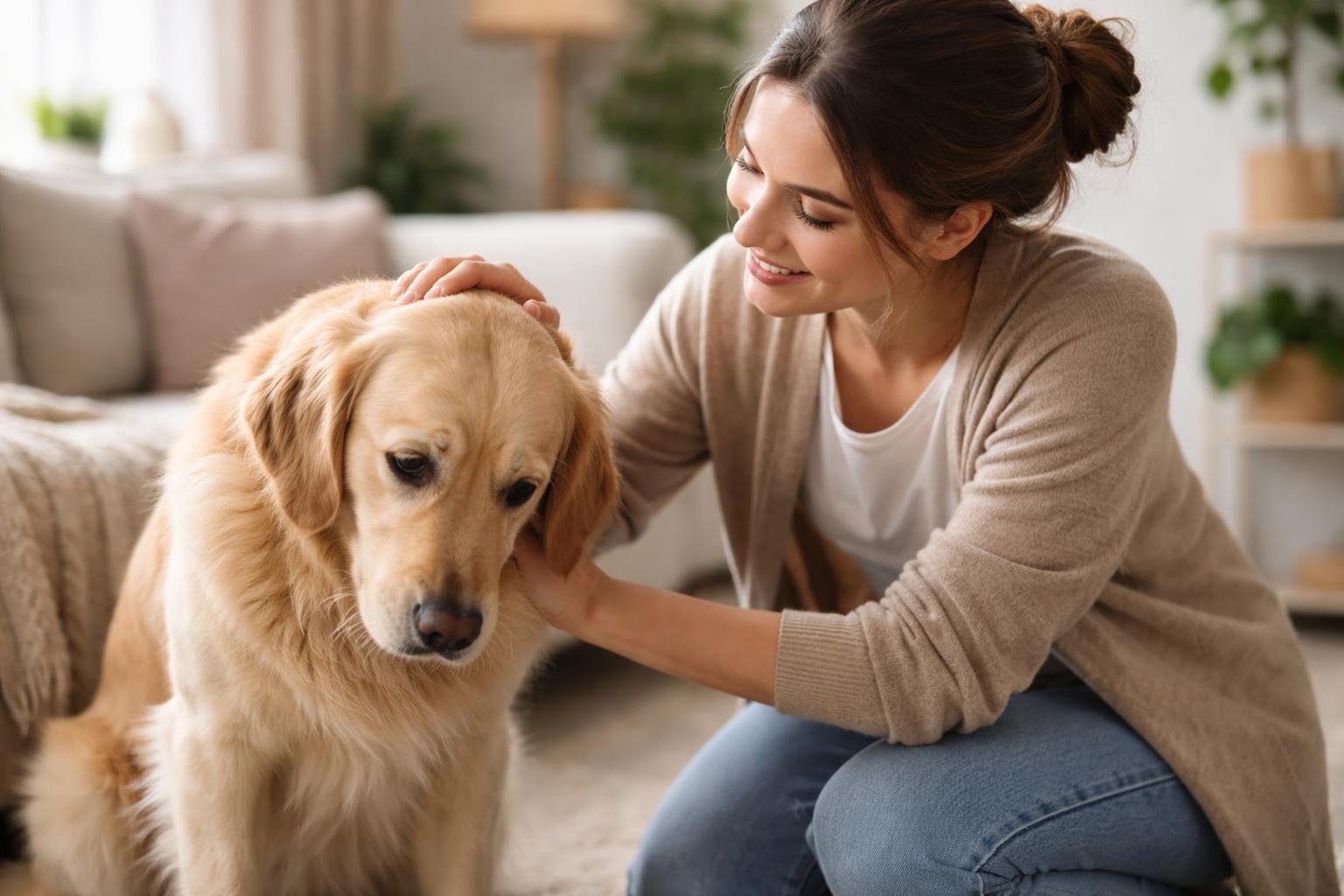
When dogs show behaviors that look like embarrassment, owners can help them feel more secure through positive reinforcement and a calm environment. The key is to respond with patience and avoid reactions that might increase a dog’s stress.
Positive Reinforcement Strategies
Rewarding calm behavior helps dogs recover quickly from stressful moments. When a dog has an accident or trips over something, owners should wait for the dog to settle down and then offer praise or treats. This teaches the dog that mistakes don’t lead to negative outcomes.
Treats work best when given within seconds of the desired behavior. If a dog knocks something over and then sits quietly, that’s the moment to reward. The timing matters more than the size of the treat.
Training sessions should focus on building confidence through small successes. Simple commands like “sit” or “stay” give dogs a sense of accomplishment. Regular practice helps dogs feel more secure in different situations, making them less likely to show stress signals when something unexpected happens.
Creating a Supportive Environment
A safe space gives dogs somewhere to retreat when they feel uncomfortable. This might be a crate, a specific room, or a quiet corner with their bed. Dogs need access to this area at all times, especially after incidents that might trigger stress.
Maintaining a consistent routine reduces anxiety. Dogs feel more secure when feeding times, walks, and play sessions happen at predictable intervals. Changes to routine should be introduced gradually over several days.
The environment should minimize situations that commonly lead to stress. Non-slip rugs help prevent falls on hard floors. Baby gates can keep dogs away from areas where accidents are more likely to happen.
Avoiding Negative Reactions
Yelling or punishment after accidents makes dogs more anxious, not less likely to repeat the behavior. Dogs don’t understand delayed consequences, so scolding them creates confusion and fear rather than learning.
Body language matters as much as words. Owners should avoid looming over their dog, making direct eye contact, or using a harsh tone. These signals can increase stress even if the words seem neutral.
Laughing at a dog’s mishap might seem harmless, but it can add to their distress. Dogs read human emotions and may interpret laughter as attention to their stressed state. The best response is calm redirection to a positive activity.
Comparing Embarrassment to Other Canine Emotions
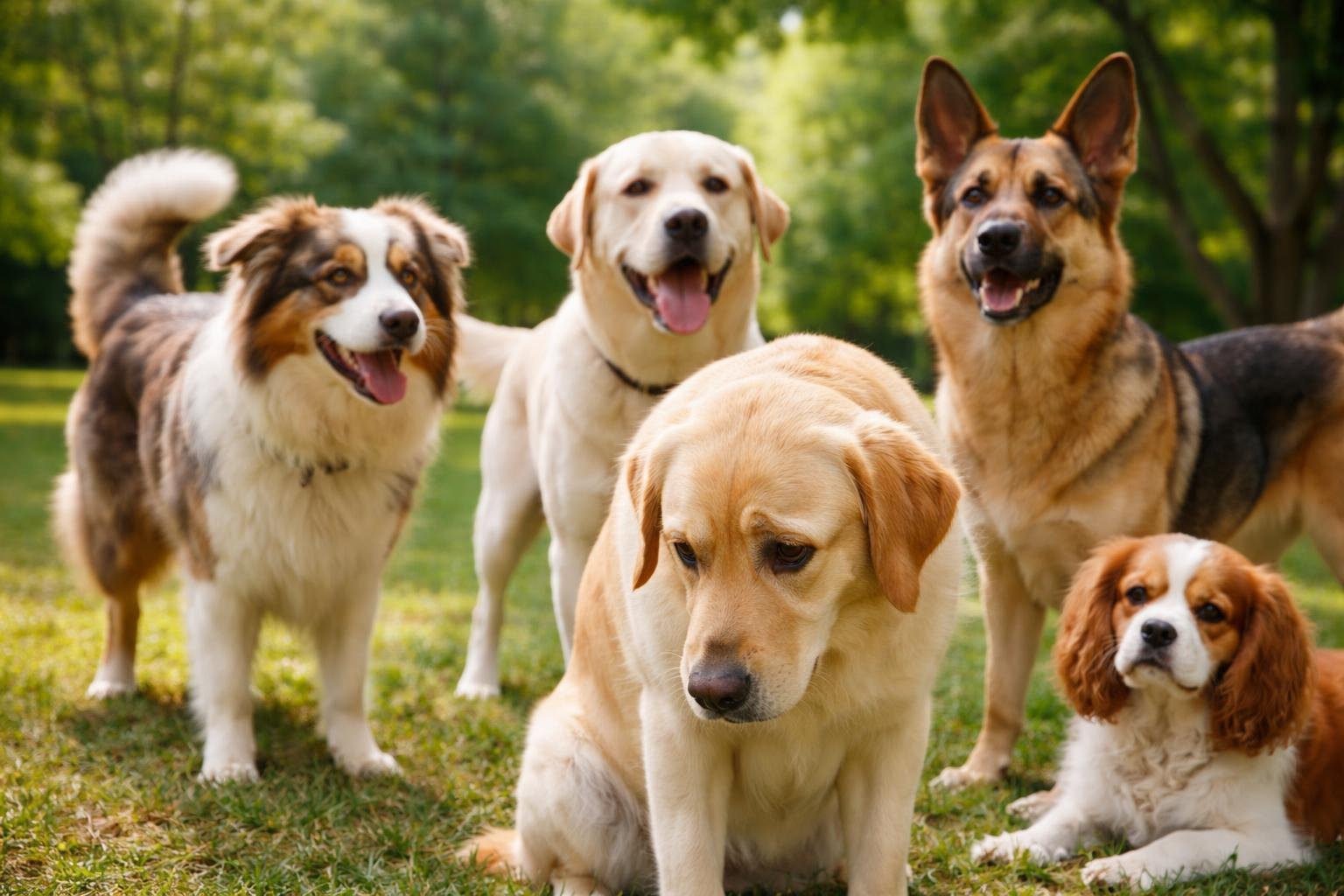
Dogs experience emotions differently than humans. Scientists divide dog emotions into two main categories: primary and secondary.
Primary emotions include:
- Fear
- Joy
- Sadness
- Anger
These are instant-reaction feelings that dogs clearly show. When a dog hears a loud noise, they feel real fear right away. When their owner comes home, they show genuine joy.
Secondary emotions are more complex. They include embarrassment, guilt, and shame. These feelings require advanced thinking skills and self-awareness that dogs may not have.
The main difference is how much brain processing each type needs. Primary emotions happen fast and don’t need much thought. A dog sees another dog and feels excited. A dog hears thunder and feels scared.
Secondary emotions like embarrassment need a dog to think about what others think of them. This requires understanding social rules and having a sense of self that might be too complex for dogs.
What looks like embarrassment in dogs is usually a reaction to human body language or tone of voice. When a dog shows what owners call a “guilty look,” they are responding to how their owner acts, not feeling actual shame.
Dogs do have rich emotional lives, but those emotions work differently than human feelings. Their social bonds are real, but the emotions behind them are simpler and more direct.
Implications for Dog Owners and Caregivers
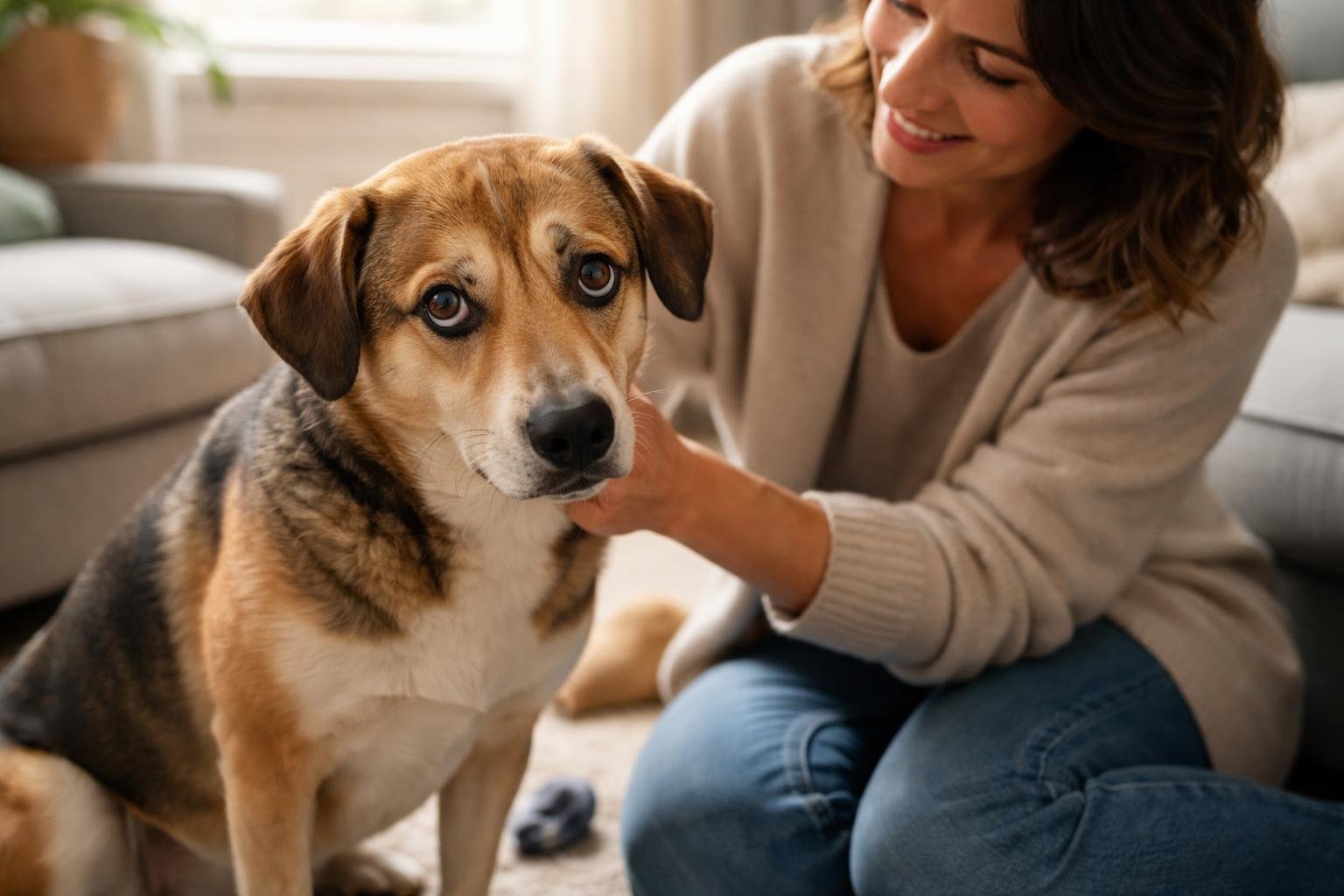
Dog owners should understand that what looks like embarrassment is actually a stress response. Dogs read human body language and tone of voice to predict their owner’s reaction. When a dog shows submissive behaviors after making a mess or falling down, they are responding to their owner’s emotional cues.
Key points for caregivers:
- Avoid punishing dogs for accidents or clumsy moments
- Keep reactions calm and neutral when discovering messes
- Focus on positive reinforcement rather than scolding
- Recognize that “guilty looks” indicate fear or confusion, not shame
Owners who mistake stress signals for embarrassment may create more anxiety in their pets. Dogs cannot connect punishment with past actions the way humans do. They only understand consequences that happen immediately during or right after a behavior.
Better approaches include:
- Clean up accidents without dramatic reactions
- Redirect unwanted behaviors in the moment
- Reward desired behaviors consistently
- Create a safe environment where dogs feel secure
Understanding these emotional differences helps caregivers respond appropriately to their dogs. A calm, supportive approach reduces stress and builds trust between owner and pet. Dogs thrive when their humans recognize their actual emotional states rather than projecting human feelings onto them.
Training methods should account for how dogs actually process emotions. This knowledge leads to more effective communication and a stronger bond with canine companions.
Conclusion
Dogs do not feel embarrassment the same way humans do. Scientists agree that dogs lack the complex self-awareness needed to experience true embarrassment or shame.
What looks like embarrassment is actually something else:
- Stress responses to owner reactions
- Submissive behavior to avoid conflict
- Confusion about why their owner is upset
- Attempts to calm down an angry or disappointed owner
The “guilty look” that many dog owners recognize is not shame. Dogs show this behavior when they sense their owner is unhappy with them. They display ears back, lowered heads, and averted eyes as a way to reduce tension in the moment.
Dogs do experience basic emotions like joy, fear, and anger. However, embarrassment requires a level of self-reflection that dogs simply don’t possess. They cannot think about how others perceive them or judge their own actions as socially inappropriate.
When a dog acts submissive after making a mess or doing something wrong, they are responding to their owner’s body language and tone. They are not thinking “I should be embarrassed about what I did.” Instead, they recognize their owner is upset and try to defuse the situation.
Dog owners should understand this distinction. It helps build better training methods and stronger bonds with their pets. Knowing that dogs respond to immediate cues rather than feeling shame means owners can focus on positive reinforcement instead of expecting dogs to learn from guilt.
Frequently Asked Questions
Dogs display certain body language when they feel unsure or uncomfortable in social situations. These behaviors can look like embarrassment, though experts disagree on whether dogs experience this emotion the same way humans do.
How can you tell if a dog is feeling embarrassed?
A dog that appears embarrassed may lower its head or avoid making eye contact with people. The tail might tuck between the legs, and the ears may pin back against the head. Some dogs will lick their lips repeatedly when they feel uneasy.
These signals show the dog feels uncertain or uncomfortable. The behaviors appear most often when a dog thinks it might be in trouble or has upset its owner.
What behaviors suggest a dog is experiencing shame or discomfort?
Dogs freeze in place when they feel uncomfortable about something they did. They may tuck their tail, lower their body, or turn their head away from their owner. Lip licking happens frequently during these moments.
These actions often come from fear of getting in trouble rather than true embarrassment. Dogs learn to recognize when their owners are upset and respond with submissive body language.
Do dogs react differently when people laugh at them?
Dogs pick up on human reactions and tones of voice. When people laugh, a dog may respond to the sound and energy rather than understanding the humor. Some dogs might show signs of stress if they think the laughter means disapproval.
The dog’s response depends on the owner’s tone and body language. Happy, relaxed laughter usually doesn’t cause concern, but mocking tones might make a dog feel uneasy.
Can a dog seem embarrassed after slipping, falling, or making a mistake?
Dogs often display behaviors that look like embarrassment after clumsy moments. A dog might avoid eye contact, lower its head, or move away quickly after stumbling or falling. These reactions happen because the dog feels self-conscious about the sudden attention.
The dog may also worry that the owner is upset about the incident. This response shows social awareness rather than the complex emotion of embarrassment that humans experience.
Do dogs show signs of embarrassment after grooming or getting a haircut?
Many dogs act differently after getting groomed or receiving a dramatic haircut. They may hide, avoid people, or seem less confident than usual. Some dogs refuse to make eye contact or walk with their head down.
These behaviors stem from feeling vulnerable or uncomfortable with their changed appearance. Dogs notice when people and other animals react to how they look. The response usually passes within a day or two as the dog adjusts.
Do dogs act embarrassed during bathroom moments like pooping or passing gas?
Dogs sometimes show awkward behavior during bathroom activities, especially when in public or around many people. A dog might hurry through the process or look away from its owner while pooping. The staring that often happens during these moments relates to vulnerability rather than social embarrassment.
Dogs rarely react to passing gas the way humans do. They don’t connect the action with social rules about what’s polite or rude. Any unusual behavior after passing gas likely comes from surprise at the sound rather than shame about the act itself.