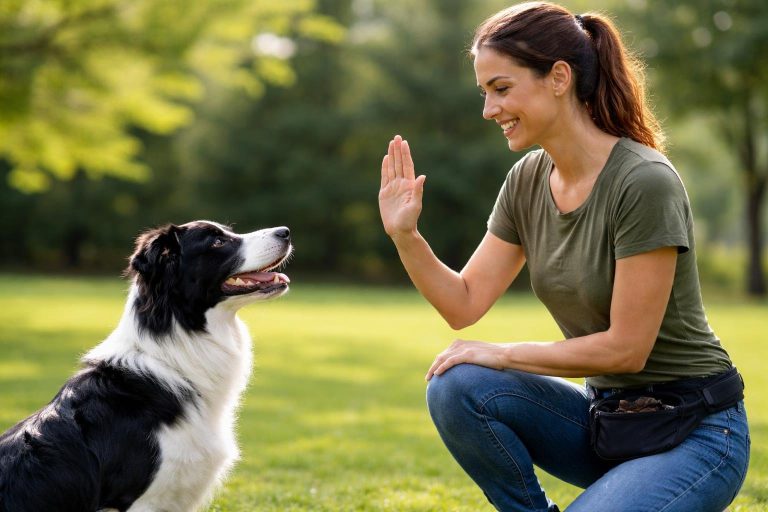
5 Sure Fire Strategies To Raising A Calm And Relaxed Dog: Expert Training Methods for a Well-Behaved Companion
A calm and relaxed dog makes life easier for everyone in the household. These dogs handle new situations better, get along well with other pets and people, and cause less stress for their owners. The good news is that any dog can learn to be calmer with the right approach.
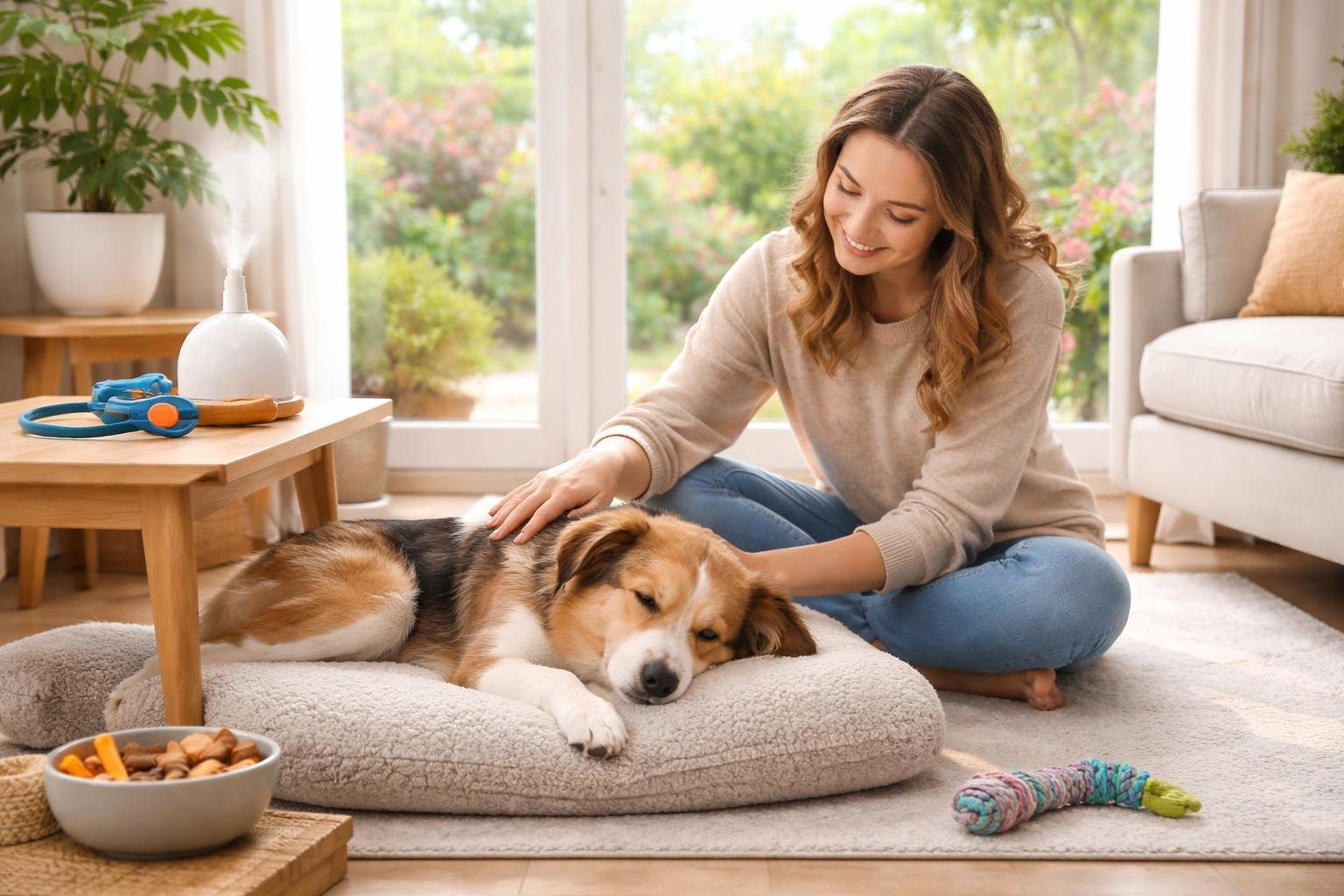
Raising a calm dog requires a combination of consistent routines, proper training, healthy socialization, and attention to the dog’s physical and mental needs. Many owners think a calm dog is simply born that way, but behavior is largely shaped by environment and training methods. Small changes in daily habits can lead to big improvements in a dog’s temperament.
This guide covers five key strategies that work together to create lasting calmness in dogs of any age or breed. From understanding what drives canine behavior to adjusting owner energy levels, each approach builds on the others. The methods focus on setting dogs up for success rather than simply reacting to problem behaviors.
Understanding Canine Behavior
Dogs react to their surroundings based on past experiences, natural instincts, and how they perceive threats or safety. Recognizing what makes a dog stressed, how they show their emotional state, and what sets off reactive behavior helps owners create a peaceful home environment.
What Causes Stress in Dogs
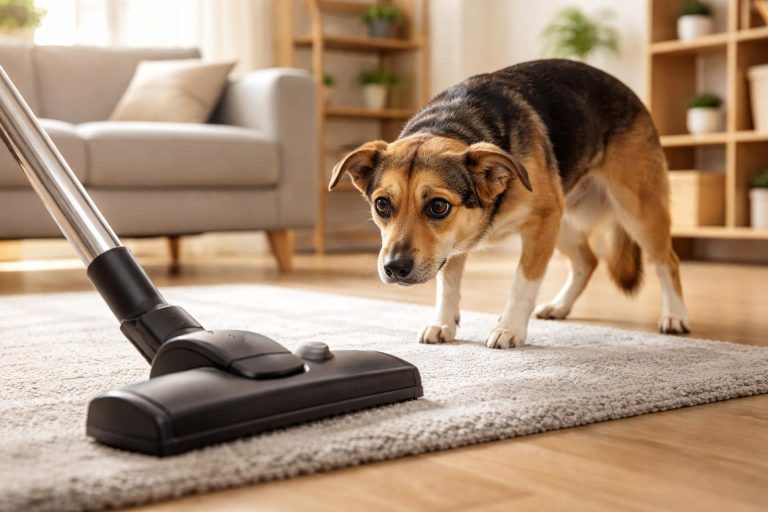
Several factors trigger stress responses in dogs. Loud noises like thunderstorms, fireworks, and construction sounds often cause anxiety because dogs hear frequencies humans cannot detect. Changes in routine disrupt their sense of security, whether it’s a new work schedule, moving homes, or adding family members.
Lack of exercise leaves dogs with pent-up energy that manifests as nervous behavior. A dog that doesn’t get enough physical activity often becomes restless and anxious.
Unfamiliar environments create uncertainty. New places mean new smells, sounds, and sights that dogs need time to process. Separation from owners triggers anxiety in many dogs who form strong attachment bonds.
Medical issues like pain, illness, or hormonal imbalances also cause stress. A dog suffering from an undiagnosed health problem may show behavioral changes before physical symptoms appear. Poor socialization during puppyhood leaves dogs unprepared to handle normal situations later in life.
How Dogs Express Calmness and Anxiety
Calm dogs show specific body language. Their weight distributes evenly across all four paws. The tail hangs naturally or wags gently at mid-height. Their mouth stays slightly open with a relaxed jaw. Ears sit in their natural position without tension.
Anxious dogs display different signals. Panting heavily when not hot or exercised indicates stress. Yawning repeatedly serves as a self-soothing behavior rather than tiredness. Lip licking and turning the head away show discomfort.
Whale eye occurs when dogs show the whites of their eyes while looking sideways at something. Tucked tails and pinned-back ears signal fear. Raised hackles along the spine indicate high arousal, though not always aggression.
Pacing, whining, and destructive behavior reveal anxiety. Some dogs freeze in place when stressed, which people often mistake for calmness.
Common Triggers for Canine Reactivity
Other dogs cause reactive responses, especially if a dog missed proper socialization. Leashed encounters increase reactivity because dogs feel trapped without an escape route.
Strangers approaching trigger protective or fearful reactions. Dogs perceive direct eye contact, reaching hands, and leaning over as threatening gestures. Children move unpredictably and make high-pitched sounds that can overwhelm dogs.
Resource guarding happens around food bowls, toys, or sleeping areas. Dogs may react defensively when they perceive someone approaching their valued items.
Territorial behavior emerges when unfamiliar people or animals enter the dog’s perceived space. Doorbell rings and window activity often set off barking and lunging. Prey drive activates around small animals, bikes, or joggers, causing dogs to chase or fixate.
Handling sensitivity develops if dogs weren’t conditioned to grooming, vet exams, or nail trimming during their early months.
Establishing Consistent Routines
Dogs need structure to feel secure and manage their energy levels effectively. A predictable daily schedule reduces anxiety and creates natural opportunities for calmness throughout the day.
Benefits of Regular Schedules
A consistent routine helps dogs understand what comes next in their day. This predictability lowers stress because the dog doesn’t need to stay alert or anxious about when meals, walks, or playtime will happen.
Dogs that follow regular schedules show fewer behavioral problems. They’re less likely to bark excessively, jump on people, or engage in destructive chewing. Their nervous systems settle into a rhythm that supports relaxation.
The routine should include set times for:
- Morning wake-up and bathroom break
- Meals (same times each day)
- Exercise sessions
- Training or mental stimulation
- Quiet rest periods
- Evening wind-down
When feeding happens at 7 AM every day instead of randomly between 6 and 9 AM, a dog’s body learns when to expect food. This biological predictability extends to all aspects of their day and promotes emotional balance.
Sleep Patterns and Calmness
Adult dogs need 12 to 14 hours of sleep per day. Puppies require even more, often sleeping 18 to 20 hours daily.
A dog without enough quality sleep becomes hyperactive, irritable, and struggles to focus during training. Sleep deprivation makes it nearly impossible for a dog to remain calm in everyday situations.
Owners should create designated rest times during the day. These quiet periods allow the dog’s body and mind to recharge. A crate or comfortable bed in a low-traffic area works well for scheduled naps.
Dogs sleep best when their environment stays dark and quiet. Consistent sleep and wake times regulate their internal clock, leading to better rest quality and more balanced energy levels throughout waking hours.
Providing Predictable Exercise Times
Physical activity burns excess energy that might otherwise come out as unwanted behaviors. However, the timing of exercise matters as much as the activity itself.
Walking or playing at the same times each day helps a dog settle into calm behavior during non-exercise hours. A dog that gets a morning walk at 8 AM daily will naturally relax during mid-morning because they know their exercise needs have been met.
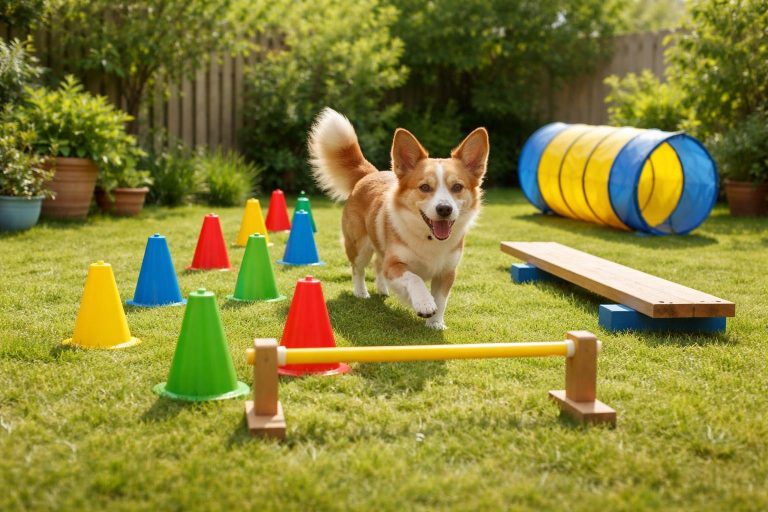
Exercise intensity should match the dog’s age, breed, and physical condition. A 30-minute walk might be perfect for a senior dog, while a young border collie needs 90 minutes of vigorous activity split across multiple sessions.
Scheduling exercise before typically stressful times helps prevent anxiety. A pre-work walk tires the dog out before being left alone. An evening play session burns energy before the household settles down for the night.
Positive Socialization Techniques
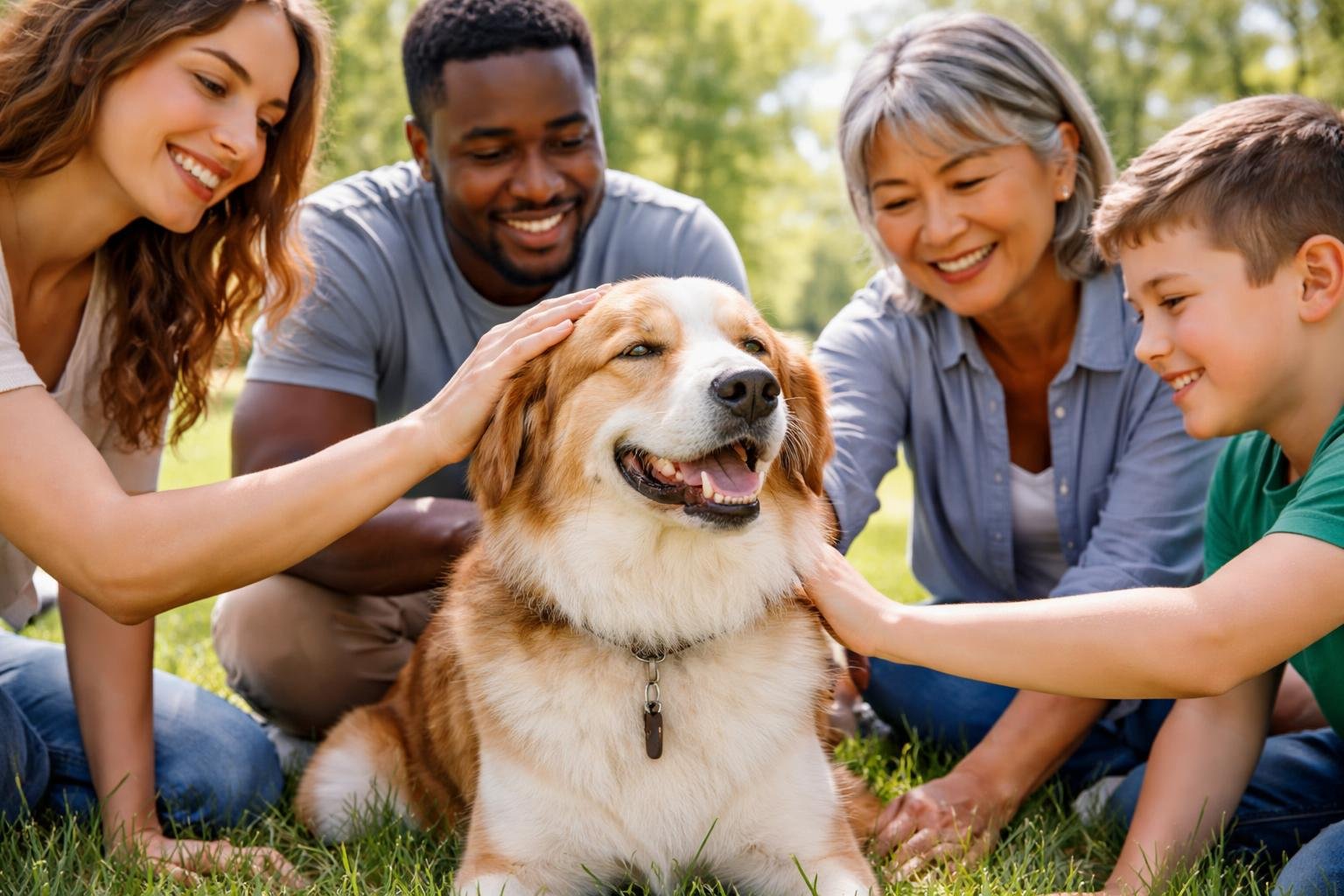
Dogs that experience positive socialization during their early development become more confident and calm in different situations. The key is making each new experience pleasant and stress-free for the puppy.
Introducing New Environments
Puppies need gradual exposure to different places and settings. Start with quiet locations like a friend’s backyard or empty parking lot before moving to busier areas. The goal is to keep the puppy relaxed and curious rather than scared or overwhelmed.
Each new environment should be introduced at the puppy’s pace. If the puppy seems nervous, take a step back and spend more time in calmer settings. Owners should bring high-value treats to reward calm behavior when the puppy encounters something new.
Safe Environment Options:
- Quiet parks during off-peak hours
- Pet-friendly store aisles
- Friend’s homes
- Different types of flooring and surfaces
The puppy should associate new places with positive outcomes. End each outing before the puppy gets tired or stressed. Short, successful visits build confidence better than long, overwhelming ones.
Meeting New Dogs and People
Controlled introductions to other dogs and people help puppies develop good social skills. The puppy should meet friendly, vaccinated dogs that won’t overwhelm or frighten them. Avoid dog parks until the puppy shows confident, appropriate behavior in smaller settings.
When introducing people, ask visitors to stay calm and let the puppy approach them first. Strangers should offer treats without forcing interaction. The puppy learns that new people bring good things without pressure.
Watch the puppy’s body language during all interactions. Stiff posture, tucked tails, or backing away means the puppy needs more space. Praise and reward relaxed, friendly behavior immediately when it happens.
Implementing Reward-Based Training
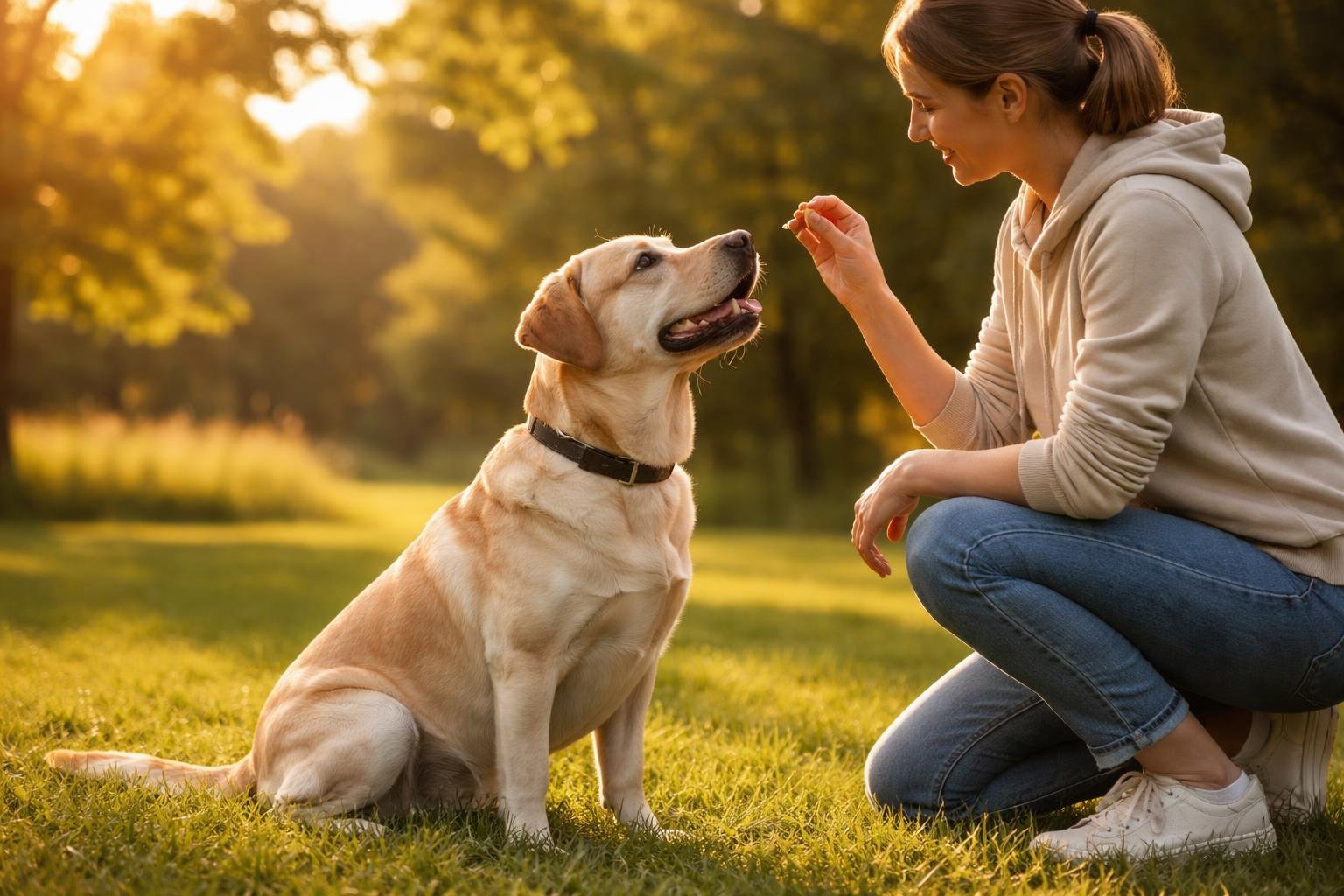
Reward-based training builds calm behavior through consistent positive reinforcement, clear communication, and well-defined expectations that help dogs understand what behaviors earn rewards.
Reinforcing Calm Behaviors
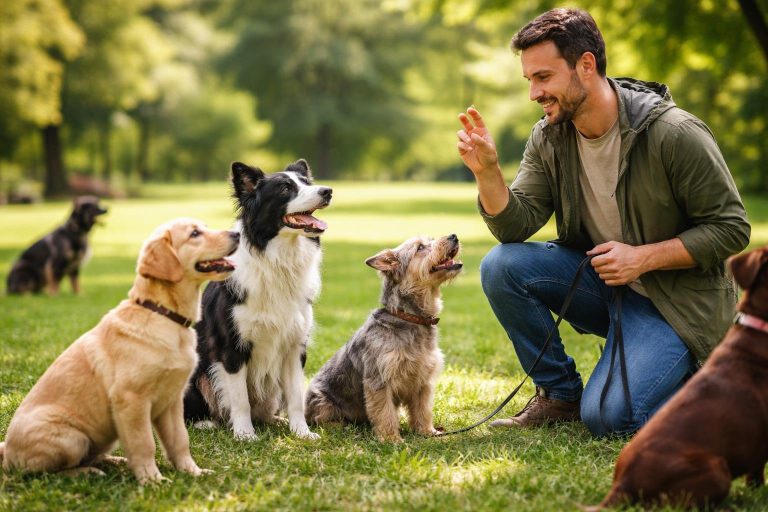
Dogs repeat behaviors that bring rewards. When a dog sits quietly instead of jumping, lies down calmly when guests arrive, or settles without barking, these moments need immediate recognition. Treats, praise, or gentle petting within seconds of the calm behavior create a clear connection in the dog’s mind.
Timing matters more than the size of the reward. A small piece of food delivered the instant a dog stops barking teaches faster than a large treat given five seconds later. Owners should keep training treats small, about the size of a pea, to allow for multiple rewards during practice sessions.
Key calm behaviors to reward:
- Sitting or lying down without being asked
- Quiet behavior when people pass by
- Relaxed body language in new situations
- Waiting patiently for food or walks
The frequency of rewards should start high during initial learning. Every calm behavior gets acknowledged. As the dog improves, rewards become less predictable but still happen regularly enough to maintain the behavior.
Tools for Effective Training
A basic training toolkit supports consistent reward delivery. Soft training treats that dogs can eat quickly work better than hard biscuits that require chewing time. A treat pouch worn at the waist keeps rewards accessible for split-second timing.
| Tool | Purpose | Why It Helps |
|---|---|---|
| Clicker | Marks exact moment of good behavior | Creates precise communication |
| Treat pouch | Keeps rewards handy | Enables quick reinforcement |
| High-value treats | Motivates during distractions | Maintains focus in challenging situations |
A clicker provides a distinct sound that marks the exact behavior being rewarded. The click happens at the moment of calm behavior, followed by a treat. This two-step process gives clear feedback even if treat delivery takes a few extra seconds.
Different situations call for different reward values. Quiet time at home might earn regular kibble. Staying calm when another dog walks by might earn chicken or cheese.
Setting Clear Boundaries
Clear rules prevent confusion about what behaviors earn rewards. If a dog sometimes gets attention for jumping and sometimes gets ignored, the mixed message slows learning. Every family member needs to follow the same guidelines.
Boundaries work best when they focus on what the dog should do rather than what to avoid. Instead of “no jumping,” the rule becomes “four paws on the floor gets treats.” This positive frame gives the dog a clear action to perform.
Consistency checklist:
- Same rules from all family members
- Same response to specific behaviors
- Regular practice at the same times each day
- Rewards given for the same actions
Dogs learn faster when practice sessions happen at predictable times. A five-minute training period each morning and evening creates routine. These short sessions prevent frustration and keep the dog engaged. Between formal practice times, owners should still acknowledge and reward calm behavior whenever it appears naturally throughout the day.
Enriching the Home Environment
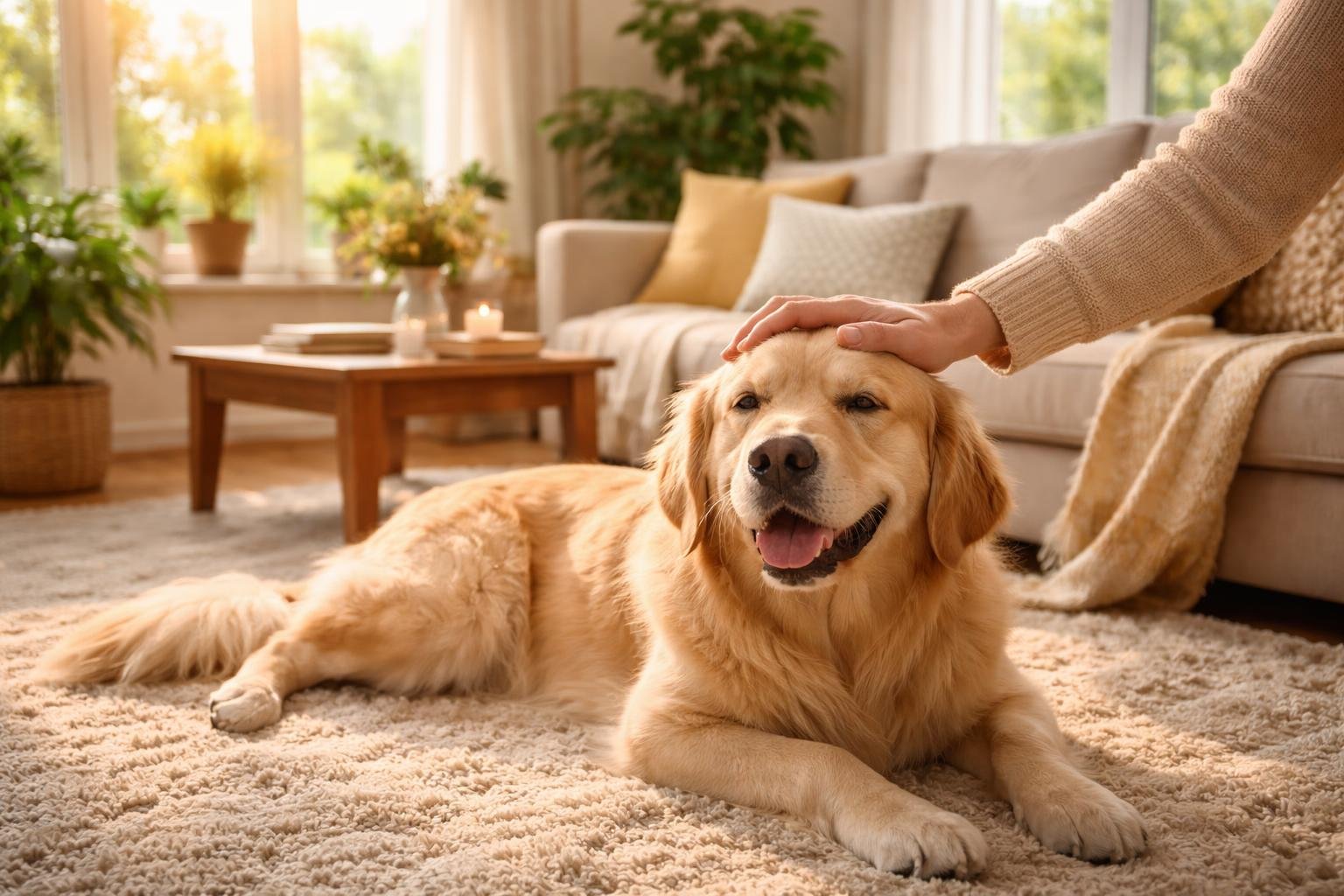
A dog’s surroundings play a major role in their stress levels and overall behavior. Creating an enriched environment gives dogs mental stimulation and physical outlets while reducing anxiety triggers.
Calming Spaces in Your Home
Dogs need a designated quiet area where they can retreat when feeling overwhelmed or tired. This space should be away from high-traffic areas like hallways or kitchens where people constantly walk by.
A comfortable dog bed or crate with soft bedding works well as a calming zone. The area should have dim lighting and minimal noise. Some dogs benefit from having their space slightly enclosed, which mimics a den-like environment.
Adding familiar items like a favorite blanket or toy helps the dog associate this area with safety and relaxation. Owners should teach family members to respect this space by not disturbing the dog when they’re resting there. Playing soft music or using a white noise machine can further block out stressful sounds from outside.
Interactive Toys and Puzzles
Mental stimulation through enrichment activities prevents boredom and reduces hyperactive behavior. Puzzle feeders make mealtime last longer by requiring dogs to work for their food rather than eating quickly from a bowl.
Effective enrichment options include:
- Snuffle mats that hide treats in fabric strips
- Kong toys filled with frozen peanut butter or wet food
- Puzzle boards with sliding compartments
- Treat-dispensing balls that release food as dogs roll them
Rotating toys every few days keeps them interesting and engaging. Dogs should have access to different types of enrichment throughout the day, not just during feeding times. Scent games where owners hide treats around the house tap into natural foraging instincts.
Minimizing Environmental Stressors
Dogs sense tension and chaos in their surroundings, which increases their stress levels. Loud television volumes, frequent shouting, or constant household disruptions create an anxious atmosphere.
Maintaining predictable routines for feeding, walks, and bedtime helps dogs feel secure. Sudden schedule changes should be minimized when possible. If loud noises like construction or thunderstorms occur, providing background noise or moving the dog to their calming space reduces anxiety.
Visual stressors matter too. Large windows where dogs watch people or animals pass by can trigger constant alertness. Using curtains or moving the dog’s resting area away from these windows prevents this stimulation. The goal is creating a home where the dog can relax without constant environmental triggers demanding their attention.
Monitoring Health and Nutrition
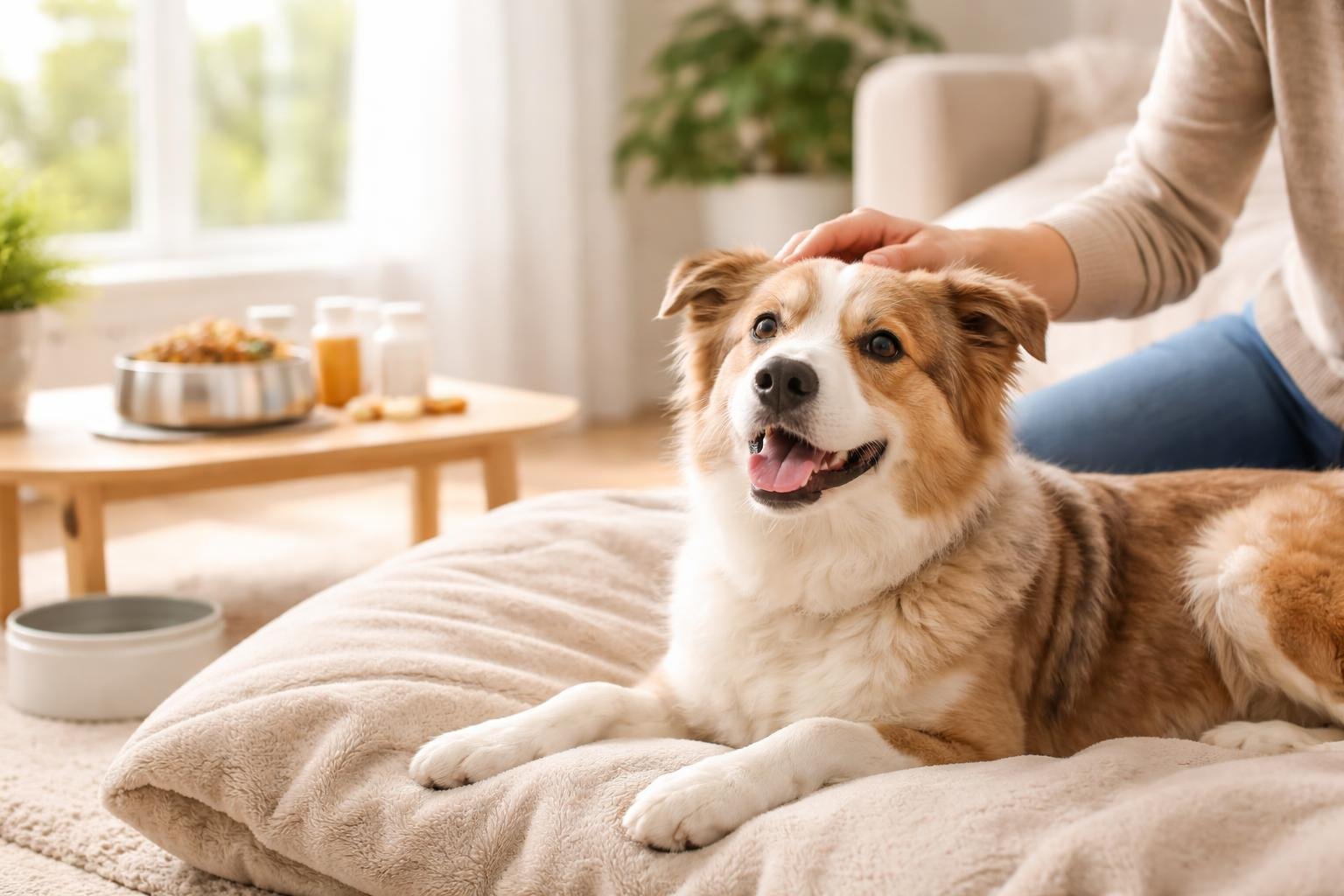
A dog’s physical health directly affects their behavior and ability to stay calm. Poor nutrition or undetected health problems can lead to restlessness, anxiety, and unwanted behaviors.
Role of Diet in Behavioral Health
The food a dog eats plays a major role in their mood and energy levels. High-quality protein sources help maintain stable blood sugar levels, which prevents sudden energy spikes and crashes that can lead to hyperactive behavior.
Dogs that eat foods with artificial additives, excessive carbohydrates, or low-quality ingredients may show signs of increased anxiety or hyperactivity. A balanced diet with appropriate protein, healthy fats, and complex carbohydrates supports brain function and emotional regulation.
Some dogs benefit from foods containing omega-3 fatty acids, which support cognitive health and can reduce inflammation. Feeding schedules also matter. Regular meal times help establish routine and predictability, which reduces stress.
Key dietary factors for calm behavior:
- Quality protein sources (chicken, fish, beef)
- Omega-3 fatty acids from fish oil or flaxseed
- Complex carbohydrates like sweet potatoes or brown rice
- Limited artificial preservatives and colors
Identifying Signs of Discomfort
Dogs often show behavioral changes when they feel physical discomfort or pain. A normally calm dog may become restless, irritable, or unable to settle if something is wrong.
Common signs of discomfort include excessive panting, pacing, whining, or reluctance to move. Changes in eating habits, sleeping patterns, or bathroom routines can also indicate health issues. Some dogs become clingy or withdrawn when they don’t feel well.
Regular veterinary checkups help catch problems early. Dental issues, arthritis, digestive problems, and skin conditions can all affect a dog’s ability to relax.
Owners should watch for subtle changes in their dog’s behavior. A dog that suddenly becomes more anxious or less tolerant may be experiencing pain that needs medical attention.
The Impact of Physical Well-Being on Calmness
Physical health and mental calmness are closely connected in dogs. A dog dealing with chronic pain, illness, or discomfort will struggle to maintain relaxed behavior regardless of training efforts.
Proper exercise helps dogs release pent-up energy and promotes better sleep. However, the amount and type of exercise should match the dog’s age, breed, and health status. Over-exercising or under-exercising can both lead to behavioral problems.
Weight management matters for behavior. Overweight dogs may experience joint pain, reduced mobility, and lower energy levels that affect their mood. They may also develop health conditions that cause discomfort and restlessness.
Regular grooming and parasite prevention contribute to a dog’s comfort level. Fleas, ticks, and skin irritations cause constant discomfort that prevents dogs from settling down. Simple maintenance tasks like nail trimming and ear cleaning help dogs feel physically comfortable.
Managing Owner Reactions and Energy
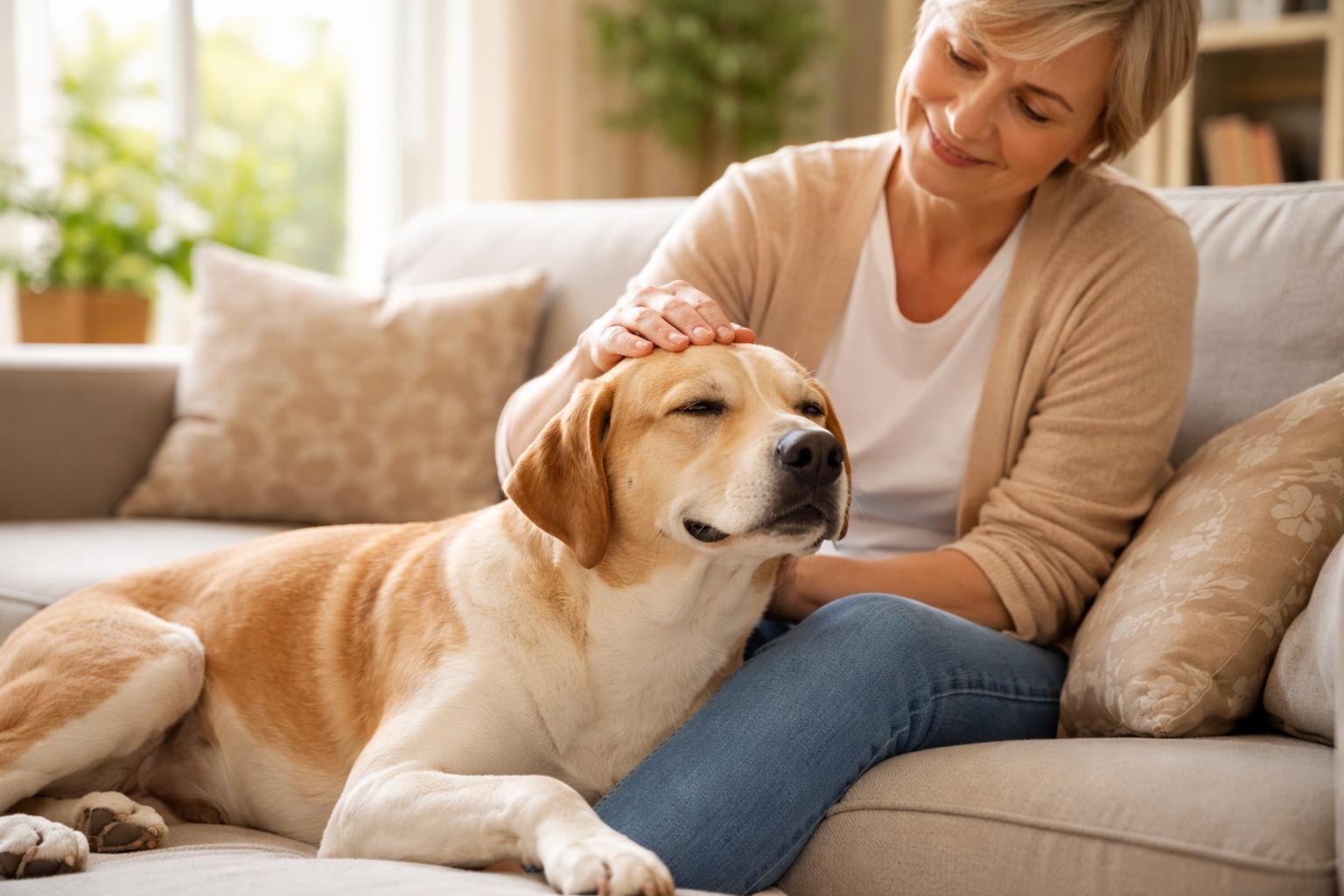
A dog’s emotional state often mirrors their owner’s behavior and energy levels. When owners remain calm and confident, dogs typically feel safer and more secure in challenging situations.
Practicing Mindful Interactions
Dog owners need to pay attention to their own physical responses when their dog shows signs of stress or excitement. Tightening the leash, holding breath, or tensing muscles sends signals down the leash that increase a dog’s anxiety. These physical changes tell the dog something is wrong.
Owners should focus on maintaining relaxed shoulders and steady breathing during walks or stressful encounters. Deep, slow breaths help regulate the nervous system for both the owner and the dog. When an owner notices tension building, they can pause, take three deep breaths, and reset their posture.
Key body awareness points:
- Keep leash loose and arms relaxed
- Maintain steady, rhythmic breathing
- Notice and release jaw tension
- Stand with balanced, grounded posture
Practice these techniques at home first, before applying them in reactive situations. This makes calm responses more automatic when challenges arise.
Projecting Confidence and Reassurance
Dogs look to their owners for cues about how to respond to their environment. An owner who appears worried or anxious signals to their dog that threats exist nearby. Instead, owners should move through situations with deliberate, steady movements that communicate safety.
Using a neutral, matter-of-fact tone when giving commands helps more than a high-pitched or tense voice. Simple, clear directions work better than emotional responses. If another dog approaches, the owner should maintain forward movement rather than stopping abruptly or pulling away sharply.
Confidence comes from having a plan. Owners should decide in advance how they will handle common triggers, which reduces panic in the moment. This might include crossing the street calmly, using a specific command, or creating distance without drama. Consistent responses help dogs trust their owner’s leadership and feel less need to react themselves.
Seeking Professional Support
Some dogs need more help than basic training can provide. A professional dog trainer or veterinary behaviorist can identify specific issues that cause anxiety or hyperactivity in dogs.
Dog trainers who specialize in behavior modification work with owners to create custom training plans. They observe the dog in different situations and teach owners how to respond correctly. Many trainers offer both group classes and one-on-one sessions.
When to seek professional help:
- The dog shows aggressive behavior toward people or other animals
- Anxiety prevents the dog from normal daily activities
- Previous training attempts have not worked
- The dog has sudden behavior changes
- Fear or stress seems extreme
Veterinary behaviorists are veterinarians with extra training in animal behavior. They can prescribe medication if needed and rule out medical problems that might cause behavior issues. Some dogs benefit from medication combined with training.
A certified professional dog trainer (CPDT) has passed tests and follows ethical standards. The International Association of Animal Behavior Consultants (IAABC) also certifies qualified professionals. These credentials help owners find reliable experts.
Professional support works best when owners stay involved in the process. Trainers give homework and techniques to practice at home. Consistency between professional sessions and daily life helps dogs learn faster and maintain calm behavior long-term.
The investment in professional help often saves time and prevents problems from getting worse.
Frequently Asked Questions
Training a calm dog requires understanding specific techniques and knowing how to respond when challenges arise. These common questions address practical methods for teaching relaxation, managing excitement, and helping dogs through stressful situations.
How can I teach my dog to settle and relax on cue at home?
Teaching a settle command starts with choosing a specific mat or bed where the dog will learn to relax. The owner should place the mat near them and reward the dog with treats frequently when they lie down on it.
At first, treats should come often to build the habit. Over time, the owner rewards only the most relaxed body positions, like lying on one hip or resting the head down.
The goal is to gradually increase the time between treats. Eventually, the dog learns to stay calm on the mat even when treats are spaced far apart. If progress stalls, working with a professional trainer can help identify what needs adjustment.
What are the most effective ways to calm a dog down quickly in the moment?
Quick calming techniques work best when they redirect the dog’s attention away from what’s exciting them. Teaching a “stop” or “settle” command gives owners a tool to interrupt unwanted behaviors.
The owner should avoid yelling or scolding, as this actually reinforces the hyperactive behavior. Instead, using a calm voice and clear hand signals helps the dog understand what’s expected.
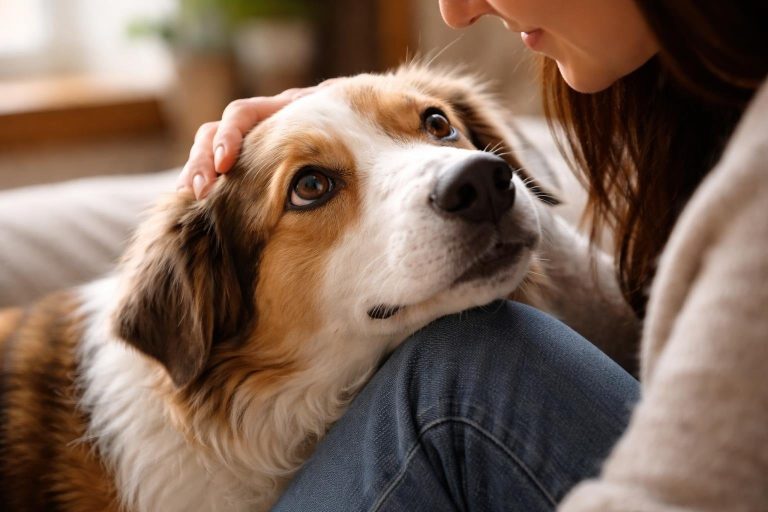
Deep pressure therapy, like a gentle hug or weighted vest, can provide immediate comfort for some dogs. Other dogs respond better to being guided to a quiet space away from stimulation.
How do I help my dog stay calm indoors when they’re overly excited or restless?
Indoor calmness starts with meeting the dog’s physical exercise needs before expecting them to settle. A tired dog has an easier time relaxing than one with pent-up energy.
Creating a quiet zone in the home gives the dog a designated space for rest. This area should be away from high-traffic zones and have comfortable bedding.
Mental stimulation through puzzle toys or scent games can tire a dog’s brain without adding more physical excitement. Keeping a consistent daily routine also helps because dogs feel more secure when they know what to expect.
How does Karen Overall’s Relaxation Protocol work, and how do I start it?
The Relaxation Protocol is a structured 15-day training program that teaches dogs to remain calm while their owner performs various activities. Each day includes a specific sequence of tasks that gradually become more challenging.
The dog starts on their mat while the owner follows a script of movements. These include standing up, sitting down, walking around, and moving different distances away from the dog. The dog receives rewards for staying relaxed throughout each session.
Sessions begin with simple, short tasks and build to more complex scenarios over the two weeks. The protocol works because it systematically exposes dogs to common triggers in a controlled way. Owners can find the complete protocol online or through veterinary behaviorists.
What natural, safe options can help a hyper dog calm down without sedating them?
Physical exercise remains the most effective natural calming method. Regular walks, play sessions, and activities that match the dog’s energy level help burn excess energy.
Certain supplements contain calming ingredients like L-theanine, chamomile, or valerian root. These work with the dog’s natural brain chemistry to promote relaxation without causing drowsiness.
Calming music specifically designed for dogs can lower stress levels. Studies show that classical music and certain frequencies reduce anxiety in many dogs. Adaptil diffusers release synthetic pheromones that mimic the calming scent mother dogs produce for their puppies.
How can I calm my dog during anxiety triggers like fireworks, thunder, or loud noises?
Creating a safe space before the triggering event helps the dog feel protected. This might be a crate covered with blankets, a bathroom, or a closet where sounds are muffled.
White noise machines or fans can mask scary outdoor sounds. Playing these throughout the event gives the dog something else to focus on besides the trigger.
The owner should stay calm and act normally, as dogs pick up on human anxiety. Comforting the dog is acceptable, but excessive attention can accidentally reward fearful behavior. Compression wraps or anxiety vests apply gentle pressure that many dogs find soothing during stressful events.
Desensitization training between events gradually builds tolerance to the sounds. The owner plays recordings of the trigger noise at very low volumes while the dog stays relaxed, slowly increasing the volume over many sessions.