Is Your Dog Bored? 6 Simple Tricks to Keep Them Entertained and Happy Every Day
Dogs need both mental and physical activity to stay happy and healthy, yet many pet owners struggle to recognize when their furry companions aren’t getting enough stimulation. A bored dog often develops unwanted behaviors like excessive barking, destructive chewing, or restlessness that can disrupt the entire household.
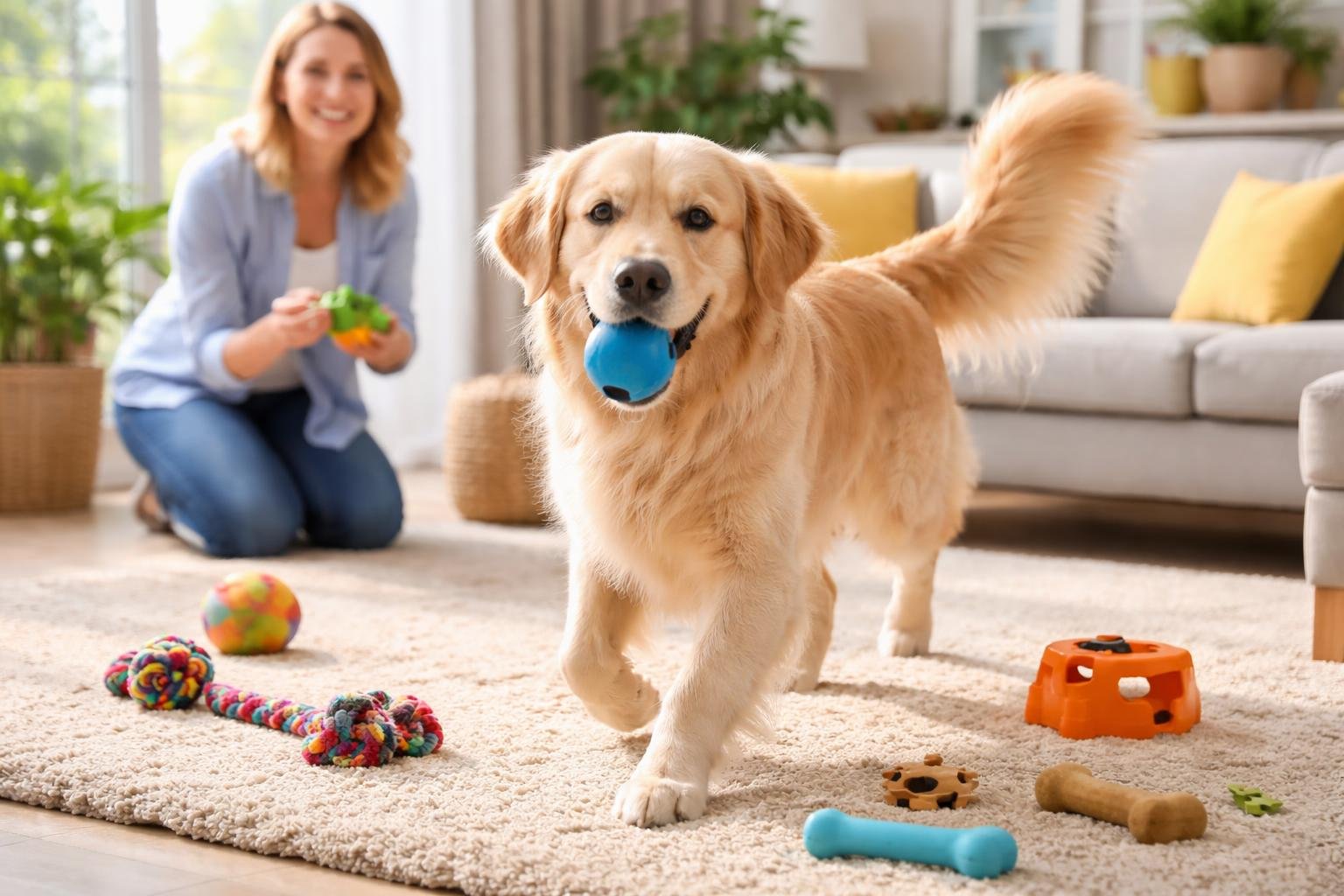
The good news is that preventing canine boredom doesn’t require expensive toys or hours of extra time—just consistent effort and the right approach. Simple activities and enrichment strategies can make a significant difference in a dog’s daily life. These techniques work for dogs of all ages and energy levels.
This guide covers how to spot the signs of boredom, practical ways to keep dogs mentally and physically engaged, and solutions for common behavior problems that stem from lack of stimulation. Readers will learn about enrichment routines, socialization opportunities, and safe activities that dogs can enjoy both with their owners and independently.
Recognizing Signs of Canine Boredom
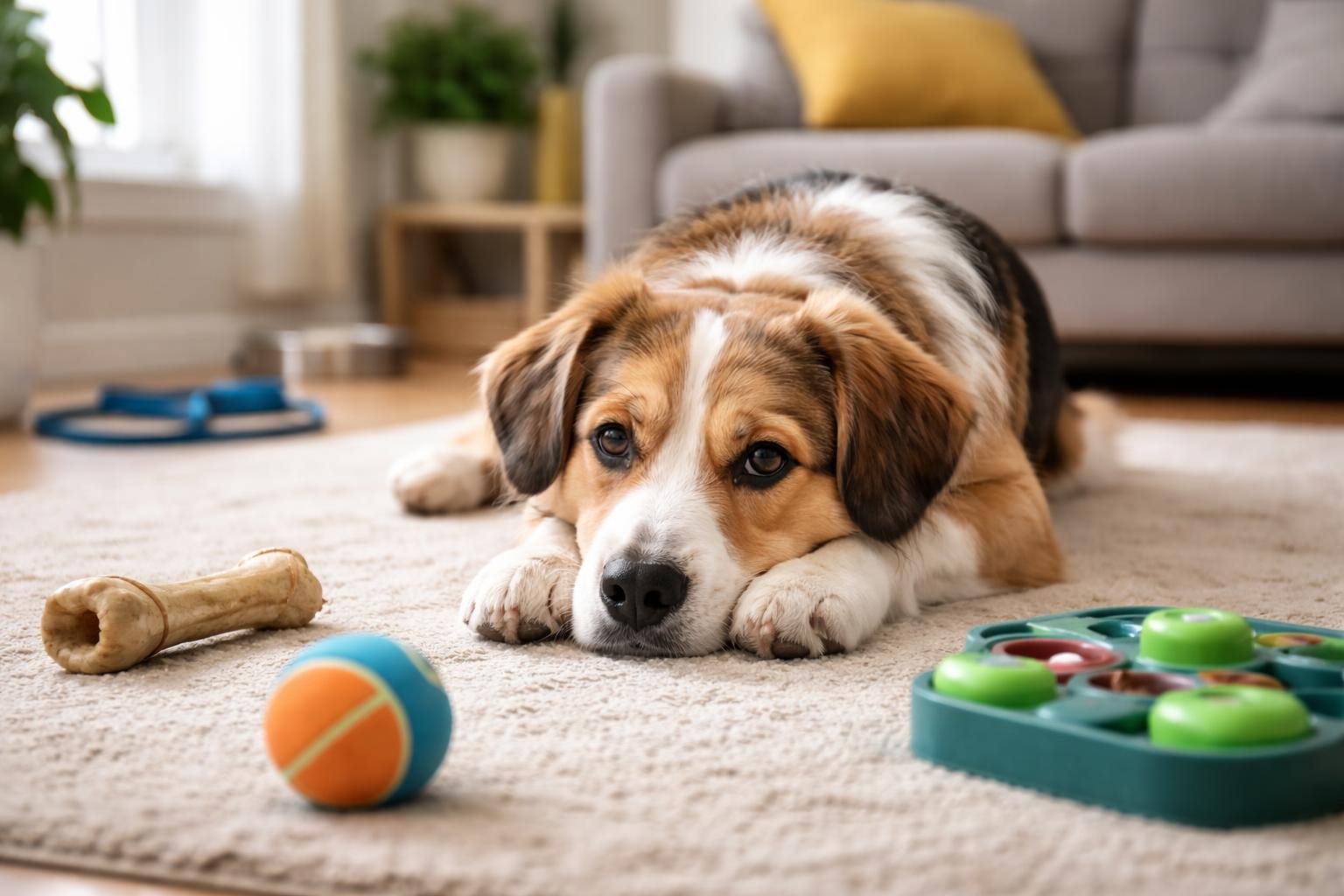
Dogs communicate their boredom through specific behaviors, physical changes, and responses that vary based on their age and breed. Understanding these signals helps owners address the issue before it leads to bigger problems.
Common Behavioral Indicators
Destructive behavior is one of the most obvious signs of a bored dog. A dog lacking mental stimulation may chew furniture, dig holes in the yard, or tear up household items. These actions aren’t acts of defiance but attempts to create their own entertainment.
Excessive barking or whining often indicates boredom. Dogs may vocalize repeatedly without an apparent cause, seeking attention or something to do.
Restlessness appears when a dog can’t settle down. They may pace around the house, move from room to room, or constantly shift positions. Some dogs will paw at their owners repeatedly or bring toys obsessively, even when play isn’t offered.
A bored dog might also show decreased interest in activities they normally enjoy. Their favorite toys sit untouched, and they seem uninterested in games that once excited them.
Physical Manifestations
Weight gain can result from boredom-related inactivity. Dogs who lack adequate mental and physical stimulation move less throughout the day, leading to extra pounds over time.
Over-grooming behaviors include excessive licking of paws, legs, or other body parts. This repetitive action soothes bored dogs but can cause skin irritation or hot spots. Some dogs may also scratch themselves more frequently without any underlying medical condition.
Changes in sleep patterns often accompany boredom. A bored dog may sleep more than usual during the day, then struggle to settle at night. This disrupted schedule creates a cycle of low energy and disengagement.
Differences in Age and Breed
Puppies and young dogs show boredom through hyperactive behavior and difficulty focusing. They need more frequent activity and shorter training sessions. Young dogs may become mouthy or nippy when understimulated.
Senior dogs display boredom more subtly. They might seem withdrawn or sleep excessively, which owners sometimes mistake for normal aging. Older dogs still need mental engagement, just in different forms than younger dogs.
High-energy breeds like Border Collies, Australian Shepherds, and Belgian Malinois require significantly more stimulation than lower-energy breeds. These working dogs were bred for jobs requiring constant mental and physical activity. They show boredom signs faster and more intensely than breeds like Bulldogs or Basset Hounds.
Companion breeds such as Cavalier King Charles Spaniels or Pugs may express boredom through attention-seeking behaviors rather than destructive ones. Each breed’s original purpose influences how they respond to insufficient stimulation.
Mental Stimulation for Happy Dogs
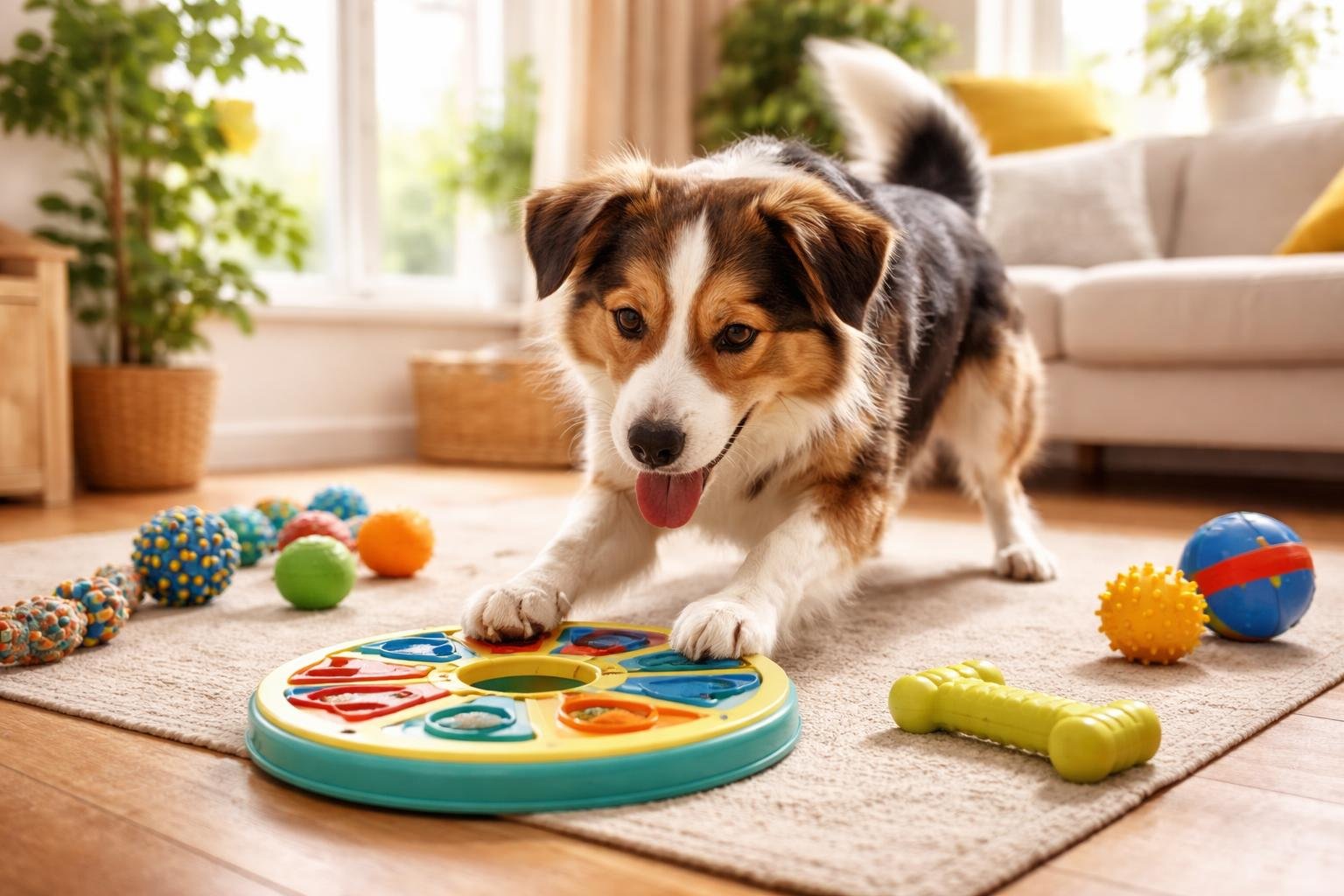
Dogs need mental exercise just as much as physical activity to stay healthy and content. Engaging their brains through puzzles, training, and scent work prevents boredom and reduces problem behaviors.
Puzzle Toys and Treat Games
Puzzle toys challenge a dog’s problem-solving skills while rewarding them with treats or kibble. These toys come in different difficulty levels, starting with simple flip-and-find designs for beginners and advancing to complex multi-step puzzles for experienced dogs.
Basic puzzle toy options include:
- Sliding compartment toys
- Treat-dispensing balls
- Flip-lid feeders
- Snuffle mats with hidden treats
Dogs can spend 15 to 30 minutes working through a puzzle toy. This activity tires them mentally while satisfying their natural foraging instincts. Pet owners can rotate different puzzles weekly to maintain interest and prevent their dog from memorizing solutions too quickly.
Interactive Training Sessions
Training sessions provide mental stimulation through learning new commands and behaviors. Short 5 to 10 minute sessions work best, as dogs lose focus during lengthy training periods.
Teaching tricks like spin, shake, or play dead keeps a dog’s mind active. Each new skill requires concentration and memory, which exercises their brain. Training also strengthens the bond between dog and owner through positive interactions.
Even familiar commands can become mentally challenging when practiced in new environments. A dog who knows “sit” at home must think harder to perform the same command at a park with distractions. Varying locations and adding hand signals to verbal cues increases the mental workout.
Scent-Based Activities
A dog’s sense of smell is their strongest sense, making scent work highly engaging. Hide-and-seek games with treats scattered around the house tap into natural tracking instincts.
Start by hiding treats in obvious spots while the dog watches. Gradually increase difficulty by using harder hiding places and making the dog wait in another room. Some dogs enjoy finding hidden toys instead of food.
Outdoor scent walks let dogs explore smells at their own pace. Allowing extra sniffing time during walks provides more mental stimulation than a fast-paced walk. Even a 20-minute scent-focused walk can tire a dog as much as an hour of regular walking.
Physical Activities to Prevent Restlessness
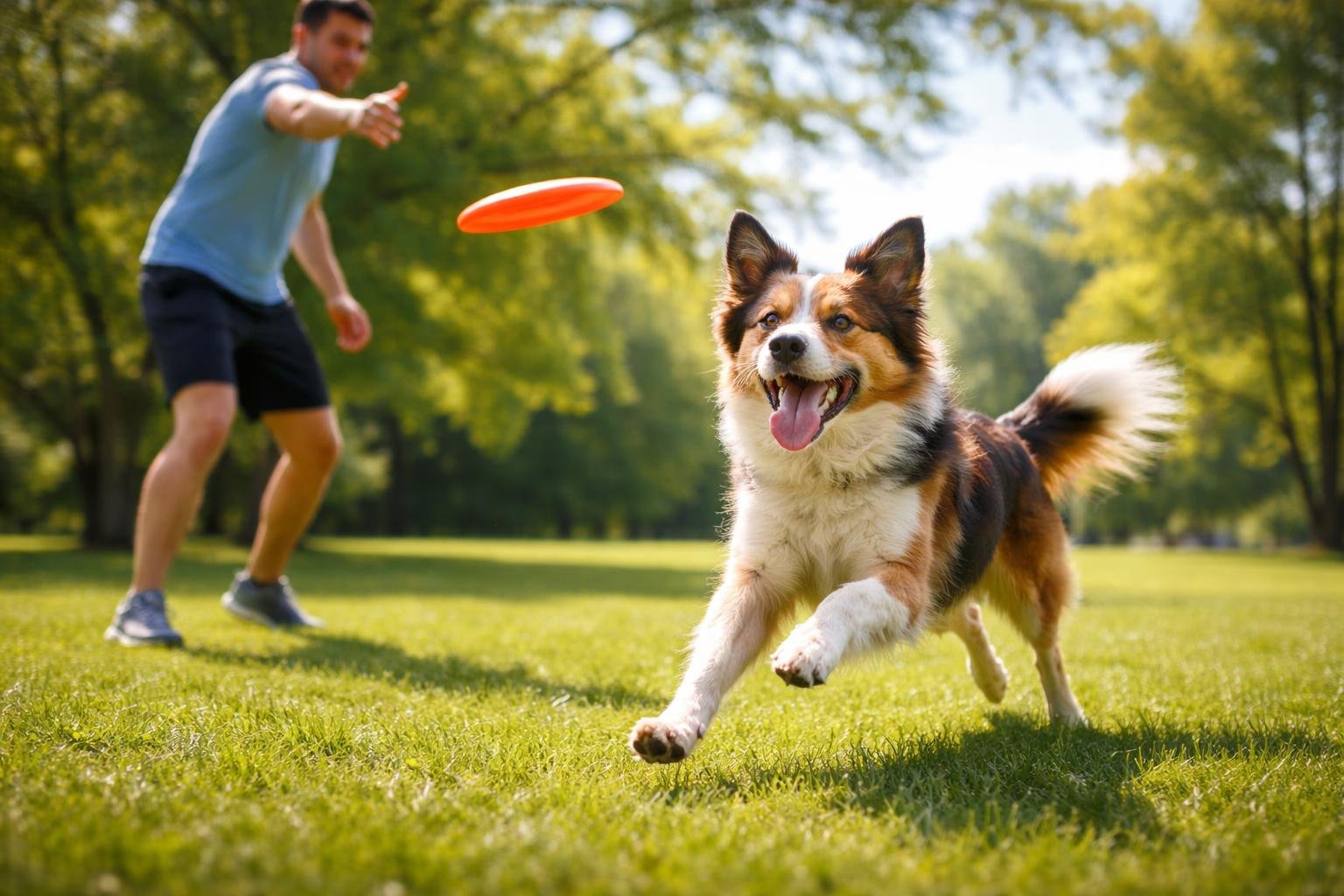
Dogs need regular movement to stay calm and content indoors. Active play sessions and structured exercise help burn energy while strengthening the bond between dogs and their owners.
Creative Indoor Games
Hide and seek works well for dogs of all ages and sizes. An owner can hide treats around the house or hide themselves and call the dog to come find them. This game exercises both body and mind.
Fetch in the hallway provides a safe space for running. Soft toys or lightweight balls work best to avoid damage. Short bursts of 10-15 minutes can tire out most dogs effectively.
Tug-of-war builds strength and releases energy. Owners should use a rope toy or similar item designed for dogs. The game teaches impulse control when combined with commands like “drop it.”
Stair exercises offer intense workouts in small spaces. Dogs can run up and down stairs while chasing a toy or following their owner. This activity should be limited to healthy adult dogs without joint problems.
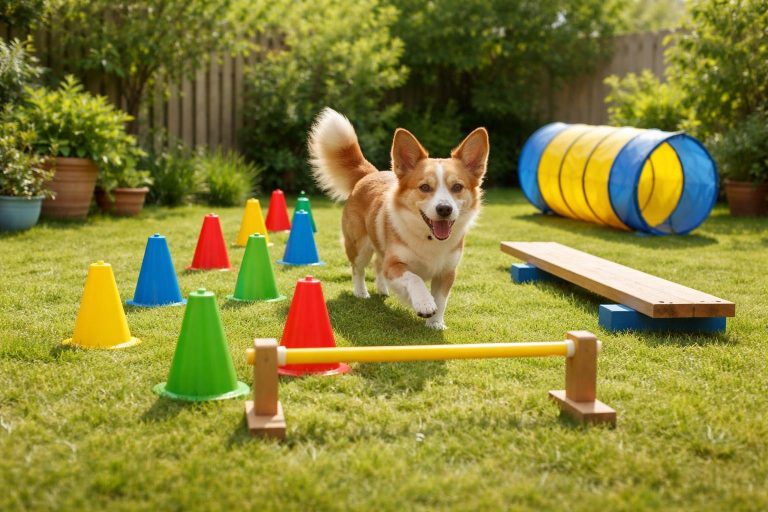
Indoor obstacle courses use household items like chairs, boxes, and blankets. Dogs weave through legs, jump over pillows, or crawl under tables. These courses can be changed daily to maintain interest.
Outdoor Exercise Routines
Daily walks remain the foundation of physical activity. Most dogs need 30-60 minutes of walking split into two sessions. The time varies based on breed, age, and health.
Running or jogging suits high-energy breeds. Dogs should build endurance gradually over several weeks. Owners need to watch for signs of fatigue or overheating.
Fetch in the yard allows dogs to sprint at full speed. A tennis ball, frisbee, or stick keeps them moving. Sessions of 20-30 minutes typically provide adequate exercise.
Swimming works as low-impact exercise for dogs with joint issues. Many dogs enjoy water naturally. Owners should supervise closely and start in shallow areas.
Dog park visits add social interaction to physical activity. Dogs run freely and play with others. These visits work best when scheduled during less crowded times for safety.
Building a Consistent Enrichment Routine
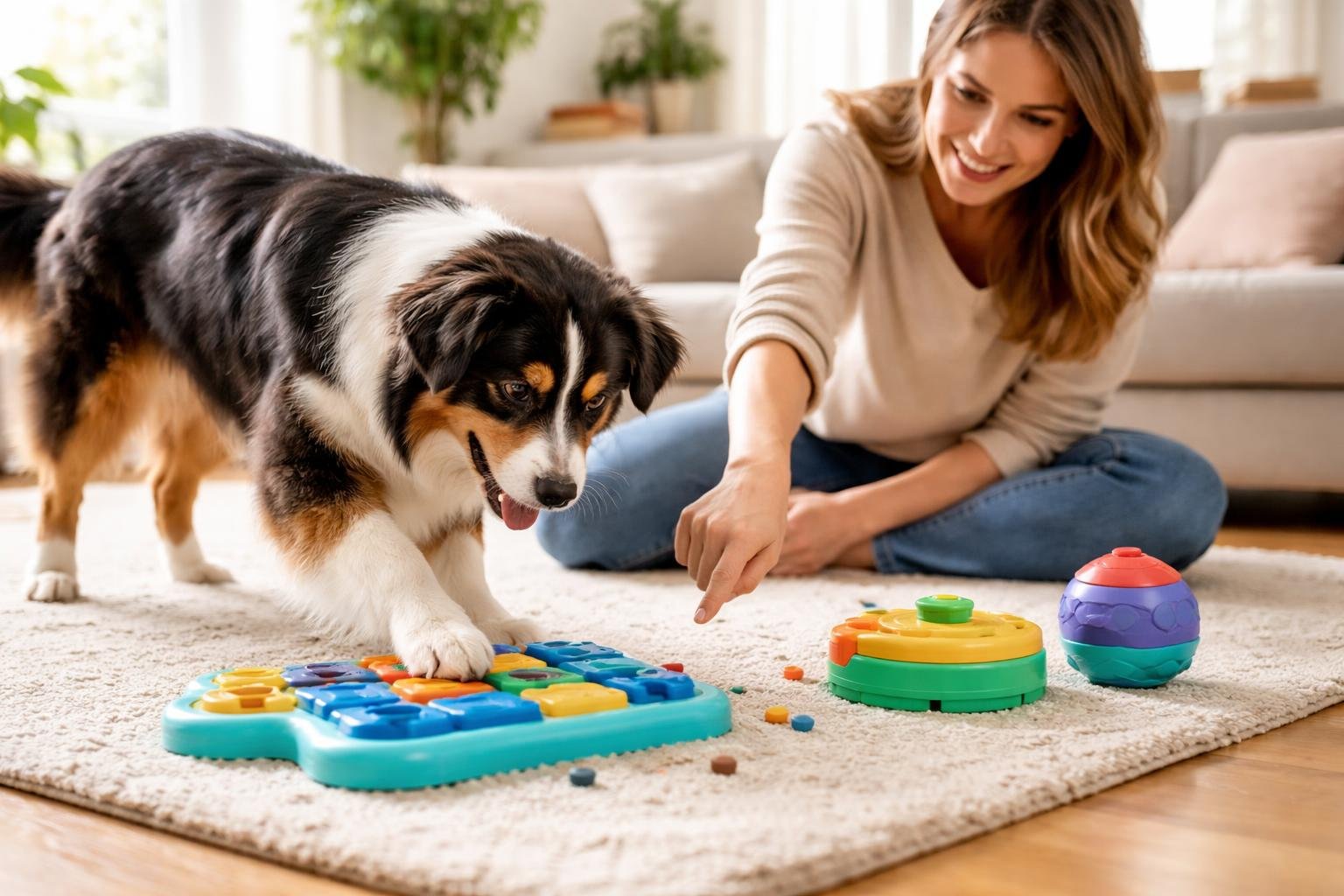
Dogs thrive on predictable schedules that mix physical activity with mental challenges at appropriate times throughout the day.
Scheduling Playtime Throughout the Day
Dogs benefit most from enrichment activities spread across multiple short sessions rather than one long period. A typical schedule might include a morning puzzle feeder at breakfast, a midday training session, and an evening scent game before dinner.
Pet owners should aim for 3-5 enrichment opportunities daily, with each lasting 10-20 minutes. This prevents mental fatigue while keeping the dog engaged. Morning activities work well for high-energy dogs who need to burn off excess energy early. Afternoon sessions help break up long stretches when dogs are home alone.
Sample Daily Schedule:
- 7:00 AM – Interactive feeding toy
- 12:00 PM – Quick training session
- 3:00 PM – Sniff walk around the neighborhood
- 6:00 PM – Food puzzle or hide-and-seek game
Rotating different activities throughout the week prevents dogs from losing interest. Monday might feature puzzle toys, while Tuesday focuses on scent work and Wednesday includes training games.
Balancing Activity Levels
The right amount of enrichment depends on a dog’s age, breed, and energy level. Working breeds like Border Collies need more mental stimulation than lower-energy breeds. Puppies require shorter, more frequent sessions since they tire quickly.
Senior dogs still need enrichment but at a gentler pace. They benefit from slow sniff walks and simple puzzle toys rather than intense physical games. A 10-year-old dog might need three 10-minute sessions daily, while a young Labrador needs five 20-minute sessions.
Pet owners should watch for signs of over-stimulation like excessive panting, restlessness, or inability to settle down. Under-stimulated dogs often show destructive behaviors, excessive barking, or attention-seeking actions.
Socialization and Environmental Variety
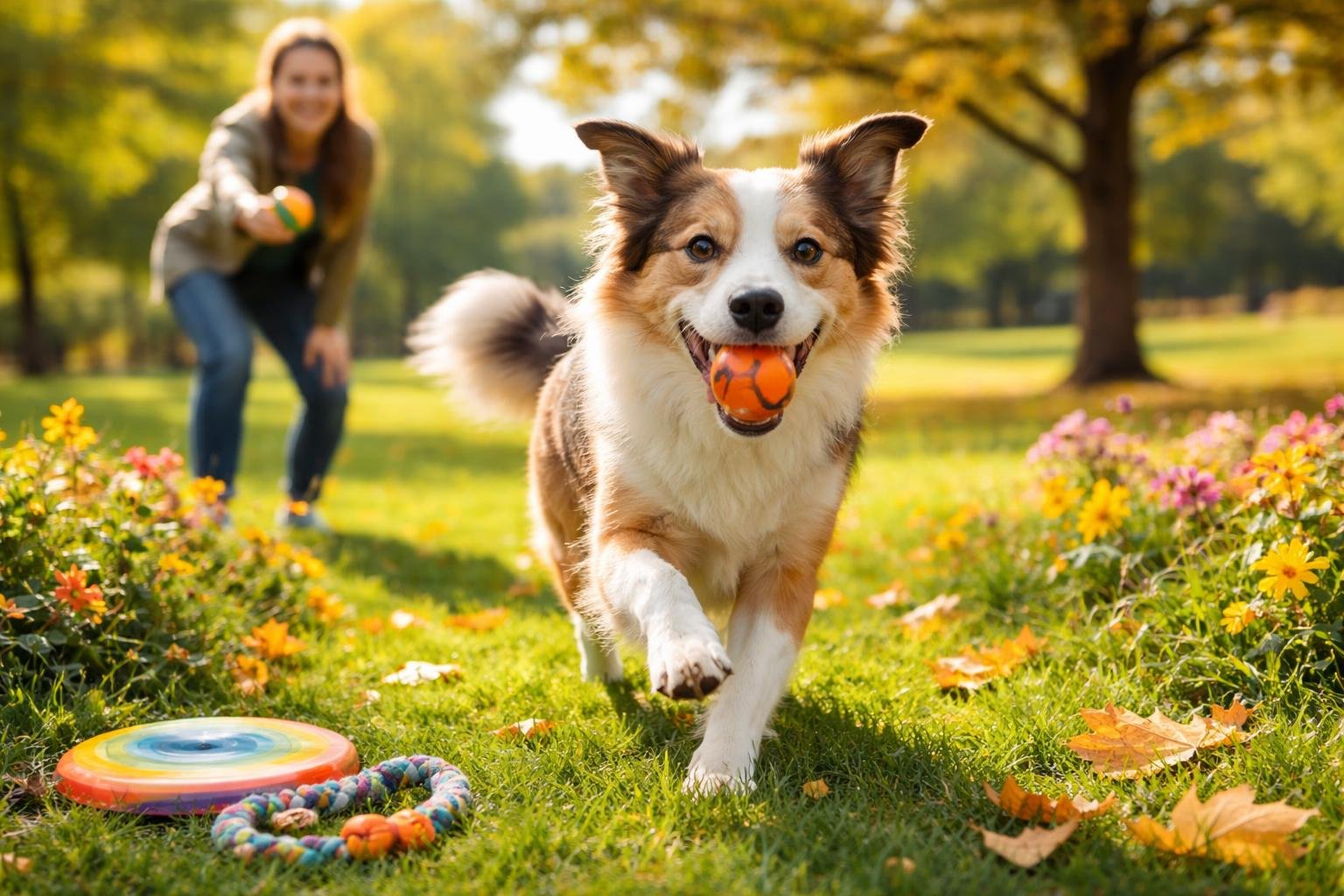
Dogs need regular interaction with other animals and people, plus exposure to different places and experiences. These activities prevent boredom while building confidence and reducing anxiety.
Playdates and Group Activities
Regular playdates with other dogs give pets a chance to practice social skills and burn energy through play. Owners can arrange meetings at local dog parks, in fenced yards, or through organized playgroups in their community.
Group training classes offer another option for socialization. These classes teach obedience while exposing dogs to other animals in a controlled setting. Many pet stores and training centers offer weekly sessions.
Benefits of group activities include:
- Physical exercise through active play
- Mental stimulation from new social interactions
- Better behavior around other dogs and people
- Reduced anxiety in unfamiliar situations
Dog owners should supervise all interactions and watch for signs of stress or aggression. Not every dog enjoys large groups, so starting with one-on-one playdates works better for some pets.
Exploring New Environments
Taking dogs to different locations breaks up their routine and provides fresh mental stimulation. A trip to a new park, beach, or pet-friendly store gives them new sights, sounds, and smells to investigate.
Short car rides to various neighborhoods let dogs experience different walking routes. Pet supply stores welcome dogs and create safe indoor spaces for exploration when weather limits outdoor time.
Places to explore with dogs:
- Hiking trails and nature preserves
- Dog-friendly beaches or lakes
- Outdoor cafes with patio seating
- Different neighborhoods for walks
New environments challenge dogs to adapt and process unfamiliar information. Even a simple change like walking the usual route in reverse direction adds variety to their day.
Safe Self-Entertainment Options
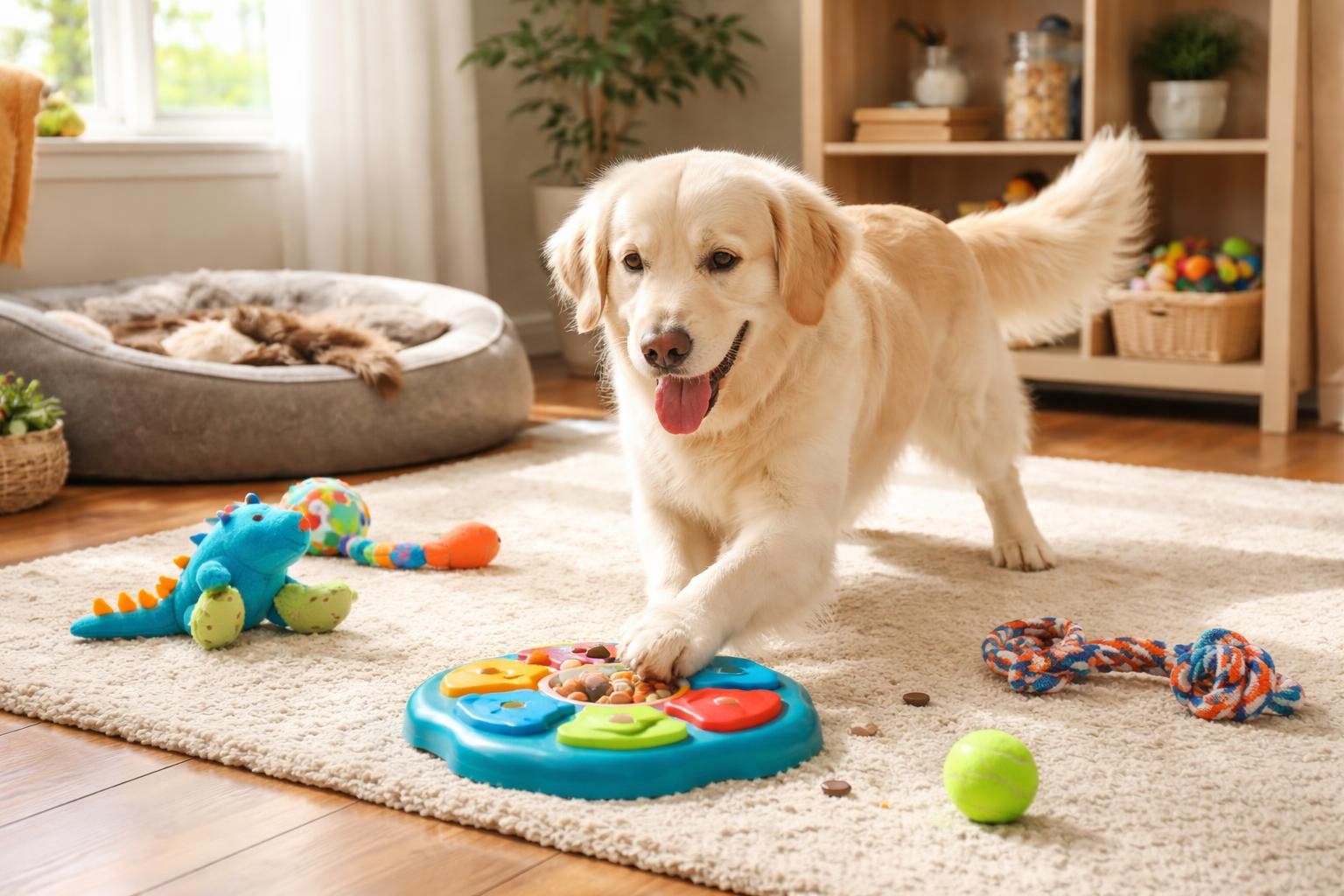
Dogs need safe ways to play alone when their owners are busy or away. The right toys and a smart rotation system help prevent boredom without requiring constant supervision.
Independent Play Solutions
Puzzle toys and treat-dispensing items give dogs something to work on by themselves. Kong toys stuffed with frozen peanut butter or kibble keep dogs busy for 20 to 30 minutes at a time. These toys challenge their problem-solving skills while rewarding them with food.
Snuffle mats let dogs use their natural sniffing instincts to find hidden treats. Dogs can spend 10 to 15 minutes searching through the fabric strips. Lick mats spread with mashed banana or plain yogurt provide a calming activity that reduces stress and anxiety.
Safe solo play items include:
- Rubber chew toys (like Kongs or Nylabones)
- Puzzle feeders with adjustable difficulty levels
- Automated ball launchers for fetch-loving dogs
- Durable rope toys for gentle chewing
Owners should always supervise new toys at first to make sure their dog plays safely. Remove any toy that starts breaking into small pieces.
Rotating Toys and Chews
Dogs lose interest in toys they see every day. A rotation system keeps toys feeling new and exciting. Owners should divide toys into three or four groups and switch them out every few days.
This method makes old toys seem fresh again. A toy that sat in storage for a week becomes interesting once more. The rotation works best with 12 to 15 different toys total.
Effective rotation strategy:
- Keep 3-4 toys available at once
- Store the rest out of sight
- Swap groups every 3-5 days
- Include different types (chew toys, puzzles, plush toys)
Chews need special attention for safety. Bully sticks, dental chews, and raw carrots work well for supervised sessions. Always choose size-appropriate chews that match the dog’s chewing strength.
The Role of Human Interaction
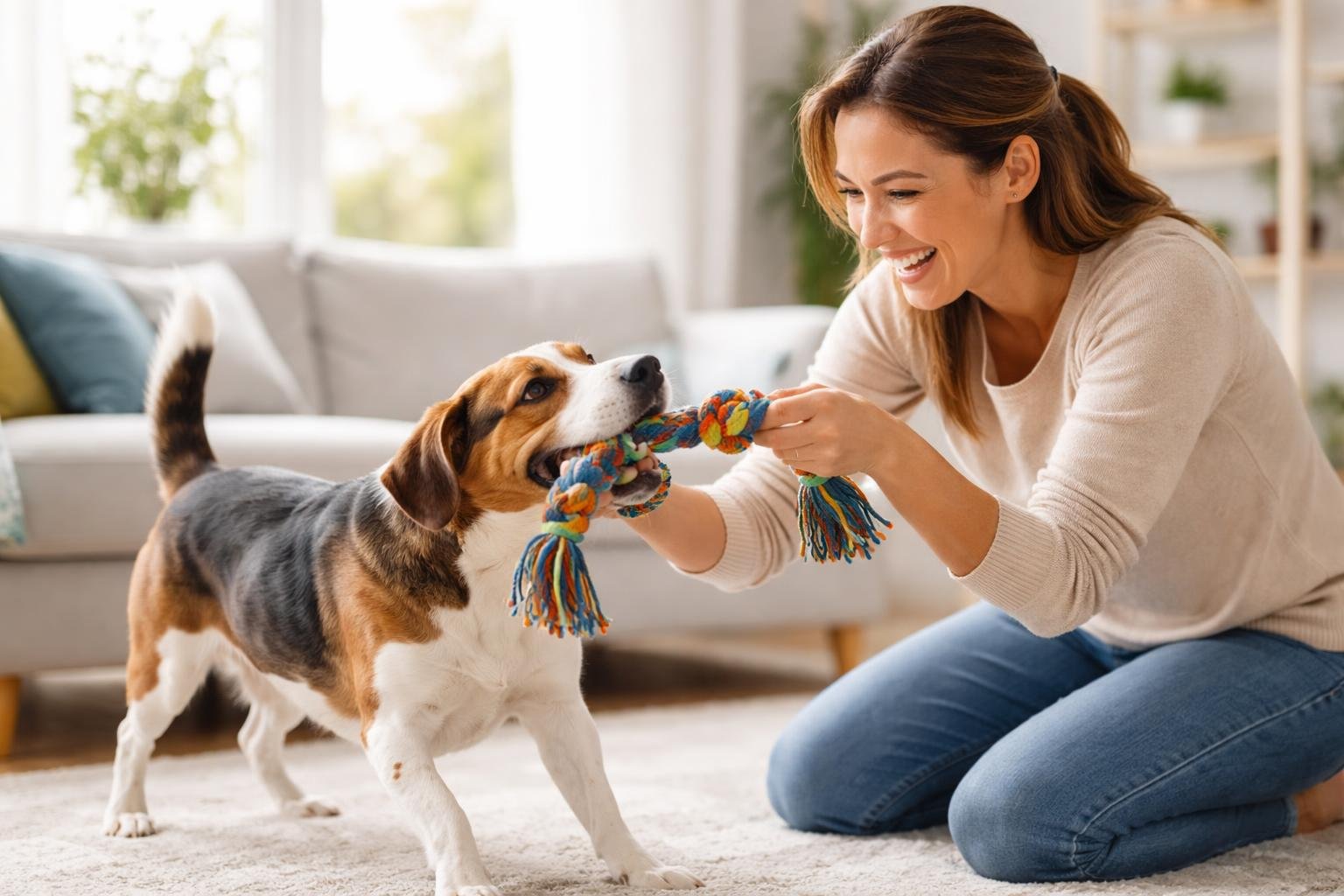
Dogs are social animals that need regular interaction with their owners to stay mentally healthy and engaged. Spending quality time with a pet through active play and positive training creates a stronger bond while preventing boredom.
Bonding Through Play
Playing with a dog does more than burn energy. It builds trust and strengthens the relationship between owner and pet. Interactive games like fetch, tug-of-war, or hide-and-seek give dogs both physical exercise and mental challenges.
A 15-minute play session can reduce stress for both the dog and owner. Dogs learn to read their owner’s body language and respond to cues during these activities. This communication makes them feel more connected and secure.
Different dogs enjoy different types of play. Some prefer chasing balls while others like puzzle games or gentle wrestling. Owners should try various activities to find what their dog enjoys most. Rotating between activities keeps playtime fresh and interesting.
Even simple activities like teaching new tricks or practicing old commands count as bonding time. Dogs thrive on this attention and mental stimulation from their owners.
Positive Reinforcement Techniques
Rewarding good behavior with treats, praise, or toys keeps dogs engaged and eager to learn. This approach works better than punishment because it creates positive associations with training and interaction.
Dogs respond quickly when they understand what behavior earns rewards. Owners should give treats or praise immediately after the desired action. This timing helps dogs connect their behavior with the positive outcome.
Training sessions should last 5-10 minutes to maintain a dog’s focus. Short, frequent sessions throughout the day work better than one long session. This structure prevents frustration and keeps the experience enjoyable.
Common rewards include small treats, verbal praise like “good dog,” or a favorite toy. Some dogs prefer food rewards while others work harder for playtime or affection. Owners can mix different rewards to keep their dog motivated and interested in training activities.
Addressing Boredom-Related Behavioral Issues
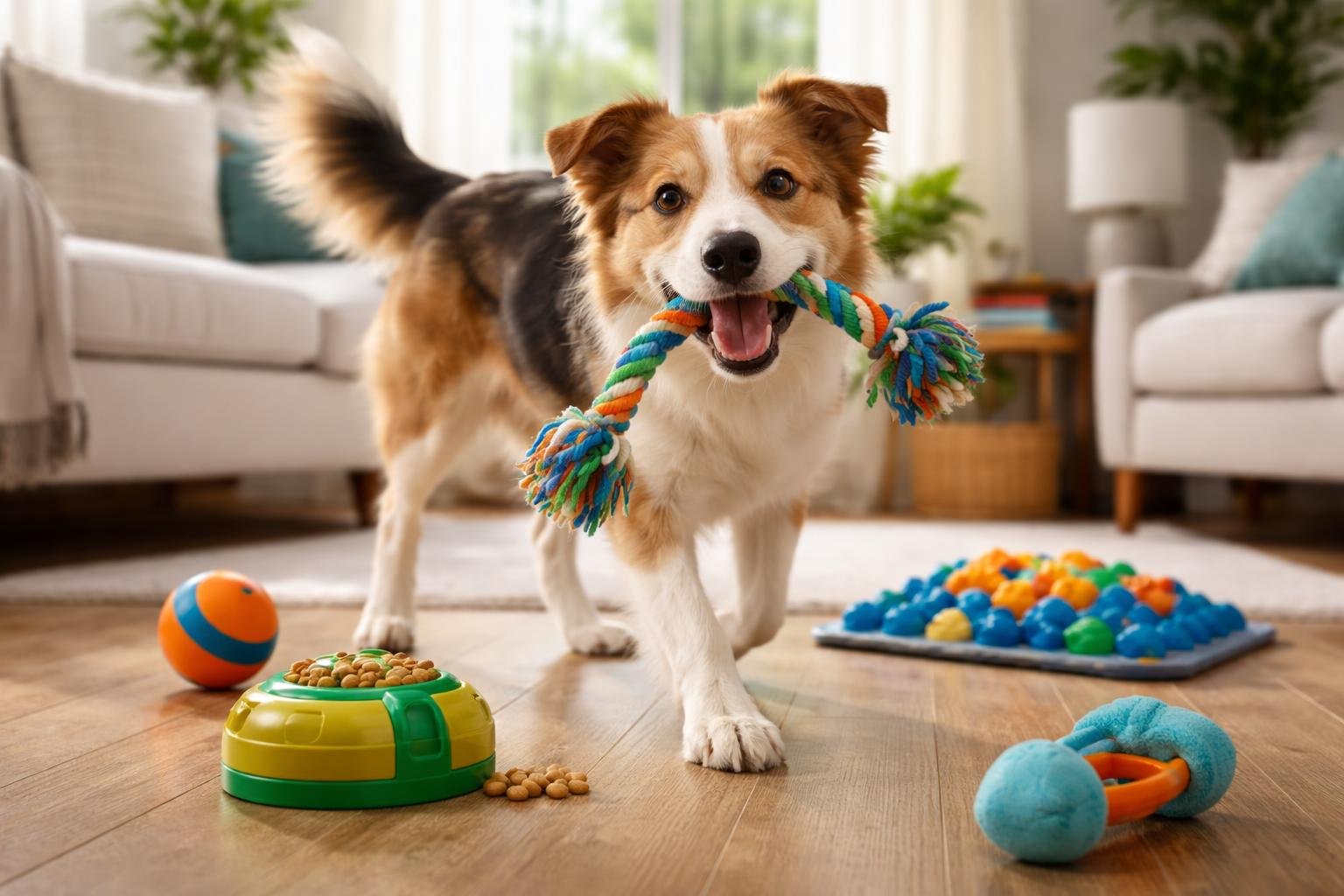
When dogs lack mental and physical stimulation, they often develop problem behaviors that can disrupt the household. These issues require specific strategies to correct, and sometimes professional guidance becomes necessary.
Coping with Destructive Habits
Destructive behaviors like chewing furniture, digging holes, or tearing up household items are common signs of canine boredom. Dogs need an outlet for their energy, and without one, they create their own entertainment.
The first step is to provide appropriate alternatives. Owners should offer durable chew toys, puzzle feeders, and interactive games that redirect the dog’s energy. Rotating toys every few days keeps them interesting and prevents the dog from losing interest.
Key strategies include:
- Providing 30-60 minutes of daily exercise based on the dog’s breed and age
- Using positive reinforcement when the dog chooses appropriate items to chew
- Removing access to valuable items until the behavior improves
- Creating a designated digging area for dogs who love to dig
Consistency matters most when addressing these habits. Dogs learn through repetition, so owners must enforce boundaries every time unwanted behavior occurs.
When to Seek Professional Help
Some boredom-related issues exceed what standard enrichment activities can fix. If a dog shows signs of anxiety, depression, or aggression alongside boredom behaviors, a certified animal behaviorist or veterinarian should evaluate the situation.
Professional help becomes necessary when destructive behaviors persist despite increased exercise and mental stimulation. Dogs that harm themselves, show extreme separation anxiety, or display sudden behavioral changes may have underlying medical or psychological conditions.
A qualified trainer can create a customized behavior modification plan. They assess the dog’s specific needs and develop targeted solutions that address root causes rather than just symptoms. Veterinarians can also rule out medical issues that might contribute to behavioral problems.
Frequently Asked Questions
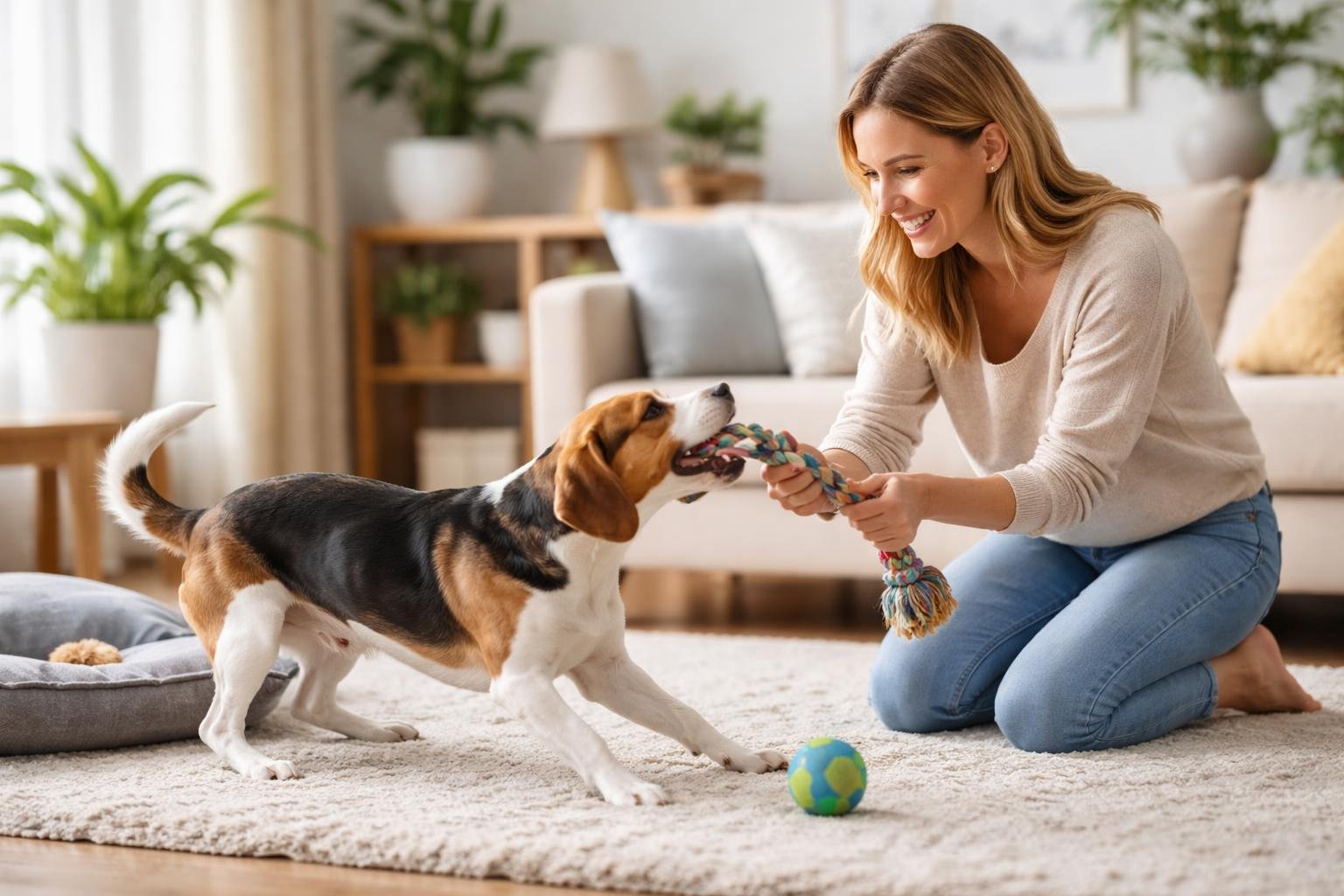
Dogs show clear signs when they need more mental and physical activity, and owners can address boredom with simple DIY solutions that don’t require expensive purchases.
How can I tell if my dog is bored or under-stimulated?
A bored dog displays specific behaviors that signal a need for more engagement. Destructive chewing on furniture, excessive barking, and digging are common signs. The dog may follow family members around constantly or paw at them for attention.
Restlessness is another key indicator. A dog might pace back and forth, seem unable to settle down, or show sudden bursts of hyperactive behavior. Some dogs will create their own entertainment by getting into trash cans or stealing household items.
Physical symptoms can appear too. A bored dog may gain weight from lack of activity or show signs of depression like reduced appetite and excessive sleeping during times they’re normally active.
What are the best ways to keep a dog entertained when home alone?
Food-dispensing puzzles keep dogs mentally engaged for extended periods. These toys release treats slowly as the dog works to solve them. Frozen Kong toys stuffed with peanut butter or wet food can occupy a dog for 30 minutes or more.
Interactive toys that make noise or move on their own provide stimulation without human involvement. Hiding treats around the house before leaving creates a scavenger hunt that taps into natural foraging instincts.
Background noise helps some dogs feel less alone. Playing calm music or leaving the TV on provides ambient sound. Providing access to a window where the dog can watch outside activity gives them something to observe throughout the day.
What homemade brain games can I make to mentally tire out my dog?
A muffin tin game uses a 12-cup muffin pan with treats placed in some cups and tennis balls covering all cups. The dog must remove the balls to find the treats. This simple game engages problem-solving skills.
A towel roll puzzle involves placing treats inside a rolled-up towel. The dog must unroll or manipulate the towel to access the rewards. Owners can increase difficulty by using multiple towels or adding knots.
A cardboard box treasure hunt uses empty boxes of various sizes with treats hidden inside. The dog can shred the boxes to find the food, which satisfies natural foraging and chewing instincts. This game works best in areas where cleanup is easy.
How can I entertain my dog without buying new toys?
Rotating existing toys keeps them interesting. Putting away most toys and only offering 2-3 at a time makes each item seem new when it reappears. Switching toys every few days maintains novelty.
Common household items become free entertainment. Empty plastic bottles with the caps removed make crinkly toys that many dogs enjoy. Old t-shirts tied in knots create tug toys at no cost.
Games using only human interaction require no equipment. Hide-and-seek around the house engages the dog’s mind and body. Teaching new tricks or practicing existing commands provides mental stimulation and strengthens the bond between dog and owner.
What can I do to keep my dog engaged while I’m at work all day?
Hiring a dog walker for a midday visit breaks up long stretches of alone time. A 20-30 minute walk provides physical exercise and mental stimulation from new sights and smells.
Doggy daycare offers socialization and activity throughout the workday. Dogs interact with other animals and receive supervision from trained staff. This option works well for social dogs that enjoy playing with others.
Setting up a camera allows owners to check on their dog and even interact remotely. Some pet cameras dispense treats on command, letting owners reward good behavior from a distance.
A morning exercise routine before work helps tire the dog out. A 30-45 minute walk or play session reduces energy levels and increases the likelihood the dog will rest during the day.
Which DIY boredom-busters work best for high-energy dogs at home?
Indoor obstacle courses use furniture and household items to create physical challenges. Setting up jumps with broomsticks, tunnels with chairs and blankets, and weaving paths between objects provides exercise in limited space.
Stair exercises offer intense physical activity quickly. Running up and down stairs while chasing a ball or toy burns significant energy. This method works well when outdoor exercise isn’t possible.
Tug-of-war games provide both physical exertion and mental engagement. Using a rope or sturdy toy, owners can create a vigorous workout in just 10-15 minutes. Teaching “drop it” commands during play adds mental stimulation.
Flirt poles mimic the movement of prey and trigger chase instincts. These consist of a pole with a rope attached and a toy at the end. The owner moves the toy in unpredictable patterns while the dog chases and pounces.