Dog Walking Tips: How To Walk Your Dog Safely and Effectively for Better Behavior
Walking a dog might seem simple, but there’s more to it than just clipping on a leash and heading out the door. The way a person walks their dog affects the pet’s behavior, health, and overall enjoyment of the experience.
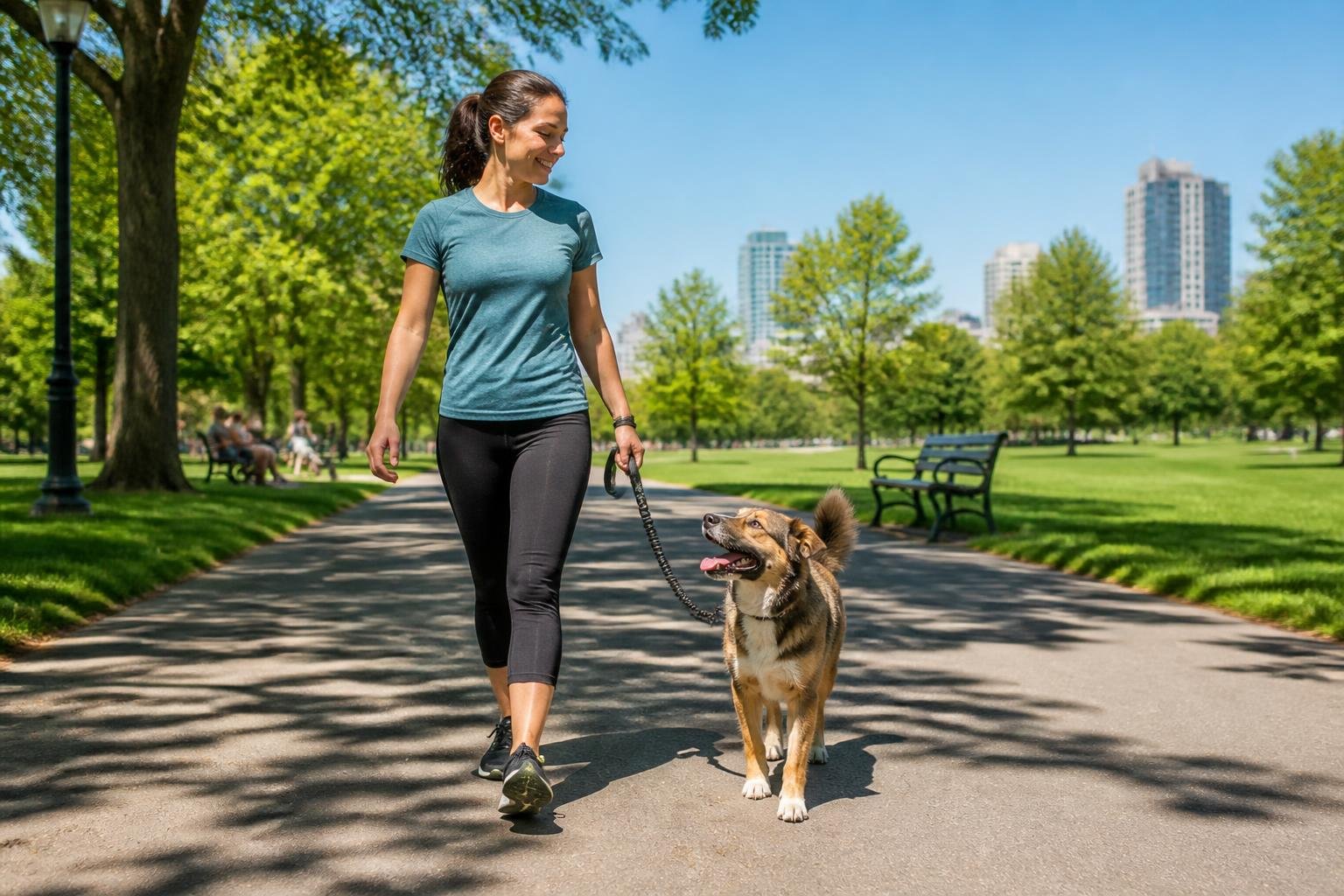
Most healthy adult dogs need at least 30 minutes to two hours of exercise daily, with the exact amount depending on their age, breed, and energy level. Puppies and older dogs often do better with shorter, more frequent outings. High-energy breeds require more structured activity to stay happy and well-behaved.
This guide covers everything needed for successful dog walking, from selecting the right equipment to reading a dog’s body language. Whether someone is a first-time owner or looking to improve their daily walks, these practical tips will help create safer and more enjoyable outings for both dog and owner.
Building Essential Leash Skills
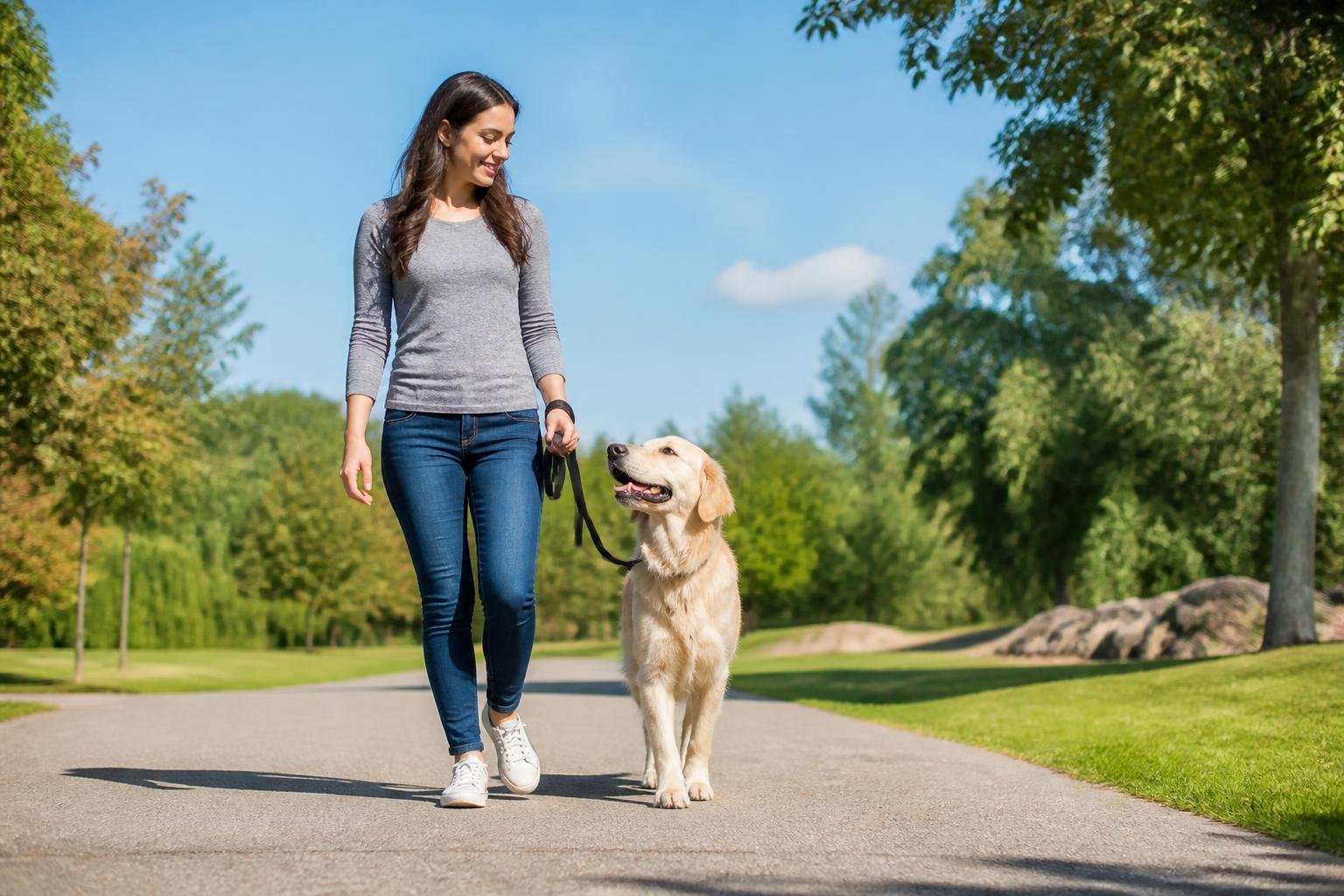
Teaching a dog to walk properly on a leash requires patience and consistent practice. The process starts with basic equipment introduction and progresses through structured training methods that reward calm, controlled walking behavior.
Introducing Your Dog to the Leash
A dog needs time to adjust to wearing a collar and leash before actual walks begin. Owners should start this process indoors where distractions are minimal.
Place the collar on the dog for short periods while offering treats and praise. This creates a positive association with the equipment. Once the dog accepts the collar comfortably, attach the leash and let the dog drag it around the house under supervision.
Practice holding the leash while the dog moves freely indoors. Keep these initial sessions brief, around 5-10 minutes. The goal is for the dog to ignore the leash completely rather than fight against it or chew on it.
Leash Training Fundamentals
Training begins with basic commands that provide structure during walks. A dog must understand “sit,” “stay,” and “come” before learning proper leash behavior.
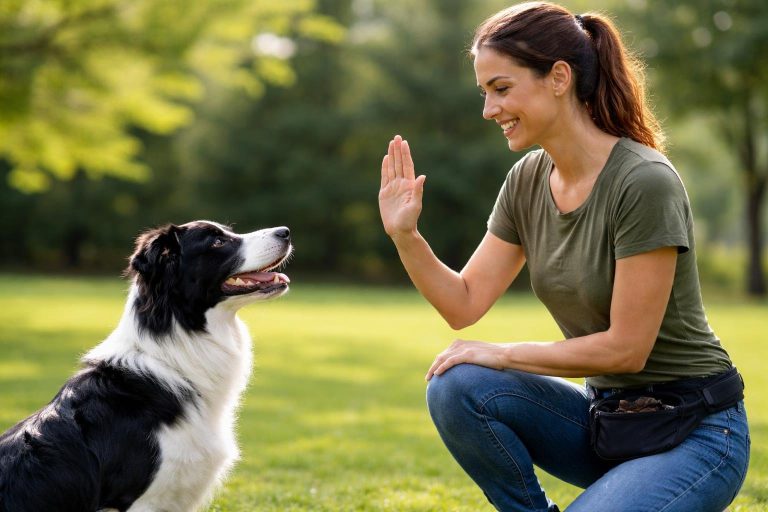
Start in a quiet, enclosed area like a backyard or empty room. Hold the leash loosely and walk a few steps. When the dog follows without pulling, immediately reward with a treat and verbal praise. This positive reinforcement teaches the dog what behavior earns rewards.
Keep short training sessions of 10-15 minutes to maintain the dog’s focus. Multiple brief sessions throughout the day work better than one long session. If the dog pulls ahead, stop walking completely. Resume only when the leash goes slack and the dog returns attention to the owner.
Loose-Leash Walking Techniques
Loose-leash walking means the dog walks with slack in the leash rather than pulling. The leash should form a “J” shape between the owner’s hand and the dog’s collar.
Choose one side for the dog to walk on and stay consistent. Most owners prefer the left side. Hold treats in the hand closest to the dog to keep attention focused there. When the dog maintains the correct position for several steps, deliver a treat.
If the dog starts to pull forward, immediately stop moving. Wait silently until the dog looks back or the leash loosens. Then continue walking. This technique teaches that pulling stops all forward progress, while staying close keeps the walk moving.
Practice the “be a tree” method consistently. The dog learns that pulling never results in reaching the desired destination faster.
Reinforcing Leash Manners
Leash manners require ongoing reinforcement even after initial training succeeds. Dogs need regular reminders about expected walking behavior.
Reward the dog randomly during walks when displaying good leash skills. This unpredictable reinforcement keeps the behavior strong. Carry small, high-value treats that the dog only receives during walks.
Address pulling immediately rather than allowing it sometimes but not others. Inconsistency confuses the dog about what behavior is acceptable. Every person who walks the dog must follow the same rules and techniques.
Gradually increase distractions as the dog improves. Start in quiet areas, then progress to busier streets with more people, dogs, and smells. If the dog regresses with new distractions, temporarily return to an easier environment and rebuild skills slowly.
Choosing the Best Walking Gear
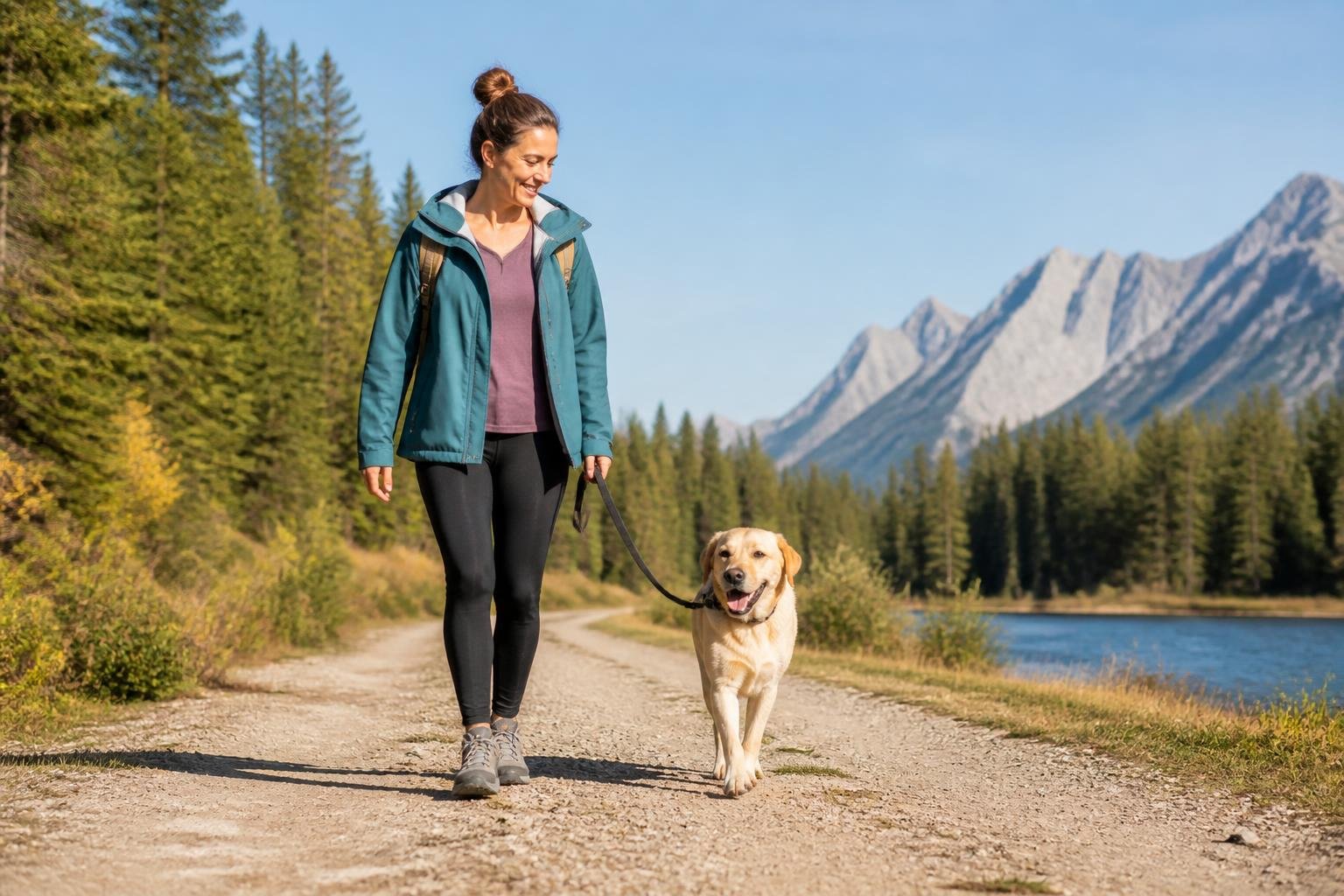
The right equipment makes walks safer and more comfortable for both dog and owner. A proper leash, collar or harness, and a few key accessories help maintain control while protecting the dog’s health.
Selecting the Right Leash Length and Type
A 6-foot leash works best for most everyday walks. This length gives dogs enough room to explore while keeping them close enough for the owner to maintain control. It’s the standard length recommended by most trainers and veterinarians.
A sturdy leash made from nylon or leather holds up better than thin or cheap materials. The hardware should be strong, with metal clips that won’t break under pressure. Owners of large or strong dogs need especially durable options.
Short leashes between 2-4 feet work well in crowded areas or during training sessions. They keep dogs close in busy streets or when practicing heel commands. Retractable leashes should be avoided in most situations because they offer less control and can cause injuries.
Standard dog leashes come in different materials. Nylon is affordable and easy to clean. Leather becomes softer with use but costs more. Rope leashes offer good grip but can cause burns if a dog suddenly pulls.
Harnesses, Head Collars, and Safety Equipment
Harnesses distribute pressure across the chest instead of the neck. They work better than collars for dogs who pull, have breathing problems, or neck injuries. Back-clip harnesses are comfortable but give less control. Front-clip harnesses help reduce pulling by redirecting the dog’s forward motion.
A head collar fits around the dog’s muzzle and neck, similar to a horse’s halter. It gives owners more control over strong pullers without choking. Dogs need time to adjust to wearing one, but it can make walks much easier.
Regular flat collars work fine for well-trained dogs who don’t pull. They should fit snugly with room for two fingers underneath. ID tags should always attach to the collar in case the dog gets lost.
Reflective gear keeps dogs visible during early morning or evening walks. Reflective vests, collars, or leash attachments help drivers see dogs in low light.
Must-Have Accessories for Dog Walks
Waste bags are essential for every walk. Biodegradable options are better for the environment. Bag dispensers clip onto leashes for easy access. Owners should always carry more bags than they think they’ll need.
A treat pouch attaches to a belt or waistband. It keeps training treats handy for rewarding good behavior during walks. This makes it easier to practice commands without fumbling through pockets.
Water bottles designed for dogs help keep them hydrated on longer walks. Portable bowls or bottles with attached cups work well. Dogs need water access, especially in warm weather.
A hands-free leash option allows owners to jog or multitask. These wrap around the waist, freeing up both hands. Some include bungee sections that absorb shock when dogs pull.
Basic first aid supplies should come along on longer walks or hikes. A small kit with bandages, antiseptic wipes, and tweezers handles minor injuries until getting home or to a vet.
Establishing a Healthy Walking Routine
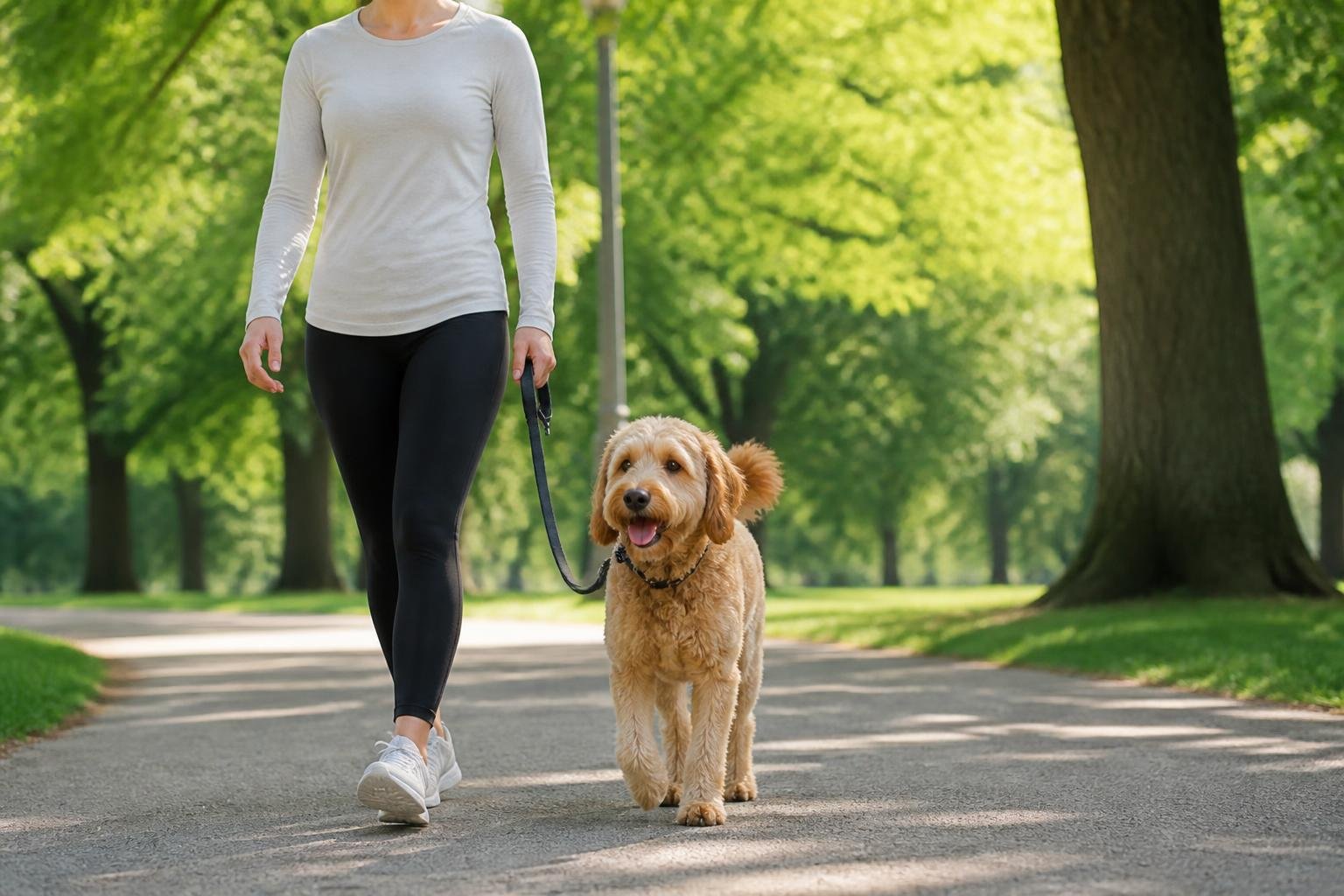
A consistent walking schedule benefits both dogs and their owners by providing structure, exercise, and mental stimulation. The right routine balances frequency, walk types, and variety to keep dogs physically fit and mentally engaged.
How Often Should You Walk Your Dog
Most healthy adult dogs need at least 30 minutes to two hours of daily walking. The exact amount depends on the dog’s breed, age, and energy level.
High-energy breeds like Border Collies and Australian Shepherds typically require one to two hours of daily activity. These dogs benefit from multiple walks spread throughout the day. Low-energy breeds may only need 30 to 45 minutes total.
Puppies need shorter, more frequent walks to avoid overexertion. Their growing bones and joints can’t handle long distances yet. Senior dogs also do better with shorter, gentler walks adjusted to their mobility and stamina.
A good baseline is two walks per day for most adult dogs. Morning and evening walks help establish a predictable routine. Some dogs may need a midday walk added for additional exercise and bathroom breaks.
Exercise Walks vs. Decompression Walks
Not all dog walks serve the same purpose. Exercise walks focus on physical activity and burning energy. These walks typically move at a brisk, steady pace with minimal stopping.
Decompression walks prioritize mental stimulation and stress relief. During these walks, dogs get time to sniff and explore their surroundings at their own pace. The sniffing activity provides important mental enrichment that can tire dogs as much as physical exercise.
Dogs benefit from a mix of both walk types throughout the week. An exercise walk might involve jogging or power walking for 30 minutes. A decompression walk allows the dog to lead and investigate interesting smells for 20 to 30 minutes.
Incorporating Neighborhood Walks and Exploring New Routes
Familiar neighborhood walks provide comfort and routine for dogs. These regular routes help dogs feel secure in their territory. They also make it easier to maintain a consistent schedule.
However, exploring new routes adds mental stimulation and prevents boredom. Different environments expose dogs to new sights, sounds, and smells. This variety keeps walks interesting and engaging.
A balanced approach works best for most dogs. Stick to familiar neighborhood walks on weekdays when time is limited. Save new routes and locations for weekends when there’s more time to explore. Rotate between two or three regular routes during the week to provide some variety without overwhelming the dog.
Enhancing the Experience with Positive Reinforcement
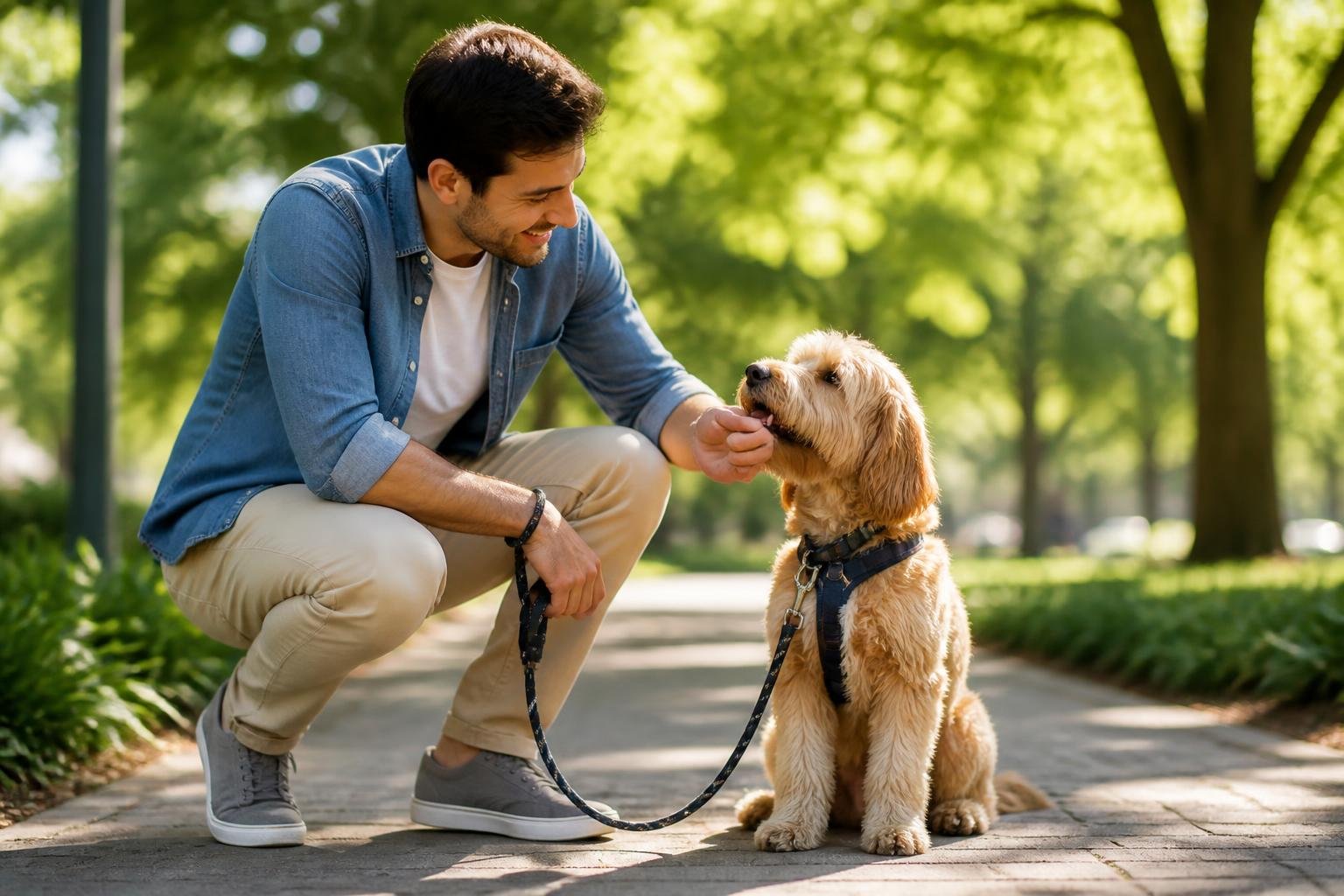
Positive reinforcement transforms regular walks into valuable training opportunities that strengthen the bond between dogs and their owners. This approach rewards desired behaviors, making walks more enjoyable and well-mannered for everyone involved.
Rewarding Good Behavior on Walks
Dogs learn best when good behavior leads to something they value. When a dog walks calmly beside their owner without pulling, maintains focus despite distractions, or sits politely when meeting other dogs, these moments deserve immediate recognition.
The timing of rewards matters greatly. Owners should mark the exact moment their dog displays good behavior with a treat or praise within 1-2 seconds. This quick response helps dogs understand which specific action earned the reward.
Common behaviors worth rewarding include:
- Walking with a loose leash
- Making eye contact when called
- Sitting or stopping at curbs
- Ignoring distractions like squirrels or other dogs
- Staying calm near strangers
Consistency builds lasting habits. Dogs who receive regular positive feedback for good leash manners typically show improvement within 2-3 weeks of daily practice.
Using Treats, Praise, and Attention
A treat pouch attached to the owner’s waist keeps rewards accessible during walks. Small, soft treats work best because dogs can eat them quickly without breaking training flow. High-value treats like small pieces of chicken or cheese prove useful in high-distraction environments.
Praise works alongside treats to reinforce good behavior. A happy tone of voice and phrases like “good walk” or “yes” create positive associations. Some dogs respond better to enthusiastic verbal praise than treats alone.
Attention itself serves as a powerful reward. Brief play sessions with a favorite toy, gentle petting, or even a few seconds of eye contact can motivate dogs to repeat good behaviors. Owners should mix different types of rewards to maintain their dog’s interest throughout the walk.
Applying Positive Reinforcement Techniques
Positive reinforcement dog training starts with short practice sessions in quiet areas. Owners should reward their dog every few steps at first, then gradually increase the distance between treats as the dog improves.
The “stop and go” method works well for pullers. When the leash tightens, the owner stops walking immediately. Once the dog returns and the leash loosens, walking resumes and the dog receives a reward.
Key techniques include:
- Marking good behavior with a verbal cue like “yes”
- Delivering treats at the owner’s side to encourage proper positioning
- Increasing reward intervals as skills improve
- Practicing in different locations with varying distraction levels
Each walk should end on a positive note with a final treat or praise session. This helps dogs associate the entire walking experience with success and builds enthusiasm for future outings.
Understanding Canine Communication and Safety
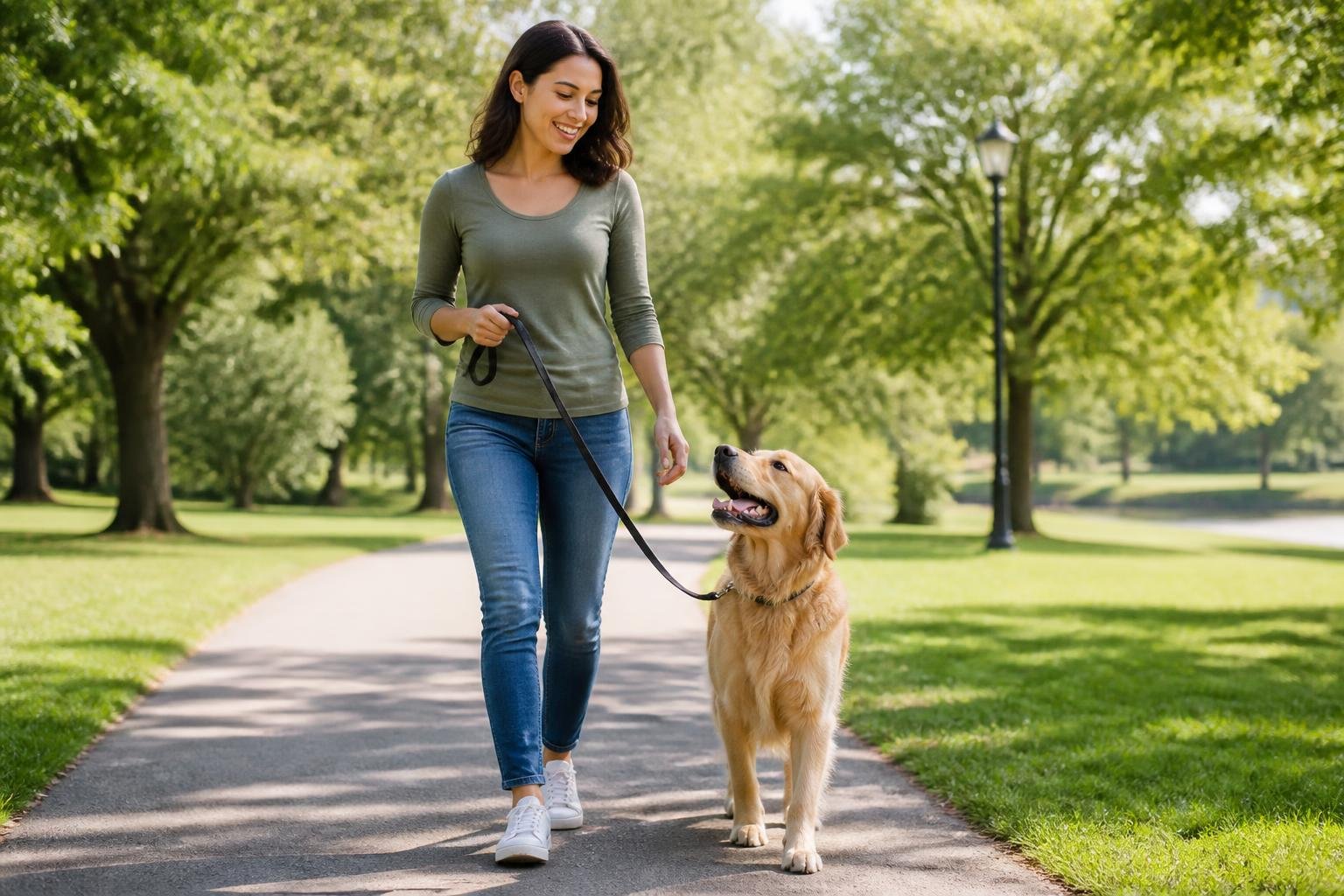
Walking a dog safely requires recognizing what dogs communicate through their body and behavior, plus following proper leash practices that protect both the dog and others nearby.
Reading Dog Body Language
Dog body language reveals how a dog feels during walks. A relaxed dog carries its tail at a natural height and keeps its ears in a neutral position. Its mouth stays slightly open, and its body moves freely without stiffness.
Signs of stress or fear include a tucked tail, flattened ears, and wide eyes showing the whites. A stressed dog might pant heavily, lick its lips repeatedly, or try to pull away from something. These signals mean the dog needs space or a change in the situation.
Aggressive body language shows through a stiff, still body. The dog might raise its hackles, bare its teeth, or stare intensely at something. Its tail may stand straight up or move stiffly. When a dog shows these signs, handlers should calmly create distance from whatever triggered the response.
Managing Distractions and Triggers
Common distractions during walks include other dogs, people, squirrels, cars, and loud noises. Dogs react differently based on their personality and past experiences.
Training helps dogs stay focused when distractions appear. Handlers should teach basic commands like “watch me” or “leave it” before encountering challenging situations. Carrying small treats rewards the dog for paying attention during distracting moments.
When approaching a known trigger, handlers can cross the street or change direction. Creating distance helps the dog stay calm. Some dogs need more time and training before handling certain situations. Patience matters more than rushing progress.
Practicing Leash Etiquette and Obeying Leash Laws
Leash laws exist in most cities and towns to keep dogs and people safe. These laws typically require dogs to stay on leashes in public spaces. Breaking leash laws can result in fines and puts dogs at risk.
Good leash manners mean the dog walks without pulling, lunging, or wrapping the leash around people. The leash should stay loose most of the time. Handlers need to keep their dogs close when passing others on sidewalks or trails.
When meeting another dog on leash, handlers should ask permission first. Not all dogs want to interact. Keep greetings short and watch both dogs’ body language carefully. If either dog shows stress, end the interaction quickly and continue walking.
Giving Your Dog Freedom and Mental Stimulation
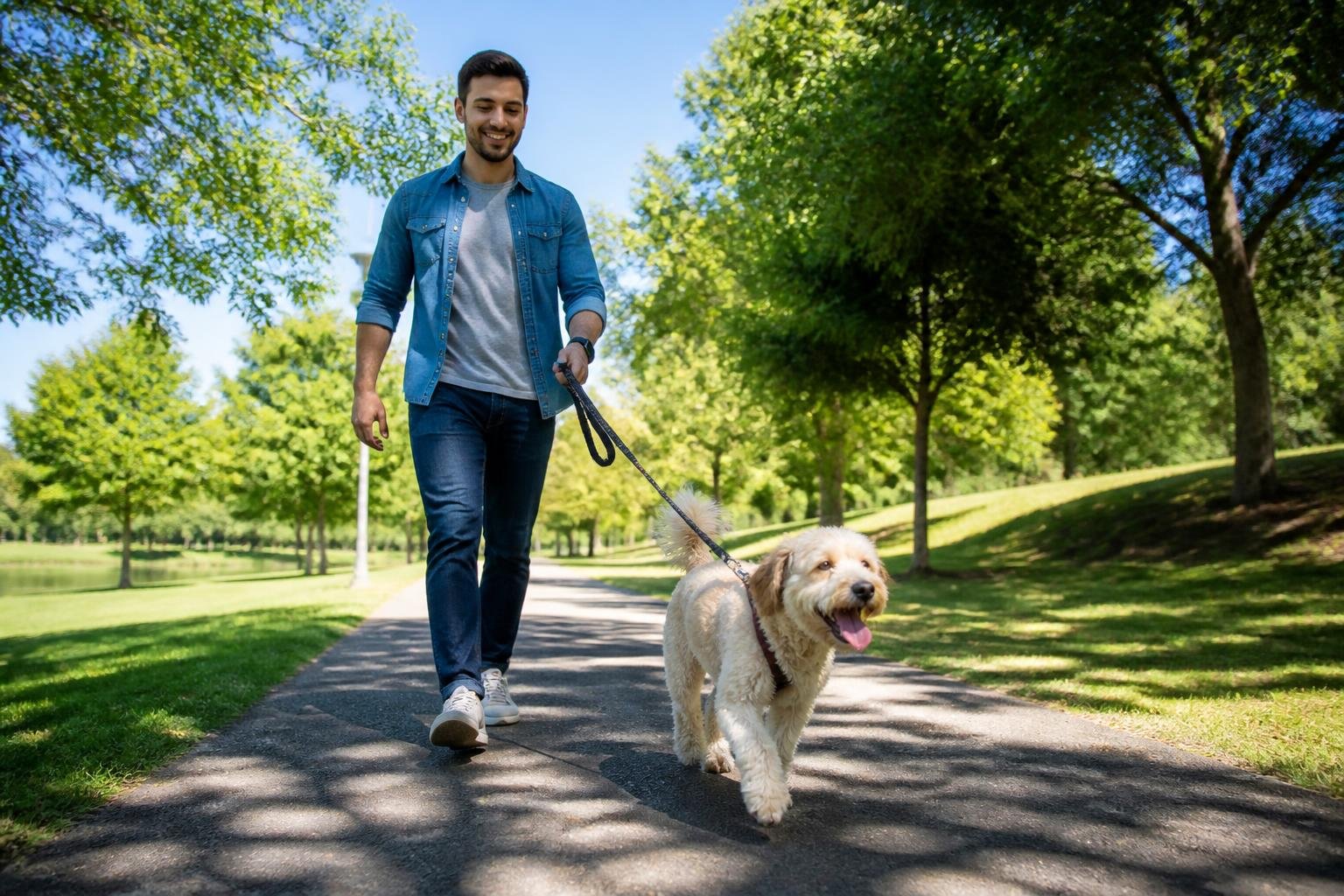
Dogs need more than just physical exercise during walks. Mental engagement through sniffing, exploring new areas, and having some freedom to make choices keeps them happy and reduces problem behaviors at home.
Allowing Sniffing and Exploration
Dogs experience the world primarily through their noses. A dog’s sense of smell is 10,000 to 100,000 times more powerful than a human’s. When they sniff during walks, they gather information about other animals, people, and changes in their environment.
Owners should let their dogs stop and sniff regularly. This mental workout can tire a dog out as much as physical activity. A walk where a dog can sniff and explore for 20 minutes provides more mental stimulation than a 30-minute walk at a brisk, non-stop pace.
Benefits of sniffing time:
- Reduces stress and anxiety
- Satisfies natural instincts
- Provides mental enrichment
- Helps dogs feel more relaxed at home
The practice of “sniffari” walks focuses entirely on letting dogs lead with their nose. These slower-paced outings prioritize mental stimulation over distance or speed.
Balancing Structure and Free Time
Walking your dog requires a mix of structured time and free exploration. Dogs need some boundaries and training during walks, but they also benefit from periods where they can choose where to go and what to investigate.
A good approach involves alternating between focused walking and exploration time. For example, a dog might walk calmly on a loose leash for five minutes, then get a few minutes to sniff and explore a specific area. This pattern teaches good leash manners while still meeting mental needs.
Structured portions help with training and safety. Free time allows dogs to engage their brains and make decisions. Both elements matter for a well-rounded walk.
Mixing Up Walking Routes
Taking the same route every day becomes boring for dogs. New environments provide fresh smells, sights, and sounds that keep walks interesting.
Changing routes regularly exposes dogs to different mental challenges. A walk through a park offers different stimulation than a neighborhood street or trail. Even small changes, like walking the usual route in reverse, creates a new experience.
Route variety ideas:
- Alternate between 3-4 different paths each week
- Visit new neighborhoods or parks monthly
- Try different times of day for different wildlife activity
- Include varied terrain like grass, pavement, and dirt trails
Urban environments offer natural agility challenges with curbs, benches, and stairs. These obstacles add both physical and mental engagement to walks.
Frequently Asked Questions
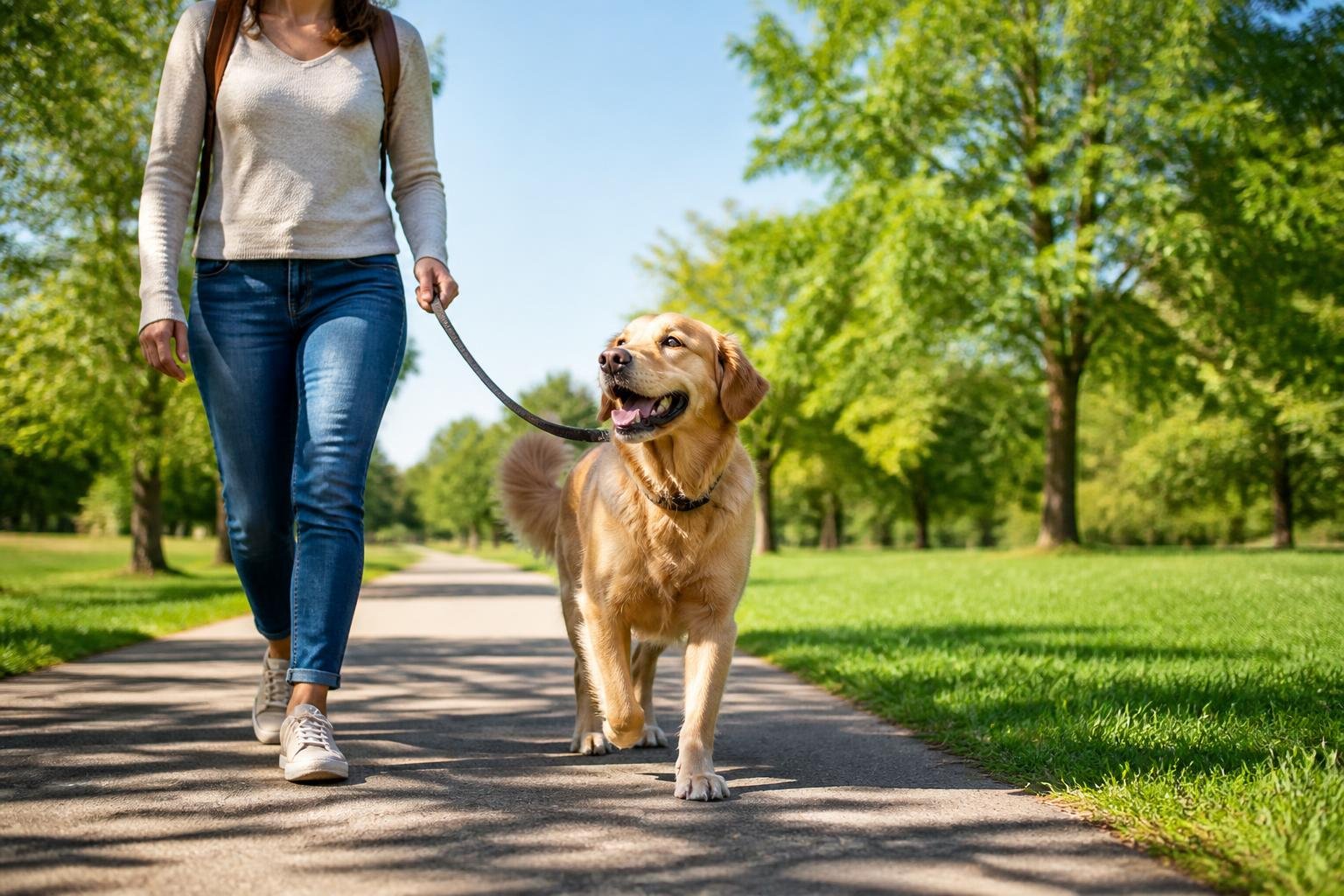
Dog owners often have similar concerns about walking routines, equipment choices, training challenges, and safety conditions. These answers address the most common questions to help make walks better for both dogs and their handlers.
How often should I walk my dog each day, and for how long?
Most healthy adult dogs need at least 30 minutes to two hours of exercise per day. The exact amount depends on the dog’s age, breed, and overall health.
High energy breeds require more structured activity throughout the day. Working breeds and sporting dogs often need closer to two hours of daily exercise to stay physically and mentally healthy.
Puppies and senior dogs do better with shorter, more frequent walks. Instead of one long walk, breaking the time into two or three shorter sessions prevents overexertion. A puppy might need several 10 to 15 minute walks, while an older dog may prefer two 20 minute outings.
What kind of leash and collar or harness is best for comfortable, controlled walks?
A standard 4 to 6 foot leash provides the best balance of control and freedom. This length allows the dog some room to explore while keeping them close enough for safety.
Harnesses work well for dogs that pull or have respiratory issues. They distribute pressure across the chest instead of the neck. Front-clip harnesses give handlers more control over pulling behavior.
Flat collars suit dogs that already walk calmly without pulling. They should fit snugly enough that the dog cannot slip out but loose enough to fit two fingers underneath. Avoid retractable leashes in busy areas because they offer less control and can create safety hazards.
How can I teach my dog to stop pulling on the leash?
The handler should stop walking immediately when the dog starts to pull. Once the leash goes slack, walking can resume. This teaches the dog that pulling does not get them where they want to go.
Rewarding the dog for walking beside the handler reinforces good behavior. Treats or praise work well when given at the exact moment the dog is in the correct position.
Consistency matters more than any single training session. Every person who walks the dog needs to follow the same rules. If pulling sometimes works and sometimes doesn’t, the dog will keep trying.
What should I do if my dog reacts to other dogs, people, or noises while walking?
Creating distance is the first step when a dog shows signs of stress or reactivity. The handler should move away from the trigger before the dog becomes too aroused to respond to commands.
Redirecting the dog’s attention with treats or toys can prevent reactions. If the handler notices a trigger ahead, they can ask for simple behaviors like sitting or making eye contact before the dog fixates on the distraction.
A reactive dog may need professional help from a certified trainer or veterinary behaviorist. These issues often get worse without proper intervention. The handler should avoid forcing interactions or punishing fearful reactions.
When is it too hot or too cold to walk my dog safely, and what precautions should I take?
Pavement temperatures above 85 degrees Fahrenheit can burn a dog’s paw pads. The handler can test the surface by placing their palm on it for seven seconds. If it feels too hot for their hand, it’s too hot for paws.
Early morning or evening walks work best during hot weather. Dogs should have access to water before, during, and after walks. Brachycephalic breeds with flat faces struggle more in heat and need extra caution.
Cold weather requires different considerations based on the dog’s size and coat. Small dogs, puppies, seniors, and short-haired breeds get cold faster. Protective booties help prevent ice, salt, and chemicals from irritating paws. If the temperature drops below 20 degrees Fahrenheit, most dogs should have shorter outdoor time.
How can I make walks more mentally stimulating and prevent boredom?
Varying the route keeps walks interesting for dogs who rely heavily on their sense of smell. Different paths provide new scents and sights to explore. Even walking the same route in the opposite direction creates a fresh experience.
Allowing sniff breaks gives dogs important mental exercise. The handler can designate certain spots where the dog has a minute or two to investigate smells thoroughly. This satisfies natural behaviors and makes walks more satisfying.
Simple training exercises during walks add mental challenge. Practicing sits, downs, or stays at various points along the route engages the dog’s brain. Bringing a toy for a quick game in a safe area also breaks up the routine.