Common Behavior Changes in Your Senior Dog and How You Can Help: A Comprehensive Guide for Pet Owners
Your dog’s personality and habits can shift as they grow older, just like people change with age. Senior dogs often experience changes in their energy levels, sleep patterns, social interactions, and daily routines as their bodies and minds age. These shifts are a normal part of getting older, but some changes can point to health problems that need attention.
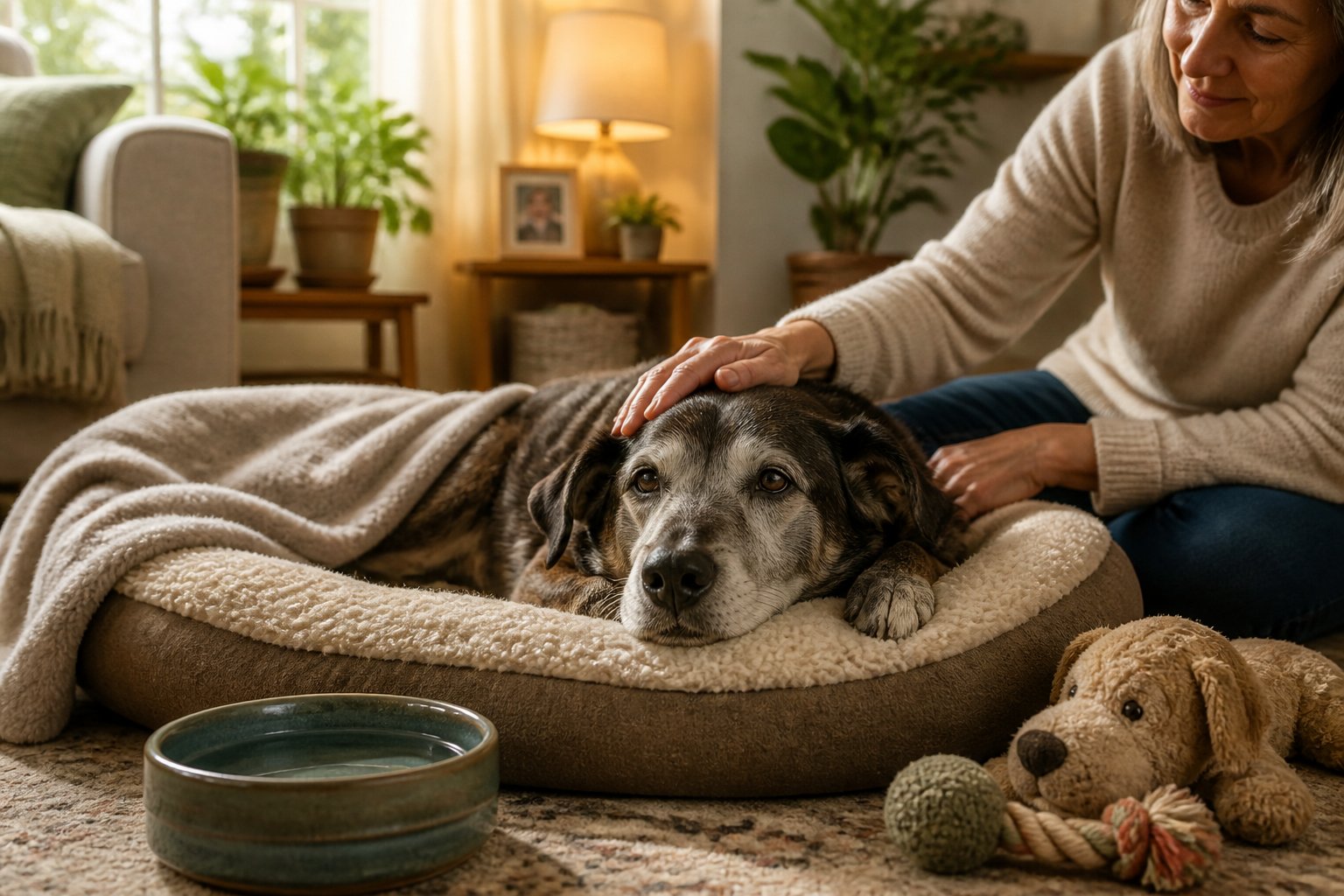
Understanding what to expect helps dog owners tell the difference between normal aging and signs that require a vet visit. Aging dogs may slow down, sleep more, or seem less interested in activities they once loved. They might also develop new habits like wandering at night, seeming confused, or acting more anxious around family members.
The good news is that many behavior changes in senior dogs can be managed with simple adjustments at home and proper veterinary care. Knowing what causes these changes and how to respond makes a big difference in keeping an older dog comfortable and happy during their later years.
Recognizing Behavior Changes in Senior Dogs
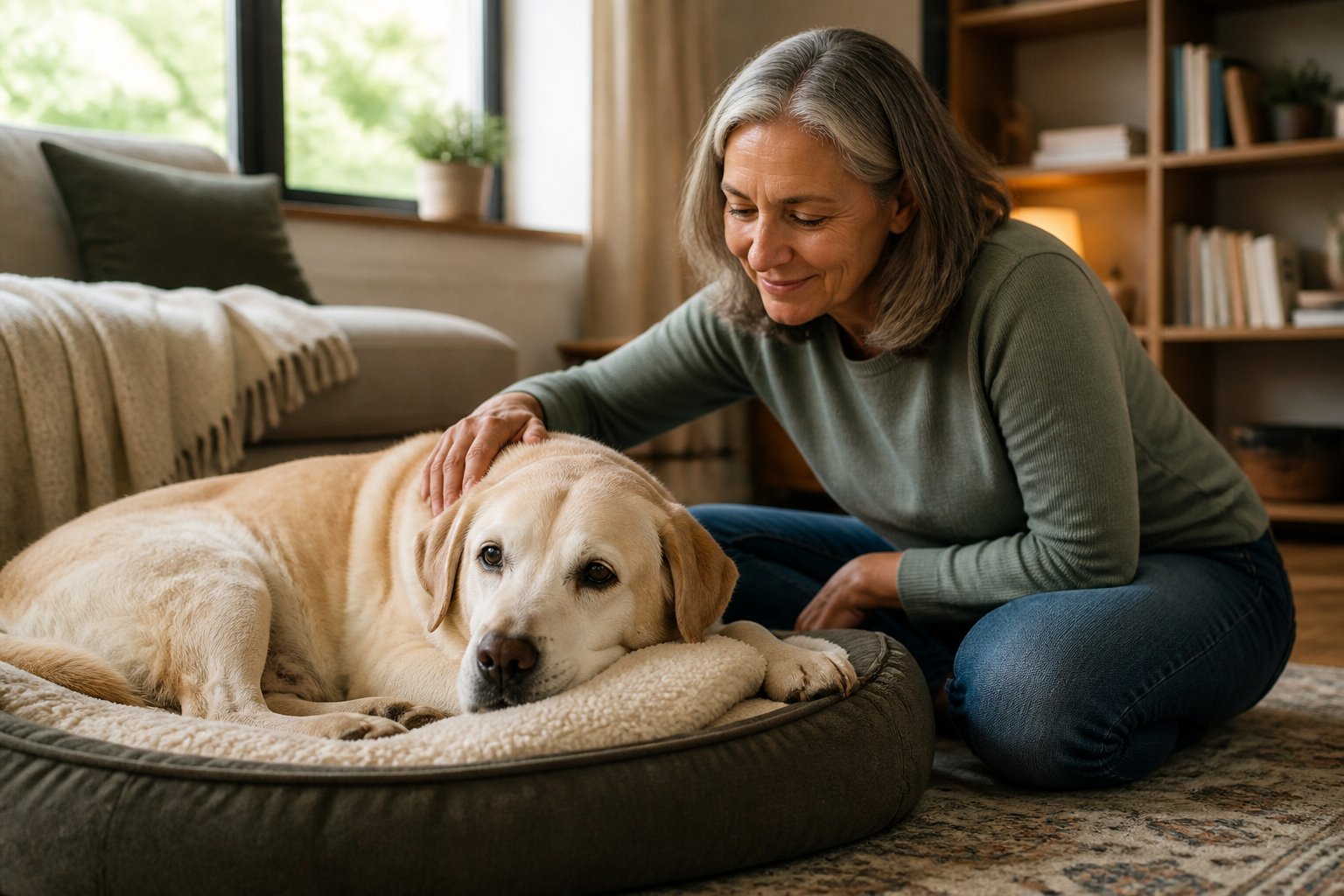
Senior dogs go through natural shifts in how they act, move, and respond to their surroundings. Some changes are normal parts of aging, while others signal health problems that need attention.
Common Signs of Aging
Energy levels drop as dogs get older. A senior dog may sleep more during the day and show less interest in long walks or play sessions. This happens because their bodies need more rest.
Memory and awareness can decline with age. Dogs might forget familiar routines, stand in corners, or seem confused in spaces they know well. Some senior dogs wander aimlessly or get stuck behind furniture.
Physical abilities change noticeably. Older dogs often move more slowly, struggle with stairs, or have trouble getting up from lying down. Their senses weaken too. Vision and hearing loss are common, which can make dogs startle easily or bump into objects.
Sleep patterns shift in aging dogs. They may sleep during the day but pace or stay awake at night. Some dogs become more vocal, barking or whining without clear reasons.
Distinguishing Normal Aging From Concerning Changes
Normal aging happens gradually over months or years. A dog who slowly becomes less active is likely just getting older. Sudden changes that appear in days or weeks often point to medical issues.
Pain causes specific behavioral changes in senior dogs. A dog in pain may snap when touched, avoid being petted, or guard certain body parts. They might also pant heavily while resting or refuse to eat.
Cognitive decline shows up differently than normal forgetfulness. Dogs with dementia may not recognize family members, lose house training after years of being clean, or show extreme anxiety. These signs need veterinary evaluation.
Normal aging includes gradual energy loss, mild stiffness after rest, and some gray hair. Concerning changes include aggression, loss of appetite, excessive drinking, dragging limbs, or disorientation that affects daily life.
When to Call the Vet
Schedule a vet visit when behavior changes appear suddenly. Any shift that happens in less than a week needs professional assessment.
Call immediately if a senior dog shows aggression for the first time, stops eating for more than 24 hours, or loses control of their bladder or bowels suddenly. These symptoms can indicate serious health problems.
Contact the vet when old dog behavior changes include circling repeatedly, pressing their head against walls, or seizures. Confusion that makes a dog unable to recognize their home also requires urgent care.
Regular senior wellness exams help catch problems early. Dogs over seven years old should see a vet twice yearly, even without obvious symptoms.
Underlying Causes of New Behaviors
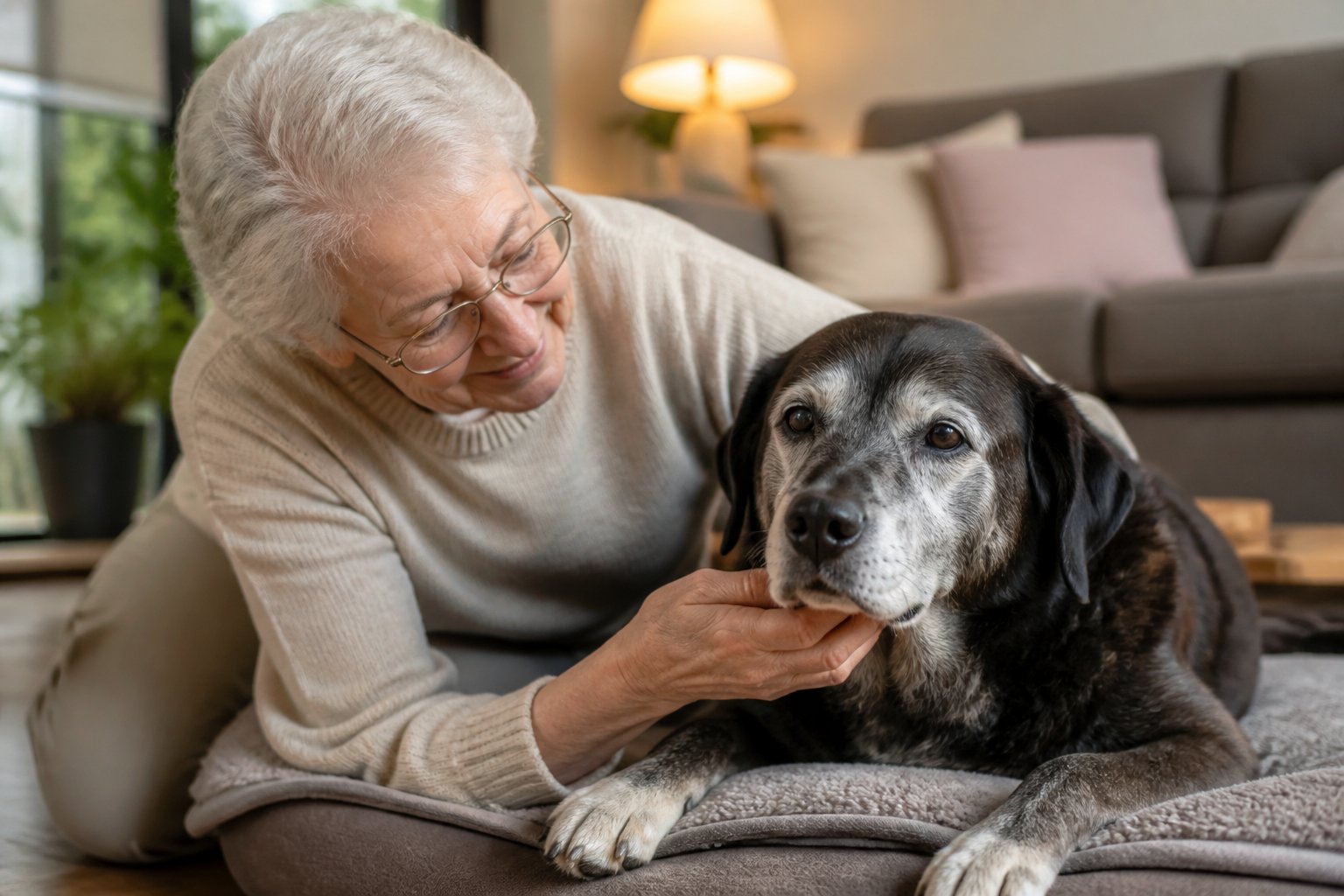
When aging dogs start acting differently, physical health problems are usually the reason. Pain, reduced vision and hearing, and hormonal imbalances can all change how senior dogs behave.
Role of Pain and Physical Health
Pain is one of the most common reasons for behavior changes in senior dogs. Arthritis affects many older dogs and makes movement uncomfortable. A dog that hurts may snap when touched, refuse to climb stairs, or stop playing with family members.
Dogs with dental disease often become irritable because their teeth and gums hurt constantly. Internal pain from organ problems can make a normally calm dog restless or aggressive. Some senior dogs stop eating or hide when they feel pain.
Physical health issues like heart disease, kidney problems, or cancer also affect old dog behavior. These conditions can make dogs tired, confused, or anxious. A dog with breathing problems might seem nervous or unable to settle down.
Watch for signs like limping, stiffness after rest, reluctance to jump, or sensitivity to touch. These all point to pain that needs treatment.
Sensory Decline and Nuclear Sclerosis
Senior dog vision and hearing naturally decline with age. Nuclear sclerosis is a cloudy appearance in the eye lens that happens to most dogs over eight years old. This condition makes it harder for dogs to see in dim light but doesn’t cause blindness.
Dogs with poor vision may startle easily, bump into furniture, or hesitate on stairs. They might not recognize family members from a distance or seem confused in new places.
Hearing loss makes senior dogs less responsive to commands. A dog might ignore its name, sleep through doorbells, or bark more than usual. Some deaf dogs become clingy because they can’t hear their owners nearby.
These sensory changes often cause anxiety in aging dogs. A dog that can’t see or hear well feels less secure and may act defensive or withdrawn.
Impact of Metabolic and Hormonal Disorders
Metabolic and hormonal problems frequently cause sudden behavior shifts in senior dogs. Cushing’s disease leads to increased thirst, hunger, and urination. Dogs with this condition may have accidents indoors or beg for food constantly.
Hypothyroidism slows down metabolism and can make dogs sluggish, gain weight, and seem depressed. Some dogs with low thyroid levels become aggressive or fearful without obvious reasons.
Diabetes causes excessive drinking and urination, which means more indoor accidents. Diabetic dogs often seem hungry all the time despite eating regular meals.
Kidney disease and liver problems also change senior dog behavior. These conditions can cause confusion, loss of appetite, increased thirst, and house soiling. Early detection and treatment of these disorders helps manage behavior problems and improves quality of life.
Canine Cognitive Dysfunction and Dog Dementia
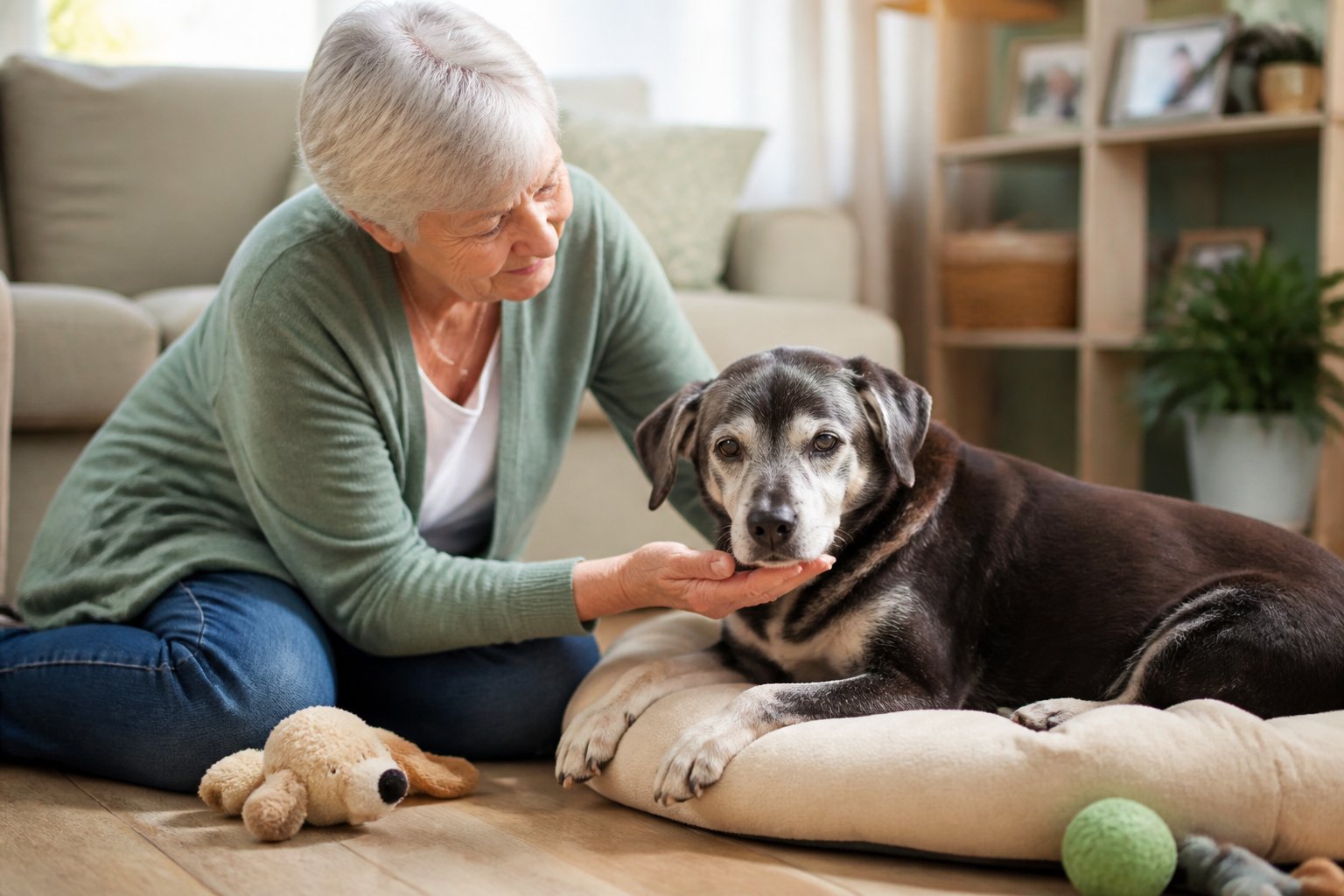
Canine cognitive dysfunction affects aging dogs in ways similar to Alzheimer’s disease in humans, causing changes in memory, awareness, and behavior. Understanding the symptoms, how the condition progresses, and available treatment options helps owners provide better care for their senior pets.
Symptoms of Cognitive Dysfunction Syndrome
Dogs with cognitive dysfunction syndrome show distinct behavioral changes that typically develop gradually. The most common signs include disorientation in familiar places, such as getting stuck behind furniture or appearing confused in their own home.
Sleep patterns often shift dramatically. Dogs may sleep more during the day but pace restlessly at night. House training issues can emerge even in previously well-trained pets.
Additional symptoms include:
- Decreased interaction with family members
- Anxiety when separated from owners
- Reduced interest in play or favorite activities
- Staring at walls or into space
- Difficulty recognizing familiar people or pets
- Increased irritability or aggression
Memory problems become apparent when dogs forget learned commands or fail to recognize once-familiar routines. Some dogs may stand at the wrong side of a door to go out or forget why they entered a room.
Stages and Progression of Doggie Dementia
Dog dementia typically begins developing when dogs reach 8 to 9 years old. The condition progresses through stages, though not all dogs experience every stage at the same pace.
Early stages involve mild confusion and slight changes in daily routines. Dogs might occasionally seem disoriented or take longer to respond to commands. These subtle changes are easy to miss initially.
Moderate stages bring more noticeable problems. Dogs become confused more frequently and may wander aimlessly. Sleep-wake cycles become increasingly disrupted. House soiling accidents become more common.
Advanced stages involve severe disorientation and significant memory loss. Dogs may not recognize family members consistently. They often experience high anxiety and may vocalize excessively, especially at night. Basic functions like eating and drinking can become challenging.
The progression varies significantly between individual dogs. Some decline rapidly while others maintain stable symptoms for extended periods.
Treatment and Support Options
While no cure exists for canine cognitive dysfunction, several treatment options can slow progression and improve quality of life. Anipryl (selegiline) is an FDA-approved medication that helps manage symptoms in some dogs by supporting brain function.
Dietary changes can support brain health. Foods rich in antioxidants, omega-3 fatty acids, and medium-chain triglycerides may help slow cognitive decline. Several prescription diets are specifically formulated for senior dogs with cognitive issues.
Environmental modifications include:
- Maintaining consistent daily routines
- Using night lights to reduce nighttime confusion
- Keeping furniture in the same locations
- Providing easy access to water and food
- Using ramps for dogs with mobility issues
Mental stimulation remains important. Gentle play, short training sessions, and puzzle toys appropriate for their cognitive level can help maintain brain function. Regular exercise supports overall health and may slow cognitive decline.
Supplements like SAMe, vitamin E, and certain B vitamins show promise in supporting brain health. Consult with a veterinarian before starting any supplement regimen to ensure proper dosing and avoid interactions with other medications.
Manifestations of Anxiety and Emotional Changes
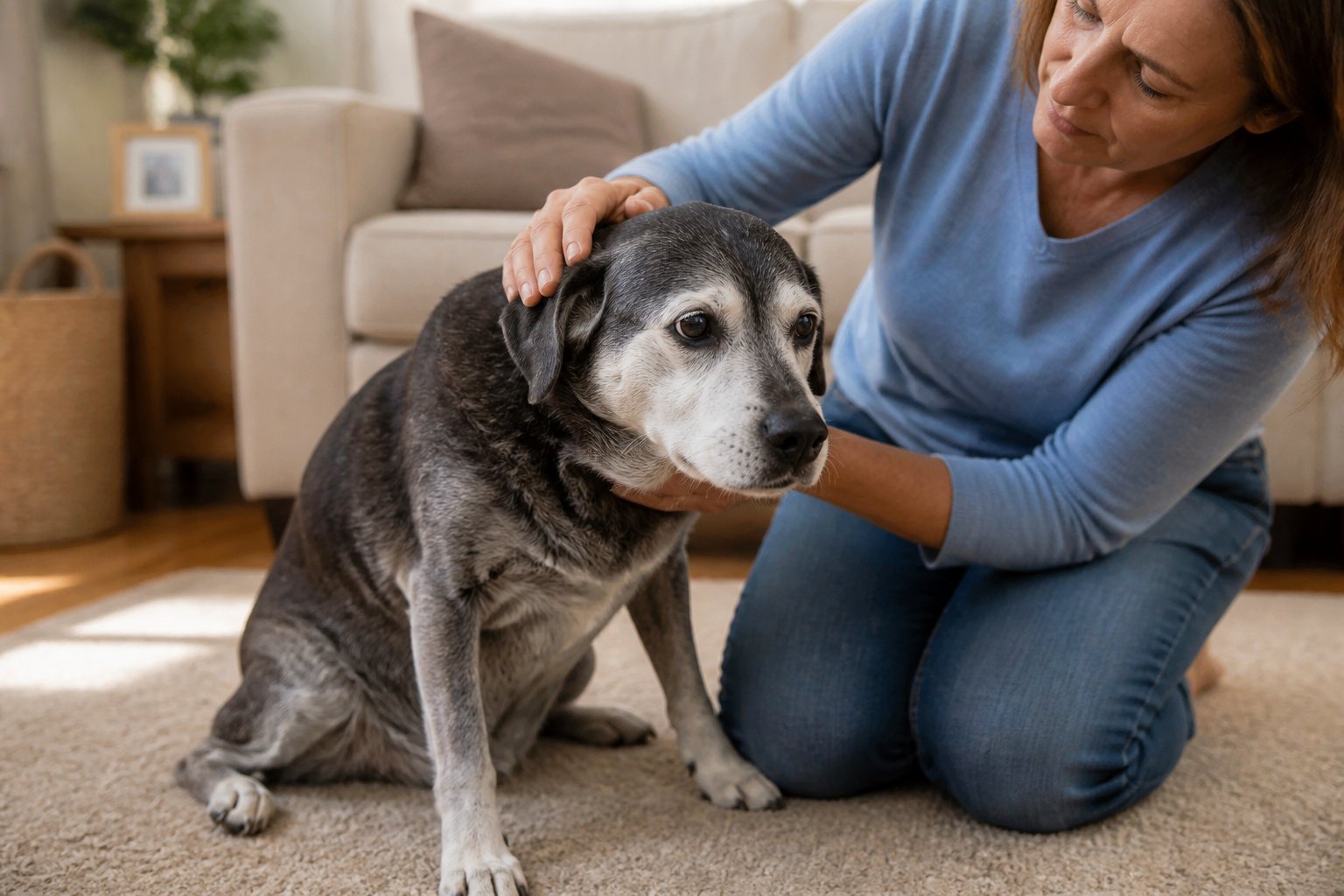
Senior dogs often develop anxiety symptoms they never showed before, including increased restlessness, pacing, excessive vocalization, and clinginess. These emotional shifts can stem from physical discomfort, cognitive decline, or changes in their ability to see and hear clearly.
Identifying Senior Dog Anxiety
Senior dog anxiety shows up in several distinct ways. Dogs may pace back and forth without settling, particularly during evening hours. They might whine, bark, or howl more than usual, especially when left alone.
Physical signs include panting when not hot, trembling, or drooling without cause. Some dogs become clingy and follow their owners from room to room. Others may have accidents in the house despite being housetrained for years.
Sleep disturbances are common. Dogs may wake frequently during the night or seem confused when they wake up. They might stand in corners or get stuck behind furniture, appearing disoriented.
Changes in appetite can signal anxiety too. Some senior dogs eat less while others seek comfort through food.
Managing New Fears and Dependencies
Older dogs often develop fears of things that never bothered them before. Thunder, fireworks, or loud noises may suddenly cause panic. Some become afraid of slippery floors, stairs, or being alone.
Common approaches to reduce anxiety include:
- Maintaining consistent daily routines for feeding, walks, and bedtime
- Creating a quiet, comfortable space with familiar bedding
- Using nightlights to help dogs with vision loss navigate at night
- Avoiding punishment for anxious behaviors
- Providing gentle reassurance without reinforcing fearful reactions
Environmental changes help many dogs feel more secure. Non-slip rugs on hardwood floors give better traction. Ramps can replace stairs. White noise machines may mask scary outdoor sounds.
Some dogs benefit from calming supplements, anxiety wraps, or pheromone diffusers. Increased mental stimulation through gentle play and puzzle toys keeps minds active.
Working With a Veterinary Behaviorist
A veterinary behaviorist is a specialist trained in both animal behavior and medicine. They can determine whether senior dog behavior problems stem from medical issues, cognitive decline, or anxiety disorders.
These professionals conduct thorough evaluations that include medical history, physical exams, and behavioral assessments. They develop treatment plans that may combine behavior modification, environmental changes, and medication when needed.
Medication options like anti-anxiety drugs or supplements supporting brain health can significantly improve quality of life. Behavior therapy teaches dogs new coping strategies through positive reinforcement training adapted for senior limitations.
Pet owners should seek this specialized help when anxiety interferes with daily life or when standard management strategies fail to bring relief.
Common Behavior Challenges and Solutions
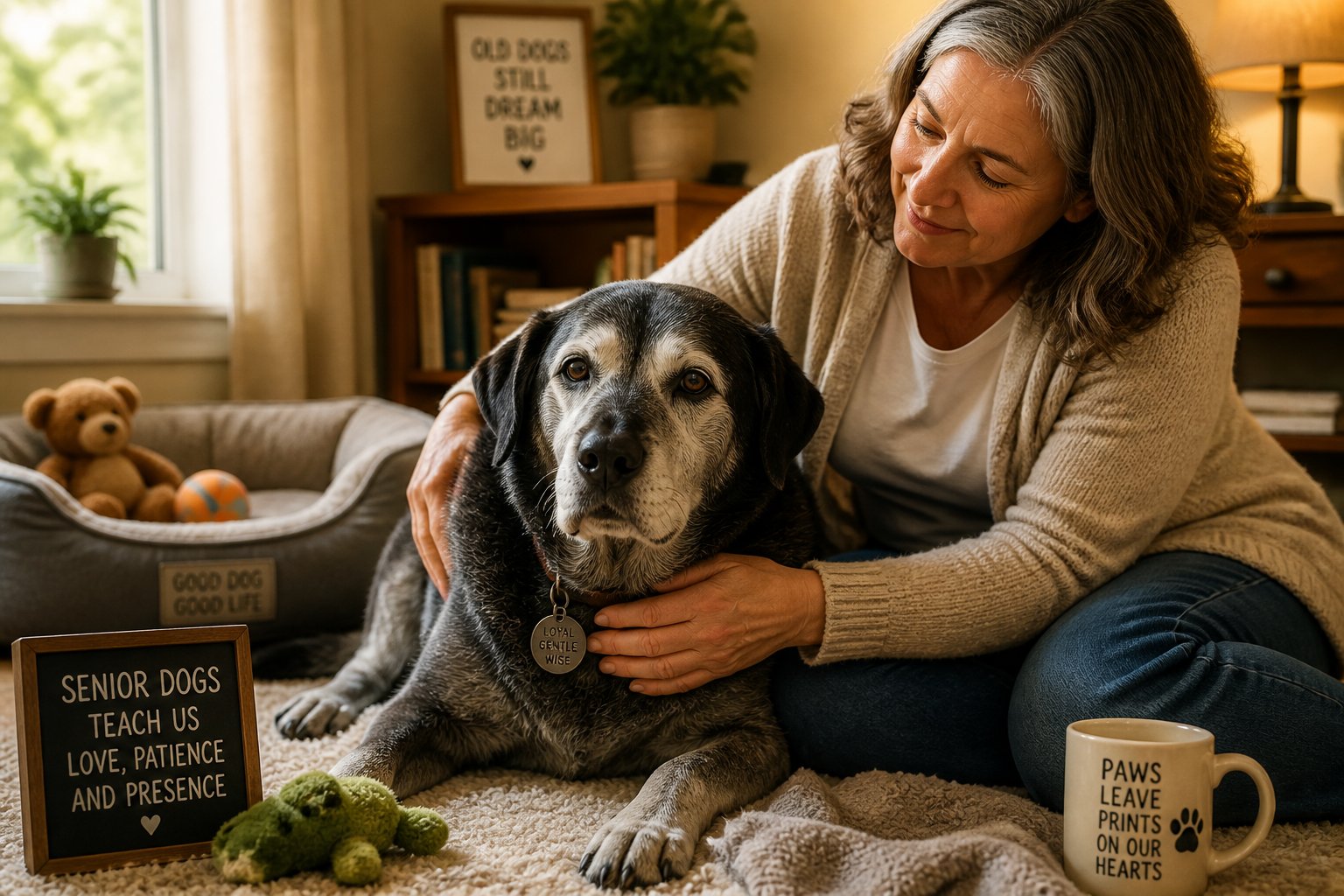
Senior dogs often develop specific behavioral issues that stem from physical discomfort, cognitive decline, or sensory changes. These challenges can be managed with practical adjustments to care routines and living environments.
Sleep Disturbances and Nighttime Restlessness
Many senior dogs experience disrupted sleep patterns and may wake frequently during the night. This change often results from joint pain, the need to urinate more often, or confusion related to cognitive decline.
Owners can help by establishing a consistent bedtime routine and creating a comfortable sleeping area. Orthopedic beds provide joint support and reduce discomfort. A nightlight in the sleeping area helps dogs with declining vision navigate safely if they wake up confused.
Helpful strategies include:
- Moving the dog’s bed to a quiet location away from household noise
- Limiting water intake two hours before bedtime to reduce nighttime bathroom needs
- Providing gentle exercise during the day to promote better sleep
- Using calming aids like pheromone diffusers if anxiety contributes to restlessness
If sleep disturbances persist or worsen, a veterinary exam can identify underlying medical issues such as arthritis or cognitive dysfunction that may require treatment.
House Soiling and Incontinence
House soiling ranks among the most common senior dog behavior problems. Age-related muscle weakness, reduced bladder control, cognitive decline, or medical conditions like urinary tract infections often cause these accidents.
Dogs who previously had reliable house training may start having accidents indoors. Some dogs lose awareness of when they need to go outside, while others physically cannot hold their bladder as long as before.
Management approaches:
- Increase bathroom breaks to every 3-4 hours
- Use waterproof pads in sleeping and resting areas
- Install a doggy door for independent access to the yard
- Consider doggy diapers for severe incontinence cases
- Clean accidents with enzymatic cleaners to remove odors
Medical evaluation is essential to rule out treatable conditions. Medications can help strengthen bladder muscles in some cases.
Handling Aggression and Irritability
Senior dogs may become more irritable or show aggression when they previously showed no such behavior. Pain from arthritis or dental disease commonly triggers these old dog behavior changes. Hearing or vision loss can also cause dogs to startle easily and react defensively.
Dogs in pain may snap when touched in sensitive areas or resist activities like climbing stairs. Those with cognitive decline may not recognize familiar people or situations, leading to fear-based aggression.
Safety measures include:
- Scheduling a thorough veterinary exam to identify pain sources
- Approaching the dog from their line of sight rather than from behind
- Teaching children and visitors to give the dog space
- Providing pain management through medications or supplements as prescribed
- Creating a quiet retreat space where the dog can rest undisturbed
Owners should never punish aggressive behavior in senior dogs, as this typically worsens the problem. Identifying and treating the underlying cause addresses the root of the issue.
Enrichment and Daily Life Adjustments
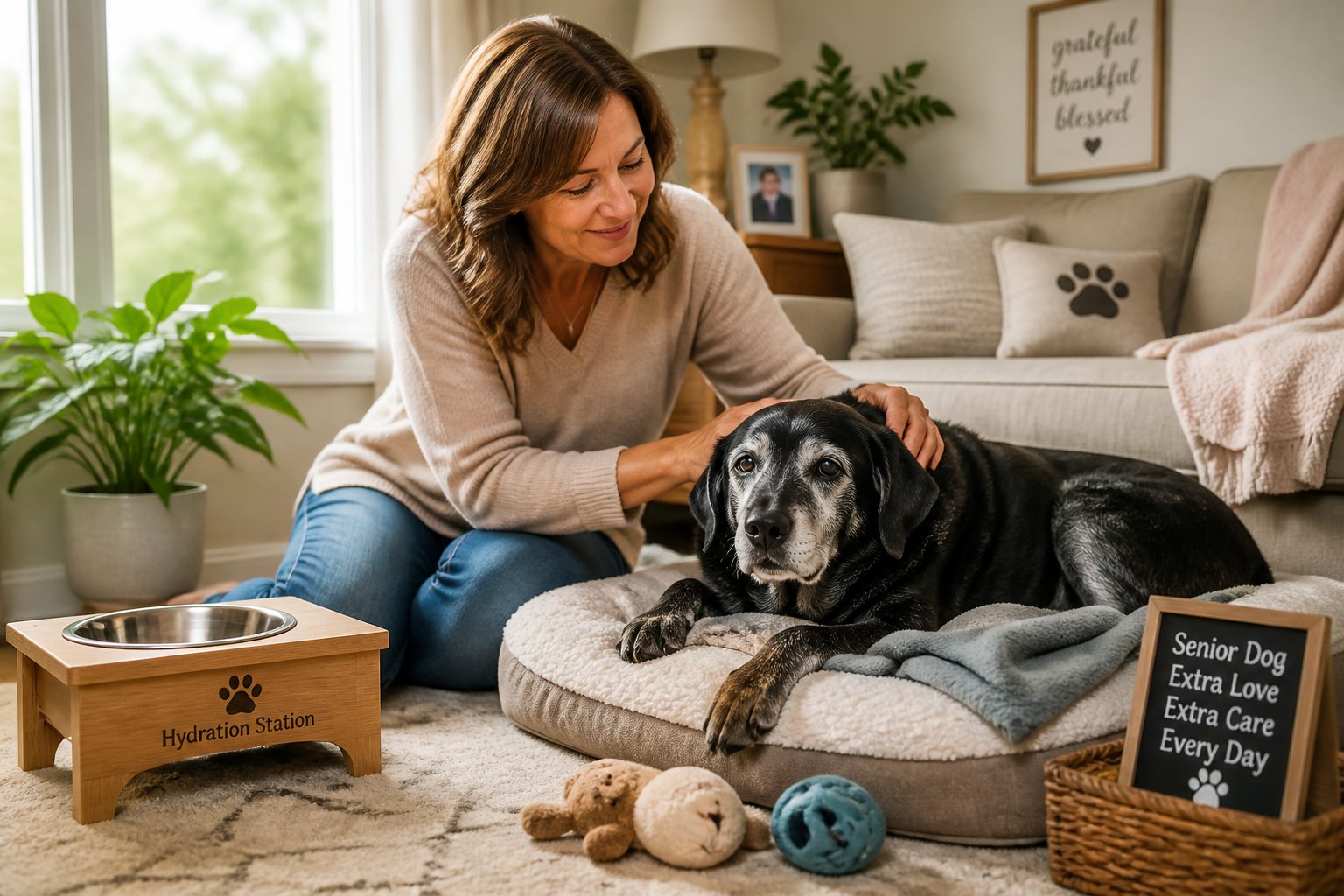
Senior dogs need mental and physical activities adapted to their changing abilities. Simple changes to feeding methods, daily schedules, and living spaces can reduce stress and keep aging minds sharp.
Use of Puzzle Feeders and Snuffle Mats
Puzzle feeders and snuffle mats offer low-impact mental exercise that suits dogs with reduced mobility. These tools work by hiding food in compartments or fabric folds, encouraging dogs to use their sense of smell and problem-solving skills to find treats.
Benefits for senior dogs include:
- Reduced eating speed, which helps prevent digestive issues
- Mental stimulation without physical strain
- Decreased anxiety and boredom-related behaviors
- Natural foraging behavior that keeps the brain active
Owners should start with easier puzzles and gradually increase difficulty based on their dog’s interest and ability. Dogs with vision problems often perform well with snuffle mats since they rely primarily on scent. Sessions should last 10-15 minutes to prevent frustration or fatigue.
Maintaining Routines and Environmental Stability
Aging dogs benefit from consistent daily schedules and familiar surroundings. Changes in feeding times, walk schedules, or household layout can increase confusion and stress in senior pets.
A stable routine helps dogs with cognitive decline know what to expect throughout the day. Meals, bathroom breaks, and rest periods should occur at the same times each day. Furniture and food bowls should stay in their usual locations to help dogs with declining vision or memory navigate safely.
New family members, moving furniture, or changing the dog’s sleeping area should be introduced gradually when possible. These adjustments give senior dogs time to adapt without becoming overwhelmed.
Supporting Quality of Life in Aging Dogs
Quality of life in aging dogs depends on addressing both physical comfort and mental engagement. Owners can promote well-being through environmental modifications and appropriate activities.
Soft bedding in quiet areas gives senior dogs comfortable rest spaces away from household traffic. Ramps or steps help dogs with arthritis access furniture or vehicles safely. Non-slip rugs on hard floors prevent falls and provide confidence for dogs with mobility issues.
Activities should match current energy levels and physical limitations. Short, frequent walks often work better than long outings. Gentle play sessions, basic training refreshers, and calm social interactions keep dogs engaged without exhaustion. Regular veterinary checkups help identify health issues early and guide appropriate activity levels.
Frequently Asked Questions
Senior dogs commonly experience changes in sleep patterns, anxiety levels, vocalization, and social behavior as they age. Some changes are normal parts of aging, while others signal pain, cognitive decline, or medical conditions that need veterinary attention.
What behavior changes are normal in senior dogs, and when should I be concerned?
Normal aging changes include sleeping more during the day, moving more slowly, and showing less interest in play. Senior dogs often take longer to warm up to new situations and may prefer shorter walks. Their senses of hearing and sight typically decline, which can make them startle more easily.
Concerning changes include sudden confusion, getting lost in familiar places, or forgetting learned behaviors. Dogs who stop eating, show significant personality changes, or develop new aggressive behaviors need veterinary evaluation. Any behavior change that affects a dog’s quality of life or happens suddenly rather than gradually warrants a vet visit.
Changes in bathroom habits, excessive panting, or signs of pain like whimpering when touched are not normal aging. These symptoms often indicate underlying medical problems that require treatment.
What are the red flags in an older dog that mean I should contact a veterinarian right away?
Difficulty breathing, collapse, or seizures require immediate emergency care. Any senior dog who cannot stand, refuses all food and water for more than 24 hours, or has uncontrolled vomiting or diarrhea needs urgent veterinary attention.
Sudden blindness, extreme lethargy, or significant changes in gum color from pink to white, blue, or bright red are emergencies. Dogs who cry out in pain, show severe bloating, or exhibit symptoms of heatstroke need same-day care.
Disorientation combined with pacing, circling, or pressing their head against walls can indicate serious neurological problems. Any injury, suspected poisoning, or bleeding that won’t stop requires immediate veterinary intervention.
Why is my senior dog suddenly anxious or restless at night, and what can I do to help?
Nighttime anxiety in senior dogs often stems from cognitive dysfunction syndrome, which affects their sleep-wake cycles. Dogs with this condition may feel confused or disoriented when it gets dark. Pain from arthritis or other conditions frequently worsens at night, making dogs uncomfortable and unable to settle.
Vision and hearing loss make nighttime more stressful for older dogs who can’t navigate as easily in the dark. Some senior dogs develop sundowner’s syndrome, similar to what humans with dementia experience.
A nightlight can help dogs with vision problems feel more secure. Keeping a consistent bedtime routine and placing their bed in a quiet, comfortable area often reduces anxiety. Veterinarians can prescribe medications or supplements that help with nighttime restlessness and cognitive dysfunction.
How can I tell whether my senior dog is still healthy, including during the nighttime hours?
A healthy senior dog maintains a consistent appetite, drinks normal amounts of water, and has regular bathroom habits. They should be able to rise from rest without extreme difficulty and show interest in their surroundings, even if less enthusiastically than when younger.
At night, healthy senior dogs sleep peacefully for most of the nighttime hours. They should be able to walk to their water bowl or outside for bathroom breaks without significant confusion or distress. Normal senior dogs may wake more frequently but should settle back down relatively easily.
Weight maintenance, clean eyes and ears, and skin without excessive lumps or irritation indicate good health. Regular veterinary checkups every six months help catch problems early in senior dogs.
Why does my 15-year-old dog whine so much, and what are common causes in older dogs?
Pain is the most common reason senior dogs whine, especially from conditions like arthritis, dental disease, or cancer. A 15-year-old dog experiencing discomfort may whine when moving, lying down, or being touched in sensitive areas.
Cognitive dysfunction causes confusion and anxiety that leads to increased vocalization. Dogs with this condition may whine because they feel lost or don’t recognize familiar surroundings. Hearing loss can also cause excessive whining since dogs can’t hear their own voice and may vocalize more loudly.
Some senior dogs whine to get attention or because they need something they can no longer easily obtain themselves. Bladder control issues may cause whining when a dog needs to go outside more urgently. Vision problems can make dogs anxious and more vocal, especially in new situations or dim lighting.
When does aggression in a senior dog indicate a serious quality-of-life issue or a need to discuss euthanasia?
Aggression that stems from constant, unmanageable pain suggests a dog’s quality of life has significantly declined. When pain medications and other treatments no longer provide relief, and a dog responds with aggression to normal handling or care, end-of-life discussions become necessary.
Dogs who bite family members unpredictably due to severe cognitive dysfunction may pose a safety risk that cannot be managed. If a senior dog can no longer recognize family members and reacts with fear-based aggression, their confusion and anxiety may be too severe for a good quality of life.
The decision becomes clearer when aggression combines with other severe symptoms like inability to eat, constant disorientation, or loss of mobility. Veterinarians can help assess whether the aggression indicates suffering that cannot be reasonably managed. Quality-of-life assessments that score a dog’s ability to eat, breathe comfortably, move, and experience more good days than bad provide objective measures for these difficult decisions.