Why Do Dogs Pant: Essential Information Every Dog Owner Should Know
Dogs pant as their primary way to cool down since they cannot sweat like humans do. When a dog breathes rapidly with its mouth open and tongue out, it releases heat and moisture from its body. This normal behavior helps regulate body temperature and keeps dogs comfortable.
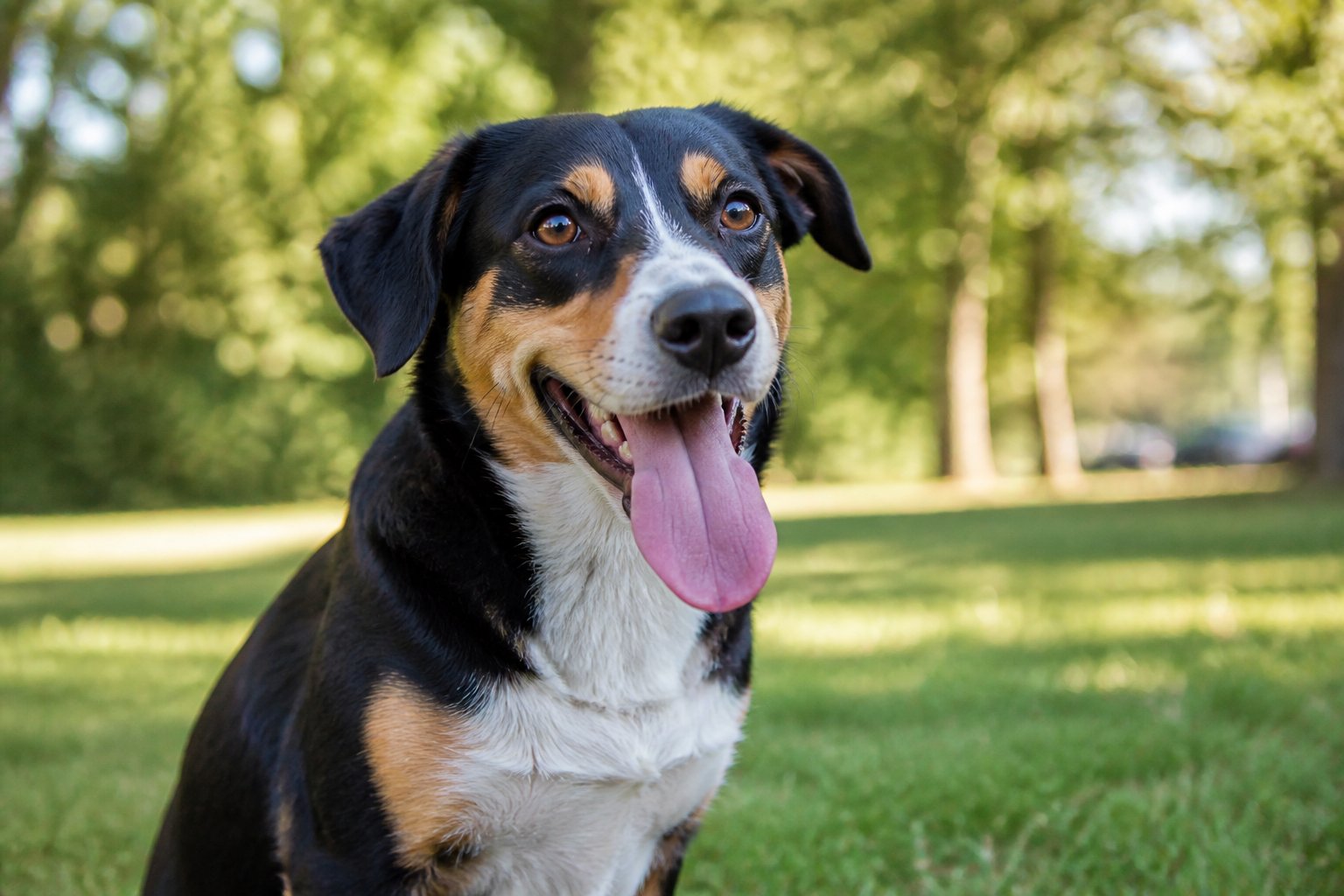
Panting serves several purposes beyond cooling, including expressing excitement, stress, or responding to physical activity. Most of the time, panting is completely harmless and expected. Dogs naturally pant after exercise, during warm weather, or when they feel happy and energetic.
However, some panting signals a problem that needs attention. Understanding the difference between normal and concerning panting helps owners know when their dog is fine and when to contact a vet. Recognizing unusual patterns, intensity, or timing of panting can alert owners to potential health issues before they become serious.
Understanding Panting in Dogs
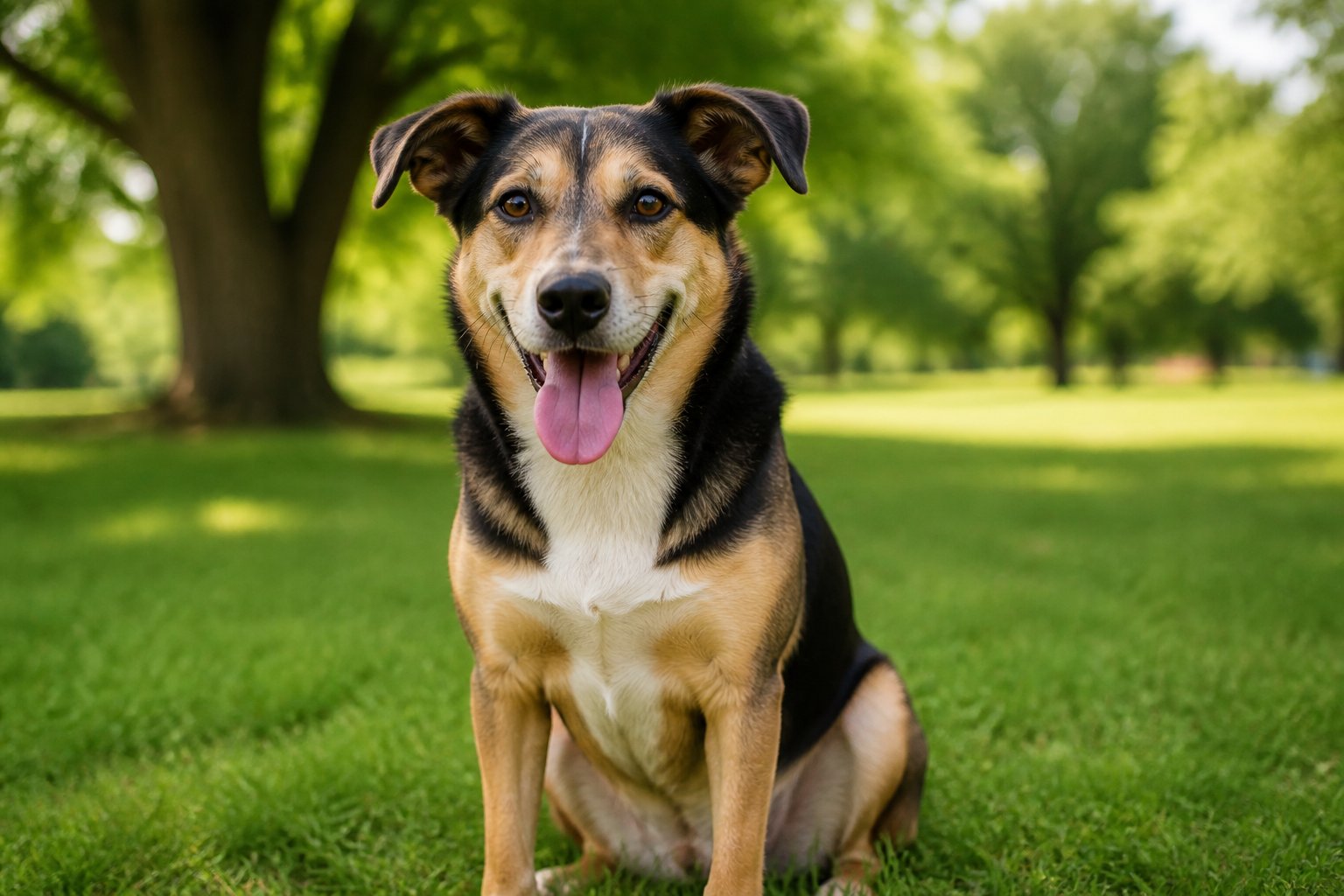
Dogs pant as their primary cooling system, but recognizing the difference between healthy breathing patterns and warning signs requires attention to context, frequency, and accompanying behaviors.
Normal vs. Abnormal Panting
Normal panting occurs when a dog needs to cool down after exercise or on warm days. The breathing appears steady and rhythmic, with an open mouth and relaxed facial expression. Dogs typically breathe between 10 to 30 breaths per minute at rest, but this rate increases during panting.
Abnormal panting looks different. It may start suddenly without physical activity or heat exposure. The breathing often sounds labored, shallow, or excessively rapid.
Dogs showing abnormal panting might also display restlessness, refusing to settle down or lie comfortably. Excessive panting paired with pale gums, weakness, or confusion requires immediate veterinary attention. Pain, illness, or serious health conditions like heart problems can trigger this type of breathing pattern.
How Dogs Regulate Temperature
Dogs lack sweat glands across most of their body, making them dependent on panting to stay cool. When a dog pants, air moves rapidly over the tongue, mouth, and upper respiratory tract. This airflow causes moisture to evaporate, which removes heat from the body.
The process works efficiently in healthy dogs under normal conditions. However, breeds with flat faces struggle with this cooling method due to their shortened airways. Hot weather, humidity, and physical exertion increase the need for temperature regulation through panting.
The Role of Body Language
Body language provides crucial context for interpreting panting in dogs. A dog panting with a wagging tail, relaxed posture, and bright eyes likely feels happy or excited. The ears sit in a natural position, and the overall stance appears loose.
Stress-related panting comes with different signals. The dog may show whale eye (visible whites of the eyes), flattened ears, or a tucked tail. Yawning, lip licking, and pacing often accompany anxious panting.
Pain creates distinct body language too. Dogs experiencing discomfort might pant while holding their body rigid or avoiding movement. They may also seek isolation or react defensively to touch.
Common Causes of Panting
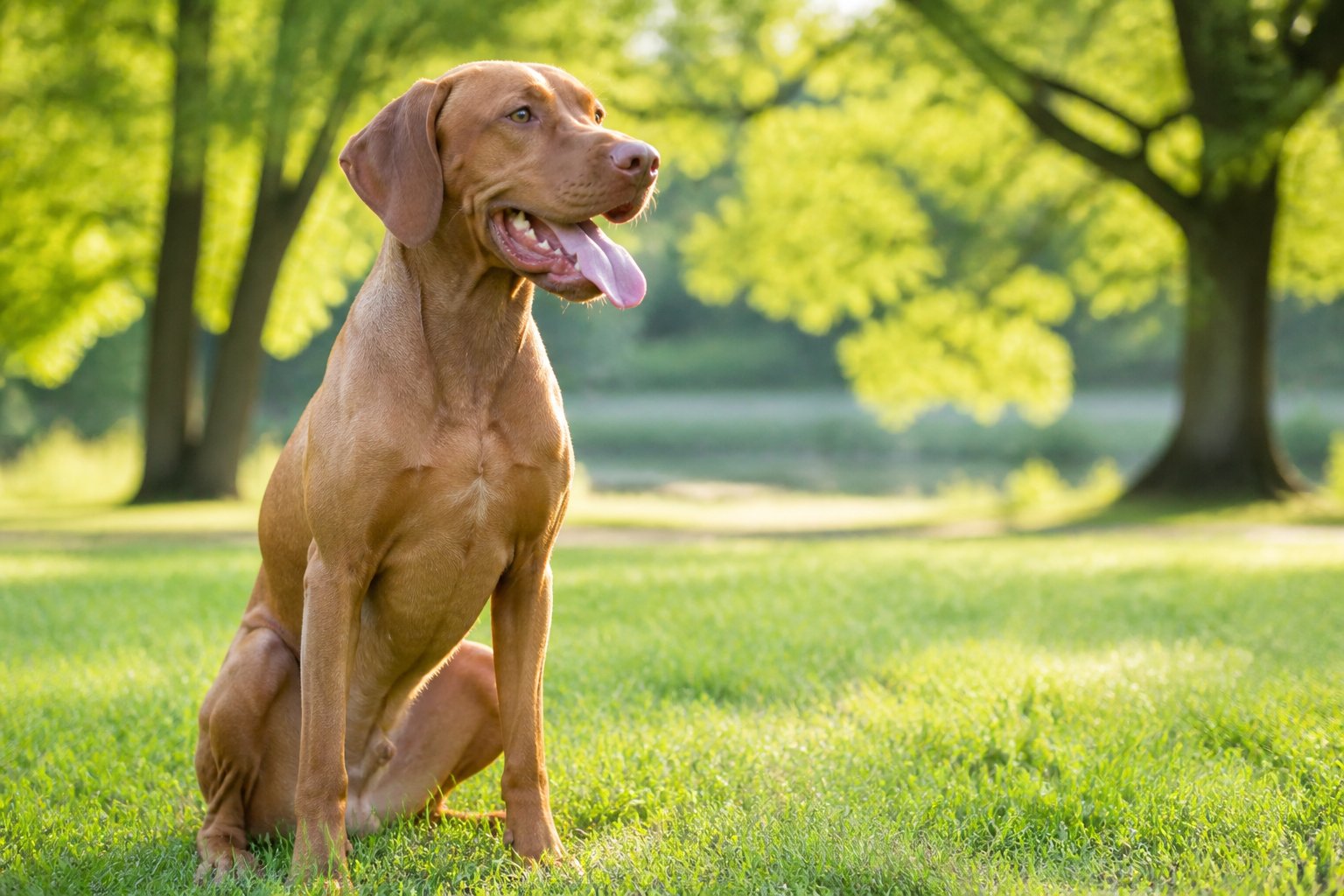
Dogs pant for several everyday reasons that are completely normal. The three most common triggers are temperature regulation, physical activity or excitement, and emotional states like stress or anxiety.
Cooling Down and Heat
Dogs don’t sweat through their skin like humans do. Instead, they release heat through panting. When a dog pants, air moves quickly over the tongue, mouth, and upper respiratory tract. This process helps water evaporate from these surfaces, which cools the blood vessels in those areas.
Hot weather and exercise are the most common reasons dogs need to cool down. Even a short walk on a warm day can trigger panting. Dogs with thick coats or flat faces often pant more because they have a harder time staying cool.
The panting should slow down once the dog rests in a cool spot and drinks water. Normal cooling panting has a steady rhythm and the dog appears relaxed otherwise.
Excitement and Play
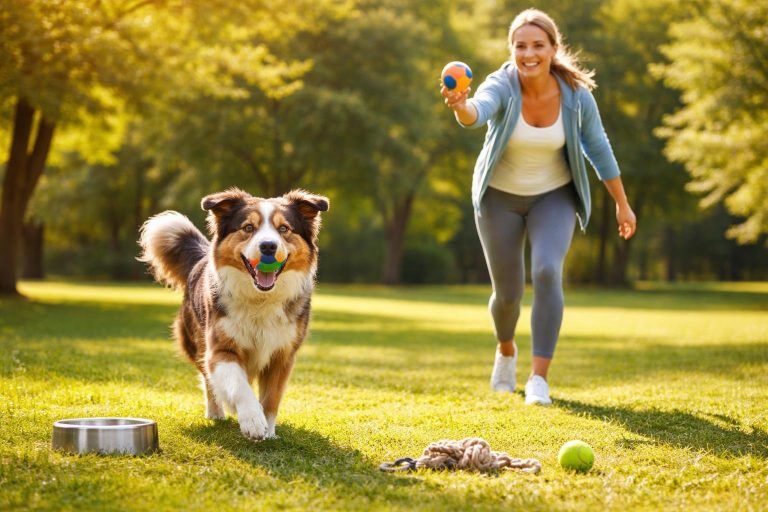
Dogs frequently pant when they feel excited or happy. This type of panting often happens when owners come home, before a walk, or during playtime with other dogs. The body releases energy during these moments, which raises the heart rate and body temperature slightly.
Excitement panting usually comes with other signs of joy. The dog might wag their tail, jump around, or make happy sounds. Their whole body shows they’re in a positive state.
This panting is harmless and stops naturally once the dog calms down. Removing the dog from the exciting situation helps them settle faster if needed.
Emotional Responses: Stress and Anxiety
Panting can signal that a dog feels stressed, anxious, or uncomfortable. Common stressors include thunderstorms, fireworks, vet visits, car rides, or unfamiliar environments. Some dogs also pant when they feel scared or overwhelmed.
Stress panting looks different from normal panting. It often appears excessive for the situation and may come with other anxiety signs. These include pacing, whining, pinned-back ears, or avoiding eye contact.
Dogs might also pant from stress in situations that seem calm to humans. Each dog has different triggers based on past experiences and personality. Recognizing stress panting helps owners address the underlying cause and comfort their pet.
Excessive and Heavy Panting: Health Implications
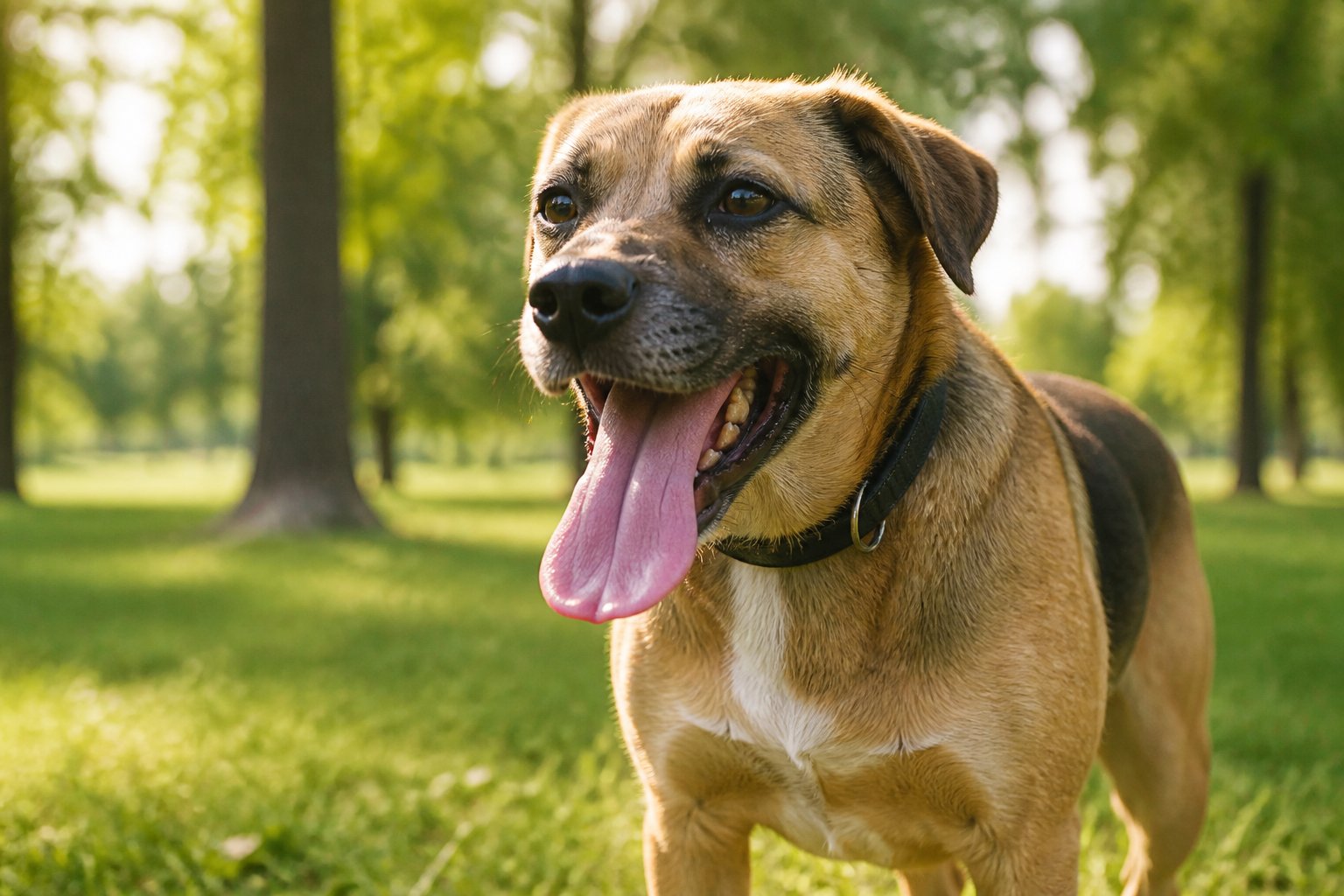
While panting helps dogs cool down and is perfectly normal after exercise or excitement, excessive or heavy panting without an obvious cause can signal serious health problems. Dogs don’t sweat like humans, so they rely on panting to regulate body temperature, but when this behavior becomes extreme or happens at rest, it requires attention.
Identifying Excessive Panting
Excessive panting looks different from normal cooling behavior. A dog that pants heavily while resting, continues panting long after exercise ends, or pants at night without heat or activity may have an underlying issue.
Normal panting involves steady, rhythmic breathing with a relaxed body posture. Excessive panting often includes rapid, shallow breaths, restlessness, and signs of distress. The dog may also show other symptoms like drooling, weakness, or changes in gum color.
Warning signs to watch for:
- Panting that starts suddenly without exercise or heat
- Breathing that seems labored or noisy
- Panting accompanied by vomiting or diarrhea
- Changes in appetite or behavior alongside heavy breathing
- Pale or blue-tinted gums
Pet owners should track when the panting occurs and what activities preceded it. This information helps veterinarians diagnose the problem more quickly.
Heatstroke and Overheating
Heatstroke ranks among the most dangerous causes of heavy panting in dogs. When a dog’s body temperature rises above 103°F, the animal can’t cool itself effectively through normal panting.
Dogs left in hot cars, exercised during peak heat, or kept without shade and water face the highest risk. Brachycephalic breeds with short noses struggle even more to regulate temperature. Early signs include excessive drooling, bright red gums, and frantic panting.
As heatstroke progresses, dogs may collapse, vomit, or have seizures. This condition can cause organ failure and death within minutes. Immediate cooling with room-temperature water and emergency veterinary care are critical. Never use ice-cold water, as this can worsen the situation by constricting blood vessels.
Pain-Related Panting
Dogs often pant when they experience pain or discomfort. Unlike humans who can verbally express pain, dogs use behavioral changes to communicate distress.
Pain-related panting may occur with conditions like arthritis, injuries, bloat, or internal problems. The panting might worsen when the dog moves, lies down, or when someone touches certain areas. Dogs in pain may also show restlessness, reluctance to move, or changes in posture.
Older dogs with joint problems frequently pant more at night when lying in one position causes stiffness. Sudden onset of panting combined with a hunched posture, reluctance to eat, or whimpering requires immediate veterinary evaluation. Some serious conditions like bloat or internal bleeding cause rapid breathing and can be fatal without quick treatment.
Breed and Age Considerations
Certain breeds and age groups are more prone to breathing difficulties. Brachycephalic breeds like Bulldogs, Pugs, and Boston Terriers have shortened airways that make breathing harder even in normal conditions. These dogs pant more frequently and are at higher risk for respiratory distress.
Senior dogs often pant more due to heart disease, lung problems, or conditions like Cushing’s disease. As dogs age, their ability to regulate temperature decreases, and underlying health issues become more common. Obesity increases panting in all breeds because excess weight puts strain on the respiratory and cardiovascular systems.
Large breed dogs may develop conditions like dilated cardiomyopathy that cause heavy breathing. Puppies rarely pant excessively unless overheated or ill, so persistent panting in young dogs warrants veterinary attention.
Medical Conditions Influencing Panting
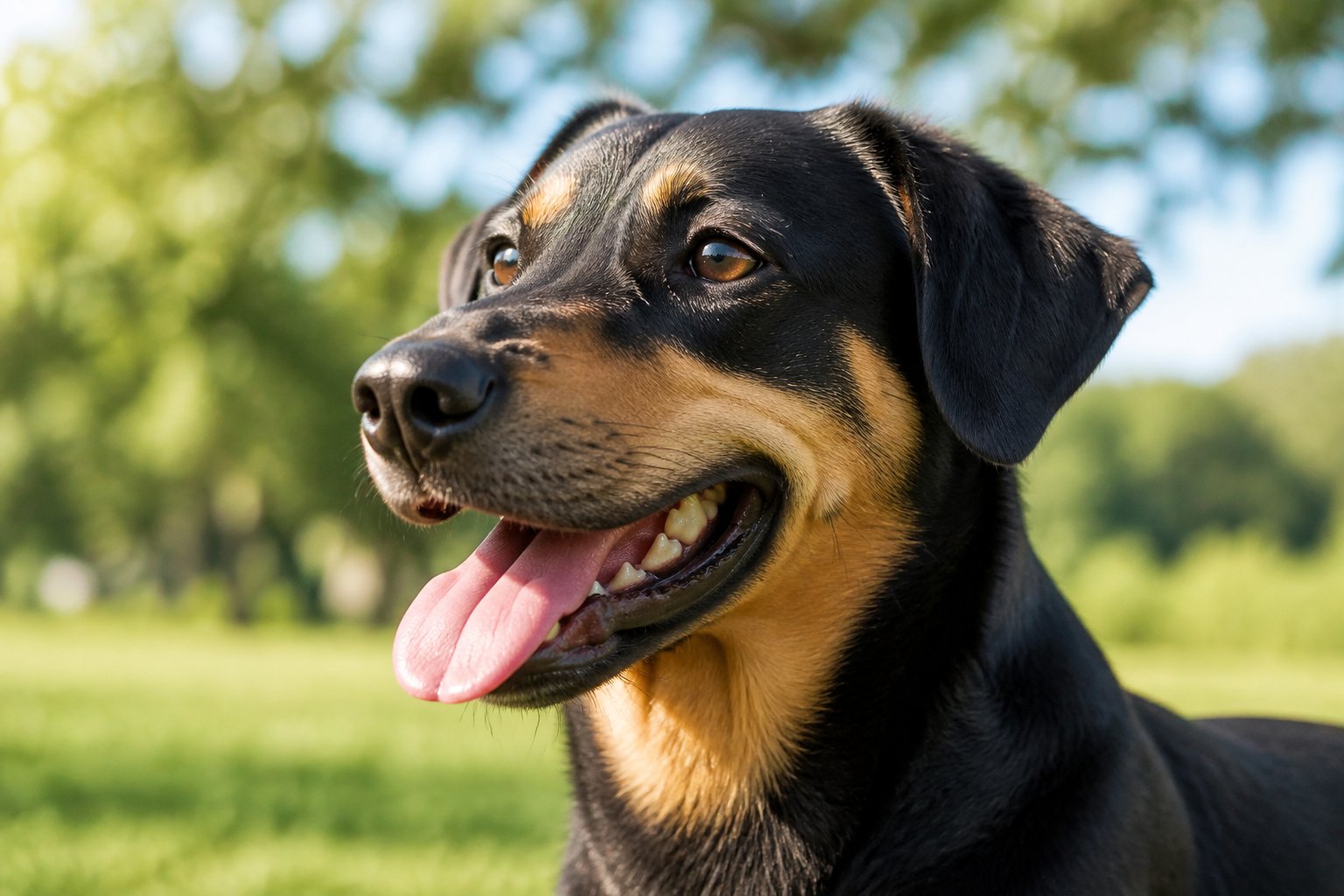
Several medical conditions can cause excessive panting in dogs that goes beyond normal cooling behavior. These health issues range from heart and lung problems to hormonal disorders and reactions to medications.
Heart and Respiratory Issues
Heart disease forces a dog’s cardiovascular system to work harder, which often results in increased panting even during rest. When the heart can’t pump blood efficiently, the body tries to compensate by breathing faster and harder. Dogs with heart conditions may also show reduced energy, coughing, or bluish gums.
Respiratory problems directly affect a dog’s ability to breathe normally. Conditions like pneumonia, lung tumors, or tracheal collapse make it difficult for dogs to get enough oxygen. This difficulty triggers panting as the dog attempts to increase air intake.
Laryngeal paralysis occurs when the airway doesn’t open properly during breathing. This condition is common in older, larger dogs and creates a harsh breathing sound along with constant panting. The dog struggles to move air through a partially blocked airway.
Cushing’s Disease and Hormonal Imbalances
Cushing’s disease happens when a dog’s body produces too much cortisol hormone. Excessive panting is one of the most noticeable signs of this condition. Dogs with Cushing’s disease also drink more water, eat more food, and develop a pot-bellied appearance.
The excess cortisol affects multiple body systems and increases the dog’s metabolic rate. This elevated metabolism generates more body heat, which leads to panting. Other hormonal imbalances, such as thyroid problems, can similarly increase panting by affecting the body’s temperature regulation and energy use.
Medication Side Effects
Certain medications cause panting as a known side effect. Prednisone and other corticosteroids commonly trigger increased panting in dogs. These drugs mimic the effects of cortisol in the body, similar to Cushing’s disease.
Pain medications, anxiety drugs, and some antibiotics may also lead to panting. Pet owners should ask their veterinarian about potential side effects when starting any new medication. If panting begins or worsens after starting a medication, the veterinarian may need to adjust the dosage or switch to a different drug.
How to Assess If Panting Is a Concern
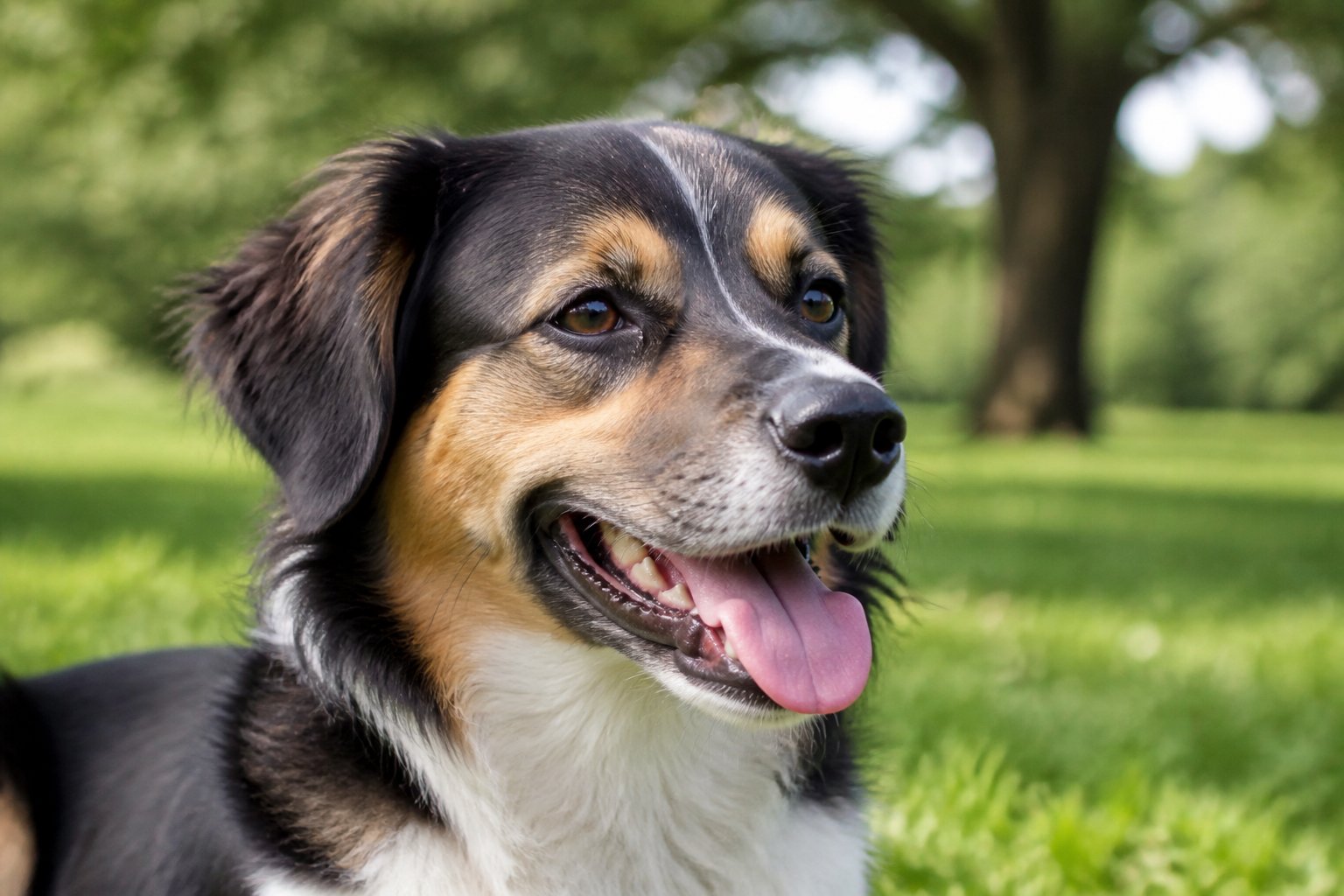
Not all panting signals a problem, but certain patterns and accompanying signs indicate when a dog needs medical attention. Pet owners should watch for changes in panting frequency, intensity, and the context in which it occurs.
Recognizing Red Flags
Several warning signs distinguish normal panting from concerning symptoms. Heavy panting in dogs that occurs at rest or in cool environments suggests something is wrong. Panting accompanied by pale or blue-tinged gums requires immediate attention.
Other red flags include:
- Panting that sounds raspy, harsh, or unusually loud
- Drooling more than normal while panting
- Reluctance to move or lie down comfortably
- Pacing or restless behavior during panting episodes
- Weakness or collapse
Dogs showing distress through body language—such as wide eyes, pinned-back ears, or a tense posture—may be experiencing pain or anxiety. Excessive panting paired with vomiting, diarrhea, or loss of appetite also warrants concern.
When to Contact a Veterinarian
Immediate veterinary care is necessary when panting becomes a medical emergency. Dogs showing signs of heatstroke—including excessive drooling, bright red gums, vomiting, or disorientation—need urgent treatment.
Contact a veterinarian promptly if:
- Panting suddenly becomes much heavier than usual
- The dog’s breathing seems labored or they’re gasping for air
- Panting continues for extended periods without an obvious cause
- The dog recently ingested something toxic
- Other symptoms appear alongside unusual panting
A telehealth consultation can provide quick guidance when unsure about severity. For senior dogs or those with existing health conditions, new panting patterns should be evaluated sooner rather than later.
Monitoring Changes in Panting
Tracking panting in dogs over time helps identify developing problems. Pet owners should note when panting occurs, how long it lasts, and what triggers it. This information proves valuable during veterinary visits.
Keep a simple log that records:
- Time of day panting episodes happen
- Activity level before panting started
- Environmental temperature and conditions
- Duration of panting
- Any other symptoms present
Comparing current panting to the dog’s normal baseline reveals meaningful changes. A dog who previously panted only after exercise but now pants while resting shows a shift worth investigating. Regular observation helps catch gradual changes that might otherwise go unnoticed.
Practical Tips for Managing Panting
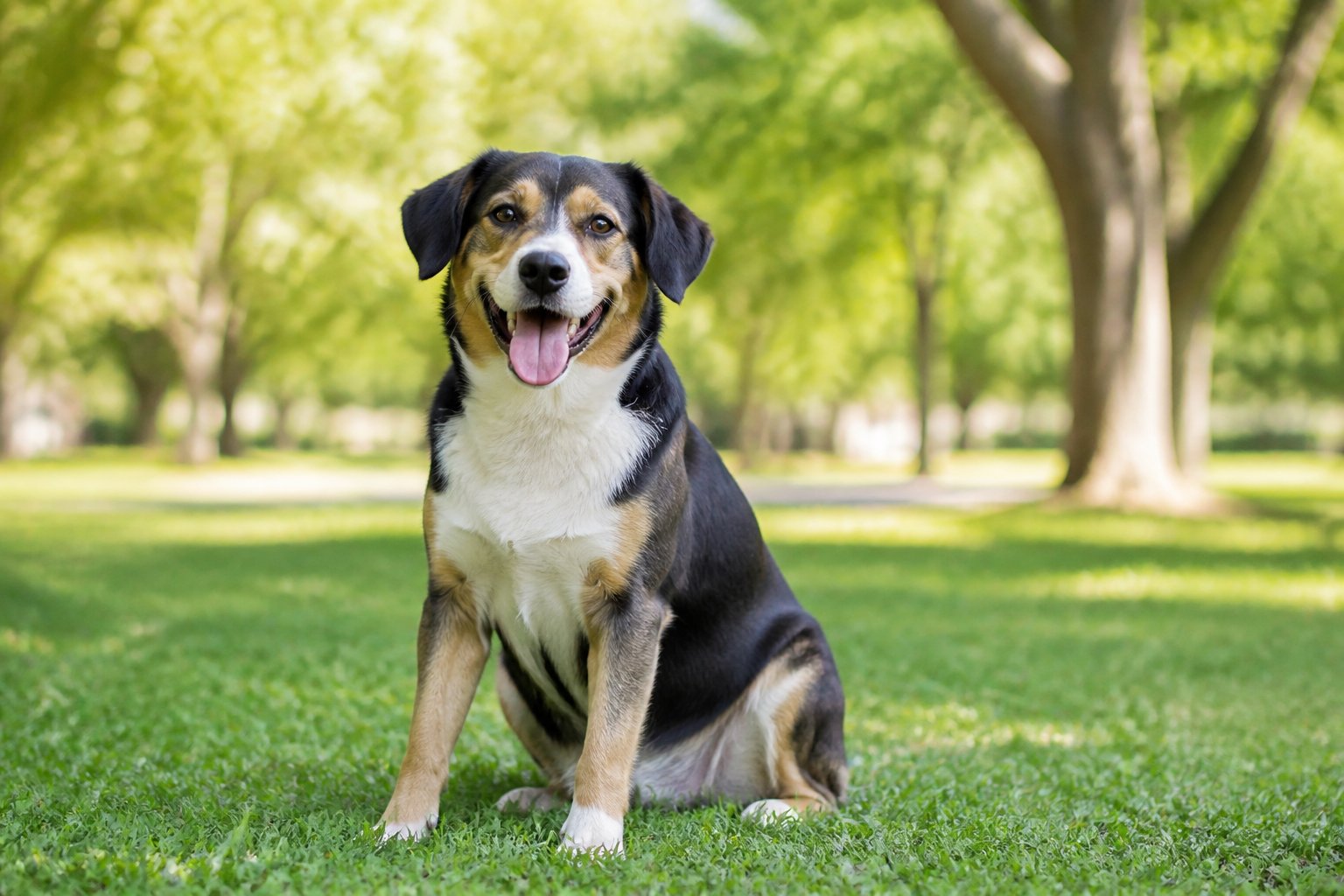
Managing dog panting effectively requires addressing the specific cause behind the behavior. The right approach depends on whether the panting stems from temperature regulation needs, emotional distress, or underlying pain.
Cooling Strategies and Hydration
Dogs regulate their body temperature through panting since they cannot sweat like humans. When a dog shows signs of overheating, moving them to a cooler environment is the first priority. Air-conditioned rooms or shaded areas with good air circulation work best.
Fresh, cool water should always be available. Dogs may refuse to drink when severely overheated, so offering small amounts frequently encourages hydration. Placing multiple water bowls throughout the home ensures easy access.
Cooling methods include placing a damp towel on the dog’s paws, belly, and neck areas where blood vessels are close to the skin. Avoid using ice-cold water, as this can cause blood vessels to constrict and trap heat inside the body. Fans positioned near the dog help increase air circulation and enhance cooling through evaporation.
Never leave dogs in hot cars or outside during peak heat hours. Limit exercise during warm weather to early morning or evening hours when temperatures drop.
Reducing Stress and Anxiety
Emotional triggers often cause heavy panting in dogs even when temperatures are comfortable. Identifying stressors like loud noises, unfamiliar people, or changes in routine helps owners address the root cause.
Creating a quiet, safe space gives anxious dogs somewhere to retreat. This might be a crate covered with a blanket, a specific room, or a corner with their bed and favorite toys. Background noise like calm music or a white noise machine can mask startling sounds.
Calming techniques include:
- Gentle massage or petting using slow, firm strokes
- Maintaining a calm, relaxed demeanor around the dog
- Using anxiety wraps or thundershirts that apply gentle pressure
- Providing puzzle toys or chew items for distraction
Professional training or behavior modification may be necessary for dogs with severe anxiety. Veterinarians can also prescribe anti-anxiety medications when behavioral approaches alone prove insufficient.
Pain Management Approaches
Panting in dogs can indicate discomfort or pain, particularly in older animals. Observing other signs like limping, reluctance to move, whining, or changes in appetite helps determine if pain is the cause.
A veterinary examination is essential to diagnose and treat pain-related panting. Common pain sources include arthritis, dental disease, injuries, or internal conditions. Treatment plans typically combine medication with supportive care.
At home, owners can make adjustments to reduce pain-related stress. Orthopedic beds provide better joint support than standard bedding. Ramps or steps help dogs access furniture or vehicles without jumping. Food and water bowls placed at elevated heights reduce neck strain during eating and drinking.
Maintaining a healthy weight reduces stress on joints and internal organs. Regular, low-impact exercise like short walks keeps muscles strong without aggravating existing conditions. Heat therapy using warm compresses may soothe sore muscles and joints, but owners should consult their veterinarian before applying heat to ensure it is appropriate for their dog’s specific condition.
Frequently Asked Questions
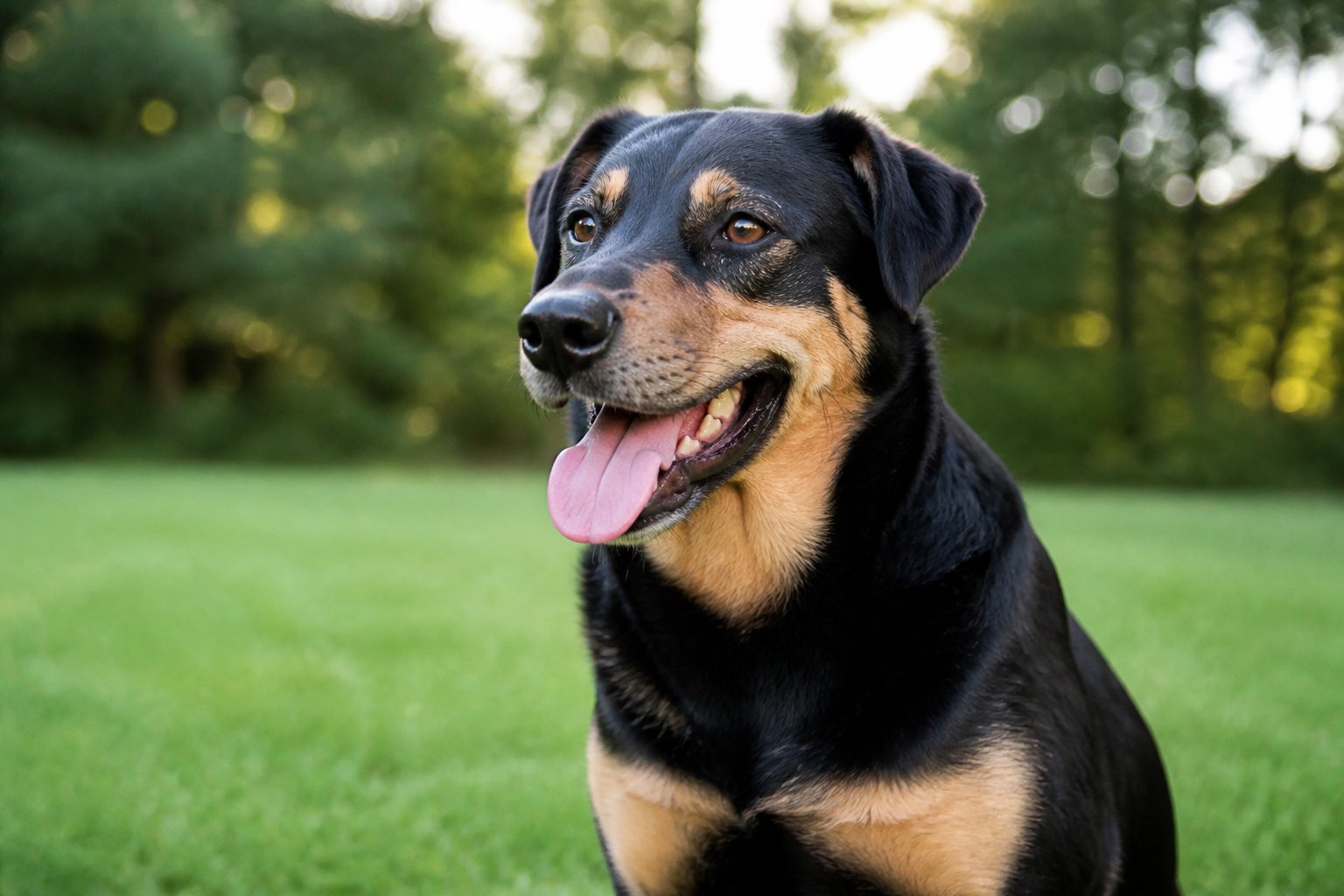
Dogs pant for normal reasons like cooling down or feeling excited, but panting can also signal stress, pain, or health problems. Understanding different panting situations helps pet owners know when to take action.
Why is my dog panting while resting?
A dog that pants while resting may simply be cooling down from earlier activity. Their body temperature takes time to return to normal even after they stop moving.
However, panting at rest can indicate pain, anxiety, or underlying health issues. Dogs sometimes pant when they feel uncomfortable or unwell, even when they appear calm.
If the panting seems heavy or continues for a long time without an obvious cause, it warrants attention. Watch for other signs like restlessness, whining, or changes in behavior.
Why is my dog panting while lying down?
Panting while lying down often means a dog is still regulating their body temperature. This is normal after exercise or on warm days.
Some dogs pant while lying down due to stress or discomfort. They might be anxious about something in their environment or experiencing physical pain that prevents them from relaxing completely.
Older dogs or those with respiratory issues may pant more when lying down. Certain positions can make breathing harder for dogs with heart or lung problems.
What causes a dog to pant at night?
Dogs pant at night for many of the same reasons they pant during the day. The room might be too warm, or they could be processing stress from the day’s events.
Pain often becomes more noticeable at night when there are fewer distractions. A dog with arthritis or an injury may pant more as they try to find a comfortable sleeping position.
Some medical conditions like heart disease or hormonal imbalances cause increased nighttime panting. Older dogs may also experience cognitive changes that lead to nighttime restlessness and panting.
How can I calm a dog that won’t stop panting?
First, identify and address obvious causes like heat or recent exercise. Move the dog to a cool area, offer fresh water, and allow time for their body to regulate.
If stress seems to be the cause, create a quiet, comfortable environment. Remove loud noises, give them a safe space, and use calm, reassuring behavior.
Avoid forcing the dog to stop panting, as this is their natural cooling and stress response. If the panting continues without improvement or seems severe, contact a veterinarian.
When should I worry that my dog’s panting is a medical emergency?
Heavy panting combined with blue or pale gums requires immediate veterinary care. This indicates the dog is not getting enough oxygen.
Seek emergency help if panting comes with collapse, extreme lethargy, or vomiting. These signs suggest serious conditions like heatstroke, poisoning, or heart problems.
Panting accompanied by a swollen abdomen, excessive drooling, or unsuccessful attempts to vomit may indicate bloat. This condition is life-threatening and needs immediate treatment.
Do some dog breeds pant more than others, and why?
Brachycephalic breeds like Bulldogs, Pugs, and Boston Terriers pant more due to their flat faces and shortened airways. Their anatomy makes breathing less efficient, so they rely more heavily on panting to cool down.
Large and giant breeds tend to pant more than smaller dogs. Their bigger body mass generates more heat, which requires more panting to regulate temperature.
Dogs with thick or double coats pant more in warm weather. Breeds like Huskies and Malamutes were developed for cold climates and struggle more with heat regulation in warmer environments.