Why Do Dogs Stretch When They Greet You? Understanding Canine Body Language and Behavior
You’ve probably noticed your dog doing a full-body stretch when you walk through the door or enter the room. It’s one of those small behaviors that seems simple but actually says a lot about how your dog feels about you. When dogs stretch to greet you, they’re showing that they feel comfortable, happy, and safe in your presence—it’s often called the “I love you” stretch because it only happens around people they trust.
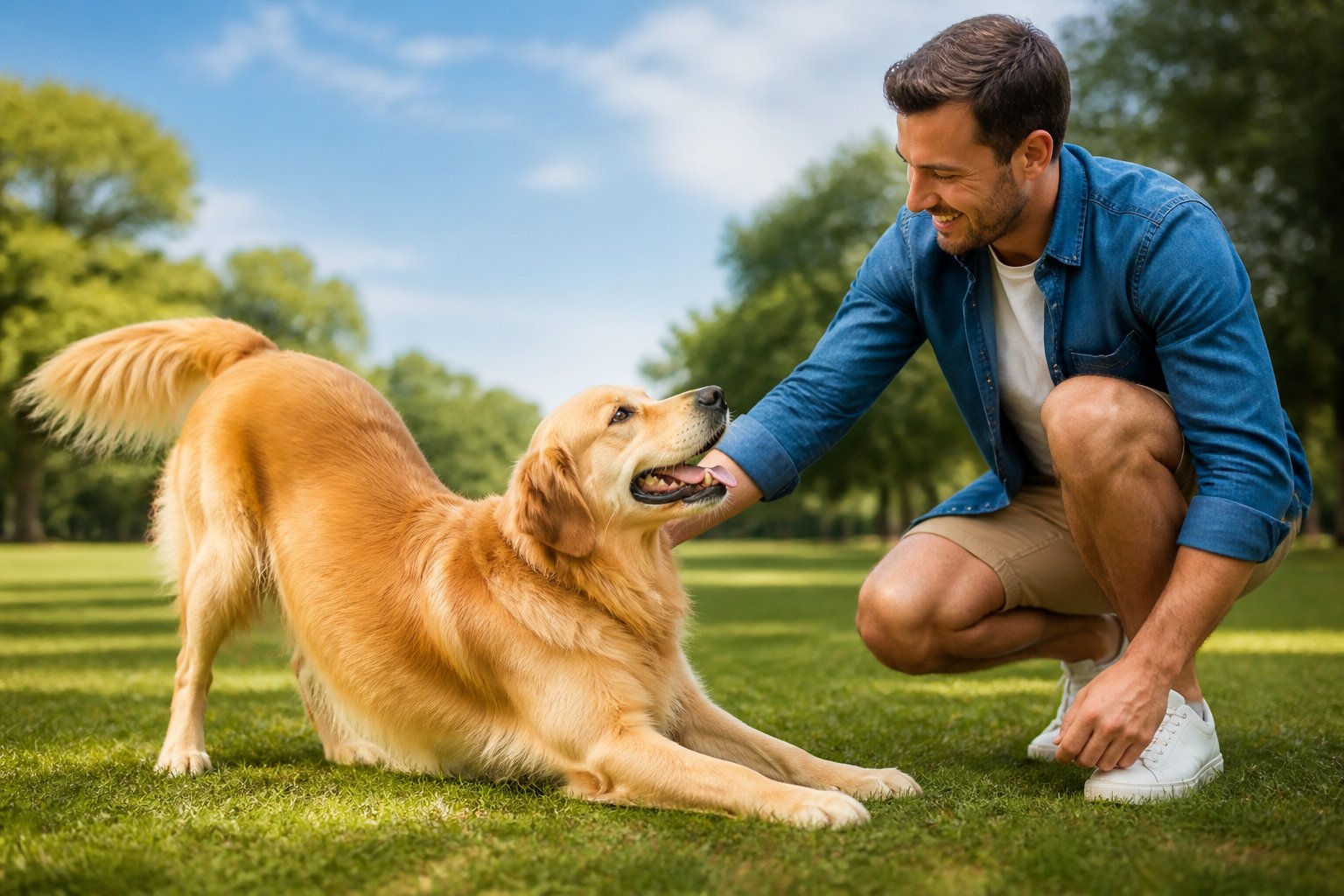
This greeting stretch is different from a regular wake-up stretch or other movements dogs make throughout the day. Dogs use this specific stretch as a way to say hello and show excitement about seeing you. Understanding why dogs do this helps you better read their body language and strengthens your bond with them.
This article will explain what the greeting stretch really means, how it differs from other stretches like the play bow, and when stretching might signal a health problem instead of just a friendly hello.
Understanding the Greeting Stretch in Dogs
The greeting stretch is a specific behavior that dogs display when they see someone they trust and feel comfortable with. This stretch involves distinct body language cues that set it apart from regular stretches or signs of discomfort.
Defining the Greeting Stretch
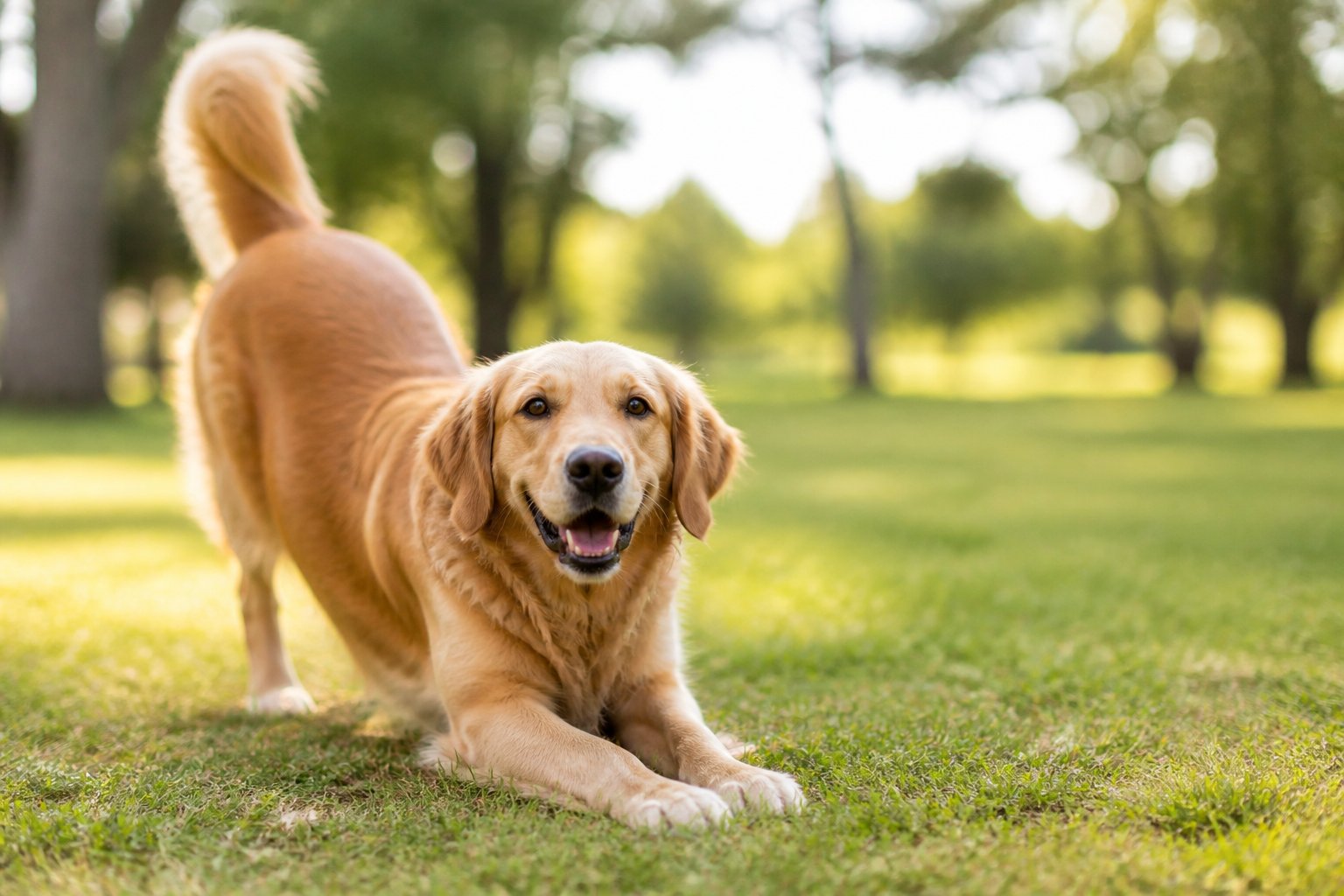
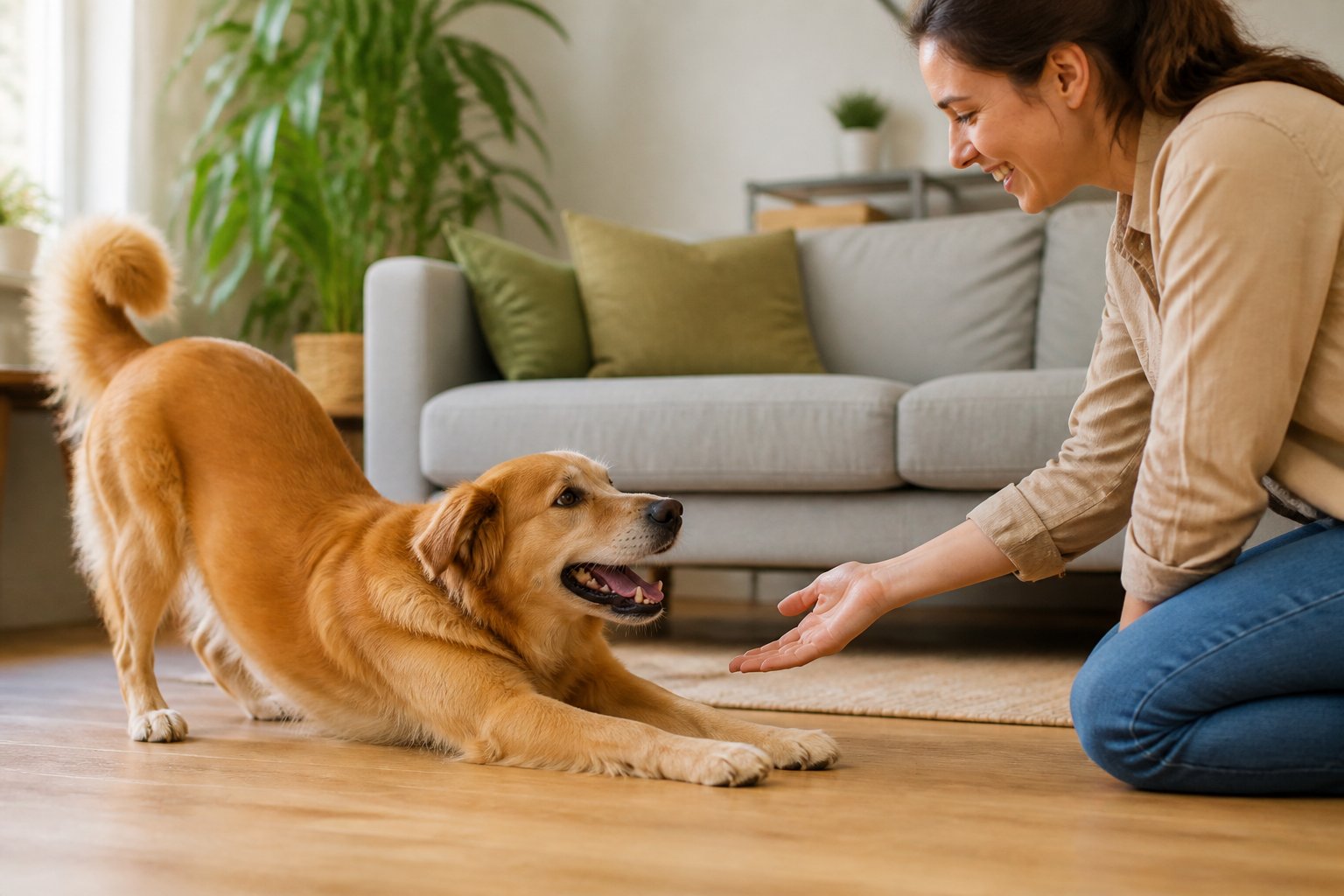
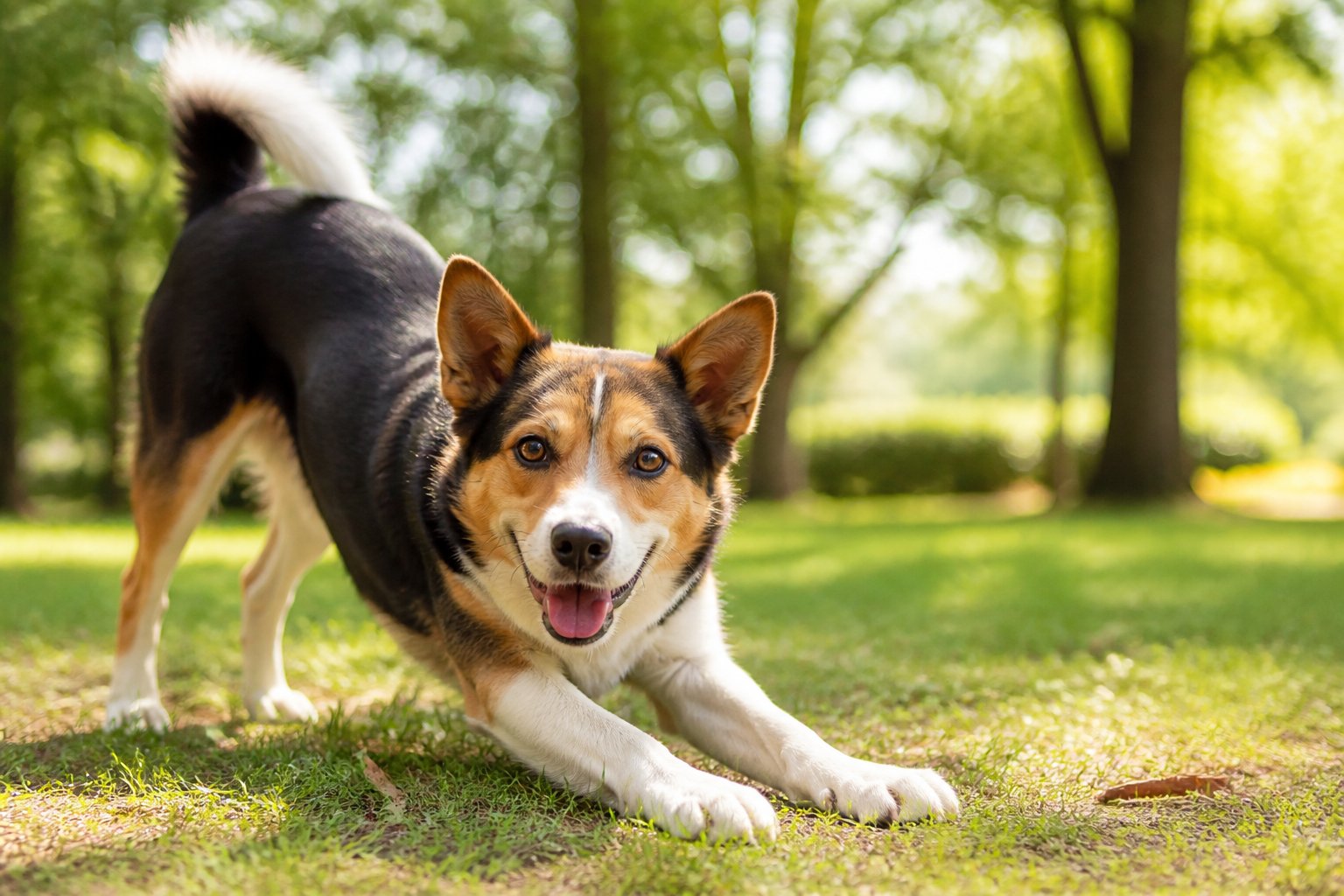
The greeting stretch is a deep bow-like movement where a dog lowers the front half of their body while keeping their rear end elevated. Dogs extend their front legs forward and press their chest toward the ground. Their tail typically stays up and may wag during this position.
This behavior often happens when a dog sees their owner after being separated. The stretch signals relaxation and positive anticipation. Dogs only perform this greeting stretch with people they fully trust.
The movement serves multiple purposes beyond just physical stretching. It communicates the dog’s emotional state and readiness to interact. Many owners call this the “I love you” stretch because of its connection to comfort and affection.
Common Body Language and Signals
A dog performing a greeting stretch displays several key physical signs. The tail remains high and loose, often wagging enthusiastically. The dog’s facial expression appears relaxed with soft eyes and an open mouth.
The rear end may wiggle or sway from side to side. The dog’s overall posture shows excitement without tension. Their body language communicates happiness rather than stress or anxiety.
These dogs maintain a playful demeanor throughout the stretch. They may follow the stretch with bouncing, spinning, or rushing toward their person. The entire sequence flows naturally without any signs of stiffness or hesitation.
How the Greeting Stretch Differs from Other Dog Stretches
The greeting stretch differs from a regular stretch in timing and context. Regular stretches happen after waking up or long periods of rest. Dogs perform greeting stretches specifically when seeing someone they recognize.
A play bow looks similar but serves a different purpose. The play bow invites interaction and games with other dogs or people. The greeting stretch expresses comfort and affection without necessarily requesting play.
Pain-related stretches show different body language altogether. A dog in discomfort appears anxious or distressed during the movement. Their face may look tense, and they might hold the position longer than normal or repeat it frequently throughout the day.
Emotional and Social Reasons Behind Stretching
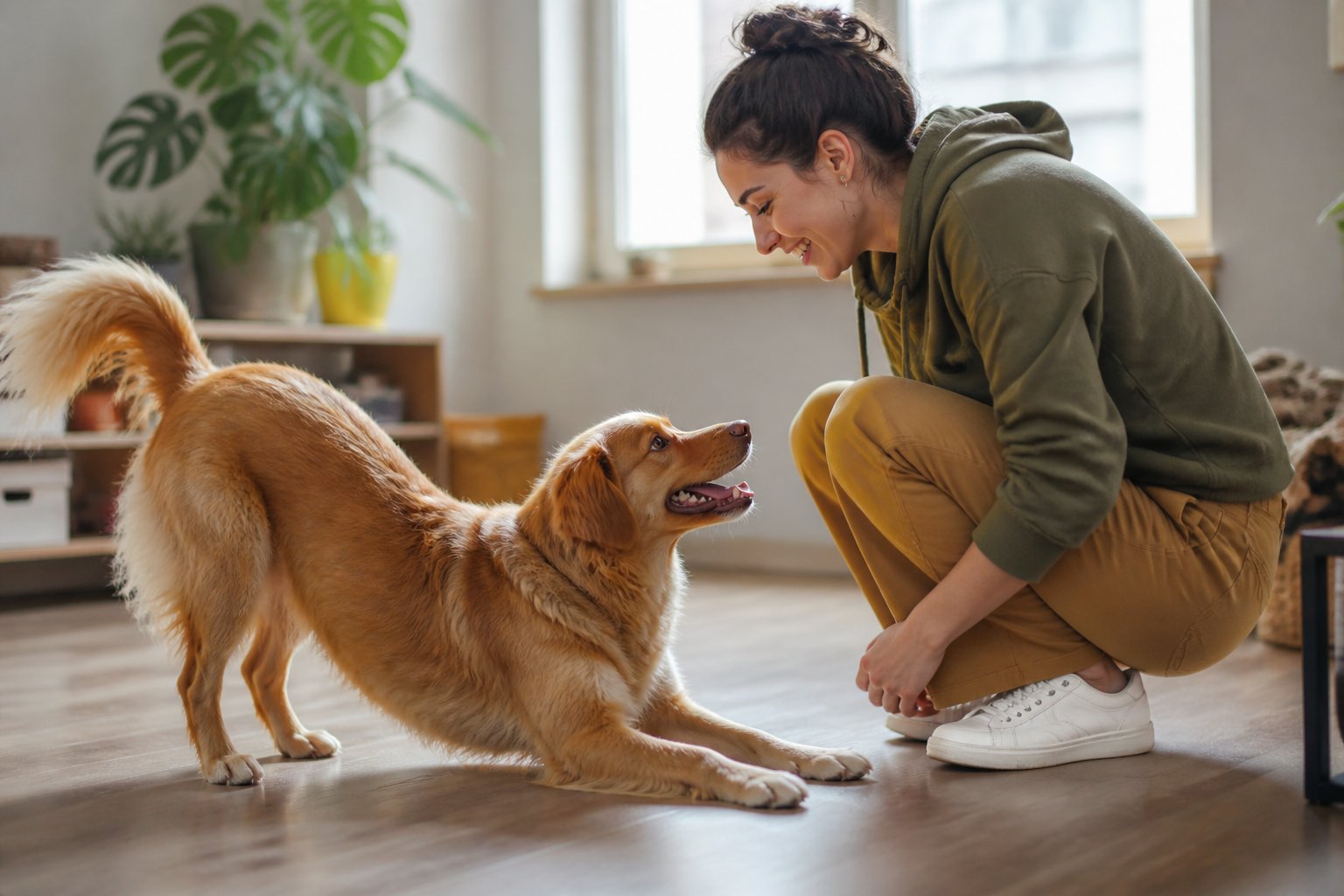
Dogs stretch when greeting their owners as a way to express positive emotions and communicate their intentions. These stretches serve as social signals that convey trust, excitement, and peaceful intent.
Affection and Trust Toward Owners
The greeting stretch reflects a dog’s emotional state when reuniting with their owner. Dogs typically perform this stretch when they feel relaxed and safe in someone’s presence. This behavior shows they’ve moved from a calm resting state to an alert, positive mindset.
The stretch acts as a physical expression of happiness. When a dog sees their owner after separation, the stretch releases tension and prepares them for interaction. Many dog owners refer to this as the “I love you” stretch because it appears during moments of genuine affection.
Dogs learn through repeated experiences that stretching gets positive responses. When owners react with enthusiasm or attention, it reinforces the behavior. This creates a greeting ritual that strengthens the bond between dog and owner.
Anticipation of Interaction or Routine
Dogs stretch when they expect something enjoyable to happen. This stretching behavior signals the transition from rest to activity. The physical act prepares their muscles while their mind shifts to anticipation mode.
Many dogs stretch before walks, meals, or playtime because they recognize the signs of these routines. The stretch becomes part of their preparation ritual. Their body responds to the excitement by loosening muscles and increasing blood flow.
This type of stretching differs from post-sleep stretches because it involves heightened awareness. Dogs often combine the stretch with other behaviors like tail wagging or excited movements. The stretch serves as both physical warm-up and emotional expression.
Communication and Calming Signals
The bow stretch functions as non-threatening communication between dogs and humans. Dogs use this posture to show they mean no harm. It demonstrates peaceful intentions in social settings.
This stretch serves as an invitation to interact or play. The downward position with front legs extended and rear end raised sends a clear message. Other dogs and humans recognize this as a friendly gesture.
Dogs also stretch to release nervous energy in new situations. The movement helps them self-soothe when feeling uncertain. This calming behavior allows them to manage their emotions while staying engaged with their environment.
Physical Benefits and Biological Functions
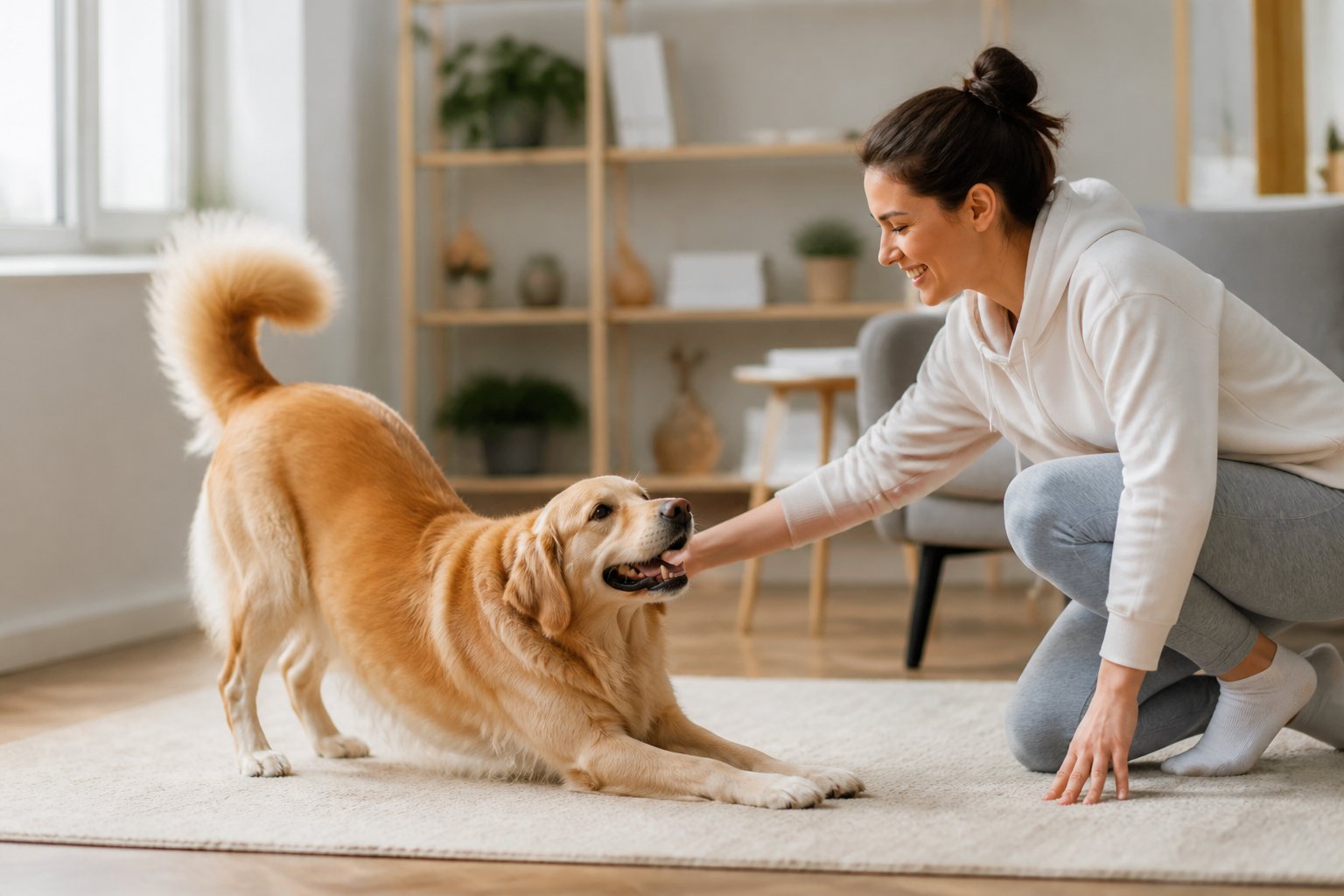
When dogs stretch during greetings, they activate important physical processes that support muscle health and circulation. These stretches serve as a natural mechanism to prepare the body for movement and interaction.
Loosening Muscles After Rest
Dog stretches work to release tension that builds up in muscles during periods of inactivity. When a dog has been lying down or sleeping, muscle fibers can become stiff and tight. The stretching motion lengthens these fibers and increases flexibility.
This process helps prevent muscle strain when the dog transitions to more active movement. The classic “downward dog” position, where a dog’s front legs extend forward while the rear stays elevated, targets multiple muscle groups at once. This particular stretch engages the shoulders, back, hips, and leg muscles simultaneously.
Blood flow increases to the stretched muscles, delivering oxygen and nutrients needed for activity. The improved circulation also helps remove metabolic waste products that accumulate during rest.
Role in Canine Wellness
Dog stretching maintains joint health by promoting the distribution of synovial fluid throughout the joint capsules. This fluid lubricates joints and reduces friction during movement. Regular stretching keeps the joints flexible and helps maintain a full range of motion.
The practice supports spinal health by decompressing the vertebrae and relieving pressure on the discs between them. Dogs that stretch regularly often show better mobility and less stiffness as they age. The physical act also stimulates the nervous system, which helps coordinate movement and balance.
Stretching contributes to injury prevention by keeping soft tissues supple and responsive. A well-stretched dog is less likely to experience pulled muscles or strained ligaments during play or exercise.
Transitioning from Rest to Activity
Why do dogs stretch when moving from a resting state to activity? The body needs preparation time to shift from low-energy mode to active engagement. Stretching raises the heart rate gradually and signals to the cardiovascular system that increased blood flow is needed.
The stretch reflex activates nerve pathways between muscles and the brain. This activation improves coordination and reaction time for the activities ahead. When a dog greets someone, this transition happens quickly, making the stretch an efficient way to prepare the body.
Core body temperature increases slightly during stretching, which warms the muscles and makes them more pliable. This warmth reduces the risk of injury during sudden movements that often accompany excited greetings.
Play Bow Versus Greeting Stretch: Key Differences
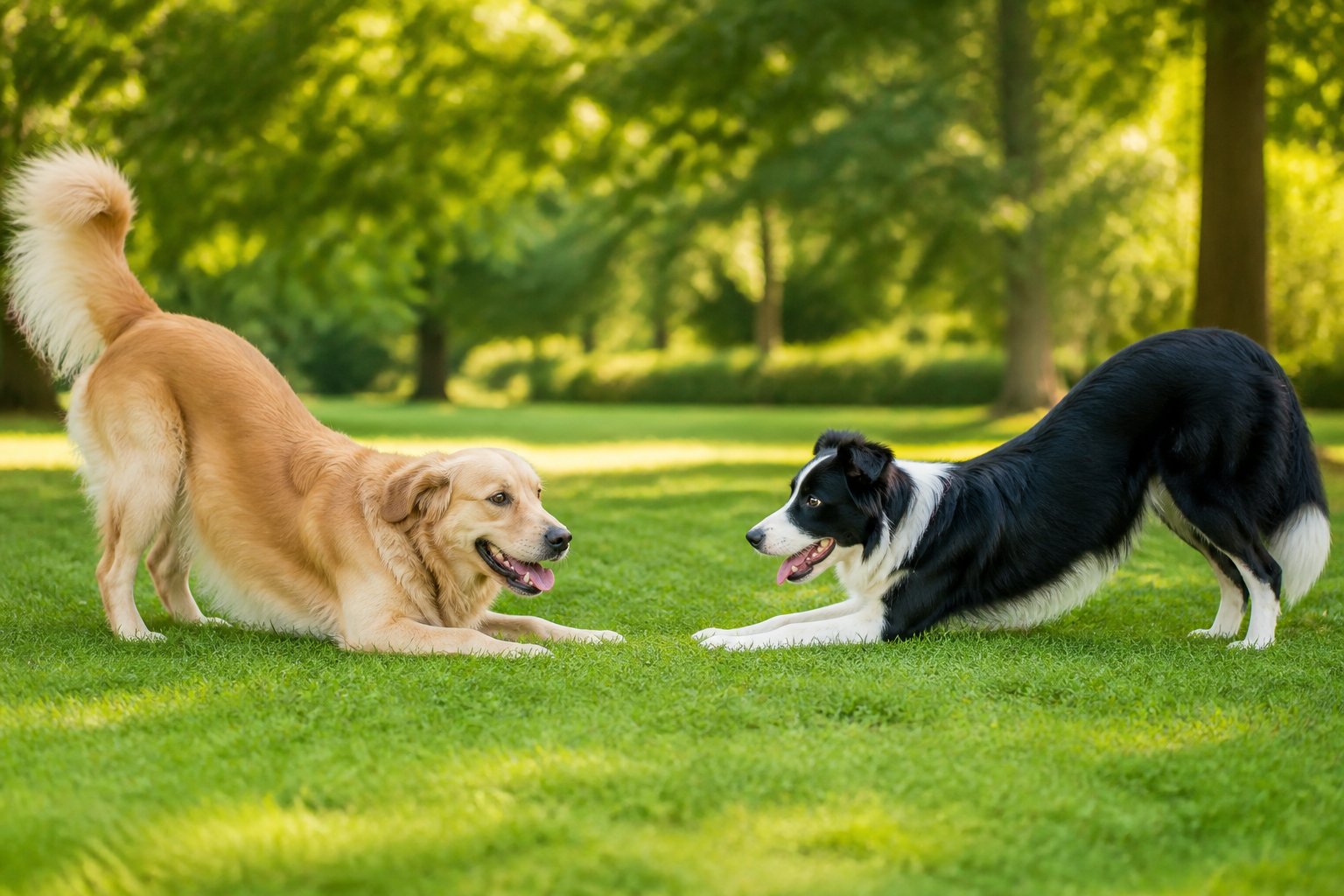
Dogs use both the play bow and the greeting stretch to communicate, but these two postures serve different purposes and look different when observed closely. The play bow invites interaction and signals playful intent, while the greeting stretch expresses comfort and affection toward familiar people.
What Is a Play Bow?
A play bow is a specific invitation to play that dogs use with other dogs and humans. The dog lowers their front end to the ground while keeping their rear end elevated. Their tail usually wags actively during this posture.
Dogs hold the play bow position briefly before bouncing up or moving into playful movements. This posture clearly signals friendly intentions and excitement about engaging in play. The dog’s body language appears energetic and ready for action.
Visual and Behavioral Differences
The greeting stretch involves a dog extending their front legs forward with their chest near the ground and their rear end raised, similar to a play bow. However, the dog holds this position longer and appears more relaxed. Their facial expression looks calm and content rather than excited.
A play bow includes more dynamic movement and energy. The dog’s tail wags vigorously, and they often pair the bow with bouncing motions or quick movements side to side. Their eyes appear bright and focused on the play partner.
Dogs performing a greeting stretch typically show a gentle, peaceful demeanor without the energetic body language of play. Their muscles appear relaxed rather than tensed for movement.
When Dogs Use Each Behavior
Dogs use the greeting stretch primarily when reuniting with their owners or familiar people after a separation. This behavior occurs most often when the person arrives home or approaches the dog after being away. The dog stretches to show comfort and trust in the person’s presence.
The play bow appears when a dog wants to initiate play with another dog or person. Dogs use this signal before chasing games, wrestling matches, or other playful activities. It can happen at any time during social interactions when the dog feels playful energy.
Some dogs also use a play bow as a friendly greeting, which can make it harder to distinguish from a greeting stretch. The key difference lies in what happens next—play bows lead to active play, while greeting stretches simply express affection.
Learned and Conditioned Stretching Behaviors
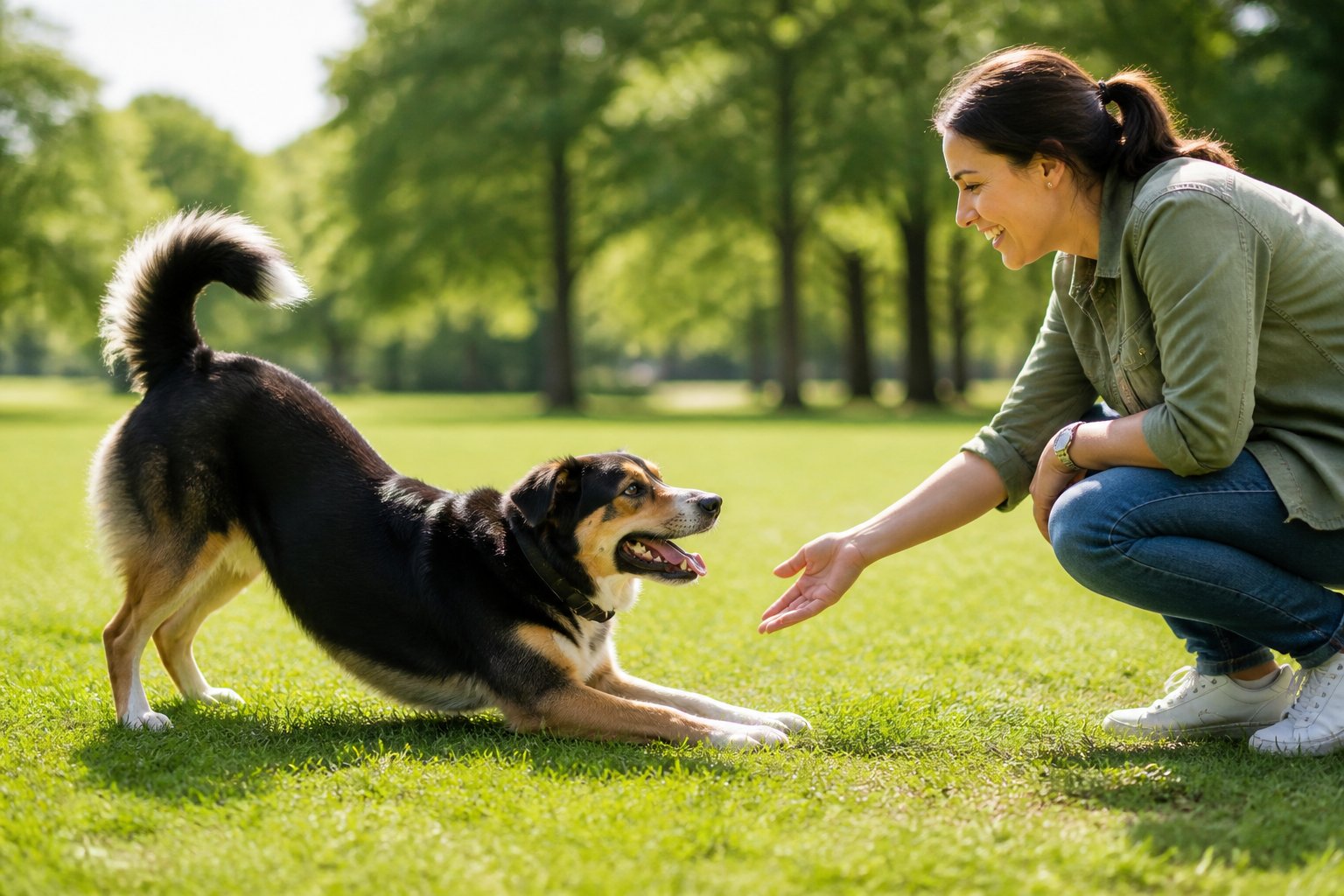
Dogs can develop stretching habits through repeated interactions with their owners. Some stretches happen because dogs notice patterns in human responses and learn that certain movements earn rewards or attention.
Accidental Human Cues
Many owners unknowingly teach their dogs to stretch during greetings without realizing it. When a dog naturally stretches and the owner responds with excitement, praise, or treats, the dog begins to connect the stretch with positive outcomes. This creates a pattern where the dog repeats the behavior to get the same reaction.
The process happens gradually over many interactions. A dog might stretch once by chance, receive affection, and then try it again the next time. After enough repetitions, the stretch becomes part of the greeting routine. Dogs are skilled at reading human body language and vocal tones, so they quickly pick up on which behaviors make their owners happy.
Reinforcement and Rituals
Once a dog learns that stretching gets attention, the behavior becomes reinforced through regular practice. Each positive response from an owner strengthens the connection between stretching and rewards. The dog greeting stretch transforms from a random action into a deliberate ritual.
This reinforcement works through basic learning principles. When owners consistently react with smiles, pets, or verbal praise, they signal to the dog that the stretch is desirable. The behavior becomes automatic over time, appearing whenever the dog wants to initiate interaction or play.
Stretching for Attention
Some dogs use stretches specifically to get their owner’s focus. They learn that a deep bow or extended stretch is more effective than simply walking up to someone. This is especially common in dogs whose owners previously rewarded the behavior or gave it special attention.
Dogs might perform attention-seeking stretches when they want walks, playtime, or food. The stretch acts as a communication tool that says “look at me” or “I’m ready to do something.” Not every stretch means a dog is being manipulative though. Many dogs genuinely feel relaxed and happy when greeting their favorite people, and the stretch reflects that emotional state.
When Stretching Indicates a Health Concern
Most dog stretches are normal and healthy, but stretching can sometimes signal pain or illness. Changes in stretching frequency or signs of discomfort during stretching require attention.
Signs of Discomfort or Pain
Dogs experiencing pain may stretch more frequently than usual or hold stretches for longer periods. This excessive stretching often happens because they are trying to relieve discomfort in their muscles, joints, or abdomen.
A dog stretching repeatedly in specific positions may be showing signs of stomach pain or digestive issues. The downward dog position with the chest low and rear end up can indicate abdominal discomfort when done excessively.
Watch for these warning signs during stretching:
- Whimpering or whining while stretching
- Trembling or shaking during the stretch
- Reluctance to move after stretching
- Stiff or rigid movements when getting up
- Loss of appetite combined with increased stretching
Dogs with joint problems like arthritis may stretch more to ease stiffness. Back pain can cause a dog to stretch differently than normal or avoid certain movements altogether.
When to Consult a Veterinarian
A veterinarian should evaluate any sudden changes in dog behavior related to stretching. If a dog begins stretching much more than usual over a few days, this warrants a professional examination.
Immediate veterinary attention is needed when:
- Stretching occurs with vomiting or diarrhea
- The dog appears bloated while stretching frequently
- Stretching is accompanied by difficulty breathing
- The dog cries out in pain during stretches
- There is visible limping or trouble standing
Dogs that refuse to eat, show lethargy, or display other behavioral changes alongside increased stretching need prompt care. These symptoms combined can indicate serious conditions requiring diagnosis and treatment.
Frequently Asked Questions
Dogs stretch when greeting people for several reasons, including showing comfort and trust, preparing their muscles for activity, and inviting play. These stretches are generally positive behaviors that happen when dogs feel relaxed and happy to see someone.
What does it mean when a dog stretches while saying hello?
A greeting stretch means the dog feels comfortable and trusts the person they’re greeting. This behavior is sometimes called the “I love you” stretch because dogs only do it around people they feel safe with.
The stretch shows the dog is transitioning from a resting state to being active. It also signals that the dog is relaxed and happy to see the person.
Is a greeting stretch a sign of excitement or calmness in dogs?
A greeting stretch combines both excitement and calmness. The dog is calm enough to feel relaxed and safe, but also excited about the interaction ahead.
This stretch differs from anxious or stressed behaviors because it shows the dog feels secure. The relaxed body language during the stretch indicates positive emotions rather than nervousness.
Why does my dog do a long stretch when I come home?
Dogs stretch when their owners come home because they associate arrival with positive experiences like playtime, walks, or attention. The stretch prepares their muscles for the activity they expect to follow.
This behavior also shows anticipation for interaction. The dog’s body is getting ready to move from rest to action after being alone or inactive.
Do dogs stretch more when they want attention or affection?
Dogs may stretch as an invitation for interaction, though this isn’t always about seeking attention. The stretch can be a learned behavior if owners consistently respond positively to it.
Some dogs have figured out that stretching gets a reaction from their owners. If owners regularly pet, praise, or play with their dogs after seeing this stretch, the behavior gets reinforced.
Why does my dog stretch when I pet them or start talking to them?
Dogs stretch in response to owner interaction because they’re reacting to familiar cues and routines. They read human body language and voice patterns, which can trigger the stretching response.
When owners bend down, speak softly, or move in predictable ways, dogs may stretch almost automatically. This becomes a trained response based on repeated positive interactions.
How can I tell the difference between a normal greeting stretch and discomfort or pain?
A normal greeting stretch includes a relaxed body, wagging tail, and eager expression. The dog moves smoothly and transitions quickly into other activities like approaching or playing.
A stretch caused by discomfort looks different. Dogs in pain may stretch repeatedly, hold positions longer than normal, or show stiffness when moving. They might also display signs like whimpering, reluctance to move, or favoring certain body parts.
If a dog stretches excessively or shows any signs of pain during or after stretching, a veterinary check is necessary. Changes in normal stretching patterns can indicate underlying health issues.