The Fastest Way to Teach Your Dog to Come When Called Anywhere: A Proven Training Method for Reliable Recall
Teaching a dog to come when called can save their life in dangerous situations. The fastest way to teach reliable recall is through consistent practice with high-value rewards, starting in low-distraction environments and gradually increasing difficulty as the dog improves. This skill takes time to develop, but the right approach makes training faster and more effective.
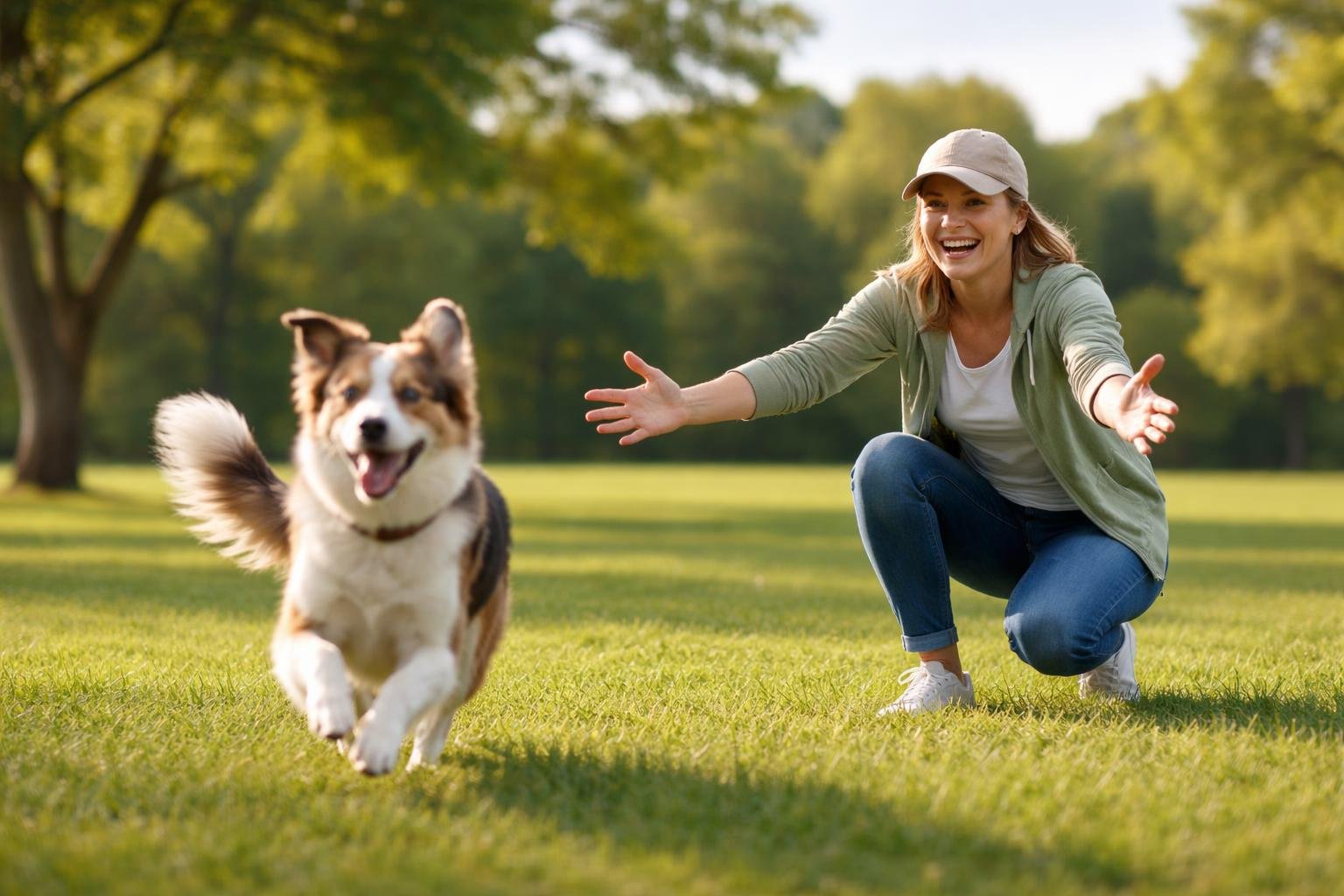
Many dog owners struggle with recall because they practice inconsistently or accidentally teach their dog that coming when called leads to negative outcomes. Dogs need to learn that returning to their owner is always rewarding and never results in punishment or the end of fun activities. The training process requires understanding how dogs learn and what motivates them.
This guide covers everything needed to build strong recall skills. Readers will learn about the foundation skills their dog needs first, the specific training method that works best, and how to fix common problems that slow progress. The article also explains how to keep recall reliable over time and adjust training based on a dog’s breed, age, and personality.
Foundations of Recall Training
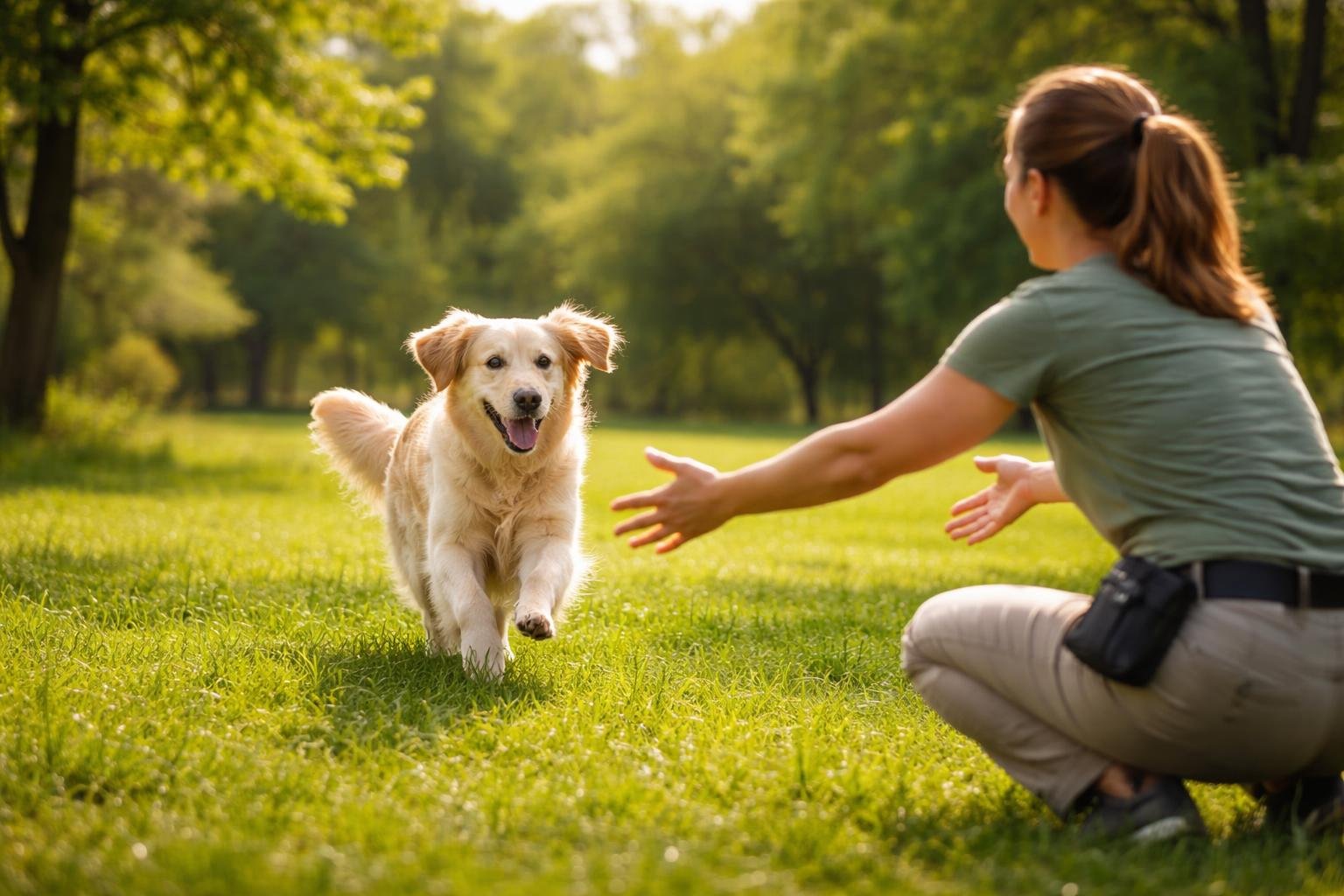
Teaching a dog to come when called starts with three core elements: understanding why the skill matters, creating a strong bond with the dog, and recognizing how dogs naturally behave.
Why Recall Matters for All Dog Owners
Recall training can save a dog’s life. A dog that comes when called can be stopped before running into traffic, chasing wildlife into danger, or approaching aggressive animals. This single command gives owners the ability to protect their dogs in emergency situations.
The skill also provides dogs with more freedom. Dogs with reliable recall can enjoy off-leash time in safe areas like parks or hiking trails. They can explore and exercise while their owners maintain control from a distance.
Recall creates peace of mind for owners. They don’t need to worry about their dog escaping through an open door or slipping out of a collar. The command works as a safety net in unpredictable moments.
Building Trust and Motivation
Dogs come when called because they want to, not because they have to. The owner must become more interesting and rewarding than whatever else the dog is doing. This means using high-value treats, favorite toys, or enthusiastic praise.
Recall should always result in positive experiences. Owners should never call their dog to do something unpleasant like giving a bath or ending playtime. The command needs to predict good things every single time.
Key motivators for dogs:
- Small, soft treats that can be eaten quickly
- Verbal praise in an excited tone
- Physical affection like petting or play
- Release back to fun activities after coming
Consistency builds trust. Dogs learn to respond when they can predict the outcome of their actions.
Understanding Natural Dog Behaviors
Dogs are social animals that naturally want to stay near their group. Recall training taps into this instinct. Puppies follow their mothers and littermates, and this behavior can transfer to human owners.
Dogs also respond to movement and energy. Running away from a dog often triggers their chase instinct, making them follow. Standing still or moving toward them can have the opposite effect.
Distractions challenge a dog’s focus. Smells, sounds, other animals, and new environments all compete for attention. Dogs need to learn that coming when called is worth more than investigating these distractions. Training builds this value over time through repetition and rewards.
Essential Tools and Gear
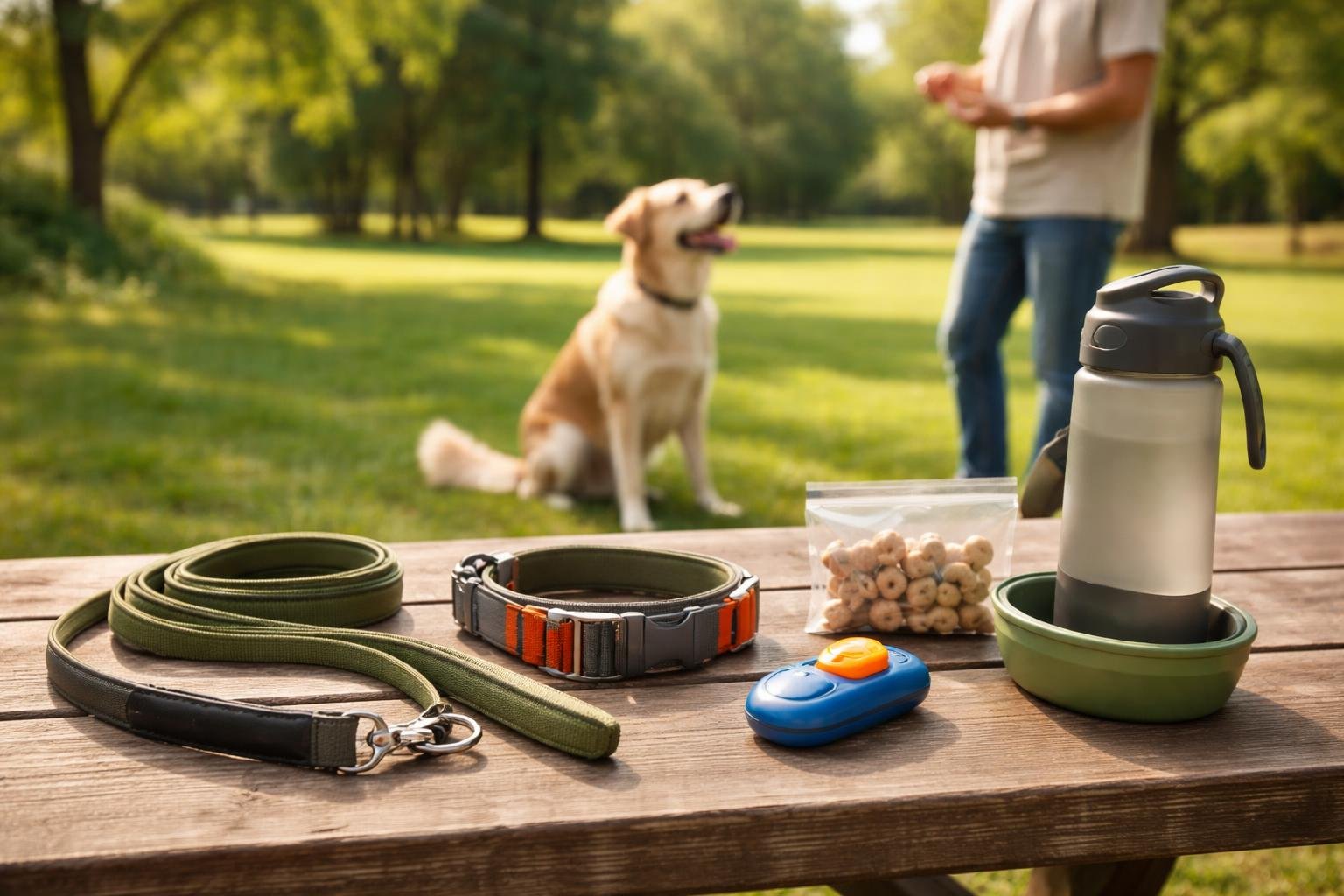
The right equipment makes recall training faster and safer for both dog and owner. Quality gear helps maintain control during practice while rewards create positive associations with the come command.
Choosing the Right Leash and Harness
A long training leash is the most important tool for teaching recall. These leashes typically range from 15 to 30 feet in length and give dogs freedom to move while keeping them under control.
Lightweight long lines work best for small and medium dogs. Heavier-duty options suit larger breeds that might pull harder during training.
A well-fitted harness distributes pressure evenly across the dog’s chest and prevents neck strain. Back-clip harnesses reduce pulling behavior better than collar attachments. Front-clip harnesses offer even more control for dogs that lunge or pull frequently.
Standard 6-foot leashes don’t provide enough distance for proper recall training. Dogs need space to actually come to their owner rather than just turning around. The long line bridges the gap between on-leash control and off-leash freedom.
Selecting High-Value Rewards
High-value treats must be more appealing than any distraction in the environment. Small, soft treats work better than hard biscuits because dogs can eat them quickly and return focus to training.
Effective high-value rewards include:
- Small pieces of cooked chicken or turkey
- Cheese cubes (cheddar or string cheese)
- Hot dog slices cut into tiny pieces
- Freeze-dried liver treats
- Commercial training treats with strong smells
Treats should be pea-sized or smaller. This allows owners to reward frequently without overfeeding. The dog should be able to swallow each piece in one or two seconds.
Some dogs respond better to toys or play than food. Tug toys and balls can serve as rewards for these dogs. The reward needs to motivate the specific dog being trained.
Effective Use of Recall Cues
A consistent verbal cue paired with a distinct sound creates a reliable recall signal. Most trainers use “come” or “here” as the primary command. The word matters less than consistent usage.
Whistles provide a sharp, clear sound that carries farther than the human voice. A specific whistle pattern becomes the recall cue. Two short blasts work well as a simple, recognizable signal.
The chosen cue word should only be used when the owner can enforce it. Using “come” when the dog is unlikely to comply weakens the command. Training sessions require the long line to ensure the dog responds every time.
Avoid repeating the cue multiple times. Say it once, then guide the dog with the leash if needed. Repetition teaches dogs they can ignore the first several commands.
Step-by-Step Recall Method
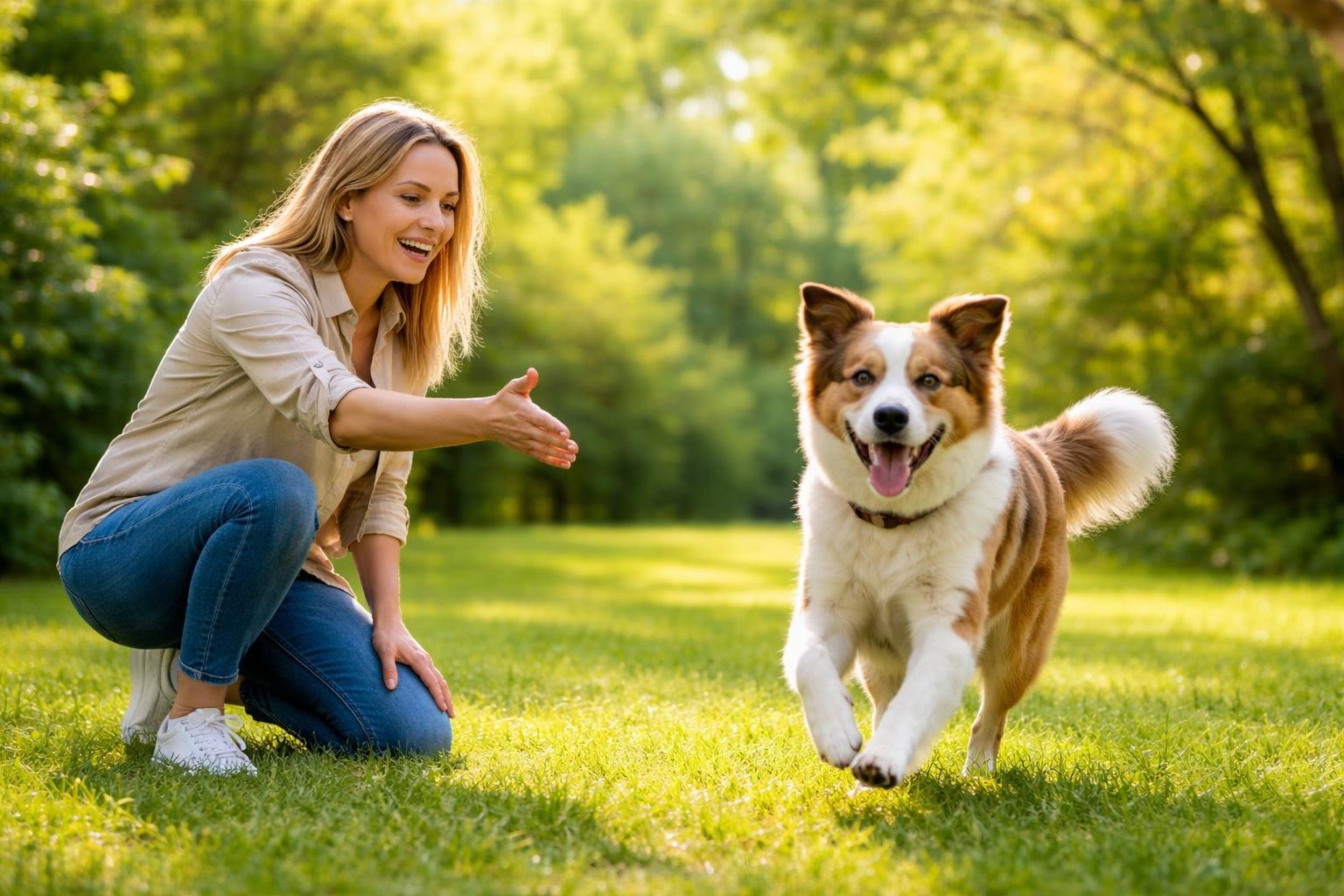
Building a strong recall requires starting in controlled environments and slowly adding complexity. The process moves from distraction-free indoor spaces to busy outdoor areas while gradually increasing distance and introducing distractions.
Starting Indoors for Reliable Responses
Indoor training creates the foundation for recall success because the environment has fewer distractions. The dog can focus entirely on the owner and the command.
Owners should begin in a quiet room with high-value treats like chicken, cheese, or hot dogs. They should say the dog’s name followed by “come” in an upbeat voice. When the dog approaches, they immediately give the treat and praise.
Key indoor training steps:
- Practice 5-10 times per session
- Keep sessions under 5 minutes
- Use a different room each day
- Always reward when the dog comes
The dog should succeed every single time during indoor training. If the dog doesn’t respond, the owner is moving too fast. They should make it easier by standing closer or using better treats.
Gradual Progression to Outdoor Spaces
Moving outside adds new smells, sounds, and sights that compete for the dog’s attention. The backyard serves as the bridge between indoor and outdoor environments.
Owners should start in a fenced yard during calm times of day. Early morning or late evening typically has fewer distractions like neighbor activity or wildlife. They use a 15-20 foot long line attached to the dog’s harness for safety.
The training follows the same pattern as indoors. The owner calls the dog from short distances and rewards generously. If the dog ignores the command, the owner gently uses the long line to guide them back without punishment.
After the dog responds reliably in the yard, owners can move to quiet outdoor spaces like empty parking lots or low-traffic parks. They keep the long line attached until the dog consistently comes when called.
Incorporating Distractions Effectively
Distractions test whether the dog truly understands the recall command. Owners should introduce them gradually, starting with mild distractions and building to more challenging ones.
Low-level distractions include a toy on the ground or a family member standing nearby. Mid-level distractions involve other dogs at a distance, people walking by, or squirrels. High-level distractions include off-leash dogs, wildlife, or busy public spaces.
Owners add one distraction at a time. They practice recall with the distraction present but at a distance where the dog can still focus. As the dog succeeds, they slowly decrease the distance to the distraction.
If the dog fails to come, the distraction is too strong. The owner should increase distance from the distraction and work back up gradually. They never punish a failed recall because it makes the dog less likely to come in the future.
Practicing with Increasing Distance
Distance makes recall harder because the dog has more time to choose other options. Building distance happens slowly over multiple training sessions.
Owners start at 5-10 feet and add 5 feet each time the dog succeeds three times in a row. They continue using the long line until the dog responds perfectly at 30-40 feet. The line prevents the dog from learning that ignoring the command is an option.
Distance progression schedule:
| Week | Distance | Environment |
|---|---|---|
| 1-2 | 5-15 feet | Indoors/backyard |
| 3-4 | 15-25 feet | Fenced yard |
| 5-6 | 25-40 feet | Quiet outdoor spaces |
| 7+ | 40+ feet | Various locations |
Owners should practice recall at random distances instead of always increasing. This keeps the dog attentive and prevents them from predicting when they’ll be called. They vary the rewards too, sometimes giving multiple treats or a favorite toy to maintain high motivation.
Troubleshooting Common Challenges
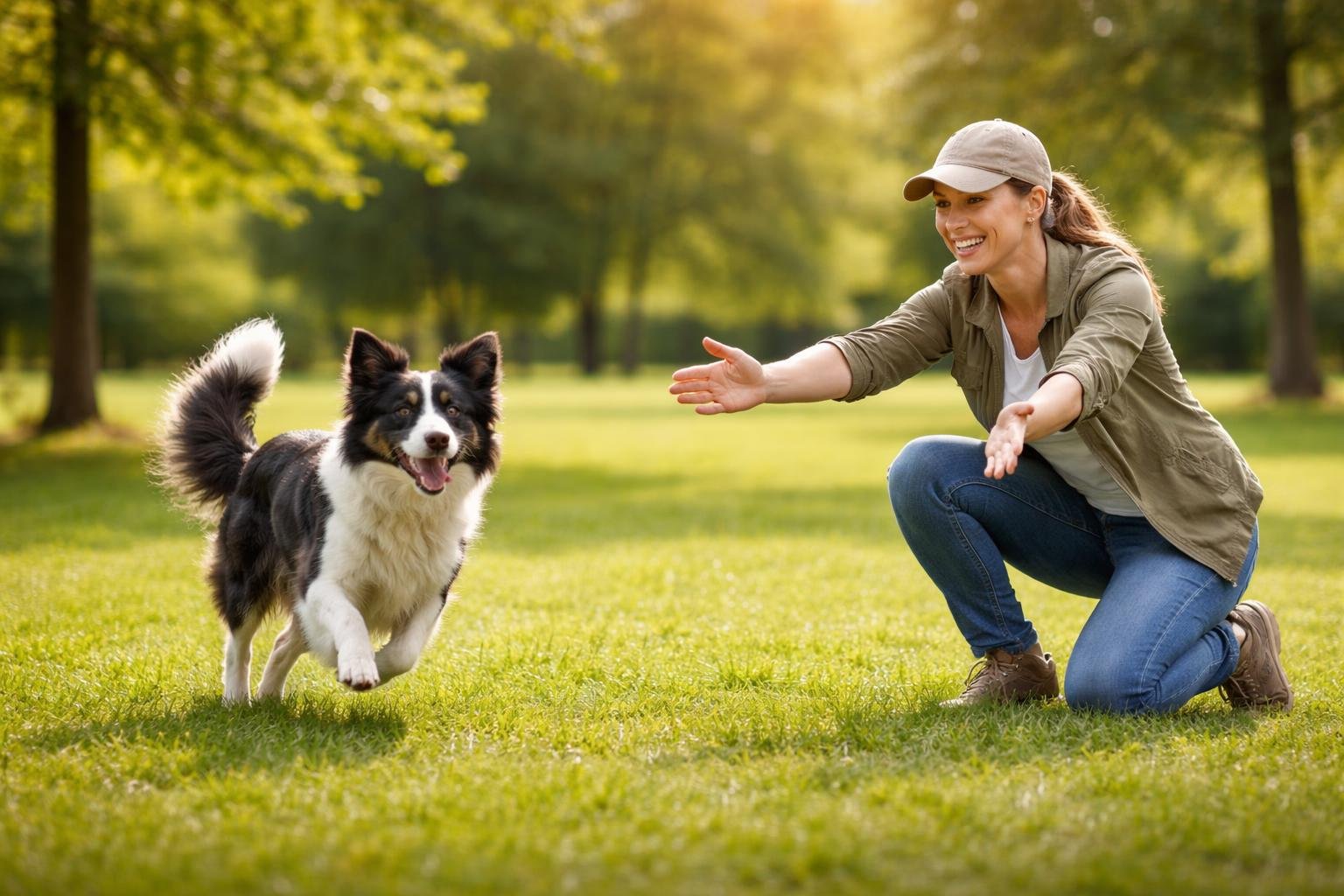
Even with consistent training, some dogs struggle with reliable recall due to refusal, distractions, or emotional barriers. Each challenge requires a specific approach to identify the root cause and adjust training methods accordingly.
Addressing Recall Refusal
When a dog consistently ignores the come command, the problem often stems from negative associations or lack of motivation. Dogs may refuse recall if they’ve been scolded after coming, if the reward isn’t valuable enough, or if they’ve learned that coming means the end of something fun.
Owners should evaluate what happens immediately after the dog arrives. If recall signals the end of playtime or freedom, the dog learns to avoid responding. The solution involves calling the dog multiple times during activities without ending them, offering a treat, then releasing the dog back to play.
Common causes of recall refusal:
- Previous punishment after coming
- Low-value rewards compared to environmental distractions
- Calling only when it’s time to leave or stop playing
- Inconsistent reinforcement during training
The handler must never chase, yell, or punish a dog who eventually comes, even if it took several minutes. This creates a negative association that worsens the problem. Instead, they should return to basics with high-value rewards in low-distraction settings and rebuild the behavior from scratch.
Handling High-Distraction Environments
Dogs who respond perfectly at home but ignore recall outside face a training gap, not a behavioral problem. They haven’t learned to generalize the command across different environments and distraction levels.
The key is gradual exposure. Start in a quiet outdoor area with mild distractions, then slowly increase difficulty. A dog must succeed at 80-90% of recalls before moving to a harder environment. Jumping too quickly to high-distraction areas sets up failure.
Distance management matters significantly. Keep the dog on a long line in distracting environments until recall becomes reliable. This prevents rehearsing the unwanted behavior of ignoring the command. The handler can gently guide the dog if they don’t respond, then reward heavily once they arrive.
Practice at different times of day when distraction levels vary. Morning parks have different stimuli than afternoon ones. This variety helps the dog learn to respond regardless of what’s happening around them.
Dealing With Fear or Anxiety
Fearful or anxious dogs may not respond to recall because they’re too stressed to process commands or they associate coming with scary situations. Their body language often shows tension, tucked tails, or hesitation even when they want to comply.
These dogs need confidence-building before reliable recall develops. Forcing them to come when frightened damages trust and worsens anxiety. Instead, the handler should move closer to the dog, lower their body position, and use an encouraging tone without pressure.
Reward any movement toward the handler, even small steps. Breaking the behavior into tiny pieces helps anxious dogs succeed without overwhelming them. A fearful dog might need rewards for simply looking at the handler before progressing to actual movement.
Create positive experiences around the recall word itself. Say the command and immediately offer treats without requiring the dog to move. This builds a pleasant association before adding the complexity of movement and distance.
Maintaining Long-Term Success
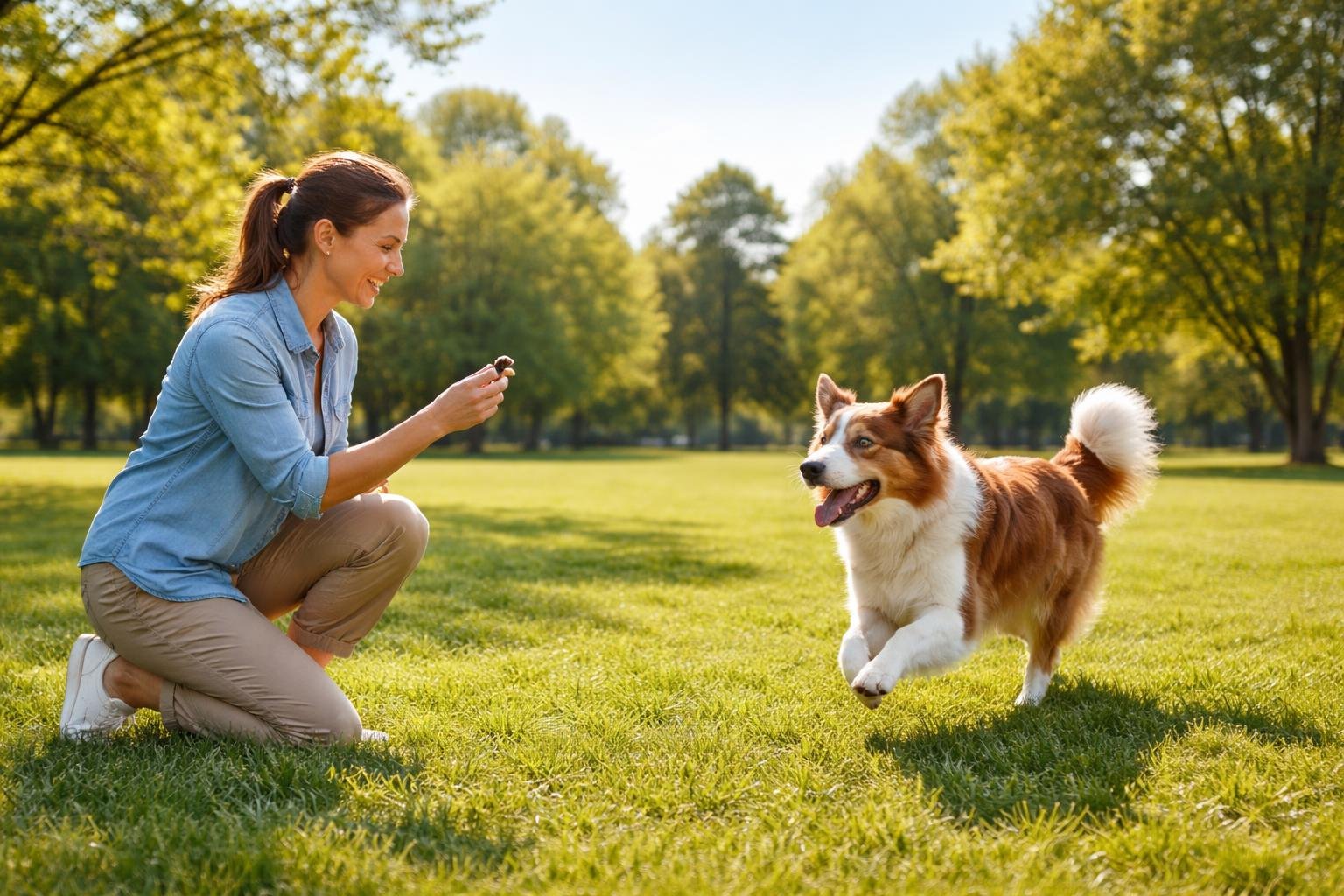
Once a dog learns to come when called, the real work lies in keeping that behavior strong and reliable over time. Success requires making recall practice a natural part of everyday routines and taking steps to prevent the training from weakening.
Integrating Recall into Daily Life
Owners should practice recall commands during regular activities rather than only during formal training sessions. Calling a dog to come before meals, walks, or playtime reinforces the behavior while keeping it associated with positive experiences. Short practice sessions of 2-3 recalls throughout the day work better than one long session.
Dogs need practice in different locations to generalize the command. Owners can practice recall in the backyard, at the park, during walks, and inside the house. Each new environment adds a layer of reliability to the behavior.
Daily integration opportunities include:
- Before feeding time
- When opening doors to go outside
- During play sessions in the yard
- While on leash walks in safe areas
- When greeting family members who arrive home
Varying the rewards also keeps dogs interested. Sometimes they get treats, other times they receive praise or a favorite toy. The unpredictability makes coming when called more exciting than ignoring the command.
Preventing Training Regression
Dogs lose their recall skills when owners stop practicing or accidentally punish the behavior. The most common mistake is calling a dog to end something fun, like playtime at the park. This teaches the dog that coming means losing freedom.
Owners should never scold or punish a dog that eventually comes, even if it took several attempts. Any negative response makes the dog less likely to come next time.
Ways to prevent regression:
- Practice at least 3-5 times per week in various settings
- Keep training sessions positive and rewarding
- Never call a dog for something unpleasant (baths, nail trims, end of play)
- Use a leash for control in new or distracting environments
- Refresh training when moving to a new home or changing routines
If a dog starts ignoring the recall command, owners need to go back to basics with a long leash and high-value rewards. They should reduce distractions and rebuild the foundation before expecting reliable responses in challenging situations.
Safety Considerations in Public Spaces
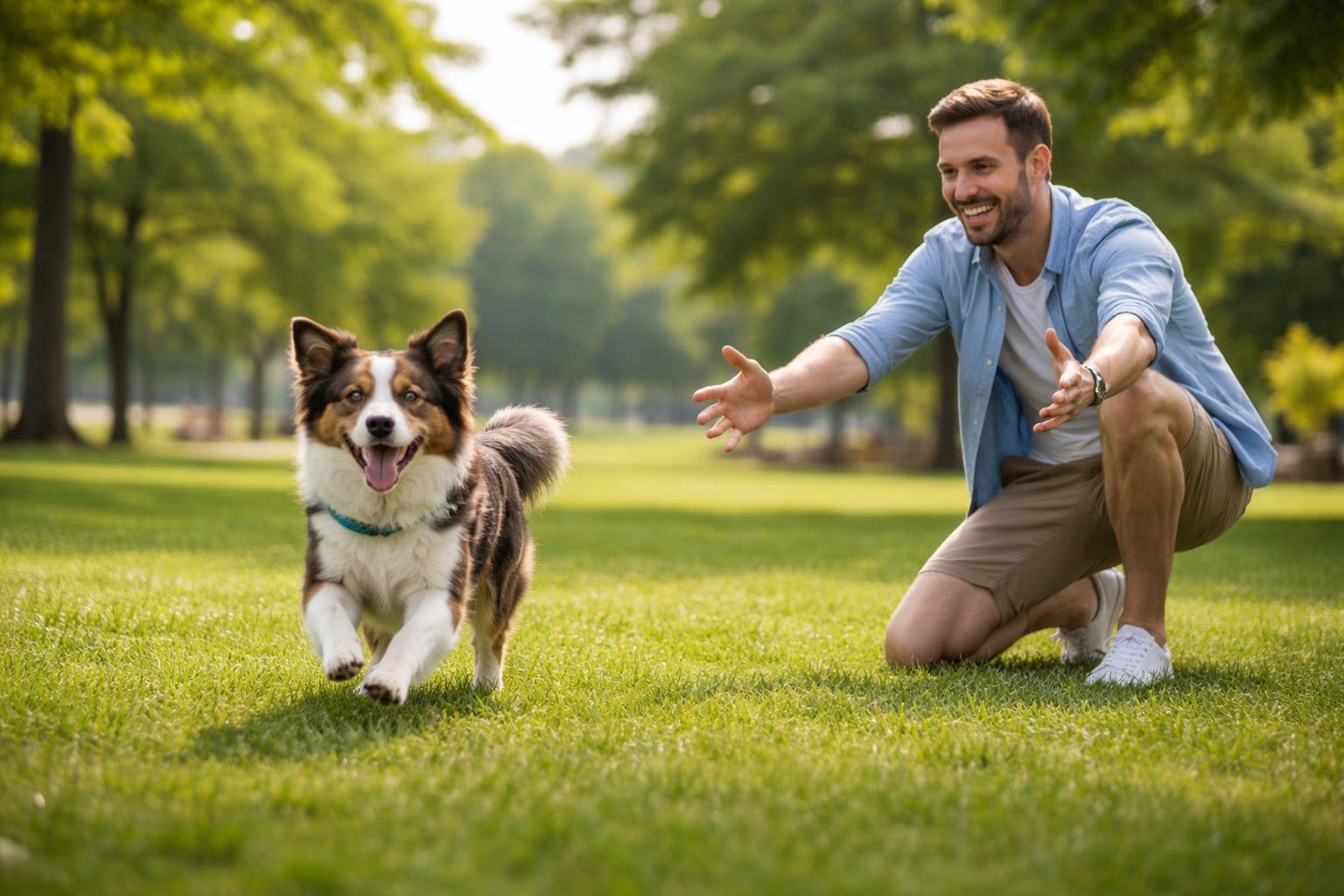
Training recall in public areas requires knowledge of local rules and awareness of other animals that may distract or threaten a dog during training sessions.
Understanding Local Leash Laws
Most cities and towns have specific leash laws that dictate where dogs can be off-leash. These laws typically require dogs to remain on a leash of 6 feet or less in public areas like sidewalks, parks, and shopping districts.
Dog owners should research their local ordinances before practicing recall training. Many areas designate specific off-leash zones such as dog parks or enclosed training areas where recall practice is legal and safe.
Violating leash laws can result in fines ranging from $50 to $500 depending on the location. More importantly, an off-leash dog in restricted areas creates liability if the dog causes injury or property damage.
Legal off-leash training locations include:
- Designated dog parks with fenced boundaries
- Private property with owner permission
- Official off-leash zones marked by local authorities
- Professional training facilities
Managing Encounters with Other Animals
Other dogs and animals pose the biggest challenge when training recall in public spaces. A dog may ignore a recall command when fixated on another animal, whether from excitement or fear.
Owners should maintain distance from unfamiliar dogs during early recall training. Starting at least 20-30 feet away from other animals allows the dog to notice them without becoming overly stimulated or reactive.
Not all dogs in public spaces are friendly or well-trained. Approaching dogs without permission from their owners creates dangerous situations that can lead to fights or injuries.
Safety steps during animal encounters:
- Keep high-value treats ready to redirect attention
- Watch for signs of tension like stiff body language or staring
- Create distance by moving away calmly if the dog becomes fixated
- Avoid dog parks during peak hours when training recall skills
Wildlife like squirrels, rabbits, and birds present strong distractions. Training in areas with moderate wildlife activity helps dogs learn to respond despite these temptations.
Adapting Training for Different Breeds and Ages
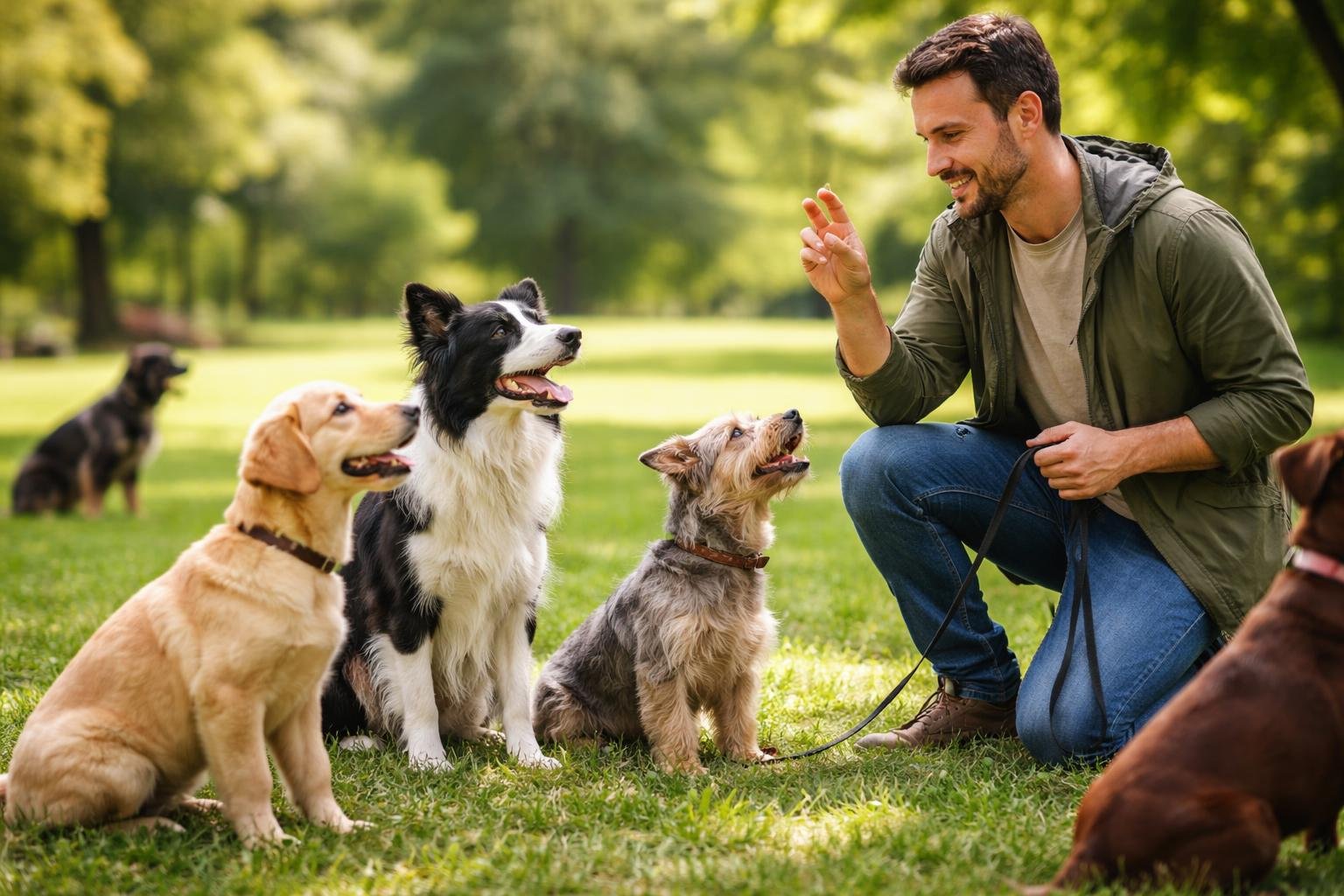
Dogs learn at different speeds based on their age and breed characteristics. Puppies need shorter sessions and more patience, while certain breeds require adjusted methods to overcome their natural independence.
Customizing Techniques for Puppies
Puppies have short attention spans that last only 5 to 10 minutes. Trainers should keep recall practice brief and fun to prevent the puppy from losing interest.
Young dogs need more frequent rewards than adult dogs. A puppy should receive a treat every single time they come when called during the first few weeks of training. This builds a strong positive association with the recall command.
Puppies tire easily and get distracted by everything around them. Owners should start recall training in quiet indoor spaces before moving to busier areas. The distance should stay short at first, just 5 to 10 feet away.
Key adjustments for puppy training:
- Practice 3-4 times daily for 5-10 minutes each
- Use high-value treats like small pieces of chicken or cheese
- Keep the training tone excited and playful
- Avoid punishing a puppy that doesn’t come immediately
Working with Stubborn or Independent Breeds
Certain breeds like Basset Hounds, Beagles, and terriers were bred to work independently. These dogs often ignore commands because their instincts tell them to follow scents or chase prey instead of listening to humans.
Owners of independent breeds need higher-value rewards than standard treats. Real meat, cheese, or special toys work better than regular kibble. The reward must be more interesting than whatever is distracting the dog.
Training sessions should happen when these dogs have less energy. A tired dog pays more attention than one with pent-up energy. A 30-minute walk or play session before training helps reduce their urge to run off.
Hounds and scent-driven breeds benefit from a long training lead that gives them some freedom while keeping them safe. This lets owners practice recall at greater distances without risking the dog running away completely.
Frequently Asked Questions
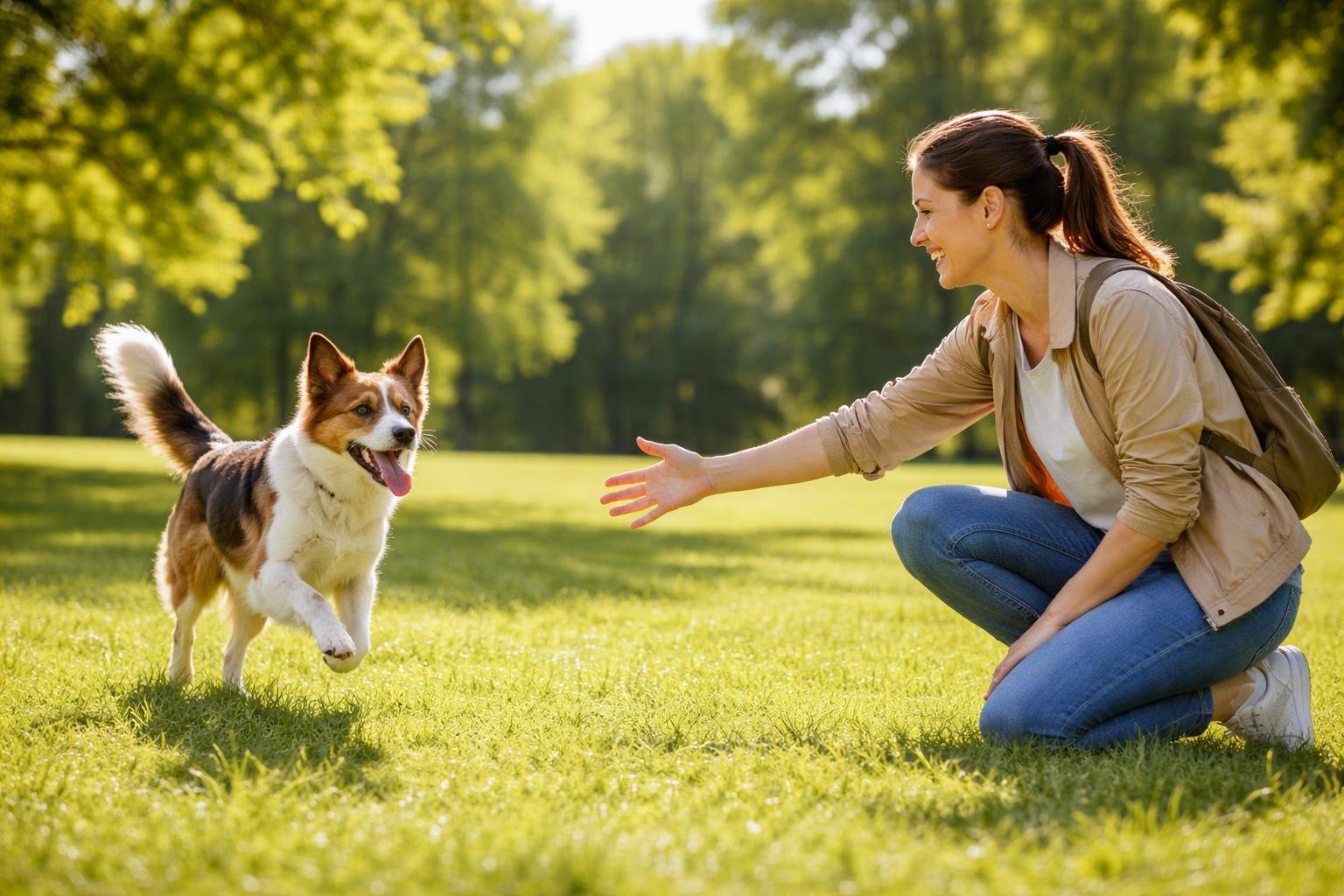
Training a dog to come when called requires understanding common challenges and applying proven techniques. These answers address the most important questions about building a fast, reliable recall.
How can I get my dog to come to me immediately when called?
The key to immediate response is making the owner more interesting than any distraction. Dogs need to associate the recall command with highly valuable rewards every single time during training.
Start by using high-value treats like chicken, cheese, or hot dogs rather than regular kibble. The reward must be worth interrupting whatever the dog is doing.
Practice in low-distraction environments first. Call the dog only when confident it will respond, then immediately reward with treats and enthusiastic praise.
Never call a dog for something unpleasant like a bath or nail trimming. This creates negative associations that slow down or eliminate the recall response.
What steps should I follow to train a reliable recall in any environment?
Begin training indoors where distractions are minimal. Use a specific word like “come” or “here” consistently, never changing the command.
Call the dog from short distances of three to five feet. When the dog reaches the owner, give treats and praise immediately. Repeat this 10 to 15 times per session.
Gradually increase distance as the dog succeeds. Move training to a fenced yard once indoor recall is solid.
Add distractions slowly and systematically. Practice with toys on the ground, other people present, and eventually other dogs at a distance. Only progress to harder environments when the dog responds reliably in easier ones.
Use a long training leash (15 to 30 feet) in unfenced areas. This prevents the dog from learning that ignoring the command is an option while still allowing freedom to practice at longer distances.
How do I train my dog to come when called if it ignores me or gets distracted?
Dogs that ignore recall need to go back to basics in easier environments. Never repeat the command multiple times, as this teaches the dog that immediate response is optional.
If a dog doesn’t respond to the first command, use the long leash to gently guide it toward the owner while using an encouraging voice. Reward when the dog arrives, even though help was needed.
Increase the value of rewards when working around distractions. What works in the living room may not compete with squirrels in the park.
Practice the “find me” game by hiding behind trees or furniture when the dog gets distracted on walks. This teaches the dog to pay attention to the owner’s location.
Avoid calling a distracted dog unless able to enforce the command with a leash. Failed recalls teach dogs they can choose whether to listen.
What is the best way to teach a puppy to come when called from the start?
Puppies naturally want to follow their owners, making early training easier. Start recall training as soon as the puppy arrives home, typically around eight weeks old.
Use the puppy’s name followed by the recall command. Say it in a happy, excited voice that makes the puppy want to run over.
Practice during meals by calling the puppy to its food bowl. This builds a positive association with coming when called.
Keep training sessions very short, just two to three minutes for young puppies. Their attention spans are limited, and multiple short sessions work better than one long session.
Never chase a puppy that doesn’t come. This turns recall into a fun game of keep-away. Instead, run in the opposite direction to trigger the puppy’s instinct to follow.
How can I use rewards and reinforcement to make recall consistent and fast?
Variable reinforcement keeps dogs responding quickly after initial training is solid. Once a dog comes reliably, start rewarding with treats randomly rather than every time.
Sometimes give one treat, sometimes give three, and sometimes give jackpots of five to ten treats. This unpredictability keeps dogs eager and fast.
Mix in other rewards beyond food. Some dogs value play with a favorite toy, while others prefer petting or the chance to sniff an interesting spot.
The speed of the recall should determine the quality of the reward. A fast run to the owner earns better treats than a slow walk.
Randomly recall the dog during walks, give a reward, then immediately release it to go back to playing or sniffing. This prevents the dog from learning that “come” always ends the fun.
What should I do if my dog runs away, and how likely is it to return?
Most lost dogs stay within a one to two mile radius of where they went missing. Dogs often return on their own within the first few hours if they’re not scared or chased.
If a dog runs off, resist the urge to chase it. Chasing triggers prey drive and makes the dog run faster and farther away.
Try sitting or lying down on the ground instead. Many dogs will approach out of curiosity when the owner stops pursuing.
Call local shelters, veterinary clinics, and animal control within the first few hours. Post on social media and neighborhood apps with a clear photo and contact information.
Leave items with the owner’s scent like worn clothing or the dog’s bed outside the home. Some dogs use scent to navigate back.
The likelihood of return depends on the dog’s training, temperament, and the environment. Well-trained dogs with solid recall are much more likely to respond even when scared or distracted.