Grilling Safety for Dogs: 5 Essential Tips to Protect Your Pet at Outdoor BBQs
Summer barbecues bring families together for great food and outdoor fun. But these gatherings can create serious risks for dogs who get too curious about hot grills, dropped food, and excited guests.
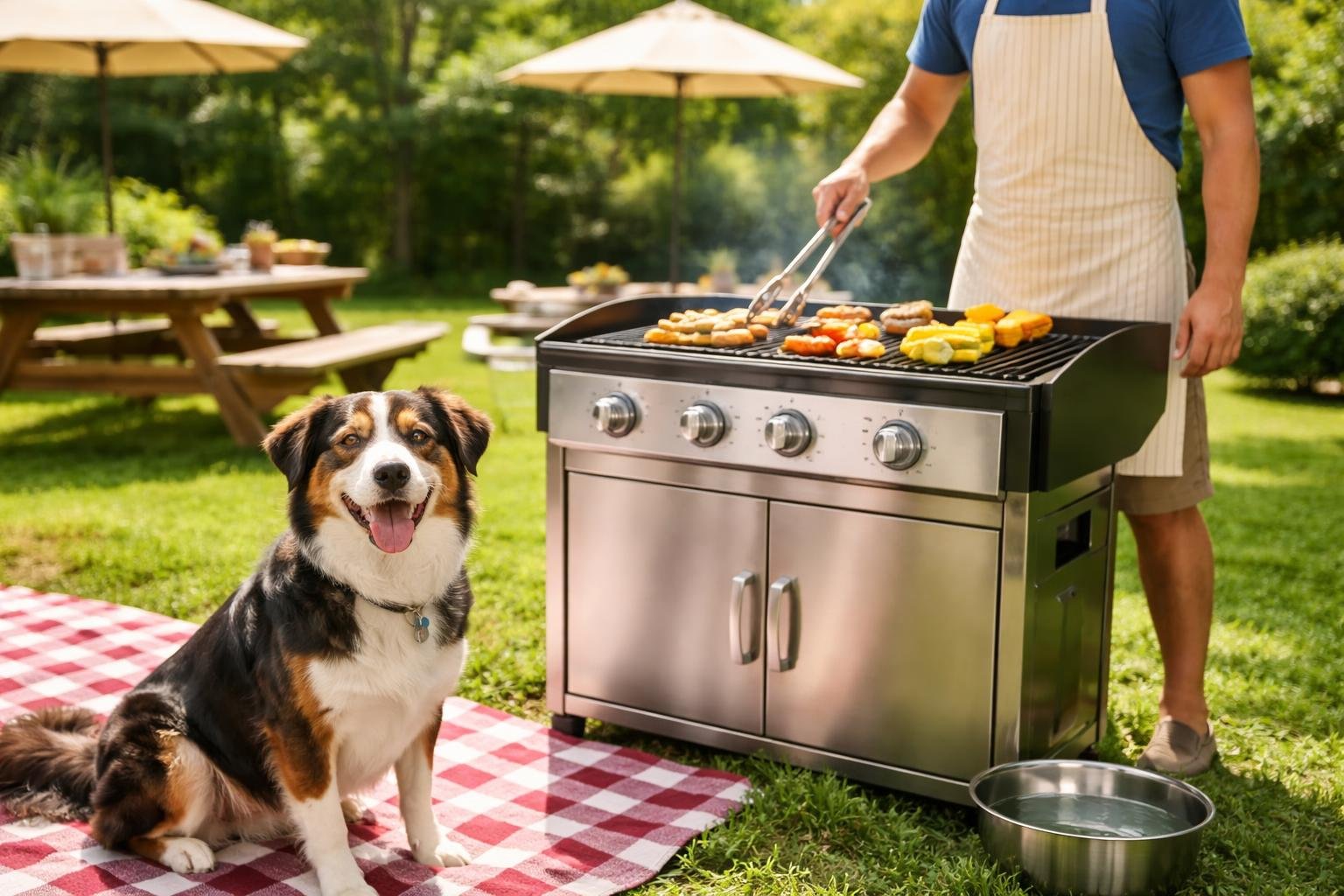
Dogs face multiple hazards at backyard cookouts, from toxic foods and hot surfaces to open gates and panicked reactions to noise. Many pet owners don’t realize that common BBQ items like corn cobs, onions, and cooked bones can be dangerous or even deadly for their dogs. The grill itself poses burn risks, and the commotion of guests arriving and leaving creates chances for dogs to escape.
A safe BBQ starts with understanding what dangers exist and taking simple steps to protect dogs before firing up the grill. This guide covers practical ways to keep dogs safe while still enjoying outdoor cooking, from managing food access to handling emergencies if something goes wrong.
Why Grilling Safety Matters for Dogs
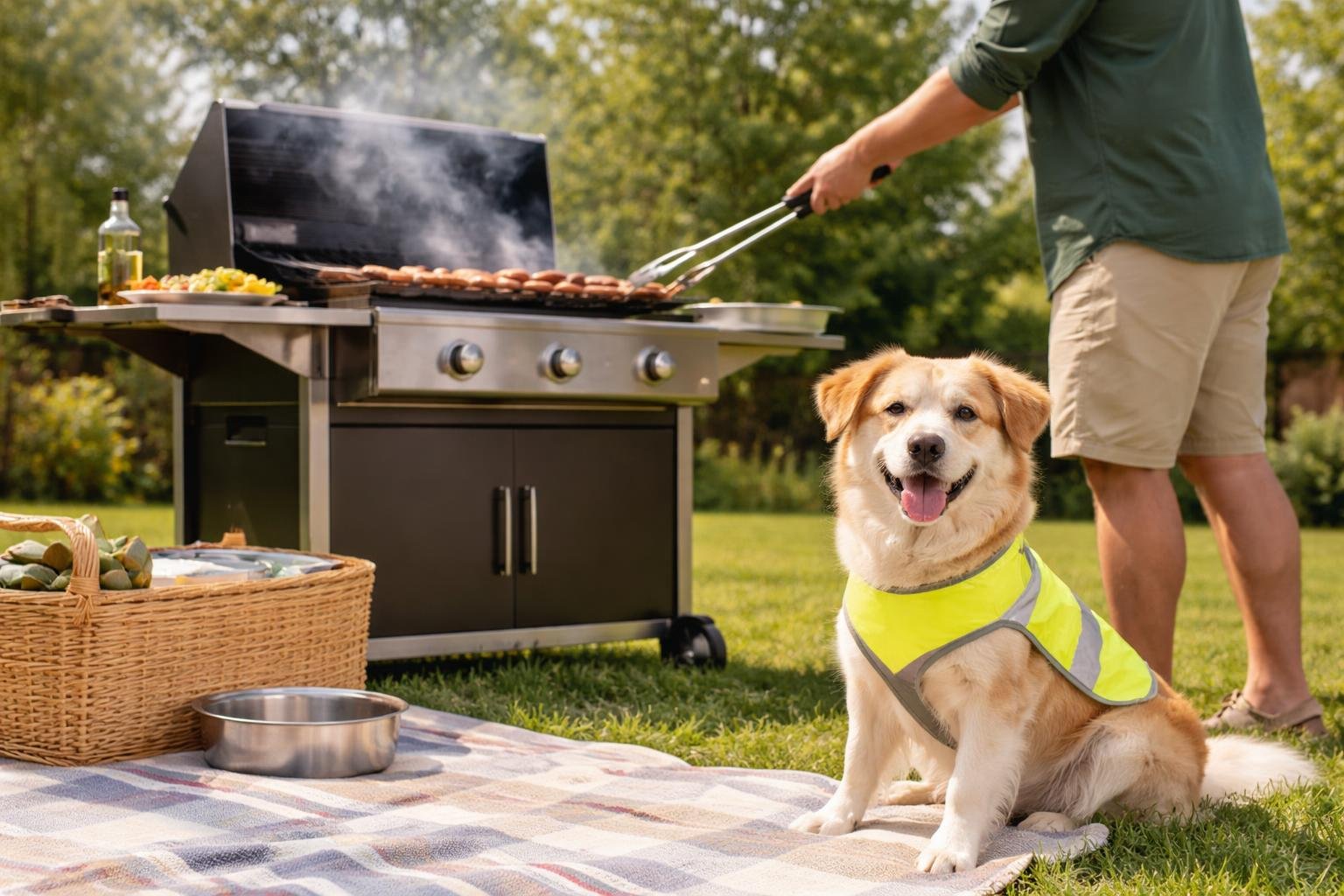
Dogs face serious risks at backyard BBQs, from burns and food poisoning to heat-related illness. Understanding these dangers helps pet owners create a safer environment where both people and pets can enjoy outdoor gatherings.
Common Hazards During Outdoor BBQs
Hot grills present burn risks for curious dogs who may brush against them or knock them over. The grill surface can reach temperatures of 400-600 degrees Fahrenheit, causing severe burns on contact.
Open flames and hot coals attract dogs seeking dropped food. A wagging tail can sweep across a hot surface in seconds. Dogs may also step on charcoal or touch metal tools left on the ground.
Physical hazards include:
- Hot grill grates and surfaces
- Sharp skewers and utensils
- Lighter fluid and fuel containers
- Uncovered trash with sharp bones
Guests moving around the yard create additional risks. Dogs can trip people carrying hot food or dart through open gates. Increased foot traffic makes it harder to monitor where pets wander.
Potential Health Risks for Dogs
Many BBQ foods contain ingredients that are toxic to dogs. Onions and garlic damage red blood cells, while grapes can cause kidney failure. Chocolate desserts pose poisoning risks even in small amounts.
Fatty meats like ribs and brisket can trigger pancreatitis, a painful inflammation of the pancreas. Cooked bones splinter easily and can puncture the digestive tract or cause blockages. Corn cobs are particularly dangerous as they often require surgical removal.
Heat exhaustion affects dogs faster than humans since they cannot sweat. Signs include excessive panting, drooling, and weakness. Dogs can develop heatstroke when body temperature rises above 104 degrees Fahrenheit.
Insect sprays and citronella candles may irritate respiratory systems. Some sunscreens contain zinc oxide, which is toxic if licked off fur or skin.
Understanding Canine Curiosity Around Food
Dogs possess 300 million scent receptors compared to humans’ 6 million. The smell of grilling meat triggers strong instinctive responses that override training in many cases.
Food-seeking behavior intensifies in social settings. Dogs learn that gatherings mean dropped food and generous guests. They may beg more persistently or employ tactics that worked at previous events.
Even well-trained dogs struggle with impulse control around high-value foods like steak and burgers. The combination of enticing smells, excited guests, and distracted owners creates opportunities for food theft. Some dogs will counter-surf, jump on guests, or raid unattended plates within seconds.
Keeping Potentially Dangerous Foods Out of Reach
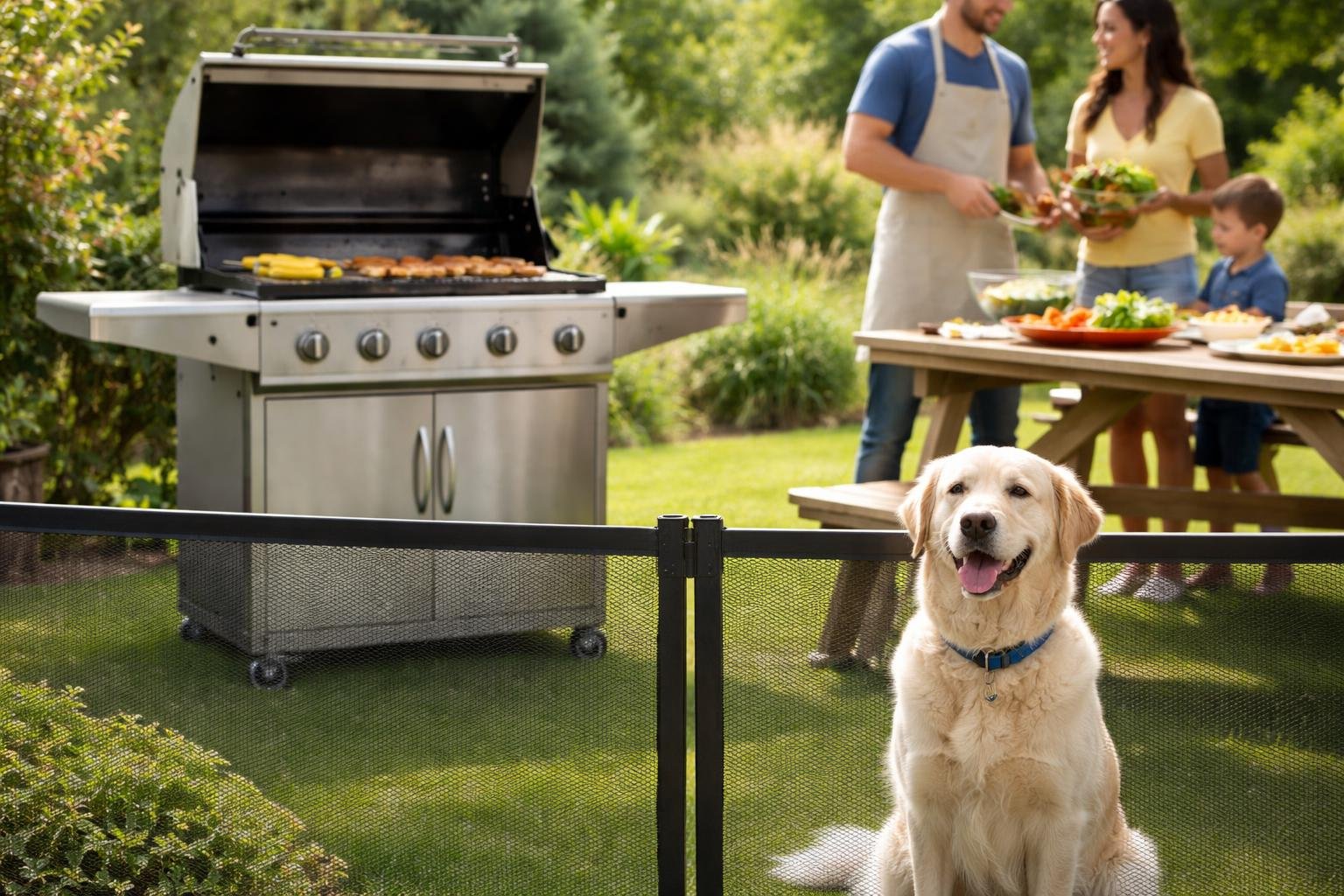
Many popular BBQ foods can make dogs seriously sick or even cause death. The key to preventing food-related emergencies is knowing which foods pose risks and keeping them away from curious pets.
List of Toxic Grill Foods for Dogs
Bones from grilled meat are one of the biggest dangers at any BBQ. Cooked bones splinter easily and can puncture a dog’s digestive system or cause choking. Rib bones, chicken bones, and steak bones all become brittle when cooked.
Onions and garlic appear in many marinades, sauces, and side dishes. These foods damage a dog’s red blood cells and can lead to anemia. Even small amounts are harmful.
Corn on the cob seems harmless but the cob itself causes intestinal blockages that often require surgery. Dogs who swallow pieces of the cob may not show symptoms for hours or days.
Other dangerous BBQ foods include:
- Grapes and raisins (found in salads)
- Chocolate desserts (causes seizures and heart problems)
- Alcohol (extremely toxic to dogs)
- Avocado (contains persin which harms dogs)
- Foods with xylitol (artificial sweetener in some condiments)
- Fatty meats (can trigger pancreatitis)
How to Secure Food Preparation Areas
Pet owners should establish a three-foot barrier around all food prep zones. This keeps dogs away from counter edges where they might grab food. Using baby gates or exercise pens creates clear boundaries that dogs cannot cross.
All food should stay on tables that are tall enough that dogs cannot reach them, even when standing on their back legs. Weighted tablecloths prevent dogs from pulling items down. Trash cans need secure lids that lock or should be placed inside a closed garage or shed.
Guests should receive clear instructions not to feed the dog table scraps. Some dogs beg convincingly, but one person sharing “just a bite” of the wrong food can cause an emergency vet visit. Designating one person to watch the dog helps maintain consistent supervision.
Safe Treat Alternatives for Dogs
Dogs can safely enjoy small pieces of plain grilled chicken, turkey, or lean beef with all bones, skin, and seasoning removed. The meat should be cooked thoroughly with no pink remaining. Portions should be small, about the size of a dice.
Plain vegetables make healthy BBQ treats for dogs. Carrots, green beans, and cucumber slices provide crunch without risks. Sweet potato slices can be grilled without any butter or seasonings.
Preparing a special dog-safe plate before the BBQ starts prevents the temptation to share seasoned human food. Store-bought dog treats can be frozen in advance to provide a cool snack on hot days.
Preventing Burns and Physical Injuries
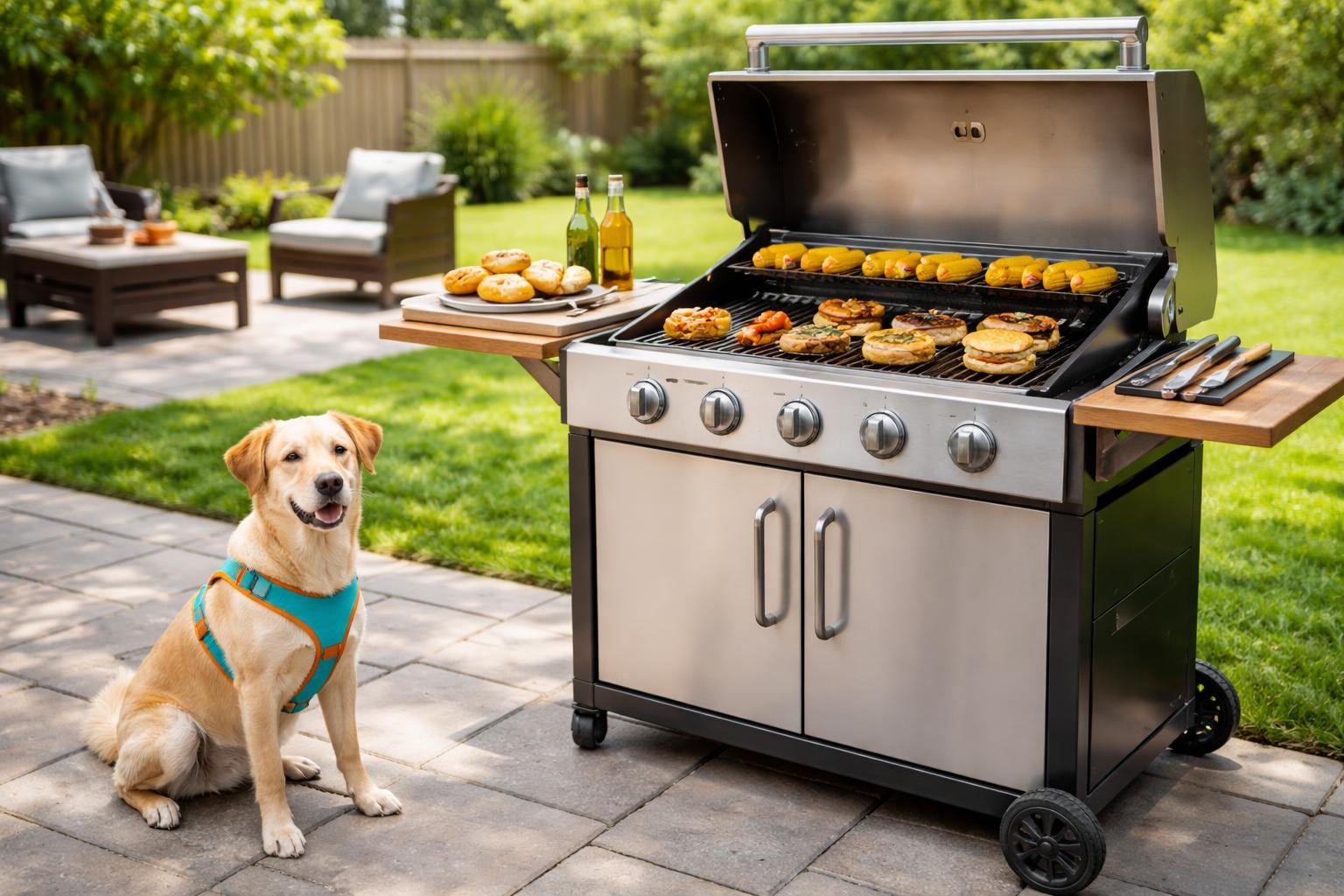
Dogs can suffer serious burns from grills, hot coals, and cooking tools that reach temperatures of 500°F or higher. Physical barriers and constant supervision help prevent painful accidents during outdoor cooking.
Grill Placement and Barriers
The grill should sit on a flat, stable surface at least 10 feet away from areas where dogs play or rest. This distance prevents accidental contact if a dog runs past or gets excited by food smells.
Physical barriers work best for keeping dogs safe:
- Portable pet gates that create a 3-4 foot boundary around the cooking area
- Exercise pens that section off the grill zone
- Tethering systems that keep dogs in designated areas away from heat sources
The grill must be positioned where it cannot tip over if bumped. A wobbly grill poses risks for both burns and crushing injuries. Stakes or grill pads add stability on grass or uneven ground.
Keep propane tanks secured and check all connections before lighting the grill. Leaking gas attracts some dogs to investigate, which creates dangerous situations.
Monitoring Hot Surfaces and Utensils
Metal utensils, grill grates, and drip pans stay hot for 30-45 minutes after cooking ends. Dogs don’t understand these items remain dangerous even when the flames go out.
High-risk items include:
- Grill handles and side tables
- Dropped tongs or spatulas on the ground
- Grease traps and collection pans
- Hot coals in charcoal grills
Never leave cooking tools where dogs can reach them. A curious sniff can burn a nose, tongue, or paw pads. Store utensils on high surfaces or inside closed containers immediately after use.
Grease fires require special attention because dogs may bolt toward sudden flames or loud noises. Keep a fire extinguisher nearby and know how to use it properly.
Creating a Safe Outdoor Environment for Dogs
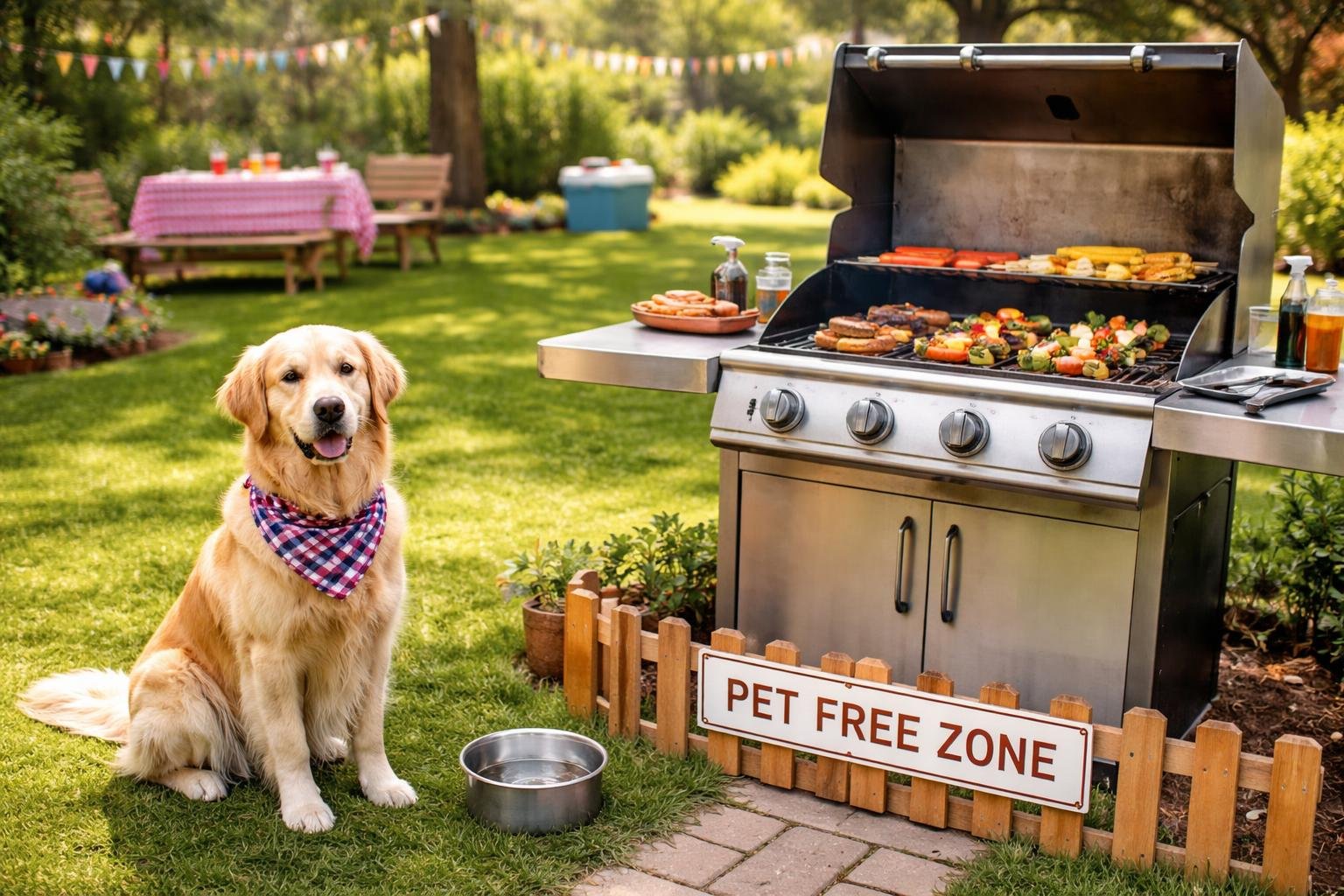
A well-planned outdoor space helps prevent accidents and keeps dogs comfortable during grilling events. Physical barriers, active monitoring, and proper waste management form the foundation of a safe BBQ environment for pets.
Setting Up a Designated Dog Zone
Creating a specific area for dogs keeps them away from the grill and other hazards. Pet owners should set up this zone at least 10 feet from the grill using portable gates, exercise pens, or temporary fencing. The designated space needs adequate shade, fresh water, and comfortable ground cover.
This area works best when it includes familiar items like the dog’s favorite toys, blankets, or a portable crate. Dogs feel more relaxed in a defined space with their own belongings rather than wandering through high-traffic areas. The zone should be positioned where the dog can still see their owner and family members to reduce anxiety.
For multiple dogs, the space needs enough room for each animal to move freely without crowding. Owners should ensure the barriers are tall enough and secure enough that dogs cannot jump over or knock them down.
Supervising Dogs During Gatherings
Active supervision prevents most grilling-related accidents before they happen. One person should be assigned to watch the dogs throughout the event, especially when guests arrive or when food is being served. Dogs often become excited or anxious during parties, which increases the risk of problematic behavior.
Owners need to watch for signs of stress like excessive panting, pacing, or attempts to escape the designated area. Some dogs may try to approach the grill out of curiosity or food motivation. Quick intervention stops these behaviors before injuries occur.
Guests should be instructed not to feed dogs table scraps without permission. Many BBQ foods are toxic to dogs or cause digestive problems.
Managing Loose Items and Trash
Grilling events generate debris that poses serious risks to dogs. Trash bins must have secure, locking lids that dogs cannot open or knock over. Bins should be placed in areas dogs cannot access, ideally inside the house or garage.
Skewers, toothpicks, aluminum foil, and food packaging are particularly dangerous if ingested. These items need immediate disposal in covered containers. Grease drippings should be cleaned up promptly as they attract dogs and cause stomach issues.
Guests should place drinks on stable, elevated surfaces where dogs cannot reach them. Beer, wine, and other alcoholic beverages are toxic to dogs even in small amounts.
Managing Human and Dog Interactions
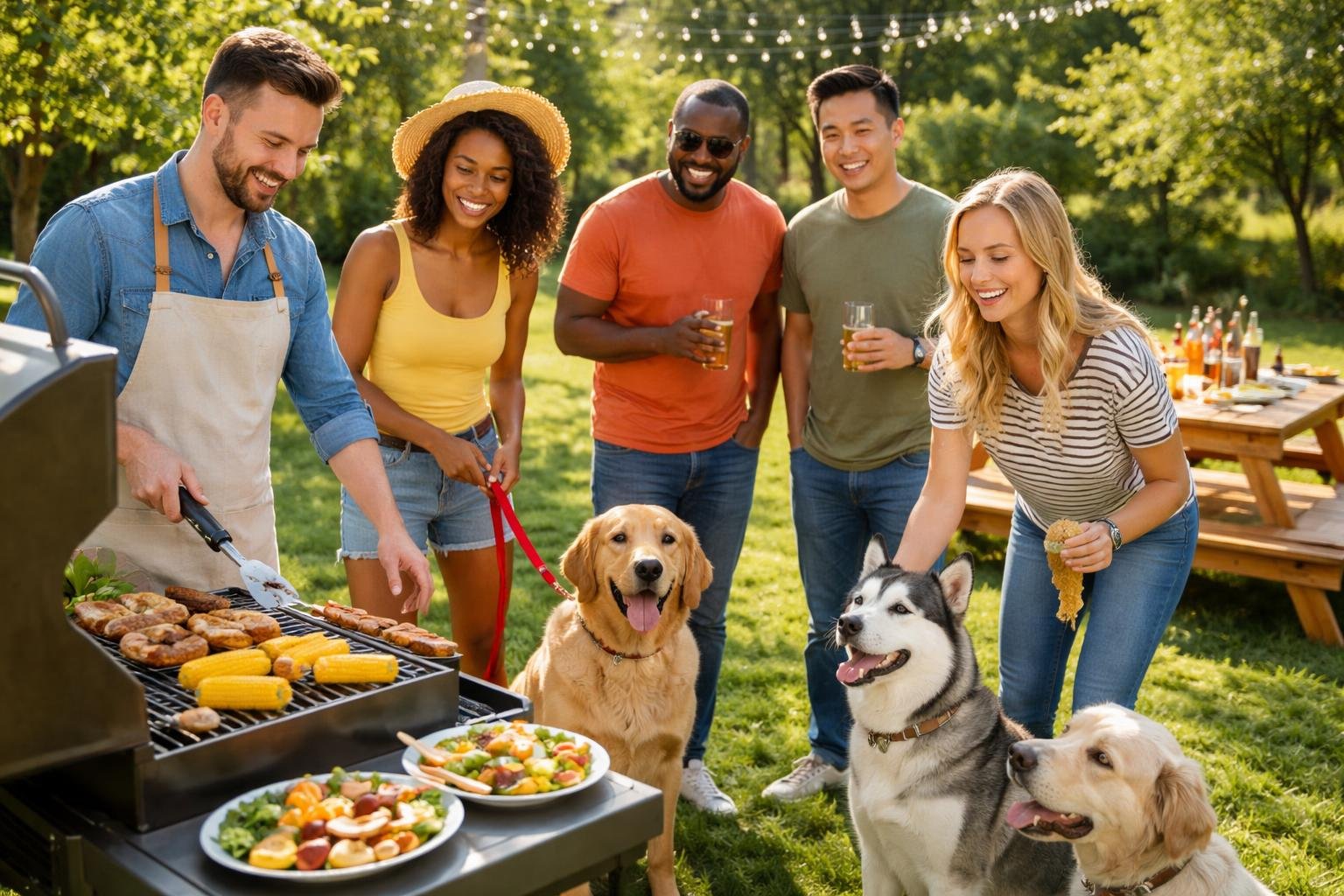
Guests at a BBQ often want to interact with dogs, but without proper guidance, these interactions can lead to safety issues. Teaching visitors the rules and controlling what dogs eat helps prevent accidents and keeps everyone safe.
Educating Guests About Dog Safety
Homeowners should tell guests the rules before the BBQ starts. This includes explaining not to feed the dog any food without permission and to avoid letting the dog near the grill area.
Some guests may not know that certain behaviors can stress dogs out. Loud noises, sudden movements, and too much attention can make a dog anxious or scared. Hosts should ask visitors to stay calm around the dog and give the animal space when needed.
Key rules to share with guests:
- No feeding without asking first
- Keep at least 3 feet away from the grill
- Don’t chase or corner the dog
- Let the dog approach them instead of forcing interaction
- Avoid touching the dog while it’s eating or in its safe zone
Children need extra supervision around dogs during BBQs. Adults should watch all interactions between kids and pets to prevent accidental injuries.
Minimizing Table Scraps and Handouts
Many BBQ foods are dangerous for dogs. Fatty meats, bones, onions, garlic, and corn cobs can cause serious health problems. Grilled foods often contain seasonings and marinades that are toxic to dogs.
The host should designate one person to monitor what the dog receives. This prevents multiple guests from sneaking treats without realizing others have done the same. Too many scraps can cause stomach upset or pancreatitis.
Foods to never give dogs at BBQs:
- Cooked bones (can splinter and cause choking)
- Onions and garlic
- Corn cobs
- Fatty meat trimmings
- Chocolate desserts
- Alcohol
Hosts can prepare dog-safe treats in advance. Plain grilled chicken or vegetables without seasoning make good alternatives. Keeping these treats available gives guests something safe to offer if they want to interact with the dog through food.
Emergency Preparedness for BBQ Accidents
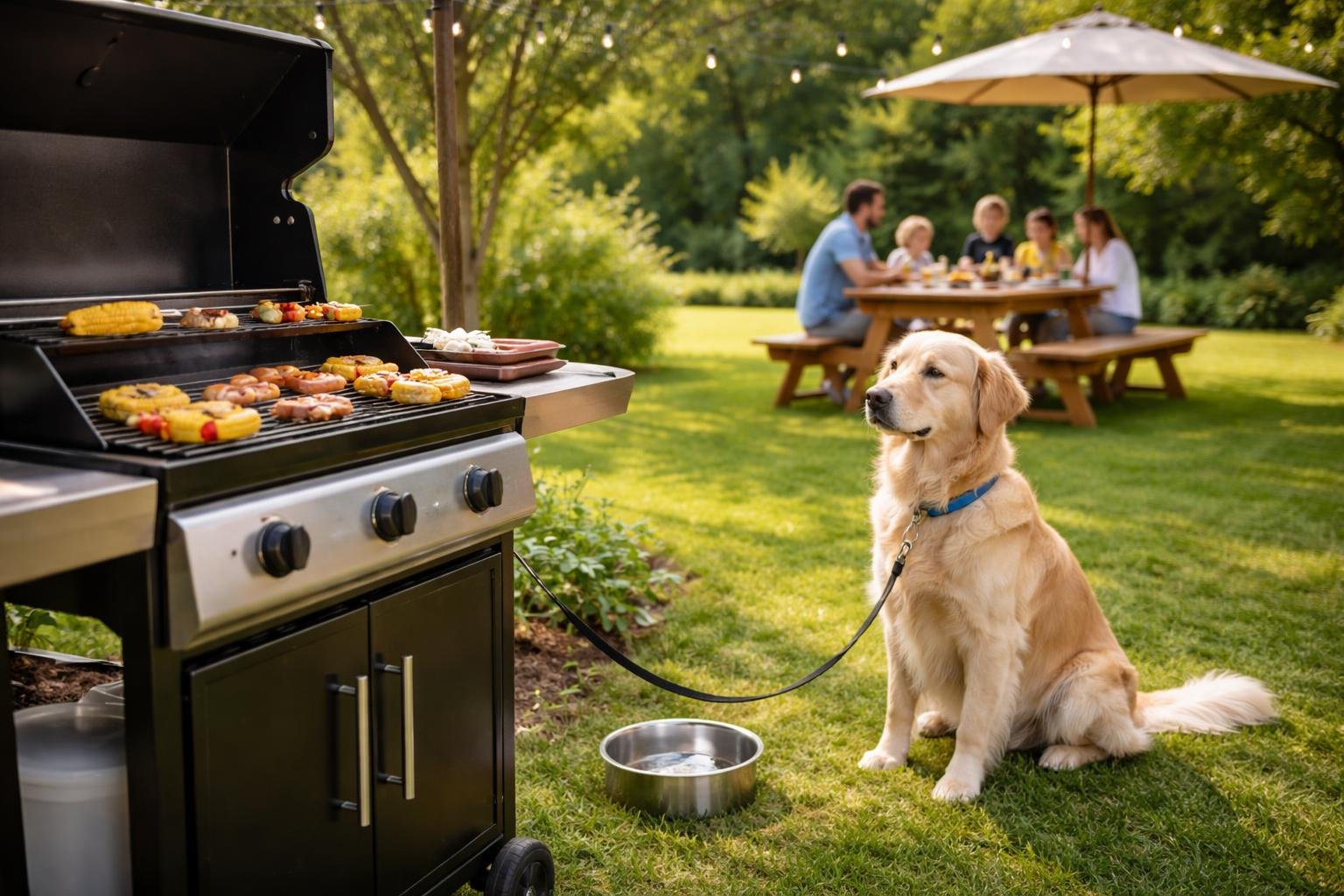
Even with careful planning, accidents can happen during outdoor grilling sessions. Pet owners should know how to identify problems quickly and respond appropriately to protect their dog’s health and safety.
Recognizing Signs of Ingestion or Injury
Dogs often hide discomfort, making it critical to watch for specific warning signs during and after a BBQ. Common symptoms of food poisoning or toxic ingestion include excessive drooling, vomiting, diarrhea, and loss of appetite. Some dogs may also show restlessness, pacing, or attempts to hide.
Burns from hot grill surfaces typically cause immediate yelping, limping, or favoring a paw. The affected area may appear red, blistered, or have singed fur. Dogs might lick the burned area repeatedly or refuse to walk normally.
Serious symptoms requiring immediate action include:
- Difficulty breathing or choking sounds
- Collapse or inability to stand
- Seizures or tremors
- Pale or blue gums
- Severe swelling of the face or throat
- Uncontrolled vomiting or bloody diarrhea
Bloat symptoms present as a distended abdomen, unproductive retching, and obvious distress. This condition is life-threatening and requires emergency care within minutes.
First Aid Steps to Take at the BBQ
For minor burns, immediately run cool (not cold) water over the affected area for several minutes. Never apply ice directly to burns, as this can cause additional tissue damage. Cover the burn loosely with a clean, damp cloth until veterinary care is available.
If a dog ingests something toxic, do not induce vomiting unless a veterinarian specifically instructs it. Some substances cause more damage coming back up. Remove any remaining food or objects from the dog’s mouth if safe to do.
For choking emergencies, check the mouth for visible obstructions. Only remove objects that are easy to grasp without pushing them further down. Perform the Heimlich maneuver for dogs by placing hands behind the rib cage and applying firm upward pressure.
Keep a pet first aid kit near the grilling area with gauze, antiseptic wipes, and the veterinarian’s contact information readily accessible.
When to Contact a Veterinarian
Contact a veterinarian immediately if a dog shows any severe symptoms listed above or if there’s uncertainty about what the dog consumed. Time matters significantly with toxic ingestions, and professional guidance can prevent serious complications.
Call ahead to the veterinary clinic or emergency hospital while traveling. This allows staff to prepare for arrival and provide initial instructions. Keep the phone number for a 24-hour emergency veterinary clinic and a pet poison control hotline saved in a phone.
Burns covering a large area, burns on the face or paws, or any burn deeper than the top skin layer require professional treatment. Chemical burns from grill cleaners need immediate veterinary attention regardless of size.
Dogs that consumed cooked bones, even without visible symptoms, should be evaluated by a veterinarian. These bones can cause internal damage that isn’t immediately apparent.
Post-BBQ Cleanup Tips for Dog Safety
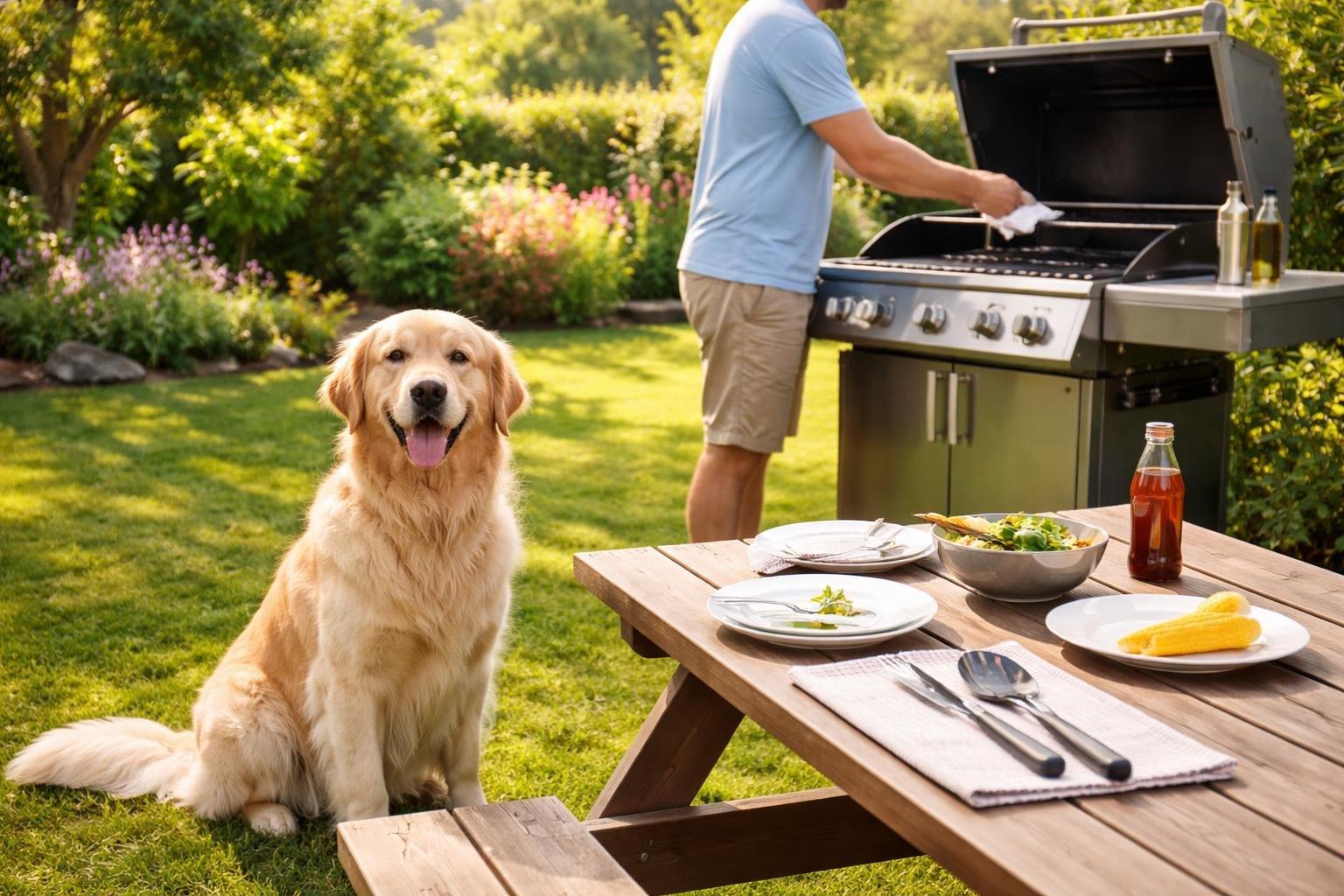
After the grill cools down and guests leave, leftover food and grease can still pose serious risks to dogs. Thorough cleanup prevents scavenging injuries and illness.
Proper Disposal of Food Scraps and Bones
Cooked bones from chicken, ribs, and steak splinter easily and can puncture a dog’s digestive tract or cause choking. These must go directly into a sealed trash can that dogs cannot access. Many pet owners place their trash bins in a garage or behind a closed gate.
Grease drippings on the ground attract dogs but cause pancreatitis when consumed. A garden hose can rinse away surface grease from patios and decks. For stubborn spots, a mixture of dish soap and water breaks down the oils.
High-risk items to remove immediately:
- Corn cobs (cause intestinal blockage)
- Onion and garlic scraps (toxic to dogs)
- Fruit pits from peaches or cherries
- Aluminum foil with food residue
- Wooden skewers and toothpicks
Fallen food under tables and chairs needs careful inspection. Small pieces of fatty meat or seasoned foods that seem harmless can upset a dog’s stomach.
Sanitizing Eating and Cooking Areas
Grill brushes with metal bristles shed small wires that dogs might lick up from the ground or grill surface. These wires can lodge in their throat or intestines. Pet owners should inspect the area around the grill and sweep thoroughly.
Paper plates, napkins, and plastic utensils left on low tables become chew toys for curious dogs. These items cause choking or intestinal blockage if swallowed. All disposable items belong in sealed containers.
The grill itself needs to cool completely before storage. Dogs burn their noses and paws on warm grates when investigating leftover smells. A minimum cooling time of one hour protects pets from contact burns.
Leftover marinades and sauces often contain garlic, onions, or xylitol. Bottles and containers should be wiped clean and stored in closed cabinets.
Encouraging Positive Experiences for Dogs During BBQs
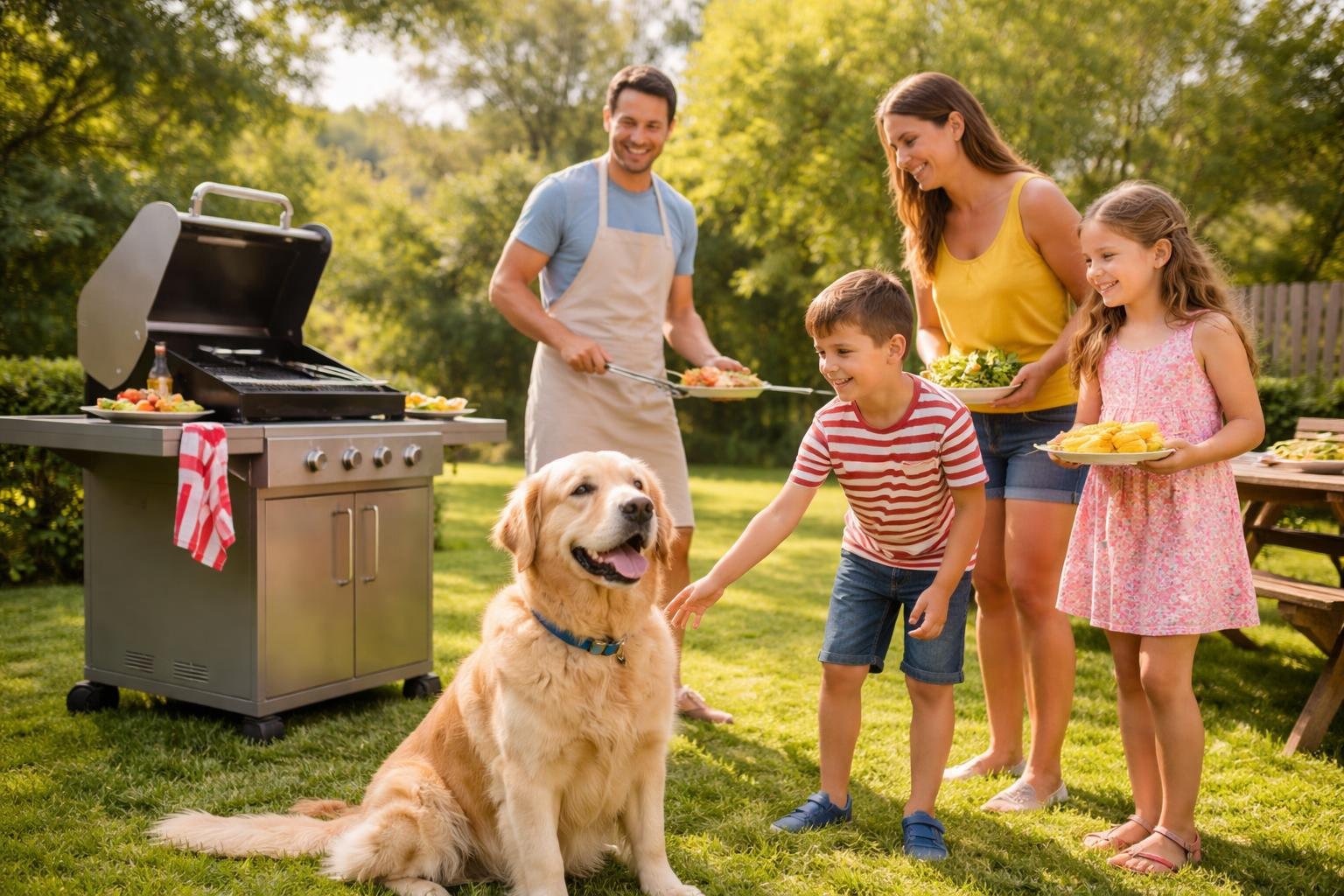
Dogs can learn to associate BBQs with calm, enjoyable experiences through structured activities and consistent reinforcement of good behavior. Creating these positive connections helps reduce anxiety and prevents unwanted behaviors during outdoor gatherings.
Engaging Activities to Occupy Dogs
A tired dog is typically a well-behaved dog during BBQ events. Providing a long walk or play session before guests arrive helps burn excess energy. This makes it easier for dogs to settle during the event.
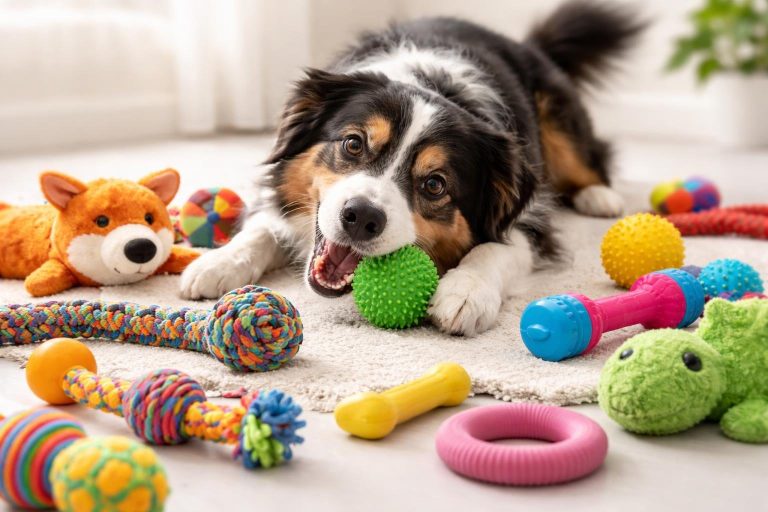
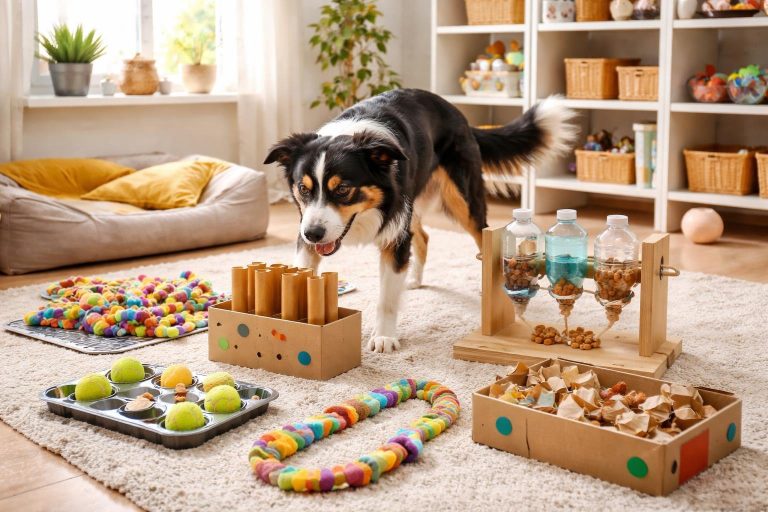
Interactive toys keep dogs mentally stimulated while people gather around the grill. Puzzle feeders filled with kibble or treats can occupy a dog for 20-30 minutes. Frozen Kong toys stuffed with peanut butter or plain yogurt provide longer-lasting entertainment.
Creating a designated safe space gives dogs a retreat option. Set up a shaded area with their favorite bed or blanket away from the grill and foot traffic. Include water bowls and a few familiar toys in this space.
Some dogs enjoy having a specific role during gatherings. Teaching them to stay on a mat or bed while receiving occasional treats gives them a job to focus on. This prevents wandering near hot surfaces or begging for food.
Rewarding Good Behavior Amidst Distractions
Positive reinforcement strengthens desirable behaviors around BBQ distractions. Dogs who remain calm near the grill, ignore dropped food, or greet guests politely deserve immediate rewards. Use small, low-calorie treats to avoid overfeeding during extended events.
Timing matters when rewarding good behavior. Mark the exact moment a dog makes the right choice with a verbal marker like “yes” followed by a treat. This helps dogs understand which specific action earned the reward.
Practice basic commands like “sit,” “stay,” and “leave it” before the BBQ starts. Dogs who respond reliably to these cues during practice will perform better amid real distractions. Short training sessions of 5-10 minutes work better than long ones.
Guests can participate in reinforcing good behavior if given clear instructions. Provide them with approved treats and ask them to reward the dog only when all four paws are on the ground. This prevents jumping and maintains consistent expectations.
Frequently Asked Questions
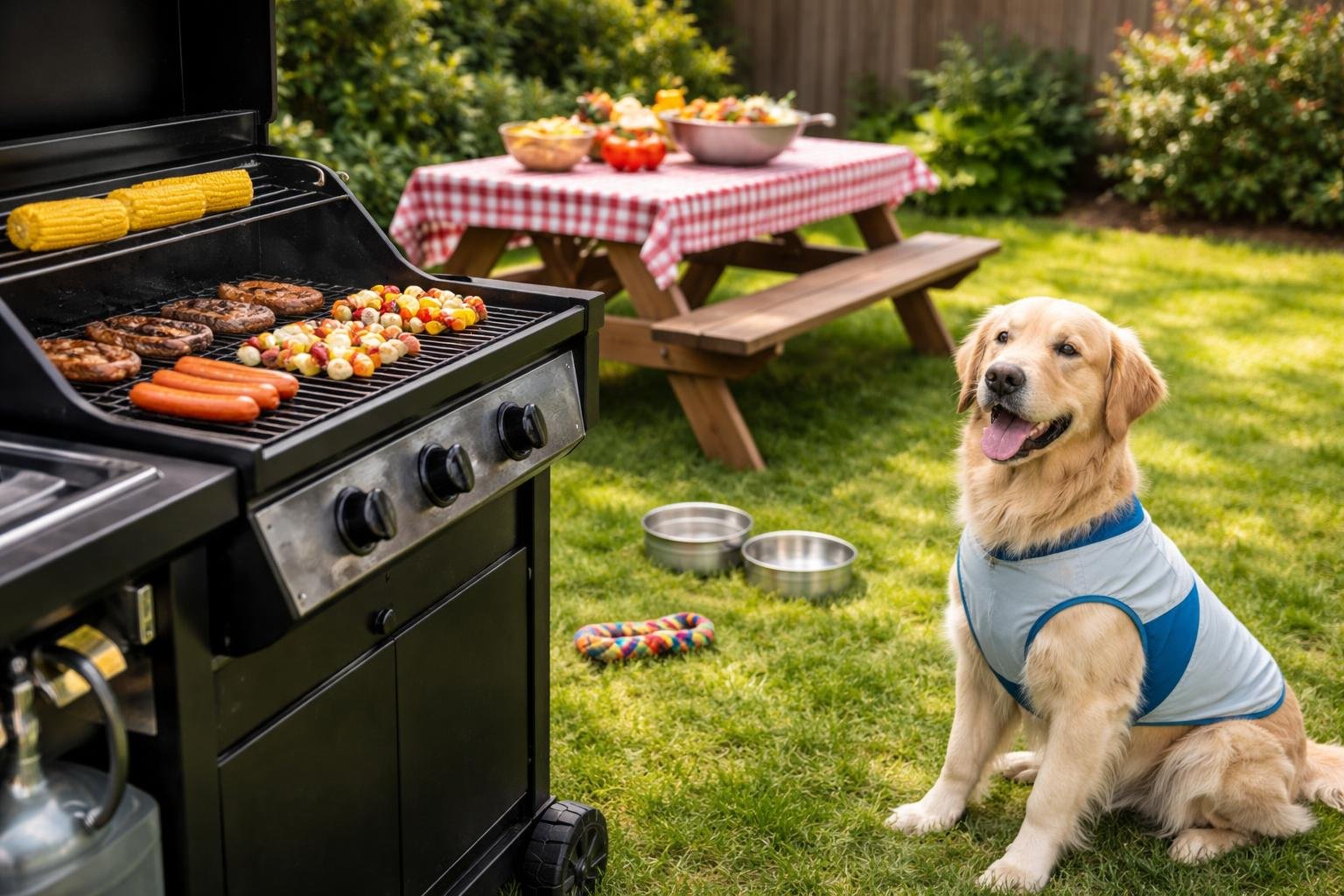
Dogs face several risks at barbecues, from toxic foods and hot surfaces to dangerous leftovers and chemical hazards. Understanding what to avoid and how to respond in emergencies helps keep pets safe during outdoor cookouts.
What foods are unsafe for dogs to eat at a barbecue?
Many common barbecue foods are toxic to dogs. Onions and garlic can damage a dog’s red blood cells, even in small amounts. Grapes, raisins, and foods containing xylitol (an artificial sweetener) are extremely dangerous and can cause kidney failure or severe drops in blood sugar.
Cooked bones from ribs, chicken, or steak can splinter and puncture a dog’s digestive tract. Corn cobs cause intestinal blockages that often require surgery. Fatty meats like hot dogs, hamburgers, and brisket can trigger pancreatitis, a painful and potentially life-threatening condition.
Alcohol, chocolate, avocado, and raw meat or fish also pose serious health risks. Even small tastes of beer or cocktails can cause alcohol poisoning in dogs.
How can I prevent my dog from getting burned by a hot grill or fire pit?
Creating a physical barrier is the most effective way to protect dogs from hot surfaces. Pet owners should set up a designated area for their dog away from the grill using a baby gate, exercise pen, or tie-out.
Grills remain dangerously hot for 30 to 60 minutes after use. Dogs can suffer severe burns on their paws, nose, or body from touching these surfaces. Never leave a dog unsupervised near a cooling grill or fire pit.
Teaching dogs a “leave it” or “stay” command provides an extra layer of protection. Keeping dogs engaged with toys or chew treats in their safe zone reduces their interest in investigating the grill.
What are the best ways to keep dogs away from skewers, bones, and other sharp leftovers?
Disposing of sharp items immediately prevents dogs from accessing them. Pet owners should use a covered trash can that dogs cannot tip over or open. Taking trash inside right away eliminates the temptation.
Metal skewers and wooden sticks can puncture a dog’s mouth, throat, or intestines if swallowed. These items should never be left on plates or tables where dogs can reach them. Guests should be reminded to dispose of skewers properly rather than tossing them in the yard.
Cooked bones must go directly into a secure trash container. Dogs have strong jaws and determination when they smell food, so leaving bones unattended even briefly creates a risk.
How should I store and dispose of charcoal, lighter fluid, and grill grease to protect my dog?
Charcoal and lighter fluid must be stored in sealed containers in a locked garage or shed. Dogs that ingest charcoal can suffer blockages or poisoning. Lighter fluid contains petroleum products that cause severe chemical burns and respiratory problems if swallowed or inhaled.
Used charcoal stays hot for up to 48 hours and can burn a dog’s mouth or paws. It should cool completely in a metal container with a lid before disposal. Never dump hot coals where a dog might walk or investigate.
Grill grease attracts dogs with its strong smell but causes pancreatitis and digestive upset. Drip pans should be emptied into a sealed container and cleaned away from areas where dogs roam. Pouring grease on the ground creates a hazard that persists even after it cools.
What can I safely grill for my dog, and sharply should it be prepared?
Plain, unseasoned meat is the safest option for dogs at a barbecue. Chicken breast, lean beef, or turkey cooked without salt, spices, marinades, or sauces provides a dog-friendly treat. The meat must be boneless and cut into small, manageable pieces.
Grilled vegetables like plain sweet potato, zucchini, or carrots offer healthy alternatives. These should contain no butter, oil, garlic, or onions. All food must be cooked thoroughly and cooled to room temperature before serving to prevent mouth burns.
Portions should be small, accounting for no more than 10% of a dog’s daily calorie intake. Even safe foods can cause stomach upset if a dog eats too much at once.
What should I do if my dog eats something harmful or gets injured during a cookout?
Immediate action is required if a dog consumes toxic food or gets burned. Pet owners should contact their veterinarian or an emergency animal hospital right away. The ASPCA Animal Poison Control Center (888-426-4435) provides 24/7 guidance for poisoning emergencies.
For burns, the area should be cooled with room temperature water for several minutes. Ice should not be applied directly to burns. A veterinarian needs to examine any burn larger than a small spot.
If a dog swallows a sharp object like a skewer or bone, owners should not try to make the dog vomit. This can cause additional damage. Emergency veterinary care is necessary to safely remove the object and check for internal injuries.