Why Are Dogs Scared of Vacuums? Understanding Canine Noise Sensitivity and Instinctive Responses
Many dogs react with fear when their owners turn on the vacuum cleaner. Some hide under furniture, others bark and chase the machine, and a few even run to another room. This common behavior puzzles many pet owners who wonder why their dogs treat this household appliance like a threat.
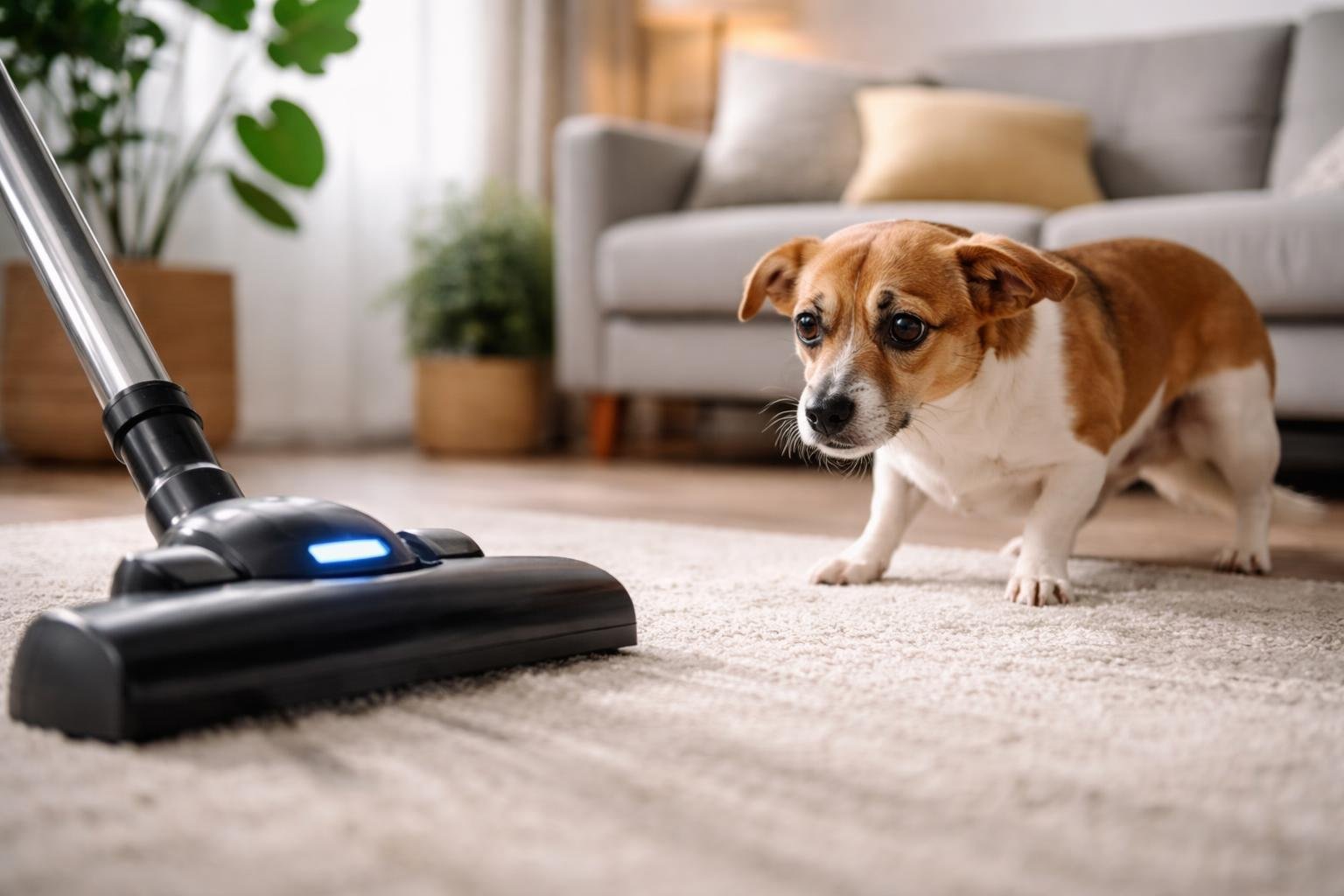
Dogs are typically scared of vacuums because of the loud noise, strange movements, and vibrations these machines create. A dog’s hearing is much more sensitive than a human’s, which means the sound of a vacuum can feel overwhelming and frightening to them. The size and unpredictable movement of the vacuum can also make dogs see it as an invader in their space.
Understanding why dogs fear vacuums can help owners respond in better ways. This article looks at the reasons behind this fear, how past experiences shape a dog’s reaction, and what steps can reduce stress during cleaning time. It also covers when this fear becomes serious enough to need professional help.
Understanding Canine Fear of Vacuums
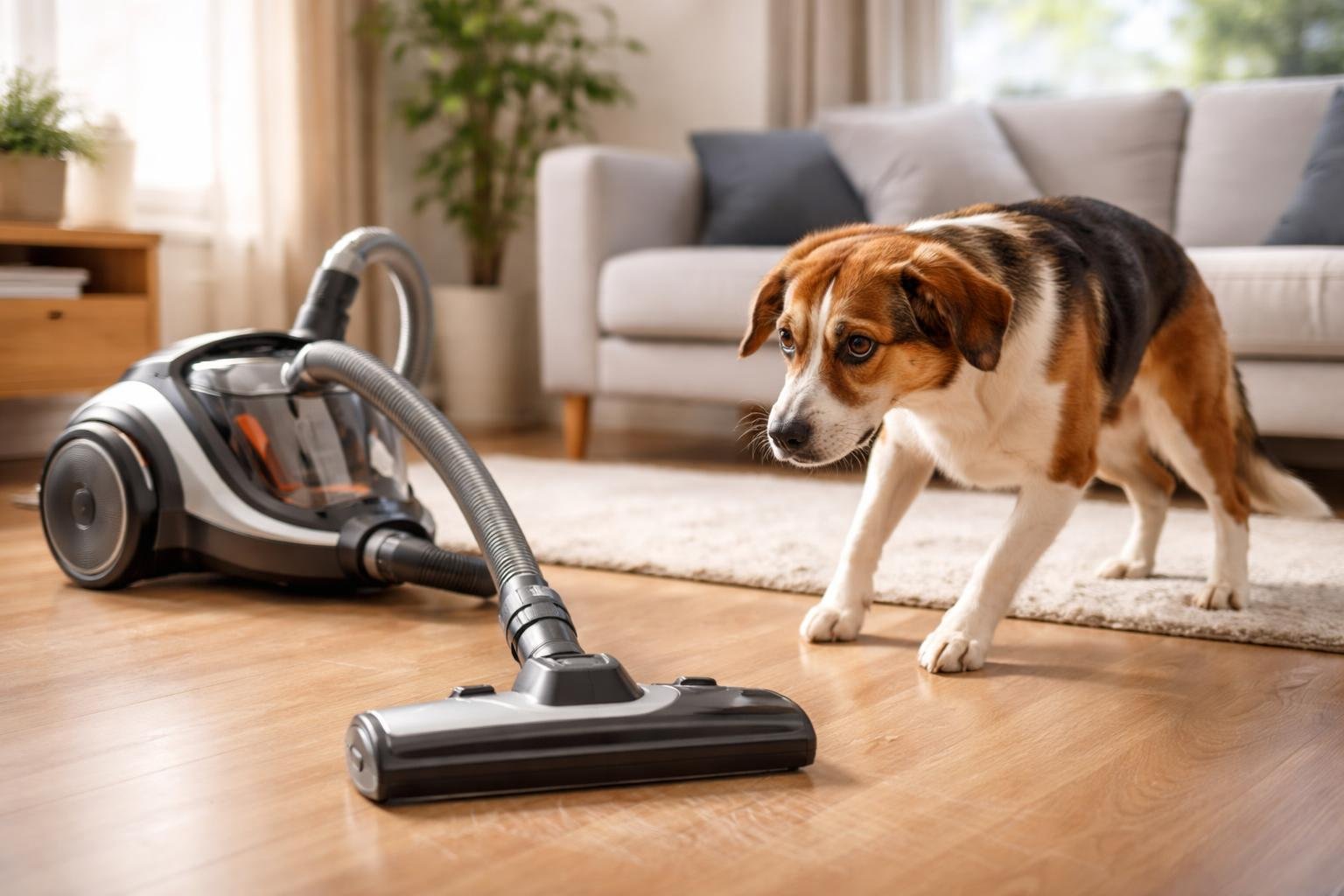
Dogs experience vacuum-related fear through a combination of sensory overload, instinctive reactions, and individual sensitivities. The loud mechanical sounds, unpredictable movements, and unfamiliar nature of these machines can trigger responses ranging from mild anxiety to intense panic.
Common Behavioral Reactions
Dogs display several clear signs when they feel afraid of vacuums. Many dogs will immediately flee the room and hide under beds, in closets, or behind furniture when they hear the vacuum start.
Some dogs respond with defensive behaviors instead of running away. They bark repeatedly at the vacuum, growl, or even attempt to bite or attack it. This aggressive response stems from fear rather than actual hostility.
Other dogs freeze in place or press their bodies close to the ground. They may shake, pant heavily, or show the whites of their eyes. Some dogs pace nervously or try to position themselves behind their owners for protection.
Common fear responses include:
- Hiding or attempting to escape
- Excessive barking or howling
- Trembling or shaking
- Drooling or panting
- Flattened ears and tucked tail
- Attempts to attack the vacuum
Unique Triggers for Dogs
The vacuum creates multiple sensory challenges that overwhelm dogs. The noise level reaches around 70-80 decibels, which dogs hear even louder due to their sensitive hearing. They can detect frequencies that humans cannot, making the vacuum sound more intense and threatening to them.
The movement pattern of vacuums appears erratic and unpredictable to dogs. Unlike people who walk in consistent patterns, vacuums move forward, backward, and side to side without warning. This unpredictability activates a dog’s alert systems.
Vibrations from the vacuum travel through the floor, creating another sensory input that dogs feel through their paws. The machine’s size and the fact that owners push it around adds to its threatening appearance. Some dogs also react to the smell of dust and debris being stirred up during cleaning.
Evolutionary Roots of Fear
Dogs inherited strong survival instincts from their wild ancestors. These instincts taught them to be cautious around loud, unfamiliar objects that could pose danger. In nature, loud noises often signal threats like storms, predators, or falling objects.
The fight-or-flight response activates automatically when dogs perceive danger. Their bodies release stress hormones that prepare them to either defend themselves or escape quickly. This biological reaction happens before the thinking part of their brain can assess whether the threat is real.
Dogs that lack early exposure to household appliances during their critical socialization period (between 3-14 weeks of age) are more likely to develop fears later. A single negative experience with a vacuum, such as being startled or accidentally bumped by it, can create lasting associations between the machine and danger.
Sensory Factors Contributing to Fear
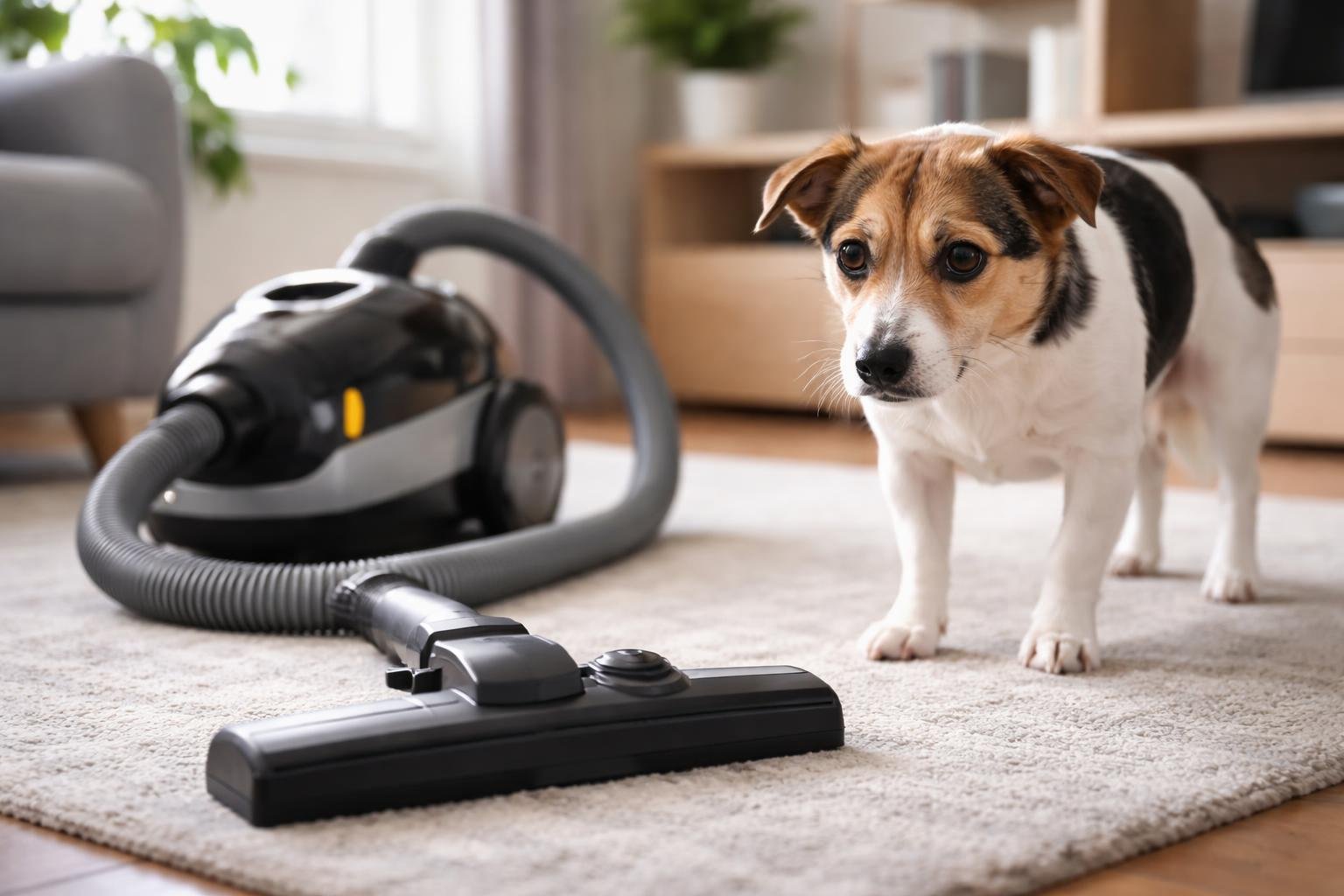
Dogs experience the world through senses that work differently than human senses, making vacuum cleaners particularly overwhelming for them. The combination of loud sounds, physical vibrations, and erratic movement creates a sensory experience that many dogs find threatening.
Noise Sensitivity
Dogs hear sounds at frequencies between 40 Hz and 60,000 Hz, while humans only detect sounds up to about 20,000 Hz. This means dogs pick up high-pitched motor whines and mechanical sounds from vacuums that humans cannot hear.
The volume itself poses another challenge. Many vacuum cleaners produce noise levels between 70 and 80 decibels. To a dog’s sensitive ears, this sounds much louder and more intense than it does to humans.
Dogs cannot understand that the vacuum is a harmless cleaning tool. The sudden loud noise triggers their natural fear response, similar to how they react to thunder or fireworks. Some dogs are more sensitive to sound than others based on their breed, age, and past experiences.
Vibration and Air Movement
Vacuum cleaners create vibrations that travel through the floor and into a dog’s paws. Dogs feel these vibrations throughout their entire body, adding another layer of sensory input that can feel unsettling. The vibrations combine with the noise to create a more intense experience.
The airflow from a vacuum also affects dogs in ways humans might not notice. Dogs can feel air movement on their whiskers and fur, which are sensitive to even slight changes in air pressure. When a vacuum passes nearby, the rush of air disrupts the normal environment and can feel invasive to a dog’s personal space.
These physical sensations make it harder for dogs to ignore the vacuum, even if they try to look away from it.
Unpredictable Motion
Vacuums move in irregular patterns across floors, changing direction without warning. This unpredictable movement triggers a dog’s prey drive or defensive instincts. The vacuum appears to “chase” the dog or move toward them unexpectedly.
Many dogs cannot predict where the vacuum will go next. This lack of control makes them feel vulnerable and anxious. The combination of the vacuum’s size, noise, and movement can make it seem like a threat that needs to be avoided or confronted.
Some dogs try to attack or bark at the vacuum to defend themselves or their territory from what they perceive as an intruder.
Role of Early Experiences
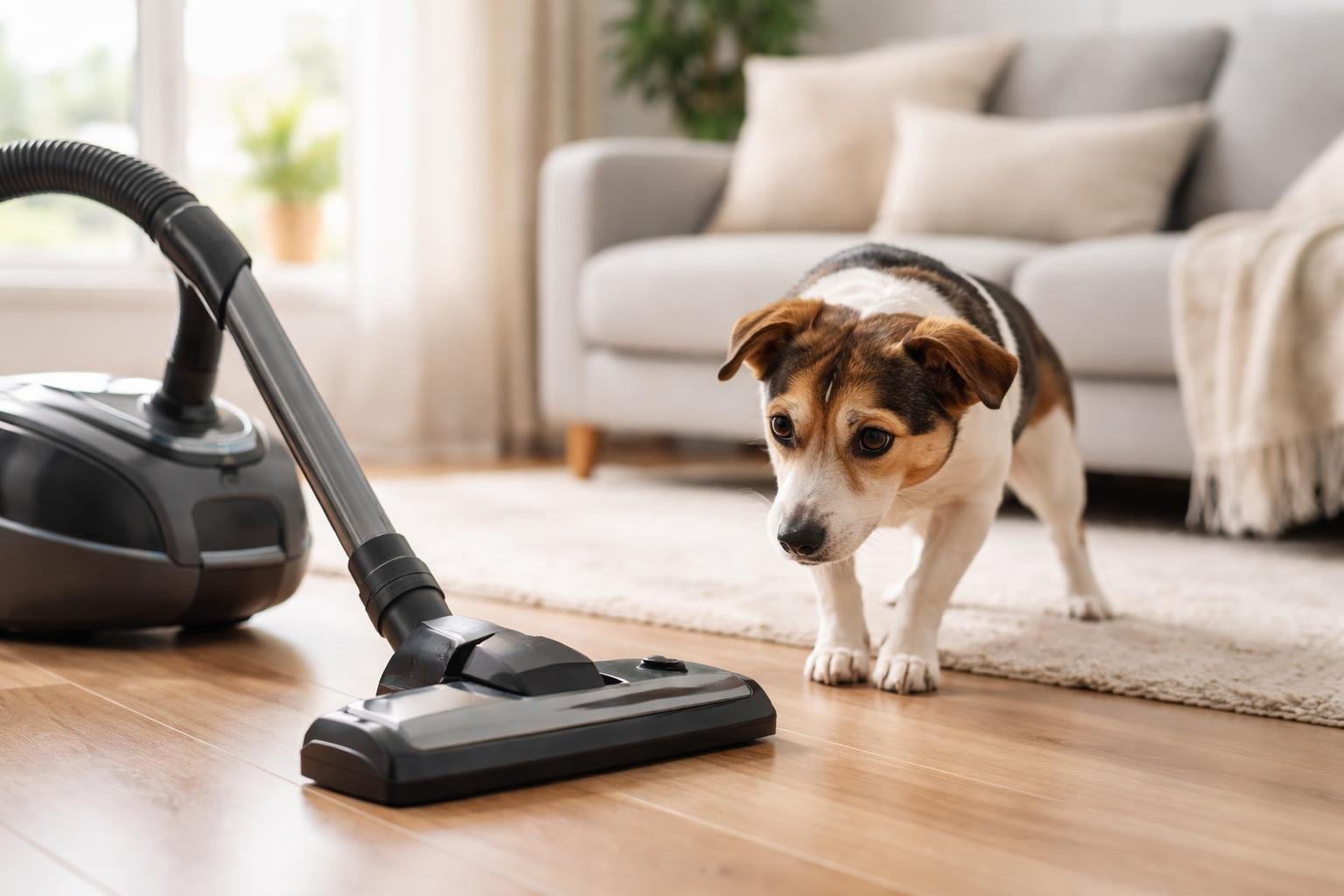
A dog’s early life shapes how they react to household items like vacuums. Dogs that miss key socialization windows or have bad first encounters often develop lasting fears.
Puppy Socialization Period
The critical socialization window occurs between 3 and 14 weeks of age. During this time, puppies learn what is safe and what poses a threat in their environment.
Puppies exposed to various sounds, objects, and experiences during this period typically grow into confident adult dogs. Those kept in quiet environments without exposure to common household noises often struggle later in life.
Key factors during socialization:
- Sound exposure – Playing recordings of vacuum cleaners at low volumes
- Positive associations – Giving treats when household appliances run nearby
- Gradual introduction – Starting with the vacuum off, then on in another room
- Calm behavior modeling – Showing the puppy that family members stay relaxed around the vacuum
Dogs that don’t receive this early conditioning may view the vacuum as a genuine danger. Their brains never learned to categorize it as a normal, harmless part of home life.
First Encounters With Vacuums
A single scary experience with a vacuum can create a lasting phobia. If a puppy’s first encounter involves someone suddenly turning on a loud vacuum nearby, the dog may always associate it with fear.
Rescue dogs often have unknown histories with vacuums. They might have been frightened by one in a previous home or never encountered household appliances during their critical development stages.
The way owners react during first meetings matters significantly. If someone laughs at a scared puppy or ignores their distress signals, the fear can deepen. Dogs also pick up on human anxiety, so an owner who acts worried about their dog’s reaction can make things worse.
Dogs with negative first impressions need patient retraining. They require slow, positive experiences to replace the fearful memories stored in their minds.
Human Influence on Canine Perception
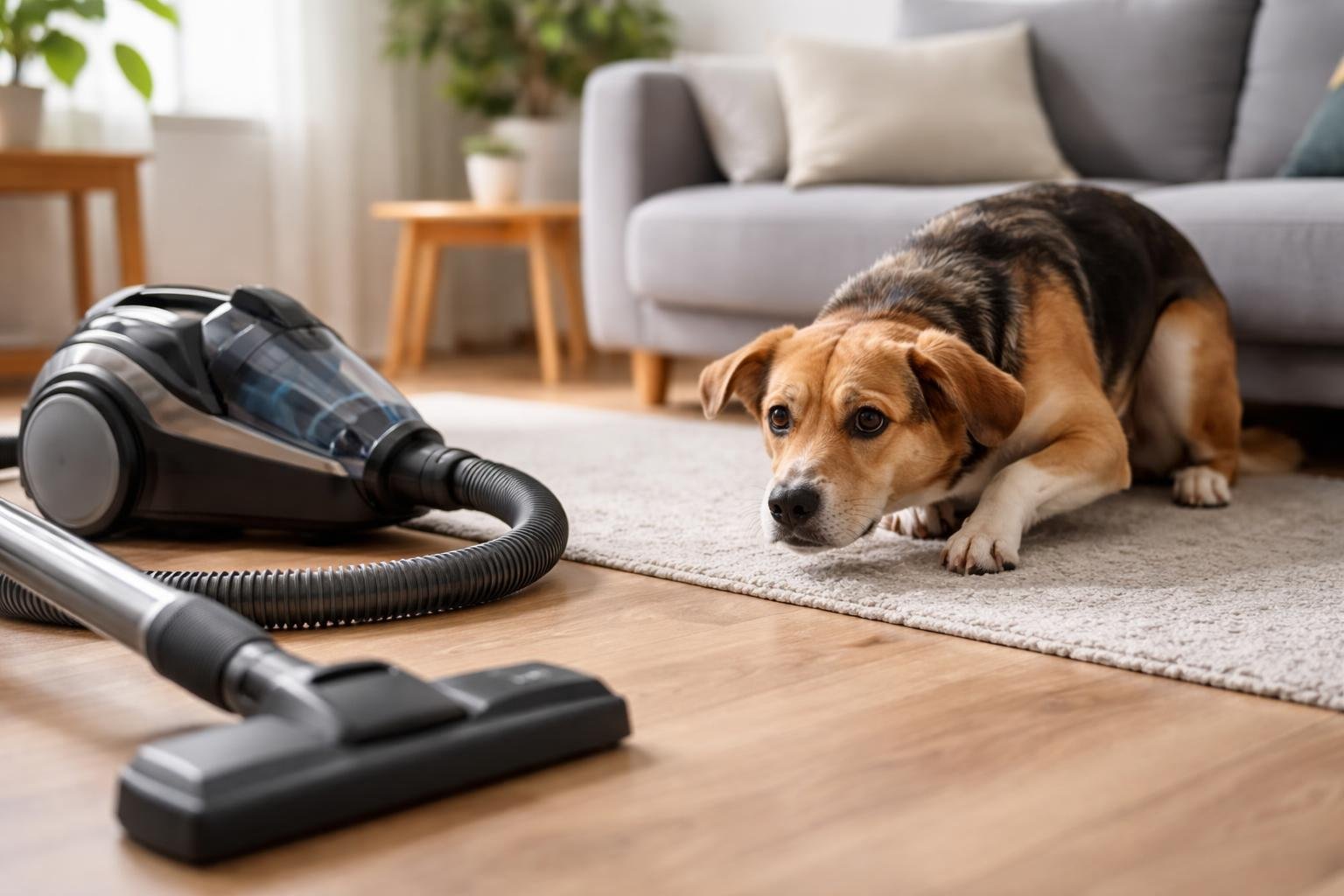
Dogs learn to react to vacuums partly through watching their owners and the patterns established in daily life. The way people handle vacuum cleaners and introduce them to their pets shapes whether a dog becomes fearful or accepting of these machines.
Owner Reactions
Dogs pay close attention to their owner’s behavior and emotions. When a person tenses up before turning on the vacuum or rushes to move the dog out of the way, the dog picks up on these signals. These actions suggest that something threatening is about to happen.
Common owner behaviors that increase fear:
- Apologizing to the dog before vacuuming
- Speaking in a high-pitched, concerned voice
- Putting the dog away in another room suddenly
- Moving quickly or acting stressed while vacuuming
Some owners accidentally reward fearful behavior by comforting their dog when it shows signs of distress. This comfort can reinforce the idea that the vacuum is something to fear. Dogs interpret soothing during scary moments as confirmation that their fear response is correct.
Household Routines
The way vacuuming fits into household activities affects how dogs respond to it. Vacuums often appear without warning and interrupt a dog’s normal routine. The machine moves around unpredictably while pushing the dog out of its usual resting spots.
Many households only use vacuums during cleaning sessions that involve other stressful activities. Dogs may associate the vacuum with being shuffled between rooms or having their space invaded. The lack of a consistent pattern makes it harder for dogs to predict when the vacuum will appear.
Lack of Gradual Exposure
Most dogs encounter vacuums suddenly as adults rather than during their early socialization period. Puppies between 3 and 14 weeks old learn to accept new experiences more easily. Dogs that miss this window often struggle with fear responses later.
Many owners don’t introduce vacuums slowly or create positive associations with them. A dog that sees a vacuum turned on at full volume for the first time has no foundation for understanding it. Without gradual exposure starting with the vacuum turned off, then on low settings at a distance, dogs default to fear responses. Some dogs never receive any desensitization training throughout their entire lives.
Potential Consequences of Vacuum Fear
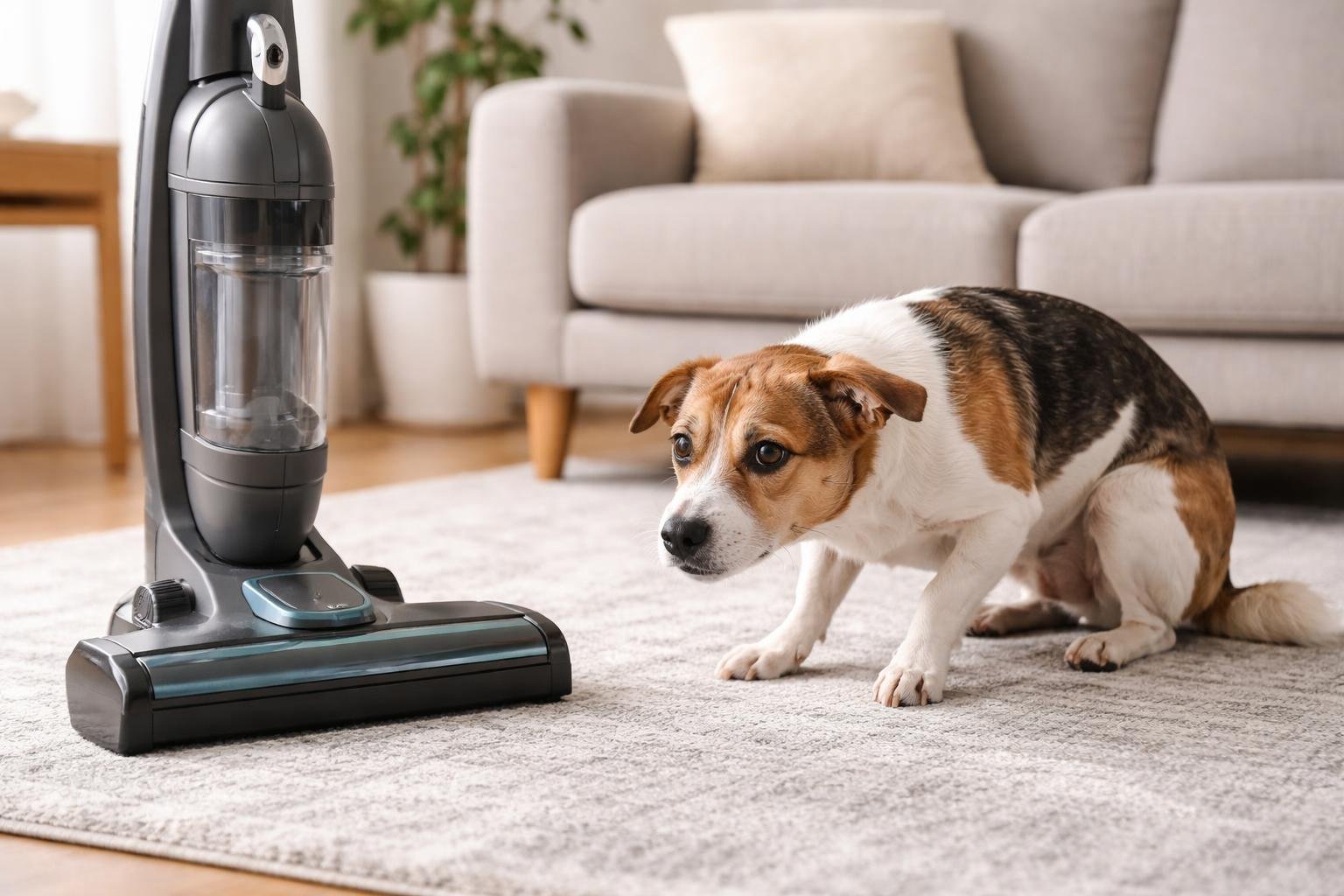
When dogs experience fear of vacuums, it can lead to behavioral issues and make home cleaning routines more difficult. The ongoing stress affects both the dog’s well-being and the household’s daily activities.
Stress and Anxiety Behaviors
Dogs scared of vacuums often show physical signs of stress that can impact their health. They may pant heavily, drool, or shake when they hear the vacuum. Some dogs try to escape by hiding under furniture or running to another room.
More serious reactions include destructive behaviors like scratching at doors or chewing on objects. Dogs might also lose control of their bladder or bowels during intense fear episodes. These stress responses can happen even before the vacuum turns on if the dog learns to recognize visual cues like the owner taking it out of the closet.
Repeated exposure to the vacuum without proper management can make the fear worse over time. The dog may start showing anxiety symptoms in response to other loud appliances or sounds. This creates a cycle where the dog lives in a state of worry about when the scary noise might happen again.
Disruption of Training
A dog’s fear of vacuums can interfere with basic obedience and house training progress. When a dog is in a fearful state, they cannot focus on commands or learning new behaviors. Their brain enters survival mode, which blocks their ability to respond to training cues.
Some dogs develop aggressive responses as a defense mechanism. They may bark, lunge, or snap at the vacuum, which becomes a learned behavior pattern. This makes it dangerous for owners to vacuum near the dog.
The fear can also cause setbacks in housebreaking. A scared dog may have accidents indoors even if they were previously trained. This happens because fear overrides their normal bathroom control and learned habits.
Distinguishing Fear From Other Reactions
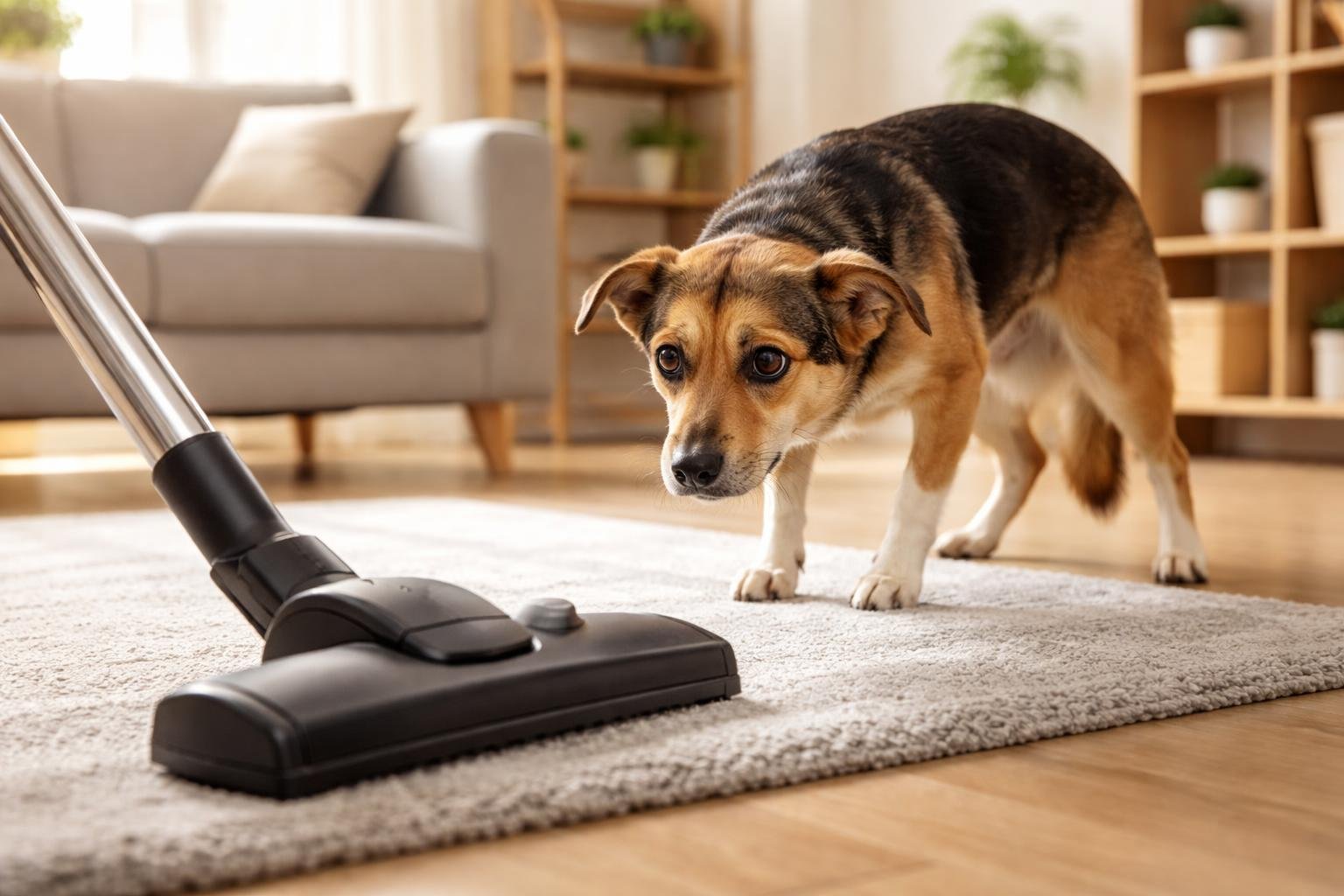
Not every dog that reacts to a vacuum is actually afraid of it. Some dogs chase vacuums out of playfulness or instinct, while others may show aggression for entirely different reasons than fear.
Fear Versus Curiosity
True fear looks different from curiosity or excitement. A fearful dog will tuck its tail between its legs, flatten its ears against its head, and try to leave the room or hide. These dogs may also tremble, pant heavily, or seek comfort from their owners.
Curious dogs behave in opposite ways. They approach the vacuum with their tail up and ears forward. Their body stays relaxed, and they might sniff around the vacuum or watch it from a comfortable distance. These dogs may bark at the vacuum, but their barks sound different from fear-based barking.
Some dogs also show prey drive rather than fear. These dogs chase the vacuum because its movement triggers their hunting instincts. They may play-bow, run alongside it, or try to “catch” it. This behavior looks energetic and playful rather than panicked.
Aggression or Defensive Responses
Dogs that bark, lunge, or snap at vacuums aren’t always afraid. Some dogs act aggressively because they want to protect their home or family members. These dogs see the vacuum as an intruder that needs to be driven away.
Defensive aggression looks different from fear-based reactions. An aggressive dog will stand tall with a stiff body and raised hackles. Its tail may be up or straight out rather than tucked. The dog moves toward the vacuum instead of backing away from it.
Key differences between fear and aggression:
- Body position: Fearful dogs crouch low; aggressive dogs stand tall
- Movement direction: Fearful dogs retreat; aggressive dogs advance
- Tail position: Fearful dogs tuck tails; aggressive dogs raise or stiffen tails
- Vocalization: Fearful dogs whimper or have high-pitched barks; aggressive dogs have deep, steady barks
Addressing and Managing Vacuum Phobia
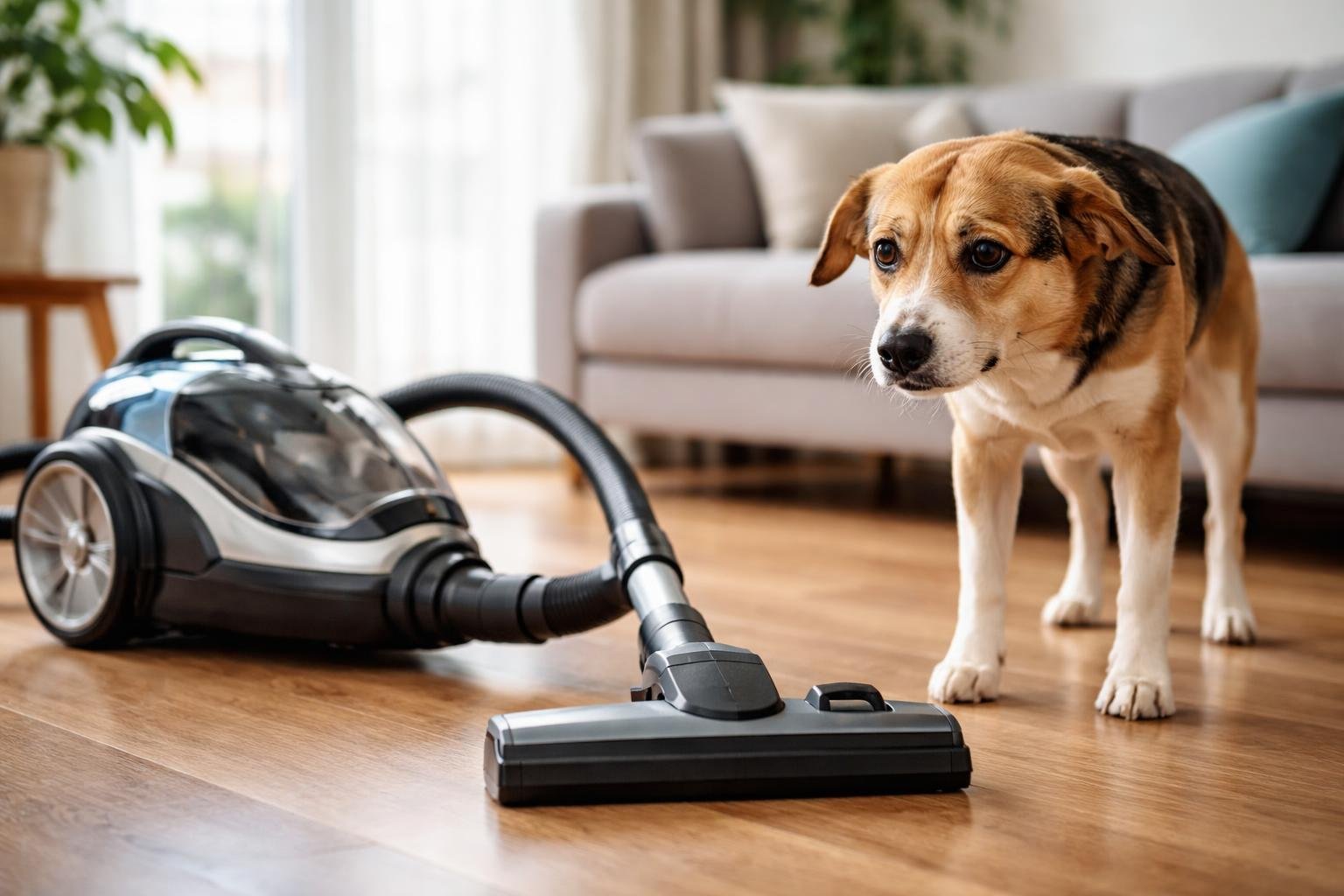
Helping a dog overcome vacuum fear requires patience and a structured approach that gradually reduces their anxiety while providing them with control over their environment.
Desensitization Techniques
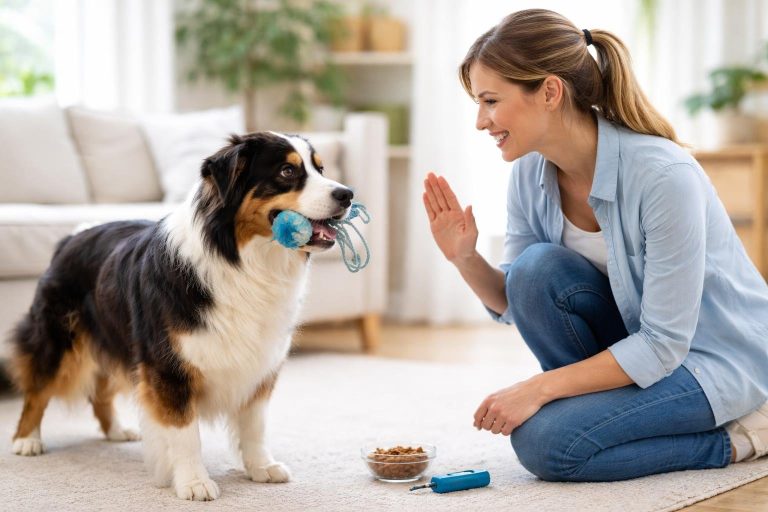
Desensitization works by slowly introducing the vacuum in a way that doesn’t trigger fear. The process starts with the vacuum turned off and placed in a room where the dog can see it from a distance. Owners should reward calm behavior with treats and praise.
Once the dog shows no signs of stress around the stationary vacuum, the next step involves creating small amounts of noise. This can include:
- Touching or moving the vacuum slightly while it’s off
- Turning it on in another room with the door closed
- Running it for just a few seconds at a distance
- Gradually decreasing the distance over multiple sessions
Each step should be repeated over several days or weeks until the dog remains relaxed. Moving too quickly can undo progress and make the fear worse. The dog sets the pace, not the owner’s cleaning schedule.
Creating Safe Spaces
Every dog needs a place where they feel protected when the vacuum runs. This space should be in a quiet room away from where cleaning happens, such as a bedroom or bathroom. The area needs familiar items like the dog’s bed, favorite toys, and water.
Owners can make the space more calming by:
- Playing soft music or white noise to mask vacuum sounds
- Closing doors to reduce noise levels
- Using a crate if the dog finds it comforting
- Adding an item of clothing with the owner’s scent
The dog should have access to this space before vacuum cleaning starts. They need to learn that this area is always available when they feel scared. Some dogs will naturally retreat there once they understand it’s their safe zone.
When to Seek Professional Help
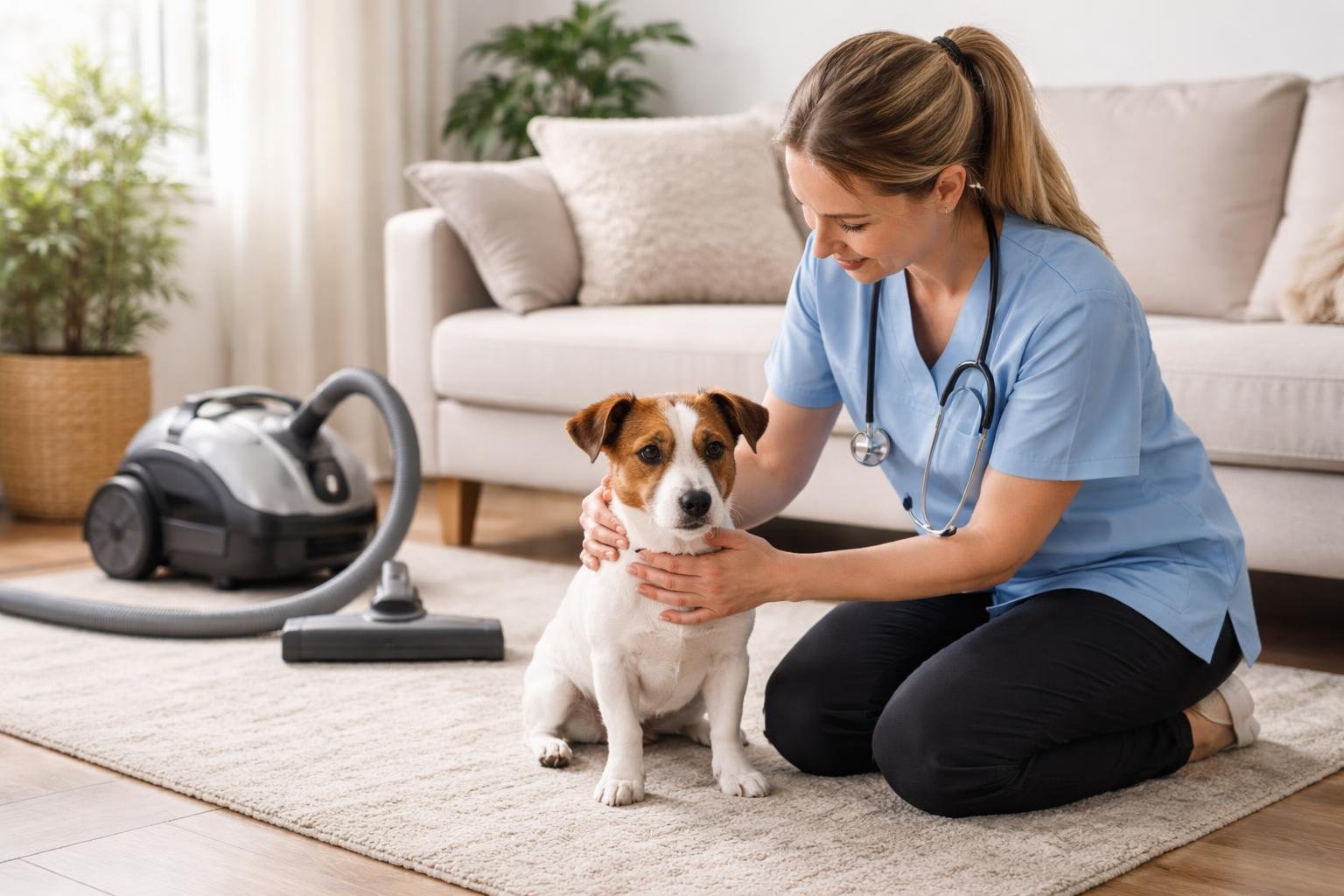
Most dogs can learn to tolerate vacuums with patience and training. However, some cases require expert guidance from a professional.
Signs that professional help is needed:
- The dog shows extreme panic or terror that doesn’t improve with gradual exposure
- Fear leads to destructive behavior like breaking through doors or windows
- The dog injures itself trying to escape the vacuum
- Aggressive reactions develop, including biting or lunging
- The fear gets worse over time instead of better
- Normal training methods show no progress after several weeks
A certified dog trainer or veterinary behaviorist can assess the situation properly. They have specialized knowledge about fear responses in dogs. These experts can create a customized plan based on the dog’s specific needs.
Professional options include:
- Certified professional dog trainers (CPDT)
- Veterinary behaviorists
- Applied animal behaviorists
In severe cases, a veterinarian might recommend anti-anxiety medication. This works alongside behavior modification to help the dog feel calmer. Medication alone won’t fix the problem, but it can make training more effective.
Dog owners should not feel guilty about seeking help. Some fears run deep and need more than basic training. Professional support gives both the dog and owner the tools they need to succeed. The sooner a professional gets involved in serious cases, the better the outcome typically is.
Frequently Asked Questions
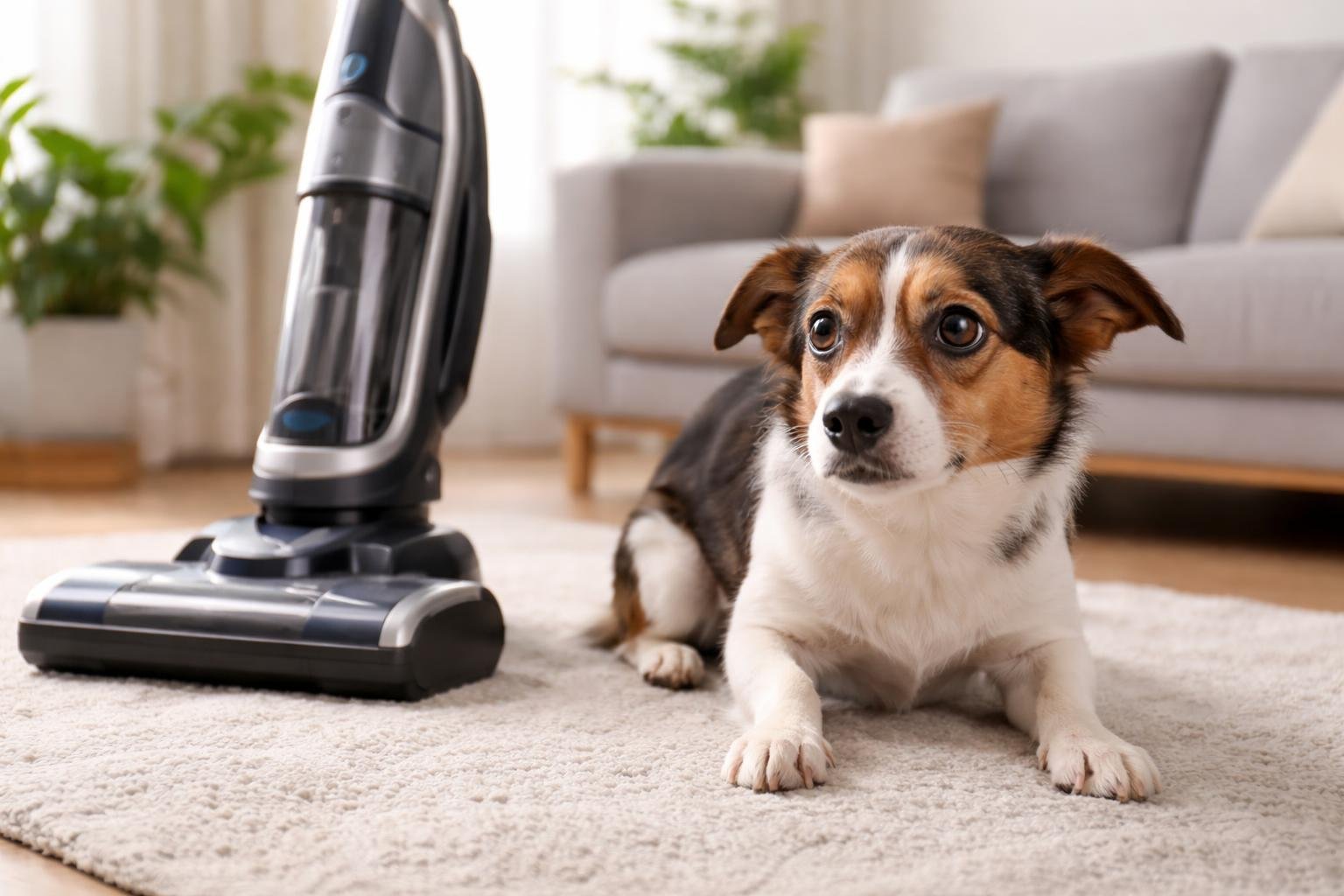
Dogs react to vacuums differently based on their instincts, past experiences, and sensitivity levels. Understanding these differences helps owners address their pet’s specific fears and responses.
What makes vacuum cleaners frightening to many dogs?
Vacuum cleaners combine multiple threatening elements that trigger a dog’s natural fear response. The loud noise reaches volumes of 75-90 decibels for standard uprights, which is much louder than normal conversation at 60 decibels. Dogs have more sensitive hearing than humans, so these sounds feel even more intense to them.
The unpredictable movement of vacuums adds another layer of stress. Dogs can’t predict where the machine will go next, which makes them feel unsafe. The vibrations from the motor travel through the floor and air, creating physical sensations that dogs find uncomfortable.
The appearance of a vacuum also plays a role in fear. The machine looks unfamiliar and alien to dogs, with no clear face or body language they can read. When all these factors combine, many dogs perceive the vacuum as a potential threat.
How do loud noises and vibrations from appliances affect a dog’s stress response?
Loud noises activate a dog’s fight, flight, or freeze response in their nervous system. When dogs hear sudden or sustained loud sounds, their bodies release stress hormones that prepare them to respond to danger. This reaction is automatic and difficult to control without training.
Vibrations add to the stress by engaging multiple senses at once. Dogs feel these vibrations through their paws and bodies, which reinforces the sense of threat. The combination of sound and physical sensation creates an overwhelming experience.
Some dogs experience this stress so intensely that they develop lasting anxiety around specific appliances. Each exposure without positive intervention can strengthen the fear response over time.
Why do some dogs bark at or attack the vacuum cleaner instead of running away?
Not all dogs choose flight when faced with a scary vacuum. Some dogs respond with aggression because their protective instincts take over. They see the vacuum as an intruder in their territory and try to drive it away.
Prey drive also triggers attacking behaviors in certain dogs. The vacuum’s movement mimics prey animals, which activates hunting instincts. Dogs with high prey drive may chase, bite, or bark at the machine because it moves in erratic patterns.
Overstimulation causes some dogs to lunge or bark when they can’t handle the sensory overload. The noise, movement, and vibrations become too much, and the dog reacts aggressively to try to make it stop. Fear-based aggression is common when dogs feel cornered or unable to escape.
What do dogs likely perceive a vacuum cleaner to be or represent?
Dogs don’t understand that vacuums are helpful cleaning tools. Instead, they process the vacuum through their natural instincts and limited frame of reference. Many dogs see the vacuum as a large, noisy predator or threat that invades their space.
The machine’s lack of recognizable features makes it harder for dogs to categorize. Dogs rely heavily on body language and familiar shapes to identify friend from foe. A vacuum has no eyes, no clear front or back, and moves in ways that living creatures don’t.
Some dogs treat the vacuum as a competitor for their owner’s attention. They notice that their human pushes this loud object around the house regularly. This can trigger jealousy or territorial responses in dogs that are protective of their people.
Can fear of household items like brooms or mops be related to vacuum anxiety?
Dogs that fear vacuums often develop anxiety around other cleaning tools. The connection happens because these items share similar characteristics. Brooms and mops move unpredictably, make swishing sounds, and appear during cleaning routines.
A lack of early positive exposure to household items contributes to multiple fears. Puppies that aren’t introduced to cleaning equipment in a calm, positive way may grow into adults that fear all such objects. One negative experience can also create associations between different cleaning tools.
The pattern of fear typically starts with the loudest or most threatening item, then spreads to related objects. If a dog learns that cleaning time is stressful because of the vacuum, they may become anxious when they see any cleaning equipment come out.
How can owners safely desensitize a dog to the vacuum and reduce fear over time?
Desensitization works best when done gradually and at the dog’s own pace. Owners should start by placing the vacuum in a room while it’s turned off, allowing the dog to investigate it calmly. Rewarding the dog with treats for approaching or simply being near the vacuum builds positive associations.
The next step involves creating distance and using quiet settings. Owners can turn on the vacuum in a different room with the door closed while the dog receives treats and attention elsewhere. Gradually decreasing the distance over multiple sessions helps the dog adjust to the noise.
Quiet vacuums that run under 65 decibels make the process easier. Models marketed as “quiet” or “pet-friendly” operate at conversation level, which is less threatening. This lower volume allows dogs to stay calmer during the desensitization process.
Owners should never force a fearful dog to stay near the vacuum. Pushing too fast or punishing fear-based reactions makes the problem worse. Patience and consistency over weeks or months typically yield the best results for reducing vacuum-related anxiety.