35 Indoor Enrichment Activities for Dogs to Keep Your Pup Mentally Stimulated and Happy
Dogs need mental and physical stimulation every day, even when they can’t go outside. Bad weather, health issues, or busy schedules can keep pets indoors for longer periods. Without proper activity, dogs can become bored, anxious, or destructive.
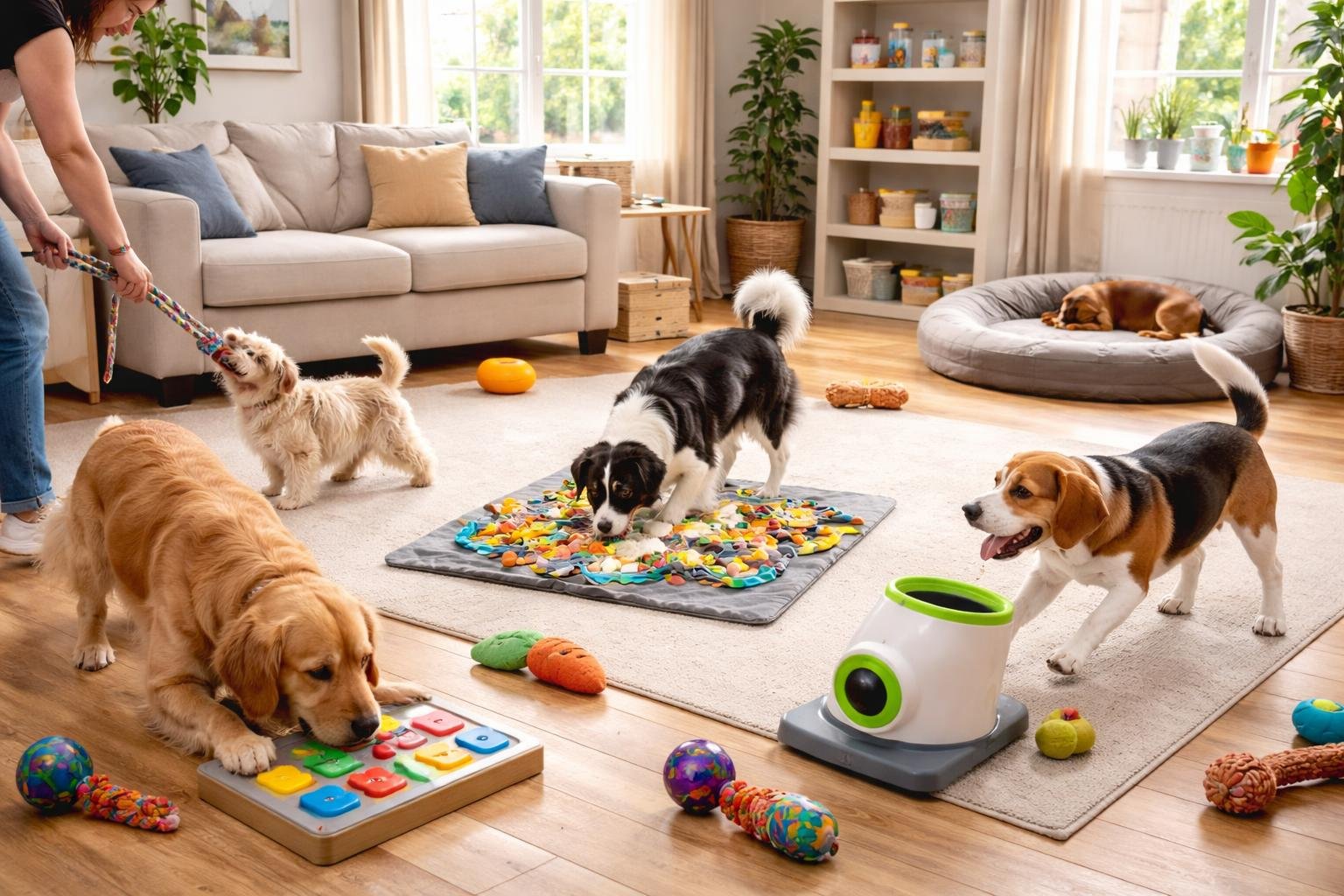
Indoor enrichment activities provide dogs with the mental challenges and physical exercise they need to stay happy and healthy while inside the home. These activities help prevent problem behaviors, reduce stress, and keep a dog’s mind sharp. They also strengthen the bond between dogs and their owners through quality time together.
This guide covers 35 different ways to enrich a dog’s indoor life. From puzzle toys and training games to scent work and creative play, these activities offer variety for dogs of all ages and energy levels. Pet owners will also learn how to make their own enrichment tools and safely incorporate these activities into daily routines.
Benefits of Indoor Enrichment for Dogs
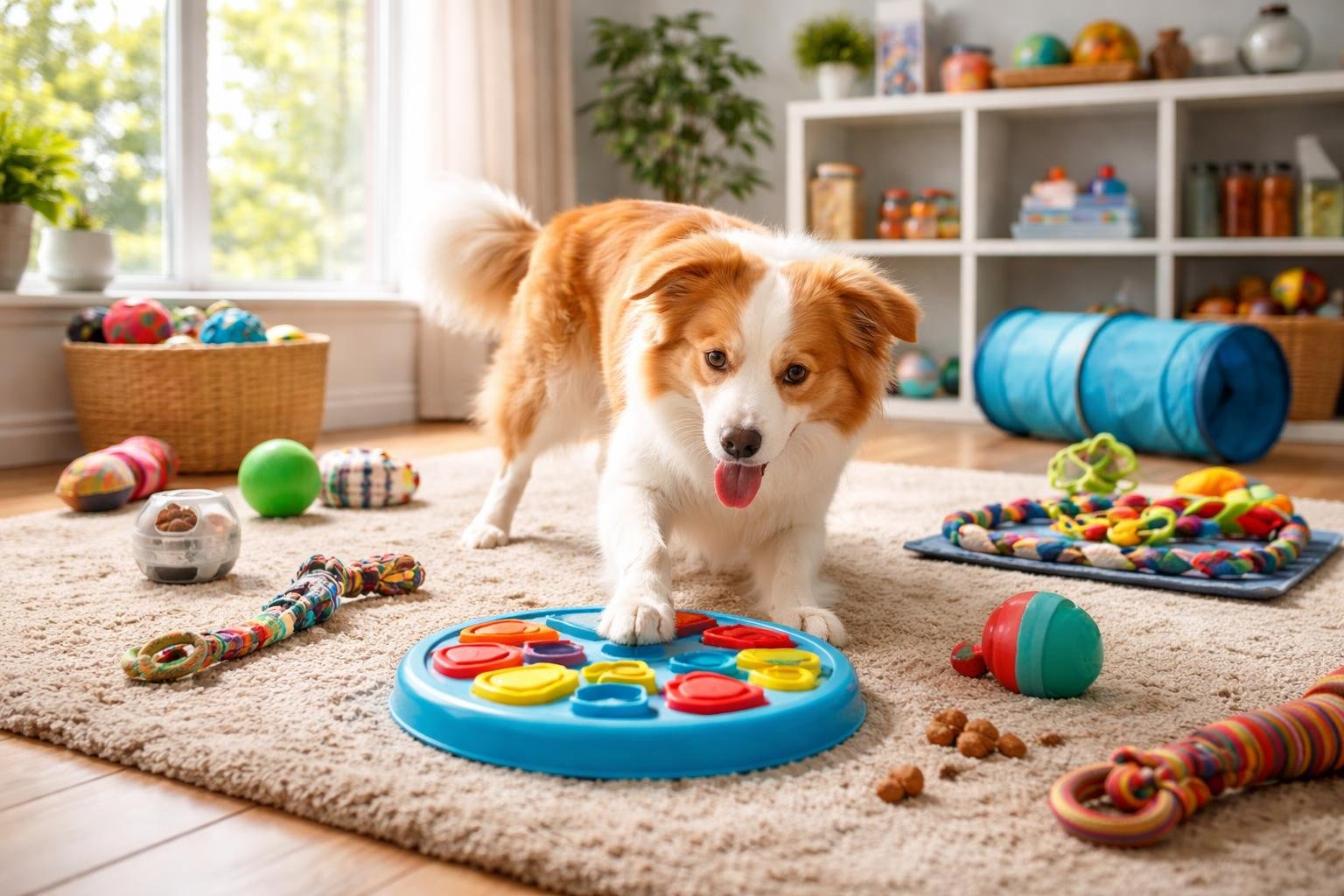
Indoor enrichment activities strengthen a dog’s mind, calm anxious behaviors, and support their body’s need for movement even when confined to the home.
Mental Stimulation and Cognitive Health
Dogs need mental exercise just as much as physical activity to maintain sharp cognitive function. Without regular mental challenges, dogs can experience cognitive decline and lose their ability to learn new behaviors or solve problems effectively.
Indoor enrichment activities work different parts of a dog’s brain. Puzzle toys require dogs to figure out how to access treats or food, which builds problem-solving skills. Scent work games tap into a dog’s natural tracking abilities and engage their powerful sense of smell. Training sessions that teach new commands or tricks create neural connections that keep the brain active.
Regular mental stimulation can slow cognitive aging in senior dogs. It helps puppies and young dogs develop better learning capacity. Dogs that receive consistent mental enrichment show improved focus and better ability to process information in their daily lives.
Reducing Boredom and Anxiety
Boredom leads to destructive behaviors like chewing furniture, excessive barking, and digging. Dogs left without adequate stimulation often develop anxiety and stress-related issues that affect their overall well-being.
Enrichment activities give dogs a productive outlet for their energy and curiosity. When dogs engage in purposeful activities, they feel satisfied and tired in a positive way. This reduces the likelihood of problem behaviors that stem from frustration or excess energy.
Common behavioral improvements from enrichment:
- Less destructive chewing
- Reduced excessive barking
- Decreased jumping on people
- Fewer attention-seeking behaviors
- Calmer demeanor during alone time
Dogs with separation anxiety benefit particularly from enrichment toys and activities that keep them occupied when their owners leave. The mental focus required for these activities helps redirect nervous energy into constructive engagement.
Supporting Physical Well-Being
Indoor enrichment doesn’t replace outdoor exercise, but it does contribute to a dog’s physical health. Many enrichment activities require movement, coordination, and muscle engagement that keeps dogs physically active.
Hide-and-seek games encourage dogs to move through different rooms and levels of the home. Food-dispensing toys often require pushing, rolling, or manipulating objects with paws and nose. Indoor obstacle courses built from household items provide opportunities for climbing, jumping, and balancing.
Physical benefits extend beyond obvious movement. Dogs that engage in regular enrichment activities often maintain healthier weights because the activities prevent boredom eating. They sleep better at night after mentally and physically engaging days. The combination of mental and physical activity creates well-rounded fitness that supports joint health, muscle tone, and cardiovascular function.
Enrichment Through Interactive Toys
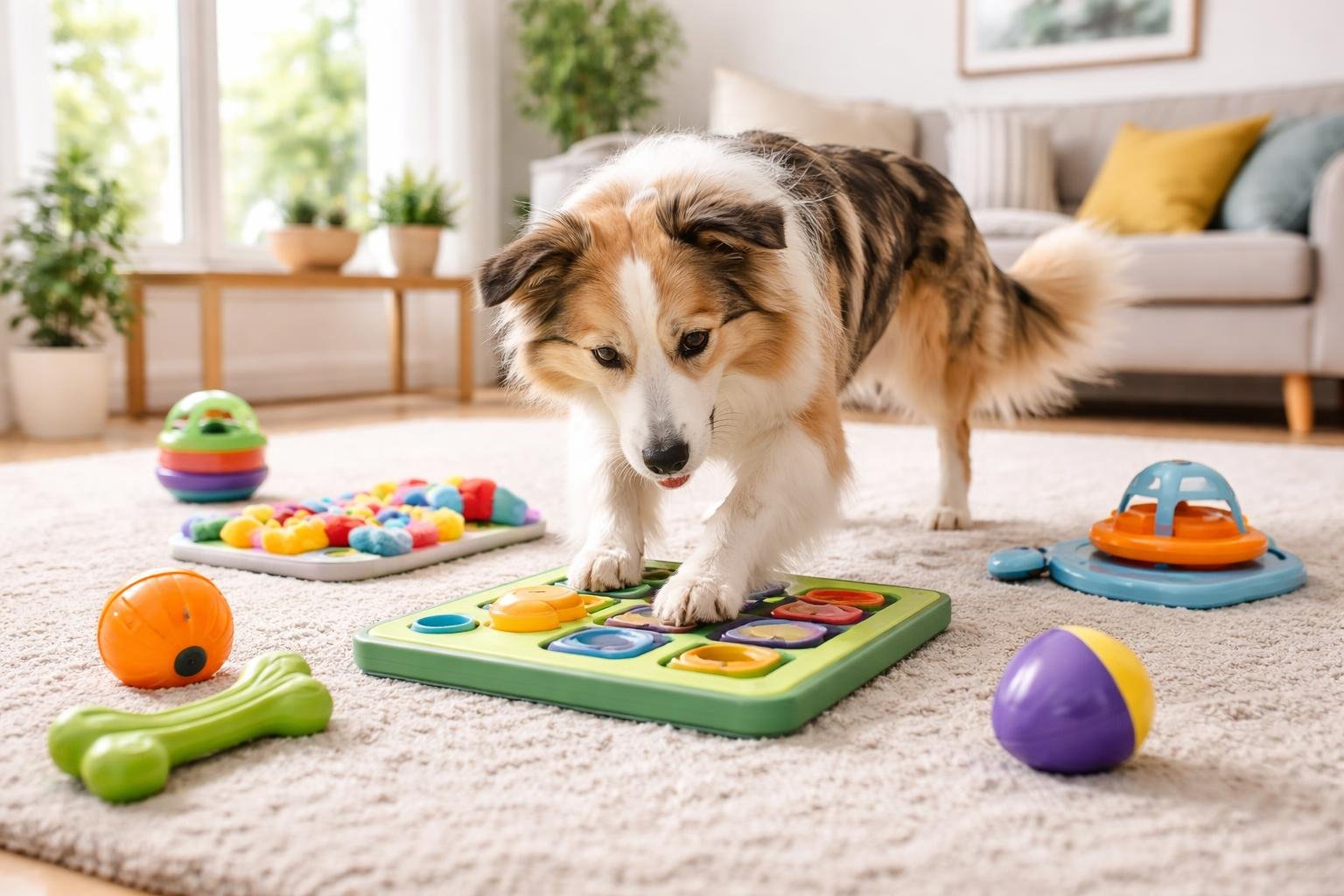
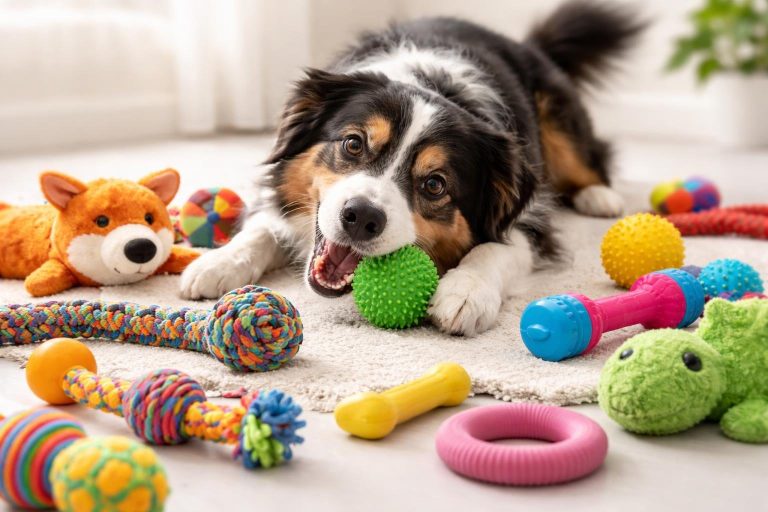
Interactive toys engage a dog’s brain while providing physical activity. These tools tap into natural instincts like foraging, problem-solving, and hunting behaviors that many pets don’t get to use regularly.
Puzzle Feeders for Mealtime Challenge
Puzzle feeders transform regular meals into brain-training sessions. These toys require dogs to slide panels, lift flaps, or rotate compartments to access their food. The mental effort needed to solve these puzzles can tire a dog as much as a walk around the block.
Different puzzle feeders offer varying difficulty levels. Beginners should start with simple designs that have one or two steps. Advanced puzzles might include multiple layers or complex mechanisms that take 10-15 minutes to complete.
Most puzzle feeders work well with both kibble and small treats. They slow down fast eaters and prevent gulping, which can reduce digestive issues. Dogs who finish their meals in seconds can benefit from extending feeding time to 5-10 minutes.
Treat-Dispensing Balls
Treat-dispensing balls release food as dogs push, roll, or bounce them around. These toys satisfy a dog’s natural desire to work for food while providing exercise. The unpredictable movement keeps dogs engaged and active.
These balls come in different sizes and difficulty settings. Owners can adjust openings to control how easily treats fall out. Harder settings work well for experienced dogs or highly food-motivated breeds.
The constant movement encourages physical activity even in small spaces. A dog might spend 20-30 minutes chasing a treat ball around the living room. This makes them useful tools for high-energy dogs on rainy days or during cold weather.
Snuffle Mats for Nose Work
Snuffle mats consist of fabric strips attached to a base where treats hide between the folds. Dogs use their noses to search through the material and find hidden food. This activity mimics natural foraging behaviors that dogs would use in the wild.
These mats engage a dog’s strongest sense and provide mental stimulation without requiring physical space. A 10-minute snuffle session can leave a dog mentally satisfied and calm. The focused sniffing work releases endorphins and reduces stress.
Snuffle mats work for dogs of all ages and mobility levels. Senior dogs or those recovering from injuries can participate without jumping or running. Owners can hide kibble, small treats, or even pieces of vegetables throughout the mat for variety.
Training and Obedience Games
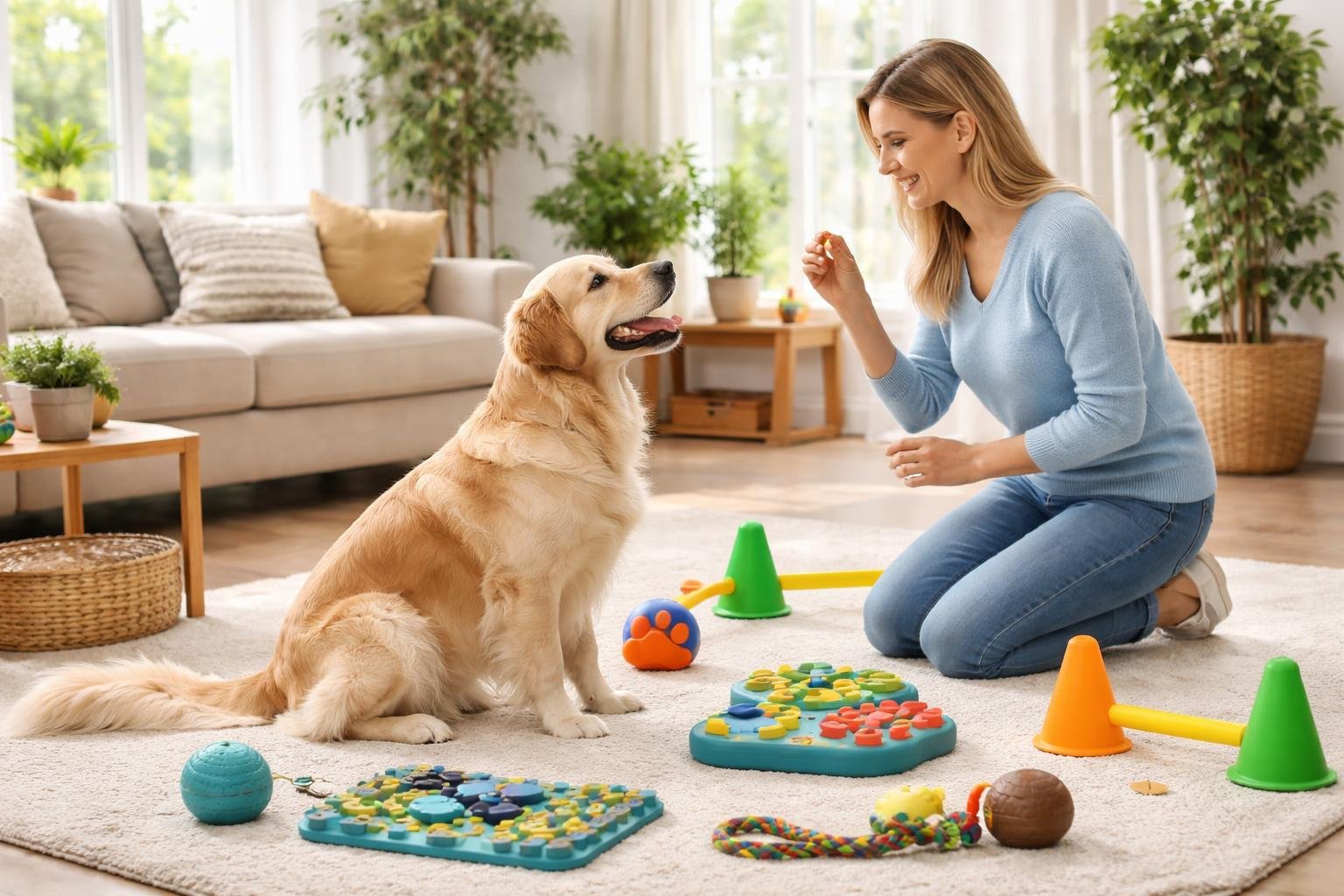
Training games keep dogs mentally sharp while reinforcing good behavior. These activities build stronger communication between dogs and their owners, making everyday commands more reliable even when distractions are present.
Clicker Training Sessions
Clicker training uses a small device that makes a distinct clicking sound to mark desired behaviors. The click tells the dog exactly when they’ve done something right, followed immediately by a treat reward.
This method works well indoors because it requires focus rather than physical space. Dogs learn to associate the click with positive outcomes, which speeds up the training process significantly.
Basic clicker training steps:
- Click and treat when the dog performs any desired action
- Keep sessions short at 5-10 minutes to maintain focus
- Practice 2-3 times daily for best results
- Start with simple behaviors like sit or down before moving to complex tasks
The timing of the click matters most. It should happen the instant the dog completes the correct behavior, not after. This precision helps dogs understand which specific action earned the reward.
Teach New Tricks
Teaching tricks gives dogs mental exercise while building their confidence. Indoor tricks work especially well because they don’t require much room or equipment.
Start with simple tricks like shake, spin, or play dead. Once a dog masters the basics, owners can move to more challenging options like rolling over, backing up, or touching specific objects on command. Each new trick creates neural pathways that keep the dog’s brain active.
Break complex tricks into smaller steps. For example, teaching “roll over” starts with getting the dog to lie down, then luring their head to the side, then completing the full roll. Dogs learn faster when they experience success at each stage.
Practice new tricks in different rooms to help dogs generalize the behavior. A dog might learn “spin” in the living room but need reinforcement to understand the command works in the kitchen too.
Practicing Recall Indoors
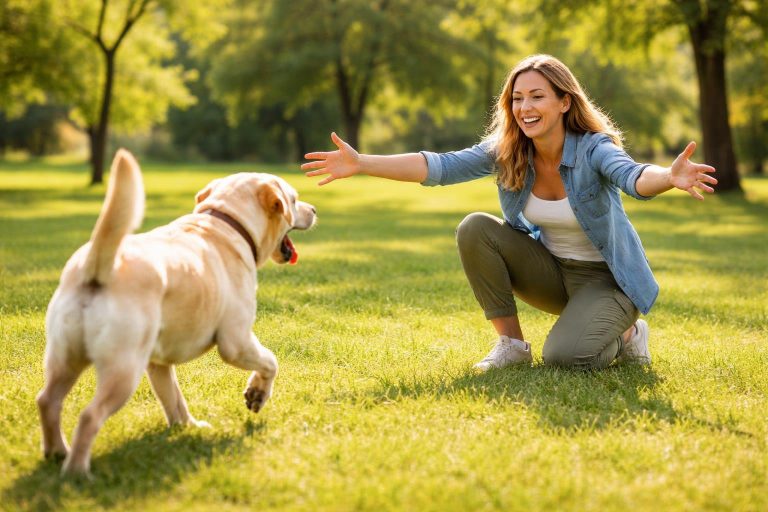
Indoor recall practice builds a reliable response to the come command without outdoor distractions. The controlled environment lets dogs focus entirely on the handler’s voice and expectations.
Start in a hallway or between two rooms. One person holds the dog while another stands a short distance away and calls them. When the dog reaches the caller, they receive enthusiastic praise and treats.
Gradually increase the distance and add mild distractions like toys on the floor or family members walking by. This progressive approach ensures the dog succeeds at each level before facing harder challenges.
Indoor recall training tips:
- Use a happy, excited voice to encourage enthusiasm
- Always reward the dog when they come, never punish
- Practice 10-15 repetitions per session
- Hide in different rooms and call the dog to make it a game
Scent-Based Activities
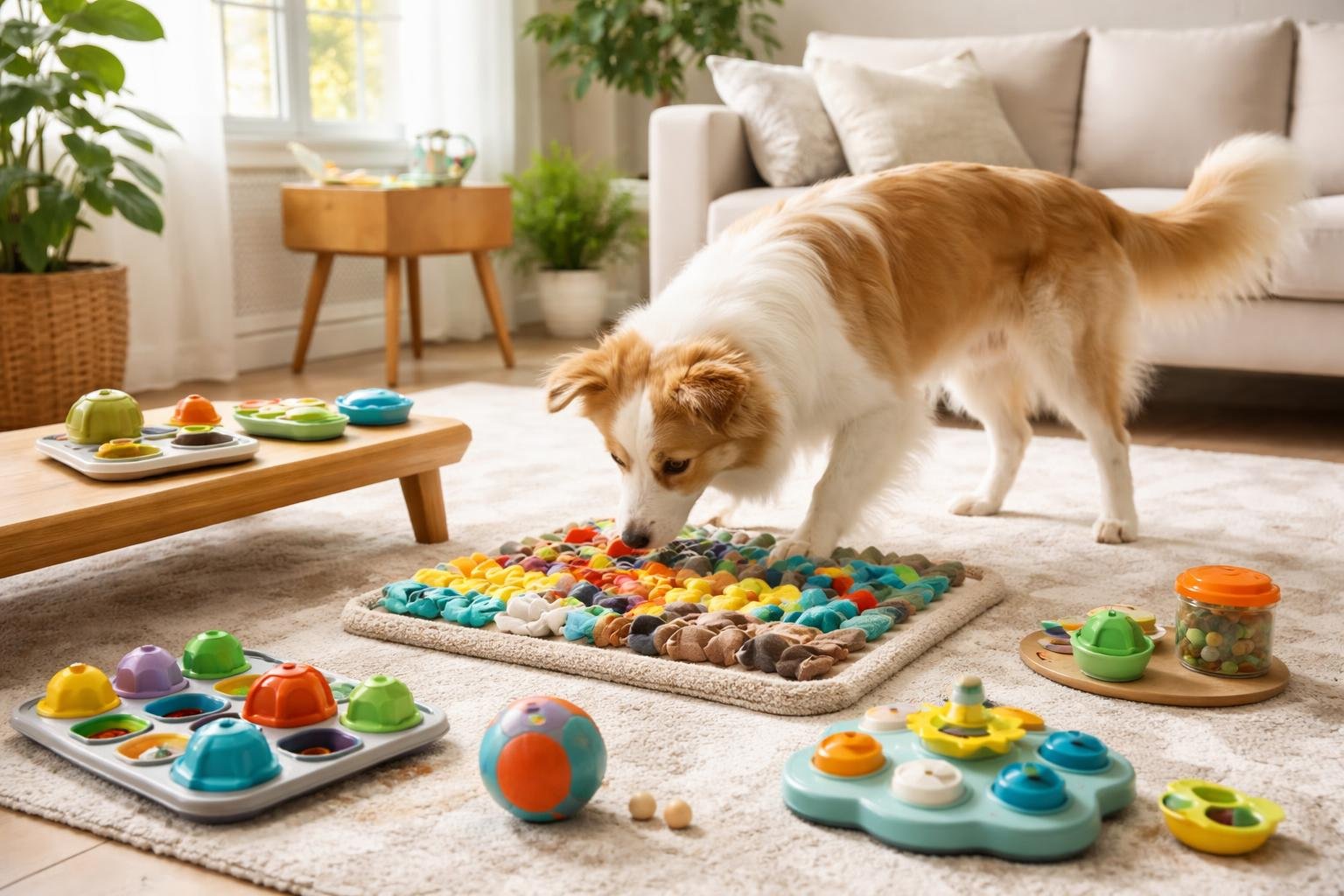
Dogs experience the world primarily through their noses, making scent work one of the most mentally stimulating activities available. These games tap into natural instincts and can tire out a dog as effectively as physical exercise.
DIY Scent Trails
Creating a scent trail transforms a home into an exciting tracking course. The owner drags a treat or scented toy along the floor in a winding path through different rooms, ending with a reward at the final destination. Start with short, simple trails of 10-15 feet for beginners.
As the dog improves, the trails can become longer and more complex. Add turns around furniture, up stairs, or through doorways to increase difficulty. Some owners use essential oils safe for dogs on cotton balls to create specific scents to follow.
The activity works best when the dog waits in another room while someone sets up the trail. This builds anticipation and prevents the dog from watching the setup process.
Hide-and-Seek With Treats
This game involves hiding treats or kibble throughout a room or multiple rooms for the dog to discover. Start by placing treats in obvious spots like on the floor or low furniture where the dog can easily see them. Once the dog understands the game, hide treats in more challenging locations.
Good hiding spots include under rugs, behind chair legs, inside cardboard boxes, or tucked into the folds of blankets. The owner can hide 10-20 treats depending on the size of the space and the dog’s skill level.
For dogs new to nose work, use high-value treats with strong scents like freeze-dried liver or cheese. This makes the treats easier to locate and keeps the dog motivated throughout the search.
Which Hand Game
The which hand game teaches dogs to use their nose rather than rely on visual cues. The owner places a treat in one closed fist and presents both fists to the dog at nose level. The dog must sniff and indicate which hand holds the treat by pawing, nosing, or sitting in front of the correct hand.
If the dog guesses correctly, they receive the treat immediately. Wrong guesses mean both hands go behind the back for a reset before trying again. This reinforces that sniffing leads to success rather than random pawing at both hands.
The game sharpens scent discrimination skills in just 5-10 minutes per session. Some dogs catch on within a few attempts, while others need several sessions to understand the concept.
Physical Exercise Alternatives
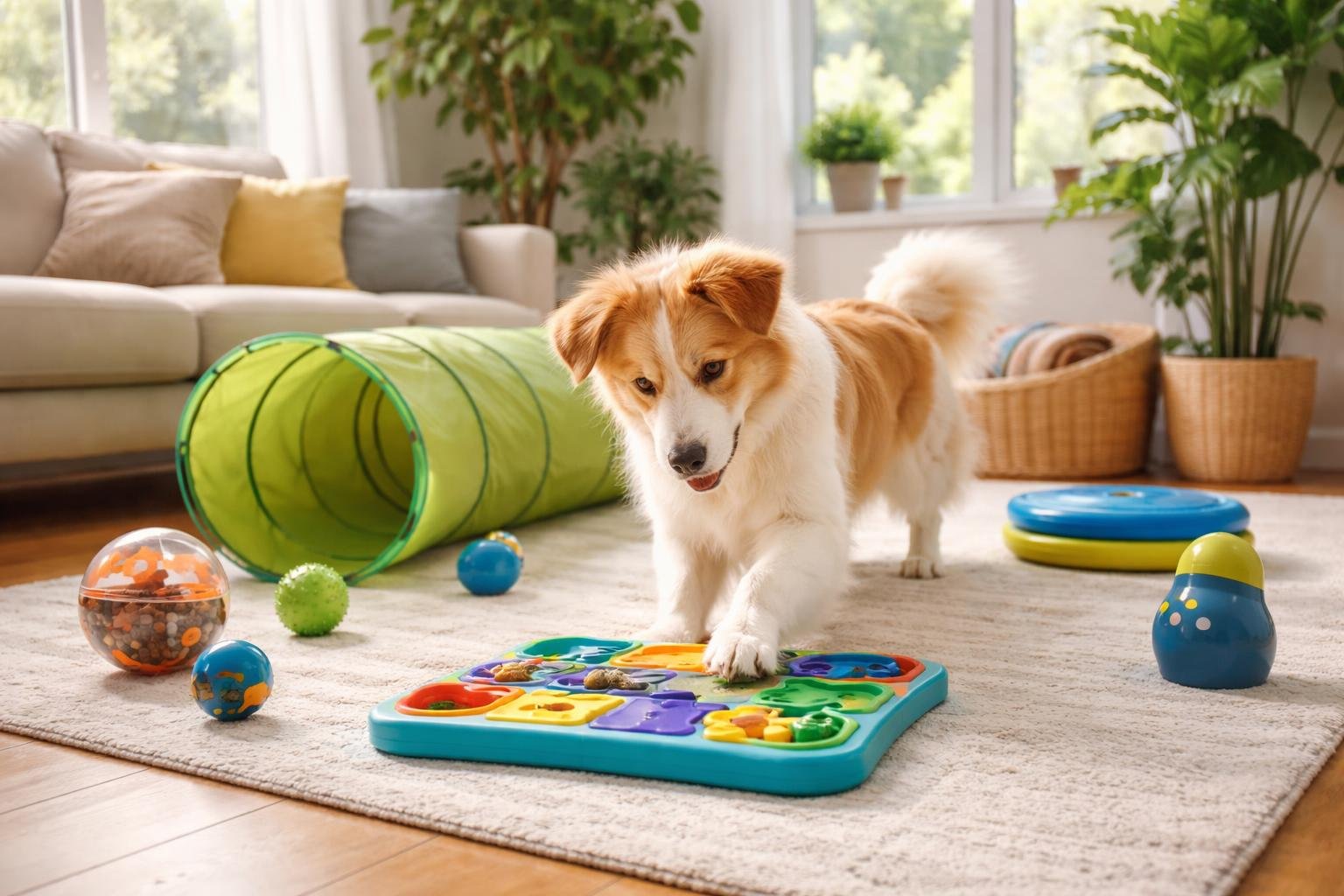
Dogs need physical activity even when stuck indoors, and strategic play sessions can tire them out effectively. These indoor exercises tap into natural movement patterns while working within space constraints.
Indoor Fetch Variations
Standard hallway fetch works well in homes with long corridors. Dogs can chase balls or soft toys back and forth without needing a large open area.
Staircase fetch adds an extra workout component. Dogs retrieve toys thrown up or down stairs, which builds leg strength and provides cardiovascular exercise. Owners should ensure their dog can handle stairs safely before trying this option.
Modified fetch games include:
- Rolling balls under furniture for low crawling retrieval
- Tossing soft toys between rooms through doorways
- Using lightweight foam balls that won’t damage indoor items
- Setting up a catch-and-return game in a single room
Fetch sessions should last 10-15 minutes to prevent overexertion in confined spaces. Dogs may need breaks between rounds since indoor fetch creates faster turnarounds than outdoor versions.
Tug-of-War Games
Tug-of-war burns energy through resistance exercise. A sturdy rope toy or tug toy lets dogs pull against their owner’s grip, engaging their neck, shoulder, and core muscles.
The game works best with clear rules. Owners should teach “take it” and “drop it” commands to maintain control. Dogs learn impulse control while getting physical activity.
Effective tug techniques:
- Keep the toy at the dog’s chest height
- Move the toy side to side rather than up and down
- Let the dog win occasionally to maintain interest
- Use 3-5 minute play sessions
Tug-of-war fits in any room with enough space for the dog to brace their body. It requires minimal equipment and no running space.
Obstacle Course Creations
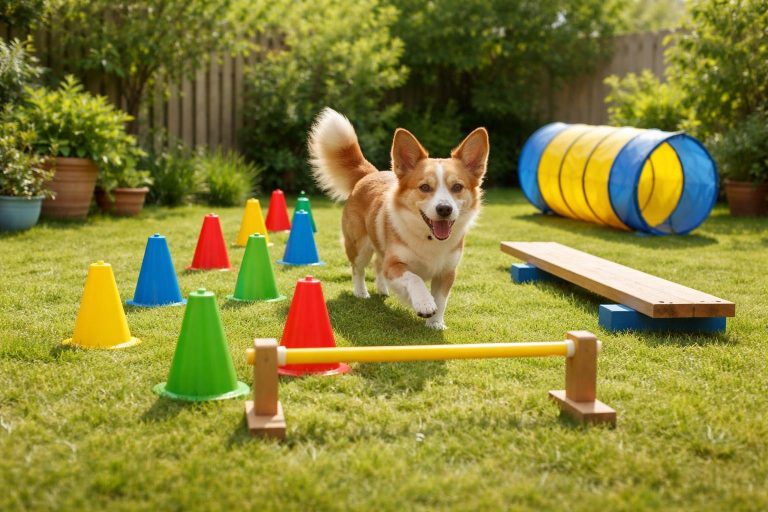
Simple household items become obstacle course components. Chairs create weave poles, cushions form jumps, and blankets draped over furniture make tunnels.
Dogs can jump over broomsticks placed on low supports. They can crawl under tables or through cardboard boxes with ends removed. Couch cushions arranged in patterns create balance challenges.
Basic obstacle options:
| Obstacle Type | Household Items | Skill Developed |
|---|---|---|
| Jumps | Pillows, pool noodles | Coordination |
| Tunnels | Blankets, boxes | Confidence |
| Weave poles | Water bottles, shoes | Agility |
| Balance beams | Boards, curbs | Body awareness |
Owners guide dogs through courses using treats or toys as lures. The course layout can change each session to prevent boredom. Even small apartments accommodate 3-4 obstacle stations arranged in rotation.
Creative Play Ideas
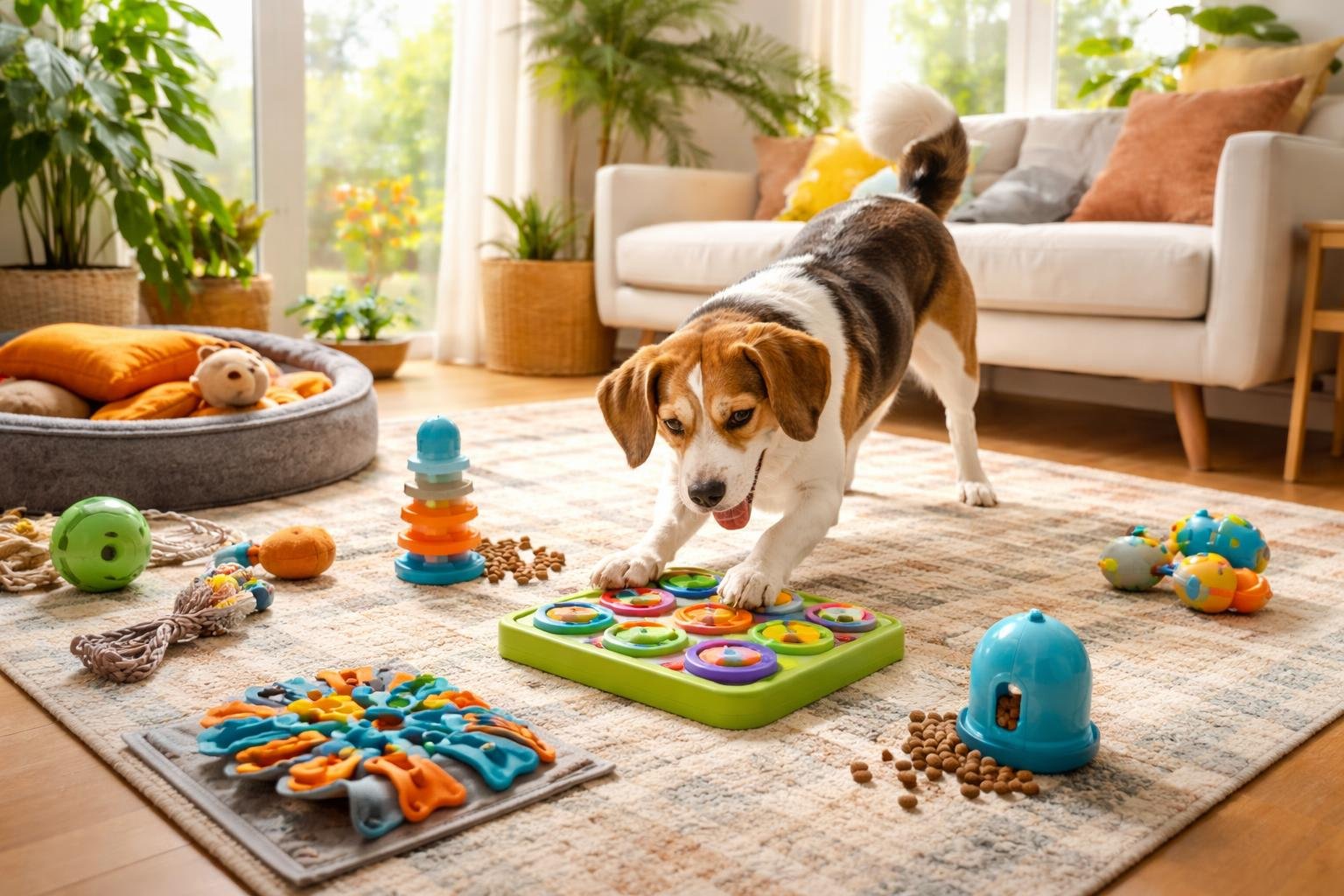
Simple games using household items can challenge a dog’s problem-solving skills while keeping them entertained for extended periods. These activities tap into natural instincts like foraging and exploration without requiring expensive equipment.
Cups and Shell Game
The cups and shell game teaches dogs to track objects and use their nose to find hidden treats. Place three plastic cups upside down on the floor and hide a treat under one cup. Let the dog watch where the treat goes at first, then slowly shuffle the cups around.
As the dog gets better at the game, increase the difficulty by moving the cups faster or using more cups. This activity works the dog’s brain by making them remember and track movement. Most dogs will use their nose to find the right cup, which is a natural behavior that feels rewarding.
Key benefits:
- Improves focus and concentration
- Builds confidence through successful searches
- Takes only 5-10 minutes per session
Start with easy rounds where the dog can win quickly. If the dog seems frustrated, go back to simpler movements until they understand the game better.
Muffin Tin Challenge
A standard muffin tin creates an excellent puzzle feeder that slows down eating and provides mental stimulation. Place treats or kibble in several cups of the muffin tin, then cover each filled cup with a tennis ball or crumpled paper.
The dog must figure out how to remove each obstacle to reach the food underneath. This mimics natural foraging behavior where animals work to access their meals. The activity can last 10-15 minutes depending on how many cups are filled.
Dogs can approach this puzzle in different ways. Some will carefully remove each ball with their mouth while others use their paws. Both methods work the brain and body in different ways.
Box Forts and Blanket Mazes
Cardboard boxes and blankets transform living spaces into exploration zones that appeal to a dog’s curiosity. Stack boxes of different sizes to create tunnels and hiding spots, or drape blankets over chairs to make enclosed spaces.
Hide treats throughout the maze to encourage the dog to explore every corner. This setup works especially well for dogs who enjoy confined spaces or have denning instincts. The structures should be stable enough that they won’t collapse and scare the dog.
Change the layout regularly to keep the activity interesting. New configurations present fresh challenges and prevent the dog from getting bored with the same setup. Most dogs will spend 15-20 minutes investigating a new maze arrangement.
Social and Cooperative Activities
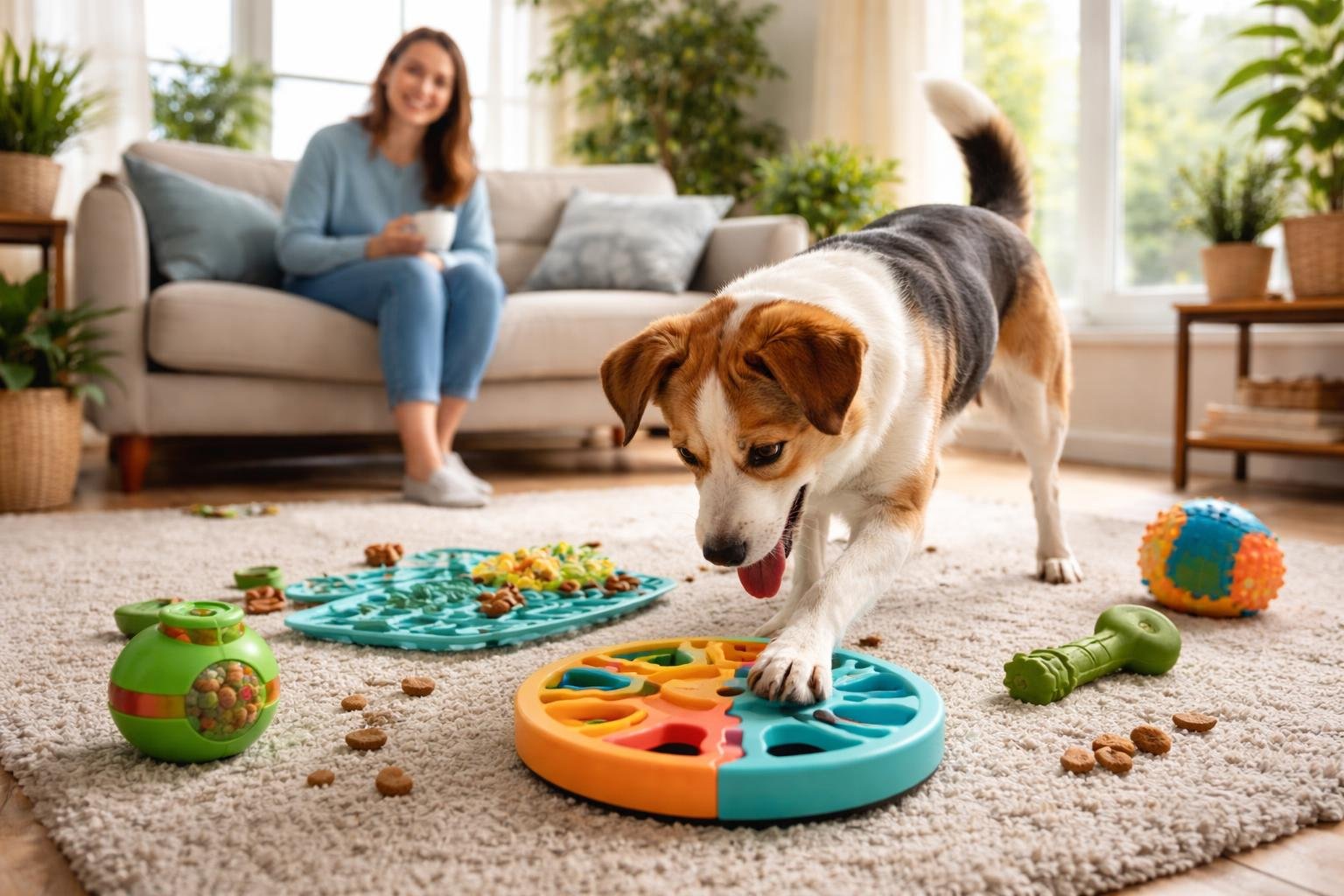
Dogs are social animals that benefit from positive interactions with other dogs and people. These activities help build confidence, improve communication skills, and provide mental stimulation through group play.
Playdates With Other Dogs
Organizing playdates with other dogs gives pets a chance to practice natural social behaviors and burn energy through interactive play. Owners should choose playmates with similar energy levels and play styles to ensure positive experiences.
The best playdates happen in neutral spaces like fenced yards or quiet parks where dogs can interact without territorial concerns. Start with short 20-30 minute sessions to prevent overstimulation. Supervise all interactions closely and watch for signs of stress or overexcitement.
Safe playdate practices include:
- Introducing dogs on leash first before allowing free play
- Removing toys or food that might cause conflict
- Taking breaks every 15-20 minutes to prevent exhaustion
- Ending on a positive note before dogs become too tired
Regular playdates help dogs develop better social skills and reduce behavioral problems that come from lack of interaction.
Interactive Family Sessions
Family members can work together to create enriching activities that strengthen bonds and teach dogs to respond to multiple handlers. These sessions work best when everyone understands basic commands and follows consistent rules.
Try games like hide-and-seek where family members hide throughout the house and call the dog to find them. Another option involves passing treats between family members while the dog performs different commands for each person.
Training sessions with multiple people help dogs learn to listen regardless of who gives commands. Each family member can teach one trick or command, which keeps the dog mentally engaged and builds relationships with everyone in the household.
Calming and Relaxing Enrichment
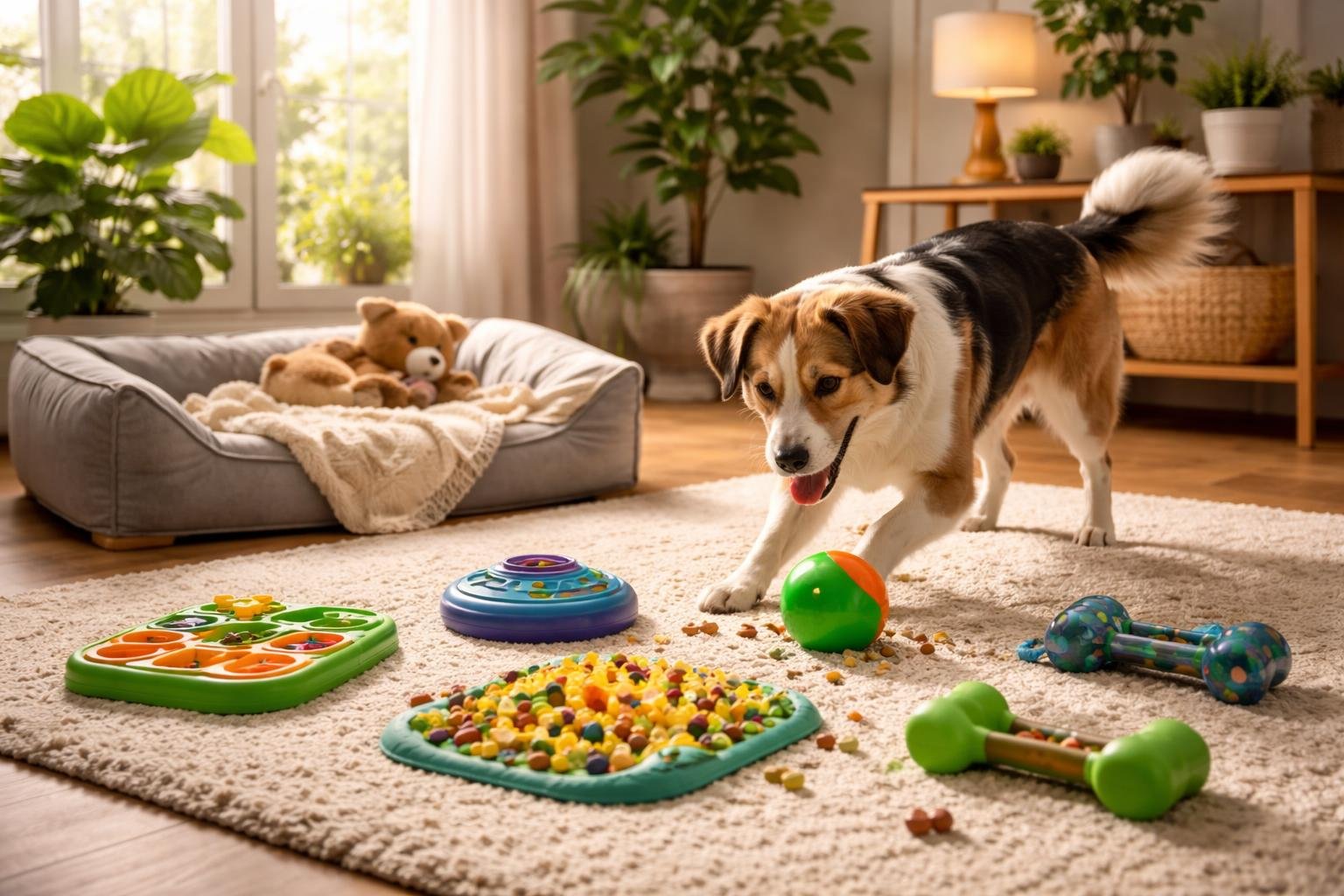
Not all dogs need high-energy activities to feel satisfied. Some dogs thrive with gentle, calming activities that engage their minds while promoting relaxation and rest.
Massage and Grooming Routines
Regular massage helps dogs relax their muscles and reduces overall stress levels. Start at the neck and work down the body using gentle, circular motions with light to medium pressure. Focus on areas where dogs hold tension, like the shoulders, hips, and back.
Most dogs respond well to 10-15 minute sessions. Watch for signs of relaxation like deep breathing, droopy eyes, or lying down.
Brushing sessions provide similar calming effects. The repetitive motion soothes anxious dogs and strengthens the bond between dog and owner. Use a brush suited to the dog’s coat type and work in slow, methodical strokes.
Combine these activities with a quiet environment and soft lighting. Schedule grooming sessions during naturally calm times of day, such as evening hours. Some dogs benefit from these routines before bedtime as part of a wind-down ritual.
Soothing Music Sessions
Music designed for dogs uses specific frequencies and tempos that promote calmness. Classical music and specially composed pet relaxation tracks work best for most dogs. Studies show that soft rock and reggae also have calming effects.
Play music at low to moderate volumes during rest periods or when the dog shows signs of stress. Many dogs settle within 10-20 minutes of exposure to calming sounds.
Create a dedicated relaxation space where the dog associates music with rest time. This can be a bed, crate, or quiet room corner. Pair music sessions with comfortable bedding and dim lighting for maximum effect. Avoid sudden genre changes or loud, upbeat music that may cause excitement rather than relaxation.
DIY Toys and Homemade Puzzles
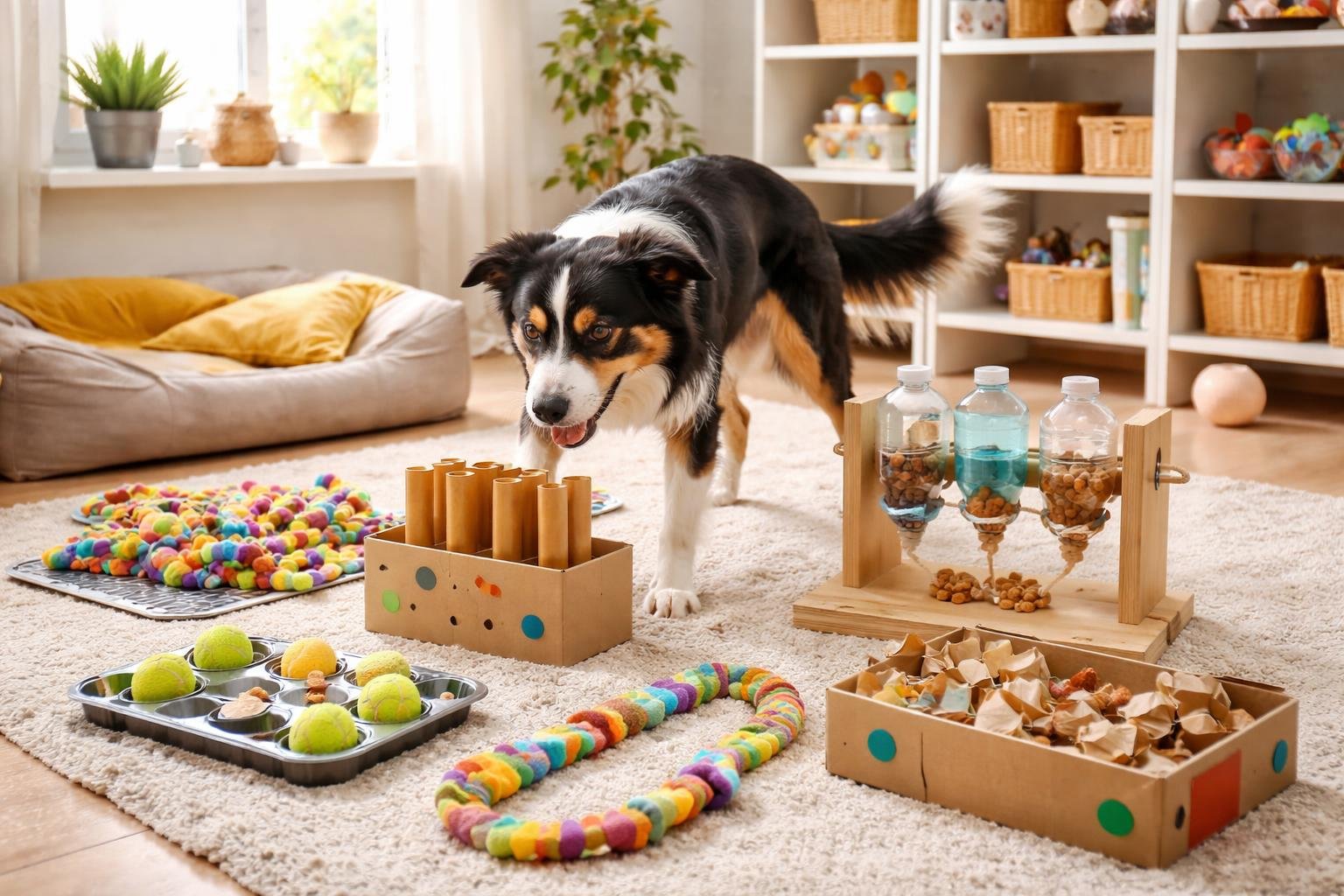
Making enrichment toys at home saves money and uses items that would otherwise go to waste. These simple projects take less than 10 minutes to create and provide mental stimulation through problem-solving and treat discovery.
Recycled Bottle Rollers
A plastic water bottle becomes an engaging puzzle toy with just a few treats inside. Remove the cap and plastic ring, then place small kibble or training treats into the clean, dry bottle. Dogs must roll and manipulate the bottle to get the treats to fall out of the opening.
The bottle makes noise when it moves, which adds extra sensory interest for many dogs. Start with larger openings for beginners by cutting the bottle shorter or using a wider-mouth bottle. Supervise dogs during play to prevent chewing and swallowing plastic pieces.
For added difficulty, poke small holes in the bottle sides instead of leaving the top open. This forces dogs to work harder to release each treat.
Sock Knot Toys
Old socks transform into tug toys by tying 3-4 socks together in tight knots. Use clean socks without holes and tie each knot as firmly as possible. The finished toy works well for interactive play or solo chewing sessions.
Dogs enjoy the texture and the challenge of working at the knots. Tuck small treats into the knot folds to create a puzzle element. This encourages dogs to use their mouths and paws to access the hidden rewards.
Replace sock toys when they become frayed or develop loose threads. These toys work best for light to medium chewers rather than aggressive chewers who might shred and swallow fabric.
Toilet Paper Tube Treat Dispensers
Empty toilet paper rolls create quick puzzle feeders that dogs can tear apart safely. Place treats or kibble inside the tube, then fold both ends closed. Dogs rip open the cardboard to reach the food inside.
The cardboard is digestible in small amounts, though most dogs spit out the pieces. For a harder puzzle, flatten the tube and tie the ends with paper twine. Another option is to place the filled tube inside a cardboard box with crumpled paper for added foraging challenge.
Use only plain cardboard tubes without ink or coating. Some dogs solve this puzzle in seconds, while others need several minutes to figure out the tearing motion.
Seasonal and Themed Indoor Challenges
Changing up enrichment activities based on seasons and holidays keeps dogs interested and engaged. These themed challenges tap into a dog’s natural curiosity while providing fresh mental stimulation throughout the year.
Holiday Scavenger Hunts
Holiday scavenger hunts transform regular treat-finding games into themed adventures. Dog owners can hide treats or toys around the house in holiday-appropriate containers like plastic eggs for Easter or small gift boxes for winter celebrations.
The hunt works best when owners start simple and gradually increase difficulty. For beginners, place three to five treats in easy-to-reach spots. Advanced dogs can search for ten or more items hidden in challenging locations like under cushions or inside safe containers they need to open.
Seasonal scavenger hunt ideas include:
- Spring: Hide treats in a basket with artificial grass
- Summer: Use beach-themed items like small buckets or floaties
- Fall: Conceal snacks under leaf piles made from paper or fabric
- Winter: Create a “snow” search area using white blankets or towels
Each hunt should last about 15 minutes to maintain the dog’s focus without causing frustration.
Weather-Themed Obstacle Courses
Indoor obstacle courses mimic outdoor conditions when weather prevents outside play. These courses use household items to create challenges that exercise both body and mind.
A rainy day course might include weaving through chair legs, jumping over rolled towels, and crawling under tables. Winter-themed courses can feature navigating around “snowdrifts” made from pillows or balancing on cushion “ice patches.”
Owners should adjust course difficulty based on their dog’s size and ability. Small dogs need lower jumps and tighter spaces, while large dogs require sturdier obstacles with more room. The course layout should change every few days to prevent boredom and maintain interest.
Safety Tips for Indoor Activities
Indoor play keeps dogs entertained, but safety should always come first. Dog owners need to check their space before starting any activity to prevent injuries or accidents.
Remove hazards from the play area. This includes small objects that could be swallowed, sharp items, and anything breakable. Dogs can get excited during play and may not notice dangers around them.
Owners should supervise their dogs during all indoor activities. Even simple games can lead to problems if a dog gets too excited or plays too roughly. Close supervision helps catch issues before they become serious.
Choose toys and items that match the dog’s size and play style. Small toys can be choking hazards for large dogs. Hard toys might damage teeth if the dog chews too aggressively.
The play space needs enough room for the dog to move safely. Crowded areas increase the risk of bumping into furniture or walls. Slippery floors can also cause injuries, so owners may need to use rugs or mats for better traction.
Dogs in kennels or crates need special consideration for enrichment activities. Only give items that cannot break apart or create choking hazards in confined spaces. Never leave dogs unattended with toys that have small parts or could be destroyed.
Stop any activity if the dog shows signs of stress, excessive panting, or fatigue. Indoor enrichment should be fun and positive for the dog. Rest breaks help prevent overexertion and keep the experience enjoyable.
Incorporating Enrichment into Daily Routine
Adding enrichment activities to a dog’s schedule doesn’t require a complete lifestyle change. It works best when woven naturally into existing routines.
Morning routines can include a puzzle feeder at breakfast time instead of a regular bowl. This engages a dog’s brain right at the start of the day. A quick scent game before the owner leaves for work takes only five minutes but provides mental stimulation.
Mid-day activities help break up long stretches alone. Frozen treat toys or snuffle mats give dogs something to focus on during quiet hours. Rotating toys every few days keeps things interesting without buying new items constantly.
Evening time offers opportunities for interactive play. Tug-of-war, hide-and-seek with treats, or training sessions fit well after dinner. These activities strengthen the bond between dog and owner while providing both mental and physical exercise.
Consistency matters more than duration. Short enrichment activities done daily produce better results than occasional long sessions. Even 10-15 minutes spread throughout the day makes a difference.
Dog owners should balance high-energy activities with calming ones. A vigorous play session followed by a lick mat or chew toy helps dogs learn to settle. This prevents overstimulation while still meeting enrichment needs.
Different dogs need different amounts of enrichment. Young dogs and high-energy breeds require more activities than senior dogs or calm breeds. Owners can adjust the routine based on their dog’s energy level, age, and individual personality.
Frequently Asked Questions
Dogs need mental challenges through puzzle toys and training games, while reactive or anxious dogs benefit from calm activities like snuffle mats and frozen treats. Indoor enrichment sessions should last 5 to 20 minutes depending on the dog’s age and energy level.
What are the best indoor enrichment activities to keep a dog mentally stimulated?
Puzzle toys rank among the most effective mental stimulation tools for dogs. These toys require dogs to figure out how to access hidden treats, which engages their problem-solving skills. Food-dispensing toys like Kongs stuffed with peanut butter or frozen kibble keep dogs occupied for extended periods.
Training sessions that teach new tricks or commands provide excellent mental workouts. Dogs can learn to identify toys by name, practice scent work games, or work on advanced obedience skills. Even five minutes of focused training can tire out a dog’s brain significantly.
Hide-and-seek games with treats or toys scattered around the home tap into a dog’s natural foraging instincts. Owners can start easy and gradually increase difficulty by hiding items in more challenging locations. Snuffle mats offer a similar benefit by letting dogs search for treats buried in fabric strips.
How can I provide enrichment for my dog inside when the weather is bad?
Indoor fetch or tug-of-war sessions work well in hallways or large rooms when outdoor exercise isn’t possible. Soft toys prevent damage to furniture and walls during play. Dogs can burn physical energy while staying safe from harsh weather conditions.
Setting up an indoor obstacle course with household items creates physical and mental challenges. Owners can use chairs for weaving, blankets for tunnels, and pillows for jumping. This activity combines exercise with problem-solving as dogs navigate the course.
Food puzzles and lick mats provide slower-paced enrichment options during extended indoor time. Freezing wet dog food or yogurt on lick mats extends the activity duration. Rotating different types of puzzles prevents dogs from getting bored with the same challenges.
Which indoor games help reduce boredom and destructive behavior in dogs?
Interactive feeding methods transform mealtime into an engaging activity that prevents boredom. Scatter feeding involves spreading kibble across the floor so dogs must search for each piece. This slows down eating and provides mental stimulation simultaneously.
Tug toys and flirt poles allow dogs to express natural prey drive behaviors in appropriate ways. These games satisfy a dog’s need to chase, grab, and shake objects. Regular play sessions with these toys reduce the likelihood of dogs targeting furniture or household items.
Rotation of toys keeps dogs interested and prevents habituation to the same items. Keeping some toys put away and swapping them every few days makes old toys feel new again. Novel items trigger curiosity and engagement more effectively than constantly available toys.
What DIY enrichment ideas can I make at home with common household items?
A muffin tin puzzle uses treats hidden under tennis balls in each cup of a standard muffin pan. Dogs must lift or move the balls to access the rewards underneath. This simple setup requires no special purchases or construction skills.
Cardboard boxes filled with crumpled paper and hidden treats create inexpensive foraging opportunities. Dogs can shred the paper and boxes to find food, which satisfies their instinct to tear and dig. Old towels tied in knots with treats tucked inside serve a similar purpose.
Frozen treats made in ice cube trays provide long-lasting entertainment during hot days. Owners can freeze chicken broth, dog-safe fruits, or wet food in the trays. Empty plastic bottles with the caps removed and a few kibbles inside create rattling puzzle toys.
How long should indoor enrichment sessions last for different dog ages and energy levels?
Puppies benefit from short enrichment sessions of 5 to 10 minutes repeated several times throughout the day. Their attention spans are limited, but they need frequent mental stimulation. Too much activity at once can lead to overexcitement or frustration.
Adult dogs with high energy levels can handle 15 to 20 minute sessions of intense enrichment activities. Working breeds and sporting dogs often need longer or more challenging activities to feel satisfied. Lower energy adult dogs may prefer 10 to 15 minute sessions with moderate difficulty.
Senior dogs do best with gentle enrichment lasting 5 to 10 minutes at a time. They tire more quickly both physically and mentally. Activities for older dogs should focus on maintaining cognitive function without causing physical strain or exhaustion.
What are safe indoor enrichment options for dogs that are reactive, anxious, or recovering from injury?
Calming activities like lick mats and frozen Kongs work well for anxious dogs without increasing arousal levels. These options encourage dogs to focus on a repetitive, soothing task. The licking motion releases endorphins that help dogs relax naturally.
Snuffle mats and slow feeders provide mental stimulation for dogs on restricted activity due to injury. These require minimal physical movement while still engaging the brain through scent work. Dogs can participate while lying down or standing in place.
Scent games using essential dog-safe items hidden around a small area work for reactive dogs. These activities happen in controlled spaces away from triggers and don’t require interaction with other dogs or people. Training sessions focused on calm behaviors like “settle” or “place” build confidence without overstimulation.