8 Science-Backed Brain Games for a Calmer, Smarter Dog: Expert-Approved Activities to Reduce Anxiety and Boost Canine Intelligence
Dogs that seem restless, bark too much, or chew on things they shouldn’t might just need more mental exercise. Physical walks alone don’t always tire out a dog’s brain. Many behavior problems come from boredom rather than bad training.
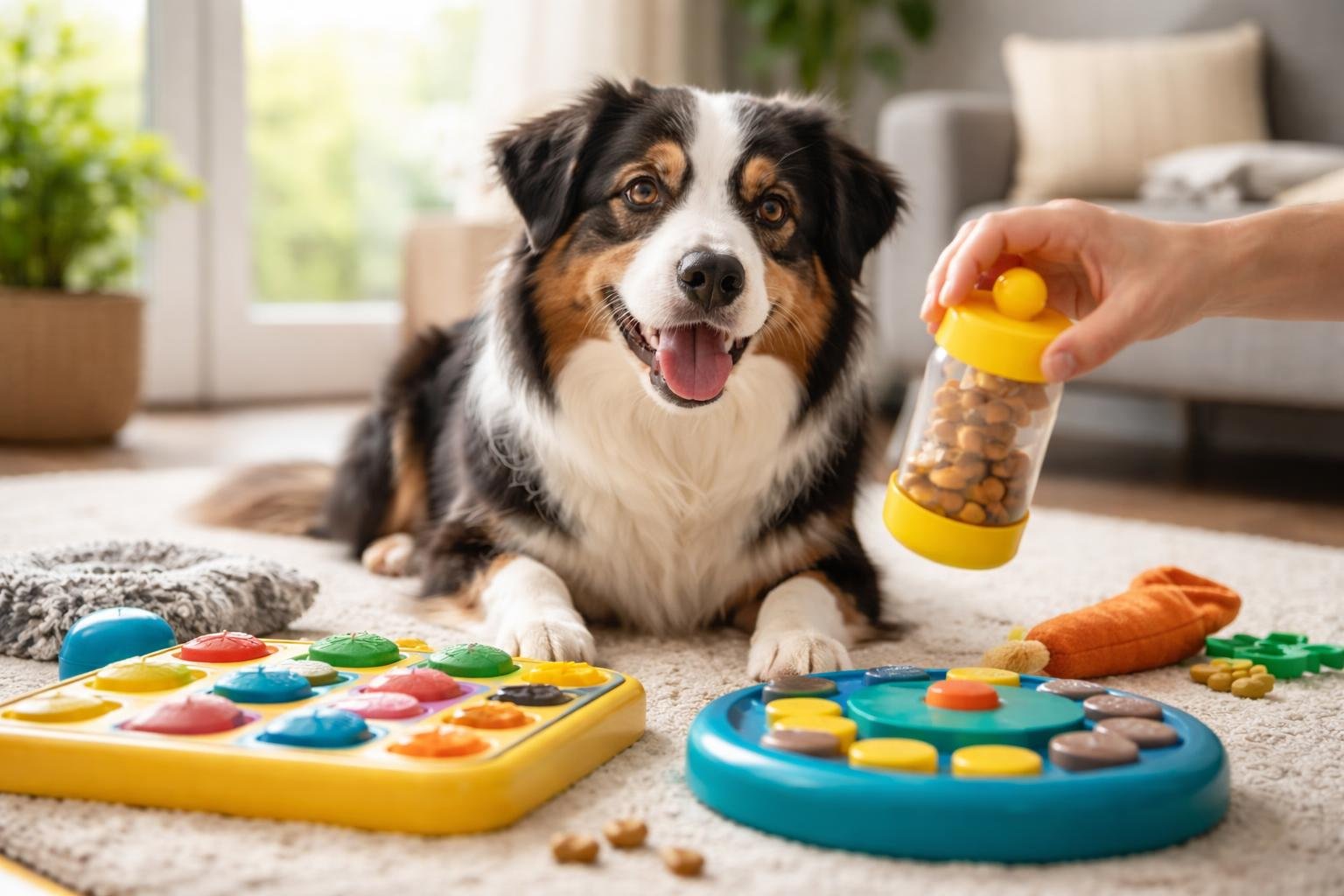
Brain games that challenge a dog’s mind can reduce anxiety, decrease unwanted behaviors, and create a calmer pet. These activities work by giving dogs natural outlets for their intelligence and problem-solving skills. Mental stimulation helps dogs feel satisfied and content in ways that regular exercise can’t achieve on its own.
This article explains how mental enrichment affects dog behavior and shares eight proven brain games that work. It covers puzzle toys, training exercises, scent activities, and ways to combine physical and mental challenges. Readers will learn how to pick the right games for their dog and avoid common mistakes that reduce effectiveness.
How Mental Stimulation Enhances Canine Well-Being
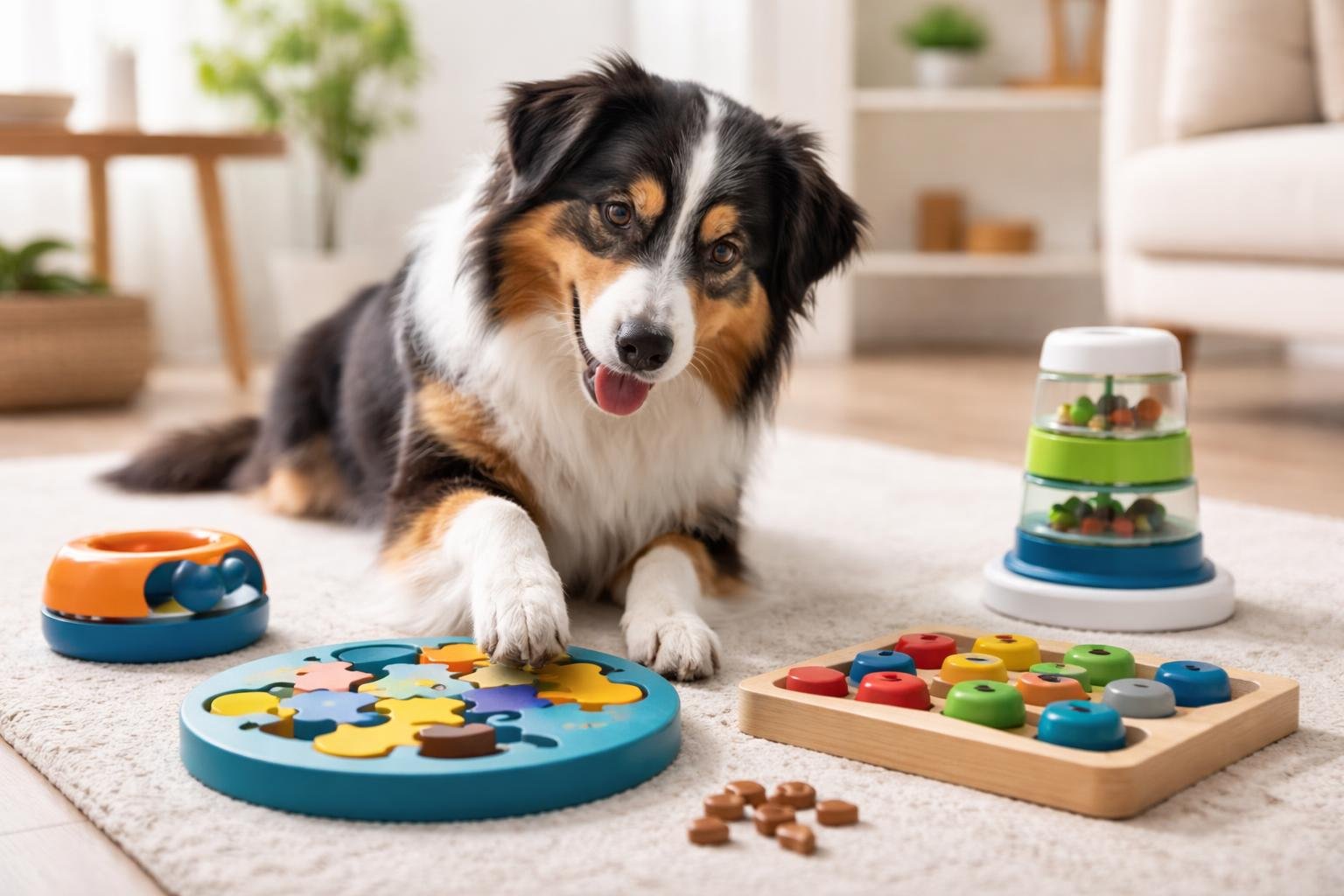
Mental exercise triggers chemical changes in a dog’s brain that reduce stress hormones and increase feel-good neurotransmitters. These activities also keep aging brains sharp and redirect problem behaviors into productive outlets.
Reducing Stress and Anxiety in Dogs
Dogs experience stress when their natural instincts go unfulfilled. A bored dog often shows signs like excessive barking, destructive chewing, or restless pacing. Mental stimulation games tap into a dog’s natural desire to hunt, forage, and problem-solve.
When dogs engage their minds through puzzle toys or scent work, their brains release dopamine and serotonin. These chemicals create feelings of satisfaction and calm. A 10-minute mental workout can tire a dog more effectively than a 30-minute walk.
Common stress-reducing activities include:
- Sniff games that engage a dog’s strongest sense
- Puzzle feeders that slow down eating while activating problem-solving skills
- Hide-and-seek games that satisfy hunting instincts
Dogs who receive regular mental stimulation show fewer anxiety-related behaviors. They sleep more deeply and settle more quickly when left alone.
Supporting Cognitive Health
Mental exercise keeps a dog’s brain cells active and healthy. Just like human brains, canine brains need regular challenges to maintain sharp cognitive function. Dogs who play brain games develop stronger neural pathways.
Regular mental workouts benefit dogs of all ages. Puppies build problem-solving skills that help them learn faster. Adult dogs maintain their mental sharpness. Senior dogs can slow age-related cognitive decline through consistent brain challenges.
Research shows that dogs who engage in enrichment activities throughout their lives show better memory and learning abilities. These dogs adapt more easily to new situations and learn new commands faster than dogs without mental stimulation.
Encouraging Appropriate Behavior
A mentally tired dog has less energy for unwanted behaviors. Dogs often develop bad habits when they lack proper outlets for their intelligence. Chewing furniture, digging holes, or jumping on guests often stems from boredom.
Brain games redirect that energy into positive activities. When dogs spend time working through puzzles or learning new tricks, they satisfy their need for mental engagement. This natural outlet prevents them from creating their own entertainment through destructive means.
Training-based brain games strengthen the bond between dogs and their owners. Dogs learn to look to their humans for guidance and entertainment. This relationship builds impulse control and patience, which carries over into everyday situations.
Understanding the Science Behind Brain Games
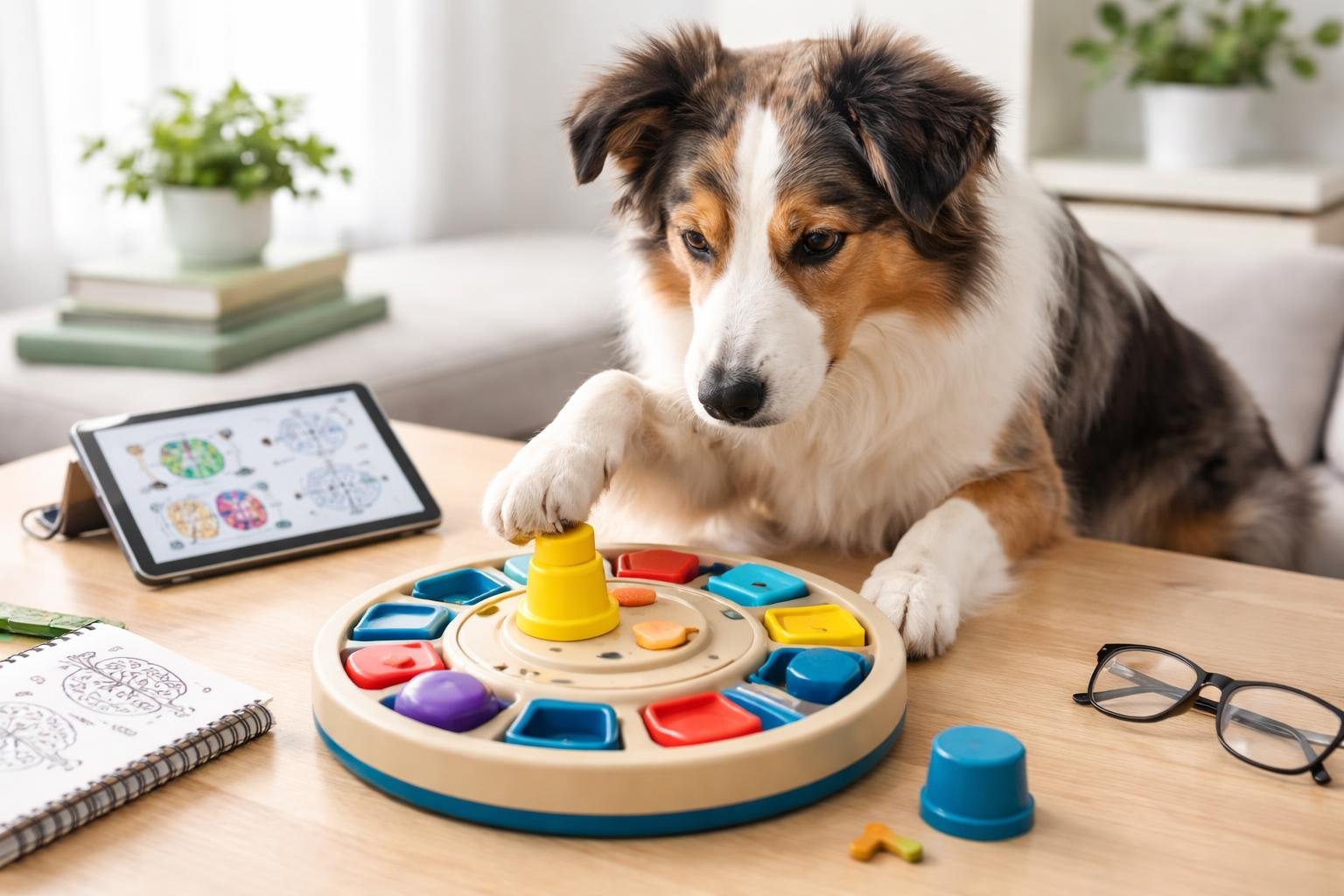
Dogs’ brains form new neural connections when they engage in challenging mental activities, leading to improved problem-solving skills and emotional regulation. Research shows that structured cognitive exercises activate specific brain regions responsible for learning, impulse control, and stress management.
Neuroscience of Canine Learning
A dog’s brain releases dopamine during problem-solving activities, creating positive associations with learning. This neurochemical response strengthens neural pathways and improves information retention over time.
The prefrontal cortex, which controls decision-making and impulse control, becomes more active during brain games. Regular stimulation of this area helps dogs develop better self-control and reduces impulsive behaviors like excessive barking or jumping.
Neuroplasticity allows dogs’ brains to adapt and grow throughout their lives. When dogs face new challenges, their brains create fresh neural connections. These connections improve cognitive flexibility and help dogs adapt to new situations more easily.
Studies using brain imaging technology show that mentally stimulated dogs have increased gray matter density in areas related to learning and memory. This physical change in brain structure demonstrates that mental exercise produces measurable improvements in brain function.
Research on Interactive Play
Scientific studies confirm that dogs who participate in regular interactive play show reduced anxiety levels compared to dogs with only physical exercise. The cognitive engagement required during play activates different brain regions than simple running or walking.
Research published in animal behavior journals demonstrates that puzzle-solving activities lower cortisol levels in dogs. Lower cortisol means less stress and better overall emotional health.
Interactive play strengthens the bond between dogs and their owners through shared problem-solving experiences. This social aspect of brain games triggers the release of oxytocin, often called the bonding hormone, in both dogs and humans.
Benefits of Problem-Solving Activities
Problem-solving games tire dogs mentally, which often proves more effective than physical exercise alone for managing hyperactivity. A mentally exhausted dog displays calmer behavior and settles more readily.
Dogs who regularly engage in cognitive challenges show improved focus and attention span during training sessions. This enhanced concentration carries over into other areas of daily life, making dogs more responsive to commands.
Scent-work and food-puzzle games tap into natural instincts while providing mental stimulation. These activities satisfy dogs’ innate drive to hunt and forage, reducing boredom-related destructive behaviors like chewing furniture or digging.
Regular problem-solving exercises build confidence in anxious or fearful dogs. Successfully completing challenges gives dogs a sense of accomplishment and helps them approach new situations with more assurance.
Selecting the Right Brain Games for Your Dog
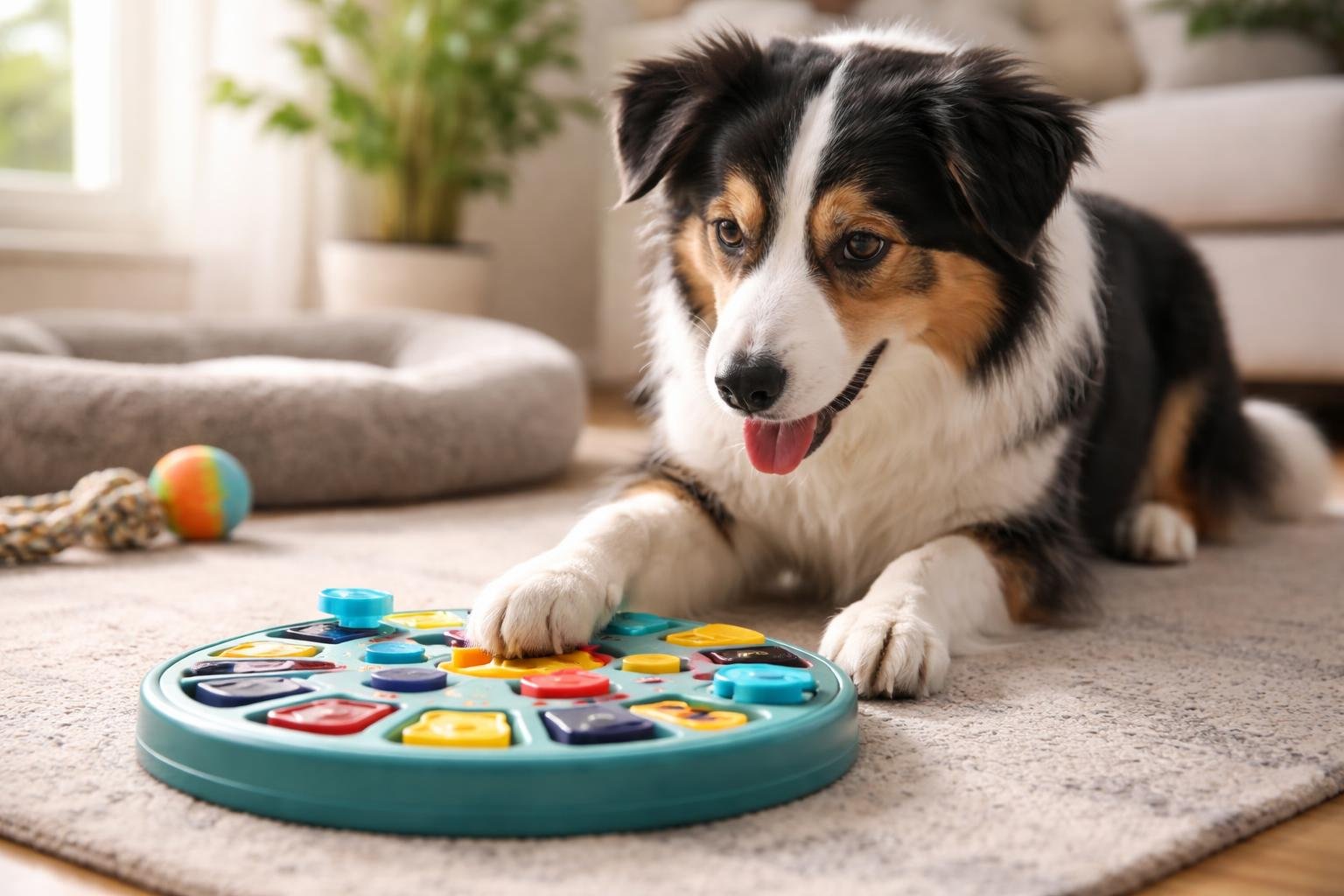
Not every brain game works for every dog. A puppy’s developing mind needs different challenges than a senior dog’s experienced brain, and a Border Collie requires more complex tasks than a laid-back Basset Hound.
Tailoring Activities to Breed and Age
Breed characteristics play a major role in choosing effective brain games. Herding breeds like Australian Shepherds and Border Collies excel at complex multi-step puzzles and tasks that involve following sequences. Scent hounds such as Beagles and Bloodhounds perform best with nose-work games that let them use their natural tracking abilities. Terriers often prefer games that involve digging or hunting for hidden objects.
Puppies under six months need simple games that last only 5-10 minutes to match their short attention spans. Basic hide-and-seek with treats or simple name-recognition games work well for young dogs. Adult dogs can handle 15-20 minute sessions with moderate difficulty levels.
Senior dogs benefit from gentler mental exercises that don’t frustrate them. Slow-paced scent games and easy puzzle feeders keep their minds active without overwhelming them. Dogs over seven years old may have reduced vision or hearing, so games should rely more on their strongest remaining senses.
Considering Energy Levels and Temperament
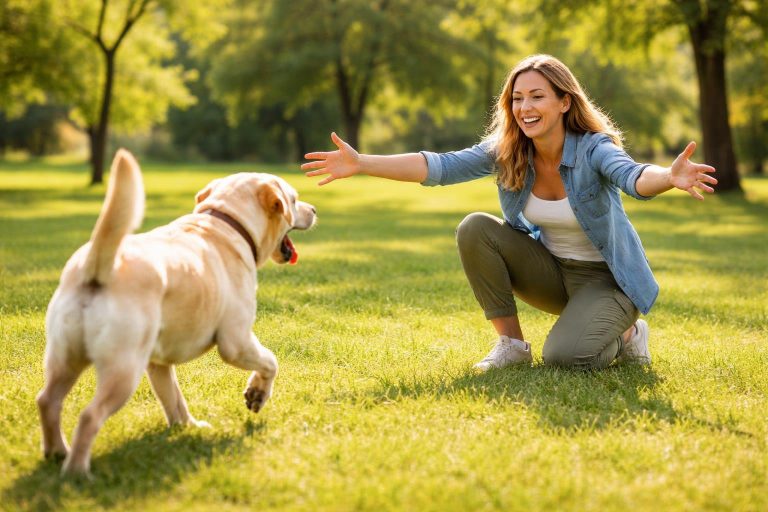
High-energy dogs need brain games that incorporate physical movement alongside mental challenges. A restless Labrador does better with active games like fetch variations that require decision-making rather than stationary puzzle toys.
Anxious or nervous dogs require calming activities that build confidence gradually. Licking mats with frozen treats or simple snuffle mats provide soothing mental stimulation without pressure. These dogs should never face brain games that might increase stress or create frustration.
Calm, low-energy breeds like Bulldogs and Shih Tzus prefer shorter sessions with food-motivated games. They respond well to puzzle feeders and basic scent work that doesn’t demand intense physical effort.
Safety and Supervision Tips
Always supervise dogs during brain games, especially with new toys or activities. Remove any toy that shows signs of breaking apart or has pieces small enough to swallow.
Size matters for puzzle toys and game props. Small dogs need appropriately sized objects they can manipulate with their mouths and paws. Large dogs require sturdy materials that won’t break under stronger jaws and force.
Choose non-toxic materials for any items the dog will mouth or chew. Avoid toys with small detachable parts, sharp edges, or materials that splinter. Check all game equipment before each use for wear and damage.
Tried-and-True Puzzle Toys for Calmness
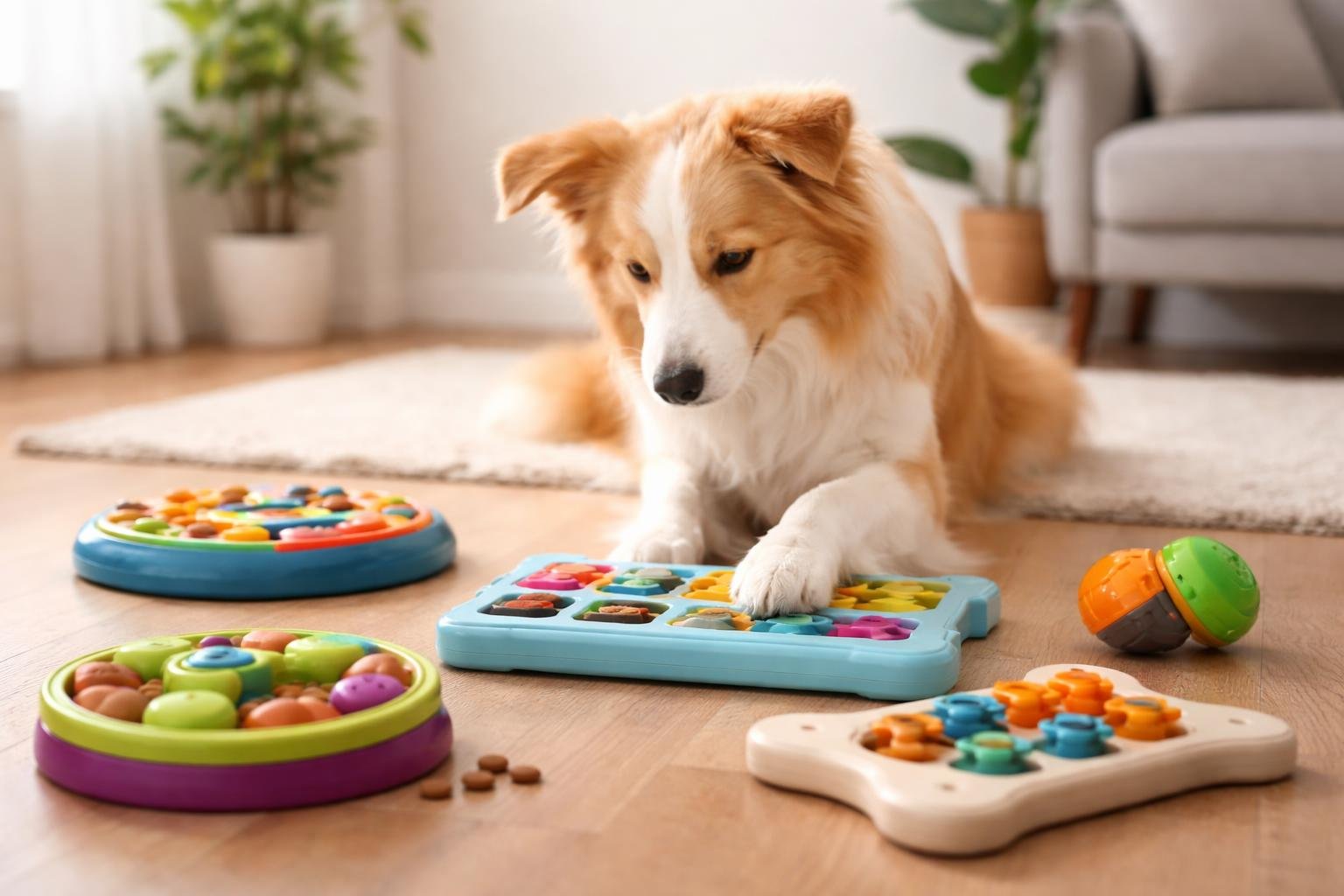
Puzzle toys keep a dog’s mind busy and reduce anxious behaviors by turning mealtime and play into productive mental work. These tools help dogs burn mental energy, which often leads to a calmer state than physical exercise alone.
Food-Dispensing Challenges
Food-dispensing toys require dogs to work for their meals instead of eating from a bowl. This slows down eating and gives the brain a job to focus on.
Popular options include:
- Kong toys filled with treats or frozen food
- Wobbler toys that release kibble as dogs push them
- Puzzle feeders with sliding compartments
- Snuffle mats that hide food in fabric folds
These toys work best when filled with a dog’s regular meals rather than extra treats. The activity satisfies the natural foraging instinct that dogs have.
Start with easier versions and increase difficulty as the dog learns. A dog that struggles too much may become frustrated instead of calm. The goal is to provide a challenge that feels rewarding, not impossible.
Most dogs settle down for a nap after working through a food puzzle. This makes these toys useful before leaving the house or during high-energy times of day.
Chew and Tug Toys with a Twist
Chewing releases endorphins in a dog’s brain that create natural calm. Adding puzzle elements to chew toys increases the mental benefit.
Rope toys with hidden treat pockets combine chewing with problem-solving. Rubber toys with multiple textures and treat-hiding spots keep dogs engaged longer than plain chew toys.
Key features to look for:
- Different textures that interest the dog’s mouth
- Safe, durable materials that won’t break into small pieces
- Spots to hide treats or peanut butter
- Sizes appropriate for the dog’s jaw strength
Tug toys that require a dog to grip, pull, and manipulate help release pent-up energy in a controlled way. These work well for dogs that get overstimulated during regular play.
Hide-and-Seek Puzzle Boards
Puzzle boards present food or treats under flaps, sliders, and compartments that dogs must open. These toys provide the highest level of mental challenge.
Board puzzles come in difficulty levels from beginner to advanced. Simple boards have one or two mechanisms. Advanced boards combine spinning wheels, sliding tiles, and flip covers.
Dogs use their noses and paws to solve these puzzles. The activity mimics natural scavenging behavior and keeps the brain focused on a specific task.
Benefits include:
- Extended engagement time (15-30 minutes per session)
- Reduced destructive behaviors from boredom
- Better focus and impulse control
- Lower stress levels after play
Supervise dogs during their first attempts with puzzle boards. Some dogs need guidance to understand how the mechanisms work. Once they learn the patterns, these toys become a regular tool for mental stimulation and calm.
Interactive Training Exercises for Smarter Dogs
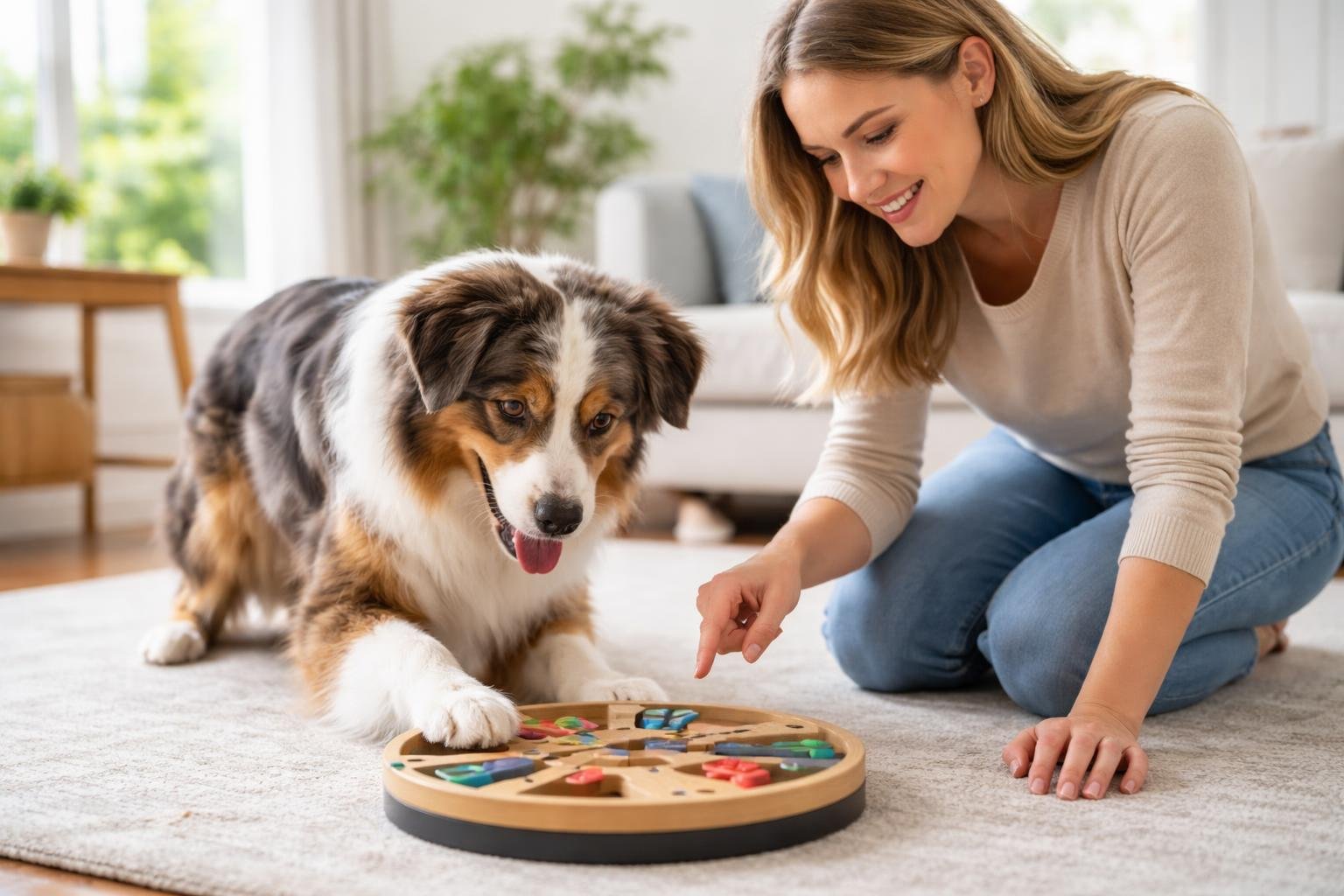
Training sessions that challenge a dog’s mind while teaching new skills create both behavioral improvements and cognitive growth. These exercises combine mental work with physical responses to strengthen neural pathways.
Clicker-Based Problem Solving
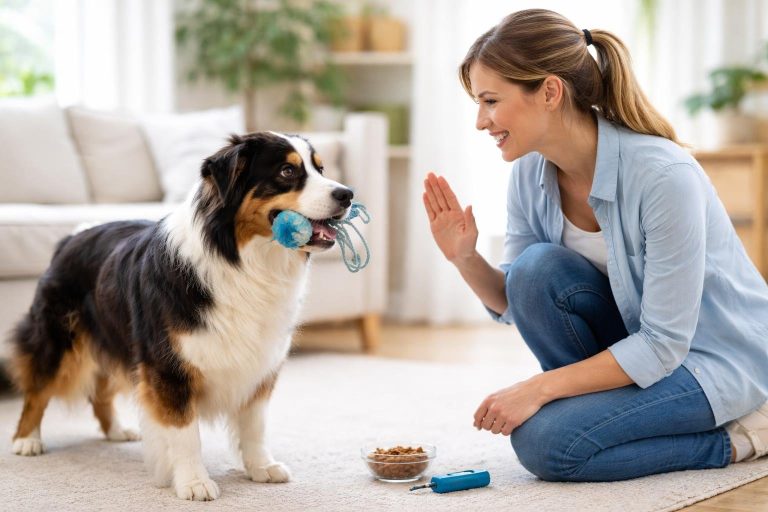
Clicker training adds a cognitive layer to basic learning by requiring dogs to figure out which behaviors earn rewards. The dog hears a click sound when they perform the correct action, followed by a treat. This creates a clear cause-and-effect relationship that strengthens problem-solving abilities.
Start with simple behaviors like touching a target stick with their nose. Once the dog understands the click means a reward is coming, increase difficulty by moving the target to different positions or heights. The dog must think about how to reach the goal rather than just following commands.
Progressive difficulty levels:
- Touch a stationary target
- Follow a moving target
- Touch specific colored targets on command
- Complete a sequence of multiple targets
Advanced clicker work includes shaping, where dogs figure out complex behaviors through trial and error. A owner might click and reward small movements toward pushing a door closed, letting the dog discover the full action independently. This method builds confidence and independent thinking skills that transfer to other areas of life.
Basic Obedience with Cognitive Enrichment
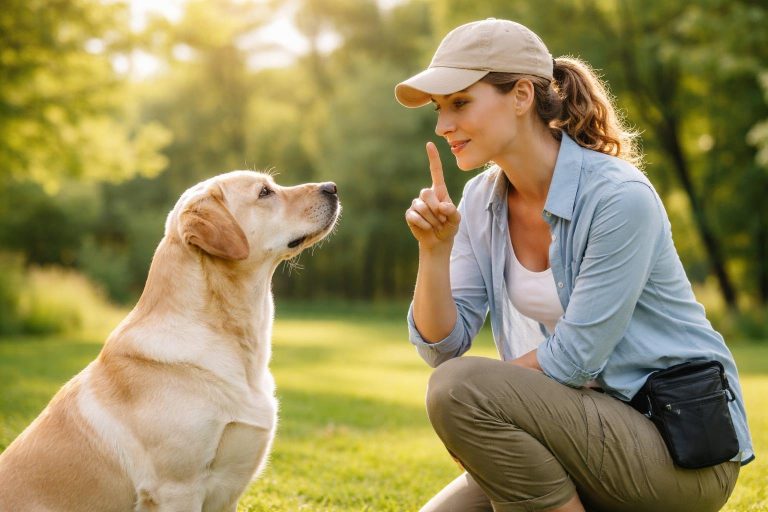
Standard obedience commands become brain games when paired with variations that require thought and adaptation. Teaching “sit” in different locations, on various surfaces, and around distractions forces dogs to generalize the concept rather than memorize one specific scenario.
Adding duration and distance challenges transforms simple commands into mental exercises. A dog holding a stay while the owner walks around them must maintain focus and resist impulses. Increasing the stay time to 30 seconds, then one minute, builds impulse control and concentration abilities.
Combining multiple commands in random sequences creates cognitive demand. Instead of repeating “sit, down, sit, down,” owners can mix commands like “sit, stay, come, down” to keep dogs mentally engaged and responsive.
Scent Work and Nose Games for Relaxation
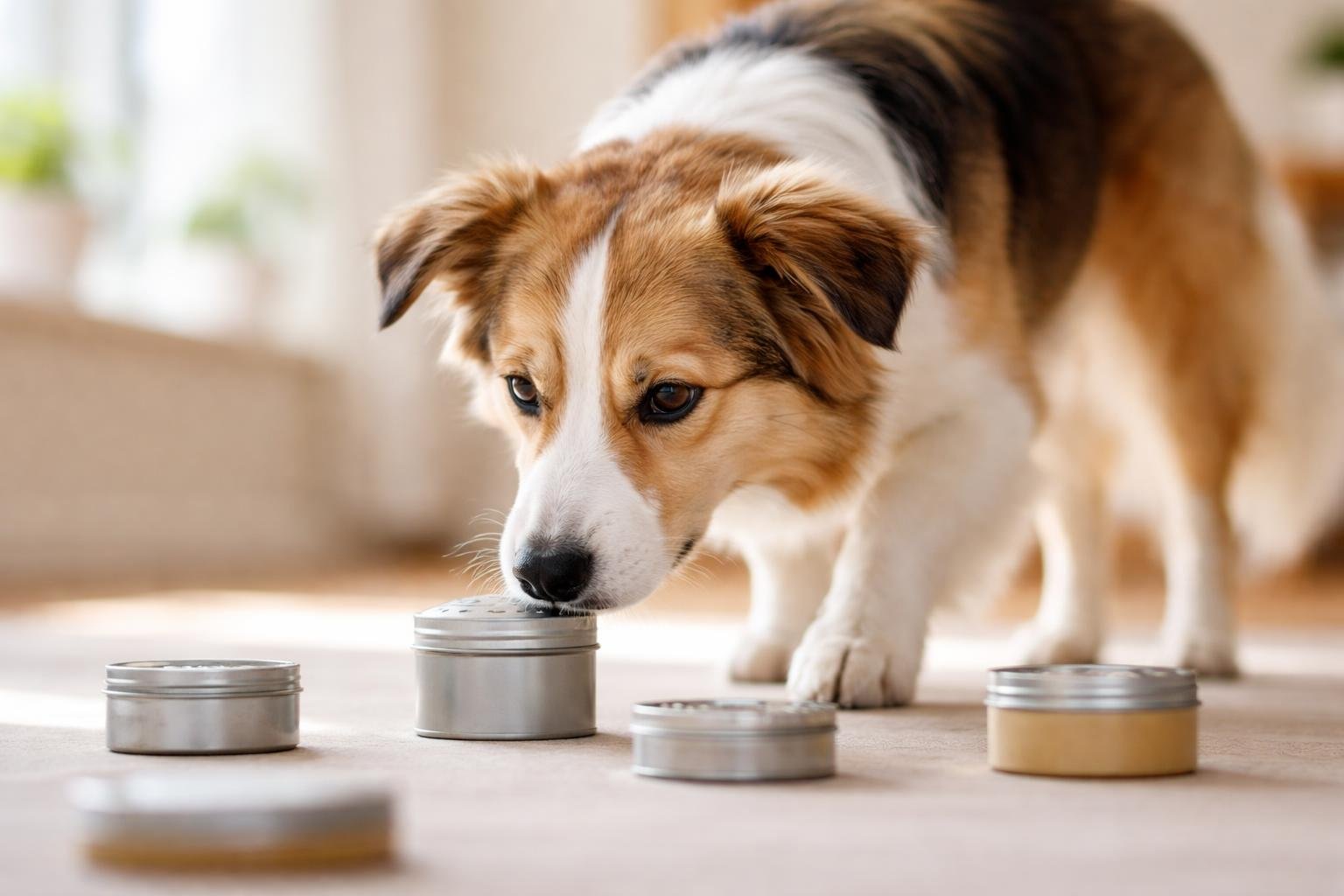
Dogs process the world primarily through their noses, and engaging this natural ability through structured scent activities provides deep mental satisfaction that leads to calmer behavior. These games tap into instinctive tracking and detection skills while offering a productive outlet for excess energy.
Beginner Scent Detection Drills
The simplest starting point involves hiding small treats in plain sight while the dog watches. Place three or four treats around a single room at nose level. Release the dog with a command like “find it” and let them search.
Once the dog understands the game, increase difficulty by hiding treats when they’re out of the room. Start with obvious locations like under a slightly lifted rug edge or behind a chair leg. The dog learns to use their nose rather than eyes to locate rewards.
Progressive difficulty levels:
- Week 1: Treats visible in one room
- Week 2: Treats hidden in obvious spots in one room
- Week 3: Treats in multiple rooms at varying heights
- Week 4: Treats in containers with holes or under objects
Each session should last only 5-10 minutes to prevent frustration. Dogs naturally tire from scent work faster than physical exercise because it requires significant mental focus. This mental fatigue translates to relaxation for the rest of the day.
DIY Scented Treasure Hunts
A treasure hunt uses specific scents instead of food to create a more advanced challenge. Start by introducing a target scent like vanilla extract, lavender oil, or birch essential oil on a cotton ball inside a small container with holes.
Let the dog sniff the container, then hide it in an easy location. Reward them with treats and praise when they find it. The scent becomes the signal that a reward is nearby, building positive associations.
Create multiple scent stations throughout the house using the same target scent. Place containers at different heights and in various room types. Dogs must distinguish the target scent from household smells, which provides substantial cognitive engagement.
Materials needed:
- Small containers with ventilation holes
- Cotton balls or felt pieces
- Dog-safe essential oils or extracts
- High-value treats for rewards
Practice these hunts 3-4 times per week for maximum stress reduction benefits.
Incorporating Physical Activity with Cognitive Tasks
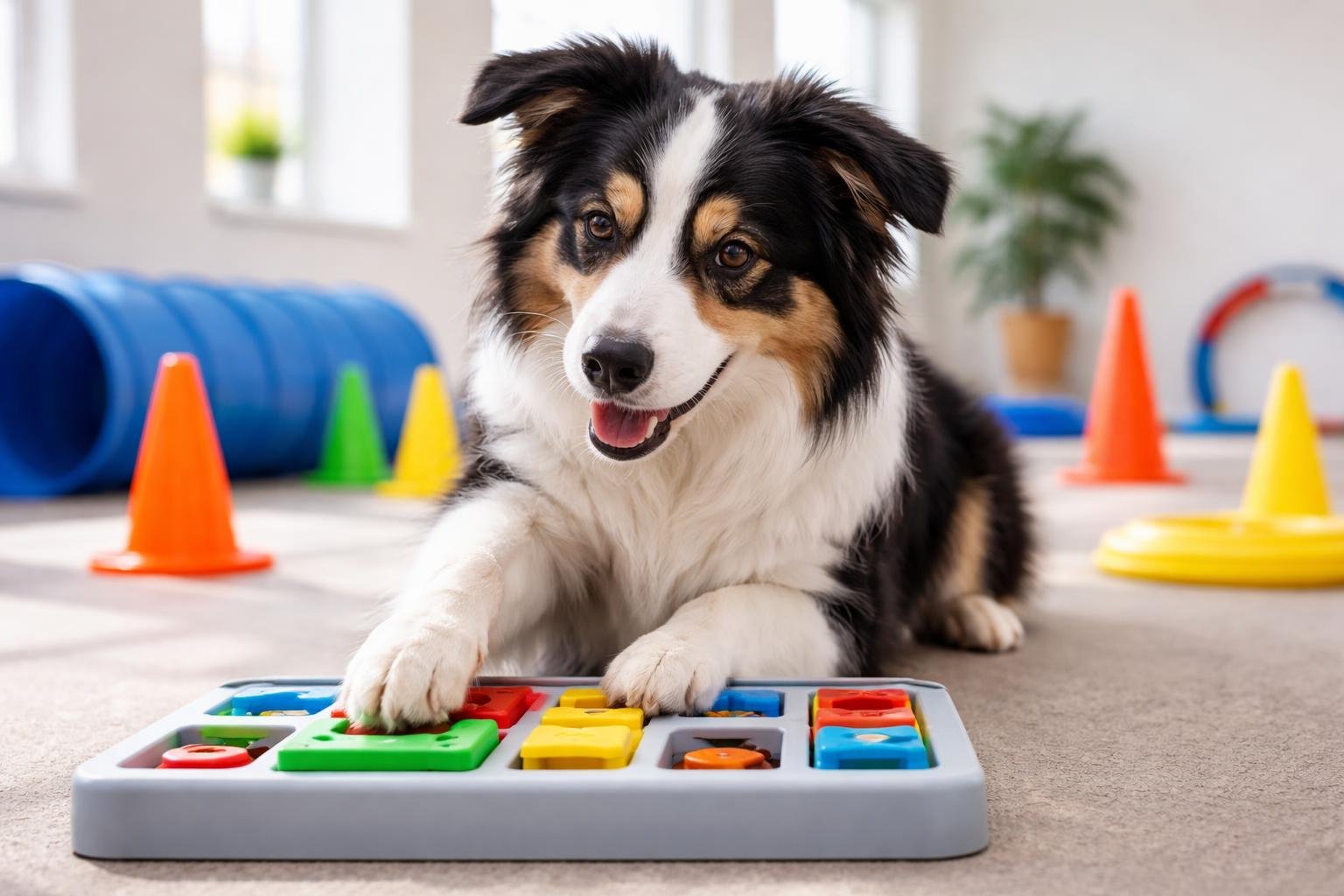
Dogs benefit most when their bodies and brains work together during play. Combining movement with mental challenges creates a more satisfying experience that addresses both physical energy and cognitive needs.
Obstacle Courses That Engage the Mind
Setting up an obstacle course transforms basic physical activity into a brain-training session. Dogs must navigate through tunnels, weave between poles, jump over hurdles, and pause at specific stations while remembering sequences and responding to commands.
The mental demand increases when owners add decision-making elements to the course. A dog might need to choose between two paths, wait for a specific cue before proceeding, or complete a task at each station before moving forward. These choices activate problem-solving skills while maintaining physical engagement.
Key elements for effective obstacle courses:
- Variable difficulty: Start simple and gradually increase complexity
- Command integration: Require sits, stays, or downs between obstacles
- Reward stations: Place treats or toys at specific points to encourage memory
- Direction changes: Include turns and reversals to maintain focus
Indoor courses work well using household items like chairs, boxes, and blankets. Outdoor setups can incorporate natural features like logs, rocks, and bushes.
Movement-Based Memory Games
Memory games that include physical movement challenge dogs to remember patterns while staying active. Red light, green light teaches impulse control as dogs must start and stop movement on command. This game requires dogs to monitor their handler constantly while managing their energy.
Sequential fetch adds mental challenge to a familiar activity. Dogs retrieve multiple toys in a specific order or bring back only the item named by their owner. This variation requires listening skills, object recognition, and working memory.
Scent trails combine tracking with physical exercise. Owners drag a treat or favorite toy along a path, creating turns and figure-eights. Dogs follow the scent while moving through different terrains and directions. The activity engages their natural tracking instincts while providing moderate exercise and mental focus.
Tips for Maximizing the Effectiveness of Brain Games
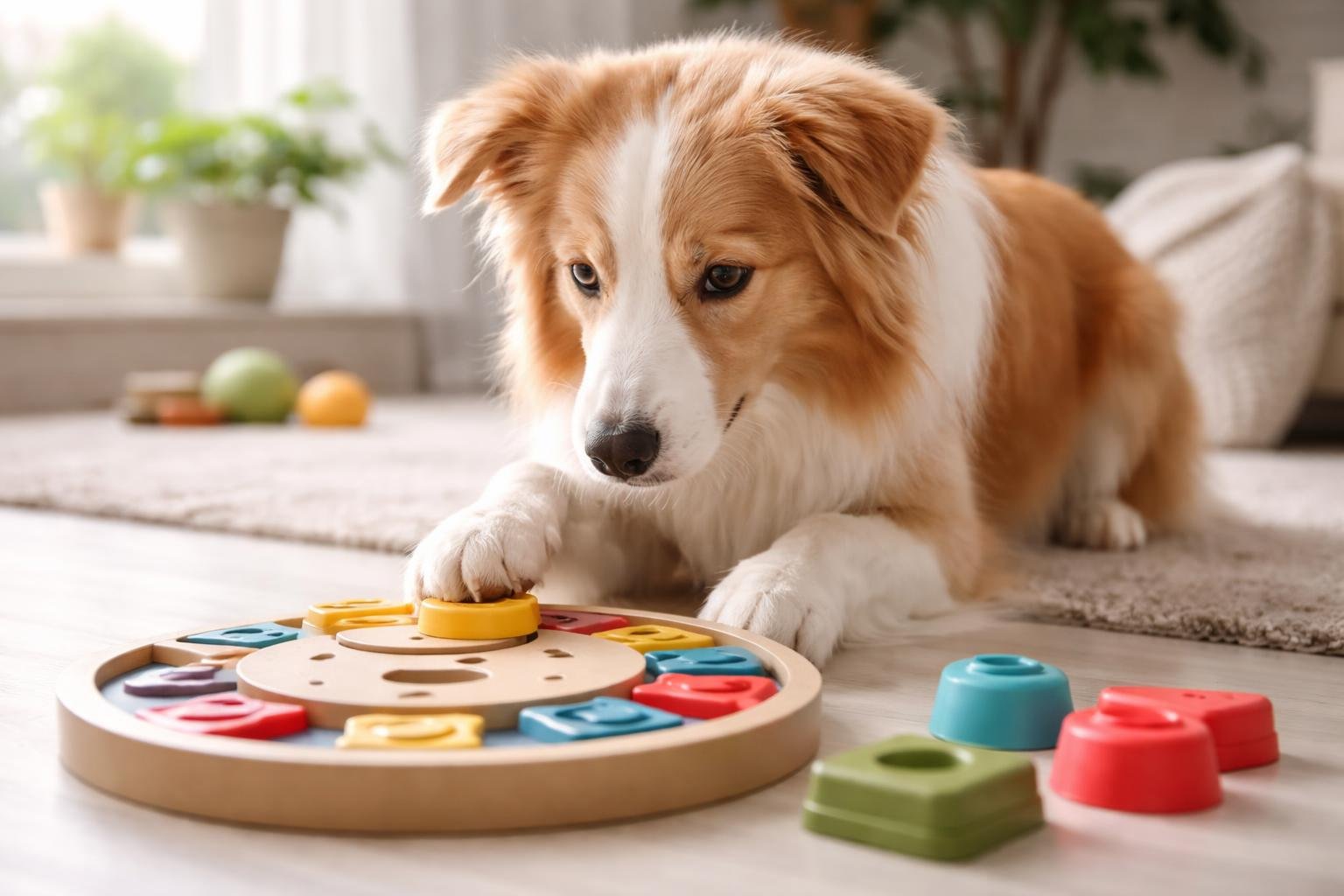
Brain games work best when they become a consistent part of a dog’s daily life, with difficulty levels that grow alongside their skills. Owners who track their dog’s responses and adjust activities accordingly see better results in both mental stimulation and behavior improvement.
Establishing a Regular Routine
Dogs thrive on predictability and learn more effectively when brain games happen at consistent times each day. Setting aside 10-15 minutes in the morning and evening creates a reliable pattern that dogs anticipate and prepare for mentally.
The best times for brain games are before meals or walks, when dogs are naturally alert and motivated. Avoid scheduling sessions right after eating or during a dog’s typical rest periods. Some dogs perform better in the morning when their energy is highest, while others focus better in the evening after physical exercise has reduced excess energy.
Consistency matters more than duration. Three 10-minute sessions spread throughout the day provide better mental exercise than one 30-minute session. This spacing prevents mental fatigue and keeps dogs engaged without frustration.
Gradually Increasing Challenge
Starting with games that are too difficult leads to frustration and disinterest. Dogs should succeed 80% of the time during initial sessions, which builds confidence and maintains motivation.
Once a dog solves a puzzle or game quickly and consistently, it’s time to increase difficulty. This might mean adding more steps to a sequence, hiding treats in harder locations, or introducing new scent combinations. The goal is to keep the dog thinking without overwhelming them.
Signs a game is too easy:
- Dog completes it in under 30 seconds
- No visible thinking or problem-solving behavior
- Lack of interest or engagement
Signs a game is too hard:
- Dog gives up within 1-2 minutes
- Visible stress signals like excessive panting or whining
- Avoidance behavior when the game is presented
Monitoring Progress and Adjusting
Tracking how a dog responds to different games reveals which activities provide the most benefit. Keep notes on completion times, frustration levels, and engagement quality for each activity type.
Watch for changes in behavior outside of game time. Dogs getting adequate mental stimulation often show reduced destructive behaviors, calmer responses to triggers, and improved focus during training. These improvements typically appear within 2-3 weeks of consistent brain game practice.
Adjust the game selection based on the dog’s current needs. A dog showing anxiety might benefit more from scent work and slow feeding puzzles, while a hyperactive dog might need more problem-solving tasks that require patience. Some dogs prefer food-based games, while others respond better to toy-based or scent-based activities.
Common Mistakes to Avoid During Mental Enrichment
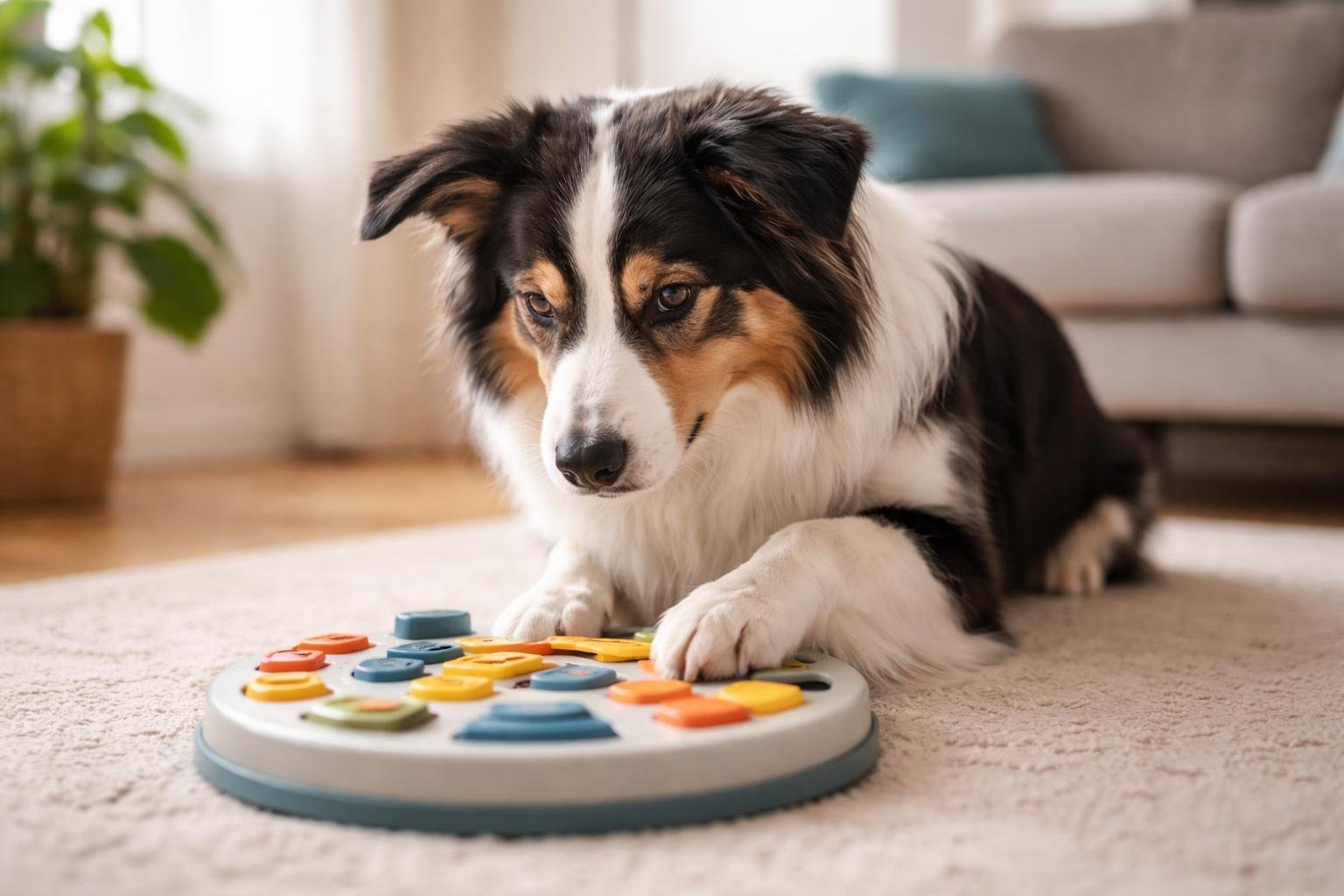
Mental enrichment works best when owners understand their dog’s limits and preferences. Three key errors can turn helpful brain games into sources of stress or confusion for dogs.
Overwhelming Your Dog
Starting with puzzles that are too difficult frustrates dogs and defeats the purpose of mental enrichment. A dog who can’t figure out how to access treats in a complex puzzle toy will often give up entirely or develop anxiety around similar activities.
Owners should begin with simple tasks their dog can solve within 30-60 seconds. Success builds confidence and motivation to try harder challenges later. For example, a beginner puzzle might involve lifting a single flap to find food, while advanced versions require multiple steps in sequence.
Signs of overwhelm include:
- Walking away from the activity
- Whining or barking persistently
- Pawing aggressively at the puzzle
- Looking to the owner repeatedly for help
The difficulty level should increase gradually over weeks, not days. If a dog struggles for more than two minutes without progress, the task is likely too hard for their current skill level.
Inconsistent Rewards
Using different reward types randomly confuses dogs about what behavior earns reinforcement. Mental enrichment relies on clear cause-and-effect learning, which breaks down when rewards appear unpredictable.
Dogs learn fastest when they receive the same type of reward every time they complete a task correctly. If an owner uses treats one session, praise the next, and toys the third time, the dog can’t form strong associations between their actions and outcomes.
The reward value should also match the effort required. A difficult puzzle deserves higher-value treats than a simple one. Many owners make the mistake of using boring kibble for challenging games, which reduces motivation quickly.
Ignoring Individual Preferences
Not all dogs enjoy the same types of mental stimulation. Some dogs love scent work but show no interest in puzzle toys. Others prefer interactive games with their owners over solo problem-solving activities.
Food-motivated dogs respond well to treat-dispensing puzzles and snuffle mats. Dogs who care more about play benefit from hide-and-seek games with toys or tug-based brain games. Forcing a dog into enrichment activities they dislike creates stress instead of providing the intended mental benefits.
Owners should test different activity types and observe their dog’s body language. Engaged dogs show relaxed postures, wagging tails, and focused attention. Disinterested dogs will appear distracted, move slowly, or avoid the activity altogether.
Promoting Lifelong Cognitive Health Through Enrichment
Mental enrichment benefits dogs at every stage of life. Just like humans build cognitive reserves through learning and problem-solving, dogs strengthen their brain health through regular mental challenges.
Research shows that dogs who engage in consistent enrichment activities throughout their lives maintain sharper cognitive function as they age. Brain games create new neural pathways and keep existing connections strong.
Key Benefits of Lifelong Enrichment:
- Delays age-related cognitive decline
- Reduces anxiety and stress behaviors
- Improves memory and learning ability
- Strengthens the bond between dog and owner
Puppies benefit from enrichment by developing better learning skills early on. Adult dogs stay mentally sharp and engaged. Senior dogs experience slower cognitive aging when they continue regular brain games.
The brain’s ability to adapt and grow, called neuroplasticity, works in dogs just as it does in humans. Each new puzzle or game encourages the brain to form fresh connections.
Dogs need a mix of physical exercise and mental stimulation. While walks keep their bodies healthy, brain games keep their minds active. A 10-minute training session can tire a dog as much as a 30-minute walk.
Starting enrichment activities early and maintaining them throughout a dog’s life provides the best results. Even a few minutes of daily mental exercise makes a difference. Simple activities like hide-and-seek with treats or teaching new commands count as valuable brain work.
Frequently Asked Questions
Dog owners often wonder how to start mental enrichment, measure progress, and select activities that suit their individual pet’s needs. The following answers address common concerns about implementing brain games safely and effectively.
What are the most effective brain games to mentally stimulate a dog at home without special equipment?
Hide-and-seek with treats around the house engages a dog’s natural scenting abilities. Owners can start by hiding treats in easy spots and gradually increase difficulty as the dog improves.
The muffin tin game uses a standard cupcake pan with treats placed in some cups and tennis balls covering all of them. Dogs must remove the balls to find the hidden rewards, which builds problem-solving skills.
Teaching new tricks like “spin” or “touch” requires no equipment and strengthens the bond between dog and owner. Even five minutes of training a new behavior provides significant mental exercise.
How can short daily mental stimulation sessions help reduce a dog’s anxiety and hyperactivity?
Mental exercise tires a dog’s brain similarly to how physical activity tires the body. A 10-15 minute brain game session can have the same calming effect as a 30-minute walk.
Brain games trigger the release of dopamine, which promotes feelings of satisfaction and calm. Dogs that receive regular mental stimulation show decreased stress behaviors like excessive barking, destructive chewing, and restlessness.
Predictable daily mental enrichment helps anxious dogs feel more secure in their routine. The focused concentration required during brain games redirects energy away from anxiety-driven behaviors.
Which training games best improve impulse control and focus in excitable dogs?
The “wait” or “stay” command practiced before meals teaches dogs to control their excitement for food. Owners gradually increase the duration the dog must wait before receiving permission to eat.
“Leave it” training helps dogs resist immediate impulses. This game involves placing a treat on the floor and rewarding the dog only when they ignore it on command.
The “find it” game requires dogs to sit and wait while an owner hides treats, then release them to search. This builds both impulse control and focus as dogs learn to wait patiently before engaging in the rewarding activity.
What are safe, science-informed ways to use food puzzles and sniffing games without causing frustration?
Start with easy puzzles that dogs can solve within 2-3 minutes to build confidence. Puzzles that are too difficult too soon can lead to stress rather than enrichment.
Owners should supervise initial puzzle sessions to ensure dogs don’t try to destroy the toy out of frustration. If a dog becomes agitated, the owner can simplify the puzzle or guide them toward the solution.
Snuffle mats and scatter feeding in grass provide low-frustration scenting activities. These games allow dogs to use their natural foraging instincts without complex problem-solving requirements.
Rotating puzzles every few days prevents dogs from memorizing solutions too quickly while maintaining appropriate challenge levels. Dogs should succeed at finding treats about 80% of the time to stay motivated without becoming frustrated.
How do I choose brain games that match my dog’s age, breed tendencies, and energy level?
Puppies benefit from simple games like basic hide-and-seek and short training sessions under 5 minutes. Their developing brains need frequent breaks to avoid overstimulation.
Herding breeds often excel at games requiring precise commands and movement, like “go to mat” or advanced trick training. These dogs need activities that engage their natural desire to work and follow instructions.
Scent hounds respond well to nose work and tracking games that utilize their powerful sense of smell. Food puzzles that emphasize scenting rather than manipulation suit their breed tendencies.
Senior dogs need gentler brain games that don’t require physical agility. Scent work, simple food puzzles, and calm training sessions provide mental stimulation without joint strain.
High-energy dogs need brain games that incorporate some movement, like treasure hunts around the yard. Lower-energy dogs may prefer stationary puzzles and calm training exercises.
How can I tell whether a brain game is helping my dog become calmer and more responsive over time?
Dogs that settle more quickly after play sessions show improved emotional regulation. Owners should notice their dog lying down calmly within 15-20 minutes after a brain game, compared to extended periods of restlessness before starting mental enrichment.
Decreased problem behaviors like excessive barking, jumping, or destructive chewing indicate the dog’s mental needs are being met. These changes typically become noticeable after 2-3 weeks of consistent daily brain games.
Improved response to basic commands during distracting situations demonstrates better focus and impulse control. A dog that previously ignored “sit” when excited may start responding reliably after regular brain training.
Dogs that seek out their owners for interaction rather than engaging in attention-seeking behaviors show healthier engagement patterns. This shift indicates the brain games are strengthening the bond and providing appropriate mental outlets.