
Why Do Dogs Chase Their Tail? Understanding the Behavioral and Medical Causes Behind This Common Canine Habit
Watching a dog spin in circles trying to catch its tail can be amusing, but this behavior isn’t always as simple as it seems. Dogs chase their tails for several reasons, ranging from normal playfulness and curiosity to more serious issues like boredom, stress, or underlying medical conditions. Understanding what drives this behavior helps owners determine when it’s harmless fun and when it requires attention.
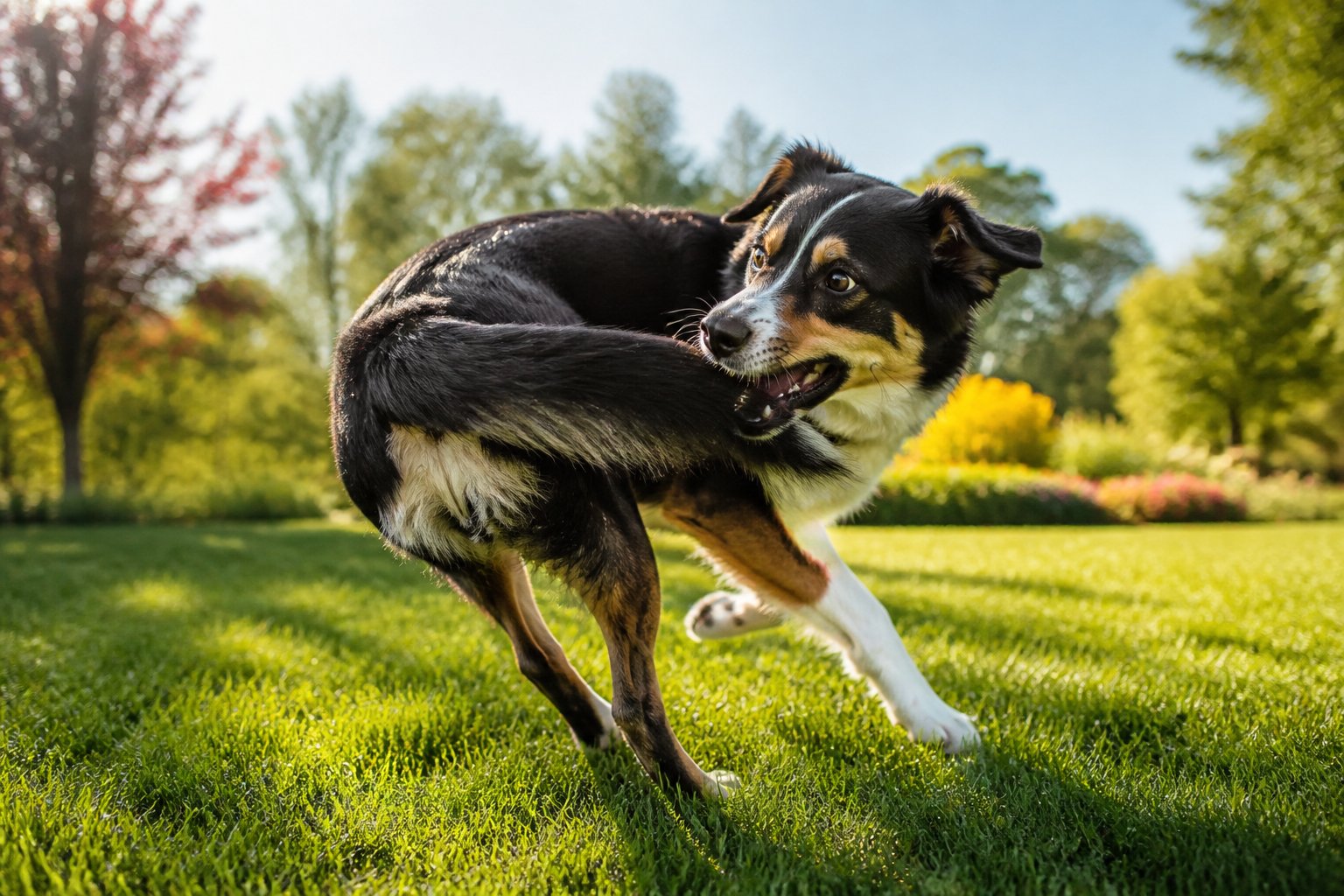
Puppies often chase their tails as part of regular play and exploration. They’re discovering their bodies and testing their coordination. Adult dogs might do it for different reasons, including itchiness, anxiety, or seeking attention from their owners.
This article explores the various factors that trigger tail-chasing in dogs. It covers everything from typical puppy behavior to warning signs that indicate a visit to the vet is needed. Readers will learn how breed, environment, and owner responses all play a role in this common canine habit.
Common Reasons Behind Tail-Chasing

Dogs chase their tails for several reasons, ranging from basic instincts to seeking human interaction. Understanding these common causes helps owners determine when the behavior is normal and when it might need attention.
Natural Instincts in Canine Behavior
Dogs have natural predatory instincts that can trigger tail-chasing behavior. When a dog notices movement in their peripheral vision, their instinct to chase kicks in. The tail represents a moving object that catches their attention, especially in younger dogs still learning about their bodies.
Some breeds show a stronger tendency toward tail-chasing than others. Bull Terriers and certain terrier-type dogs are more prone to this behavior. This genetic link suggests that breeding and inherited traits play a role in how often dogs engage in tail-chasing.
The behavior also connects to a dog’s natural curiosity. Puppies explore their bodies and surroundings constantly. They discover their tail as a new part of themselves and may chase it simply to understand what it is and how it moves.
Playfulness and Puppies
Puppies chase their tails more often than adult dogs. This behavior is part of normal development as they learn about their bodies. Young dogs use tail-chasing as a form of play and self-entertainment.
The activity provides mental and physical stimulation for puppies with excess energy. When puppies feel playful but lack other outlets, they turn to their tail as an available toy. This usually happens during active play periods throughout the day.
Most puppies grow out of frequent tail-chasing as they mature. They learn other ways to play and burn energy. Adult dogs typically chase their tails less often, making it more noticeable when they do.
Attention-Seeking Actions
Dogs learn quickly which behaviors get reactions from their owners. When a dog chases their tail and receives attention, laughter, or interaction, they remember this response. This creates a cycle where the dog repeats the behavior to get more attention.
Signs of attention-seeking tail-chasing:
- Performing the behavior when owners are present
- Stopping when ignored
- Increasing intensity when getting reactions
- Chasing more often during quiet moments
Owners sometimes reinforce tail-chasing without realizing it. Even negative attention like saying “stop” can encourage the behavior. Dogs don’t always distinguish between positive and negative attention, they just want engagement from their human companions.
Medical and Behavioral Causes

Dogs may chase their tails due to physical discomfort or mental health conditions that require attention. These issues range from skin problems to more serious neurological disorders.
Fleas, Allergies, and Skin Irritation
Physical discomfort often triggers tail-chasing behavior in dogs. Fleas are a common culprit, causing intense itching that makes dogs turn to bite or chase their tails for relief. Even a small flea infestation can lead to significant irritation.
Allergies also create skin problems that affect the tail area. Dogs can develop allergic reactions to food, environmental factors, or contact irritants. These allergies cause inflammation and itching that draws attention to the tail.
Common skin-related causes include:
- Flea bites and flea allergy dermatitis
- Food or environmental allergies
- Anal gland problems
- Hot spots or wounds on the tail
- Dry or infected skin
Pain in the tail or lower back can also cause this behavior. Dogs may try to reach the source of discomfort by spinning and chasing.
Compulsive Disorder in Dogs
Some dogs develop compulsive tail-chasing similar to obsessive-compulsive disorder in humans. This behavior becomes repetitive and difficult for the dog to stop. The dog may chase its tail for extended periods without any physical reason.
Stress and anxiety often contribute to compulsive behaviors. Major changes like moving homes, new pets, or schedule disruptions can trigger these patterns. Boredom and lack of mental stimulation also play a role in developing compulsive tail-chasing.
Dogs with compulsive disorders need behavioral intervention. The condition worsens when owners accidentally reinforce the behavior through attention or encouragement. Professional training and sometimes medication help manage these cases.
Impact of Neurological Issues
Neurological conditions can cause dogs to fixate on their tails. These disorders affect the brain’s ability to control impulses and process sensory information. Seizure disorders may present as tail-chasing episodes before or after an actual seizure occurs.
Brain injuries or developmental problems sometimes manifest through repetitive behaviors like tail-chasing. Older dogs may develop cognitive dysfunction that leads to confused or obsessive actions. These neurological causes require veterinary diagnosis through physical examination and potentially advanced imaging or testing.
Influence of Environment and Lifestyle

A dog’s daily routine and surroundings play a major role in tail-chasing behavior. Dogs that lack physical activity or face stressful situations often turn to this repetitive action as an outlet.
Boredom and Lack of Exercise
Dogs need regular physical and mental stimulation to stay healthy and content. When they don’t get enough exercise or engaging activities, they may chase their tails simply to pass the time.
This behavior becomes particularly common in dogs left alone for long periods. Without toys, walks, or interaction, they create their own entertainment. The tail becomes an easy target since it moves when they do.
Active breeds require more daily exercise than others. A border collie needs significantly more activity than a bulldog. When these high-energy dogs don’t get sufficient outlets, tail chasing can become a regular habit.
Signs of boredom-related tail chasing:
- Occurs during quiet periods or when alone
- Stops when the dog receives attention or activities
- Happens more frequently on days with less exercise
- Decreases when physical activity increases
Adding daily walks, play sessions, and puzzle toys typically reduces this behavior. Dogs with adequate mental and physical stimulation rarely develop tail-chasing as a boredom response.
Response to Stress or Anxiety
Dogs sometimes chase their tails when they feel anxious or overwhelmed. This repetitive action can serve as a coping mechanism for uncomfortable emotions or situations.
Changes in the household often trigger stress-related tail chasing. Moving to a new home, adding a family member, or adjusting to a different schedule can all cause anxiety. The dog turns to tail chasing as a way to self-soothe during these transitions.
Some dogs develop this behavior in response to specific triggers. Loud noises, unfamiliar visitors, or separation from their owners may prompt the activity. The tail chasing provides a temporary distraction from the stressful situation.
Chronic stress can turn occasional tail chasing into a compulsive disorder. When anxiety persists without relief, dogs may chase their tails excessively throughout the day. This pattern requires intervention from a veterinarian or animal behaviorist.
Breed and Genetic Tendencies

Some dogs are born with a higher likelihood of chasing their tails due to their breed and genetics. Research shows that certain breeds carry genetic traits that make repetitive behaviors more common.
Breeds Prone to Repetitive Behaviors
Bull Terriers, German Shepherds, and Staffordshire Bull Terriers show higher rates of tail chasing compared to other breeds. Studies have identified these breeds as being particularly susceptible to the behavior.
Some dogs even chase their backsides when they don’t have tails. These dogs may spin rapidly in circles without focusing on any specific target. The behavior appears to be less about the tail itself and more about the compulsive spinning motion.
High-risk breeds include:
- Bull Terriers
- German Shepherds
- Staffordshire Bull Terriers
The tendency appears stronger in certain bloodlines within these breeds. Dogs from families with a history of tail chasing are more likely to develop the behavior themselves.
Inherited Predispositions
Genetic predisposition means some dogs inherit the tendency to chase their tails from their parents. This trait passes down through generations, similar to how coat color or body shape transfers from parent to puppy.
Research indicates that the behavior can run in specific family lines. Breeders have observed that puppies from tail-chasing parents often develop the same habit.
The genetic component doesn’t guarantee a dog will chase its tail. Environment and individual factors still play important roles. However, dogs with genetic predisposition need extra attention to prevent the behavior from becoming excessive or compulsive.
Owner Reactions and Human-Dog Interactions

How owners respond to tail chasing can either reduce the behavior or make it worse. Dogs learn quickly from human reactions, and proper training helps manage excessive tail chasing.
Reinforcement from Attention
Dogs are smart animals that notice which behaviors get reactions from their owners. When a dog chases its tail and people laugh, clap, or even just watch closely, the dog sees this as positive attention. This makes the dog more likely to repeat the behavior.
Common reinforcing reactions include:
- Laughing or smiling
- Talking to the dog in an excited voice
- Recording videos or taking photos
- Calling other family members to watch
Dogs thrive on social interaction with their humans. If tail chasing gets attention when other behaviors don’t, the dog will choose tail chasing more often. Some dogs develop this into a regular performance they use when they want their owner to notice them.
Owners who want to stop reinforcing this behavior should ignore tail chasing completely. This means no eye contact, no talking, and no physical interaction when it happens.
Training and Setting Boundaries
Reducing excessive tail chasing requires consistent training methods. Owners should redirect their dog’s attention to appropriate activities when tail chasing starts. Offering a favorite toy, starting a game, or practicing basic commands gives the dog something better to do.
Physical exercise and mental stimulation prevent boredom-related tail chasing. Daily walks, play sessions, and puzzle toys keep dogs engaged with their environment instead of their tails.
Effective prevention strategies:
- Provide 30-60 minutes of daily exercise
- Use interactive toys and food puzzles
- Teach and practice obedience commands
- Reward calm behavior with attention
Setting clear boundaries means only giving attention when the dog shows desired behaviors. Praise and treats should come when the dog plays appropriately, rests calmly, or follows commands.
When Tail-Chasing Signals a Health Concern

While occasional tail-chasing is normal play behavior, frequent or obsessive episodes often point to medical issues or behavioral problems that need attention. Dogs experiencing pain, skin irritation, or compulsive disorders may chase their tails as a response to physical discomfort or stress.
Recognizing Problematic Patterns
Normal tail-chasing typically lasts a few seconds during playful moments. Problematic behavior looks different and appears more intense.
Warning signs include:
- Chasing that continues for several minutes without stopping
- Daily episodes that happen multiple times
- The dog appears unable to stop even when called or distracted
- Visible injuries on the tail from biting or excessive licking
- The behavior interferes with eating, sleeping, or normal activities
Some dogs chase their tails because of medical conditions like flea infestations, allergies, or anal gland problems. These issues cause itching or discomfort near the tail area. Pain from injuries or arthritis in the tail or hind legs can also trigger this behavior.
Bull Terriers and similar breeds show higher rates of compulsive tail-chasing linked to genetic factors. In these cases, the behavior often starts young and worsens over time without intervention.
When to Consult a Veterinarian
A veterinarian should examine any dog that chases its tail frequently or intensely. The vet can identify underlying medical problems through physical examination and diagnostic tests.
Schedule a vet visit if the dog shows:
- Raw, bleeding, or hairless patches on the tail
- Sudden onset of tail-chasing in an adult dog
- Aggressive biting at the tail area
- Signs of distress like whining or yelping while chasing
- Refusal to stop when offered food or favorite toys
The veterinarian will check for parasites, skin conditions, neurological issues, and sources of pain. They may recommend blood work or imaging if they suspect internal problems. For behavioral causes, the vet might refer the dog to a veterinary behaviorist who specializes in compulsive disorders.
Early intervention prevents minor issues from becoming serious medical or behavioral problems.
Preventive Measures and Solutions

Stopping tail chasing requires addressing the root cause through environmental changes and consistent behavior management. A combination of mental stimulation, physical activity, and positive reinforcement creates the foundation for reducing this behavior.
Environmental Enrichment Ideas
Dogs need regular mental and physical stimulation to prevent boredom-related tail chasing. Daily exercise should match the dog’s breed, age, and energy level. High-energy breeds may need 60-90 minutes of activity, while smaller or older dogs might need less.
Mental stimulation activities include:
- Puzzle toys and treat-dispensing balls
- Hide-and-seek games with toys or treats
- Training sessions for new commands or tricks
- Rotating toys every few days to maintain novelty
Interactive playtime strengthens the bond between dog and owner while burning excess energy. Dogs left alone for long periods benefit from doggy daycare or a pet sitter who can provide mid-day activity.
Creating a structured routine helps reduce anxiety and stress. Regular feeding times, walks, and play sessions give dogs predictable patterns they can rely on.
Effective Behavior Management Strategies
Redirecting attention works better than punishment when a dog starts chasing their tail. Owners should call their dog’s name and offer an alternative activity like fetch or a chew toy. Rewarding the dog immediately when they stop reinforces the desired behavior.
Ignoring mild tail chasing prevents accidentally rewarding the behavior with attention. Some dogs chase their tails because they’ve learned it gets a reaction from their owners.
Key management techniques:
- Redirect before the behavior starts by recognizing triggers
- Use positive reinforcement when the dog chooses other activities
- Avoid physical punishment, which increases stress
- Keep a diary to track when tail chasing occurs most often
Persistent or obsessive tail chasing requires veterinary consultation. A vet can rule out medical causes like skin allergies, parasites, or anal gland issues before recommending behavioral therapy or medication for compulsive disorders.
Frequently Asked Questions

Dogs chase their tails for reasons ranging from normal puppy behavior to medical issues that need attention. Understanding the specific circumstances helps determine whether the behavior is harmless or requires intervention.
Why does my dog chase his tail in circles?
A dog chasing his tail in circles is usually engaged in play or trying to burn off extra energy. This circular motion happens because the dog is following the movement of his tail as it curves around his body.
Boredom often triggers this behavior, especially in dogs that don’t get enough physical exercise or mental stimulation. If the circling becomes frequent or intense, it could signal a compulsive disorder that needs professional attention.
Why is my dog chasing his tail and biting it?
Tail chasing combined with biting often indicates skin irritation or discomfort. Fleas, allergies, or skin infections can make the tail area itchy and uncomfortable.
Anal gland problems are another common cause of this behavior. Dogs have scent glands near their tail base that can become impacted or infected, causing pain and irritation.
Some dogs bite their tails due to injuries or hot spots they’re trying to address. A vet should examine any dog that persistently bites his tail to rule out medical issues.
Why is my dog chasing his tail all of a sudden?
Sudden tail chasing often points to a new source of discomfort or stress. Medical issues like recent injuries, skin problems, or digestive discomfort can trigger this behavior out of nowhere.
Changes in the dog’s environment or routine can also cause sudden tail chasing. Moving to a new home, adding a new pet, or shifts in the family schedule may create stress that manifests as tail chasing.
Why do dogs chase their tails when they’re excited?
Excited dogs sometimes chase their tails as a way to release pent-up energy. This behavior works like a physical outlet for the overwhelming feelings they’re experiencing.
The movement and spinning create stimulation that matches their heightened emotional state. Young dogs and high-energy breeds are more likely to show this excited tail-chasing behavior.
Why do puppies chase their tails?
Puppies chase their tails primarily out of curiosity and playfulness. They’re still discovering their own bodies and find the moving tail an interesting object to investigate.
This behavior is a normal part of puppy development and exploration. Most puppies grow out of frequent tail chasing as they mature and find other ways to entertain themselves.
Puppies also use tail chasing to burn energy when they’re bored or need more playtime. The activity usually decreases naturally as they age and their interests expand.
What dog breeds are most likely to chase their tails?
Bull terriers and German shepherds show higher rates of tail chasing compared to other breeds. These breeds appear to have a genetic tendency toward this behavior.
Herding breeds like Australian shepherds and border collies also chase their tails more frequently. Their natural instinct to chase and control movement may contribute to this pattern.
Smaller breeds with high energy levels, including Jack Russell terriers, often engage in tail chasing. Any breed can develop this behavior, but these specific breeds show a stronger predisposition.